Why Are Goldfinches Flocking To Georgia Yards In Late Summer?
Late summer in Georgia can feel like the garden is running out of steam.
The heat hangs around, the lawn gets crispy at the edges, and many flowers start looking tired.
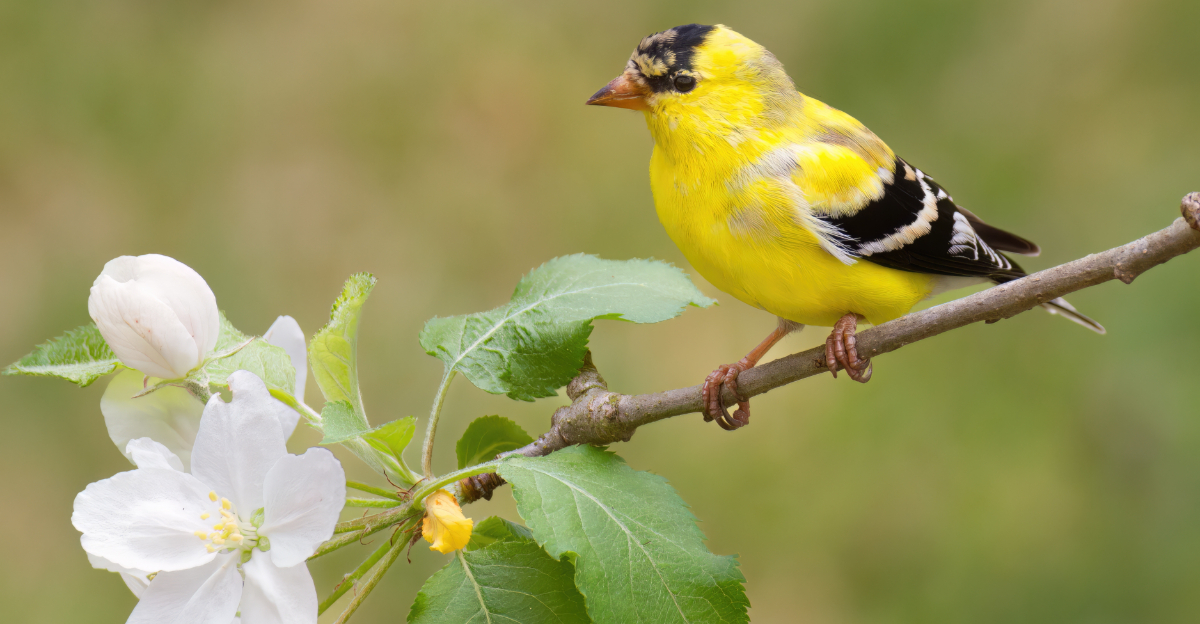
Then a flash of yellow drops onto a sunflower head, another lands on a coneflower, and suddenly the whole yard feels awake again. American goldfinches have a way of making August look less exhausted and much more alive.
Their timing is not random.
Goldfinches follow a different seasonal rhythm than many backyard birds. They nest later, feed heavily on seeds, and search for yards where flower heads are allowed to mature instead of getting cleared too soon.
A garden full of sunflowers, coneflowers, zinnias, coreopsis, asters, and milkweed can become exactly the kind of late-summer stop they need.
So why are goldfinches flocking to Georgia yards right now?
Because the seed buffet is finally ready, their nesting season is still active, and the best yards have left the right plants standing.
1. Late Nesting Puts Parents On The Move
Goldfinches show up late because their family calendar runs late.
Many Georgia songbirds are already finished with nesting by the time July heat settles in. Goldfinches wait.
Their peak nesting period often falls in July and August, which means they are still actively searching for food when many other birds have shifted into a different rhythm.
That late schedule is tied closely to seed.
Unlike many songbirds that feed soft insects to their chicks, American goldfinches rely heavily on seeds. They time their nesting around the moment when summer flower heads begin to ripen.
By waiting until seed is plentiful, parent birds can feed themselves and their young from a reliable food source that keeps replenishing across gardens, meadows, roadsides, and backyard borders.
That is why a Georgia yard can suddenly become busy with goldfinches in late summer.
The birds are not just wandering through because the flowers look pretty. They are looking for food that fits their nesting needs.
Mature sunflowers, coneflowers, zinnias, coreopsis, and other seed-heavy flowers turn a yard into a practical feeding station.
You may never see the nest. Goldfinches often place nests in shrubs or small trees, sometimes away from the exact spot where they feed.
The birds visiting your garden may be raising young nearby or moving between several food sources in the neighborhood.
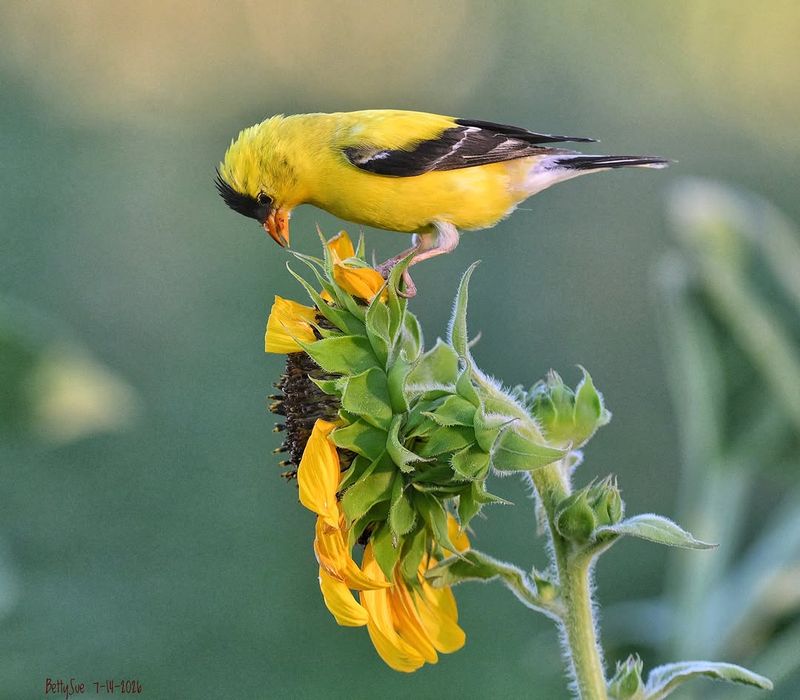
Juveniles can look much duller and streakier than the bright yellow adults. A group with both vivid adults and softer-colored young birds is a good sign that local nesting has gone well.
Morning and late afternoon tend to bring the most activity because temperatures are less punishing. Watch the same plants for several days, and patterns often appear.
The flock is following food, family needs, and the late-summer nesting clock.
2. Ripe Sunflower Heads Become Backyard Feeders
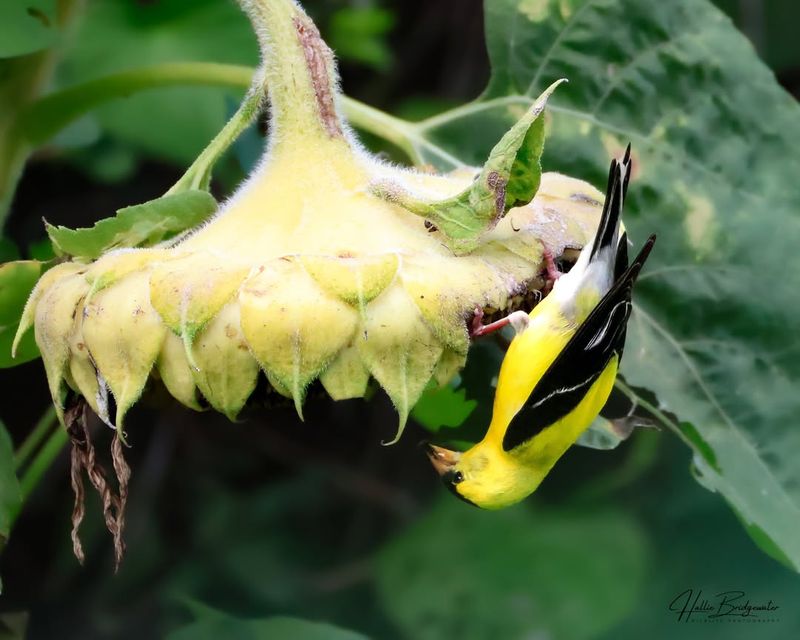
Sunflowers are one of the clearest reasons goldfinches visit Georgia yards in late summer.
A standing sunflower head loaded with seed is basically a feeder on a stem. It offers a perch, a food source, and enough visibility for the birds to land, feed, and keep watch.
Your Georgia Garden Changes Every Week. Your Plan Should Too.
Gardening in Georgia changes quickly throughout the season. Every Friday you’ll receive a simple weekly plan showing exactly what to plant, prune, fertilize, harvest, and protect so you never miss the right timing.
Once the petals fade and the center matures, goldfinches often begin working the face of the flower with quick, precise movements.
That is the stage many gardeners remove too soon.
A sunflower that looks past its ornamental peak may be entering its wildlife peak. The showy petals have done their job, but the seed head is just becoming valuable.
Leaving selected heads in place through July, August, and into September can keep goldfinches returning again and again.
Tall varieties belong toward the back of a border, along a fence, or beside a sunny garden edge where heavy stems can lean without blocking paths. Shorter branching types can fit into flower beds where gardeners still want color and structure.
Staggered planting helps. Sow or transplant sunflowers in waves a couple of weeks apart so not every head ripens at the same moment. That extends the seed window and gives birds more reasons to stay near the yard.
A small patch can still matter. Six to eight healthy sunflowers can draw steady visits if the heads are left to mature.
You can balance seed saving and bird feeding. Cover a few heads with breathable bags if you want seed for next year, then leave others open for goldfinches.
Remove heads only after they have been thoroughly stripped or have begun to collapse in a way that looks messy. Until then, the dry head is not a failure. It is doing its second job.
Goldfinches come because the sunflower has stopped performing for people and started feeding birds.
3. Coneflower Centers Hold The Seeds They Want
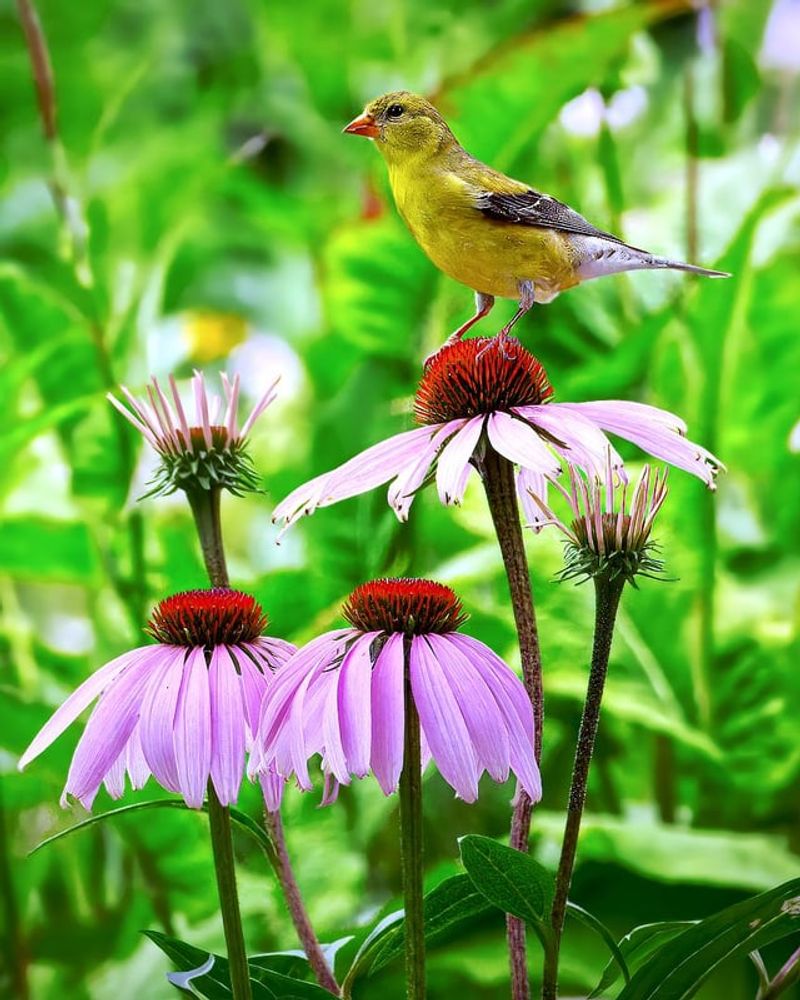
Coneflowers become more useful after the petals fade.
That is a hard adjustment for gardeners who like every bed freshly deadheaded. By August, purple coneflowers may have lost their bright petals, leaving brown, spiky centers behind.
Those centers can look rough at first glance, but to goldfinches, they are seed-packed perches worth visiting.
The cone is the point.
Goldfinches cling to the dried center and pry seeds loose with their small pointed bills. Their balance is impressive.
They may sway with the stem, pause to look around, then keep working through the seed head as if the whole plant was designed for them.
In many Georgia gardens, coneflowers offer one of the easiest ways to feed birds without adding a feeder, buying seed, or creating extra chores.
Plant them in groups rather than single scattered plants. A cluster of five or more gives birds multiple feeding spots and makes the planting look intentional even after bloom.
Massing also helps the garden carry late-season structure once fresh flowers fade.
Good air circulation matters in Georgia humidity. Coneflowers like sun and well-drained soil, and plants crowded into damp, still corners may struggle with leaf issues. Healthy plants produce stronger stems and better seed heads.
Delayed cutback is the essential habit. Do not clear every brown center in early September. Leave healthy stems standing into fall and winter if the bed allows it.
You can still tidy the garden. Remove diseased stems, cut back plants that flop over walkways, and keep bed edges neat. Just leave enough seed heads for birds to use.
A coneflower center may look finished to the gardener.
To a goldfinch in late summer, it looks like dinner.
4. Seeded Zinnias Keep Them Visiting
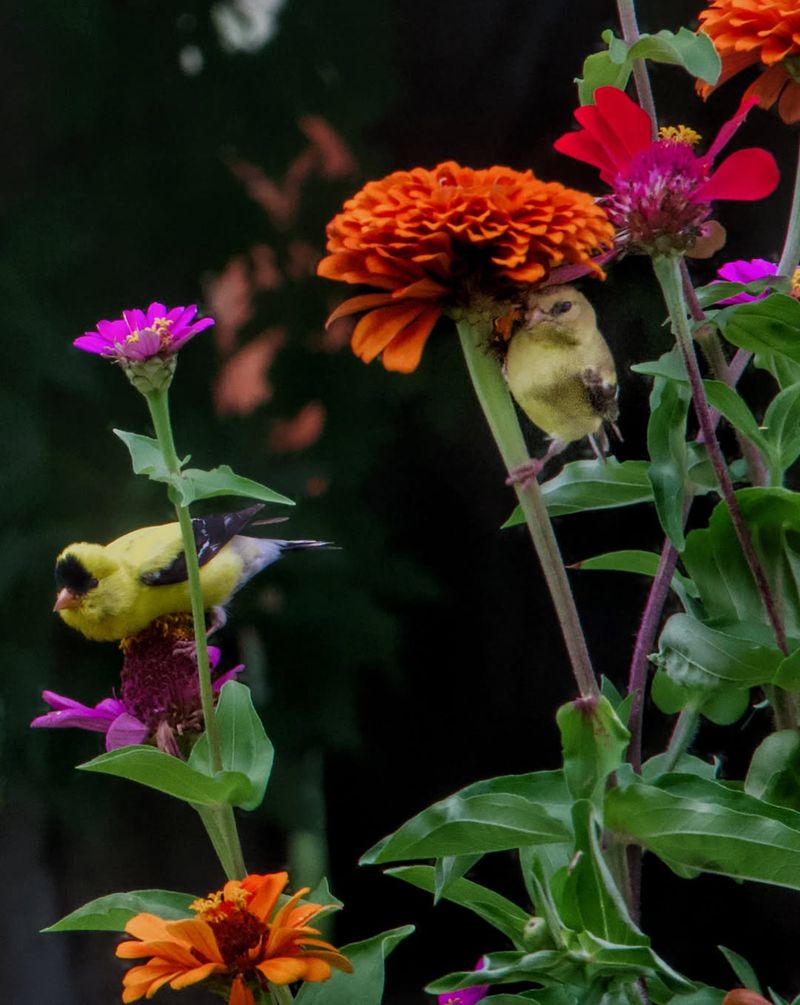
Zinnias keep Georgia gardens colorful through brutal summer weather, but their seed heads can be just as valuable as their blooms.
Most gardeners deadhead zinnias constantly, and that does keep flowers coming. The trick is not stopping entirely. The trick is choosing a few plants to let mature while the rest continue blooming.
That selective restraint creates goldfinch food without turning the whole bed messy.
Pick outer plants, back-row plants, or less visible stems and allow some flowers to age fully. As the petals fade and the centers dry, seeds begin to form.
Goldfinches may visit those dry centers and work through them with the same careful precision they use on coneflowers.
Use untreated seed if birds will feed from the plants. Avoid systemic pesticide use on any zinnias you plan to leave for wildlife. The goal is to make the plants a safe food source, not just an attractive one.
Georgia humidity can bring powdery mildew to late-season zinnias. Good spacing helps. Wider spacing improves airflow and keeps the patch from becoming a damp tangle. Water near the soil instead of soaking leaves late in the day.
Mildew on leaves does not always ruin seed value, but very unhealthy plants may not produce as well. Keep the strongest seed heads and remove plants that are collapsing or spreading disease pressure through the bed.
Large-flowered varieties can produce obvious seed heads, while smaller types may offer many feeding points over time. Both can help if the flowers are allowed to finish their cycle.
Zinnias are useful because they bridge beauty and bird value.
Leave a few heads to ripen, and goldfinches get another reason to return during the hottest part of the season.
5. Coreopsis And Native Asters Extend The Feeding Window
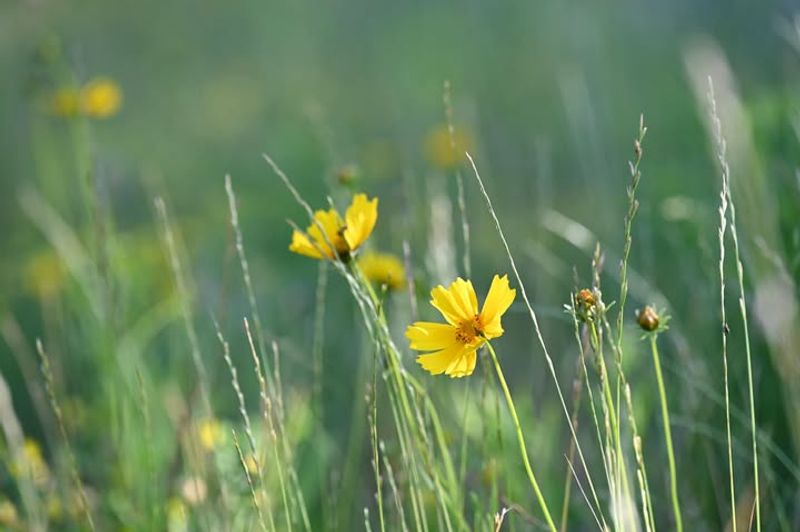
Goldfinches flock to yards that keep producing seed after the first summer flowers fade.
That is where coreopsis and native asters earn their space. Together, they stretch the feeding window beyond one short bloom period and give birds a reason to check the same garden corner for weeks.
Coreopsis, including lanceleaf coreopsis and tickseed, can produce abundant small seed heads through summer. The flowers brighten sunny beds, then shift into seed production that birds may use once the bloom display has passed.
This is another plant where the dried stage matters.
A gardener sees spent stems. A goldfinch sees reachable seed. Leaving at least part of the patch standing can turn a fading flower bed into a late-summer feeding area.
Native asters extend the season even farther. Georgia asters and Elliott’s aster bring late blooms into September and October, and their seed later adds another layer of value.
They also support pollinators before seed develops, which makes the planting useful to more than birds.
Plant these in sunny to partly sunny spots with reasonable drainage. Many native asters can handle Georgia clay better than fussier ornamentals, especially once established.
Coreopsis often performs best in open sunny ground where it is not crowded by aggressive neighbors.
A mixed patch looks more natural and feeds more wildlife. Coreopsis can carry earlier seed, while asters pick up later activity. Together, they prevent the garden from going quiet too soon.
Let the plants self-sow a little where space allows. A larger patch means more stems, more seed, and more bird visits.
Keep edges tidy if the bed sits near a front walk or property line. A neat border makes standing seed heads look intentional.
Goldfinches come back when the food supply continues.
Coreopsis and asters help make sure the buffet does not close in August.
6. Milkweed Pods Offer Nesting Fiber And Seed
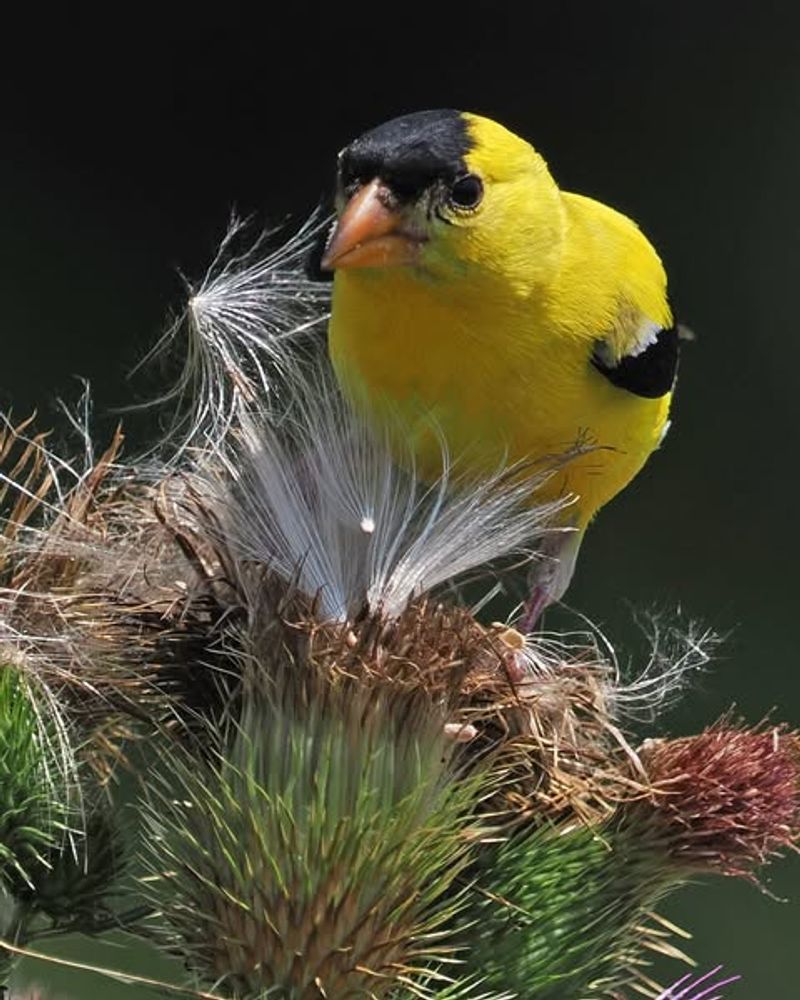
Milkweed brings more to a late-summer yard than monarch caterpillars.
By late August and September in Georgia, milkweed pods begin to mature and split. Inside are seeds attached to silky white fibers.
Goldfinches may use those fibers as soft nesting material, and some birds may pick at the seeds as well.
That timing lines up beautifully with their late nesting season.
Because goldfinches nest later than many birds, they can use materials that appear after other species have already finished raising young. A milkweed patch with ripening pods can become part of that nesting support system.
Choose regionally appropriate milkweeds. Butterfly weed and common milkweed are better wildlife choices for Georgia gardens than tropical milkweed, which can create problems for monarch health when it persists through mild winters.
Plant milkweed in a sunny spot where it has room to mature. Some species spread more than others, so place them where a small patch can be managed without constant conflict.
Do not cut stems too early. If you remove pods before they split naturally, you remove the fiber and seed resource just as it becomes useful. Let a few pods mature fully, even if you manage the rest to limit unwanted spreading.
A small planting can do a lot. Two to four plants near seed-producing flowers can support monarchs, pollinators, and birds in the same corner of the yard.
If you want to control reseeding, collect some pods once they begin to split but before every seed flies. Leave others for wildlife.
Milkweed shows how layered a Georgia garden can become in late summer.
One plant can feed caterpillars, offer nectar, release nesting fiber, and add seed value. Goldfinches notice that kind of resource-rich patch.
7. Standing Seed Heads Keep The Yard Worth Visiting
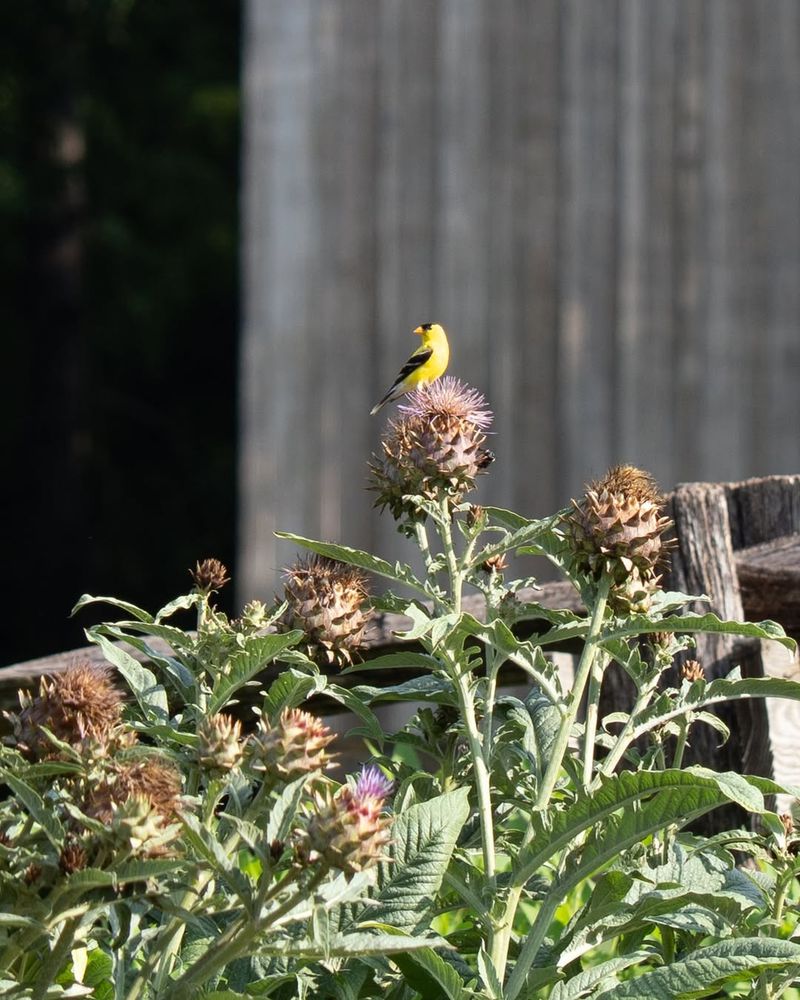
Goldfinches gather where gardeners delay the big cleanup.
That may be the most important reason they flock to some Georgia yards and skip others. A garden stripped clean in early September removes the seed heads birds came to find.
A garden with selected stems left standing keeps feeding them long after peak bloom has passed.
Delayed cutback does not mean the yard has to look abandoned.
Use a staged approach. Clear diseased plants, trim stems that block paths, and tidy the edges of beds first. Leave healthy seed heads standing in the middle or back of the planting where birds can reach them and the garden still looks cared for.
Sunflowers, coneflowers, zinnias, coreopsis, asters, and milkweed all gain wildlife value when allowed to finish their cycle. The dry stems and seed heads may not look like fresh flowers, but they bring movement, sound, and bird activity into the yard.
Goldfinches often feed in small groups, moving from one plant to another while calling softly. Their presence can make a late-summer garden feel animated again, even when the flowers themselves are fading.
Leaving stems also helps insects. Some native bees and other beneficial insects use hollow or pithy stems and plant debris for overwintering shelter. That means a bird-friendly cleanup delay can support next year’s pollinator activity too.
Cut back in stages through late winter or early spring if you prefer a cleaner look before new growth starts. You do not have to leave every stem forever. You just need to avoid removing all food at the exact moment birds need it.
Goldfinches flock to yards that still have something to offer.
In late summer, that something is usually seed, structure, and a gardener willing to wait.