How New Mexico Plant Owners Should Prune Pothos For Fuller Growth

Your pothos looks tired, thin, and strangely lopsided in every direction right now. Something you notice immediately: those long, bare stems stretching oddly nowhere.
New Mexico sunlight hits your plants harder than expected. Dry air pulls moisture from your leaves fast, leaving stems fragile. Scissors become your quiet, reliable ally against that overgrown mess.
Cutting redirects energy toward stronger, fuller growth. Every snip sends fresh energy toward new leaves instead of stems. Bare patches aren’t permanent; they’re always invitations for fresh shoots.
Light in New Mexico pushes vines to stretch unevenly toward windows. Without intervention, your plant just keeps quietly sprawling awkwardly forever. Timing matters more than you might realize.
Location of each cut changes everything about your plant’s long-term future growth. Confidence with your shears always beats hesitation every single time.
Knowledge separates your leggy vine from a truly lush cascade. A misplaced cut could undo months of growth.
1. Cut Just Below A Leaf Node

Knowing where to cut changes everything. A leaf node is the small bump on a vine where a leaf attaches to the stem.
When you snip just below that node, the plant gets a signal to push out new growth from that spot.
Skipping this step means you leave a bare stub that never sprouts. That stub won’t sprout and diverts energy from healthy growth. Cutting at the right place keeps your pothos healthy and productive.
New Mexico homes tend to be warm and dry indoors. That environment encourages fast cell activity at cut sites, so your plant can bounce back quickly after a clean snip below a node.
Use sharp, clean scissors or pruning shears every time. Dull blades crush the stem instead of cutting it, which slows healing and invites bacteria. A clean cut heals faster and lets new shoots appear sooner.
Look closely at the vine before you cut. You will notice small brown bumps or nubs along the stem at regular intervals. Those are your targets, and each one holds the potential for a brand-new branch.
Once you start cutting at nodes consistently, you will notice your plant filling in within weeks. Fuller growth is not magic, it is just biology working in your favor. Trust the node, and your pothos will reward you.
2. Trim Vines Back To Encourage Branching
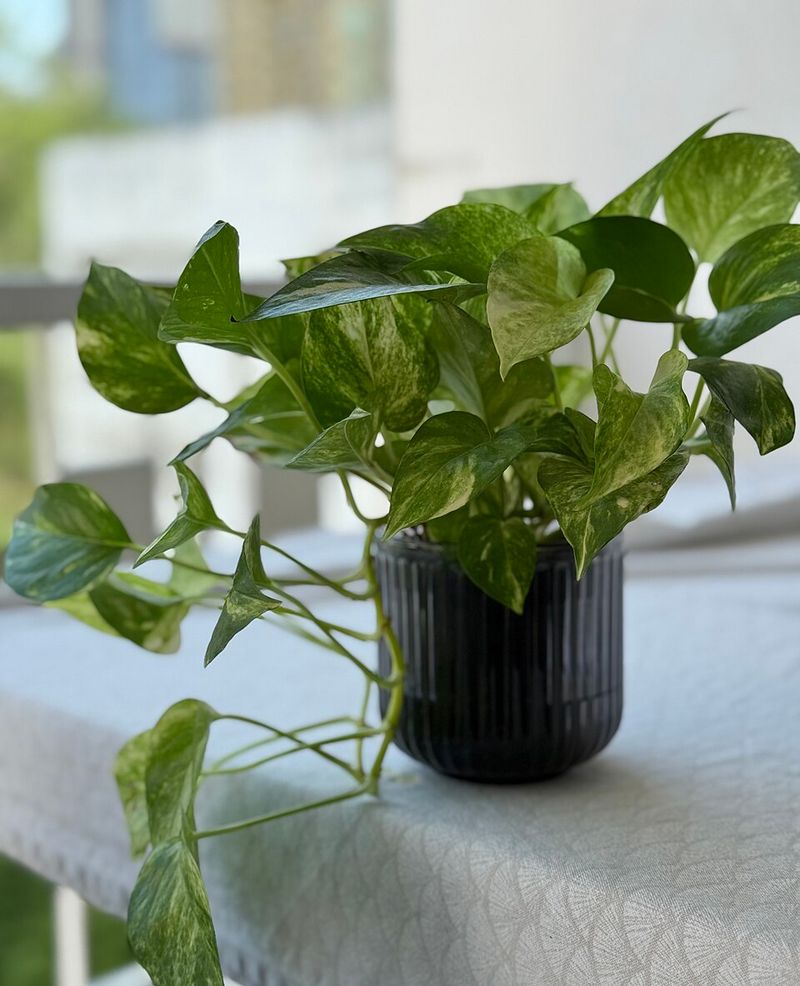
Long vines look dramatic, but they often come at a cost. When a pothos vine stretches too far, the plant pours all its energy into length rather than fullness.
Trimming those vines back redirects that energy toward new branches. Think of it like a road detour. You close one path, and the plant finds two or three new ones.
Each trimmed vine tip can spark multiple new shoots lower on the stem, making the whole plant look denser.
In New Mexico, pothos can grow quickly during spring and summer. The warm temperatures and long daylight hours fuel rapid vine extension.
That means pothos may grow faster indoors during warmer months, requiring more frequent trims.
Your New Mexico Garden Changes Every Week. Your Plan Should Too.
Gardening in New Mexico changes quickly throughout the season. Every Friday you’ll receive a simple weekly plan showing exactly what to plant, prune, fertilize, harvest, and protect so you never miss the right timing.
Start by identifying the longest vines first. Cut them back by one-third to one-half of their total length. Do not remove more than half at once, since too much cutting can stress the plant.
After trimming, place your pothos in bright, indirect light. A spot near a south or east-facing window works well in most New Mexico homes. Good light helps the plant recover faster and push out new growth.
Within a few weeks, you should see small nubs forming along the trimmed vines. Those nubs will become new branches, and those branches will fill in the gaps. Trimming back is a normal, low-risk part of plant maintenance.
3. Remove Long, Bare Stems Regularly
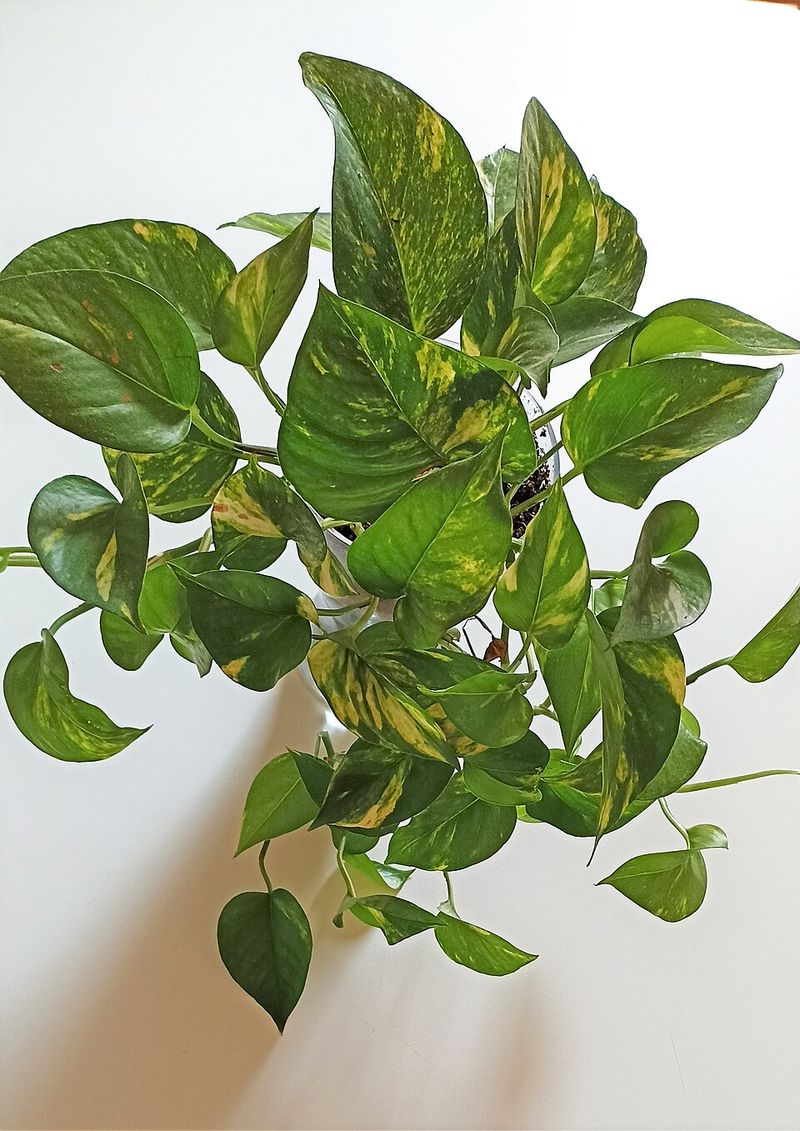
Bare stems are sections of vine that no longer produce leaves. They stretch across your pot without a single leaf, making the whole plant look sparse and neglected. Removing them regularly keeps your pothos looking its best.
A stem goes bare when leaves drop due to low light, overwatering, or just age. Once those leaves are gone, that section of vine rarely sprouts new ones on its own. Cutting it off frees up space and nutrients for healthier growth.
New Mexico gardeners sometimes deal with low indoor humidity. Dry air can cause leaf drop faster than in humid climates, leaving behind more bare stems than usual. Checking your plant weekly helps you catch problem areas early.
When you spot a bare section, trace it back to where the last healthy leaf grows. Cut the stem just above that leaf, or remove the bare section entirely if no leaves remain. The plant will not miss it.
Toss the bare trimmings in your compost bin or yard waste bag. There is no need to try propagating leafless stems since they rarely root successfully. Focus your energy on the healthy cuttings instead.
Making this a monthly habit keeps your pothos looking full and intentional. A plant with clean, leafy vines just feels more alive in a room. Regular removal of bare stems is one of the easiest wins in your pruning routine.
4. Snip Trailing Vines Every Few Months

Trailing vines are part of what makes pothos so charming. Those long, cascading strands look gorgeous on a shelf or hanging planter.
But left unchecked, they can grow so long that the plant starts to look thin and one-directional.
Snipping trailing vines every few months keeps things balanced. It stops the plant from putting all its effort into one or two dominant strands. That balance leads to a fuller, more even shape across the whole pot.
Set a simple reminder on your phone for every eight to twelve weeks. Seasonal check-ins work great, especially since New Mexico has distinct warm and cool periods. Spring and early fall are ideal times to do a light trim.
When you snip, aim for a point just above a healthy leaf. That cut signals the vine to branch out rather than keep stretching. You might be surprised how quickly two new shoots appear from a single cut.
Do not feel like you need to cut every vine at once. A light snip on the longest three or four vines is enough to make a visible difference. Gradual trimming is gentler on the plant than one dramatic cut session.
Over time, this habit builds a plant with layers of growth rather than just one long strand. Layered growth catches the eye and fills the pot beautifully. A few snips every couple of months is all it takes to prune pothos into something stunning.
5. Pinch Growth Tips To Boost Fullness

Pinching sounds almost too simple to be effective, but it works surprisingly well. When you pinch off the very tip of a growing vine, you stop that vine from extending further. The plant then redirects its energy sideways, creating new shoots lower on the stem.
You do not even need scissors for this technique. Just use your thumb and index finger to pinch off the newest leaf or growth tip. It takes about two seconds and costs nothing, but the results show up fast.
In New Mexico’s warm interior spaces, pothos can push out new growth tips frequently. That means more opportunities to pinch and redirect energy throughout the growing season. Active growers respond especially well to this method.
Try pinching tips on multiple vines at once for maximum impact. Hitting five or six vines in one session can trigger a wave of new branching across the whole plant. The result is a noticeable increase in new growth.
New growth tips are usually the lightest green or slightly yellowish on variegated varieties. They are soft and easy to pinch off cleanly.
Avoid pinching older, tougher sections of vine since that can damage the stem unnecessarily.
Combine pinching with occasional trimming for the best outcome. Together, these two techniques give you a plant that grows wide and full rather than long and leggy. Fullness is the goal, and pinching is one of your most powerful tools to get there.
6. Propagate Cuttings To Fill Bare Spots

Sometimes pruning leaves your plant looking a little sparse in certain spots. That is where propagation steps in as the perfect fix. You can take the cuttings you just snipped and root them to fill those empty areas of the pot.
Place fresh cuttings in a glass of water near a bright window. New Mexico’s sunny days provide plenty of indirect light to encourage rooting. Within two to four weeks, you should see small white roots forming from the cut end.
Once roots reach about an inch long, the cutting is ready to plant. Tuck it into the soil right next to the mother plant in the same pot. As it grows, it will fill in the gaps and make the whole planter look lush.
This trick is especially useful after a heavy pruning session. Instead of throwing away all those trimmings, you turn them into new growth. Propagating cuttings is an easy, low-cost way to get more plants.
Choose cuttings that have at least two or three leaves and one visible node. Those are the ones most likely to root successfully and thrive after planting. Weak or tiny cuttings often struggle to establish in dry indoor soil.
Learning to propagate is one of the best skills a plant owner can build. It saves money, reduces waste, and keeps your pothos looking full year-round. Your one plant can quietly become three or four with just a little patience.
7. Avoid Heavy Cutting During Winter Slowdown
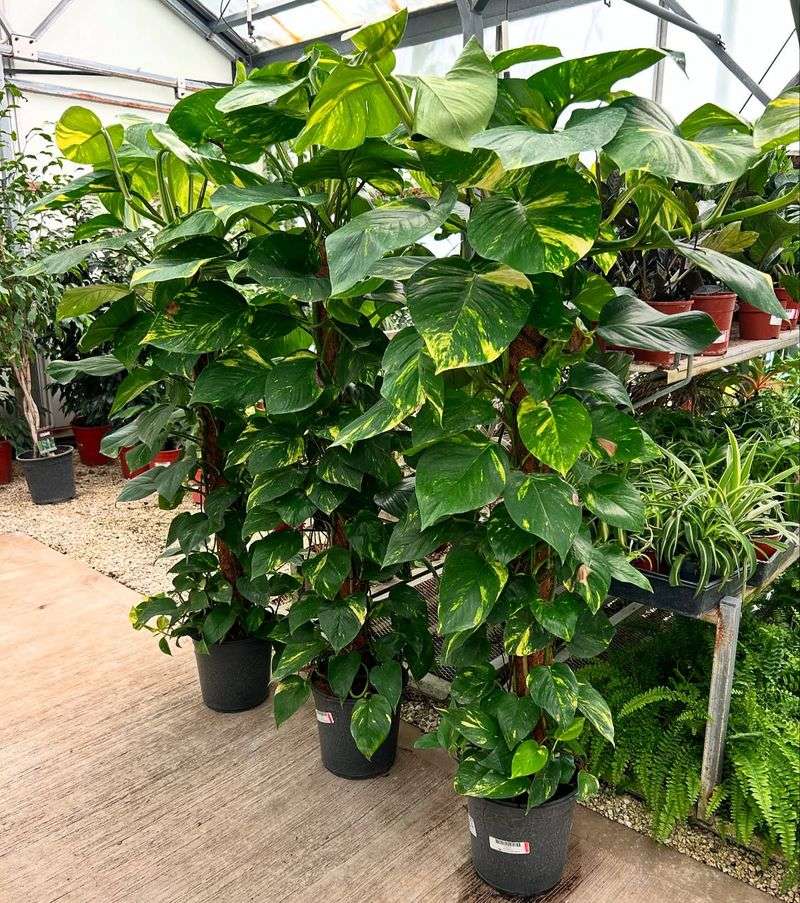
Pothos growth naturally slows in winter due to lower light. While this plant is tougher than most, it still slows its growth during the cooler months. Heavy pruning during that slowdown can leave your plant struggling to recover.
New Mexico winters can be cold, especially at higher elevations like Santa Fe or Taos. Indoor temperatures drop, and natural light decreases significantly during December and January. Both of these factors reduce the plant’s ability to bounce back from cuts.
If you prune aggressively in winter, the plant may not produce new shoots for months. That leaves you with a thin, sparse plant right when you want cozy greenery indoors. Patience now pays off with lush growth come spring.
Light maintenance is still acceptable during winter months. Removing one or two wilted leaves or a single bare stem will not harm your pothos. The rule is to avoid heavy trimming sessions until the growing season resumes.
Watch for signs that your plant is waking up in late February or March. New leaf buds and faster vine growth signal it’s time to resume pruning.
Holding off on major cuts during the slower winter months is one of the most underrated tips for long-term plant health.
Respecting your pothos’s natural rhythm leads to stronger, more vigorous growth when the warm season returns. Good timing is just as important as good technique.
8. Rotate The Plant For Even Growth

Rotation is not pruning in the traditional sense, but it works hand in hand with your cutting routine. When a pothos always faces the same direction, it grows toward the light source and ignores the shadier side. That creates an uneven, lopsided plant.
Turning your pot a quarter turn every week or two solves this problem easily. Each side of the plant gets a fair share of light, which encourages even, balanced growth. The result is a fuller plant that looks good from every angle.
In New Mexico, sunlight comes in strong and at specific angles depending on the season. South-facing windows get intense midday sun, while east-facing windows offer softer morning light.
Rotating helps your pothos adjust to shifting light patterns throughout the year. After rotating, you may notice some vines seem shorter or less leafy on one side. That is normal, and it means rotation is doing its job by revealing where growth is uneven.
A few targeted snips on the fuller side can help balance things out. Combining rotation with your regular pruning routine creates a powerful system. You trim for fullness, and you rotate for balance, giving the plant every advantage.
Together, these habits produce a pothos that looks intentional and thriving. Even the simplest habit, like spinning a pot, can completely change how a plant grows.
Consistent rotation contributes to the full, even look seen in well-maintained pothos. Regular pruning and rotation support fuller, more balanced growth.