These Are The Texas Garden Mistakes That Cost Homeowners The Most Money Every Single Year
Gardening in Texas is not cheap to begin with, and certain mistakes make it significantly more expensive without the gardener ever fully connecting the cost to the cause.
Some of the most financially damaging habits in a Texas garden look like reasonable decisions at the time, plant choices that seem versatile, care routines that feel thorough, and landscaping approaches that appear low maintenance until the water bills, replacement plants, and ongoing treatments start adding up season after season.
Texas-specific conditions, the heat, the soil variability, the freeze and drought cycles, amplify the cost of these mistakes in ways that the same errors would not produce in a more forgiving climate.
Identifying where the money is actually going and what decisions are driving those recurring costs is the most practical step a Texas homeowner can take toward a landscape that stops being a financial drain and starts being a reasonable investment.
1. Overwatering Lawns And Plants
Most people think more water equals healthier plants. In Texas, that kind of thinking can cost you serious money.
Overwatering is one of the most common and expensive gardening mistakes homeowners make across the state, and it happens more often than you might expect.
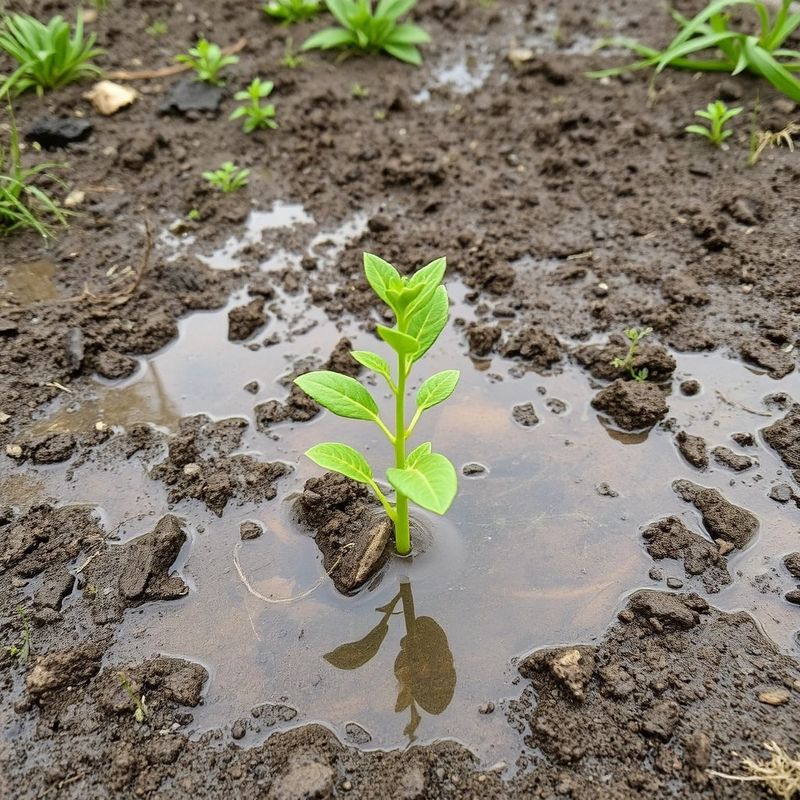
When you water too much, a few bad things happen all at once. Your water bill climbs higher every month.
Your soil stays soggy, which cuts off oxygen to plant roots. That lack of oxygen leads to root rot, a condition that slowly weakens and eventually destroys plants from the ground up.
Root rot is not cheap to fix. You often have to remove the affected plant, treat the soil, and buy a replacement.
For trees or large shrubs, that replacement cost can run into the hundreds of dollars. Do that a few times a season and the damage to your budget adds up fast.
Overwatering also invites fungal diseases and pests like gnats and grubs, which thrive in wet conditions. Once those problems take hold, you may need to spend money on fungicides or pesticides to bring things back under control.
The fix is straightforward. Check your soil before you water. Stick a finger about two inches into the ground. If it still feels moist, skip the watering that day.
Most Texas lawns and gardens need far less water than homeowners assume, especially during cooler months.
Investing in a smart irrigation controller that adjusts based on weather conditions is a great long-term solution. It costs money upfront but pays for itself quickly by cutting your water usage and protecting your plants from moisture-related damage.
2. Planting Non-Native, High-Maintenance Species
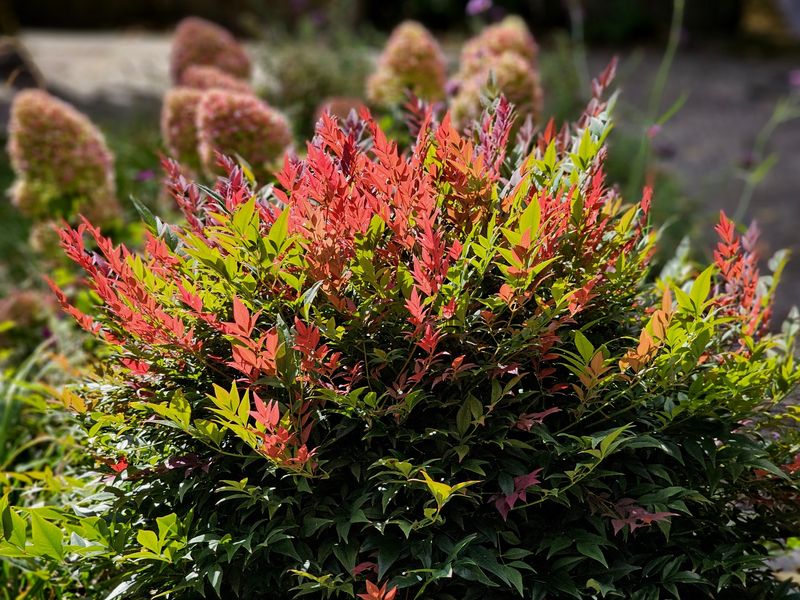
Walk into any big-box garden center in Texas and you will find rows of beautiful, exotic plants that look absolutely stunning. The problem is that many of them were never designed to survive a Texas summer.
Buying them anyway is one of the most expensive gardening habits a homeowner can develop.
Non-native plants often struggle in Texas heat, rocky terrain, and unpredictable rainfall. To keep them alive, you end up spending money on extra fertilizers, specialty soils, pesticides, and constant watering.
Your Texas Garden Changes Every Week. Your Plan Should Too.
Gardening in Texas changes quickly throughout the season. Every Friday you’ll receive a simple weekly plan showing exactly what to plant, prune, fertilize, harvest, and protect so you never miss the right timing.
That adds up to a lot of cash spent just trying to keep a plant from giving up. Many homeowners go through this cycle repeatedly, buying the same types of high-maintenance plants season after season and wondering why their garden budget never seems to stretch far enough.
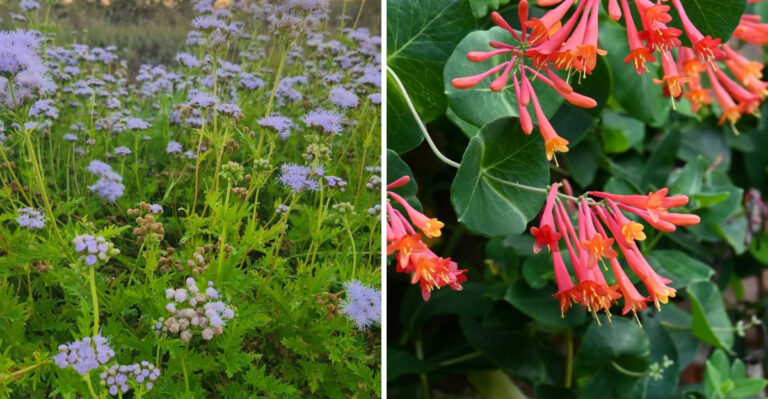
The plant looks good at the store, but once it hits the Texas heat, it starts to decline quickly. Native Texas plants tell a completely different story. Species like Texas sage, black-eyed Susan, lantana, and live oak are built for this climate.
They require far less water, minimal fertilizing, and almost no pest control because they evolved right here alongside the local insects and soil conditions.
Switching to native plants is one of the best financial decisions a Texas gardener can make. You spend less on supplies, less on water, and less time worrying about whether your plants will survive the next heat wave.
Before your next trip to the nursery, do a little research on Texas-native options that suit your yard. Your wallet will thank you, and your garden will actually thrive instead of just surviving from one season to the next.
3. Ignoring Proper Soil Preparation
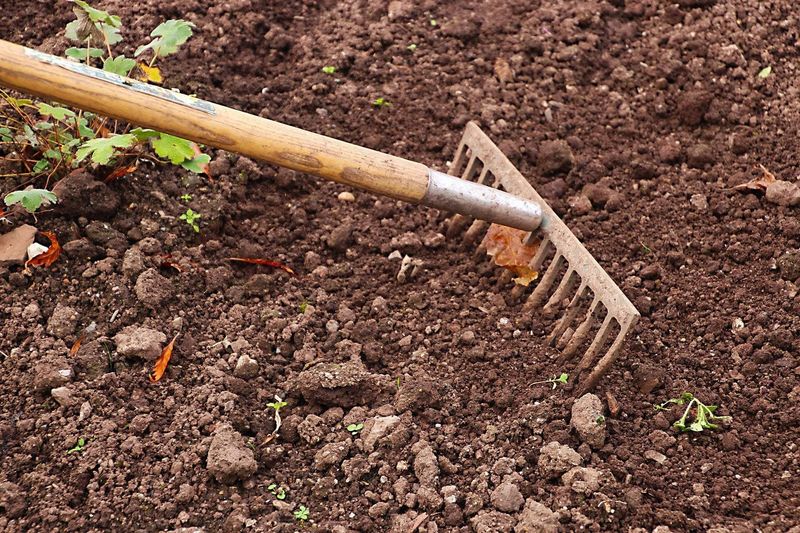
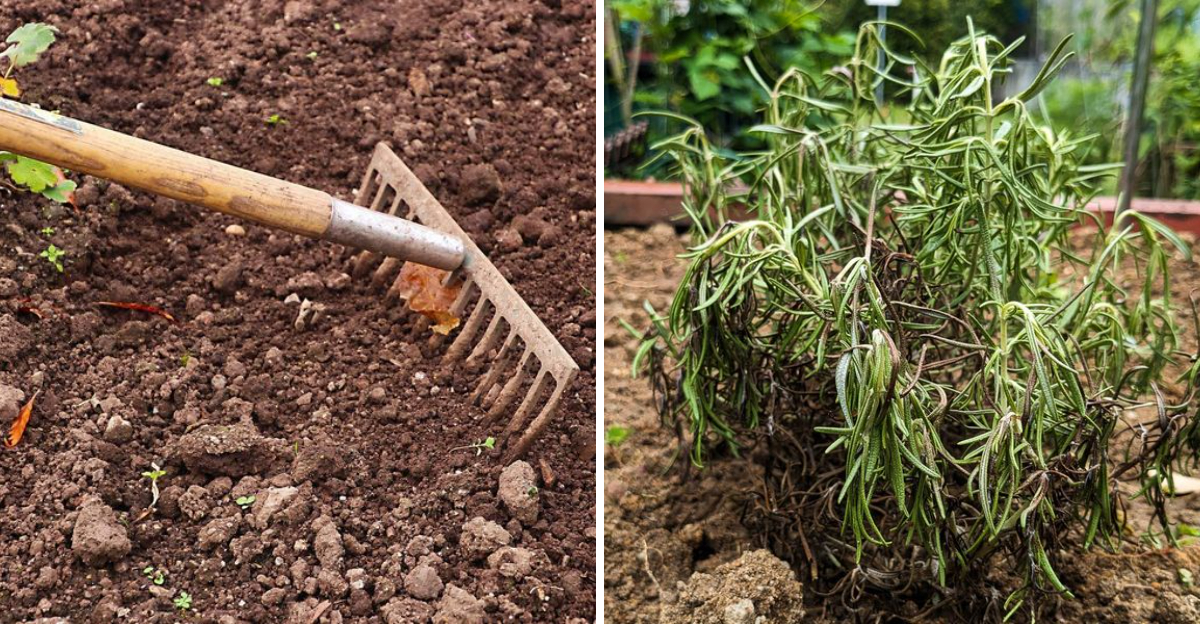
Here is something many new gardeners do not realize until it is too late: the soil in Texas is often terrible for growing plants straight out of the ground. Large parts of the state have heavy clay soil that holds too much water and suffocates roots.
Other areas have sandy, loose soil that drains too fast and starves plants of nutrients. Skipping soil preparation before planting is a shortcut that almost always backfires. Plants placed into unprepared soil struggle to establish healthy roots.
They grow slowly, produce little, and often need to be replaced entirely within a season or two. That means more money spent on new plants, more time wasted, and a whole lot of frustration.
Getting a basic soil test is one of the smartest and cheapest things you can do before planting anything.
Texas A&M AgriLife Extension offers affordable soil testing that tells you exactly what your soil is missing and what amendments it needs. A soil test typically costs less than twenty dollars.
Based on those results, you might need to add compost, sand, sulfur, or lime to bring your soil into the right range for plant growth.
These amendments are not expensive, especially when you compare them to the cost of replacing plants that failed because the soil was never right to begin with.
Raised garden beds are another smart option for Texas homeowners dealing with problem soils. Filling a raised bed with quality garden mix gives your plants the perfect environment from day one.
Taking the time to prepare your soil properly before you plant saves money, reduces frustration, and sets your entire garden up for long-term success.
4. Over-Fertilizing Your Garden
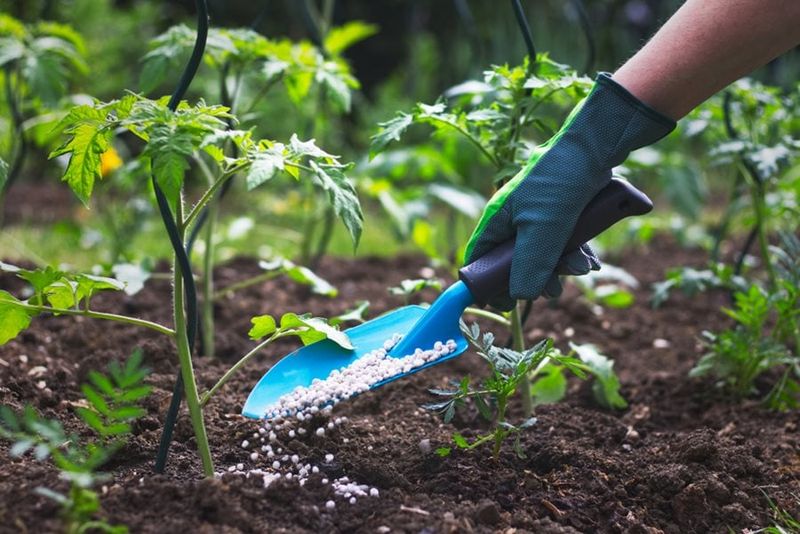
More fertilizer does not mean a better garden. That is a lesson many Texas homeowners learn the hard way after spending good money on bags of fertilizer that end up doing more harm than good.
Over-fertilizing is a surprisingly common and costly mistake that affects lawns, vegetable gardens, and ornamental beds alike.
When you apply too much fertilizer, the excess does not just sit there waiting to be used. Much of it washes away with rain or irrigation, going straight into storm drains without ever benefiting your plants.
That is money literally flowing down the drain every time it rains. The fertilizer that does stay in the soil can cause real problems. Too much nitrogen pushes plants into rapid, lush, soft growth that looks impressive at first glance.
But that tender new growth is like an all-you-can-eat buffet for aphids, whiteflies, and other common Texas garden pests. Once those insects move in, you need to spend more money on pesticides to manage them.
Excess fertilizer salts can also burn plant roots, causing leaf scorch and stunted growth. Fixing fertilizer burn often requires flushing the soil repeatedly with water, which drives up your water bill on top of everything else.
The smarter approach is to fertilize based on actual need, not guesswork. A soil test will tell you exactly which nutrients your garden is lacking so you only apply what is truly necessary.
Slow-release organic fertilizers are also a great option because they feed plants gradually and are far less likely to cause burn or runoff.
Fertilizing less, but smarter, keeps your plants healthier and your costs under control throughout the growing season.
5. Buying The Wrong Plant For The Wrong Spot
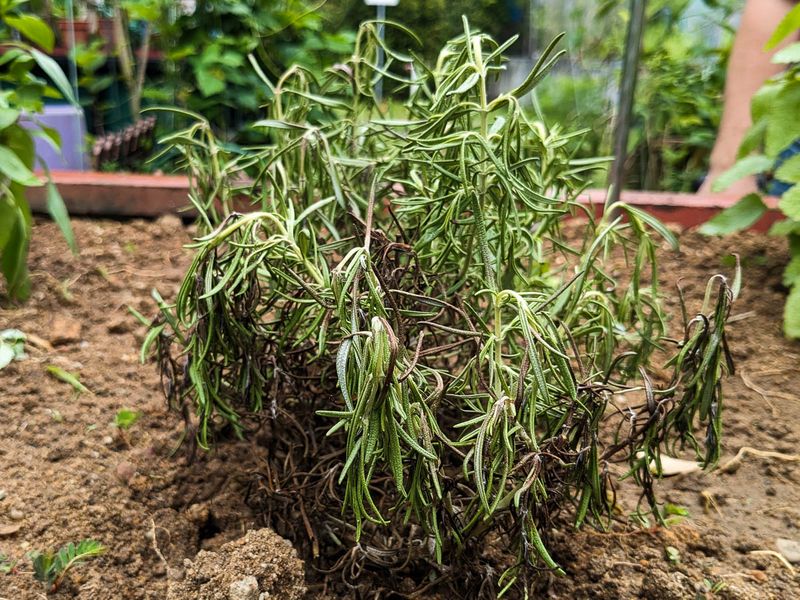
Picture this: you spend twenty dollars on a beautiful fern at the nursery, bring it home, plant it in a sunny corner of your yard, and watch it shrivel up within two weeks.
It is a frustrating experience, and it is one that thousands of Texas homeowners repeat every single year without realizing the real reason things keep going wrong.
Matching the right plant to the right location is one of the most important rules in gardening, and ignoring it is one of the most expensive habits you can have. Plants that get too much direct sun, not enough light, or poor drainage simply do not thrive.
No amount of extra watering or fertilizing will save a shade plant baking in full Texas sun. The cost adds up fast. Replacing failed plants season after season means constant trips to the nursery and a garden that never looks the way you imagined.
Some homeowners spend hundreds of dollars annually just cycling through plants that were never suited to their specific yard conditions in the first place.
Before buying anything, take a close look at your yard. Notice which spots get full sun, partial shade, or deep shade throughout the day.
Check drainage after a rainstorm to see where water pools and where it drains quickly. Those details matter enormously when choosing plants.
Read plant tags carefully at the nursery. They include sunlight, water, and soil requirements for a reason.
Choosing plants that match your actual yard conditions, rather than just your wishful thinking, is the single most effective way to stop wasting money on replacements.
Getting the right plant in the right spot the first time saves money and makes your garden genuinely beautiful.
6. Neglecting Pest And Disease Prevention
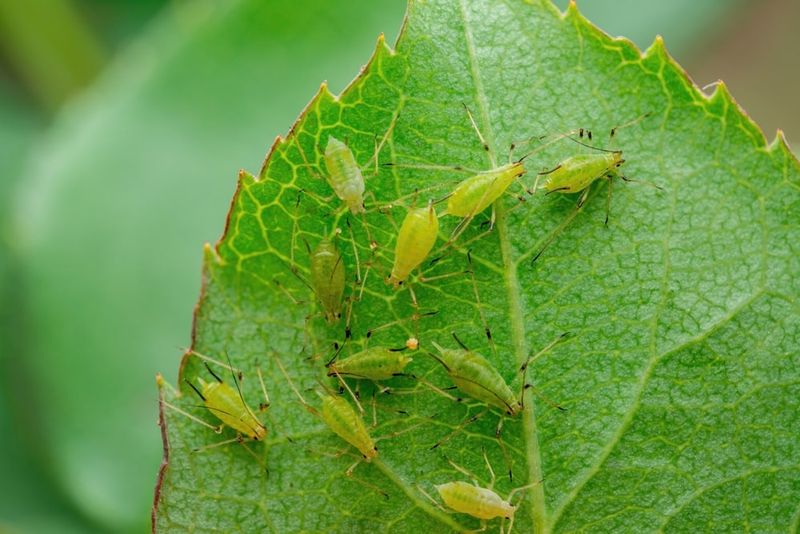
Waiting until pests or diseases take over your garden before doing anything about them is a costly strategy. By the time you notice a serious infestation or widespread disease, the damage is already done, and fixing it costs far more than preventing it ever would have.
Texas gardens face pest pressure year-round thanks to the warm climate. Aphids, spider mites, whiteflies, fire ants, and fungal diseases like powdery mildew and black spot are just a few of the problems that can spread quickly if left unchecked.
A small problem ignored for a week can become a full-blown crisis that wipes out an entire bed of plants.
Replacing plants lost to pests or disease is expensive. Buying chemical treatments after an infestation is already out of control costs more than using preventive measures from the start. And if the problem spreads to neighboring plants, the total cost can multiply quickly.
Prevention does not have to be complicated or expensive. Walking through your garden a few times each week and inspecting leaves, stems, and soil gives you early warning before problems spiral.
Catching aphids early, for example, means you can knock them off with a strong stream of water instead of reaching for a costly spray.
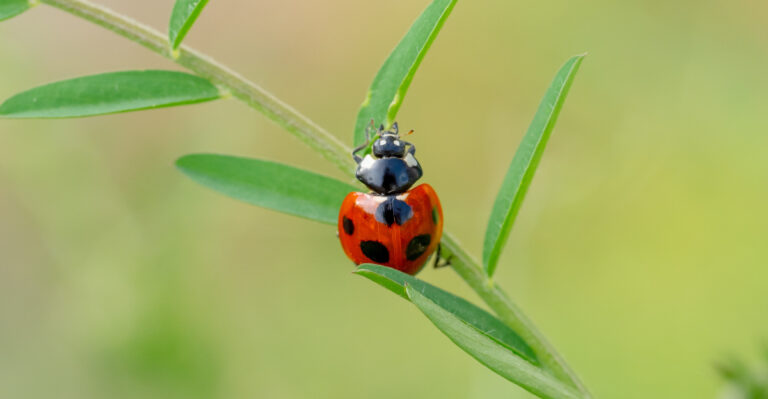
Choosing disease-resistant plant varieties, keeping garden beds clean of dry leaves and debris, and encouraging beneficial insects like ladybugs and lacewings are all low-cost strategies that dramatically reduce pest pressure over time.
Mulching garden beds also helps by regulating soil temperature, retaining moisture, and reducing the splash that spreads soil-borne diseases onto plant leaves.
A small bag of mulch costs very little compared to the plants it helps protect throughout the entire Texas growing season.