These Are The Florida Shrubs Moving From Legal To Illegal
A shrub sold across Florida today could become a banned plant tomorrow. State officials continue to tighten rules on species that escape yards, invade natural areas, crowd out native plants, and create costly control problems.
That shift puts homeowners, landscapers, and nurseries in a tricky spot. A familiar hedge or colorful accent may soon carry restrictions on sale, transport, propagation, or possession.
Some targets spread through seeds, roots, or dumped yard waste, which means one neglected plant can reach parks, wetlands, and nearby properties. The legal change also raises urgent questions about removal, replacement, and penalties.
Before the next trip to a garden center, check which shrubs now face tougher rules and which ones may soon join the list.
A plant that looks harmless beside a driveway can become an ecological threat far beyond the property line, and Florida is ready to draw the line before the damage spreads statewide.
1. Heavenly Bamboo Faces Its Biggest Legal Reckoning Yet
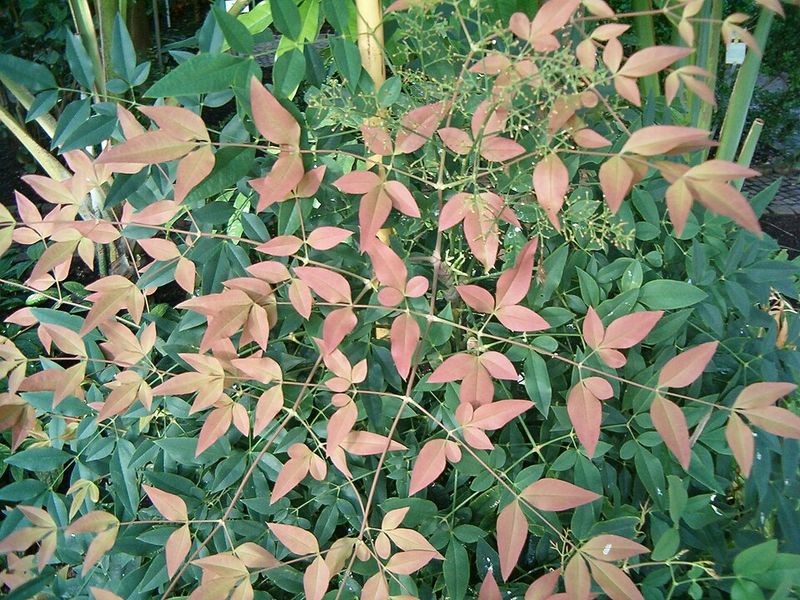
A familiar sight in front yards and foundation plantings across the South, nandina has long been praised for its year-round color and low-maintenance growth. Botanically known as Nandina domestica, this shrub is currently still legal to sell and plant in our state.
That status has not changed, but the June 18, 2026 public meeting held by the Florida Invasive Species Council placed it squarely under official review.
What the meeting actually covered was a reassessment of the plant’s invasive potential, not a vote to ban it. Nandina produces bright red berries that birds eat and scatter into natural areas, which raises concerns about spread beyond cultivated gardens.
Regional worries have grown in recent years, particularly in areas near conservation lands and natural corridors.
An invasive assessment is a scientific evaluation of a plant’s potential to cause ecological harm. It does not carry the force of law on its own.
Statewide legal status changes only after formal rulemaking is completed through the Administrative Code process.
Some experts have suggested that sterile or low-fruiting cultivars like ‘Firepower’ might receive separate treatment if rules are ever proposed. Until a formal rule is adopted, Nandina domestica remains legally available.
Gardeners should monitor the Administrative Register for any proposed rulemaking that follows this review period.
2. Red Root Floater Drifts Toward A Statewide Crackdown
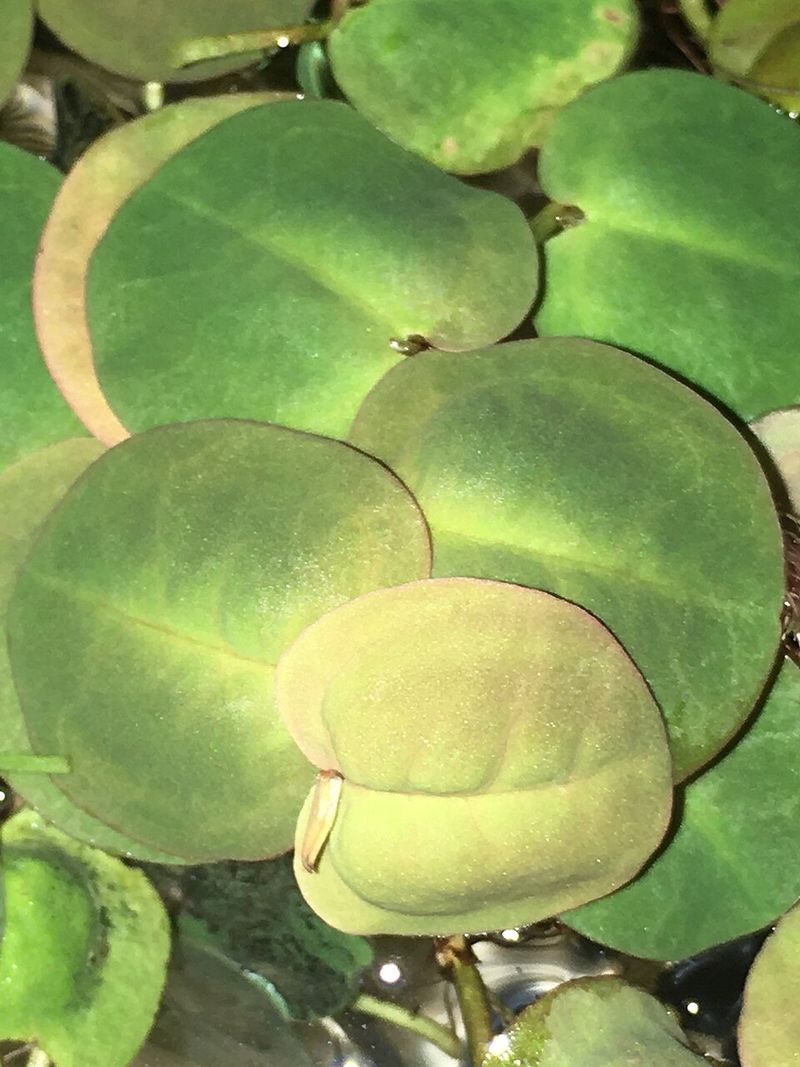
Not every plant on this list grows in a garden bed or along a fence line. Red root floater, known scientifically as Phyllanthus fluitans, is an aquatic plant that floats on the surface of slow-moving or still water.
It is not a shrub or terrestrial landscape plant, but it belongs in this conversation because regulators have been paying close attention to it.
Official meetings held in July 2025 and December 2025 included discussions about this plant’s potential for spread through aquarium dumping and the aquatic plant trade.
When people empty home aquariums into local waterways, floating plants like this one can establish quickly and crowd out native species.
Your Florida Garden Changes Every Week. Your Plan Should Too.
Gardening in Florida changes quickly throughout the season. Every Friday you’ll receive a simple weekly plan showing exactly what to plant, prune, fertilize, harvest, and protect so you never miss the right timing.
Florida’s interconnected water systems make aquatic invasions especially difficult to contain once they begin.
As of the time of writing, possession or sale of red root floater has not been confirmed as prohibited under a currently adopted rule. The meetings represent a discussion and review phase, not a completed rulemaking action.
That distinction matters for aquarium hobbyists and water garden enthusiasts who currently keep this plant.
If you own red root floater, the safest approach is to avoid releasing it into any natural water body. Follow the Administrative Register closely.
The plant’s legal status could shift if formal rulemaking moves forward following the review discussions that concluded in late 2025.
3. Pongamia Lands In Florida’s Regulatory Crosshairs
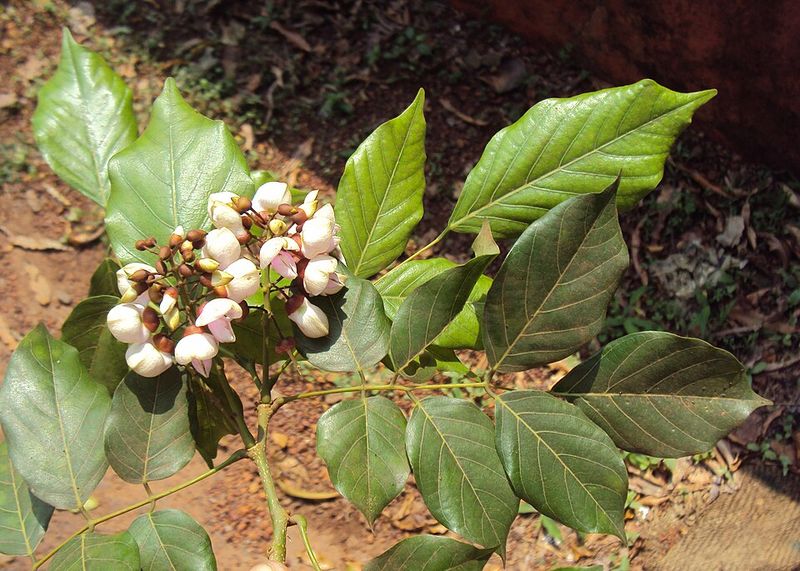
Few plants carry as much economic promise and ecological controversy at the same time.
Pongamia, accepted under the botanical name Millettia pinnata and also widely recognized as Pongamia pinnata, is a medium to large tree that has been used as a shade, street, and ornamental planting across tropical and subtropical regions.
Some agricultural researchers have also explored it as a biofuel crop, adding a commercial dimension to the regulatory debate.
The officials discussed pongamia during 2025 meetings, raising questions about its potential to spread beyond planted sites into natural areas.
The environmental concerns center on its seed production and the ability of seedlings to establish in disturbed habitats near roadsides and waterways.
Those concerns are separate from its potential value as a crop or shade tree.
Separating environmental risk from commercial interest is exactly the kind of nuanced work that takes time in a formal regulatory process. A discussion during a 2025 meeting does not mean that every planted pongamia tree would face removal.
Statewide restrictions only take effect after a rule is formally proposed and adopted through the Florida Administrative Code.
Homeowners with pongamia on their property do not need to act based on a meeting discussion alone. Nurseries and landscapers should track any future proposed rules through official state channels to stay ahead of potential changes to its legal status.
4. Variegated Chinese Privet Risks Losing Its Legal Exemption
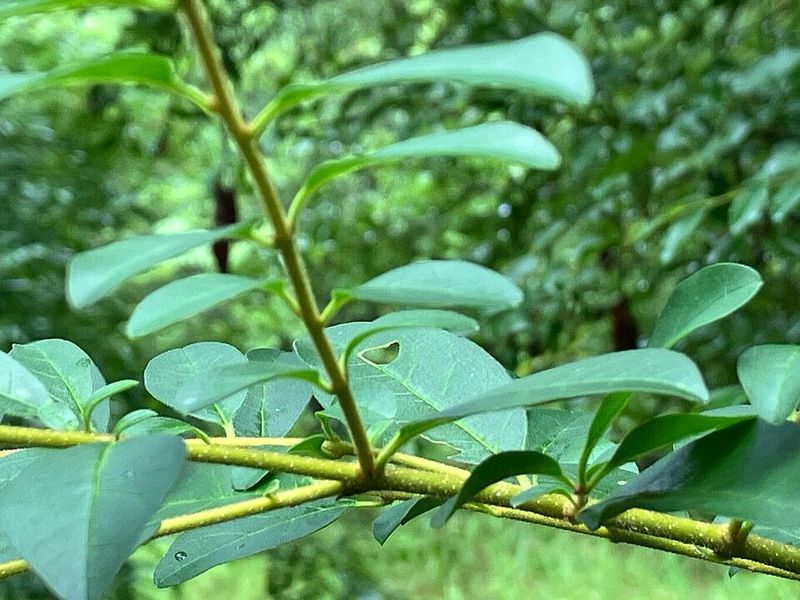
Chinese privet has a complicated legal history in our state. The species Ligustrum sinense is already regulated.
However, a named cultivar called ‘Variegatum’ has historically received an exemption because of its ornamental leaf pattern and perceived lower invasive risk. That exemption is now under scrutiny.
Officials discussed the ‘Variegatum’ cultivar during a committee meeting held on November 19, 2024. They considered whether it should retain its exemption from the restrictions that apply to the straight species.
Named cultivars may still produce seeds capable of reverting to invasive growth habits. This is a particular concern when cross-pollination occurs with other privet plants nearby.
A committee discussion does not end an exemption on its own. The exemption remains in place until a formal rule change is adopted through the proper rulemaking process.
Homeowners and nurseries selling or growing ‘Variegatum’ are not in violation of any current rule simply because the topic came up at a meeting.
Confusing ‘Variegatum’ with the ‘Sunshine’ cultivar of Ligustrum sinense is a common error, and these are two distinct plants with different characteristics.
If you grow or sell ‘Variegatum’, watch for proposed rulemaking published in the Florida Administrative Register.
Future rules could alter its exemption status following the November 2024 discussion.
5. Camphor Tree Moves Closer To The Noxious Weed List
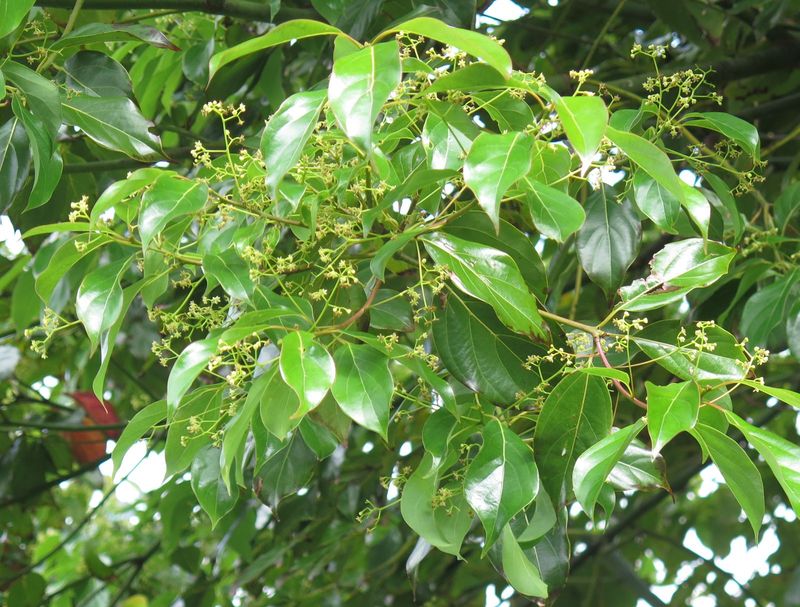
Camphor tree has shaded countless Southern streets and yards for generations, valued for its dense canopy and aromatic leaves. Botanically classified as Cinnamomum camphora, this tree has a long ornamental history in the region.
Behind that familiar silhouette, however, is a plant that produces enormous quantities of seeds spread readily by birds into surrounding natural areas.
During the July 21, 2021 meeting of the Florida Noxious Weed Advisory Committee, camphor tree was considered for nomination to the state noxious weed list. Being considered for nomination is a very early step in a long regulatory process.
Nomination means a plant’s name has been brought forward for evaluation, not that it has been added to any restricted list.
After considering a nomination, officials must evaluate the scientific evidence and hold public comment periods. They must also complete formal rulemaking before any legal restriction takes effect.
No evidence currently confirms that camphor tree advanced to a formally proposed or adopted rule following the 2021 meeting. Describing that old nomination as an active 2026 proposal would be inaccurate without current supporting documentation.
Camphor tree remains a commonly planted species that you can still find in many neighborhoods. If you are planning to plant one, monitor official state sources for any updated action that may follow from the 2021 consideration.
Older landscapes with established camphor trees are not currently subject to removal orders based on that meeting alone.
6. Callery Pear Joins The Plants Living On Borrowed Time
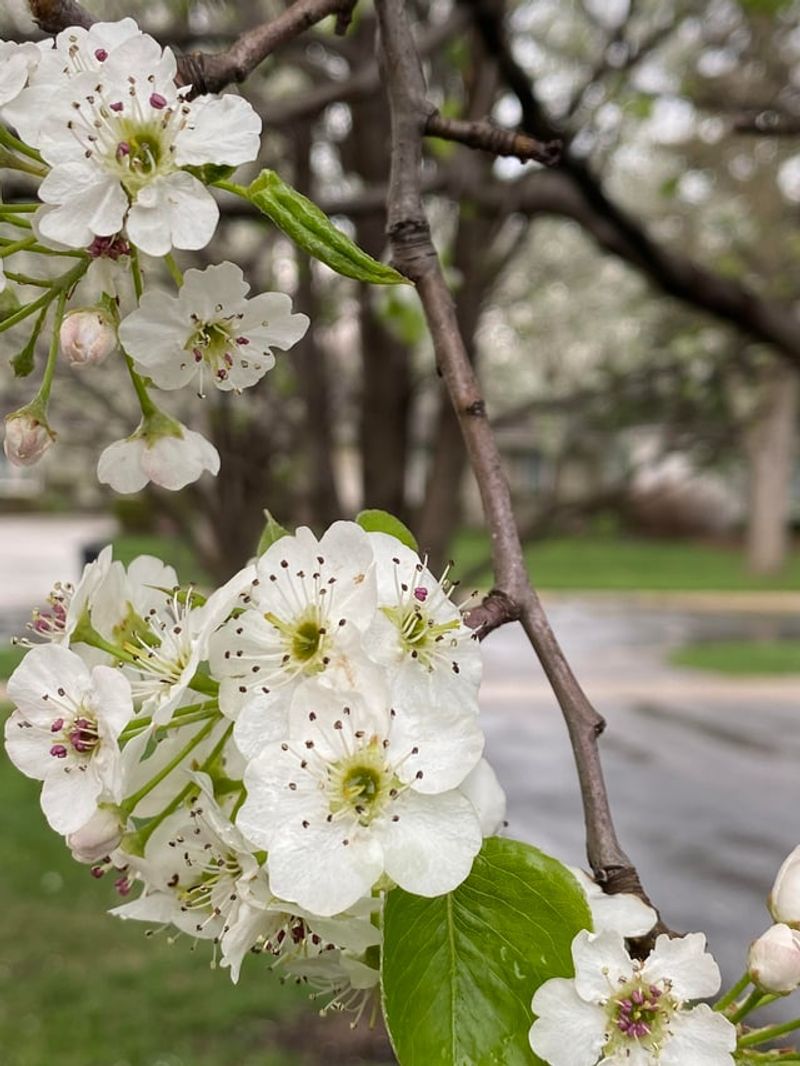
Suburban neighborhoods across the eastern United States know this tree well for its cloud of white spring blossoms. Pyrus calleryana, the Callery pear, has been one of the most widely planted ornamental trees in American landscaping for decades.
Its tidy shape and seasonal color made it a go-to choice for developers and homeowners alike.
In Florida, Callery pear was considered for nomination alongside camphor tree during the July 21, 2021 meeting of the Noxious Weed Advisory Committee.
As with camphor tree, that consideration represented an early discussion phase, not a completed regulatory action.
Its current legal status in the state does not reflect a ban or formal restriction based on available official records.
The ecological concern behind the nomination involves cross-pollination between different named cultivars. This process produces fertile offspring with thorns and aggressive growth habits.
Those wild seedlings spread into natural areas and roadsides, behaving very differently from the tidy ornamental trees originally planted. Several other states have moved to restrict Callery pear, but those state actions do not determine Florida law.
National concern about this tree may influence future review discussions, but state law is determined by Florida’s own rulemaking process.
Homeowners with established Callery pear trees are not currently required to remove them based on the 2021 nomination consideration.
Track the Florida Administrative Register for any future proposed rules tied to this species.
7. Beach Vitex Shows How Quickly Legal Status Can Flip
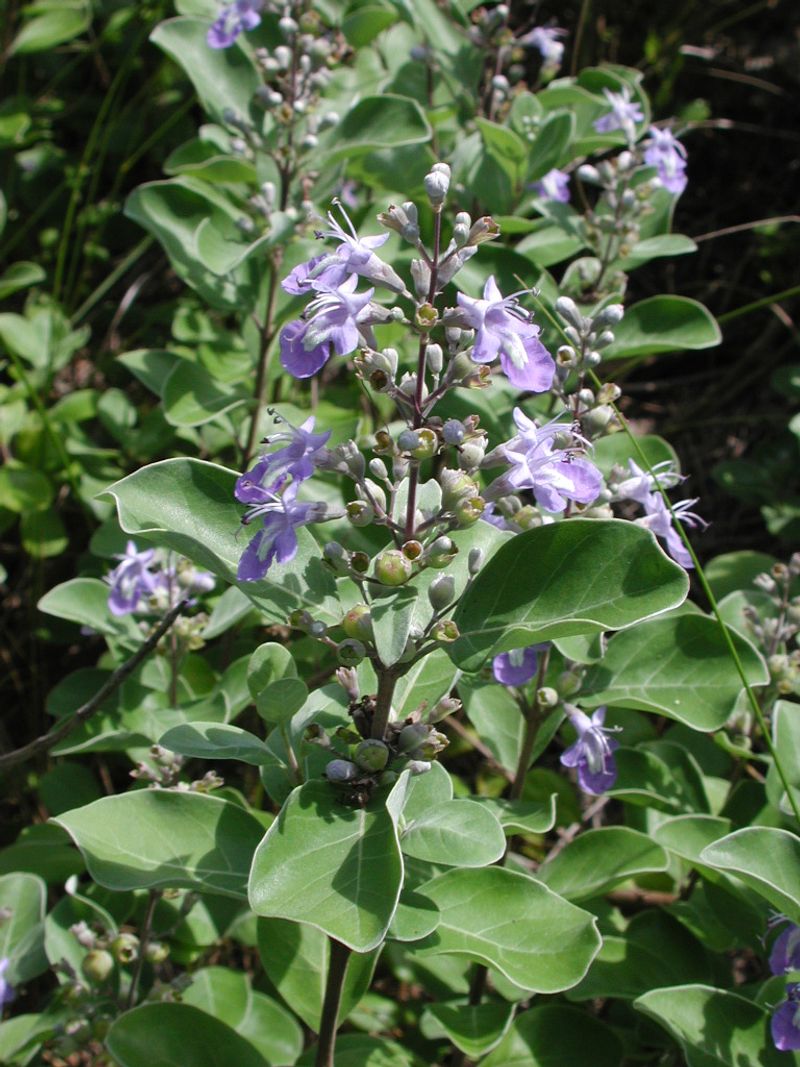
Here is a concrete example of what the end of the regulatory road actually looks like. Beach vitex, known botanically as Vitex rotundifolia, went from a popular coastal ground cover to a regulated plant after completing the full rulemaking process.
Watching how this happened helps clarify exactly what separates a committee meeting from a genuine legal change.
A 2019 committee meeting placed beach vitex on the path toward formal regulatory action. After that meeting, the process moved through nomination, scientific review, public comment, and formal rulemaking.
The plant was ultimately added to the noxious weed list through an adopted rule, which established its regulated status with a specific effective date.
Once the rule took effect, restrictions applied to importation, propagation, sale, movement, and possession of beach vitex in covered categories. Those restrictions did not automatically apply to every existing plant in every private yard.
However, they changed what nurseries and plant sellers could legally do with the species. This section exists to show the contrast between plants that are still in early discussion phases and one that completed the entire journey.
The beach vitex story offers a practical lesson. Regulatory conversations can move slowly, but the legal shift becomes clear and specific once formal rulemaking is complete.
Always verify the exact rule language in the Florida Administrative Code for precise restriction details.
8. Coral Ardisia Reveals What Happens After A Plant Is Banned
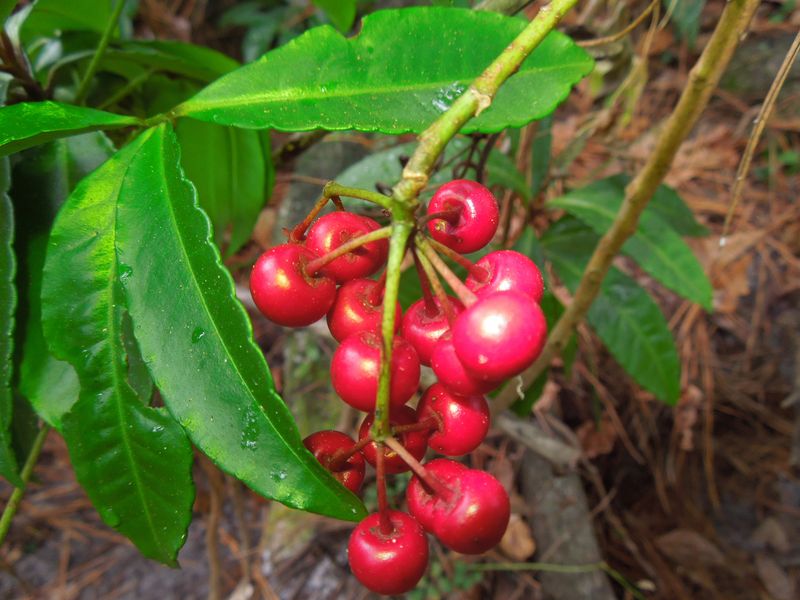
Coral ardisia offers the clearest picture of life after a plant crosses the legal line. Ardisia crenata was once sold as a charming indoor and outdoor ornamental, prized for its glossy leaves and bright red berries that persist through the holiday season.
That commercial popularity helped spread it widely before regulators caught up with its ecological impact.
Through the 2014 rule update to the noxious weed list, coral ardisia was formally added with a specific effective date. The adopted rule established restrictions covering sale, importation, and propagation of this species.
Homeowners who already had the plant in their yards faced a different situation than nurseries, which could no longer legally sell it after the rule took effect.
Anyone dealing with coral ardisia on their property should remove it carefully. The plant should be disposed of properly according to local guidance on invasive plant disposal.
Moving it to a new location, sharing cuttings with neighbors, or replanting it elsewhere would conflict with the spirit and potentially the letter of the current rule. Berries should be bagged before removal to prevent further seed spread.
Landscapers and nursery professionals should verify the current rule language directly in the Florida Administrative Code before advising clients. This applies to every plant featured in this article.
Always confirm live rule status through official state sources before buying, planting, or removing any species mentioned here.