The Reasons Your Vermont Gladioli Aren’t Blooming (And How To Get Vibrant Flowers Every Year)
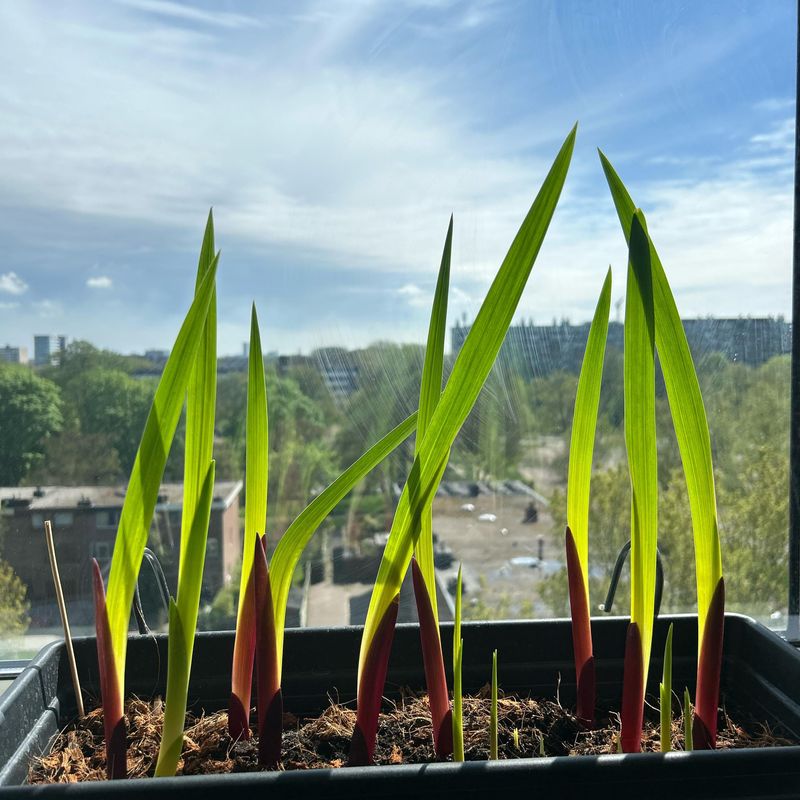
You expected towering spikes, not motionless green stalks. Something failed quietly long before any bud appeared.
Most gardeners assume bad luck caused the silence. Your watering habits were rarely the real issue.
Planting depth alone can decide the entire season. Drainage problems weaken roots before any bloom forms.
Fertilizer choices affect flowering in subtle, unexpected ways. Sunlight gaps stall growth long before you notice.
Corm quality matters more than how often you water. Vermont gardeners face this exact puzzle every single summer.
Timing separates thriving spikes from stubborn, leafy stalks.
Soil conditions across Vermont shift dramatically block by block. Momentum keeps gladioli pushing forward once conditions align. Nothing about this outcome stays fixed once explained.
Every small correction shifts the result faster now. Patience alone never fixes what technique actually controls.
Ignoring these signs only delays the eventual answer. Answers are waiting, and your gladioli are counting on you.
Corms Are Planted Too Shallow
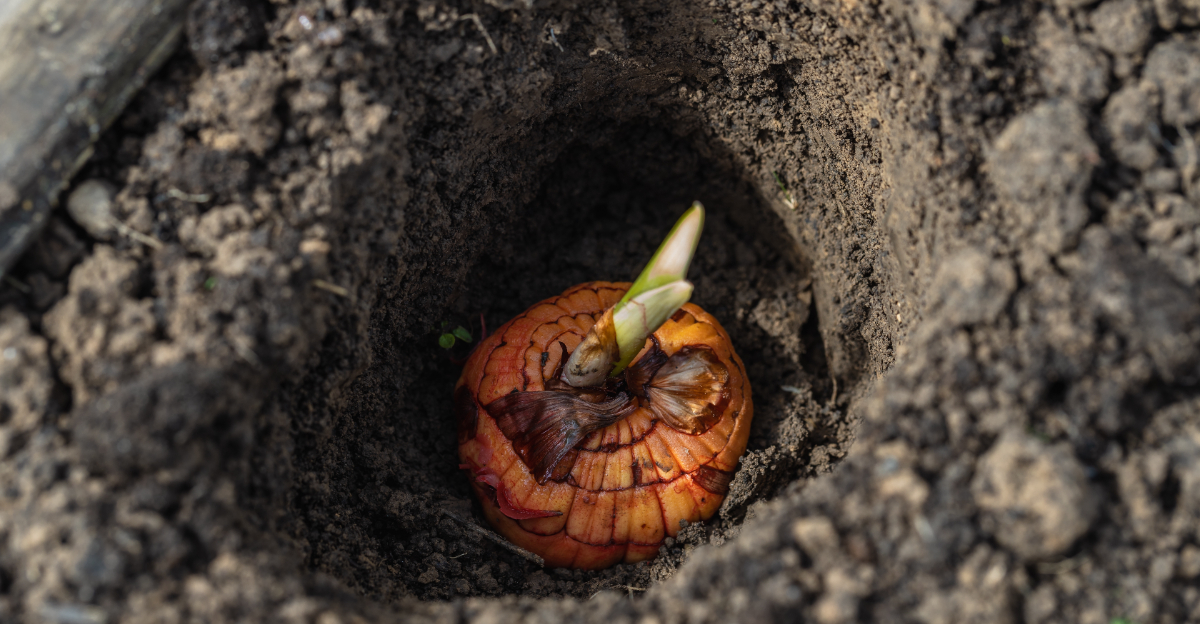
Shallow planting is one of the sneakiest reasons your gladioli won’t bloom. When corms sit too close to the surface, they spend all their energy just trying to stay upright.
Corms need depth to anchor themselves properly and build the energy reserves required for flowering. A corm planted at one inch deep is basically working harder than it should to survive.
The rule of thumb most experienced gardeners follow is to plant corms about four to six inches deep, or closer to three inches for small or miniature corms.
That depth gives the plant stability and room to develop a strong root system before sending up a flower spike.
Shallow planting also exposes corms to temperature swings. Soil near the surface heats up fast and cools down fast, which stresses the corm before it ever gets a chance to bloom.
If you planted last season and got only leaves, dig up your corms after the foliage yellows. Replant them next spring at the correct depth, and you will likely see a totally different result.
Depth is not just a suggestion with gladioli. It is the foundation everything else depends on, and getting it right costs you nothing but a few extra inches of digging.
Soil Drains Poorly After Rain

Soggy soil is a silent bloom-blocker that many gardeners overlook. Gladioli need moisture, but they absolutely cannot tolerate sitting in water for long periods.
Poor drainage restricts oxygen to the roots and prevents the corm from absorbing nutrients properly. A corm drowning in wet soil has very little chance of producing flowers.
You can test your drainage by digging a hole about twelve inches deep and filling it with water. If the water is still sitting there an hour later, your drainage situation needs attention before planting.
Raised beds are a fantastic solution for gardens with heavy clay soil. Elevating the planting area even a few inches improves drainage dramatically and gives your corms a much better environment to thrive.
Adding coarse sand or perlite to your soil mix also helps water move through faster. These amendments break up dense soil and create tiny air pockets that roots love.
Healthy drainage means healthy roots, and healthy roots mean a plant with enough energy to send up those tall, colorful spikes you planted them for. Fix the water situation and your gladioli will finally have room to show off.
Sunlight Exposure Falls Below Six Hours
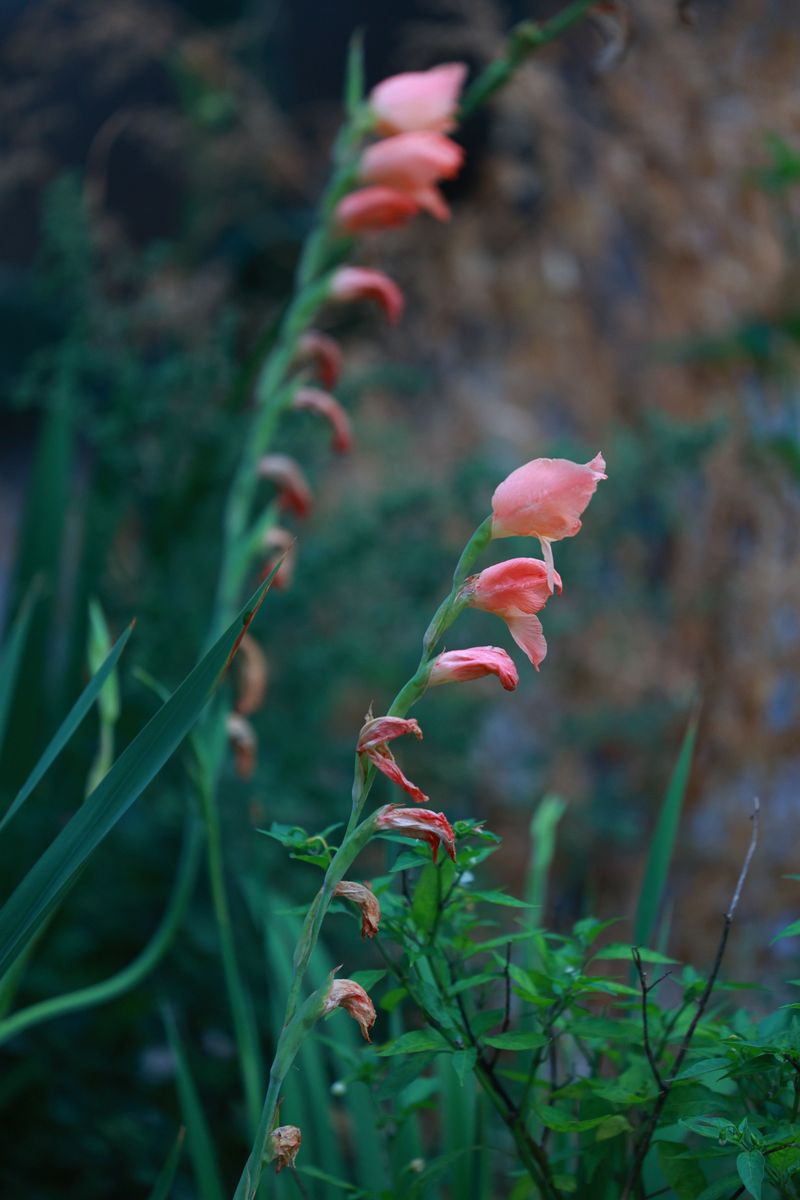
Gladioli are sun worshippers, plain and simple. They need a minimum of six full hours of direct sunlight each day to produce blooms worth bragging about.
Plant them in a shadowy corner and they will grow tall and green but never flower. The plant needs solar energy to fuel the blooming process from start to finish.
Shade from nearby trees, fences, or buildings is a common culprit that gardeners do not always notice at planting time. Walk your Vermont garden at different times of day to see exactly where the sun falls.
Morning sun is especially valuable for gladioli because it dries dew off the foliage quickly. Wet leaves left damp all day invite fungal issues that further drain the plant’s energy.
If your current bed gets less than six hours of sun, consider moving your corms to a sunnier spot next season. Gladioli are worth relocating because the payoff in blooms is spectacular.
More sunlight equals more flower spikes, bigger blooms, and richer colors. Once you find that perfect sunny patch, your gladioli will reward you with the kind of display that gets noticed across the yard.
Overcrowded Corms Compete For Nutrients
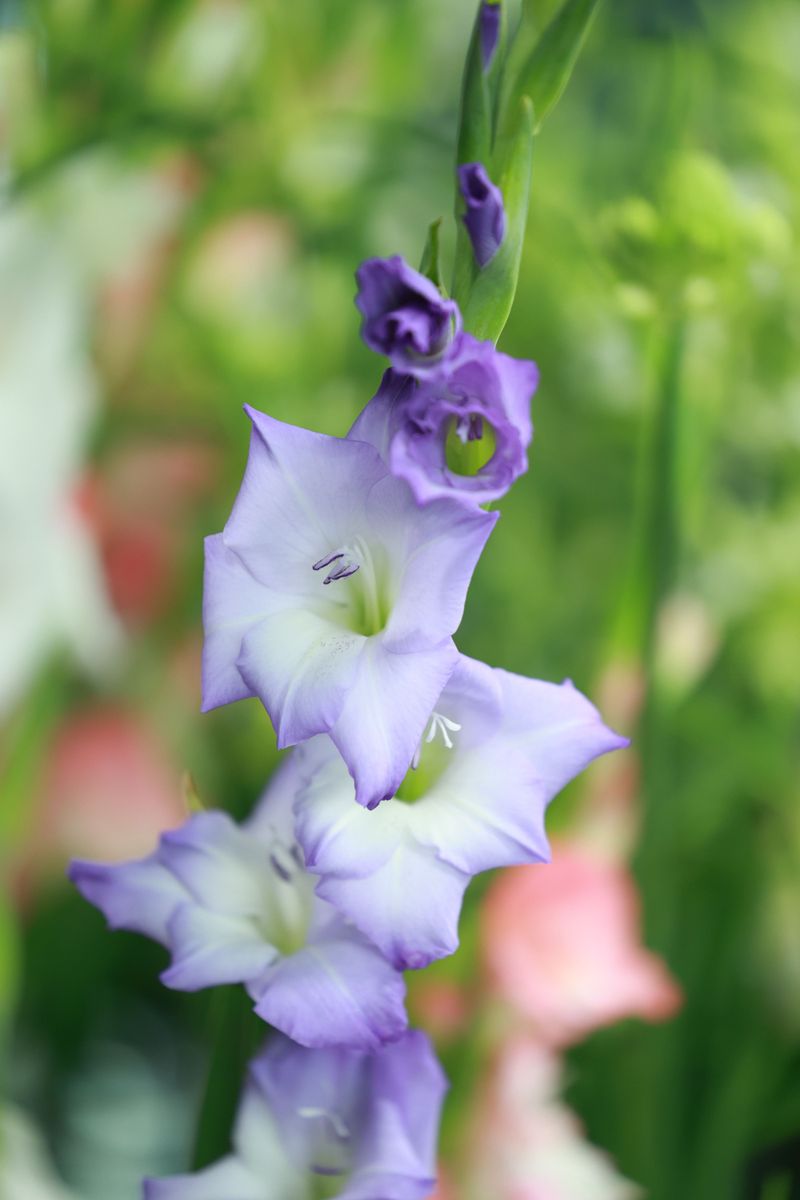
When corms are packed too tightly, they turn into competitors instead of companions. Each plant fights for the same water, nutrients, and root space, and neither plant thrives.
Overcrowding is especially common when gardeners replant corms year after year without thinning them out. Corms also produce small offsets called cormlets that multiply the crowding problem fast.
A good spacing rule is to plant corms about six inches apart in every direction. That gap gives each plant enough personal space to develop a root system that can actually support blooming.
Signs of overcrowding include thin, weak stems, pale foliage, and flower spikes that never fully develop. The plants look stressed because they are stressed, competing for limited resources in a tight space.
Digging up and separating your corms every few years is one of the best habits you can build as a gladioli grower. It resets the planting area and gives every corm a fresh start.
Think of spacing as an investment in future blooms. Give your gladioli room to breathe this season, and they will respond with stronger growth and far more vibrant flowers than before.
Foliage Gets Cut Back Too Early
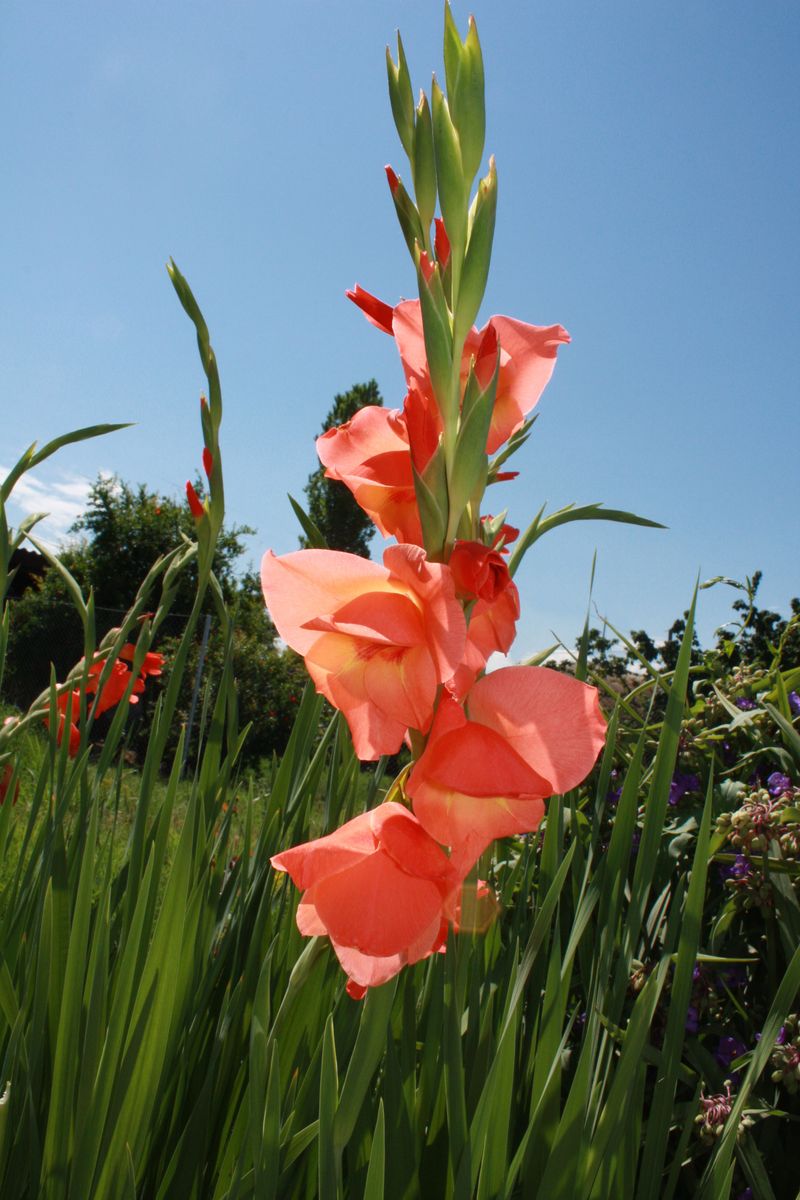
Cutting the leaves too soon after blooming is a classic mistake that sets up next year’s failure. Those green leaves look spent, but they are actually doing critical work.
After flowering, gladioli use their foliage to capture sunlight and convert it into energy. That energy gets stored in the corm as fuel for next season’s growth and blooms.
Remove the leaves too early and you are essentially depriving the corm of stored energy before it has a chance to recharge. A depleted corm going into storage will struggle to bloom when replanted.
The standard advice is to wait until the leaves turn completely yellow or brown before cutting them back. That color change signals that the plant has finished its energy transfer for the season.
This waiting period can feel frustrating because fading foliage is not pretty. But a little patience in late summer pays off with far better blooms the following year.
Treat the post-bloom period as part of the growing season, not the end of it. The work happening underground during those final weeks is exactly what separates a spectacular bloom from a disappointing one.
Fertilizer Lacks Enough Phosphorus And Potassium
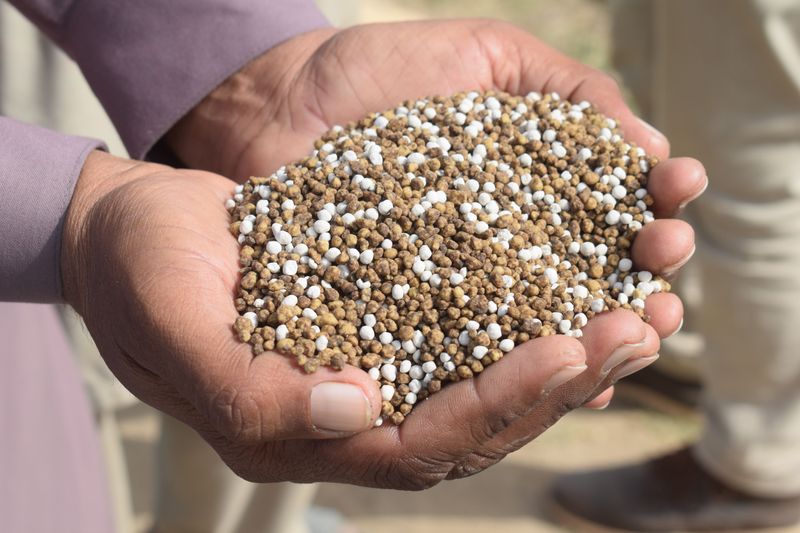
Not all fertilizers are created equal, and your gladioli know the difference. Feeding with a nitrogen-heavy formula encourages leafy growth but does almost nothing for flower production.
Phosphorus and potassium are the two nutrients that drive blooming and root development. Without enough of both, your plants put their energy into green growth and skip the flowers entirely.
Look at the three numbers on any fertilizer bag. The middle number represents phosphorus and the last number represents potassium, so aim for products where both of those numbers are higher than the first.
A fertilizer labeled 5-10-10 or similar is a solid choice for gladioli. Apply it when shoots are about six inches tall, then again as the flower spike begins to emerge.
Avoid overdoing the nitrogen, especially in rich or amended soils. Too much nitrogen pushes the plant toward producing lush leaves at the expense of the blooms you actually want.
Feeding your gladioli the right nutrients at the right time is like giving them the exact fuel their engine needs. Match the fertilizer to the task, and your reward will be tall, vivid flower spikes all season long.
Corms Are Too Old Or Weak
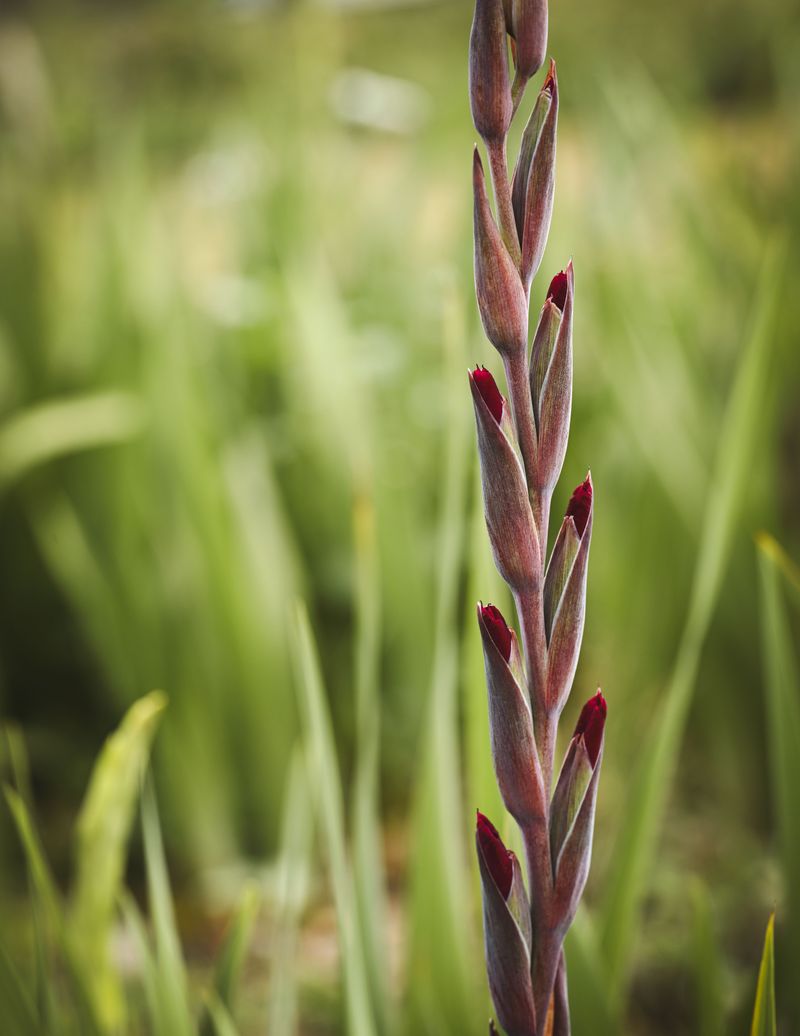
Old corms lose their blooming power over time, just like old batteries lose their charge. A corm that was vibrant three years ago may simply be too exhausted to flower now.
Gladioli produce new corms on top of the old ones each season. The original corm at the bottom gradually becomes depleted and should be discarded rather than replanted.
When you dig up your corms for storage, take a close look at what you have. The new corm should be firm, plump, and clearly larger than the shriveled old one below it.
Soft spots, mold, or a flat appearance are signs a corm is not worth keeping. Replanting weak corms is a gamble that rarely pays off with the blooms you are hoping for.
Starting fresh with new corms from a reputable nursery every few years is a smart reset strategy. Quality corms that are firm and full-sized give you the best possible starting point for a strong season.
Think of weak corms as something that limits your Vermont garden’s potential. Toss the tired ones without guilt, invest in healthy replacements, and watch how much better your gladioli perform right from the start.
Plant Corms Four To Six Inches Deep
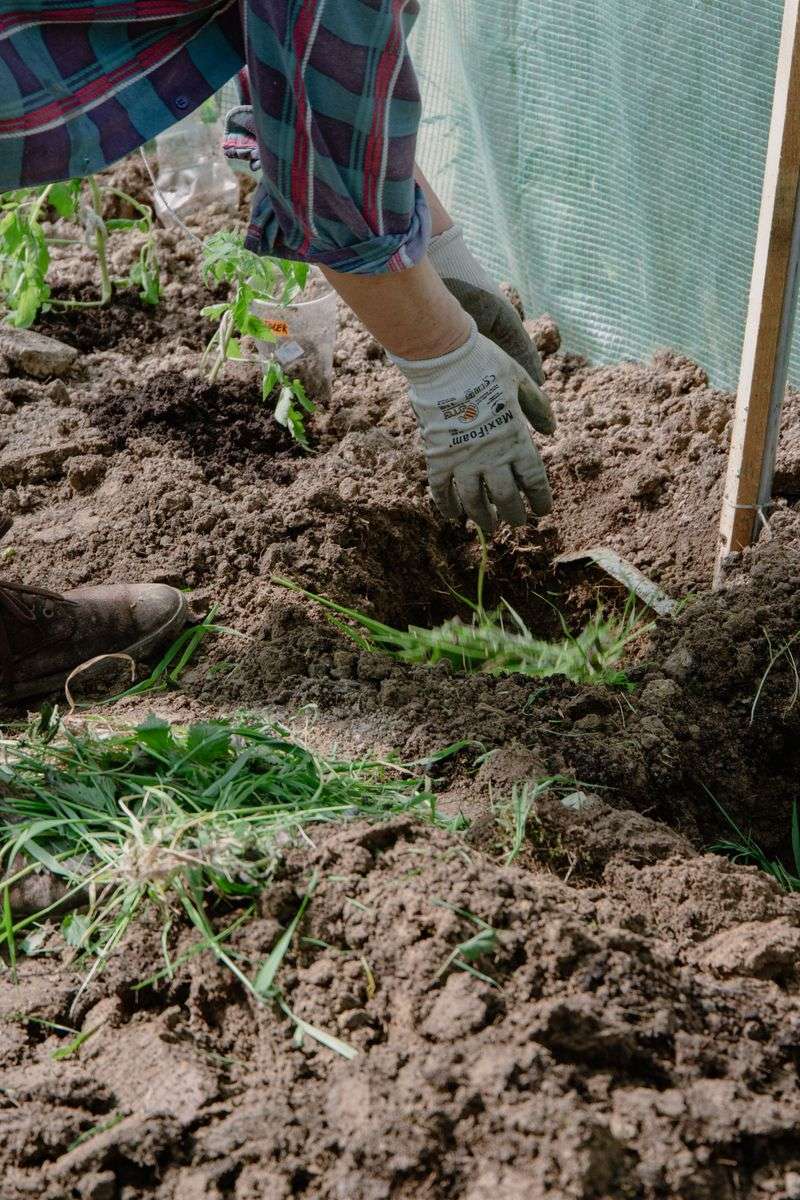
Four to six inches is the magic range for standard gladioli, and it is worth repeating every single planting season. That depth hits the sweet spot between stability and efficient energy use.
At this depth, the corm is deep enough to stay anchored through wind and rain. It is also shallow enough to warm up quickly in spring soil and start growing without delay.
Use a ruler or a marked dibber when planting to make sure you are hitting the right depth consistently. Eyeballing it sounds fine until you realize half your corms are at one inch.
Place the corm with the pointed end facing up. That tip is where the shoot will emerge, and giving it the correct orientation helps the plant break through the soil faster.
If your soil is sandy and loose, go a bit deeper toward six inches for extra stability. Heavy clay soils can stay closer to four inches since drainage is already a concern in those conditions.
Nailing the planting depth is one of the simplest ways to set your gladioli up for success. Get this one step right every time, and you remove one of the biggest barriers to consistent, beautiful blooms.
Feed With A Bloom-Boosting Fertilizer
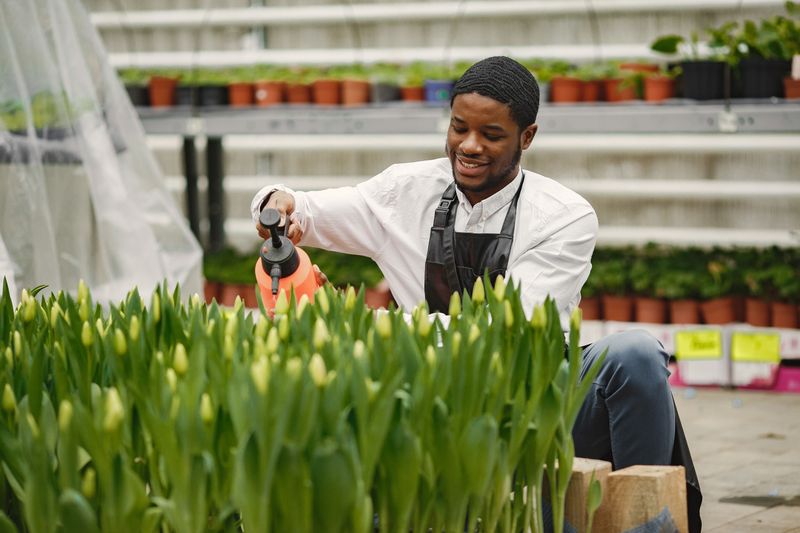
Feeding your gladioli at the right moment is like giving an athlete the right meal before a big race. Timing and formula both matter enormously for peak bloom performance.
Start feeding when your shoots reach about six inches tall. At that stage, the plant is actively building toward flowering and can put those nutrients to immediate, productive use.
A second feeding when the flower spike begins to show gives the blooms an extra push. This two-stage approach fuels both the early growth phase and the critical flowering period.
Liquid fertilizers are absorbed faster than granular ones, which makes them a great choice when you want quick results. Granular options work well for a slower, steady nutrient release over several weeks.
Always water your gladioli before applying fertilizer to avoid root burn. Feeding into dry soil concentrates nutrients too quickly and can actually harm the roots you are trying to support.
A well-fed gladiolus is a happy, blooming gladiolus, and the difference between a fed plant and an unfed one is visible from across the yard. Make fertilizing a regular part of your routine, and the results will speak for themselves every season.
Divide Crowded Corms Every Few Years
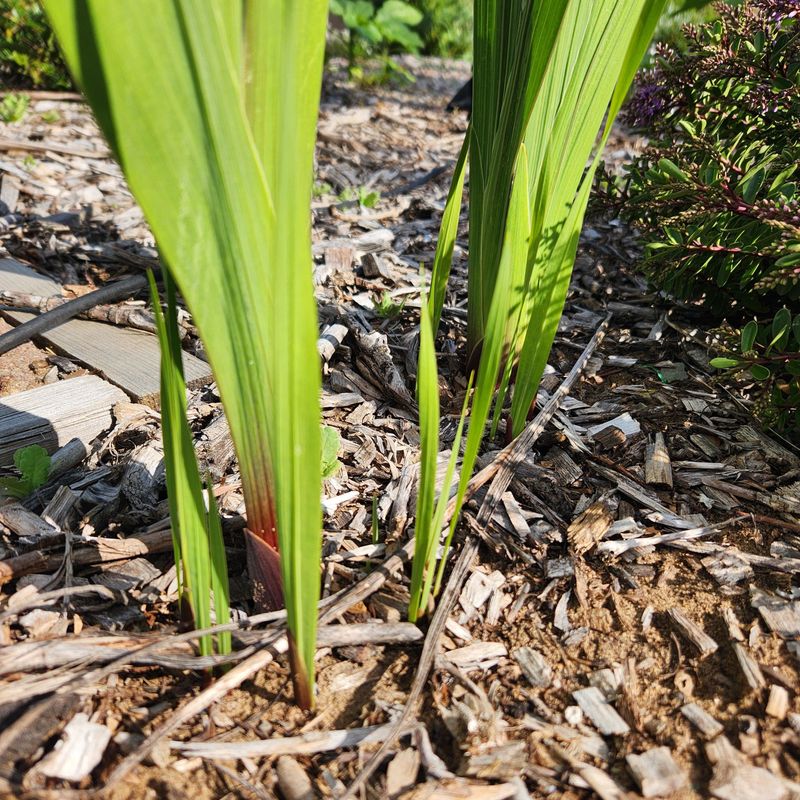
Dividing your corms is one of those garden tasks that feels like extra work but pays back every cent of effort. Skipping it year after year leads to crowded beds and shrinking blooms.
Every season, a parent corm produces small offsets called cormlets around its base. Left alone, those cormlets multiply and compete aggressively for nutrients in the same patch of soil.
Every two to three years, dig up your entire planting area after the foliage has yellowed. Separate the main corms from the cormlets and spread everything out to inspect before replanting.
Healthy cormlets can be saved and grown on in a separate area to reach blooming size. It takes a season or two, but it is a free way to expand your gladioli collection without spending a dime.
Replant your main corms with proper spacing after dividing. Fresh spacing gives each plant its own nutrient zone and prevents the underground crowding that quietly limits blooming season after season.
Dividing is a reset button for your gladioli bed, and the results feel almost instant. Your plants will be healthier, your blooms will be bigger, and your Vermont garden will finally look the way you always pictured it could.