How American Kestrels Help Keep Grasshoppers In Check In Arizona Yards
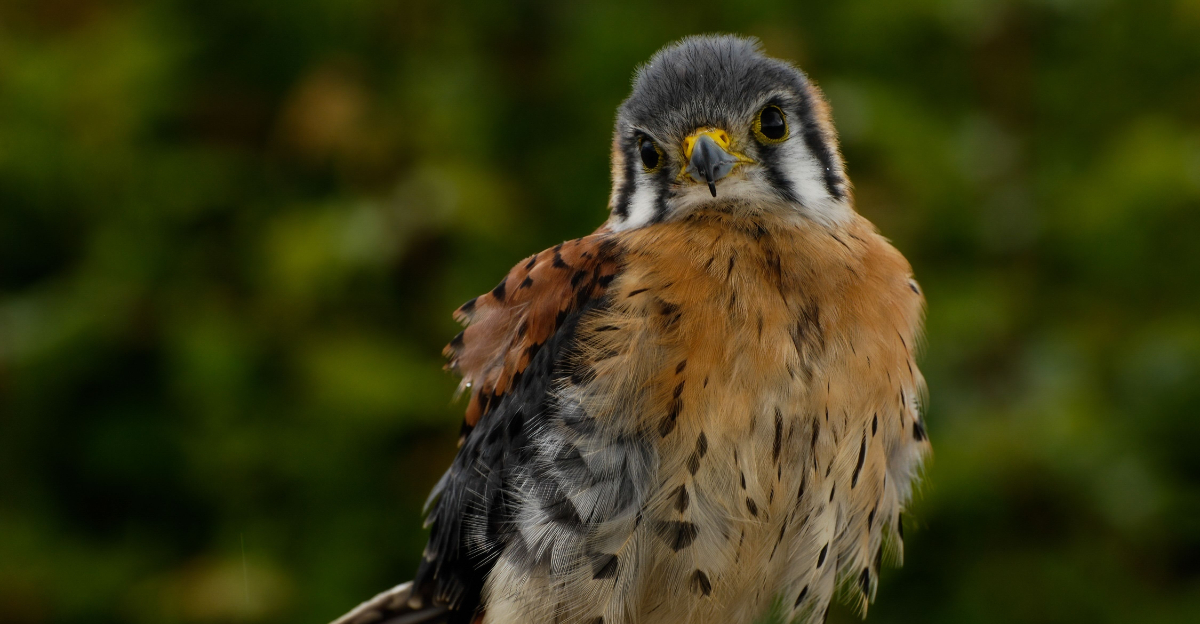
Grasshoppers can seem to appear overnight, especially when warm weather keeps them active. Before long, they are chewing through leaves faster than many homeowners expect.
Not every solution comes from a store shelf. Some of the best help arrives on wings without asking for any attention.
One small bird has earned a reputation for being an impressive hunter. It spends much of the day searching for the very insects that cause trouble in many yards.
American kestrels are a familiar sight in parts of Arizona throughout the warmer months. Seeing one nearby can be better news than most people realize.
There is more happening above your yard than you might notice.
A closer look at these colorful birds reveals why they are such valuable neighbors during grasshopper season.
1. American Kestrels Feed On Grasshoppers Throughout Summer
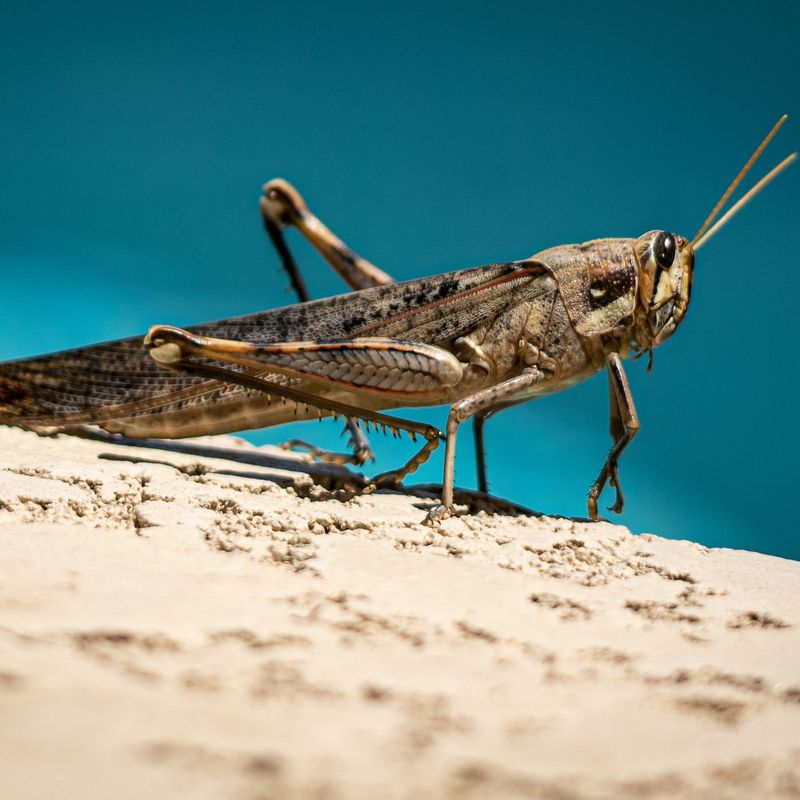
Grasshoppers peak during summer, and so does kestrel hunting activity. Kestrels actively pursue grasshoppers from late spring well into early fall.
Populations of both birds and insects tend to overlap in timing, which works out well for yards dealing with heavy grasshopper pressure.
Kestrels are opportunistic hunters. When grasshoppers are plentiful, they shift their focus heavily toward them.
A single kestrel can catch multiple insects in one outing, depending on how active the grasshoppers are that day.
Hot, dry conditions in Arizona often push grasshopper populations upward. Kestrels seem to track these population spikes well.
Yards near open fields or desert edges tend to see more kestrel activity during these surges.
Kestrels do not rely solely on grasshoppers. Lizards, mice, and beetles also make up part of their diet.
But during grasshopper season, insects often become the primary food source, especially when young kestrels are in the nest and parents need fast, easy prey.
Welcoming kestrels into your yard during summer gives you a natural, low-effort way to reduce grasshopper numbers. Fewer grasshoppers mean less chewing damage on plants.
It is not a perfect fix, but it helps.
2. Open Spaces Make Hunting Much Easier
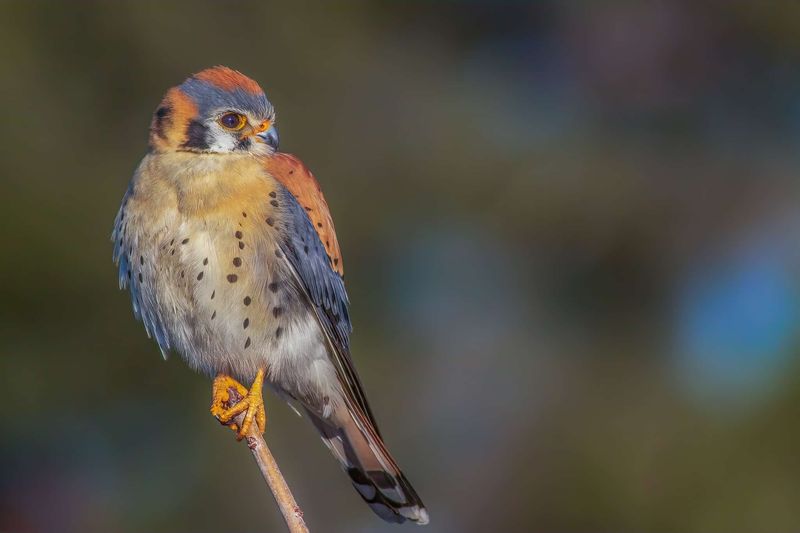
Kestrels need room to work. Cluttered yards with dense shrubs and tall weeds make it hard for them to spot and catch prey efficiently.
Open ground with short or sparse vegetation is where they thrive.
Unlike hawks that soar high and drop fast, kestrels often hover in place before striking. Hovering requires clear airspace below them.
Yards with open patches of lawn or bare soil give them the ideal setup.
Grasshoppers tend to hide in thick grass, but they also venture into open areas to feed and warm up. Kestrels know this.
Open ground acts almost like a hunting runway where prey is visible and catchable.
Keeping parts of your yard mowed short can actually help kestrels hunt more effectively. Shorter grass reduces hiding spots for grasshoppers and keeps the area visible from above.
It does not need to be a perfectly manicured lawn, just reasonably open.
Yards in Arizona that border open desert or undeveloped land already have a natural advantage. Kestrels patrol these edges regularly.
Your Arizona Garden Changes Every Week. Your Plan Should Too.
Gardening in Arizona changes quickly throughout the season. Every Friday you’ll receive a simple weekly plan showing exactly what to plant, prune, fertilize, harvest, and protect so you never miss the right timing.
Connecting your yard visually to that open space, by reducing dense plantings along the border, can draw more kestrel attention your way.
3. Fence Posts Give Them A Clear View Of Prey
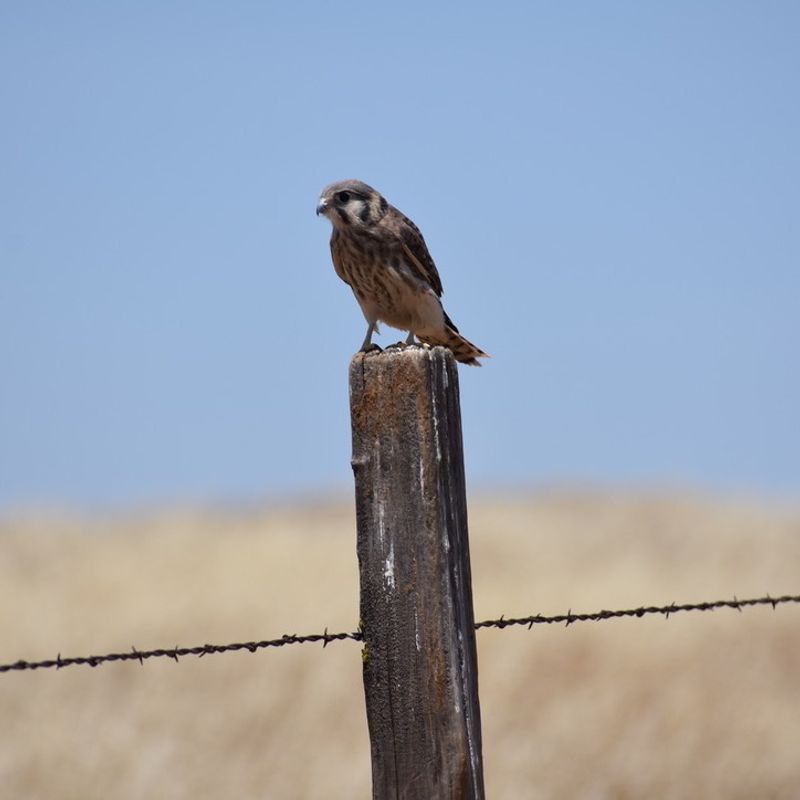
Fence posts are some of the most useful hunting tools a kestrel can use. Perching up high gives them a wide, unobstructed view of the ground below.
From that height, spotting a grasshopper moving through short grass becomes surprisingly easy.
Kestrels are sit-and-wait hunters as much as active chasers. A fence post along the edge of your yard gives them exactly what they need.
Once they find a reliable perching spot, they tend to return to it repeatedly.
Wooden posts work especially well because kestrels can grip them firmly. Metal posts can get uncomfortably hot in direct sun, which may discourage perching during peak afternoon hours.
Natural wood or rough-textured posts are generally more comfortable for the birds.
Adding a simple wooden post or two near open areas of your yard is an easy, low-cost way to invite kestrel activity. It does not need to be tall.
Anything between five and eight feet off the ground tends to work reasonably well for hunting purposes.
Power lines and older branches serve the same purpose in many yards.
Kestrels are adaptable. Any elevated spot with a clear downward view of open ground has the potential to become a regular hunting perch throughout grasshopper season.
4. Tree Cavities Provide Safe Nesting Sites
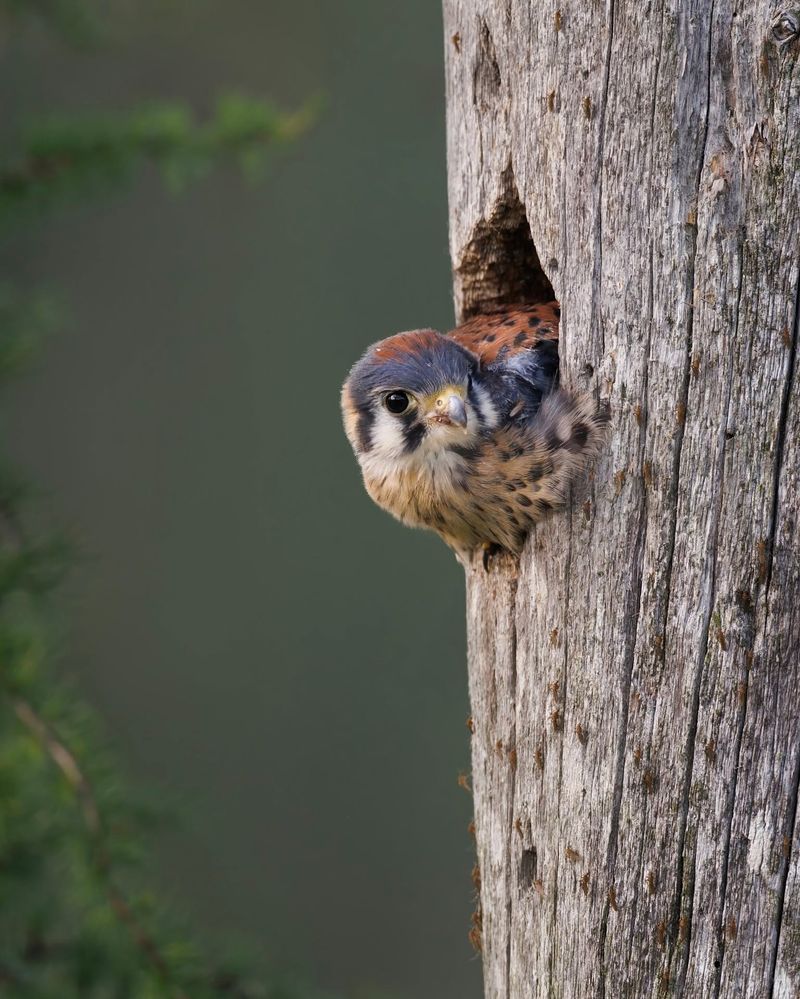
Kestrels do not build nests from scratch. They rely on existing cavities in trees, cliffs, or structures.
Natural tree hollows are among their preferred nesting spots in residential and semi-rural areas.
Mature trees with natural holes or old woodpecker cavities are especially valuable. Kestrels move in, raise their young, and use the surrounding yard as a hunting ground.
A yard that supports nesting kestrels tends to see consistent bird activity across the full breeding season.
Keeping mature trees in your yard, even if they look a bit rough or weathered, can make a real difference. Hollow limbs and old cavities that might seem like eyesores are actually prime real estate for kestrels.
Removing them too aggressively reduces available nesting options.
Nesting pairs are particularly active hunters. Both parents work to feed chicks, which means more frequent grasshopper-catching trips throughout the day.
A yard near an active nest can benefit noticeably during those weeks.
Not every yard has mature trees with cavities, and that is perfectly fine. Nest boxes can fill that gap well.
But if you already have older trees with natural openings, protecting them gives kestrels a reason to stay close and hunt your yard throughout the season.
5. Untreated Yards Support More Hunting Opportunities
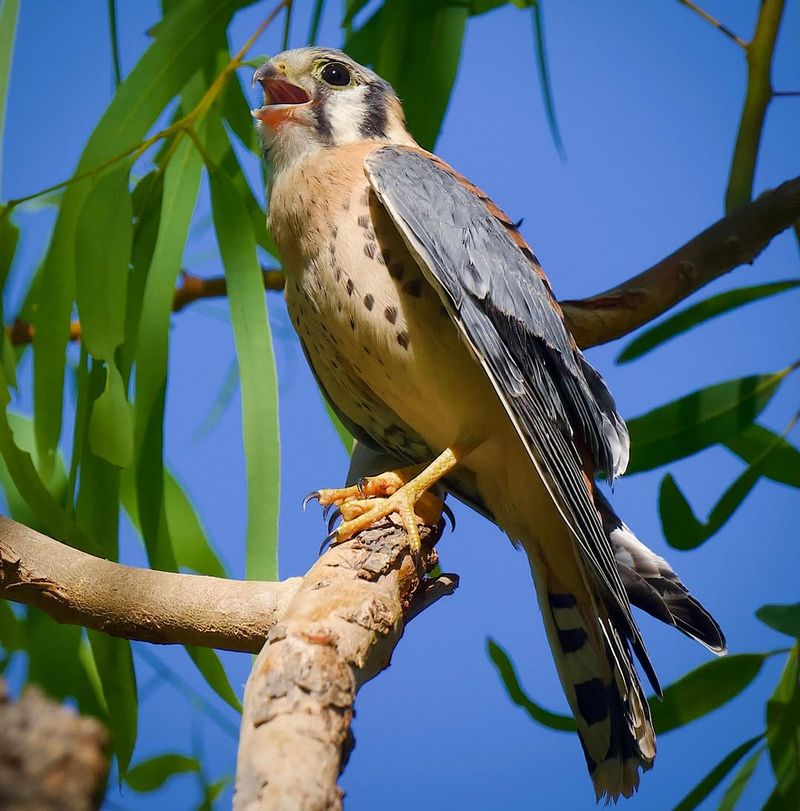
Pesticide use changes things quickly. Spraying for insects often removes the grasshoppers kestrels depend on, and it can also reduce other prey like beetles and small lizards.
Fewer prey options mean fewer reasons for kestrels to visit.
Yards that skip broad-spectrum pesticides tend to support a more balanced insect population. Grasshoppers may still appear, but so do the predators that feed on them.
Kestrels are more likely to patrol a yard where prey is consistently available.
Healthy soil also matters. Untreated ground supports more insects overall, which draws in a wider range of wildlife.
More insects mean more hunting opportunities, and kestrels pick up on that quickly. They are efficient at locating productive hunting grounds.
Going pesticide-free does not mean accepting a yard full of damage. Kestrels, along with other insect-eating birds, can help keep populations at a manageable level naturally.
It takes time, but the balance tends to improve as more predators move in.
Even reducing pesticide use in part of your yard can help. Leaving a section untreated near a fence or open patch gives kestrels a reliable hunting zone.
Small changes in yard management can shift the balance noticeably over a single season.
6. Sharp Eyesight Helps Them Spot Small Prey From Above
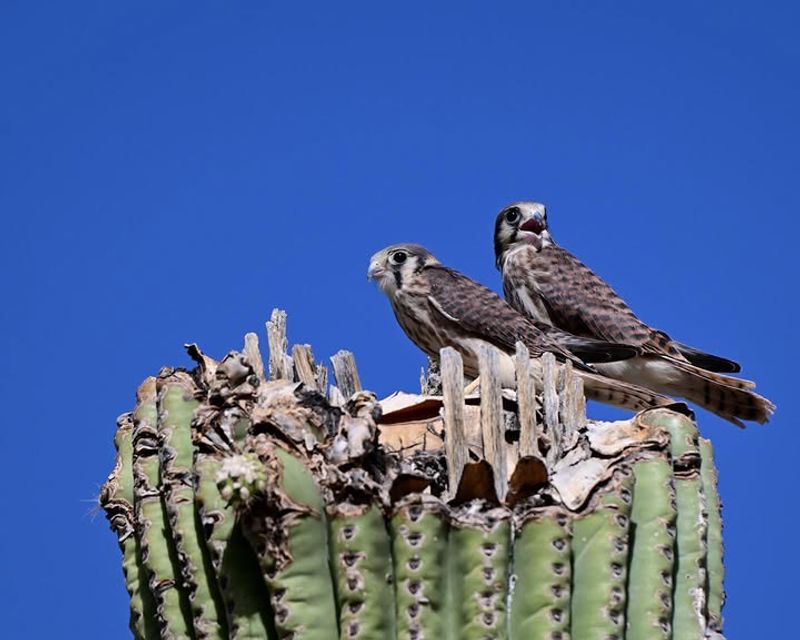
Kestrel vision is genuinely remarkable. They can detect ultraviolet light, which means they actually see things humans cannot.
Grasshopper urine reflects UV light, and kestrels may use this to locate active feeding areas faster than you might expect.
From a hovering position twenty or thirty feet up, a kestrel can spot a grasshopper moving through short grass. Prey that looks invisible from ground level is far more obvious from above, especially to eyes as sharp as theirs.
Speed matters too. Once a kestrel locks onto a target, it drops quickly and accurately.
The whole sequence from spotting to catching often takes just a few seconds. Grasshoppers do not have much time to react once a kestrel has them in sight.
Bright Arizona sunlight actually works in the kestrel’s favor. Clear skies and strong light make shadows and movements on the ground easier to detect from above.
Overcast days can slow their hunting somewhat, but sunny conditions put them at a clear advantage.
Understanding how well kestrels can see helps explain why yard setup matters. Open ground, short vegetation, and unobstructed sightlines from above all make it easier for their exceptional eyesight to work at full potential throughout the hunting season.
7. Nest Boxes Can Bring More Kestrels To Your Yard
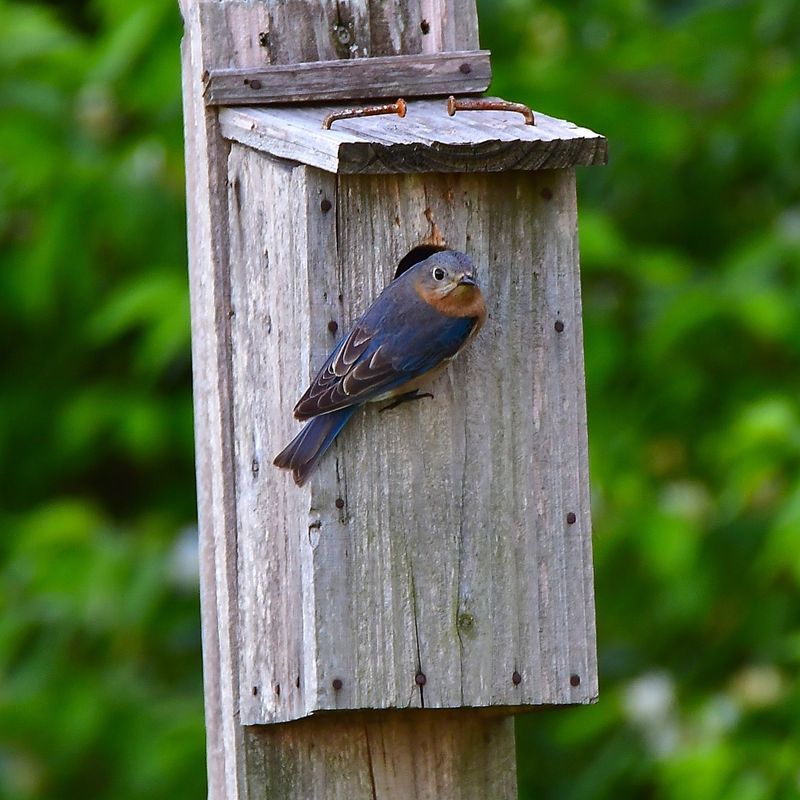
Putting up a nest box is one of the most direct ways to attract kestrels. Natural cavities are getting harder to find as older trees are removed and urban areas expand.
A well-placed box fills that gap nicely.
Kestrel nest boxes have a specific entrance hole size, typically around three inches in diameter. Boxes that are too large may attract other species instead.
Using a box designed specifically for kestrels gives you the best chance of success.
Placement matters a lot. Boxes should face away from the prevailing wind and ideally toward open ground.
Mounting them between ten and fifteen feet high on a post or tree gives kestrels a clear approach path and a good view of the surrounding area.
Boxes placed near open hunting ground in Arizona tend to attract attention more quickly than those surrounded by dense vegetation. Kestrels scout for nesting sites early in the season, sometimes as early as late winter.
Getting your box up before spring gives them time to find it.
Maintenance helps too. Cleaning out old nesting material each year keeps the box inviting.
Kestrels may not use a box the first season, but patience pays off.
Once a pair adopts a box, they often return to the same site year after year.