What Georgia Trees And Shrubs Need Most To Survive This Summer Drought
Georgia drought can make a healthy yard look nervous before noon.
Leaves lose their usual lift. Young branches seem softer. The soil cracks, rain skips another week, and suddenly every tree and shrub looks like it wants something from you.
The tricky part is the answer.
More water sounds obvious, but a quick hose blast can barely reach the roots. Extra fertilizer feels helpful, yet stressed plants may have no use for another push of growth. Even mulch can cause trouble when it lands in the wrong place.
So what matters most when summer turns the yard into red clay and heat?
The real answer starts below the leaves.
Roots need moisture they can actually reach, cooler soil around them, and less competition from grass and weeds. Young plants deserve the first attention, but older trees can struggle too when dry weather drags on.
A few careful changes can make the whole yard feel less desperate, and none of them require daily hose duty through every brutal August afternoon either.
1. Soak The Whole Root Zone Slowly
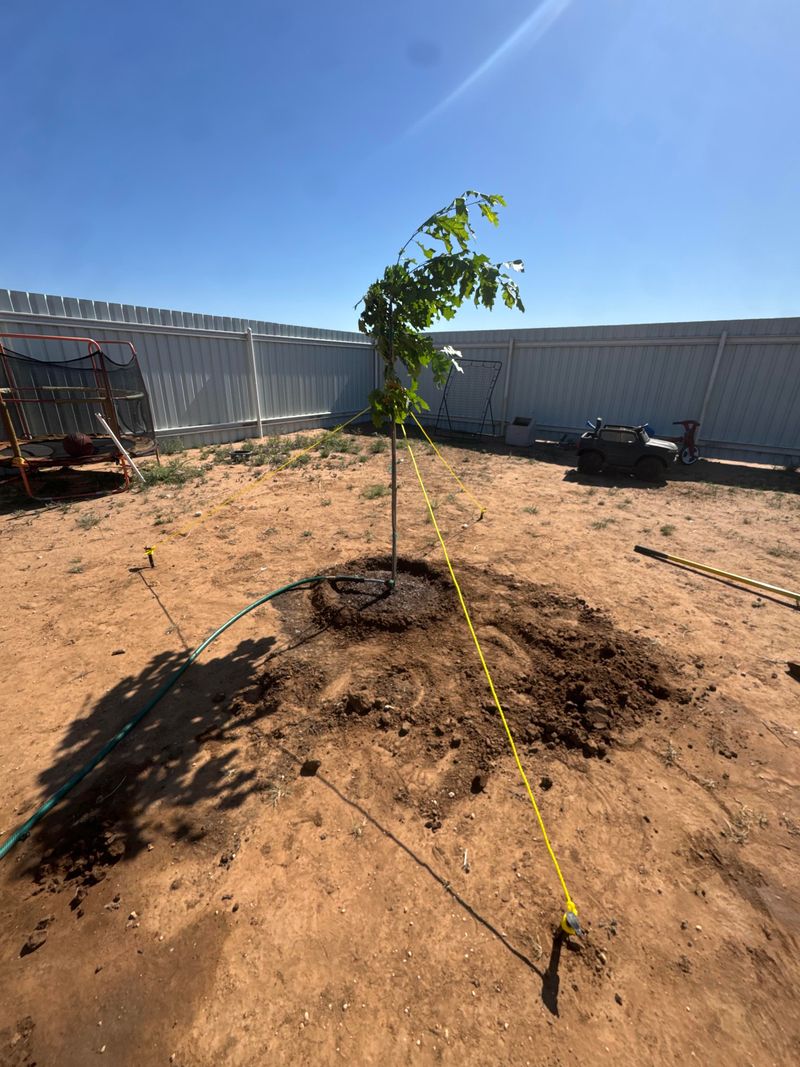
A two-minute blast from the hose can look productive while the soil below stays almost dry.
Trees and shrubs need a slower drink. Most active feeder roots sit within the upper 8 to 12 inches of soil, so the goal is moisture that reaches that zone rather than race across the surface.
Use a soaker hose, drip line, or a regular hose set to a gentle trickle. Place it over the root area and let the water sink in at an easy pace.
Georgia soil changes the schedule.
Sandy Coastal Plain soil drains fast, so shorter sessions may need a repeat sooner. Piedmont clay accepts water much more slowly. A long blast there can create puddles and runoff before moisture reaches useful depth.
Clay responds well to a cycle-and-soak approach. Run the water for about 15 minutes, pause for roughly an hour, then repeat. The pause gives moisture time to move down rather than sideways.
Check the result instead of trust the clock.
Push a screwdriver, wooden dowel, or trowel six to eight inches into the soil near the outer root area. Damp soil and easy entry usually mean the soak reached a useful depth. Dry resistance means the session needs adjustment.
Your tree does not need a dramatic hose performance. It needs water where the roots can actually cash the check.
2. Move Water Beyond The Trunk
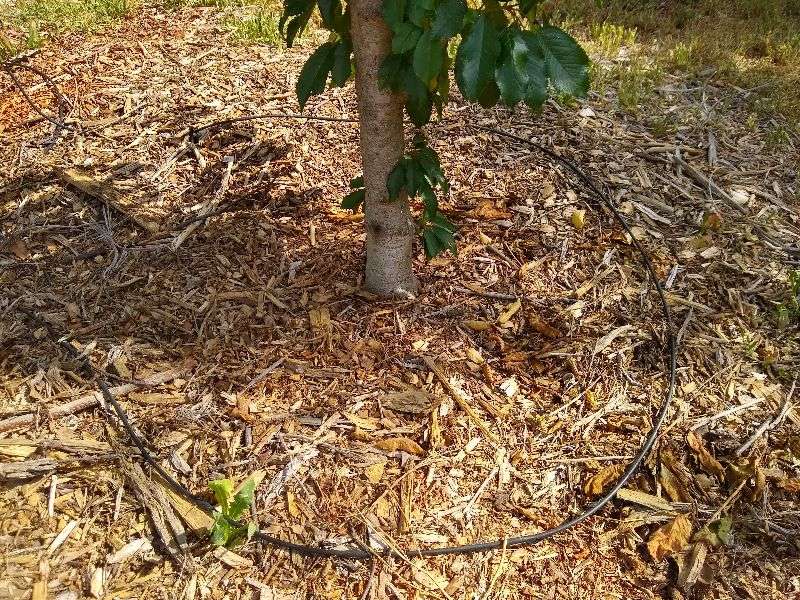
The trunk looks thirsty, so the hose naturally ends up right beside it.
That spot is not where most of the useful absorption happens.
Tree roots spread outward, often as far as the canopy and sometimes beyond it. The fine feeder roots near those outer areas handle much of the work that brings water and nutrients into the plant.
Move the hose away from the bark.
For established trees, place drip emitters or a soaker hose at several points between the trunk and the canopy edge. A single dripper beside the trunk leaves a large part of the root system out of the conversation.
Your Georgia Garden Changes Every Week. Your Plan Should Too.
Gardening in Georgia changes quickly throughout the season. Every Friday you’ll receive a simple weekly plan showing exactly what to plant, prune, fertilize, harvest, and protect so you never miss the right timing.
Shrubs follow the same basic rule. Put water near the outer edge of the branch spread rather than crowd emitters against the main stems.
Young trees need a smaller circle at first.
Start roughly 12 to 18 inches from the trunk, then move the water zone farther outward as the canopy and roots expand over the next few seasons.
Use a soil probe in more than one spot after a deep soak. One damp patch does not tell you what happened around the whole root zone.
This small shift can make every gallon work harder during drought.
The trunk may look like the obvious customer, but it is mostly the front desk. The feeder roots are the real customers, and they are scattered much farther out.
3. Spread Two To Four Inches Of Mulch
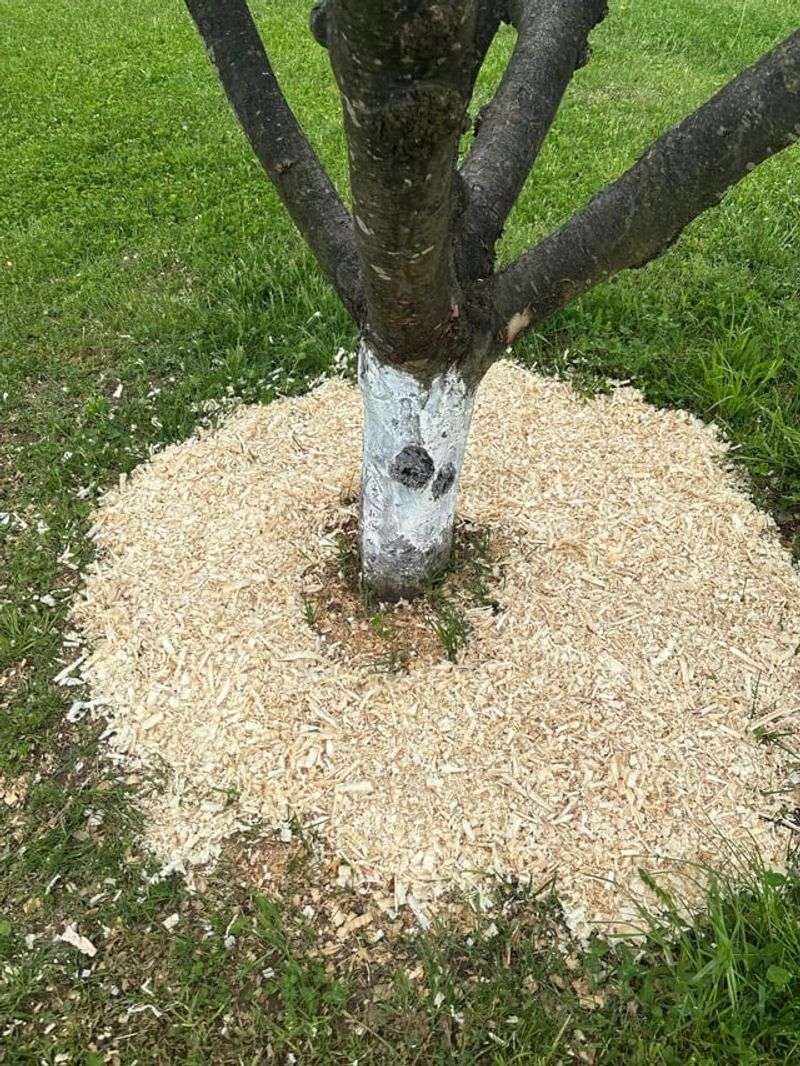
Bare soil can turn into a hot plate under a Georgia afternoon sun.
That heat speeds moisture loss and puts shallow roots under more stress. A simple layer over the soil can make the root zone much calmer.
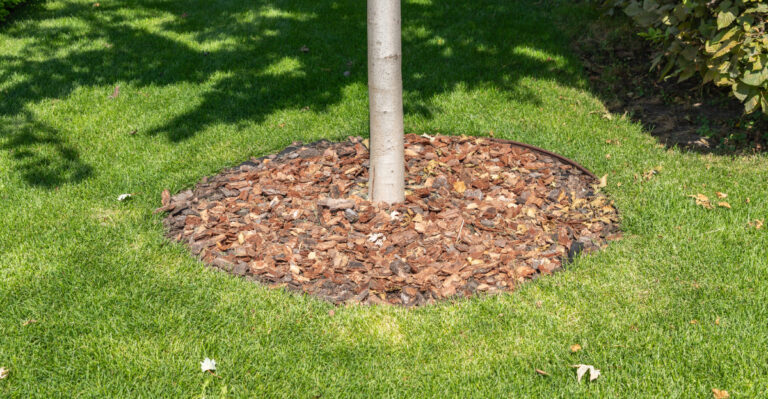
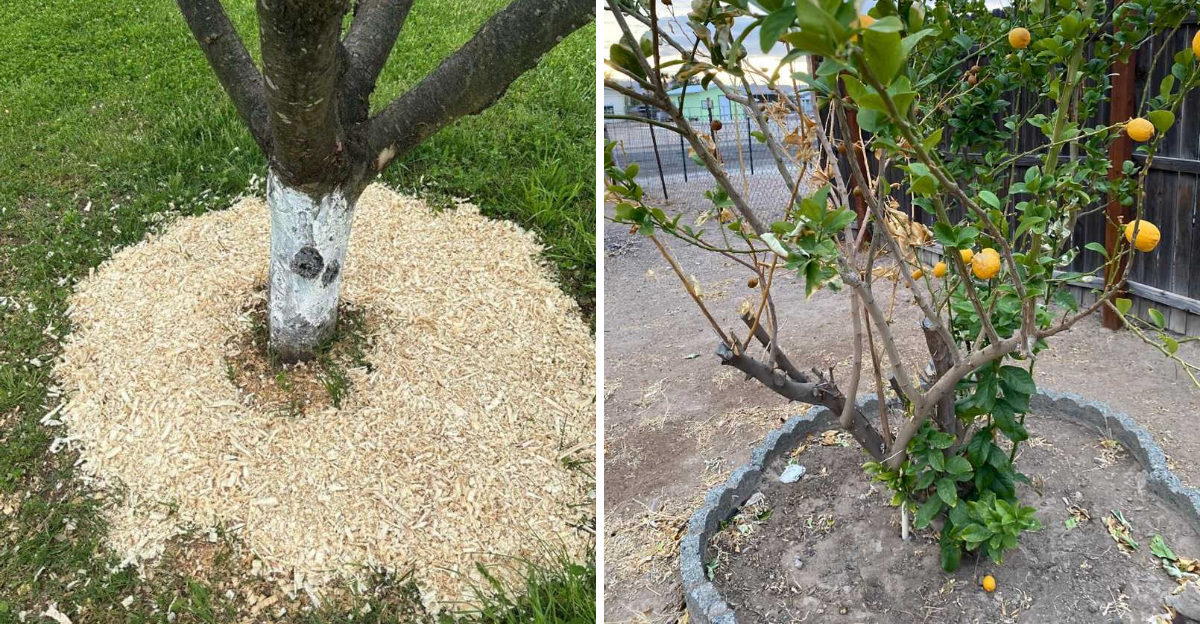
Use organic mulch such as pine straw, shredded hardwood bark, wood chips, or fallen leaves. Spread about two to four inches across the root area.
The material slows evaporation, softens soil temperature swings, and reduces competition from weeds and turf.
Keep the layer even rather than mound it into hills.
Older mulch deserves a quick check before fresh material goes down. A crusted or matted layer can shed water rather than let it pass. Loosen those spots with a rake so the next soak can reach the soil below.
Texture changes the ideal depth a little.
Fine pine straw can settle quickly and may need a thicker layer. Coarse wood chips can often do the job with slightly less depth because more open space remains between pieces.
Do not bury the root zone under a huge pile.
Very deep mulch can hold too much moisture near the surface and make water movement less predictable. The goal is a breathable cover, not a mattress.
A good mulch ring also saves the hose from extra shifts.
Georgia summer will still be hot. The soil underneath does not need to audition for the same temperature record.
4. Pull Mulch Back From Bark
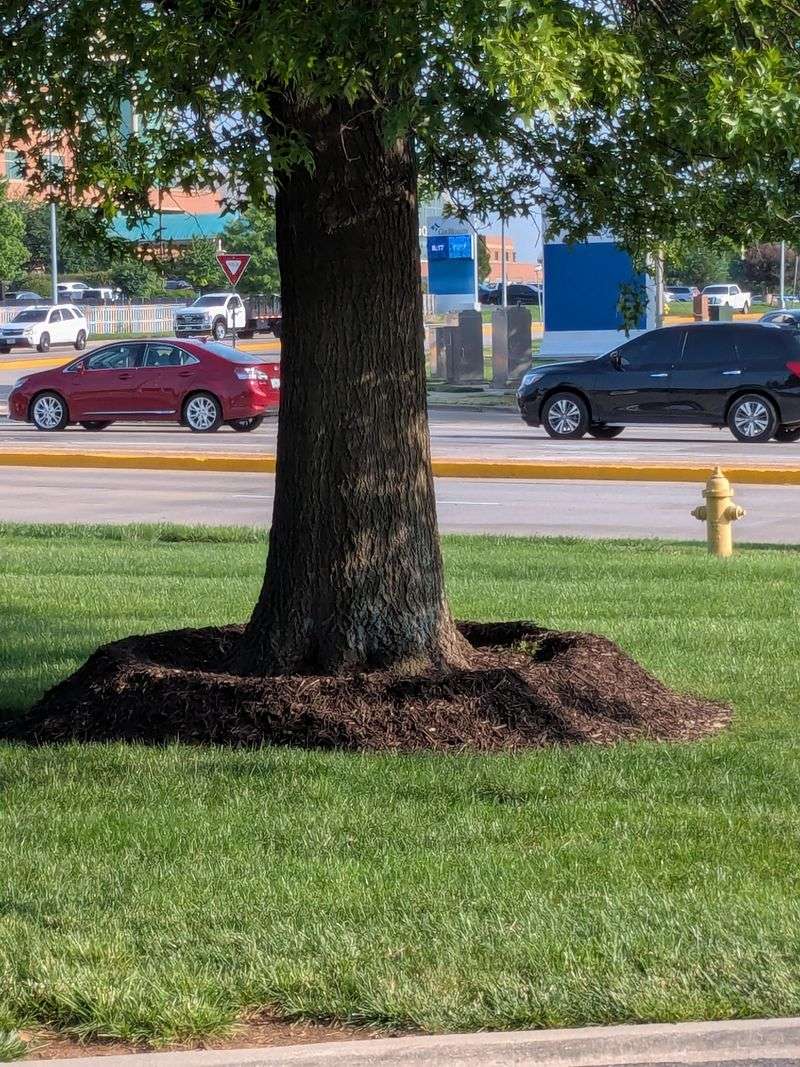
Mulch can help a drought-stressed tree, but one popular yard habit turns that help into a problem.
The familiar mulch volcano looks tidy from the curb. It also keeps damp material pressed against bark that was never meant to stay buried.
Pull the mulch away from the trunk.
Leave about three to six inches of open space around the base so air can reach the bark and the root flare stays visible. The root flare is the point where the trunk widens as it meets the soil.
That area deserves daylight.
Constant moisture against bark can encourage decay and create shelter for insects or small rodents. A thick mound can also hide problems until they become harder to correct.
Shape the finished mulch ring like a flat donut.
Keep the useful layer over the roots, then leave the center open. Refresh that gap each time new mulch goes down because landscape crews and enthusiastic family members can rebuild that volcano with remarkable enthusiasm.
Older trees may already have several years of material piled around the base. Remove it gradually and carefully without damage to surface roots.
A visible root flare gives you a better reference for future care too.
Mulch belongs over soil, not up the trunk. The tree asked for a cool floor, not a turtleneck sweater in August.
5. Clear Turf And Weeds From The Root Zone
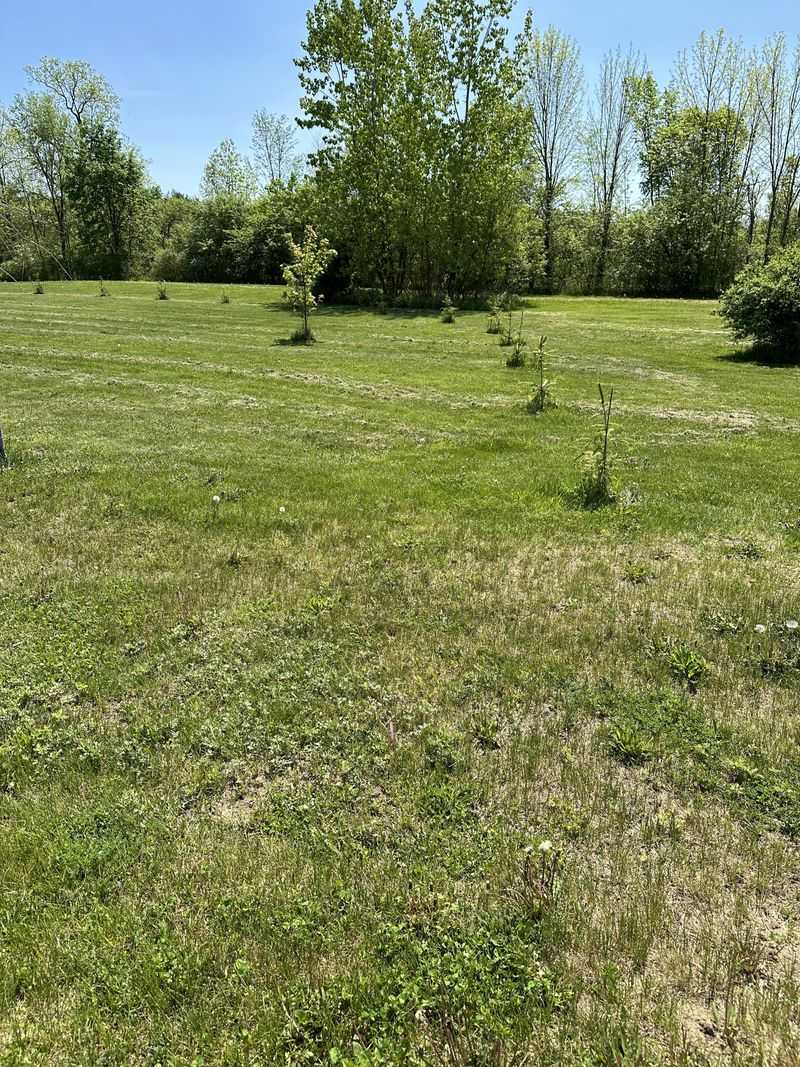
Grass looks innocent under a tree until drought makes every root a competitor.
Turf and weeds use the same shallow moisture that many tree and shrub feeder roots depend on. A long dry spell can leave young plants at a real disadvantage in that shared space.
Clear a generous ring around priority plants.
For a young tree, even a three-foot radius free of turf can reduce competition. Larger trees benefit from a broader mulched area beneath the canopy where practical.
Use your hands near the roots.
A deep hoe pass can slice feeder roots close to the surface. String trimmers can scar bark at the trunk and add another stress point to a plant already short on moisture.
Pull weeds while they are small, loosen stubborn patches gently, then cover the cleared soil with mulch.
The new open zone does not have to stay bare.
A compatible low groundcover may work in some landscapes, but plain mulch keeps the setup simple and usually asks for less water than lawn grass.
Pay special attention to newly planted trees and shrubs. Their roots occupy a much smaller area than those of mature plants, so nearby turf can claim a meaningful share of the available moisture.
Your lawn can handle a little distance from every trunk.
Give the tree its own little no-grass zone. During a Georgia drought, that boundary works less like decoration and more like a reserved table at a very crowded restaurant.
6. Skip Fertilizer During Severe Stress
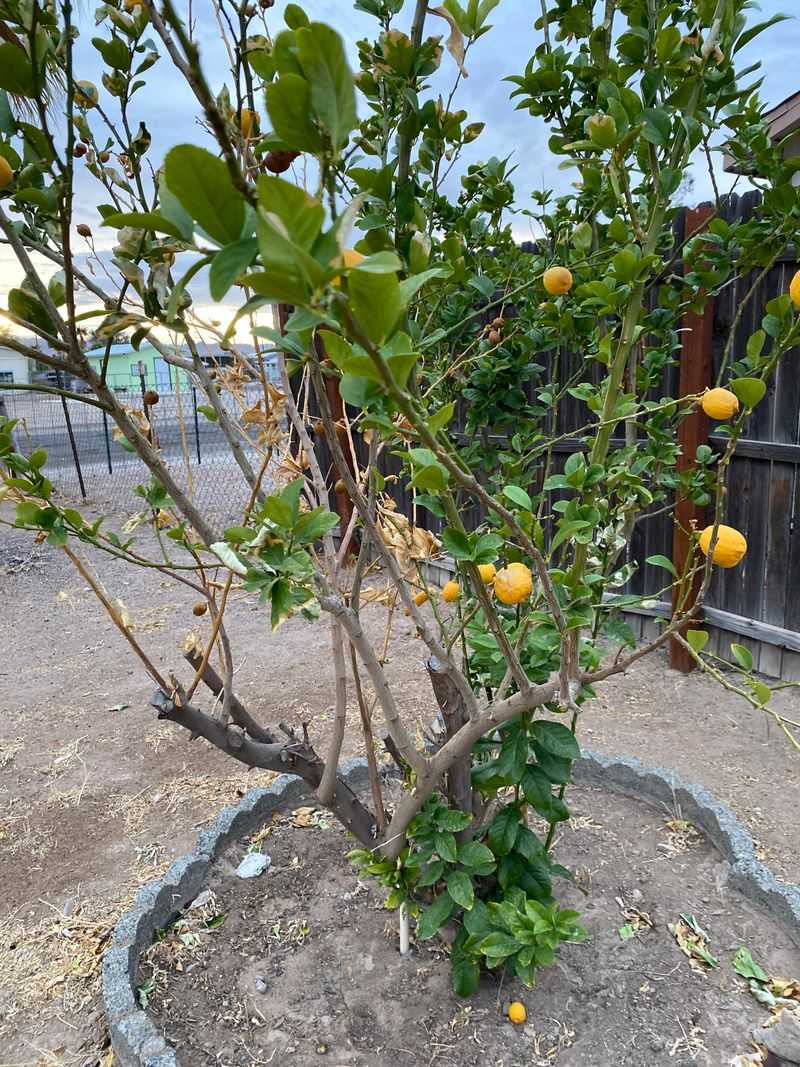
A stressed shrub can make the fertilizer bag look like an emergency kit.
Drought is usually the wrong moment to open it.
Nitrogen-heavy fertilizer can push fresh leaves and shoots at a time when the plant already struggles to supply enough water to current tissue. That soft growth asks for more moisture just as the root zone has less to give.
Pause the fertilizer routine during severe dry weather.
Put the effort into deep water, cooler soil, and root protection first. Once rain returns and the plant looks more stable, you can decide where fertilizer fits in the plan.
A soil test gives that decision some evidence.
Georgia soils vary widely, and a plant that looks tired from drought does not automatically lack nutrients. Extra fertilizer added on a guess can raise salt levels around roots or push growth that the plant cannot comfortably support.
Established trees and shrubs can often wait for better conditions.
Young plants deserve the same restraint. Their small root systems already have enough work during high heat without an extra demand for new top growth.
Keep an eye on the foliage after moisture improves. Some drought symptoms can linger even after the root zone gets relief, so do not expect an instant cosmetic comeback.
Summer stress calls for recovery before ambition.
Your crape myrtle does not need a protein shake because August got rude. Give the roots a steady drink and let the fertilizer bag enjoy a vacation.
7. Decide Who Gets Water First
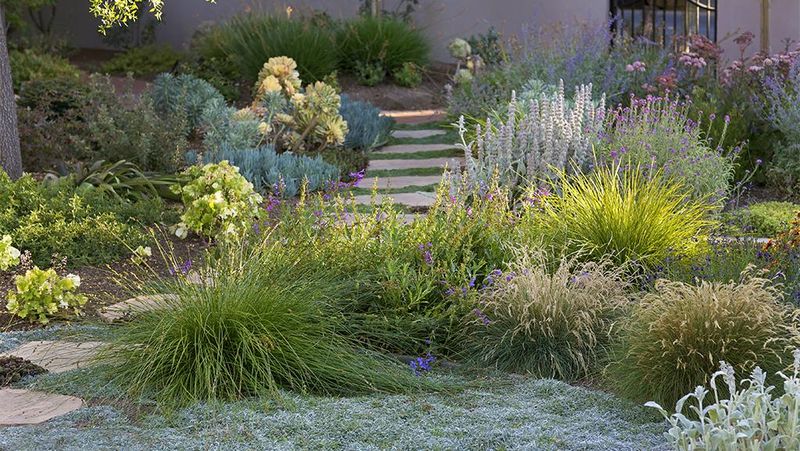
A yard can make drought care feel like triage, and plants do not need equal attention.
Start with trees and shrubs planted within the last year or two. Their roots still occupy a limited patch of soil, so they cannot chase deep moisture as effectively as older plants.
New plants deserve the first deep soak.
Next, check established shrubs and smaller trees that show early stress. Wilted leaves, dull color, leaf curl, or premature leaf drop can signal that the root zone has stayed dry too long.
Mature trees often have broader root systems, but a long drought can still catch up with them. Give extra attention to valuable specimens, plants on exposed slopes, and trees surrounded by pavement or hot turf.
Soil changes the order too.
Coastal sand can lose moisture quickly, so younger plants there may need more frequent checks. Piedmont clay holds water longer but accepts it slowly. Mountain sites with rocky ground can dry unevenly from one spot to the next.
Use a soil probe before the hose comes out.
The plant with the driest root zone and the smallest established root system usually deserves your attention before a mature shrub in cool, mulched soil.
You do not need to water the entire property like a golf course.
Choose the plants with the least margin for error first, then work outward. Your hose gets a route, and each dry afternoon feels far less mysterious.