The Cover Crops Virginia Gardeners Can Plant In Empty Beds This Week
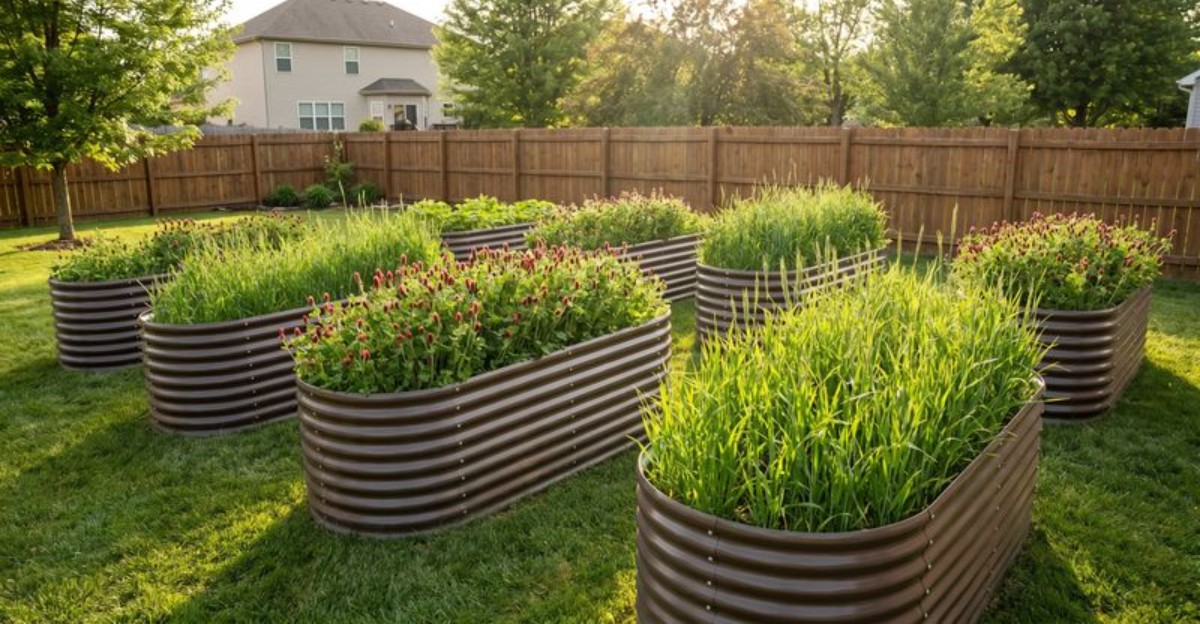
A garden bed does not stop working when the last tomato is picked. Bare soil can lose nutrients, wash away in rain, and invite weeds.
Cover crops provide a simple fix for empty beds. They protect soil, feed helpful organisms, and improve garden conditions before spring planting.
Virginia’s fall weather creates the perfect window to get them started. Some varieties keep growing through cold months, while others sprout quickly and break down after frost.
You do not need special tools or a complicated setup. A rake, some seed, and a little time can prepare your beds for winter.
1. Crimson Clover Adds Nitrogen To Garden Soil
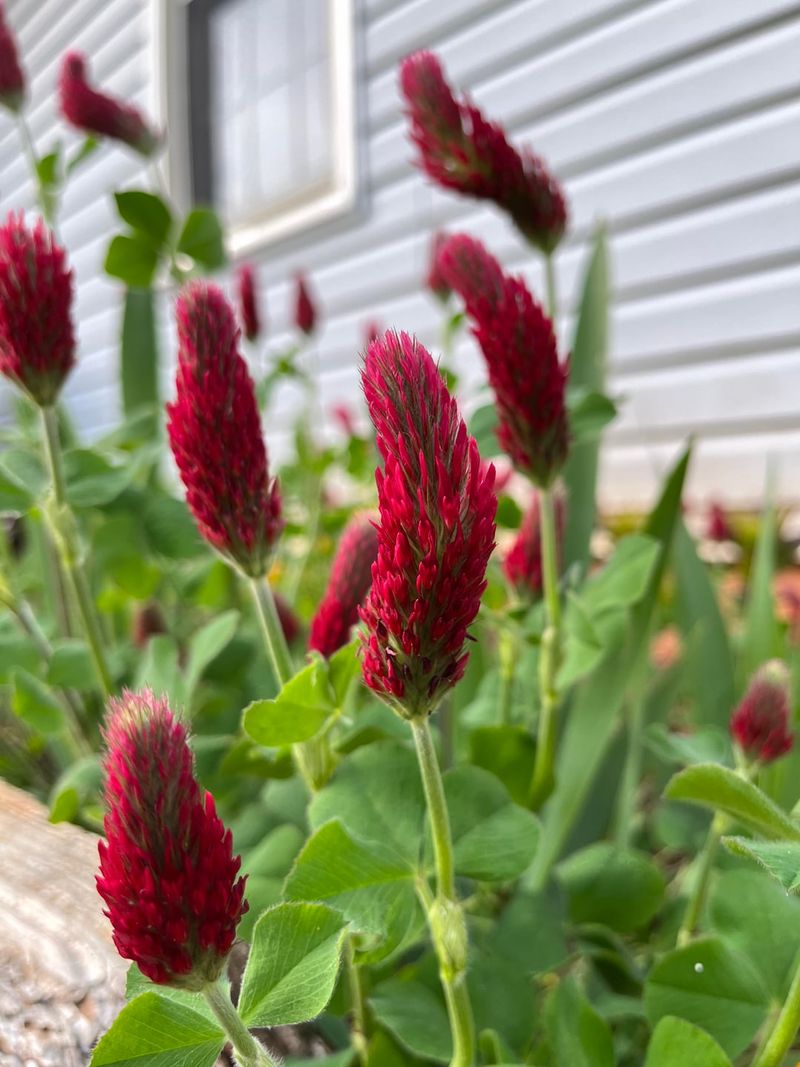
Few cover crops earn their keep as beautifully as crimson clover. By April, those deep scarlet blooms turn a plain vegetable bed into something the neighbors slow down to look at.
Underneath all that color, the real work happens at root level. Crimson clover is a legume, which means it teams up with soil bacteria to pull nitrogen straight out of the air and store it in small root nodules.
Come spring, some of that nitrogen becomes available to your next crop. Corn, squash, and leafy greens can benefit from a bed that hosted clover, though fertilizer needs still depend on the soil and crop.
Above ground, a healthy stand can help suppress some winter weeds by shading the soil surface. The fibrous roots also grip loose topsoil, which matters a lot during the heavy rains that roll in late winter.
Timing is fairly forgiving here. Sowing between late August and the first week of October gives seedlings enough warm days to settle in before frost slows them down.
Scatter roughly a quarter pound of seed per one hundred square feet, then rake lightly and water once. Good seed-to-soil contact matters more than depth, so a gentle tamp with the back of a rake helps plenty.
Cut or mow the clover when about half the flowers open, then let the residue rest on the surface as mulch. Fun bit of history: farmers in the South once grew it purely as a spring hay crop before anyone talked about soil health.
2. Winter Rye Protects Beds Through Cold Months
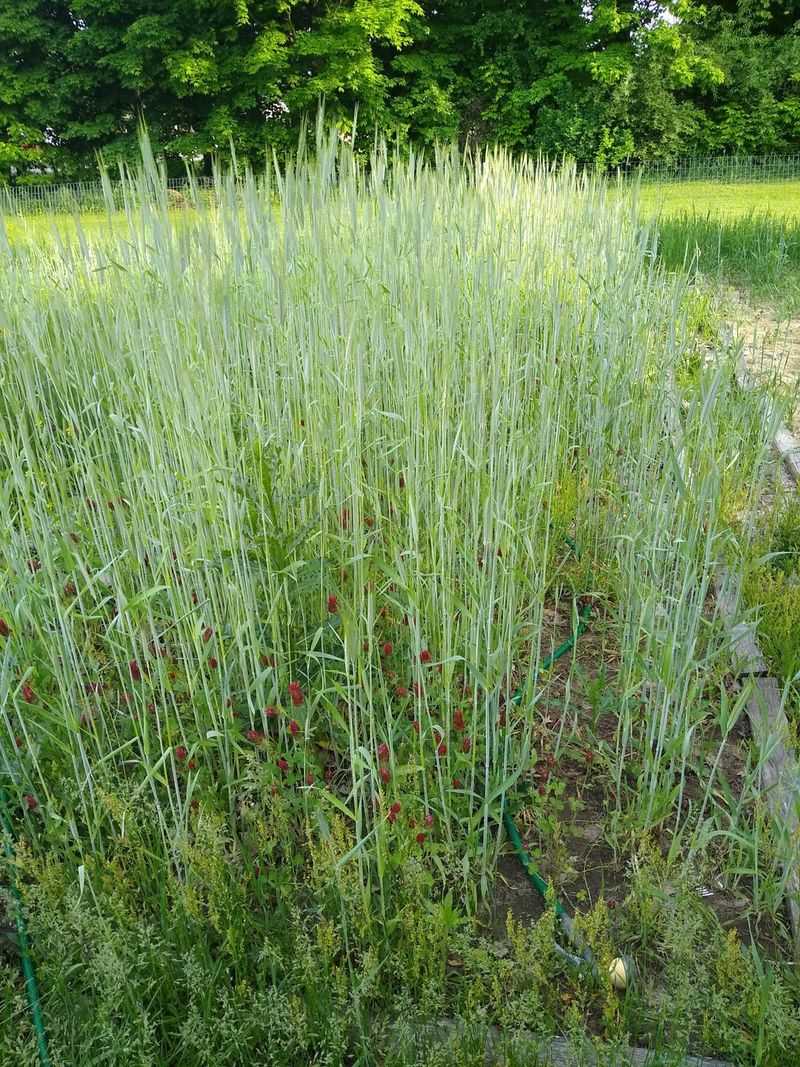
Toughness has a name in the cover crop world, and it is winter rye. Seed will sprout in soil hovering around 38 degrees, which makes it the last reliable option when the calendar has gotten away from you.
Gardeners sometimes call it cereal rye to avoid mixing it up with ryegrass, a different plant entirely. The grain version is the one you want for a vegetable plot.
Roots are where rye really shines. Fine, fibrous roots help improve soil structure over time and can create channels that improve water movement.
Leftover nitrogen from your summer crops tends to wash downward during winter storms. Rye grabs that nitrogen, stores it in its leaves and stems, then releases it slowly once the plants break down in spring.
Rye can help suppress some weeds through competition and natural compounds released during decomposition, helping beds stay cleaner.
Your Virginia Garden Changes Every Week. Your Plan Should Too.
Gardening in Virginia changes quickly throughout the season. Every Friday you’ll receive a simple weekly plan showing exactly what to plant, prune, fertilize, harvest, and protect so you never miss the right timing.
September and October are the prime sowing months across most of Virginia, though you can push into early November in the warmer eastern counties. Broadcast about two pounds per one thousand square feet and rake the seed in shallowly.
Plan your spring exit strategy before you plant. Mow or cut rye down at knee height, since letting it reach five feet makes cleanup a chore.
Give the chopped residue two or three weeks to decompose before you set out transplants. That pause keeps soil microbes from borrowing nitrogen your seedlings need.
3. Hairy Vetch Builds Soil Fertility Over Winter
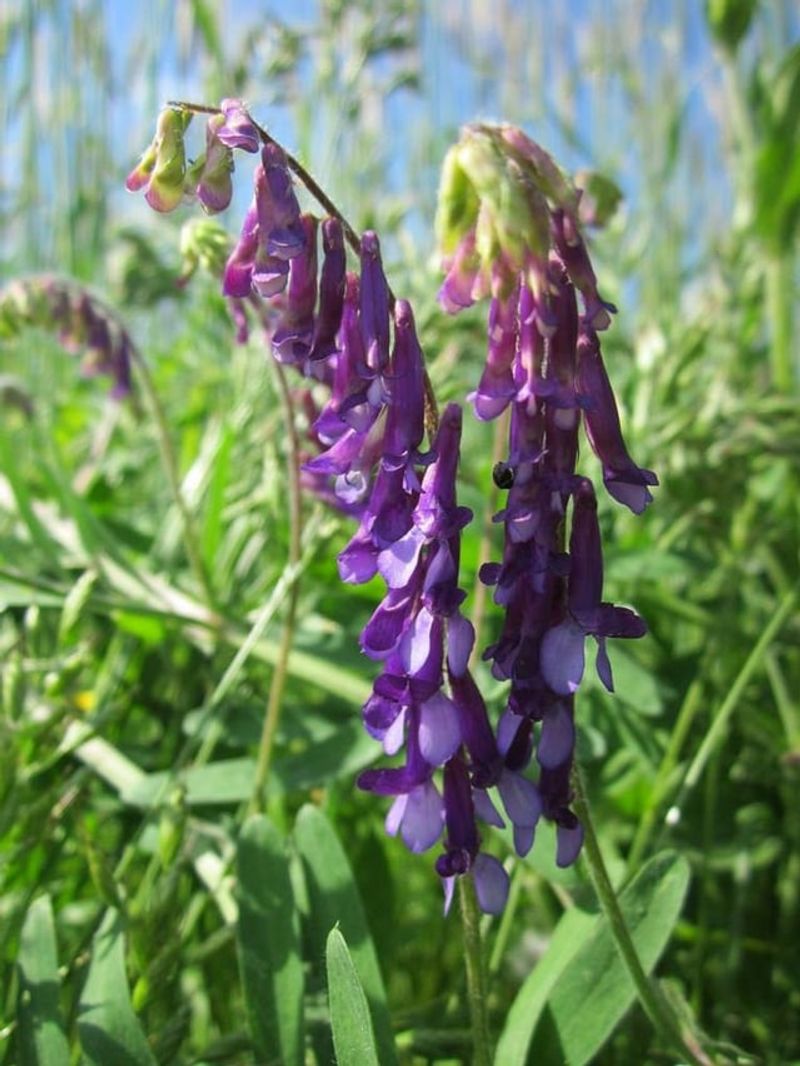
Ask an old-school market grower which legume packs the biggest nitrogen punch, and hairy vetch usually comes up first. A healthy stand can add meaningful nitrogen to the soil, helping support crops that follow it.
Appearance-wise, vetch looks unimpressive in November. Thin, sprawling stems creep along the ground while the plant quietly builds roots and waits out the cold.
Then March arrives and the plant often takes off. Vines grow quickly, purple flowers appear, and the thick growth can help suppress many smaller weeds.
Once established, vetch tolerates winter conditions well, and snow cover can help protect plants during colder periods.
Root systems knit soil particles together, cutting down on erosion along sloped beds and washed-out garden edges. The added organic matter improves tilth and helps sandy soil hold water longer.
Sow between early September and mid October so plants have four to six weeks of growth before hard frost. Late seeding usually leads to a thin, disappointing stand.
Mixing vetch with winter rye works beautifully, since the rye stems give the vines something to climb. Many gardeners swear by that combination and use it year after year.
One caution worth remembering: let vetch set seed and it will volunteer in your beds for seasons to come. Cut it at flowering and that problem disappears.
Chop the vines, leave them as mulch, and transplant right through the residue.
4. Austrian Winter Peas Add Organic Matter Below Ground
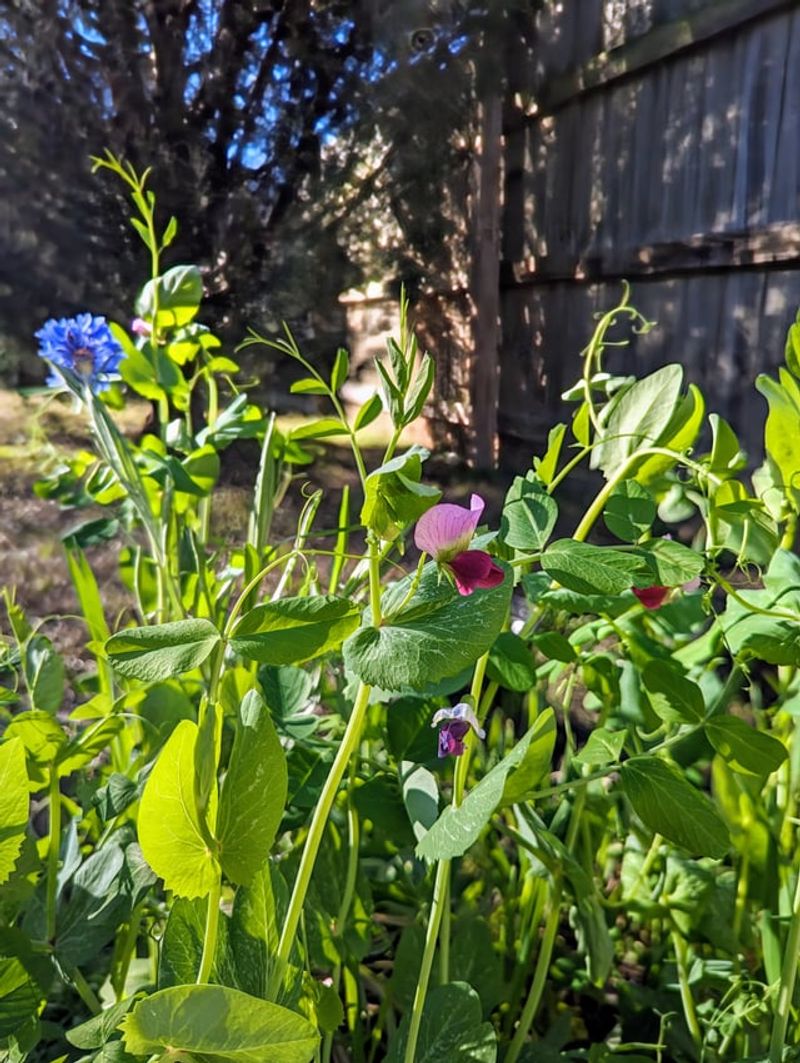
Here is a cover crop you can eat while it works. The tender shoot tips of Austrian winter peas taste sweet and pea-like, and plenty of gardeners snip a handful for salads in November.
Beyond the snacking, these peas are serious soil builders. Like all legumes, they capture atmospheric nitrogen and park it in root nodules for the next crop to use.
Cold tolerance is respectable too. Established plants tolerate cold weather well and often survive winter in many parts of the state.
Roots can reach deeper than most people expect. They help improve soil structure and may reduce some compaction effects in garden beds.
Better structure means better drainage, and better drainage means fewer soggy spots come April. Moisture spreads more evenly through the bed instead of collecting in low corners.
Foliage grows dense and low, which keeps winter weeds from claiming territory. A tidy bed in February is a small victory worth celebrating.
Plant seed about an inch deep, roughly four to six weeks ahead of your first hard freeze. Deeper planting than most cover crops is the trick here, since shallow pea seed often gets eaten by birds.
Inoculating the seed with pea and vetch bacteria boosts nitrogen production noticeably. Packets cost very little and take one minute to use.
Turn the vines under in spring and the soft, juicy stems break down within a couple of weeks.
5. Oats Create Quick Cover For Empty Beds
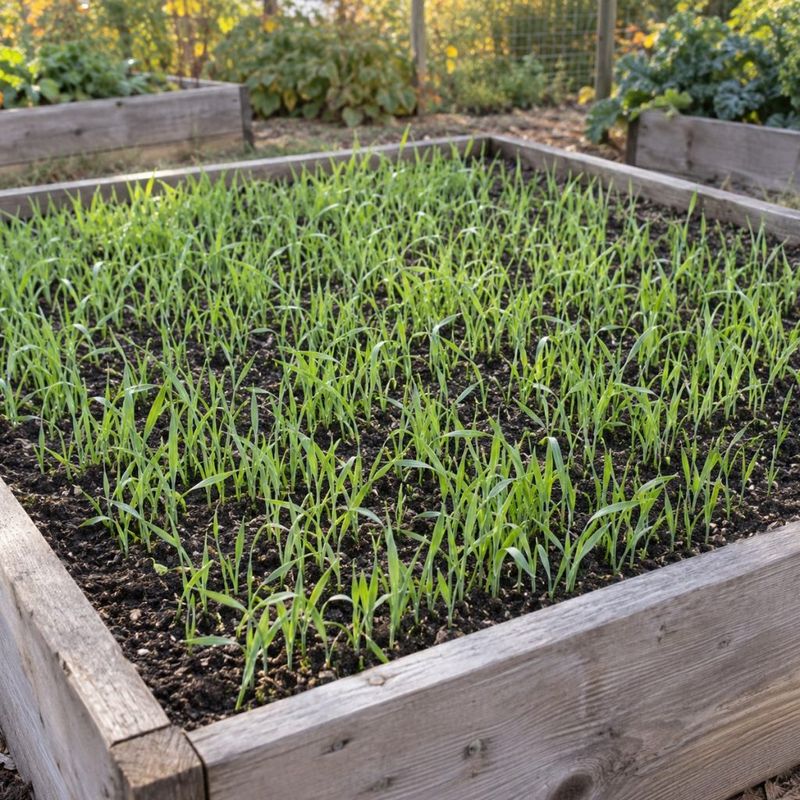
Lazy gardeners, gather round. Oats might be the least demanding cover crop you can plant, because winter does the cleanup work for you.
Seed germinates fast and forms a soft green carpet within a couple of weeks. That quick coverage shields bare soil from pounding autumn rain and blocks weed seedlings from taking hold.
Once hard freezes settle in, the plants give out and collapse into a brown mat. No mowing, no chopping, no wrestling with tough stems in April.
Spring cleanup amounts to raking the residue aside or simply planting right through it. The decomposing straw keeps mud off your lettuce and slows early weeds while your seedlings get going.
Gardeners lean on oats when they know a bed is headed for early spring crops like peas, spinach, or onions. The residue usually breaks down easily, making oats a convenient choice before early spring crops.
Roots are shallow but plentiful, and they add a surprising amount of organic matter to the top few inches. Earthworm activity usually picks up noticeably under an oat mat.
Aim to sow five to eight weeks before your first hard frost, which means late August through mid September in most of the state. Later seeding still helps, though the stand will be thinner.
Broadcast generously, rake lightly, and water if the ground is dry. Oats germinate best with a little moisture to get started.
Pairing oats with Austrian winter peas gives you fast cover plus a nitrogen bonus.
6. Buckwheat Helps Fill Short Fall Planting Windows
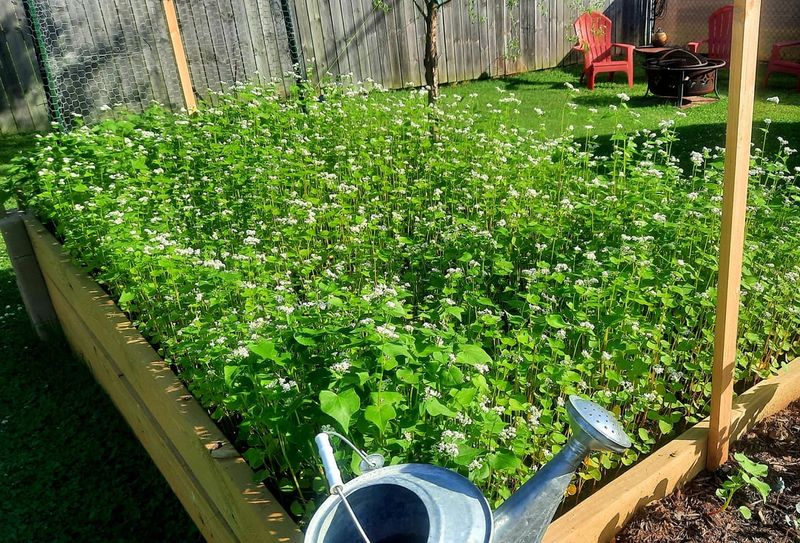
Speed is buckwheat’s superpower. Seeds crack open in four or five days, and the plants stand two to three feet tall within six weeks.
That pace makes it the go-to choice when a bed opens up unexpectedly in early September. Pull the spent bean vines in the morning, scatter buckwheat by evening, and you have green cover before the month ends.
Weeds often struggle once buckwheat forms a dense canopy that shades the soil surface.
Buckwheat is a warm-season annual that typically fades after the first hard frost. Gardeners treat it as a short-term bridge rather than a winter blanket.
Roots stay concentrated in the top ten inches, where they hold soil in place and scavenge phosphorus and calcium that would otherwise leach away. Those nutrients return to the bed as the residue breaks down.
Hollow stems decompose remarkably fast, which means spring cleanup takes almost no effort. A rake and five minutes usually finish the job.
Pollinators love the white flower clusters, and you will notice honeybees, tiny wasps, and hoverflies working the blooms. Those hoverflies lay eggs that hatch into aphid-eating larvae, so you are stocking your garden with helpers.
Sow about half a pound per one hundred square feet and rake it in an inch deep. Mid September is a solid target date.
Cut it before seeds mature unless you want volunteers everywhere.
7. Daikon Radish Breaks Up Compacted Garden Soil
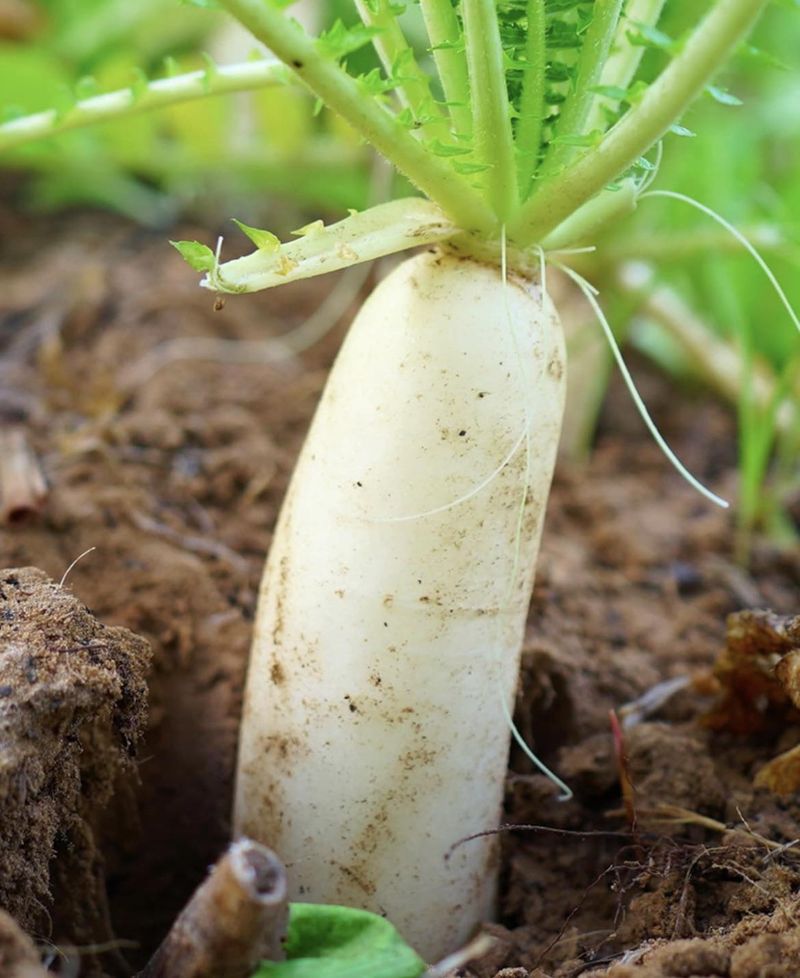
Picture a living drill bit boring through your hardpan, and you have the idea behind daikon radish. Gardeners also call it tillage radish, and the nickname fits.
Taproots grow long, thick, and stubborn, driving straight down through layers that a garden fork struggles to crack. Some reach well past a foot in good conditions.
As the roots break down, they add organic matter and can leave small channels that improve soil structure.
Compacted clay is common across much of Virginia, especially in yards where construction equipment once rolled over the topsoil. Radishes give those beds a real second chance.
Nutrient catching is another perk. The roots pull up nitrogen and other minerals from deeper layers, holding them until decomposition returns everything to the surface zone.
Leafy tops spread wide and shade out fall weeds while the roots do their underground work. You get two jobs handled with one packet of seed.
Sowing between mid September and early October works well in central Virginia. Plant too late and the roots stay pencil-thin, which defeats the whole purpose.
Fair warning about the smell: decomposing radish roots produce a sulfur odor for a week or two in late winter. It passes, and the soil you get afterward is worth the brief inconvenience.
Scatter seed thinly, since crowded radishes compete and shrink. A light raking is all the covering they need.