The Georgia Summer Lawn Mistakes That Lead To More Weeds In Fall
A lawn does not suddenly fill with weeds when fall arrives. The groundwork is often laid much earlier, even while the grass still looks green and healthy through summer.
That is why some yards are overrun with unwanted growth a few months later, while others stay thick and attractive with far fewer problems.
Summer is when everyday lawn care has the biggest impact on what happens next. Small habits that seem harmless can gradually weaken the grass and leave open spaces where weeds are ready to move in.
The changes are easy to miss because the results usually do not appear right away.
Georgia lawns respond quickly to the way they are cared for during the hottest months.
Avoiding a handful of common summer mistakes now can leave you with a healthier lawn and far fewer weeds once cooler weather returns.
1. Mowing Too Short Weakens Grass Health
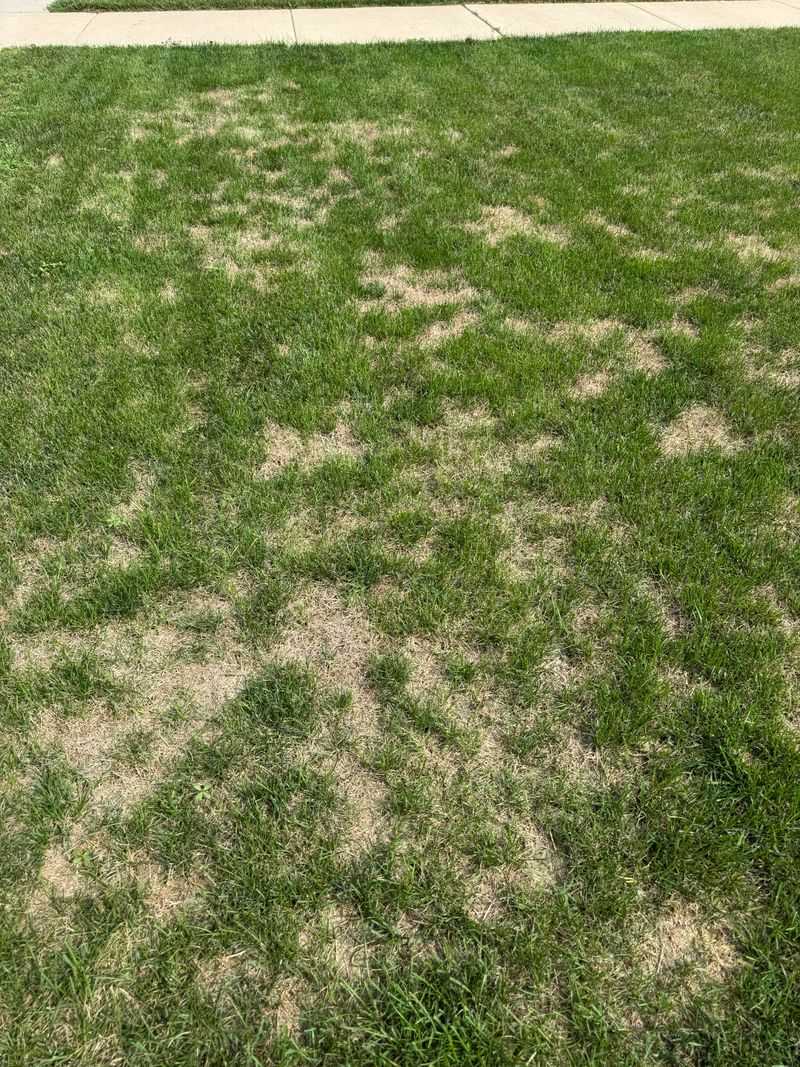
Cutting grass too short is one of the fastest ways to invite weeds into your lawn. Scalped grass loses its ability to shade the soil, and bare, exposed ground is exactly where weed seeds love to sprout.
Warm-season grasses like Bermuda and Zoysia need height to stay competitive. Mowing below the recommended height weakens the root system significantly.
Shallow roots can’t hold moisture or nutrients well, especially during summer stress.
A good rule of thumb is to never remove more than one-third of the blade at a time. Keeping Bermuda around 1.5 to 2 inches and Zoysia around 2 inches gives the turf enough leaf surface to photosynthesize properly.
Short grass also heats up faster. Hot soil speeds up moisture loss and creates conditions where opportunistic weeds like crabgrass thrive with very little competition.
Raise your mower deck slightly during the hottest weeks of summer. That small adjustment helps the grass recover faster between mowings and keeps the canopy dense enough to crowd out weeds naturally.
Consistent mowing height matters more than most people think, and getting it right during summer pays off big when fall rolls around and weed pressure increases.
2. Inconsistent Watering Creates Thin Lawn Areas
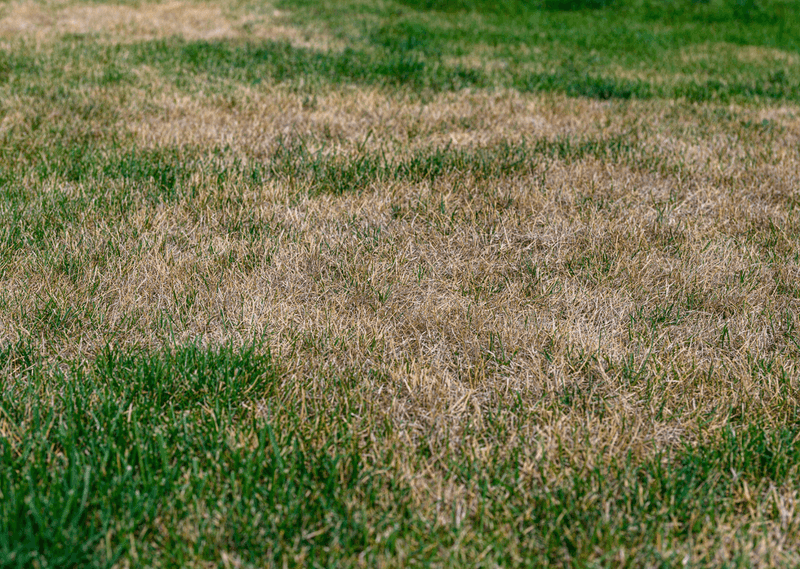
Watering on and off without a real schedule does more harm than most people expect. Grass that gets water one day and nothing for a week starts to thin out in uneven patches across the yard.
Thin areas are weak areas.
Wherever the turf thins, weed seeds waiting in the soil see an opening and take it.
Spotted watering patterns create exactly the kind of uneven coverage that leads to weed clusters showing up in fall.
Lawns in the Southeast need about one inch of water per week during active summer growth. That total should come from a combination of rainfall and irrigation.
Tracking rainfall with a simple rain gauge helps avoid both under-watering and overwatering.
Early morning watering works best.
Watering in the evening leaves blades wet overnight, which increases the risk of fungal issues that further weaken turf density.
Set a consistent schedule and stick with it. Two deep watering sessions per week are generally better than light daily watering.
Your Georgia Garden Changes Every Week. Your Plan Should Too.
Gardening in Georgia changes quickly throughout the season. Every Friday you’ll receive a simple weekly plan showing exactly what to plant, prune, fertilize, harvest, and protect so you never miss the right timing.
Deep watering encourages roots to grow down rather than staying near the surface. Stronger, deeper roots fill in thin spots faster and leave less room for weeds to establish.
Consistency through the summer months builds a dense, resilient lawn that resists weed invasion when temperatures begin to drop in early fall.
3. Skipping Summer Fertilizer Timing Reduces Density
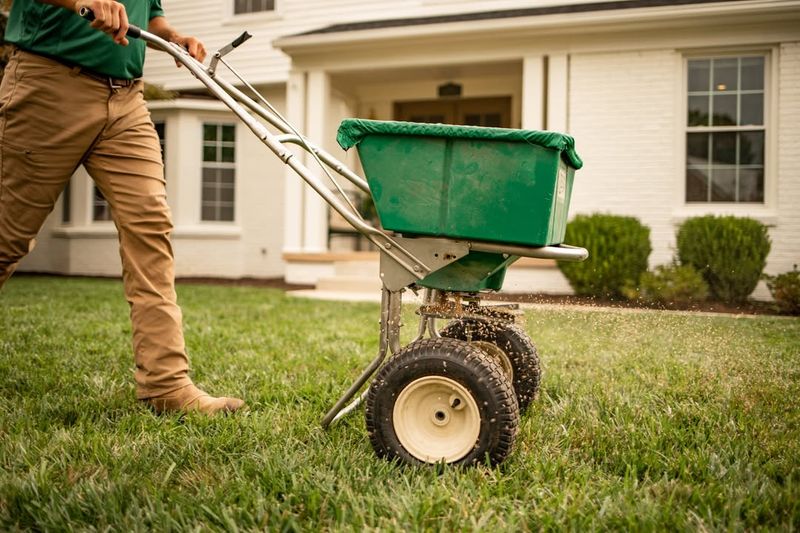
Skipping fertilizer during summer is a gamble that usually doesn’t pay off. Warm-season grasses are actively growing from late spring through August, and they need consistent nutrition to stay thick and competitive.
Without adequate nutrients, grass blades become thin and pale.
Pale, undernourished turf loses its ability to crowd out weeds, and that weakness carries straight into fall when annual weeds like annual bluegrass and henbit start germinating.
Nitrogen is the most important nutrient during summer.
A slow-release nitrogen fertilizer applied in June or July keeps growth steady without pushing excessive flush growth that stresses the lawn during heat waves.
Timing matters a lot. Fertilizing too late in summer, close to September, can push tender new growth that gets damaged by early cool nights in northern parts of the state.
Aim to complete summer fertilization by mid-August at the latest.
Soil testing every couple of years takes the guesswork out of fertilizing. Knowing your soil’s actual nutrient levels helps you apply only what the lawn truly needs.
Over-fertilizing is just as problematic as under-fertilizing because excessive nitrogen can weaken root systems and promote disease.
A well-fed lawn heading into fall is dense, green, and far less vulnerable to weed pressure when conditions shift and cool-season weeds start looking for open ground to claim.
4. Leaving Bare Soil Spots Gives Weeds Room To Grow
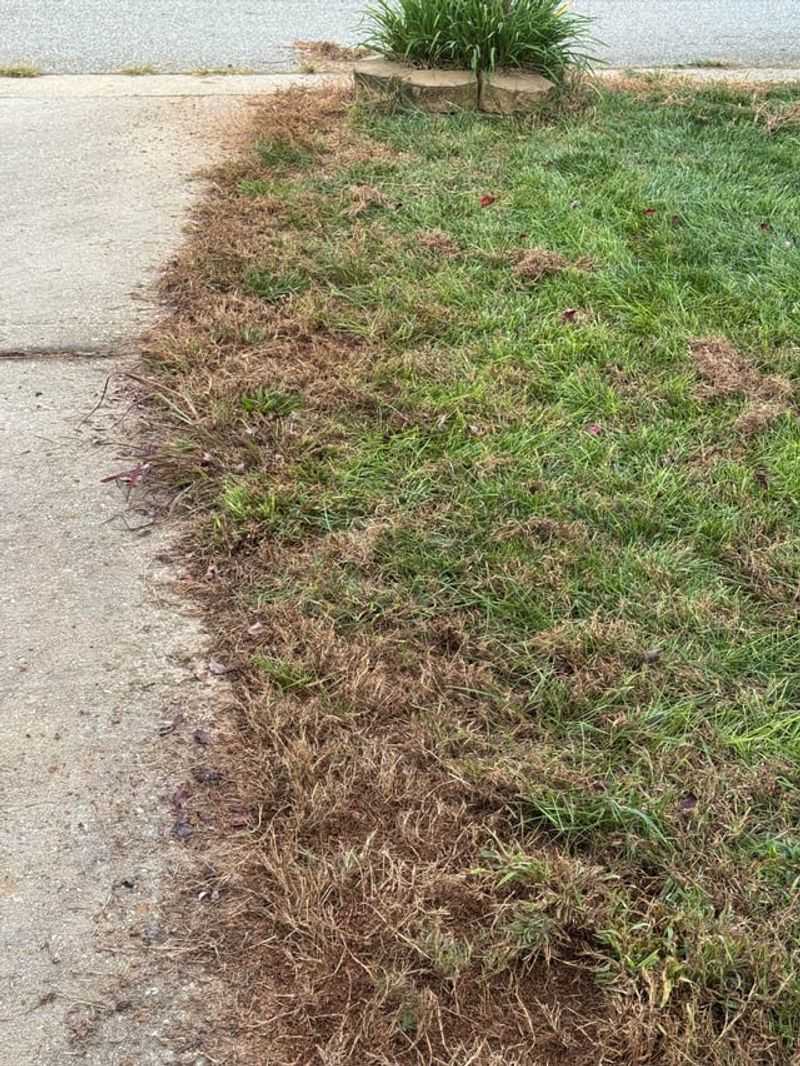
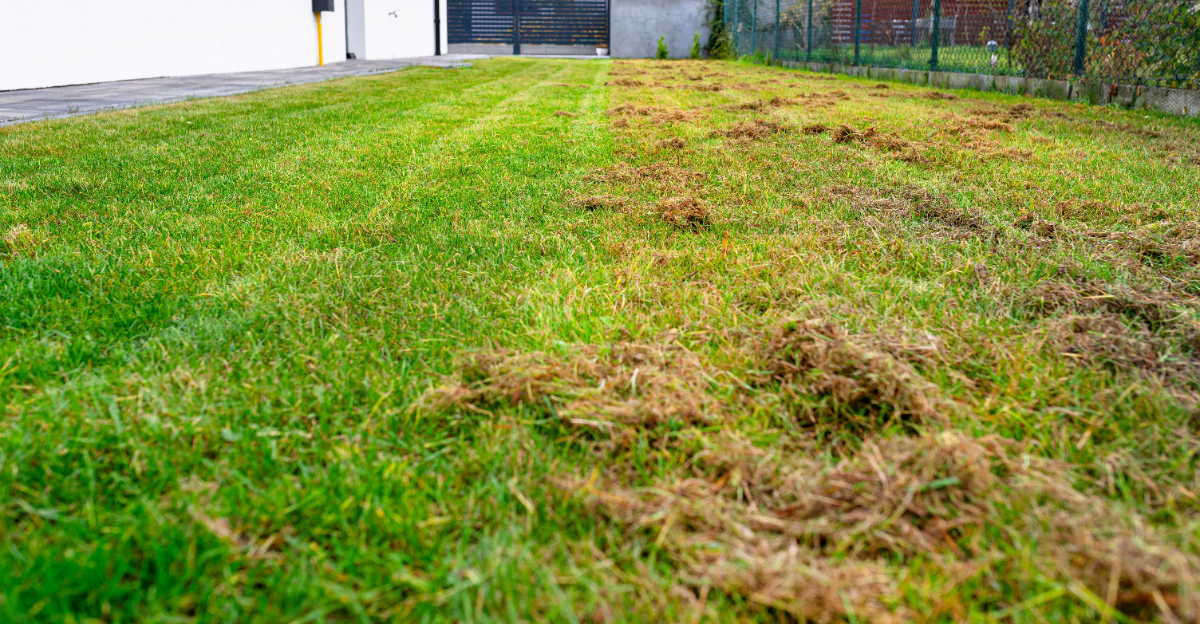
Bare spots in a lawn are open invitations for weeds. Exposed soil holds warmth, moisture, and light, three things weed seeds need to germinate quickly and establish before grass can recover.
Bare spots happen for several reasons. Heavy foot traffic, pet activity, fungal patches, and insect damage are common causes during summer.
Whatever the reason, leaving those spots untreated through summer almost guarantees a weed problem by fall.
Repairing bare areas quickly is the smartest move. For warm-season lawns, summer is still a viable window to patch with sod plugs or seed, depending on the grass type.
Bermuda grass can be seeded or sprigged during summer with reasonable success when moisture is managed carefully.
Topdressing bare patches with a thin layer of quality compost before adding seed or plugs improves germination rates. Keeping the repaired area consistently moist for the first two weeks gives new growth a real chance to fill in.
Even a temporary fix like spreading a thin layer of mulch over bare spots reduces weed seed contact with soil. Fewer seeds reaching bare soil means fewer weeds to deal with later.
Addressing every bare patch before late summer gives grass time to recover and fill in before fall weed seeds begin their germination cycle.
A lawn without gaps is a lawn weeds struggle to enter.
5. Overwatering Encourages Weak Shallow Roots
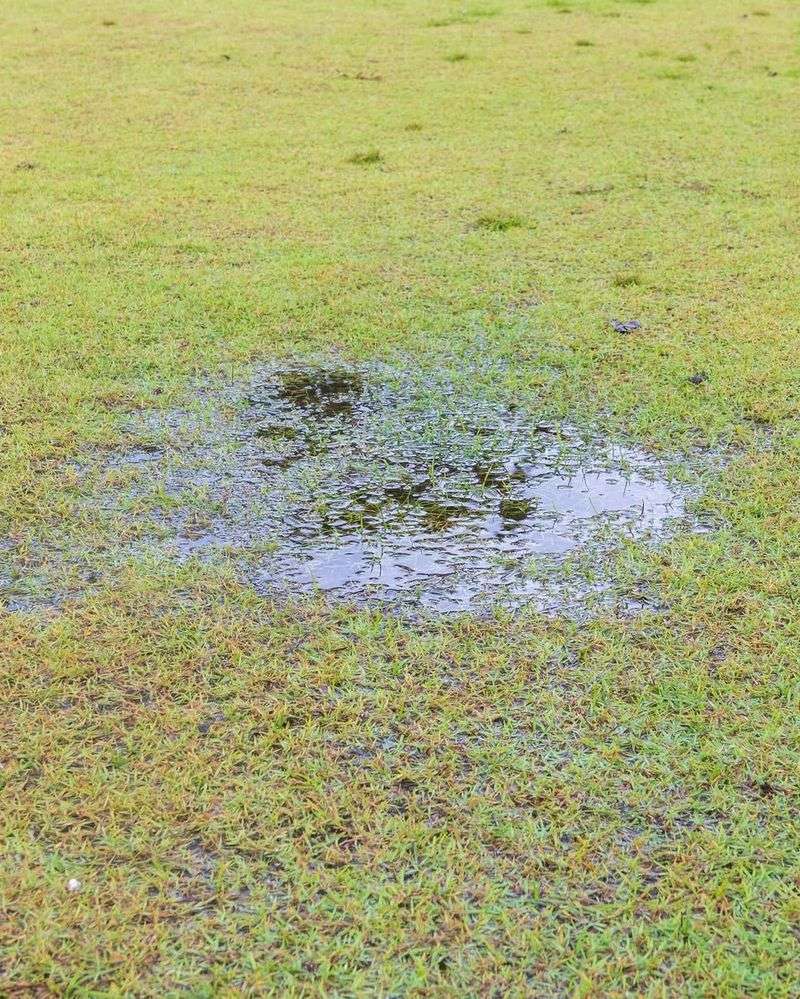
More water does not always mean healthier grass. Overwatering is actually one of the most common lawn mistakes, and it creates conditions that weaken turf while helping weeds thrive at the same time.
When soil stays constantly wet, grass roots have no reason to grow deep.
Shallow roots make the lawn fragile. Any stress from heat, drought, or foot traffic hits shallow-rooted grass harder and faster than a lawn with deep, established roots.
Wet soil also compacts more easily. Compacted, soggy ground reduces oxygen in the root zone, slowing grass growth while creating ideal conditions for moisture-loving weeds like sedges and spurge to move in.
Fungal diseases also spread faster in overwatered lawns.
Brown patch and dollar spot are common summer fungal problems that thin out turf rapidly, creating the kind of open spots where weeds establish with ease.
Check soil moisture before watering. Push a screwdriver six inches into the ground.
If it slides in easily, the soil still has enough moisture. Only water when the top few inches feel dry.
Adjusting irrigation schedules based on actual rainfall rather than a fixed timer prevents overwatering effectively.
Strong, deep roots built through proper watering practices keep the lawn dense and resilient, making it far harder for weeds to find and exploit weak spots during the transition into fall.
6. Not Controlling Summer Weeds Allows Fall Spread
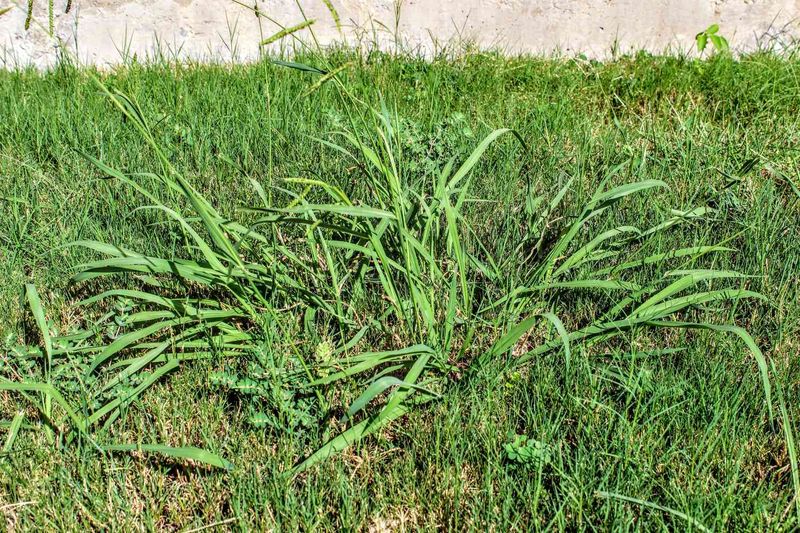
Letting summer weeds go unchecked is a decision that shows up in a big way by fall. Weeds that are allowed to mature during summer produce thousands of seeds before the season ends.
Crabgrass is a perfect example.
Broadleaf weeds like spurge and lespedeza also spread aggressively if left alone through summer. Pulling weeds before they set seed is one of the most effective and low-cost ways to reduce fall weed pressure significantly.
Post-emergent herbicides can handle weeds that are already actively growing. Applying them correctly during summer, following label directions for temperature limits, prevents chemical stress on the surrounding turf.
Hand-pulling works well for isolated patches, especially when the soil is moist after watering or rain.
Getting the root out matters. Weeds that are pulled but leave the root behind often regrow quickly.
Staying on top of weeds throughout summer keeps populations manageable and prevents the seed bank in your soil from building up season after season.
A smaller seed bank means fewer weeds competing with your grass when fall conditions arrive and weed germination picks back up across the lawn.
7. Healthy Thick Grass Naturally Blocks Weed Growth
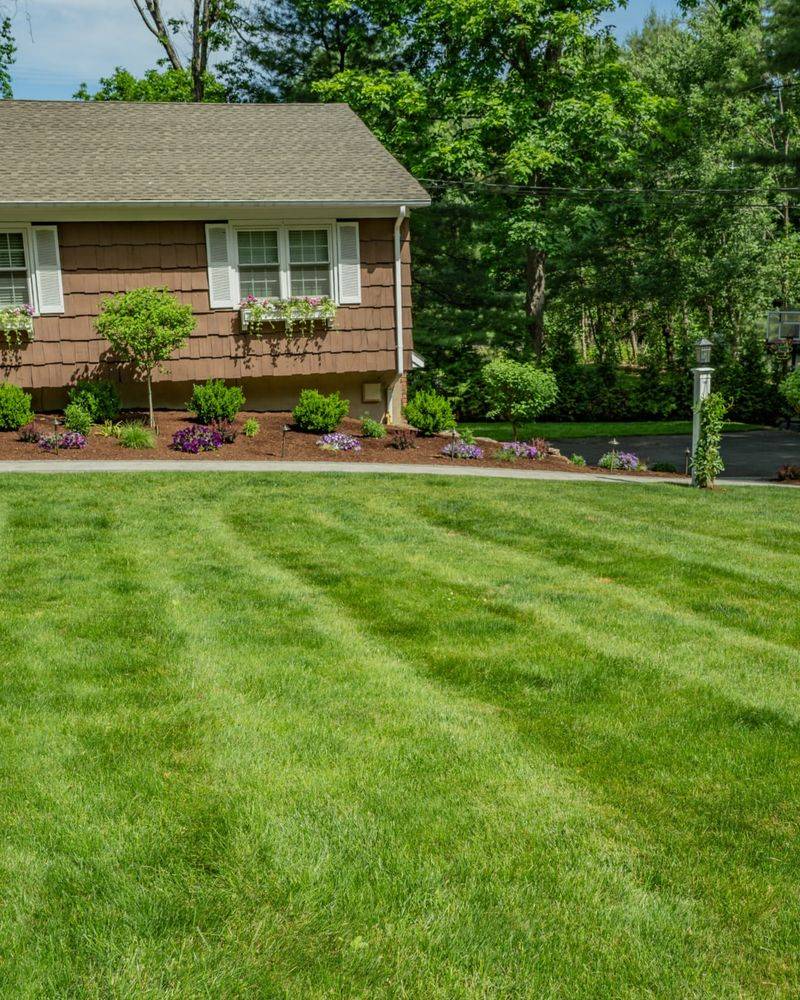
A dense lawn is the single best defense against weeds. Thick turf shades the soil, blocks sunlight from reaching weed seeds, and physically crowds out seedlings before they can establish a foothold.
Grass density is not accidental. It comes from consistent care throughout the growing season.
Proper mowing height, balanced fertilization, smart watering, and prompt weed removal all contribute to turf that is genuinely hard for weeds to penetrate.
Aeration helps too, especially in lawns with compacted clay soil, which is common across much of the Southeast.
Core aeration in late spring or early summer opens up the soil, improves water and nutrient absorption, and gives grass roots room to expand and thicken.
Overseeding thin areas during summer, where the grass type allows it, adds density quickly. More grass plants per square foot means less open soil for weeds to exploit.
Even small improvements in turf density reduce weed establishment rates noticeably.
Think of lawn care as building momentum. Every good habit you practice during summer compounds into a stronger, thicker lawn by the time fall arrives.
Weeds are opportunists. They need gaps, weak spots, and exposed soil to get started.
Remove those opportunities consistently, and the lawn takes care of itself in a way that no herbicide can fully replicate on its own. Dense, healthy grass is always the goal and the solution.