The Porch Plants Arizona Gardeners Swear By For Shady Patios
Shade sounds like a luxury in Arizona until July proves otherwise.
A covered porch may escape direct sun, yet the heat still sneaks in from concrete, stucco, glass, and hot afternoon air. One corner feels comfortable at breakfast, then turns into a plant sauna by three.
That is where the usual patio favorites start losing their nerve.
Some leaves bleach. Others wilt. Small pots dry before dinner. A plant labeled “shade tolerant” can still look miserable when the shade itself reaches triple digits.
So what actually works out there?
The answer is less about finding one indestructible plant and more about matching foliage, pot size, drainage, and exposure to the exact porch you have.
Phoenix and Tucson need one strategy. Prescott and Flagstaff ask for another once cold weather returns.
A few plants handle this strange mix much better than expected.
And that difference can show up fast.
Choose the right ones, give their roots some protection, and that shady porch can stay green long after summer starts acting unreasonable.
1. Start With Cast Iron Plant For Deep Shade
A dark porch corner does not have to stay empty.
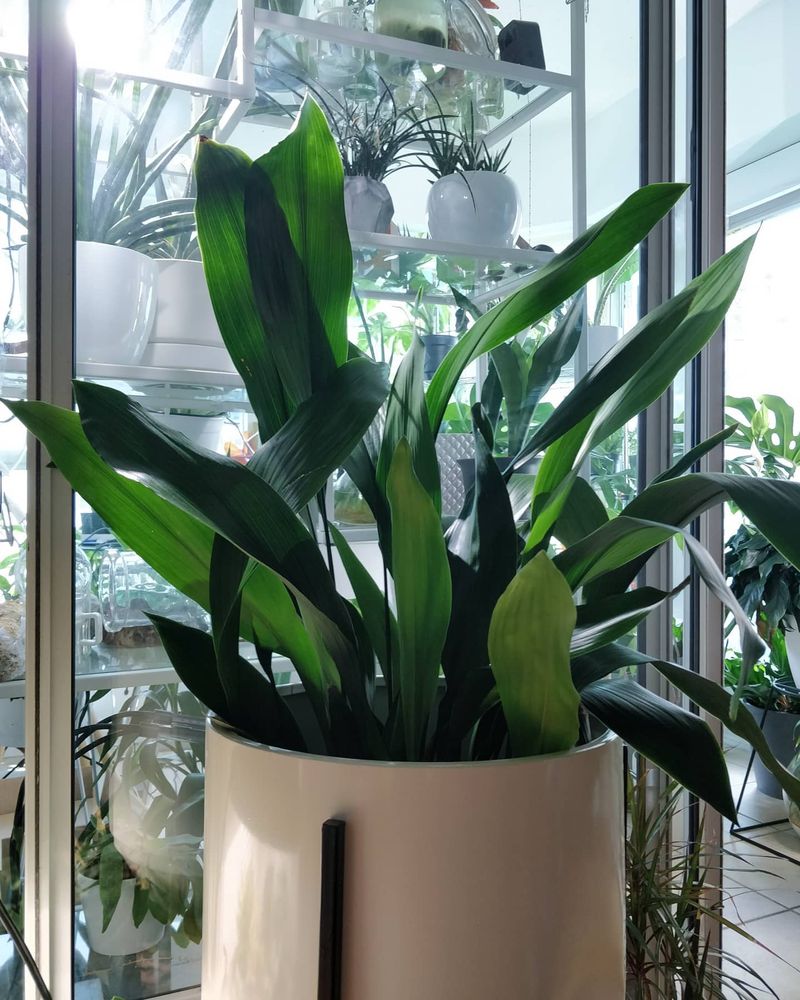
Cast iron plant, Aspidistra elatior, handles low light with the kind of patience that makes fussier foliage look dramatic. Its broad, glossy leaves stay upright and bring a calm, architectural look to spaces that receive little direct sun.
A north-facing porch can suit it beautifully.
Deep cover also works, especially where nearby walls block harsh afternoon light. The plant can reach about two to three feet tall, so give the roots a container with real room.
A pot around 14 inches wide and equally deep gives the soil more volume and slows sudden temperature swings.
Drainage still matters.
Use a loose potting mix and a container with open holes at the bottom. Cast iron plant tolerates shade better than soggy roots. A decorative pot with no exit for water can turn one generous soak into a long argument underground.
Wind deserves a little attention too.
Broad leaves can catch strong monsoon gusts. Set the pot near a wall, railing, or sheltered corner where air still moves without turning the plant into patio confetti.
Low-desert gardeners can keep it outside through summer shade. Higher-elevation gardeners need a winter plan before hard freezes arrive.
This plant grows slowly, which is part of the appeal. No constant repotting. No weekly haircut. It just stands there looking composed while Arizona does everything possible to test that attitude.
2. Use Snake Plant For Upright Structure
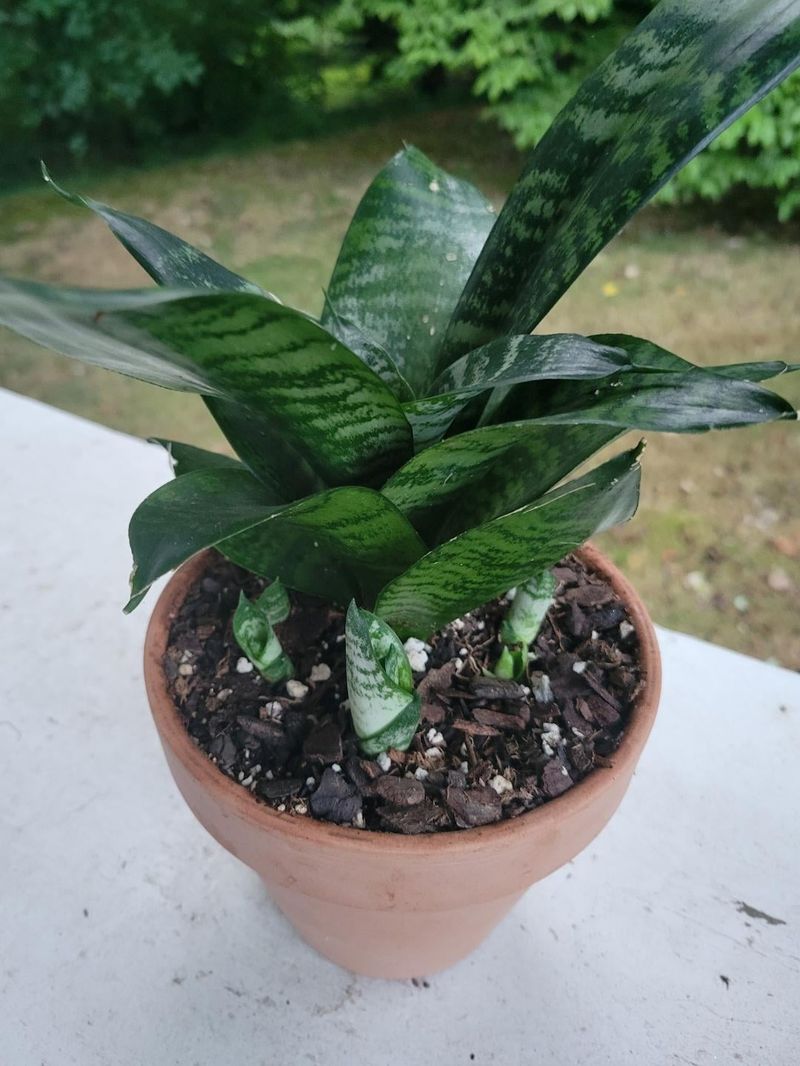
Some shady patios need height more than another trailing vine.
Snake plant brings that vertical line without demanding much attention. Its stiff leaves rise straight from the pot, giving a porch corner structure without taking over the floor.
Bright shade suits it well.
It can also handle reflected warmth from pale stucco better than many soft-leaved tropicals. Direct summer sun is another story, especially during the afternoon, so keep the plant under solid cover.
Water is where good intentions cause trouble.
Those thick leaves store moisture. Let the potting mix dry substantially between drinks, then water thoroughly and allow every bit of excess to drain. Constant dampness can soften roots and leaves long before Arizona heat becomes the real problem.
Your Arizona Garden Changes Every Week. Your Plan Should Too.
Gardening in Arizona changes quickly throughout the season. Every Friday you’ll receive a simple weekly plan showing exactly what to plant, prune, fertilize, harvest, and protect so you never miss the right timing.
Choose a sturdy container.
Tall foliage catches wind, and monsoon gusts can tip a narrow plastic pot with impressive efficiency. A heavier ceramic or thick resin pot with a wide base gives the plant a safer stance.
Pet owners need thoughtful placement. Snake plant can cause problems when dogs or cats chew it, so keep the container outside their usual reach.
Low-desert plants can stay on the porch until nights turn cool. Prescott and Flagstaff gardeners should move pots indoors well before frost.
Snake plant does not need to steal the show. It just gives the porch a little backbone, and every patio benefits from one resident that refuses to flop dramatically before lunch.
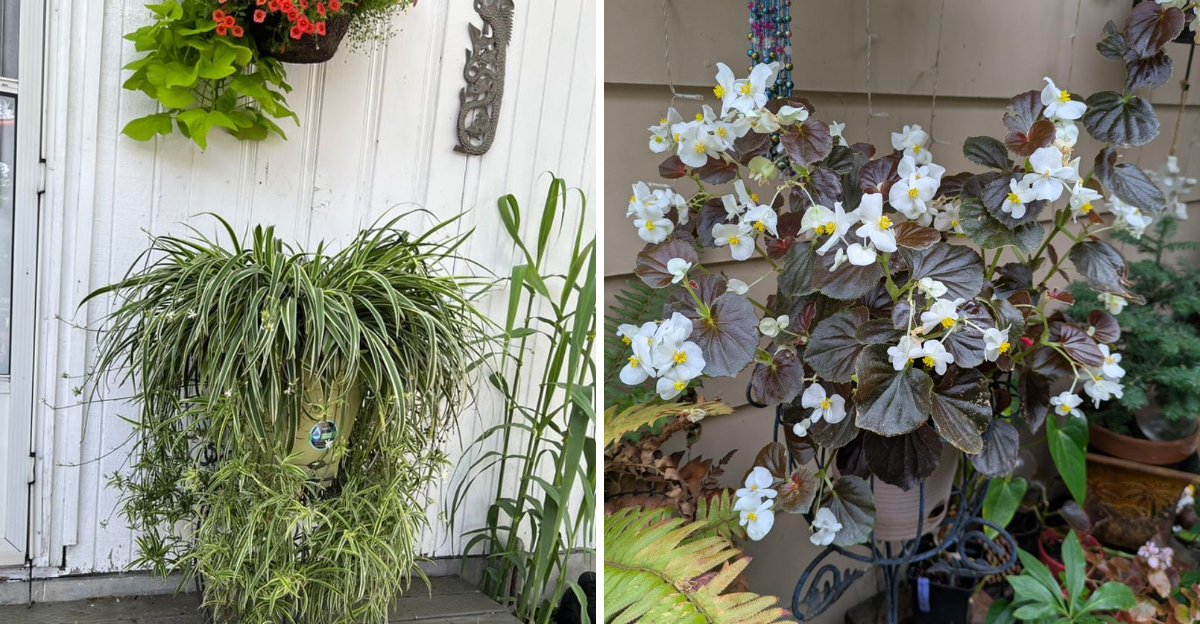
3. Let Spider Plant Spill From Baskets
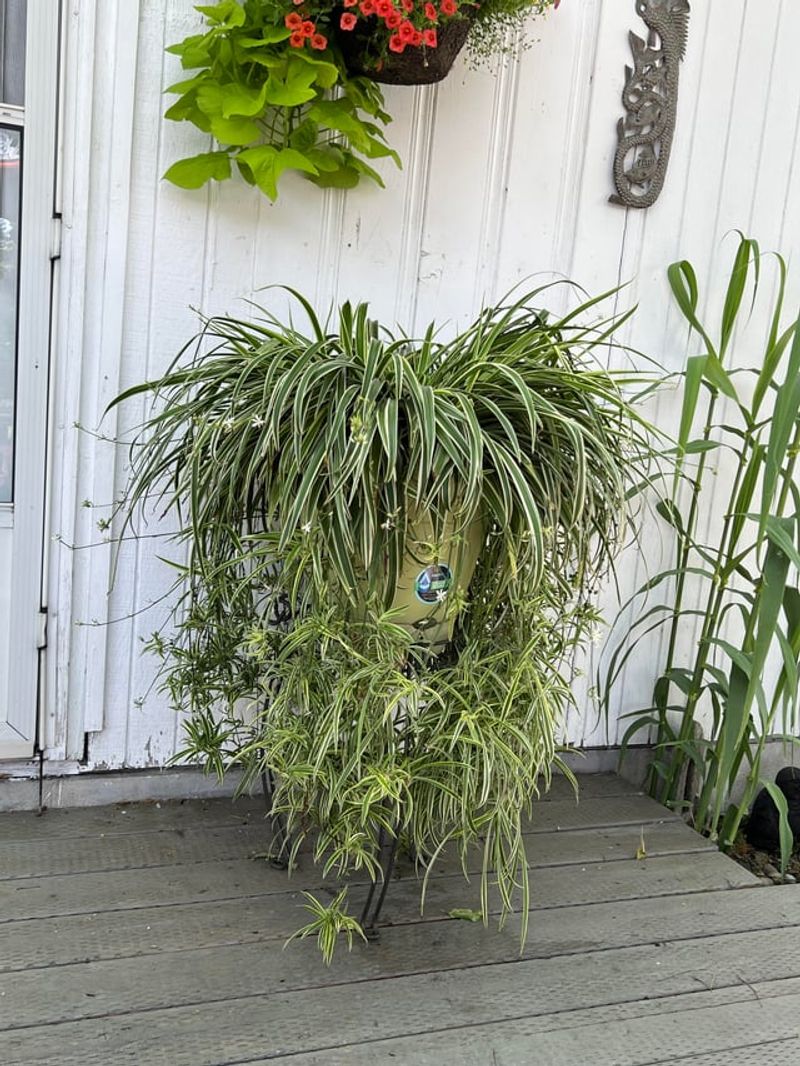
A hanging basket can make a shaded porch feel finished in one move.
Spider plant earns that overhead spot with arching leaves and long stems that carry tiny plantlets. Once the plant settles in, the basket starts to look like a green fountain suspended above the patio.
Bright indirect light brings the best growth.
Morning brightness near an east-facing opening can work well. Harsh reflected afternoon light from glass or a white wall can scorch leaf tips, especially on variegated forms.
The basket itself creates the bigger challenge.
Air reaches every side, so the soil dries much faster than it does in a floor pot. During a July heat wave, check moisture each morning. Push a finger about an inch into the mix. Dry soil means the basket needs a thorough drink.
Arizona tap water can leave another clue.
Brown tips may come from mineral or salt buildup. Every few weeks, run plenty of water through the pot and let it drain freely. That flush can move accumulated salts out of the root zone.
Watch the roots too.
A basket that dries within hours or has roots pushing through the drainage holes may need a larger home. More soil volume buys you extra moisture and a little more temperature stability.
Spider plant makes a porch feel softer without taking floor space. Just remember that hanging baskets live life on hard mode in Arizona.
They look carefree, but someone still needs to check the water before the afternoon starts showing off.
4. Trail Pothos Away From Harsh Sun
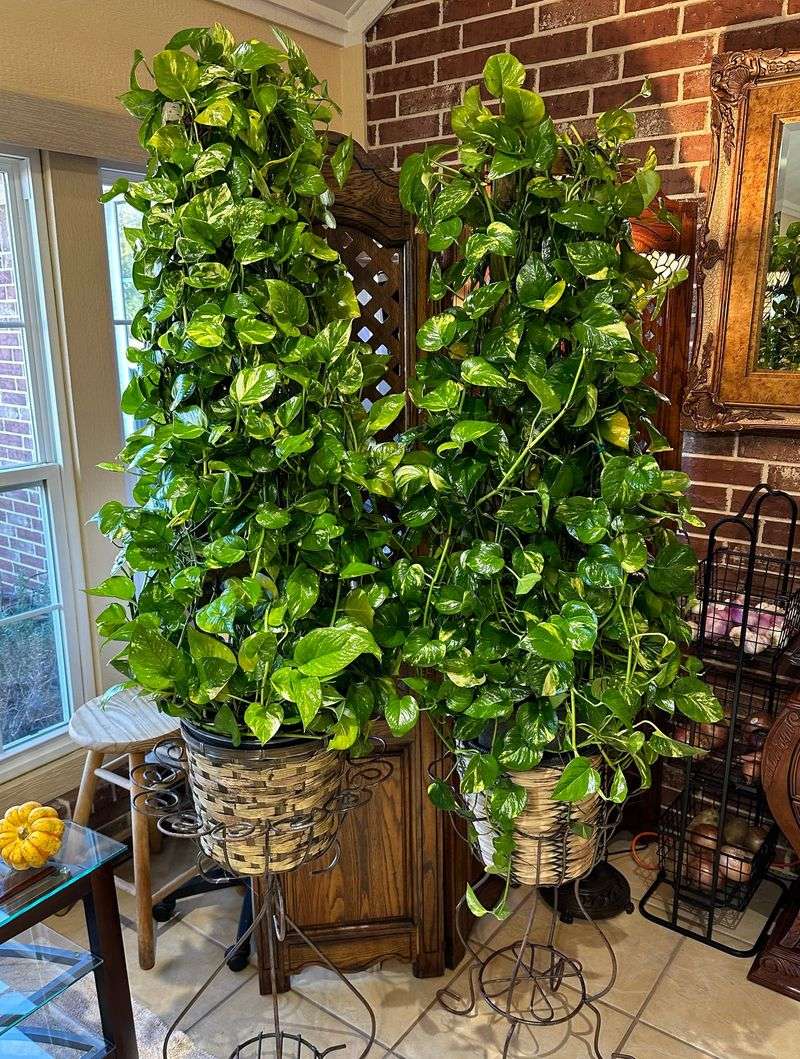
Pothos may survive office corners, but an Arizona porch asks for better manners.
Epipremnum aureum likes warmth and bright shade, yet reflected heat can turn a seemingly safe spot into a problem. A vine that trails toward a west-facing stucco wall may crisp even without direct sunlight on the leaves.
Give it distance from hot surfaces.
A north- or east-facing covered porch usually offers a gentler setup. Keep the pot away from glass or masonry that stores heat and releases it after sunset.
Container size helps here.
A pot around 12 inches across gives the root zone more moisture than a tiny nursery container. That extra soil can keep the plant from racing from comfortable to bone dry during one brutal afternoon.
Water after the top inch dries.
Soak the mix thoroughly, let the excess escape, then wait for the upper layer to dry again. Monsoon humidity can slow that cycle, so check the soil rather than trust a calendar.
Long vines can get unruly by midsummer.
Trim them back by about one-third to keep the plant fuller. The cut pieces root easily in water, so one porch pot can become several gifts.
Keep the foliage away from pets and small children because pothos can irritate the mouth when eaten.
Once nights start dropping into the low 50s, move the plant indoors.
Pothos likes a relaxed porch life. Give it shade, drainage, and some breathing room from the hot wall, and it can trail without looking toasted at the edges.
5. Grow Heartleaf Philodendron In Bright Shade
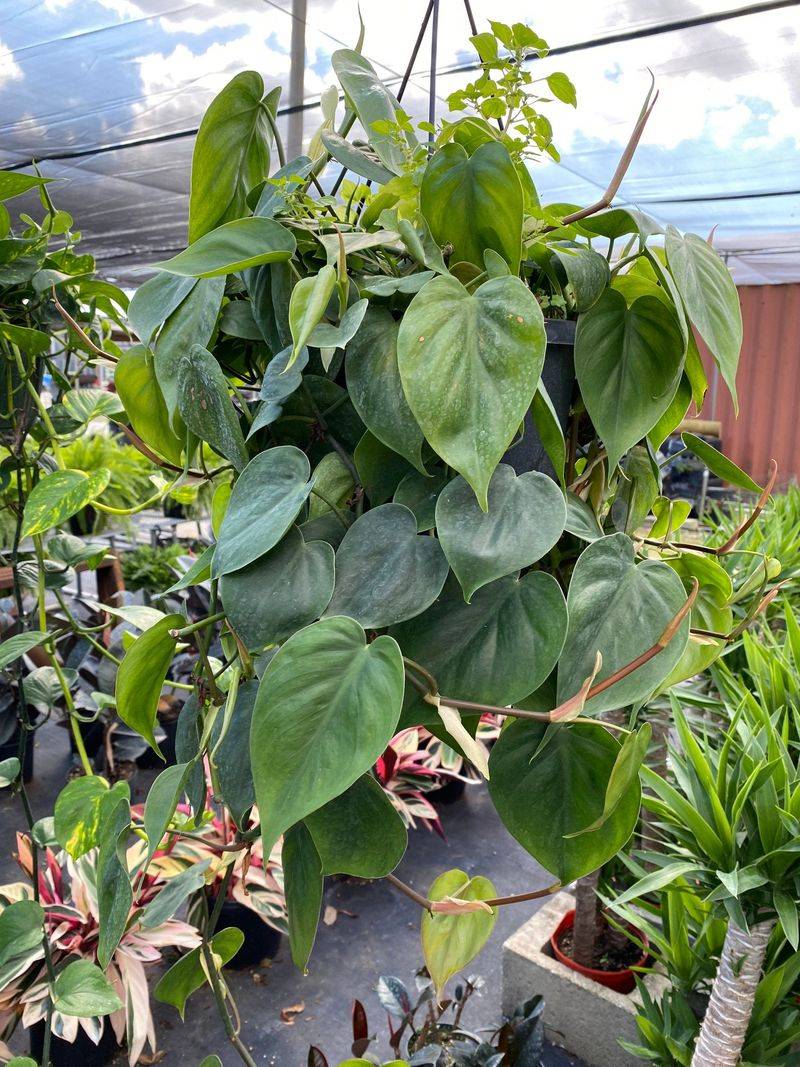
Hard porch edges look softer with a vine draped across them.
Heartleaf philodendron brings deep green leaves and an easy trailing habit to covered patios that get plenty of brightness without direct afternoon sun.
The placement sweet spot sits near a porch opening.
Filtered light encourages fuller growth, while harsh west sun can scorch leaves quickly. Even a shaded wall can become hot enough to stress the plant after hours of Arizona sun, so leave a little space between the pot and heat-holding stucco.
Moisture needs more balance than drought-loving desert plants.
Keep the mix lightly moist, then let the upper layer dry before another soak. Avoid a constantly wet root zone. Monsoon storms can fill a container fast, so drainage holes need to stay clear.
Elevating the pot can help.
A sturdy plant stand or pot feet allows air beneath the container and lets excess water escape instead of collecting around the base.
You also get a choice in shape.
Let the stems trail over a shelf or railing, or add a small trellis for upward growth. Both forms can work in a shady porch corner.
Keep this plant separate from the watering routine used for cacti or native desert containers. Their needs are completely different.
Heartleaf philodendron is also toxic when eaten, so pet and child access deserves consideration.
This one brings the lush look people often want from a shady patio. It just prefers the desert heat to stay outside the pot, where it belongs.
6. Keep Wax Begonia In Morning Light
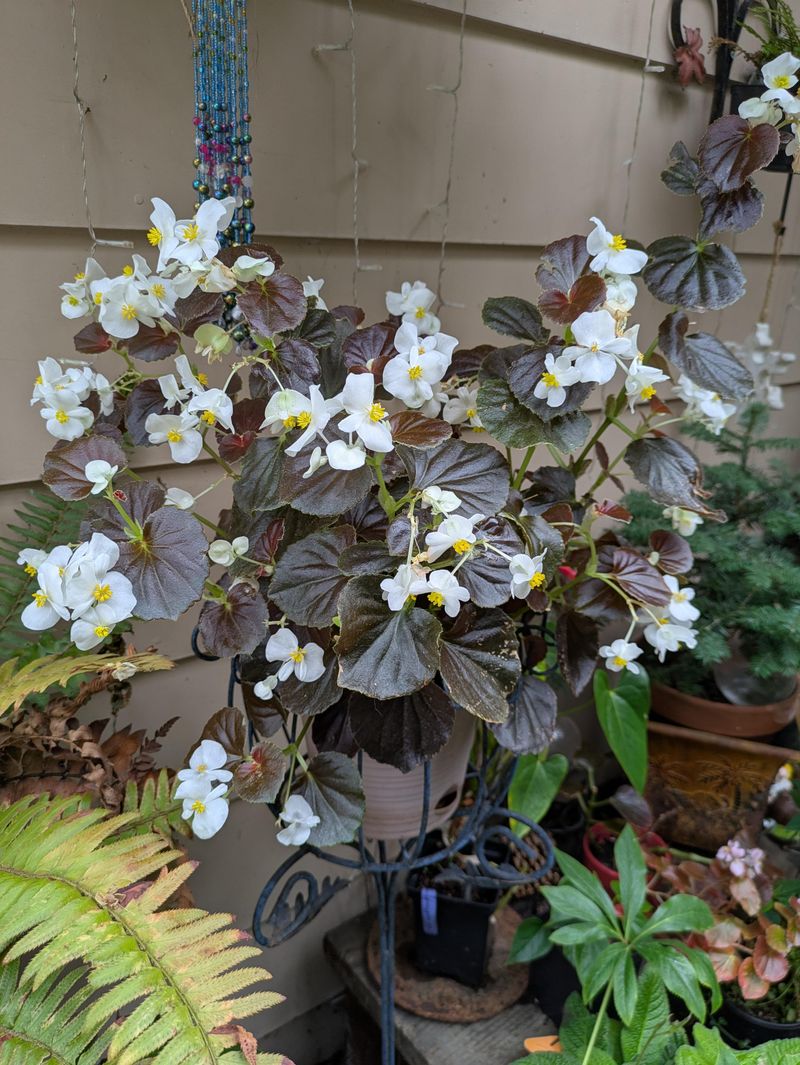
Green foliage is easy to find. Flowers in Arizona porch shade take more strategy.
Wax begonia can fill that gap with clusters of pink, red, or white blooms. The glossy leaves add enough structure to keep the plant attractive between flower flushes too.
Gentle morning light works beautifully.
A porch with eastern exposure can give the plant a few bright hours before shade takes over. Strong afternoon sun in Phoenix or Tucson can bleach flowers and scorch foliage quickly, so save that side of the porch for tougher residents.
Moisture needs a steady hand.
Wax begonia dislikes both swampy soil and a completely dry root ball. Use a light potting mix, keep drainage open, and check the container each morning during peak summer heat.
Pot size matters more than people expect.
An eight-inch container can work for one plant, but a slightly larger pot gives the roots more moisture buffer during hot weather. Tiny decorative pots may need constant rescue.
Low-desert August can slow the show.
Flowers may drop, and growth may pause during extreme heat. That does not automatically mean the plant is failing. Keep moisture steady, ease off fertilizer, and let cooler September weather bring the comeback.
Treat wax begonia as seasonal porch color rather than a permanent Arizona fixture.
Once late fall arrives, another cool-season flower can take the container.
Wax begonia knows its role. It brings the color, handles the shade, then politely hands the stage to winter instead of pretending it wants a twelve-month contract.
7. Use Larger Pots To Buffer Heat
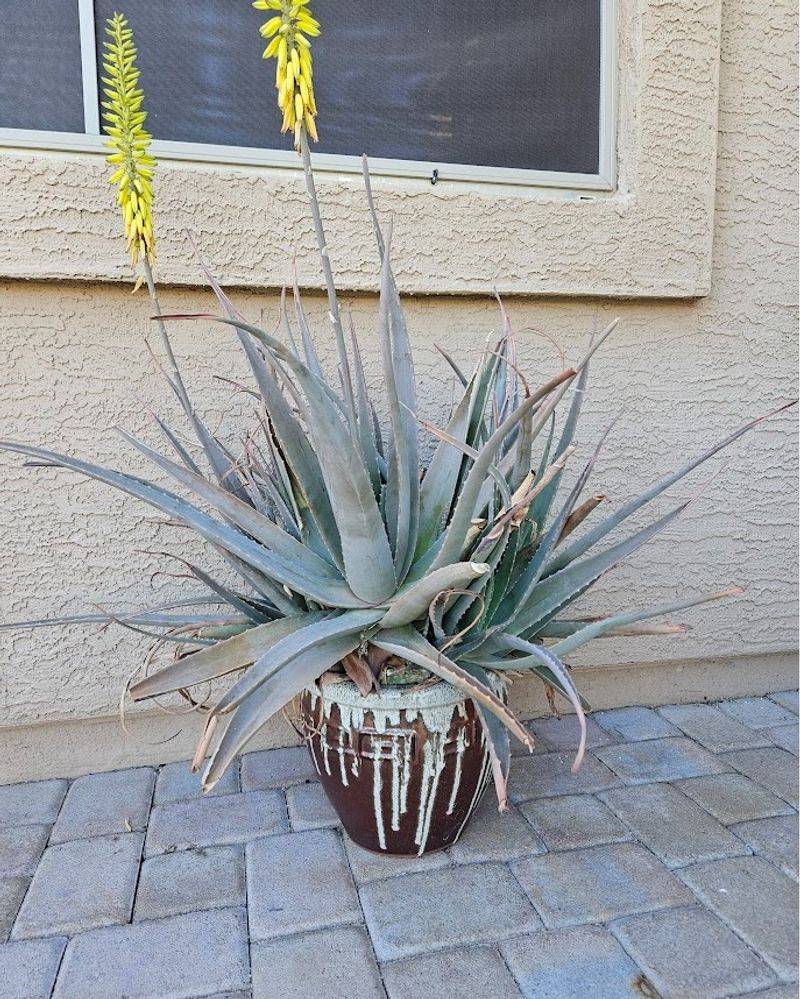
Sometimes the plant is not the problem. The pot is.
A small nursery container can heat up fast on an Arizona porch, even under shade. Concrete floors, nearby walls, and reflected light all add warmth around the root zone.
More soil gives roots a buffer.
A container around 14 to 16 inches wide and deep heats and dries more slowly than a six-inch pot. That extra volume gives moisture somewhere to stay and keeps temperature swings less extreme.
Light-colored pots can help too.
White, cream, pale gray, and other light finishes absorb less heat than dark plastic. A black nursery pot against warm concrete can become surprisingly hot by late afternoon.
Double-potting adds another layer.
Set the growing container inside a slightly larger decorative pot and leave a small air gap between them. That space can reduce direct heat transfer to the inner root ball.
Keep drainage open in both containers.
The outer pot should never collect water around the inner one. Standing water plus summer heat creates a root problem that shade cannot fix.
Lift containers slightly with pot feet or a stable stand. Air under the base helps drainage and keeps the pot from sitting directly against a hot surface.
Tiny decorative containers can still join the porch. Use them as outer covers around a more practical growing pot.
Arizona patio style does not need to fight plant survival. Give the roots a little more real estate, and the pretty pot can keep its job too.