This Essential Summer Job Boosts Lush Hosta Leaves For Vermont Gardens
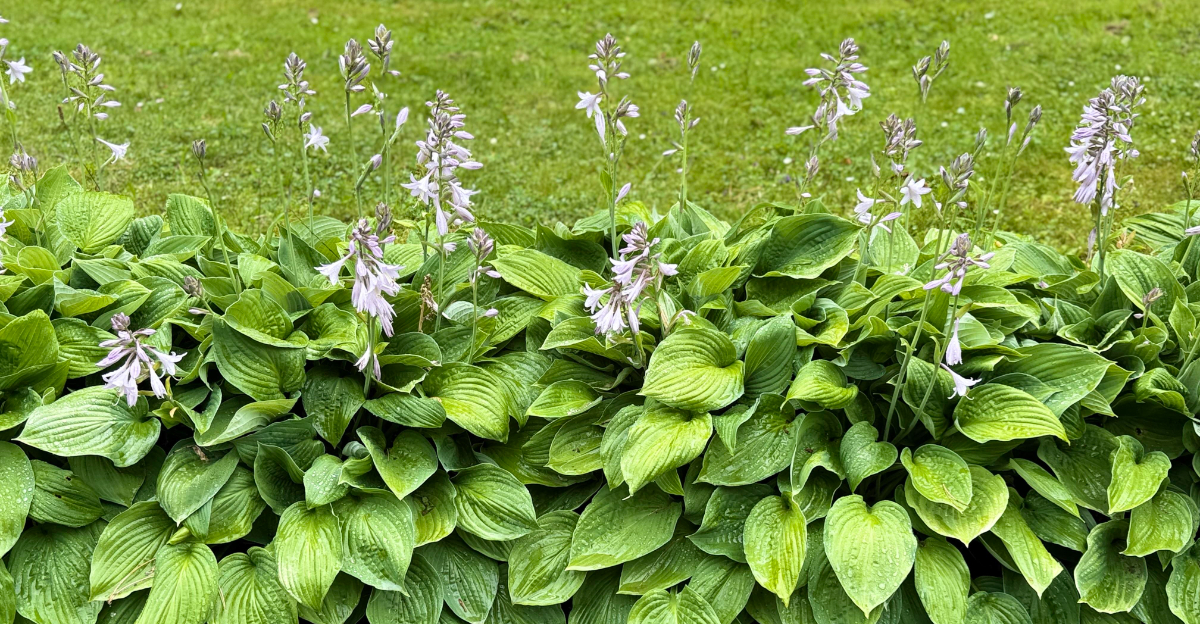
A gorgeous hosta bed in June can turn patchy and dull by August, and most people blame the weather. Truth is, the weather has almost nothing to do with it.
Somewhere on your plant, a small leftover piece is working against you. It sits there pulling strength away from the leaves you actually want to see thrive.
Vermont summers move fast, and this particular chore tends to slip through the cracks for gardeners juggling everything else outside. That gap is exactly why so many hosta beds lose their shape by midsummer.
Give this task a few minutes weekly, nothing more, and the payoff shows up quickly. Leaves stay fuller, colors stay richer, and your beds keep that early-season charm well into fall.
Removing Spent Flower Stalks Redirects Plant Energy
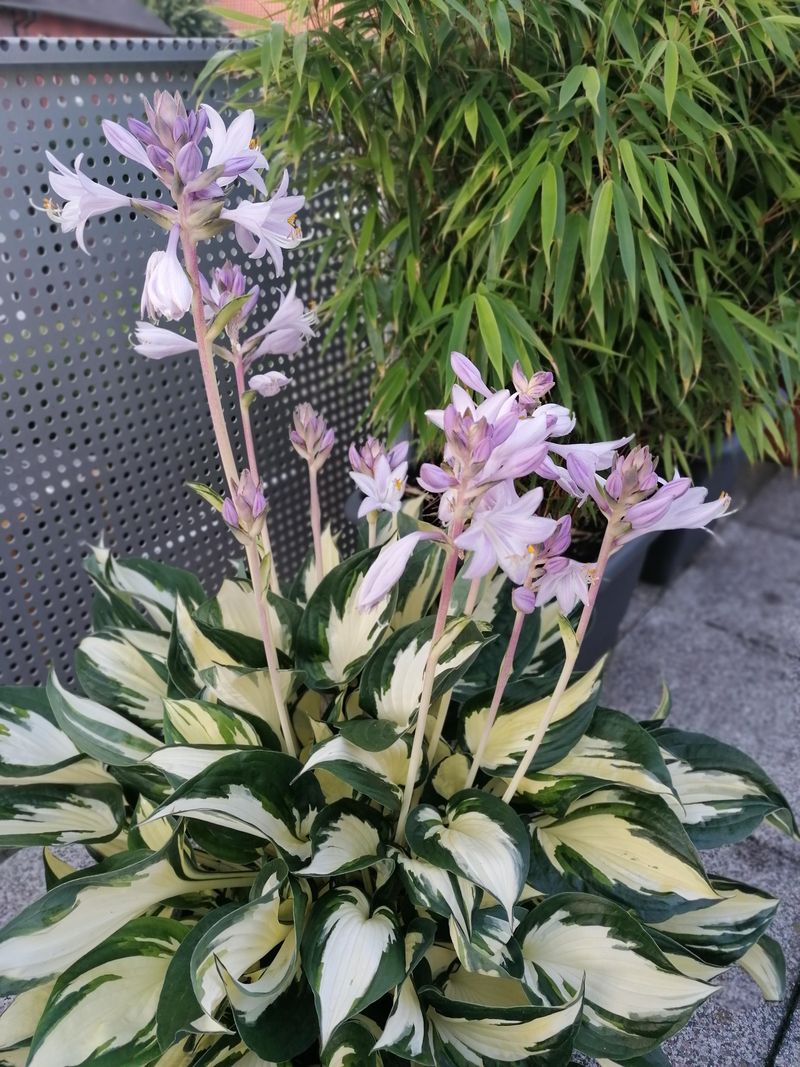
That tall, fading stalk standing above your hosta is not just an eyesore. It is quietly draining the plant’s food supply away from the leaves you actually love.
Hostas bloom once each season, and after flowering, the plant keeps pushing energy into seed production. That process pulls nutrients straight from the foliage, leaving leaves looking pale and thin.
Snipping the stalk shifts the plant’s priorities right away. When you remove it, the plant redirects all that stored energy back into root strength and leaf development.
Think of it like pruning a fruit tree. You remove what is finished so the plant can focus on what matters most right now.
Vermont summers are short and intense, so every week of peak growing season counts. Your hostas need every bit of energy working in their favor during that window.
Many gardeners notice an improvement within a couple of weeks of removing spent stalks. The foliage looks greener, fuller, and more alive almost immediately after the cut.
This is not a complicated task, and it does not require special tools. A clean pair of scissors or hand pruners is all you need to get started.
Getting your beds to look this good is honestly that simple. Remove the stalk, and let the plant do the rest of the work for you.
Leaves Grow Fuller Once Stalks Are Cut
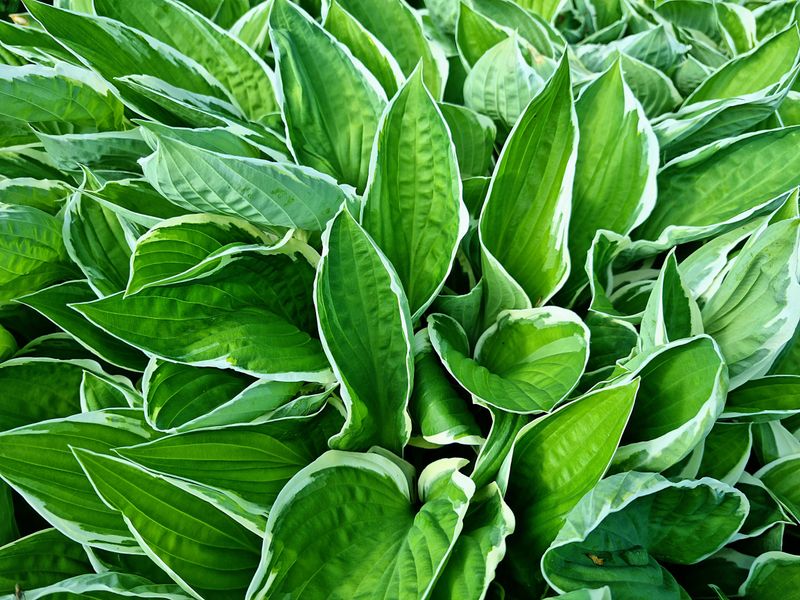
Bigger leaves do not happen by accident. They happen because the plant has enough energy to build them, and that energy comes from smart pruning choices.
Once a flower stalk is removed, the hosta stops spending resources on seeds. All that saved energy flows directly into the leaves, making them wider and more vibrant.
Gardeners in cooler climates see this effect even more dramatically. Vermont’s shorter growing season means your plant has less time to recover from wasted energy, so every cut matters more.
The science behind this is straightforward. Plants tend to prioritize reproduction, so seed production often wins out unless you intervene with a good pair of shears.
Cutting the stalk is the intervention that shifts the plant’s priority back to leaf growth. You are essentially telling the hosta to stop worrying about seeds and focus on looking great.
Some varieties respond faster than others. Smaller-leafed hostas tend to bounce back quickly, while giant varieties may take longer to show noticeable fullness.
Either way, the reward is worth the wait. Fuller, bolder leaves make a shaded garden bed look intentional, polished, and professionally maintained.
It is a small habit that quietly makes a noticeable difference in how the bed looks. The results speak for themselves within just a few weeks.
Timing This Task Right After Blooming Matters
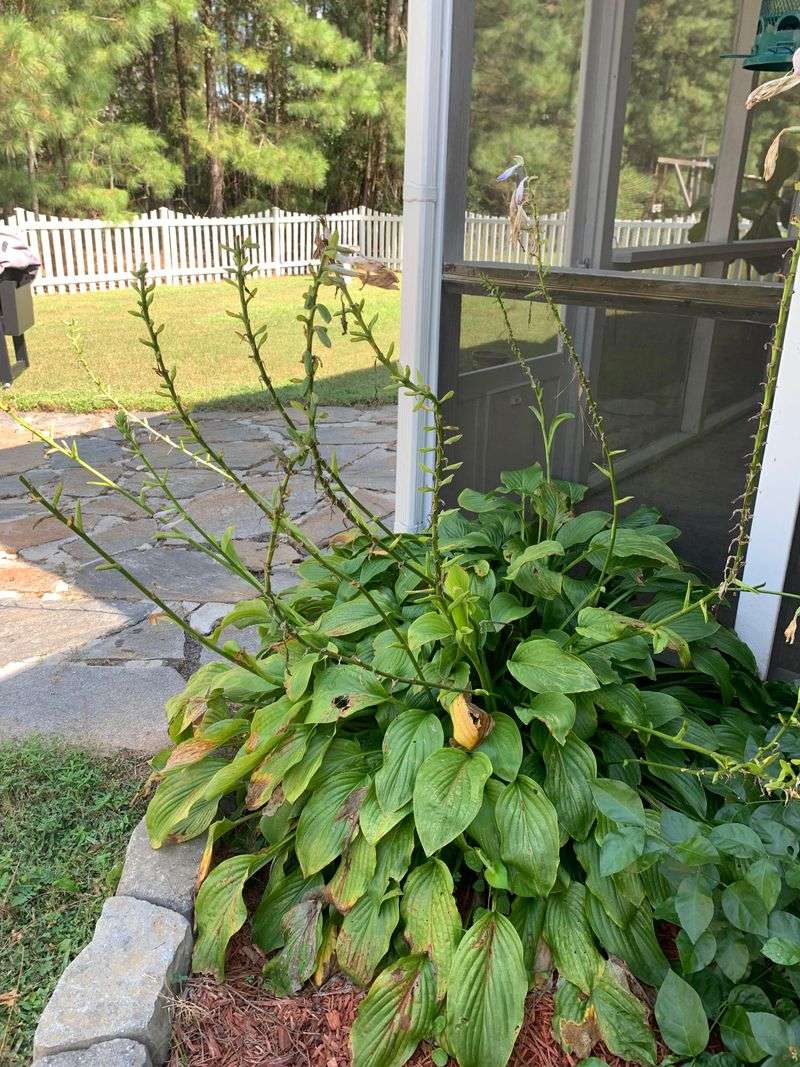
Timing plays a big role in gardening, and this task is no exception. Cut too early, and you miss the bloom; wait too long, and the plant wastes weeks of precious energy.
The ideal moment to remove a hosta stalk is right when the last flower on the spike begins to fade. You do not need to wait for it to turn completely brown.
Fading color is your signal. Once the blooms look washed out or start dropping petals, the plant has finished its floral display and seed production is kicking into gear.
In Vermont, most hostas bloom between July and August depending on the variety. Mark your calendar or set a phone reminder so you do not miss that sweet spot.
Acting fast after blooming prevents weeks of wasted energy. Every day you delay is another day the plant sends resources toward seeds instead of leaves.
Some gardeners check their beds every Sunday morning with coffee in hand. That weekly ritual makes it easy to catch stalks at the right moment before it is too late.
Consistent timing also trains you to notice other garden issues early. Sharp eyes catch pests, wilting, and disease faster when you are already paying close attention each week.
Good timing is a habit, not a talent. Build it into your summer routine, and your hosta bed will reward you with bold, full foliage all the way through fall.
Clean Cuts Prevent Stress On The Plant
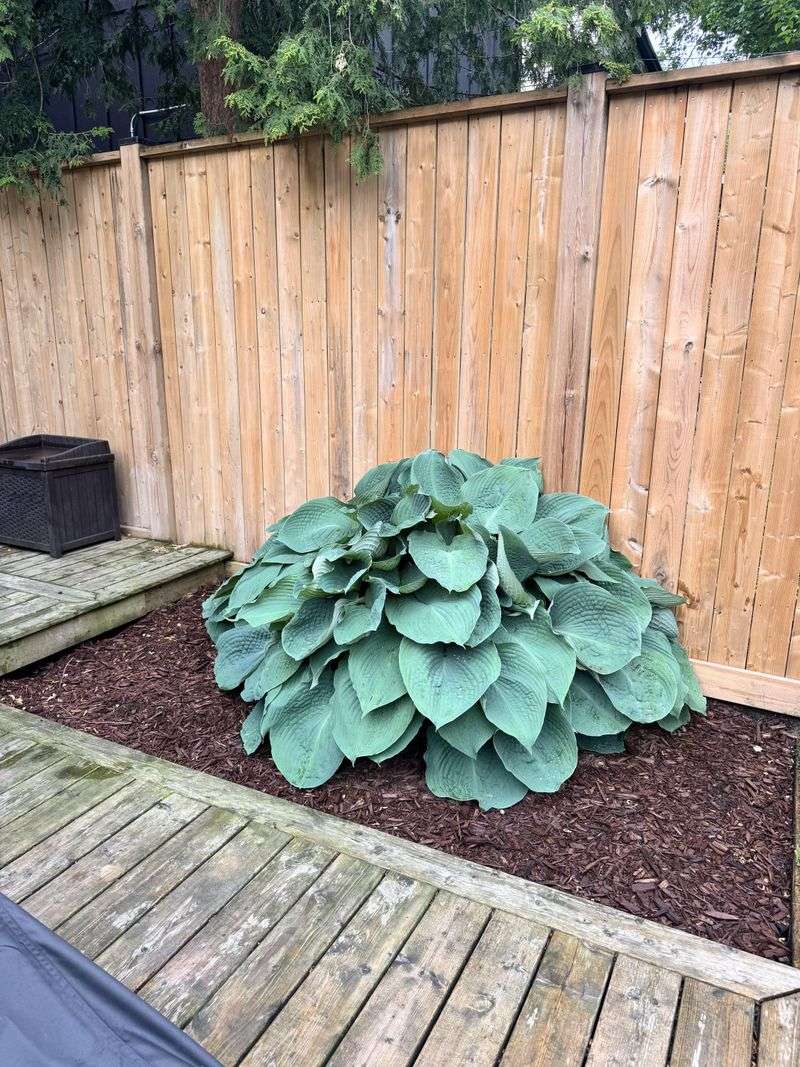
A ragged cut is an open invitation for disease. When you tear or crush a stalk instead of slicing cleanly, the wound stays open longer and heals much more slowly.
Sharp pruners make a smooth, precise cut that the plant can seal quickly. A dull blade crushes plant tissue, creating stress and leaving the stalk vulnerable to fungal infection.
Hostas grown in humid Vermont summers are especially prone to fungal problems. Clean cuts reduce that risk significantly by closing the wound faster and keeping moisture out.
Before you prune, wipe your blade with a disinfecting wipe or a diluted bleach solution. This simple step stops you from accidentally spreading disease between plants in the same bed.
Cut the stalk as close to the base as possible without nicking the surrounding leaves. Leaving a long stub invites rot, which can travel down into the crown of the plant.
Angle does not matter as much with hostas as it does with woody shrubs. A flat, horizontal cut at the base is perfectly fine and easy to execute.
After the cut, check the wound for any signs of browning or mushiness over the next few days. Healthy tissue should look firm and pale green or white at the center.
Good tools make this job feel effortless and satisfying. Invest in one quality pair of bypass pruners, keep them sharp, and your hostas will thank you with lush leaves all season.
Skipping This Step Weakens Next Year’s Growth
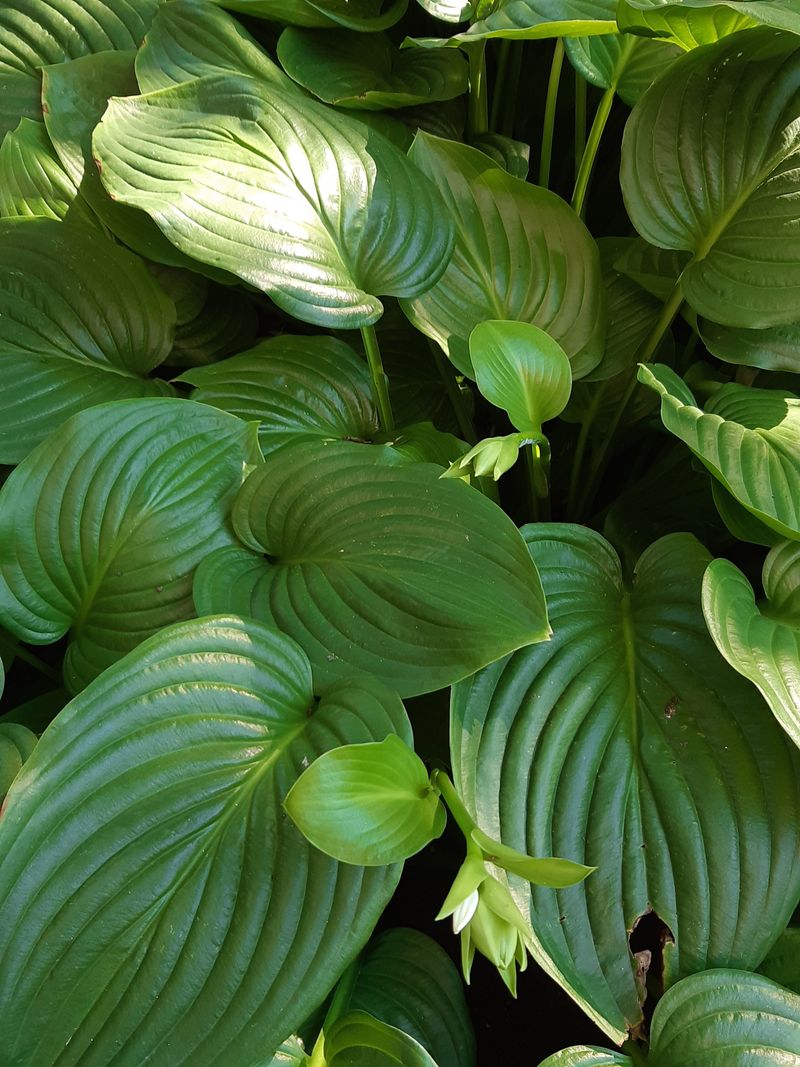
Skipping spent bloom removal feels harmless in the moment. But the consequences show up the following spring, when your hostas emerge smaller and less vigorous than the year before.
When a plant completes seed production, it shifts energy away from leaf and root development the following season. Over multiple seasons, this cycle compounds.
Each year you skip this task, the plant grows slightly weaker, and the leaves come back a little smaller and less impressive. Vermont gardeners who maintain older hosta clumps know this pattern well.
A neglected plant left to seed year after year can gradually lose some of its original size. Reversing that decline takes time and patience.
It can take more than one growing season of consistent care before a neglected hosta bounces back to its former glory. Prevention is far easier than recovery.
Spending a few minutes removing a stalk now can save considerable effort trying to nurse a weakened plant back to health later. Think of each summer as a deposit into your garden’s future.
The care you give now compounds into fuller, healthier plants down the road. A strong root system built during the growing season means earlier, more energetic emergence the following spring.
Do not let one skipped step rob your garden of that momentum.
A Few Minutes Weekly Keeps Hostas Thriving
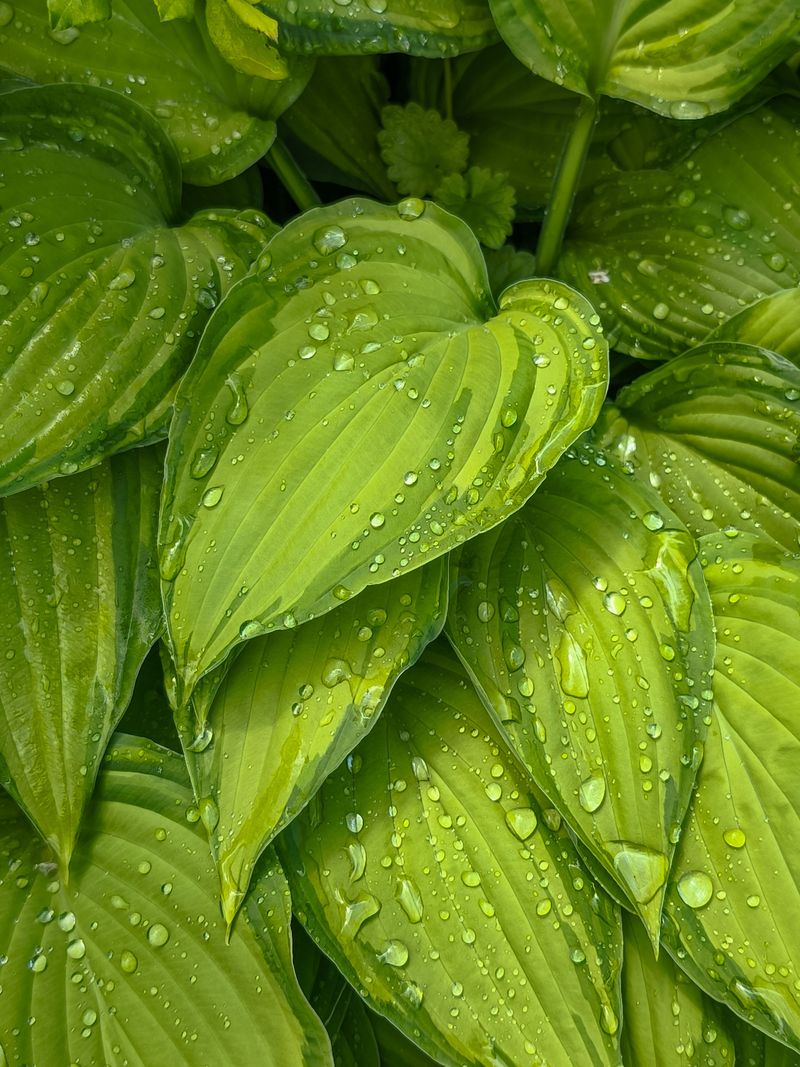
Few gardeners want a chore that takes all afternoon. Luckily, this one takes about as long as brewing a cup of coffee.
Walking your hosta beds once a week is all it takes to stay ahead of spent stalks. Home gardens often have just a handful of plants, so the whole job wraps up in minutes.
Make it enjoyable by pairing the task with something you already love. Bring your morning coffee, put on a podcast, or simply enjoy the quiet of a Vermont summer morning.
Consistency tends to beat intensity in the garden. A little attention each week produces far better results than one big effort every few months.
Weekly walks also let you catch other problems before they spiral. Slugs, powdery mildew, and deer damage are all easier to manage when you spot them early.
Keep a small bucket nearby to toss the cut stalks into as you work. Composting them is a great way to return nutrients back to the soil over time.
After a few weeks, this routine becomes second nature, and the payoff in your plants keeps the habit going strong.
Full, healthy hosta beds are not the result of luck or expensive products. They are the reward for showing up consistently, week after week, with a sharp pair of pruners and a few focused minutes.