These Are The 8 Native Ohio Plants To Grow Instead Of Hostas To Stop Slugs
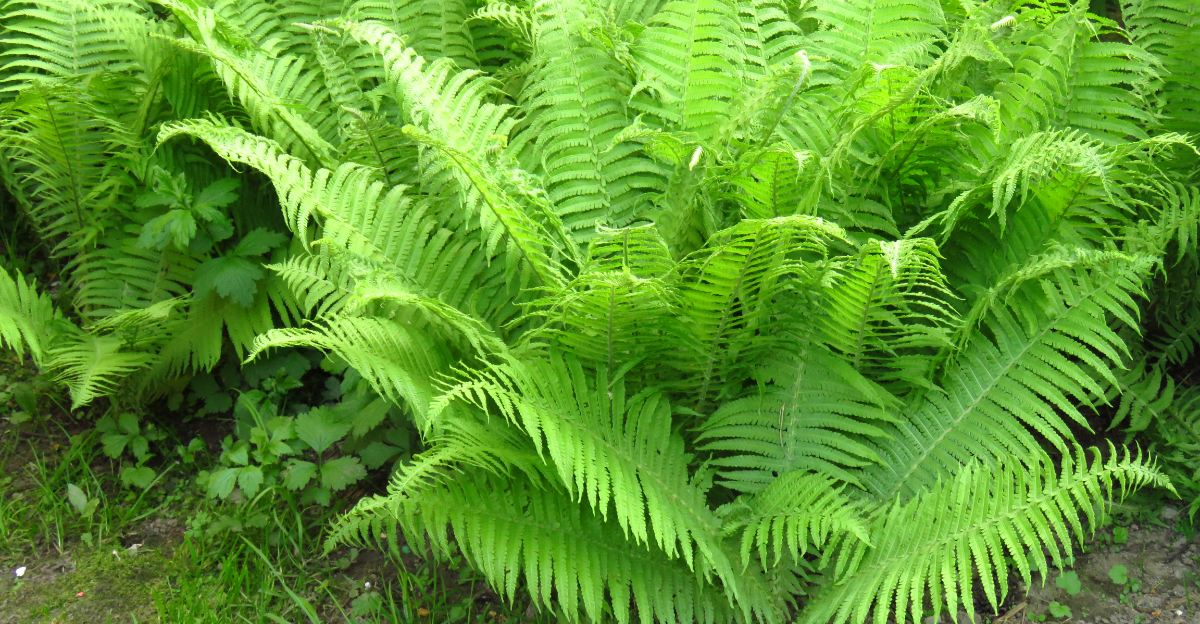
Hostas and slugs have an arrangement that Ohio gardeners did not agree to and cannot seem to end. The damage appears overnight, the remedies work temporarily, and the following season starts the same conversation over again.
The hosta stays because it is familiar. The slugs stay because the hosta is there.
Breaking that cycle does not require better slug control. It requires a different plant.
Ohio native plants built for shade do not attract slugs the way hostas do. The leaf texture, the surface chemistry, the growth habit.
All of it is less appealing to a pest that has been dining on hosta foliage for decades. Several of these natives outperform hostas on every count beyond familiarity.
Seasonal interest, wildlife value, and slug pressure that drops to something manageable rather than something requiring a weekly response.
1. Woodland Phlox Brings Color Slugs Often Skip
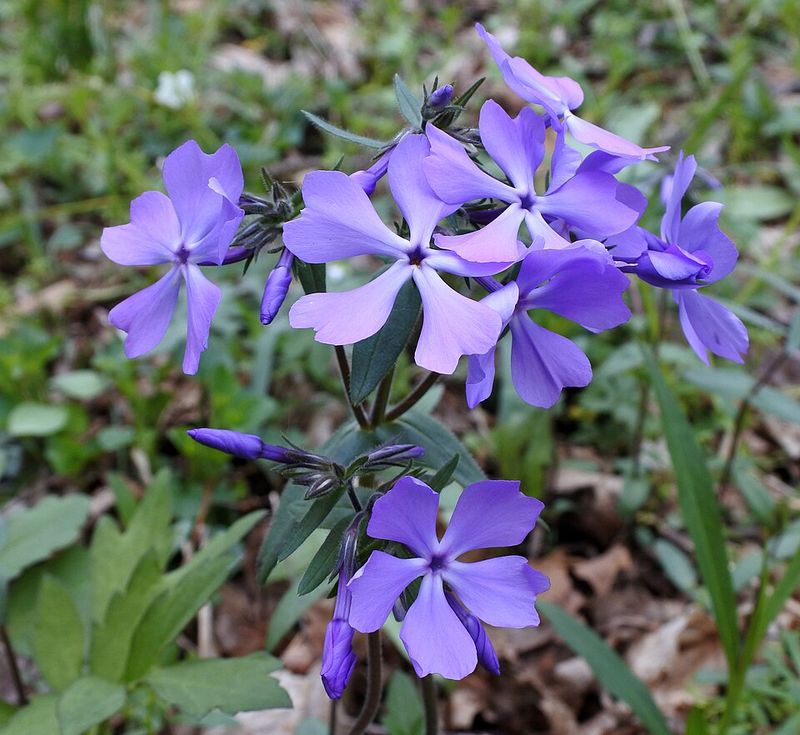
A shaded spring border can feel flat without flowers, and that is exactly where woodland phlox earns its place. Phlox divaricata is native to Ohio and grows well in dappled to moderate shade.
It reaches about 9 to 12 inches tall and spreads gradually to form a soft, low mat over time.
The leaves are narrow and slightly textured, which makes them noticeably different from the broad, tender leaves that slugs so often target. That difference in texture and leaf size may mean less feeding damage, though it is no guarantee.
Slugs can still visit any plant, especially in very wet conditions.
Woodland phlox blooms in spring with lavender to pale blue flowers that light up shaded edges beautifully. By August, the blooms are long finished, but the foliage still provides good ground coverage.
It works especially well along woodland edges, among ferns, or under deciduous trees where light filters through.
Plant it in moist, well-drained soil rich in organic matter for the best results. Severe summer dryness can cause the foliage to thin or look ragged, so some moisture during dry spells helps.
Pairing it with ferns or other shade plants keeps the bed looking full even after the spring flowers fade.
2. Creeping Phlox Spreads Beyond Their Favorite Menu
Along the sunny or lightly shaded edge of a garden bed, bare soil is an open invitation for weeds and wandering slugs.
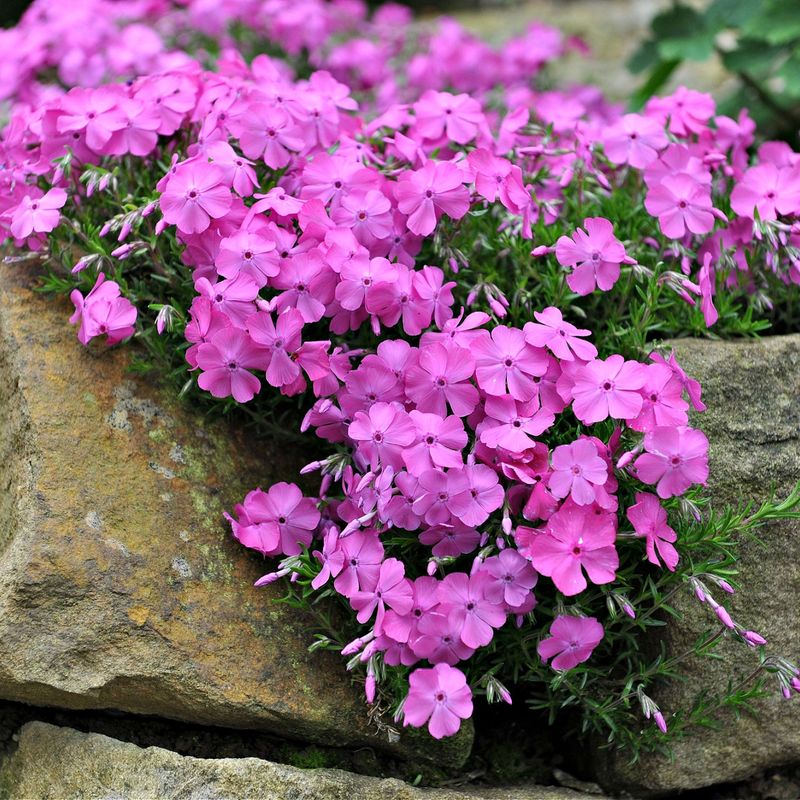
Creeping phlox, known scientifically as Phlox subulata, is native to Ohio and fills that exposed ground with a dense, low mat of needle-like foliage.
It typically stays under 6 inches tall while spreading 2 feet or more across over time.
The leaves are narrow and almost needle-thin, which is very different from the soft, broad surface that slugs prefer. That slender foliage tends to get less attention from slugs than tender hosta leaves nearby.
Keep in mind that no plant is immune, and wet conditions always raise slug activity.
Creeping phlox puts on its best show in spring, producing a bright flush of pink, white, or lavender blooms that nearly hide the foliage beneath. After flowering, the mat remains and continues to cover the ground through the rest of the season.
Your Ohio Garden Changes Every Week. Your Plan Should Too.
Gardening in Ohio changes quickly throughout the season. Every Friday you’ll receive a simple weekly plan showing exactly what to plant, prune, fertilize, harvest, and protect so you never miss the right timing.
Unlike most other plants in this list, creeping phlox needs more sunlight and is not suited for deep shade.
Give it well-drained to dry soil, as wet or poorly drained ground can cause the mat to rot and thin out. It handles lean soil well and rarely needs heavy feeding.
Planting it at bed edges, along pathways, or on gentle slopes gives it the drainage and light it needs to thrive.
3. Christmas Fern Stands Firm With Leathery Fronds
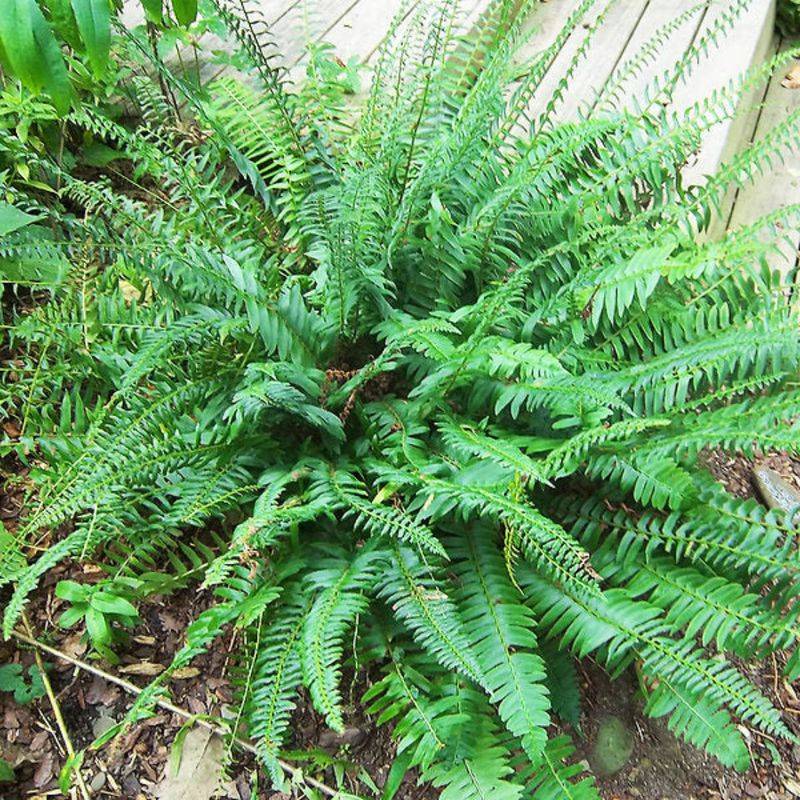
Dark garden corners that need structure after spring flowers fade can feel forgotten by midsummer. Christmas fern, Polystichum acrostichoides, is native to Ohio and offers exactly the kind of firm, upright presence those spots need.
It forms a tidy clump and typically reaches 1 to 2 feet tall with arching, deep green fronds.
The fronds are firm and leathery, which sets them apart from the soft, moisture-filled leaves that slugs tend to prefer. That tougher texture may mean less feeding, but leathery foliage is not immune.
Slugs can still feed on ferns, especially young fronds emerging in spring or during very wet stretches.
Christmas fern forms clumps rather than spreading into a fast carpet, so plant several together for fuller coverage. It performs well beneath deciduous trees, along shaded paths, and on slopes where erosion can be a problem.
The fronds persist through winter in many Ohio gardens, adding structure when most other perennials have disappeared.
Plant it in moist, well-drained soil with good organic content for the strongest growth. New plants still need regular moisture during their first season to establish a healthy root system.
Once settled in, Christmas fern becomes quite adaptable and handles moderate dryness better than many shade perennials. It is a reliable, low-maintenance choice for gardeners who want lasting texture without constant attention.
4. Lady Fern Adds Soft Texture Without Tender Leaves
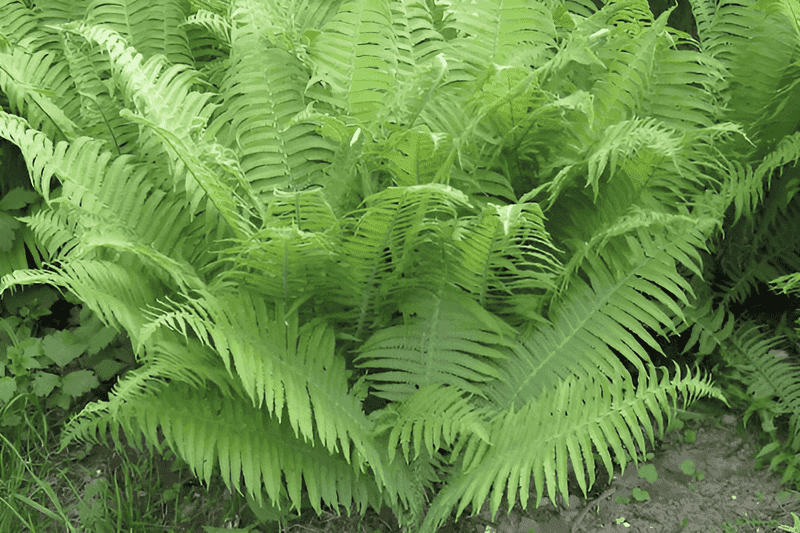
Moist, shaded beds that need fine, feathery foliage have a natural match in lady fern. The species native to Ohio is Athyrium filix-femina, though taxonomy in this group has seen some revision over the years.
It typically grows 2 to 3 feet tall and forms an upright clump with finely divided, airy fronds.
Despite its delicate appearance, lady fern fronds do not share the same soft, fleshy texture as hosta leaves. The fibrous, fernlike structure tends to receive less slug feeding than broad, tender foliage nearby.
That said, slugs do feed on ferns at times, and no plant should be treated as fully protected.
Lady fern grows best in consistently moist, humus-rich soil in part to full shade. It can handle fairly wet conditions, making it a good fit near rain garden edges or low spots with natural moisture.
Summer dryness is a real concern, as severe drought can cause the fronds to brown and the plant to go dormant early.
Do not plant lady fern in dry shade without a clear plan for supplemental watering during hot, dry periods. Pairing it with moisture-retentive mulch at a sensible depth, kept away from the crown, can help.
Space plants about 2 feet apart to allow the clumps to fill in naturally without crowding each other out.
5. Cinnamon Fern Brings Height To Damp Shade
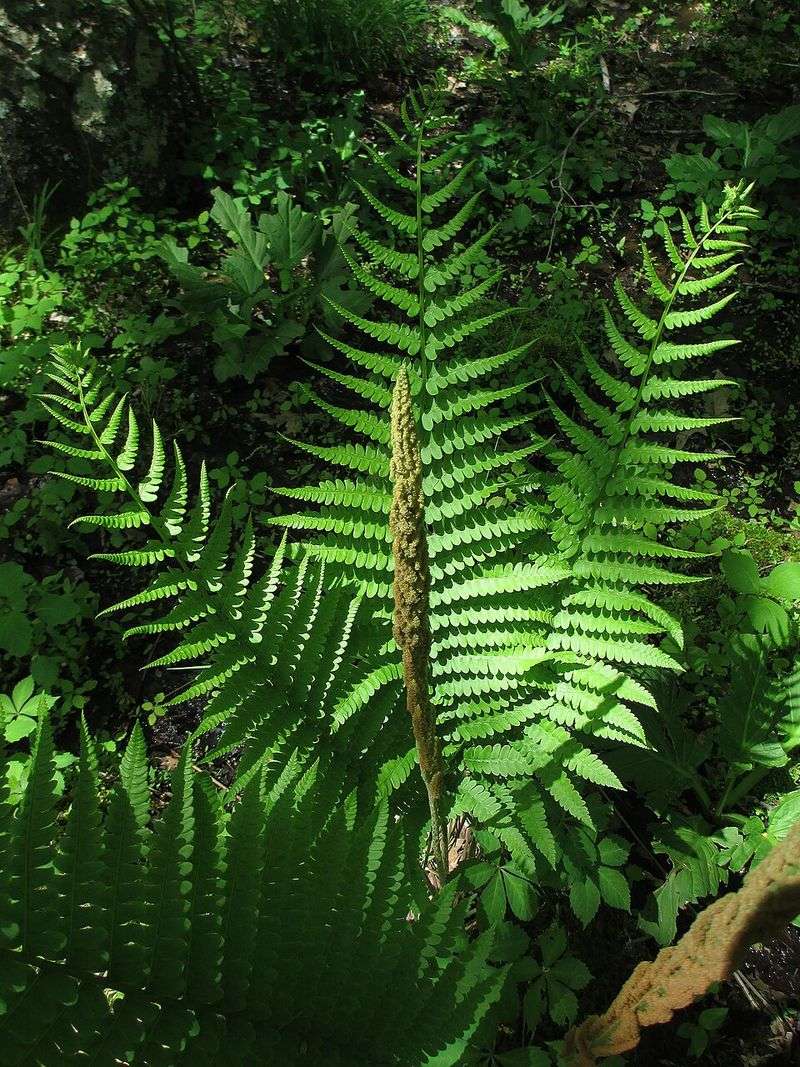
Few plants create a bolder statement in a wet, shaded corner than a mature stand of cinnamon fern. Osmundastrum cinnamomeum is native to Ohio and can reach 2 to 5 feet tall when grown in the moist conditions it prefers.
It produces large, upright sterile fronds that arch gracefully outward as the season progresses.
The fertile fronds emerge in spring covered in cinnamon-brown spore clusters, giving the plant its memorable common name. By summer, those fertile fronds fade, leaving the green sterile fronds to carry the display through the rest of the season.
The foliage is fibrous and fernlike, quite unlike the broad, fleshy leaves that slugs so often seek out.
That structural difference may mean less feeding damage, though cinnamon fern is not beyond a slug’s reach. Young fronds in spring can be more vulnerable, so stay observant during wet spring weeks.
Moisture management matters here too, since dense debris around the base can create extra hiding spots for slugs.
Cinnamon fern needs more space and more consistent moisture than several other plants on this list. It thrives near rain gardens, moist woodland edges, or natural low areas where water lingers after rain.
Dry soil is not suitable for this plant. Give it room to spread into a full clump, and it will reward you with impressive height and texture all season long.
6. Pennsylvania Sedge Builds A Fine Leafy Carpet
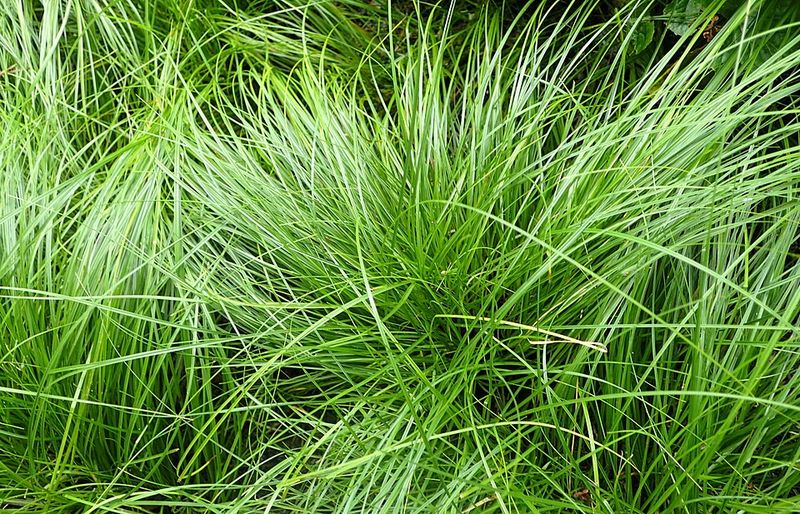
Dry, shaded areas under mature trees are some of the toughest spots in any garden. Turf thins out, broad-leaved perennials struggle, and bare soil becomes a problem.
Pennsylvania sedge, Carex pensylvanica, is native to Ohio and handles those difficult dry-shade conditions better than almost any other native ground cover.
It stays low, typically reaching 6 to 12 inches tall, with narrow, arching, grasslike leaves that form a fine-textured mat. The plant spreads slowly through rhizomes, gradually filling in gaps over several seasons.
Spacing, moisture during establishment, competition from tree roots, and plant size all affect how quickly it fills an area.
The slender foliage is very different from the broad, soft leaves that slugs tend to favor. Narrow, fibrous leaves simply offer less surface area and less of the tender texture that makes hostas so appealing to slugs.
No plant eliminates slug feeding entirely, but the difference in foliage can make a meaningful impact.
Pennsylvania sedge performs well in lean, dry soil once established, but new plants still need regular moisture to get their roots settled. Avoid planting it where water pools, as good drainage helps it thrive.
Give it time to establish before expecting a full carpet effect. Planting at closer spacing, around 6 to 8 inches apart, speeds up coverage in spots where you need quicker results.
7. Plantain Leaf Sedge Delivers Bold Hosta Style Foliage
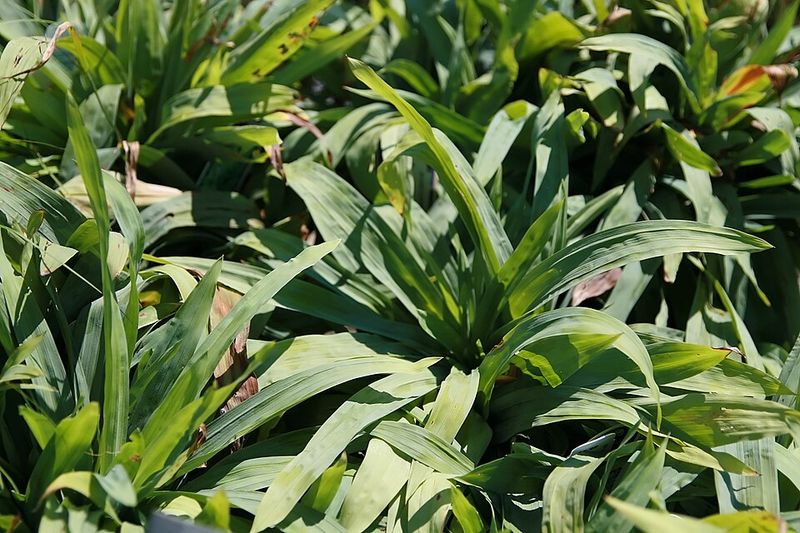
Shaded borders that need bold, wide leaves without returning to a classic hosta mound have a native answer worth knowing. Plantain-leaf sedge, Carex plantaginea, is native to Ohio and offers some of the broadest foliage found among native sedges.
The leaves are wide, corrugated, and deeply ridged, giving them a striking, textured appearance.
That corrugated surface sets it apart from smooth, tender hosta foliage. The tougher texture and fibrous structure of the leaves may be less appealing to slugs, though careful wording is important here.
Slugs are opportunistic feeders, and no plant is beyond their reach in very wet or sheltered conditions.
Plantain-leaf sedge forms a clump rather than spreading quickly across the bed. Plan to use several plants together if you want a fuller, more connected look along a shaded path or foundation.
It grows best in part to full shade with consistently moist, well-drained soil rich in organic matter.
The foliage is semi-evergreen in many Ohio gardens, providing some visual interest through the cooler months. Pair it with ferns, woodland perennials, or native wildflowers for a layered, naturalistic planting.
Avoid letting the soil become severely dry during the establishment period, as young plants are more sensitive to moisture stress.
Once settled in, plantain-leaf sedge becomes a dependable, low-maintenance presence in shaded spaces that need a touch of bold texture.
8. Gray’s Sedge Fills Shady Gaps With Lasting Texture
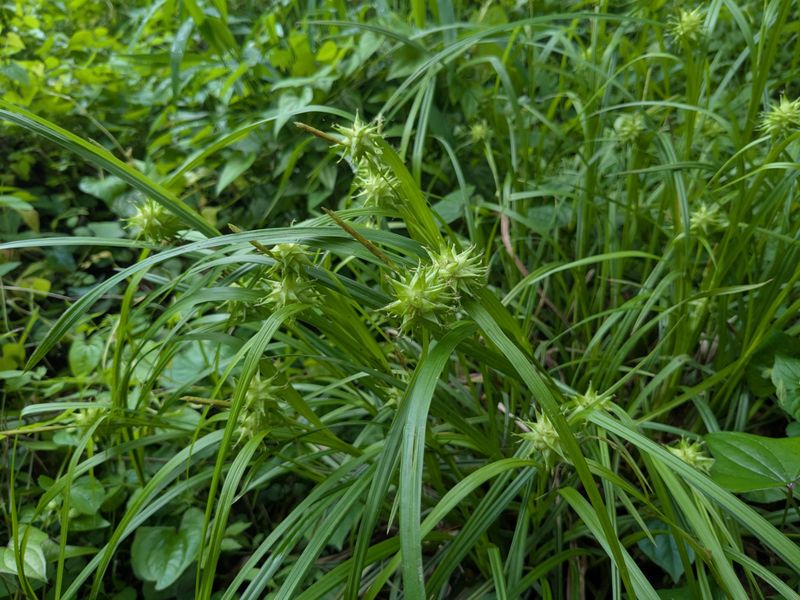
Partly shaded gaps near a rain garden edge or moist border can feel unfinished without something with real presence. Gray’s sedge, Carex grayi, is native to Ohio and brings both upright foliage and one of the most distinctive seed heads of any native plant.
The spiky, star-shaped seed heads appear in summer and remain on the plant well into fall.
The foliage is narrow and upright, reaching about 2 to 3 feet tall in good conditions. That upright, grasslike form is very different from the low, broad mounds that hostas create.
Narrow foliage tends to offer slugs less of the soft, flat surface they prefer, though cautious wording is always appropriate when discussing slug feeding.
Gray’s sedge is taller and more upright than a typical low ground-cover sedge, so use it where vertical texture fits the design. It works well in moist borders, along rain-garden edges, and in naturalistic plantings where a relaxed, meadow-like feel suits the space.
Do not plant it in severely dry shade, as consistent moisture helps it perform at its best.
Reducing slug shelter around the planting area also helps. Keep mulch at a sensible depth, away from plant crowns, and clear away boards, overturned pots, and wet debris nearby.
Space Gray’s sedge plants about 18 inches apart to allow each clump to develop its full, upright character without crowding neighboring plants.