What Missouri’s Overnight Pink Flowers Are And Where They Really Come From
Overnight, pink flowers appear from your soil without a single leaf in sight. Nobody warned you. Nothing prepared you for stalks suddenly rising bare and blooming within hours.
Missouri gardeners have watched this happen for generations, surprised every time. Neighbors share theories, none of them close to the truth. Something ancient and foreign hides inside these blooms.
Bulbs decide when to rise upward, no calendar required. Quiet mornings turn suddenly into color, then fade just as fast. Backyards across Missouri keep repeating this fleeting act, without explanation.
Families pass these bulbs down without knowing where they came from. Continents and centuries meet quietly beneath your ordinary soil. Curiosity builds the moment those pink spikes catch your eye.
Answers exist, but they truly need your full attention right now. Even seasoned botanists still find this timing hard to predict each year. You deserve the full explanation, and it starts right now.
Stems Shoot Up Seemingly Overnight
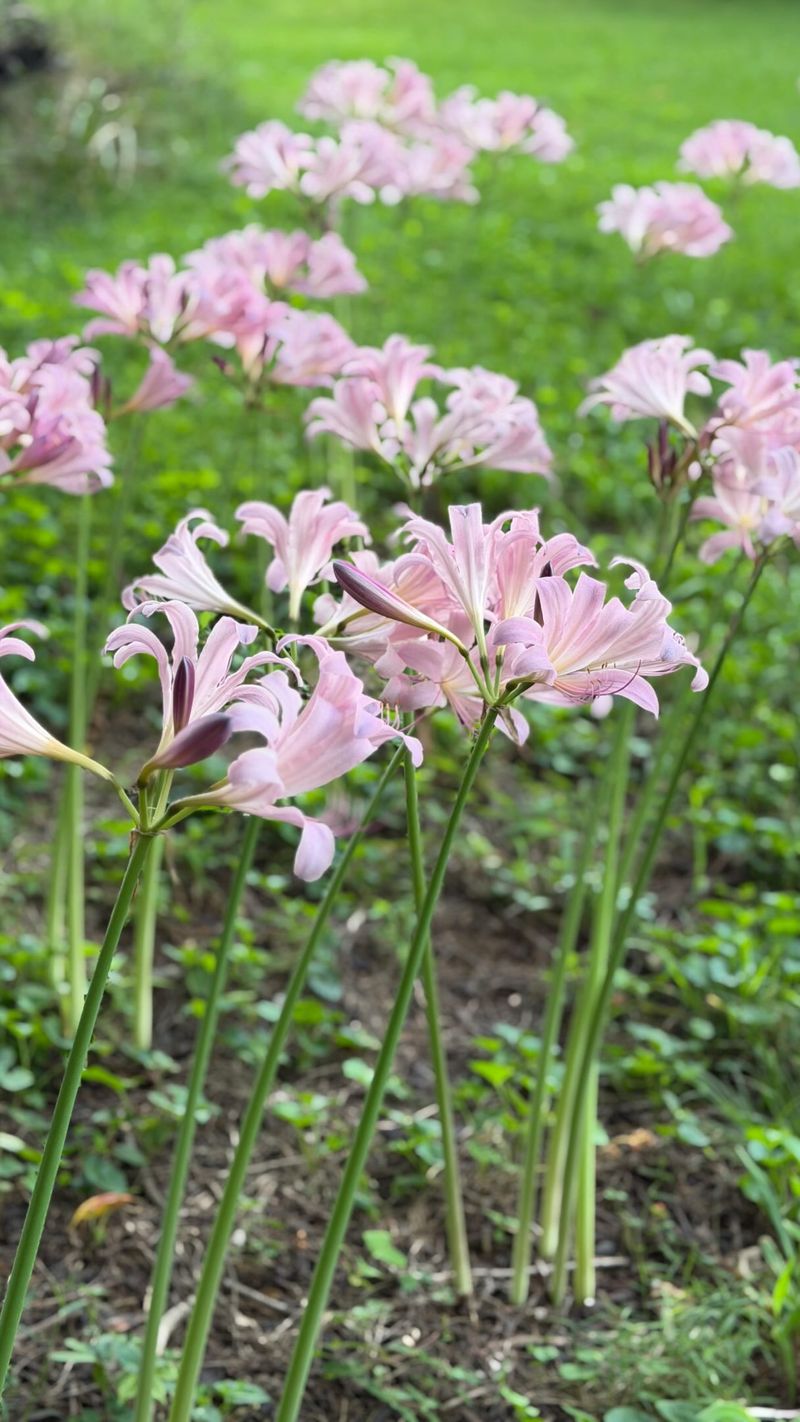
You go to bed with a bare patch of dirt, and wake up to something magical. Naked Lady stems can push up several inches in a single day during late summer heat.
The bulb stores energy all spring and early fall underground. When conditions align, it releases that stored power in a burst of rapid growth.
Soil temperature plays a big role in triggering this sudden surge. A stretch of warm nights in July or August is usually all it takes to set things off.
The stems are smooth, hollow, and a deep blue-green color. They feel firm and waxy, almost artificial, which adds to the overnight pink flowers mystery.
Most people notice them because they seem to appear from nowhere. One neighbor described it as finding a bouquet someone secretly planted while she slept.
The growth rate is not magic, but it sure feels like it. Lycoris squamigera bulbs are highly efficient energy storage machines built for exactly this kind of dramatic entrance.
Gardeners who know what to expect still do a double take every single year. That sense of surprise never quite goes away, no matter how many summers you have watched it happen.
Each stem typically reaches 18 to 24 inches tall before the buds open. The speed from soil to bloom is one of the more striking growth cycles in the garden.
Blooms Appear With No Visible Leaves
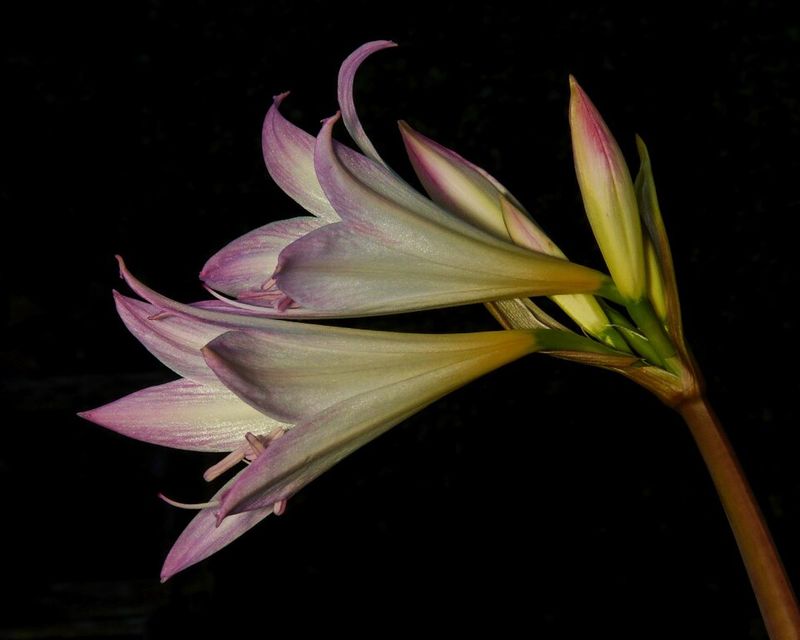
No leaves. No foliage. Just pink flowers floating above bare ground. That leafless look is exactly what earned this plant its memorable nickname.
The botanical term for this trait is hysteranthy. It means the leaves and flowers appear at completely separate times of year.
Naked Lady leaves show up in early spring, looking a lot like daffodil foliage. They grow, soak up sunlight, feed the bulb, and then quietly disappear by early summer.
By the time the blooms arrive in late summer, every last leaf is gone. The flower stalks rise from bare earth with nothing green around them at all.
Your Missouri Garden Changes Every Week. Your Plan Should Too.
Gardening in Missouri changes quickly throughout the season. Every Friday you’ll receive a simple weekly plan showing exactly what to plant, prune, fertilize, harvest, and protect so you never miss the right timing.
This separation confuses a lot of first-time observers. Many people assume the plant is two different species growing in the same spot.
The spring leaves are easy to overlook because they blend in with other garden greenery. Most folks never connect those early leaves to the pink surprise that follows months later.
Understanding this cycle changes how you care for the plant. Cutting back the spring leaves too early can weaken the bulb and reduce blooming the following year. The leafless bloom is also what makes Missouri’s overnight pink flowers so visually striking.
A cluster of rosy petals on a naked green stalk demands attention in a way that leafy plants simply cannot match. That bold, bare presentation is not a flaw in the plant’s design. It is the whole point.
Flowers Cluster Atop Bare Green Stalks
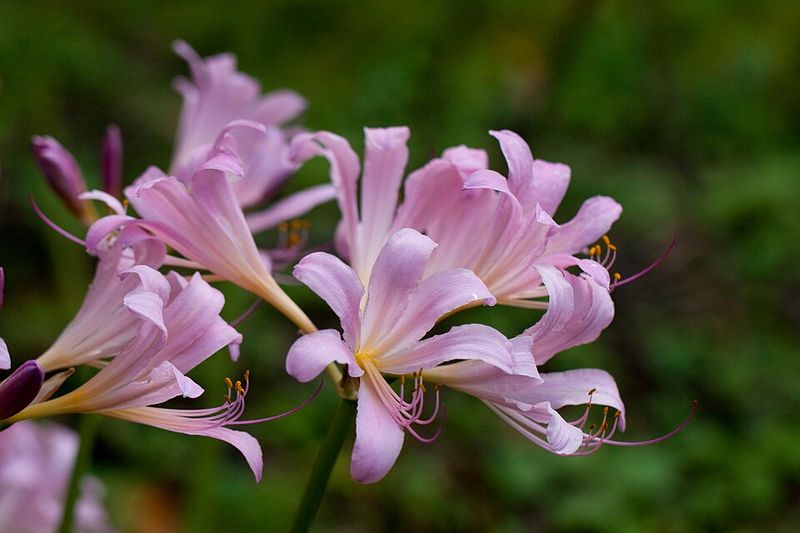
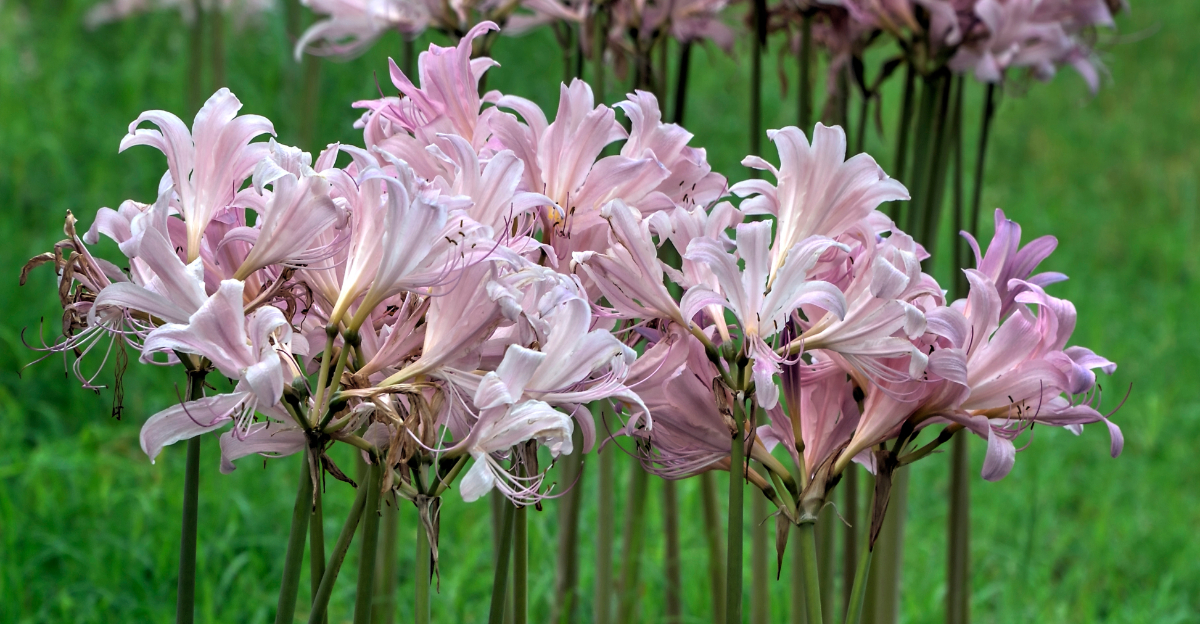
Picture a bouquet someone forgot to add leaves to, and you have a pretty good image of a Naked Lady in full bloom. The flowers gather in loose clusters called umbels at the very top of each stalk.
Each cluster typically holds four to seven individual blooms. They fan out in different directions, giving the whole arrangement a natural, airy look.
The individual flowers are trumpet-shaped with gently flared petals. Colors range from soft lilac-pink to a warmer rosy hue depending on the bulb’s age and soil conditions.
Delicate stamens extend outward from the center of each bloom. They give the flowers a wispy, almost whimsical quality that catches late afternoon sunlight beautifully.
The stalks themselves are worth noticing up close. They are smooth, slightly ridged, and carry no side branches, which makes the top-heavy cluster look even more dramatic.
From a distance, a patch of these plants looks like a burst of clustered pink blooms. Up close, each individual flower has a soft, almost translucent quality.
Missouri’s overnight pink flowers are especially photogenic at golden hour. The warm evening light catches those pale petals and makes the display especially striking.
Gardeners often cut a few stalks for indoor arrangements. They last several days in a vase and bring that same surprising, leafless elegance right into your living room. Few plants create this kind of visual impact with so little effort on your part.
Petals Fade Within Just Days
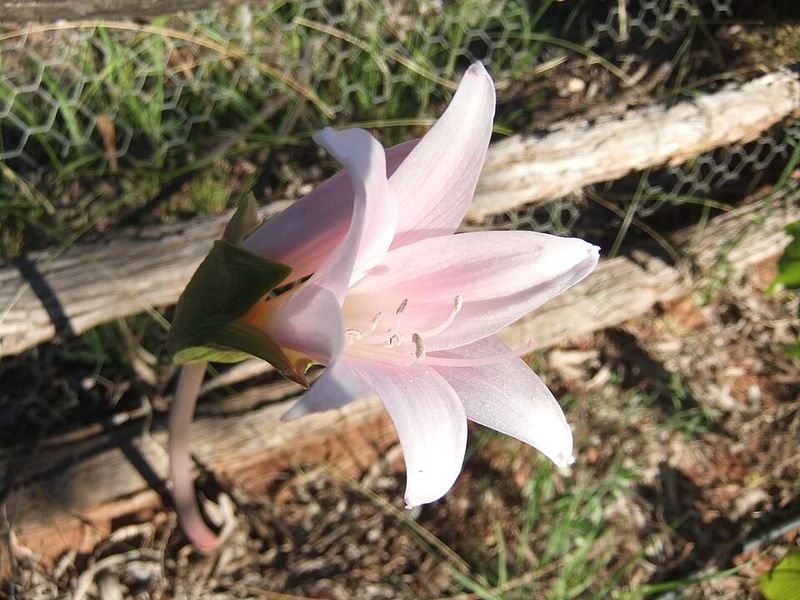
The bloom is vivid, and it is also brief. Most Naked Lady flowers last only five to seven days before the petals begin to drop.
That short window is part of what makes them feel so special. You cannot ignore them or plan to enjoy them later, because later might be too late.
The fading happens gradually at first. Petals lose their bright pink saturation and shift toward a paler, almost papery tone before finally releasing from the stem.
After the blooms fall, the bare stalk remains standing for a short while. It eventually yellows and collapses back toward the ground as the plant pulls energy downward.
Some gardeners find the brevity frustrating, especially after waiting all summer for the show. Others see it as a reminder to pay attention while beauty is present.
One practical tip: mark where your bulbs are planted before the stalks disappear. A simple garden stake or small flag helps you avoid accidentally digging them up later.
The fleeting nature of Missouri’s overnight pink flowers actually increases their appeal. Something rare and short-lived feels more precious than something that blooms for months without pause.
Japanese culture has long celebrated this idea with cherry blossoms. The Naked Lady carries a similar philosophy right into American backyards, no travel required.
Next summer, set a reminder on your phone for late July. You will want to be watching when those first pink clusters appear above the soil.
Originally Native To Eastern Asia
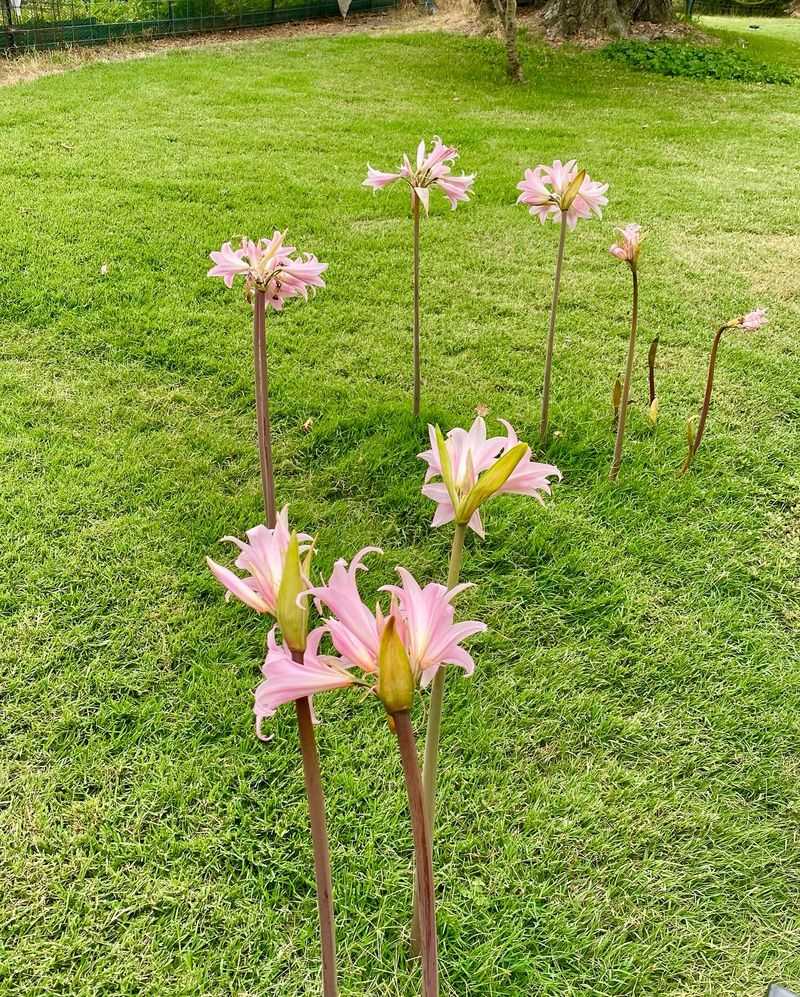
Long before Naked Ladies appeared in Missouri yards, they were growing wild across hillsides in Japan and China. Eastern Asia is the true birthplace of Lycoris squamigera.
A close relative, Lycoris radiata, is known in Japan as Higanbana, or ‘equinox flower,’ and carries deep symbolic meaning tied to the autumn equinox.
The plant thrives in the warm, humid summers of eastern Asia. Those climate conditions are surprisingly similar to Missouri’s late-summer weather patterns.
Chinese gardens have cultivated Lycoris species for over a thousand years. Ancient texts describe the plant’s dramatic bloom cycle with the same wonder that modern gardeners still express today.
Several related species grow across Korea, China, and Japan. Lycoris squamigera is considered one of the hardiest members of the family, which helped it survive transplanting to new continents.
Related Lycoris species were historically planted around rice paddies and temples in parts of Japan, valued both for their beauty and their reputation for deterring pests.
Understanding the plant’s Asian roots explains a lot about its behavior. The bloom timing aligns with late Asian monsoon seasons, not the American gardening calendar. Missouri’s overnight pink flowers carry centuries of botanical history in every bulb.
Knowing where they came from makes the experience of watching them bloom feel even more layered and meaningful. A backyard in suburban St. Louis shares something real with a hillside garden in Kyoto.
Brought To America As Ornamentals
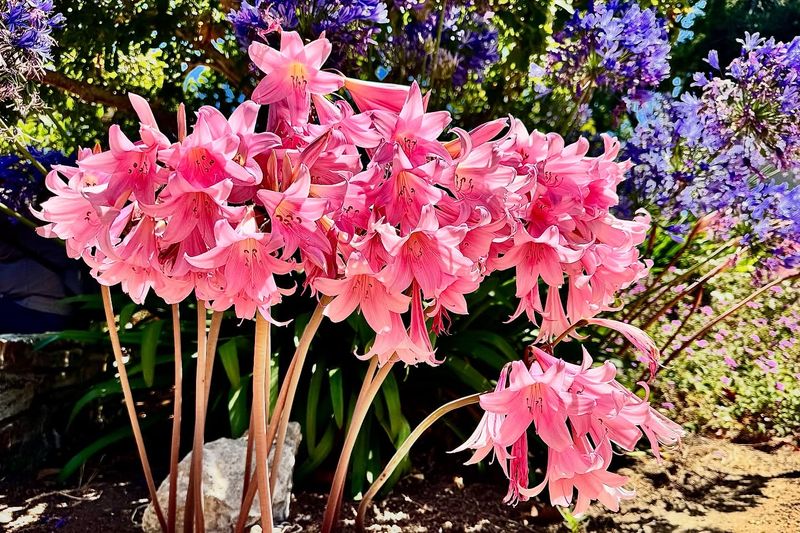
Naked Ladies are believed to have arrived in North America through the ornamental plant trade sometime in the late 1800s.
Plant collectors and botanists were obsessed with bringing exotic species back from Asia during that era. Wealthy American gardeners paid handsomely for unusual specimens from Japan and China.
Lycoris squamigera was prized for its dramatic look and easy care. It required almost no maintenance once established, making it a favorite among gardeners who wanted impact without constant effort.
Old nursery catalogs are said to have listed these bulbs under various romantic names. “Magic Lily” and “Resurrection Lily” were popular marketing terms that leaned into the plant’s mystical bloom cycle.
The bulbs traveled well because they are incredibly tough. They can survive months out of the ground, which made long ocean voyages survivable for the plant.
Once they arrived in American soil, the bulbs adapted quickly. The climate across the eastern and midwestern United States suited them almost as well as their native Asian range.
Missouri’s overnight pink flowers became popular in both estate gardens and modest family plots. Their low-cost beauty made them accessible to gardeners at every income level.
The ornamental plant trade of that era introduced hundreds of species that now feel completely native to American landscapes. Naked Ladies are one of its most charming and enduring contributions. They crossed an ocean and never looked back.
Passed Down Through Generations Of Gardens
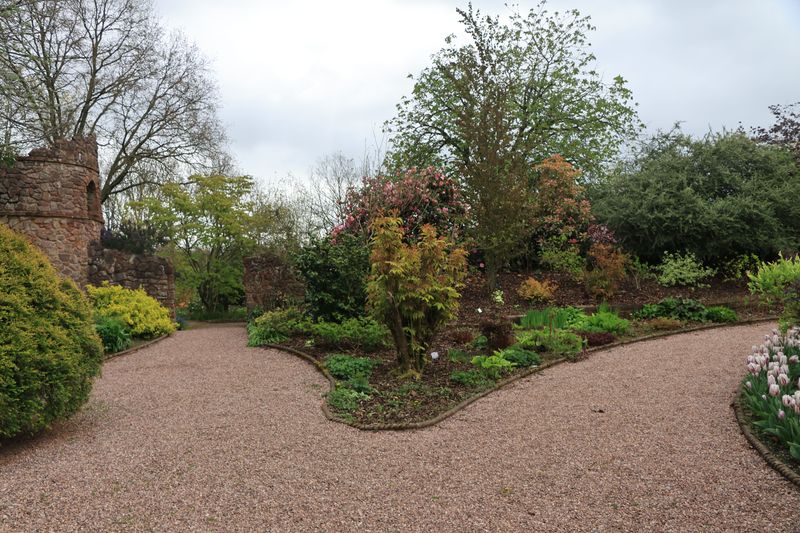
Ask almost anyone who grows Naked Ladies where they got their bulbs, and the answer is almost always the same. A grandmother dug them up, a neighbor shared a clump, or an aunt pressed them into your hands at a family gathering.
These plants spread through people, not stores. You almost never see Naked Lady bulbs for sale at big garden centers, which makes them feel like a secret passed between friends.
The sharing tradition goes back generations in many Missouri families. Bulbs get divided every few years as clumps multiply underground, and the extras find new homes in new yards.
These plants often carry personal history, passed from one gardener to another over the years. Every clump carries a little history, a connection to someone who loved it before you did.
Lycoris squamigera naturalizes slowly but steadily. A single bulb planted decades ago can multiply into a large, spreading colony over time without any help from the gardener.
Many of the Naked Ladies blooming in Missouri today are thought to trace back to bulbs planted generations ago.
Heirloom plants like these connect present-day gardeners to people who once grew and shared them.
Missouri’s overnight pink flowers are as much about human connection as they are about horticulture. Every bloom is a small act of inheritance from someone who thought to share.
Naturalized Widely Across Missouri Yards
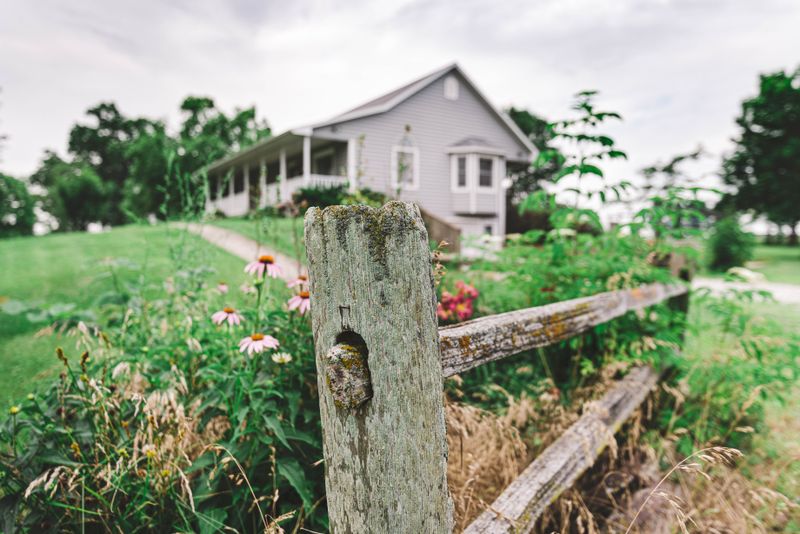
Walk through almost any established neighborhood in central or eastern Missouri in late July, and you will spot them. Naked Ladies have naturalized so thoroughly that many locals assume they are a native American wildflower.
Naturalization means a plant has established itself and reproduces without human intervention. Lycoris squamigera does this slowly but persistently across a wide range of soil types.
Missouri’s overnight pink flowers show up along fence lines, beside old foundations, and in corners of yards that have not been touched in decades. They are tough, patient survivors.
The state’s climate suits them perfectly. Hot, humid summers trigger blooming, and the winters are cold enough to satisfy the bulb’s dormancy requirements without causing damage.
Older neighborhoods tend to have the best displays. Established bulb colonies have had more time to multiply and spread, so the clusters grow larger and more impressive each year.
You can encourage naturalization in your own yard by leaving bulbs undisturbed. The less you interfere, the more they spread and the better the annual show becomes.
Some gardeners plant new bulbs along property edges to start a colony intentionally. Within a few years, those bulbs multiply and the display grows without any additional investment.
Missouri’s overnight pink flowers have become a familiar part of the late-summer landscape, even though their roots trace back to the other side of the world. That is a long journey for a plant that now feels completely at home.