What It Means When Dragonflies Start Visiting Your Missouri Yard
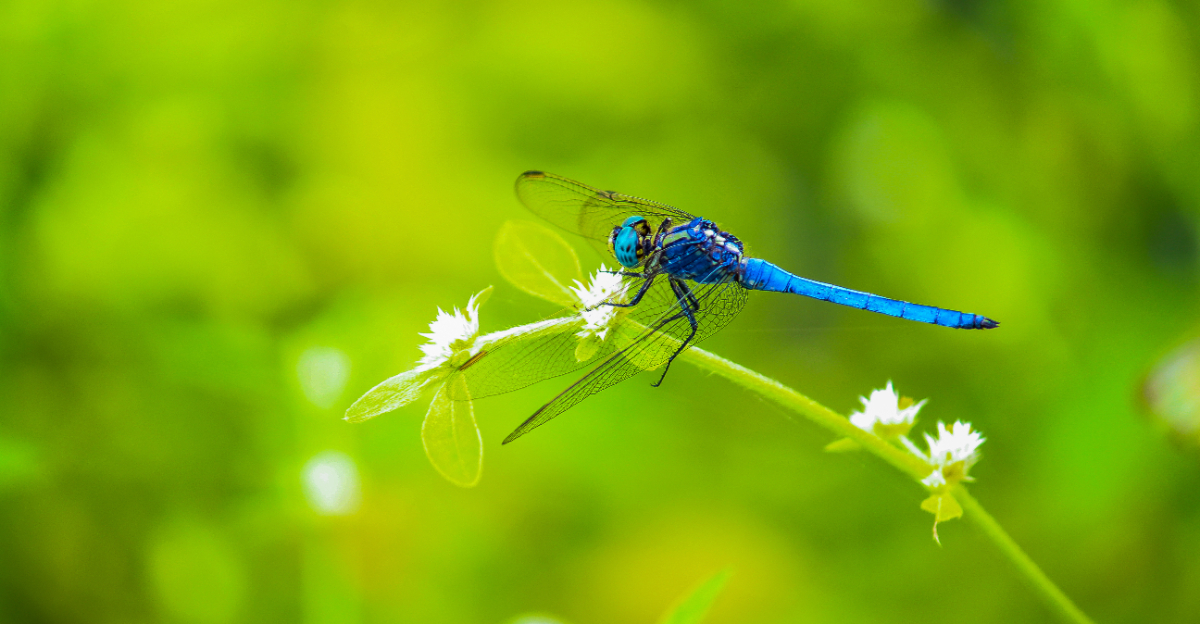
One moment your yard is quiet, and the next, something prehistoric is hovering two feet from your face. Dragonflies have been around for 300 million years, and right now they have decided your yard is worth their time.
That is not a coincidence, it is a signal. These insects are among the most selective creatures in any backyard ecosystem, and they do not waste their time on just any patch of grass.
Something in your outdoor space caught their attention, whether you planted it, built it, or simply left it alone. Missouri summers create exactly the conditions that make certain yards irresistible to dragonflies.
The question is not why dragonflies visit yards in general, it is why they are visiting yours specifically. The answer might surprise you.
Dragonflies Are Visiting Your Yard For A Reason
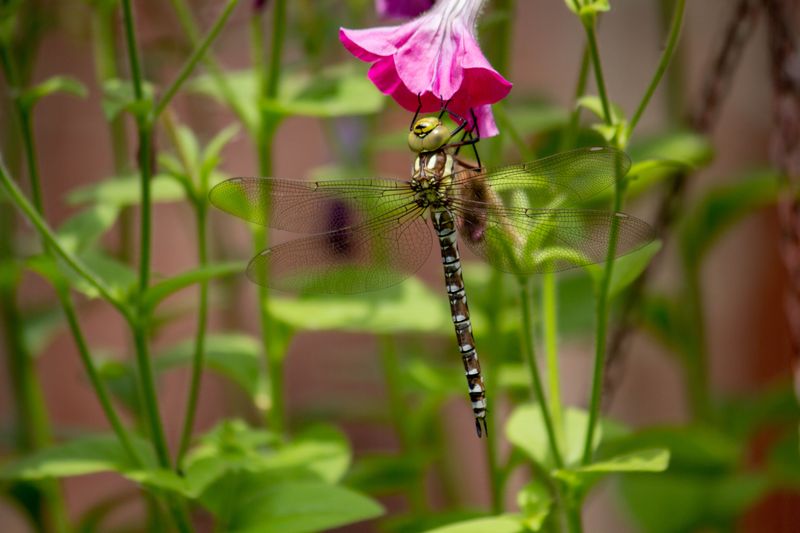
Spotting a dragonfly in your yard feels almost magical. But these visits are not accidental, and understanding why they happen changes everything.
Dragonflies are among the most purposeful fliers in the insect world. Every hover, dart, and loop has a goal behind it.
When dragonflies start visiting your Missouri yard, they are responding to real signals. Your outdoor space is broadcasting something they find attractive.
These signals include water, food, warmth, and shelter. Each one plays a role in drawing these incredible hunters into your space.
Dragonflies have roamed Earth for over 300 million years. Their ability to read and adapt to environments may be one reason they have outlasted so many other species.
So when one shows up near your garden, treat it like a message. Your yard is offering something valuable to a creature that has survived longer than dinosaurs.
Knowing the reason behind the visit helps you decide what to do next. You can encourage more visits or identify what your yard might be lacking.
Each section ahead breaks down a specific reason dragonflies are drawn to yards like yours. Pay attention, because some of these signals are surprisingly easy to spot.
Your yard is sending signals, and dragonflies are picking up on all of them.
Your Yard May Have More Standing Water Than You Think
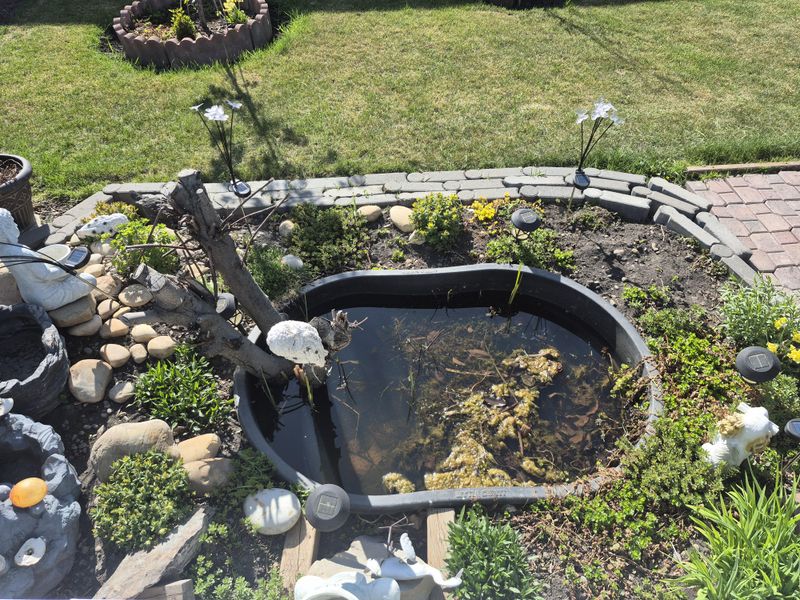
Standing water is the number one magnet for dragonflies. Even a small container holding a few inches of water can start attracting them.
Dragonflies lay their eggs in or near water. Their larvae, called nymphs, live underwater for months before emerging as adults.
You might not even realize how much standing water your yard holds. A clogged gutter, a low garden bed, or a forgotten bucket can all qualify.
Birdbaths are another common source that homeowners overlook. A shallow birdbath with still water is practically a welcome sign for breeding dragonflies.
Even decorative pots with drainage trays can collect enough water to matter. Check around your yard after a rainstorm and you may be surprised.
If you have a pond, rain barrel, or water feature, that is almost certainly part of the reason dragonflies are showing up. These features create the habitat dragonflies need to complete their life cycle.
Your Missouri Garden Changes Every Week. Your Plan Should Too.
Gardening in Missouri changes quickly throughout the season. Every Friday you’ll receive a simple weekly plan showing exactly what to plant, prune, fertilize, harvest, and protect so you never miss the right timing.
Healthy water sources also support the aquatic insects that dragonfly nymphs feed on. A thriving water feature essentially sets up a full dragonfly buffet.
Want to attract even more dragonflies? Add a small shallow pond with native aquatic plants. Keep it free of chemicals and let nature do the rest.
Standing water in your yard is not a flaw. For dragonflies, it is the most important feature your property can offer.
Dragonflies Follow The Insects They Hunt
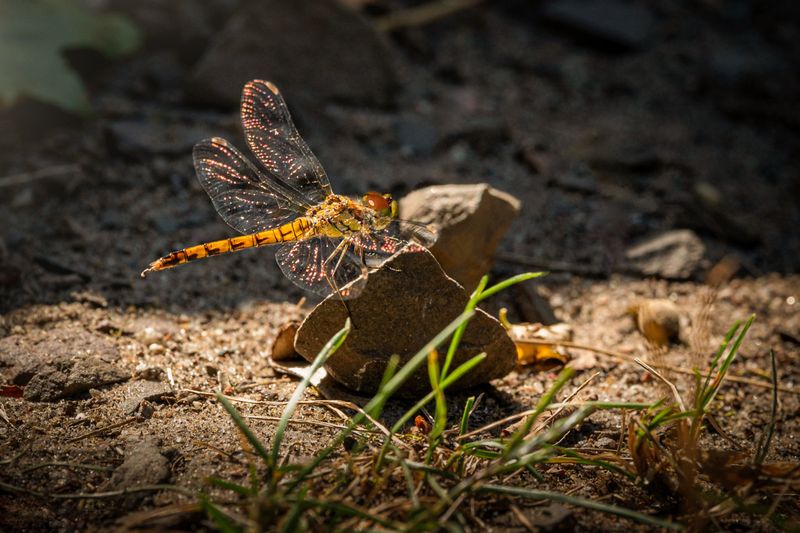
Dragonflies are elite predators with a nearly perfect hunting record. Research suggests dragonflies are among the most accurate hunters in the insect world.
They eat mosquitoes, gnats, midges, and small flies. If your yard has any of these insects, dragonflies already know about it.
Mosquitoes breed in standing water and gather near humid, shaded areas. If you have noticed mosquitoes hanging around at dusk, dragonflies have likely noticed too.
Gnats swarm near compost piles, overripe fruit, and moist soil. A yard with active composting is essentially a gnat buffet, which makes it attractive to hunters.
Midges are tiny flying insects that gather near water and tall grass. They are one of the dragonfly’s favorite snacks, especially in the early morning hours.
Your yard’s insect population is a living menu for dragonflies. The more diverse your insect life, the more reason a dragonfly has to stick around.
This is actually great news for gardeners who struggle with pests. A single dragonfly can consume well over a hundred mosquitoes and gnats in a single day.
You do not need pesticides when nature sends its own pest control. Encouraging dragonflies means fewer bites and less buzzing around your outdoor spaces.
Think of every dragonfly as a tiny, winged bodyguard patrolling your yard. They are working hard so you can enjoy your evenings outside in peace.
Warm Weather And Open Space Draw Dragonflies In
Dragonflies are cold-blooded, which means warmth is not just comfortable for them. It is essential for their survival and activity levels.
They need sunlight to warm their flight muscles before they can hunt effectively. Open, sunny spaces in your yard give them the perfect warm-up zone.
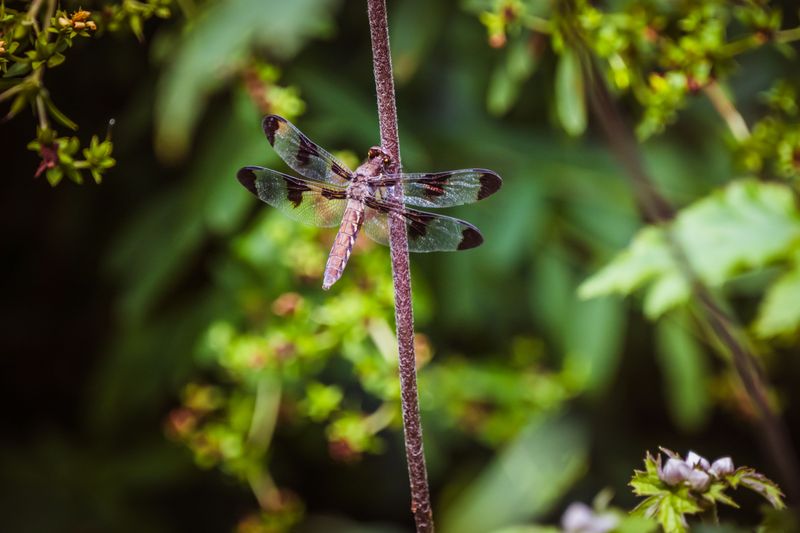
Flat open areas allow dragonflies to spot prey from a distance. They perch on tall stakes, fence posts, or plant stems to scan their surroundings.
A yard with too many dense trees or shrubs can block the sunlight dragonflies crave. If your space is open and bright, you have already created a welcoming environment.
Peak dragonfly activity in the Midwest typically runs from late spring through early fall. During these months, warm afternoons bring the highest number of sightings.
You might notice them most between 10 a.m. and 4 p.m. That window is when air temperatures are highest and insect activity is at its peak.
Adding tall perching spots like garden stakes or bamboo poles can make your yard even more inviting. Dragonflies love a high vantage point with full sun exposure.
Open lawn areas near water are prime dragonfly territory. If your yard has both, you have essentially built a five-star resort for these aerial hunters.
Warm, open yards are the kind dragonflies choose again and again. Keep that sunshine flowing and they will keep coming back.
Your Plants And Garden Layout Play A Role Too
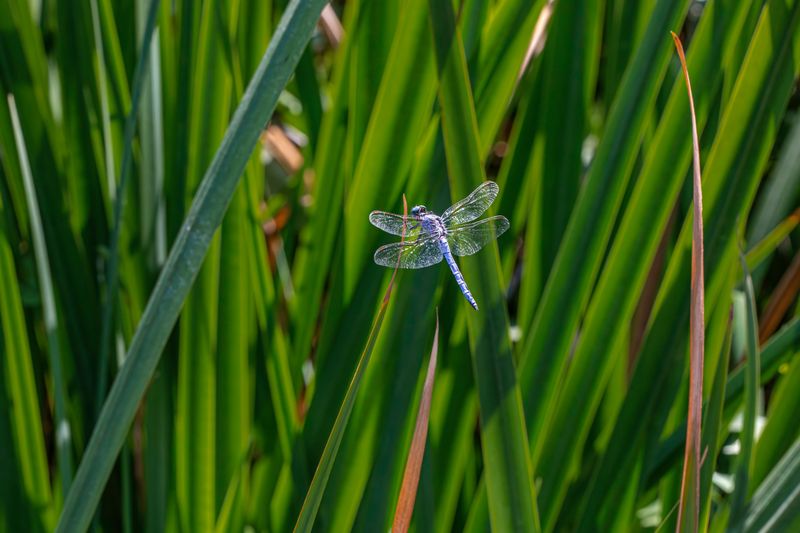
Not all gardens are created equal in a dragonfly’s eyes. Plant choices and garden design can either welcome them or send them elsewhere.
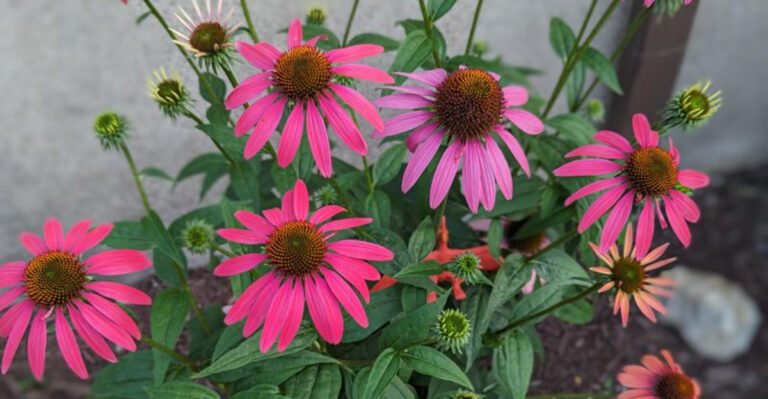
Native plants are the biggest draw because they support the insects dragonflies feed on. Plants like black-eyed Susans, coneflowers, and native grasses create a layered habitat.
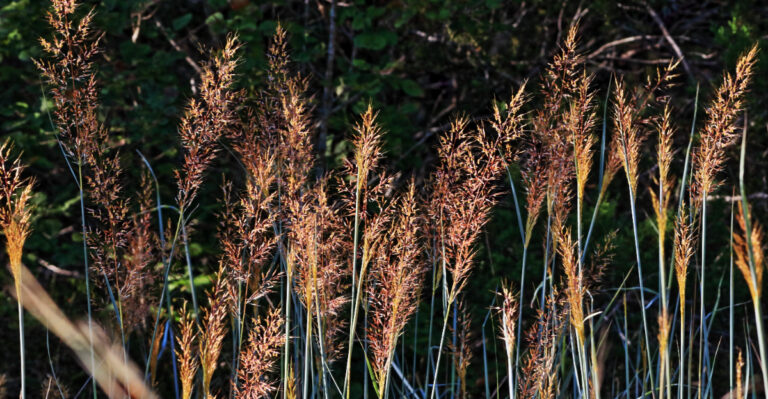
Tall ornamental grasses are especially attractive as resting and perching spots. Dragonflies often cling to thin vertical stems while warming up or scanning for food.
Cattails and rushes near water features are almost irresistible to dragonflies. These plants provide structure for emerging nymphs as they transform into adults.
Flat, broad-leafed plants near the water’s edge offer basking surfaces. Dragonflies will land on these leaves to soak up heat between hunting flights.
A cluttered or overly manicured garden can actually reduce dragonfly activity. They need a mix of open flight paths and sheltered resting zones to feel comfortable.
Avoid heavy pesticide use near your plants, especially near water. Chemical sprays can wipe out the very insects dragonflies depend on for food.
Consider adding a border of native wildflowers along a fence or garden bed. That simple addition can noticeably increase the insect diversity that attracts dragonflies.
Your garden is more than decoration. With the right plant choices, it becomes a living ecosystem that dragonflies are eager to be part of.
What A Dragonfly Sighting Can Tell You About Your Yard’s Health
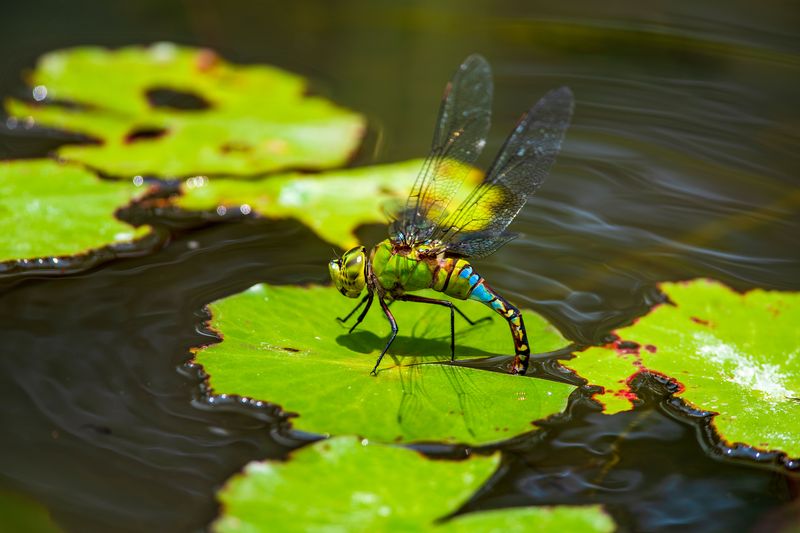
Dragonflies are bioindicators, which means their presence reflects the health of a local environment. Seeing them regularly in your yard is a strong sign your outdoor space is in good shape.
They require clean water, abundant insects, and open habitat to thrive. A yard that supports all three is a yard in solid ecological shape.
If dragonflies are visiting your Missouri yard often, your water sources are likely clean and chemical-free. Cleaner water sources tend to support more dragonfly activity than polluted or heavily stagnant ones.
Their presence also suggests a strong base of smaller insects nearby. A rich insect community signals a balanced, pesticide-light outdoor environment.
Many gardeners report seeing fewer dragonflies in yards where chemical lawn treatments are used regularly. Those products reduce the insect populations that dragonflies need to survive and breed.
Noticing more dragonflies after you stopped using pesticides is a real pattern many homeowners report. Nature responds quickly when given the chance to recover.
Think of a dragonfly sighting as a report card for your outdoor space. A frequent visitor means your yard is earning high marks in habitat quality.
On the flip side, if you rarely see them despite having water nearby, it may signal a chemical or pollution issue worth investigating. Your yard might be sending a quiet warning.
When dragonflies are visiting your yard with regularity, celebrate it. You have created something genuinely alive, and that is worth protecting.