The Florida-Friendly Flower That Thrives In Full Sun And Still Looks Fresh
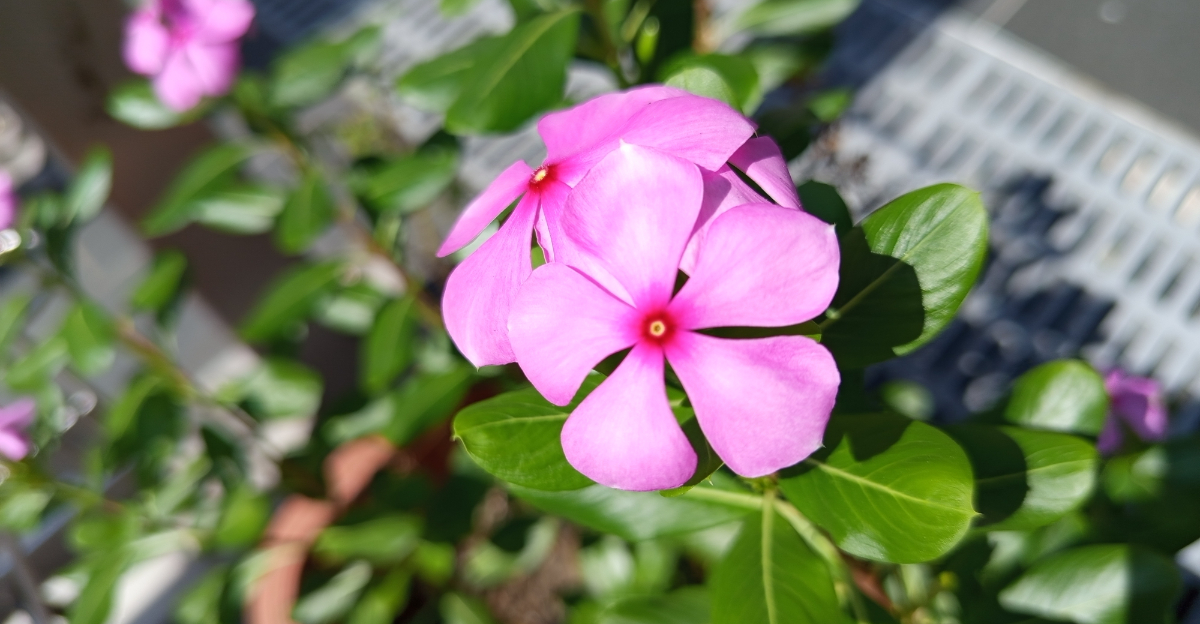
Full sun in Florida is not a selling point for most flowers. It is a test.
One that eliminates most of the options at the garden center before July is halfway through and leaves gardeners cycling through replacements that never quite hold up the way the nursery tag suggested they would. Vinca skips that cycle entirely.
It does not just survive Florida full sun. It responds to it.
More color, stronger stems, a plant that looks more alive in August than it did when it went in during April. The heat that breaks other flowers down is the condition vinca was built to perform in.
Low water needs, minimal care, and a bloom color range that covers almost every preference. In a Florida garden that needs something dependable in a difficult spot, vinca has been quietly making the case for itself season after season without much fanfare.
1. Vinca Keeps Its Gloss When Summer Heat Turns Brutal
Most bedding plants start looking worn out around the same time summer really gets going in Florida. Annual vinca takes a different path.
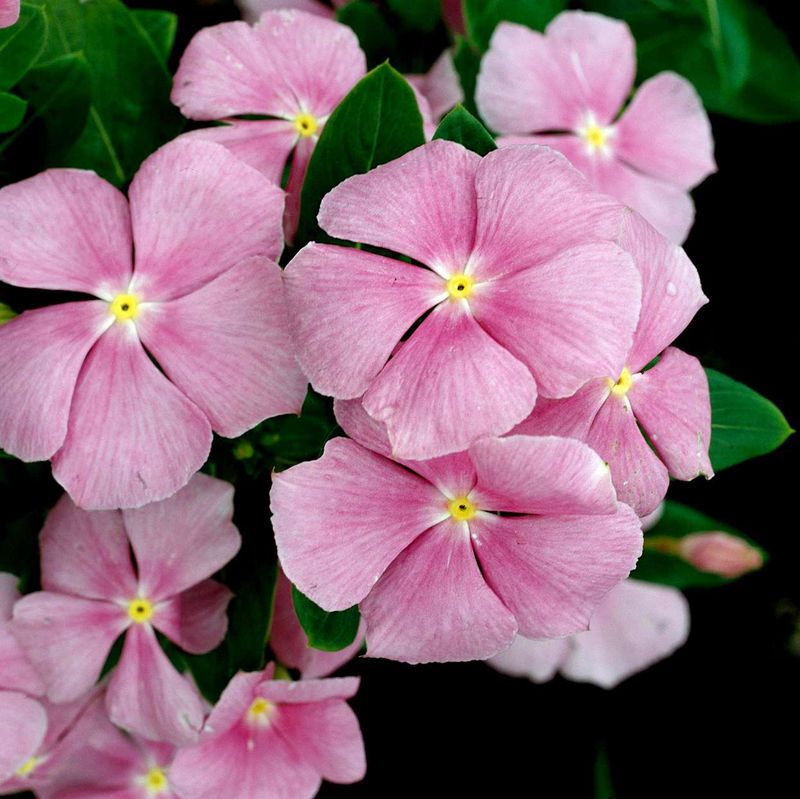
Its dark, waxy leaves reflect light rather than absorbing it, giving the plant that polished look even when the thermometer refuses to drop.
The flowers are shaped like small pinwheels, usually five petals fanning out from a contrasting center eye. Colors range from white and soft lavender to deep rose and coral red.
Plants typically grow between 12 and 18 inches tall, depending on the cultivar, and spread into a tidy mound or a slightly wider habit.
Most gardeners grow it as a warm-season annual, planting transplants after the last chance of cool weather has passed and soil has warmed. It performs through long stretches of heat that would stress many other bedding choices.
There is one honest limitation worth knowing. Transplants set out during an unusually intense heat wave may struggle during the first week or two while their roots are still getting established.
A little extra attention right after planting can help a new plant settle in. Water carefully and provide temporary light shade before full summer stress arrives.
2. Full Sun Brings Out The Strongest Flower Display
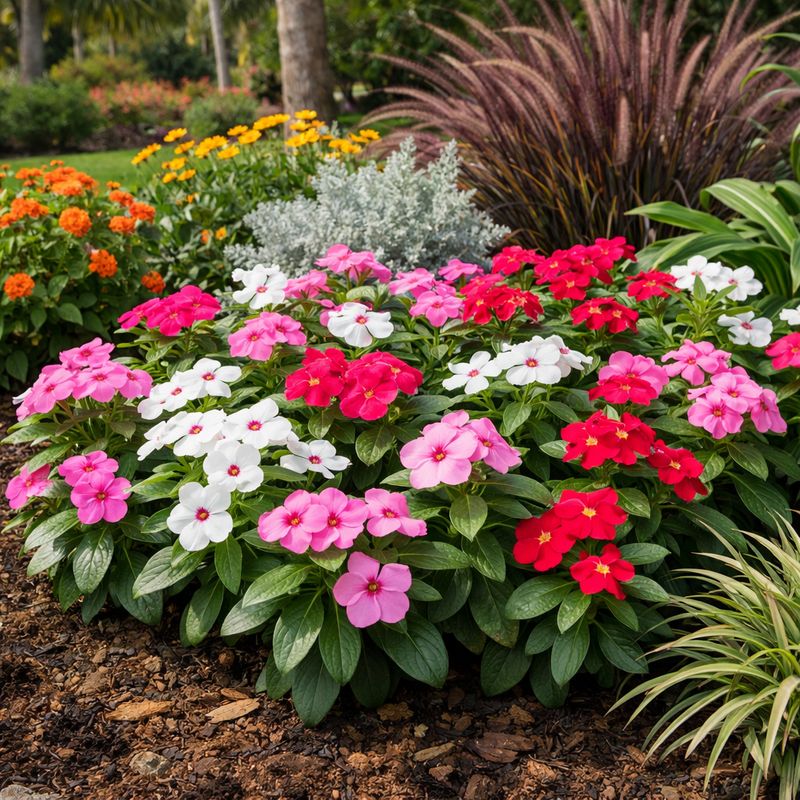
Plenty of direct sun is one of the clearest ways to encourage heavy blooming in annual vinca. Six or more hours of unfiltered light each day generally supports the densest flower production, keeping the plant covered in color from early summer well into fall.
That said, vinca can handle a bit of partial shade without completely shutting down. Morning sun with some afternoon relief can even reduce root-zone heat in container plantings on hot patios.
The tradeoff is that bloom counts often drop noticeably as shade increases, and the plant may stretch toward available light instead of staying compact.
One thing worth clarifying is that hotter conditions do not automatically mean more flowers. Extreme Florida heat combined with humidity and poor air circulation can slow bloom production and open the door to fungal problems.
Sun is helpful; unmanaged stress is not.
Newly planted vinca is particularly vulnerable during establishment. Even a sun-loving plant needs time to develop enough root mass to support vigorous top growth.
Set transplants out during a stretch of mild weather rather than during the hottest week of the season. This gives them a better start and leads to a stronger display once they hit their stride.
3. Cora And Nirvana Varieties Handle Summer Stress Better
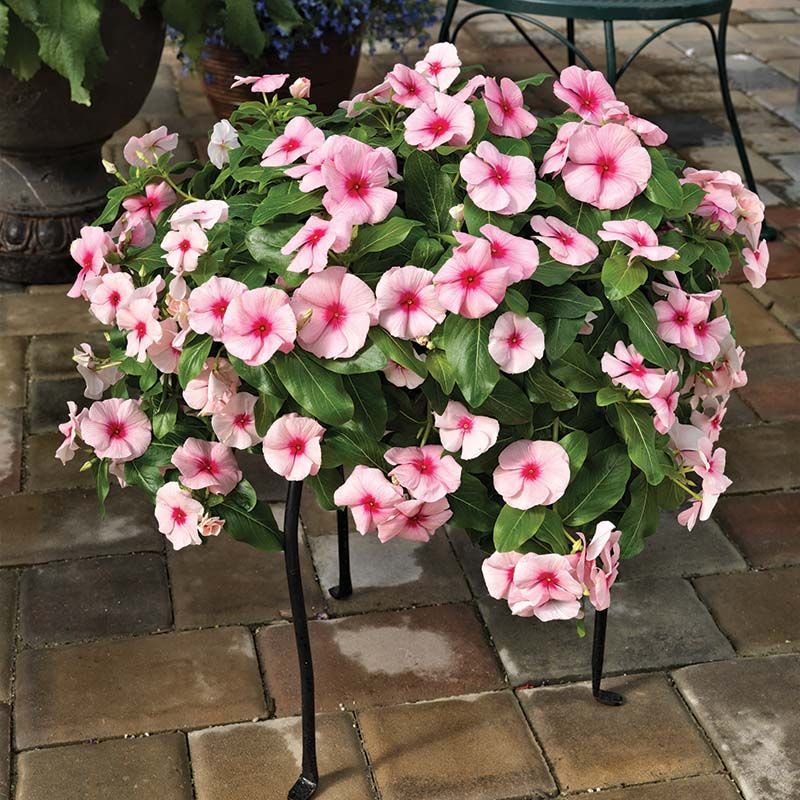
Cultivar choice is one of the most practical decisions a Florida gardener can make before buying transplants. Not all annual vinca performs the same way in hot, humid conditions, and that difference becomes very clear by midsummer.
The Cora series was developed specifically with improved resistance to Phytophthora crown rot, a water mold disease that thrives in wet, poorly drained soil. Nirvana series cultivars carry similar improvements.
Both groups tend to maintain better plant health through the rainy season compared to older, less-improved varieties. That resistance does not make them immune, but it gives them a meaningful head start.
Titan and Pacifica varieties are also worth a brief mention. Some gardeners report that these perform reasonably well under drier conditions.
However, they may not have the same level of disease resistance as Cora or Nirvana selections.
In humid summer landscapes, starting with a resistant cultivar reduces the chance of losing plants to root and stem problems mid-season. Purchase transplants from a reputable nursery that carries named, improved varieties rather than generic unlabeled flats.
This simple step can pay off throughout the growing season. Healthy genetics give the plant a fighting chance when conditions are not ideal.
4. Fast Drainage Keeps Rainy Weather From Ruining The Show
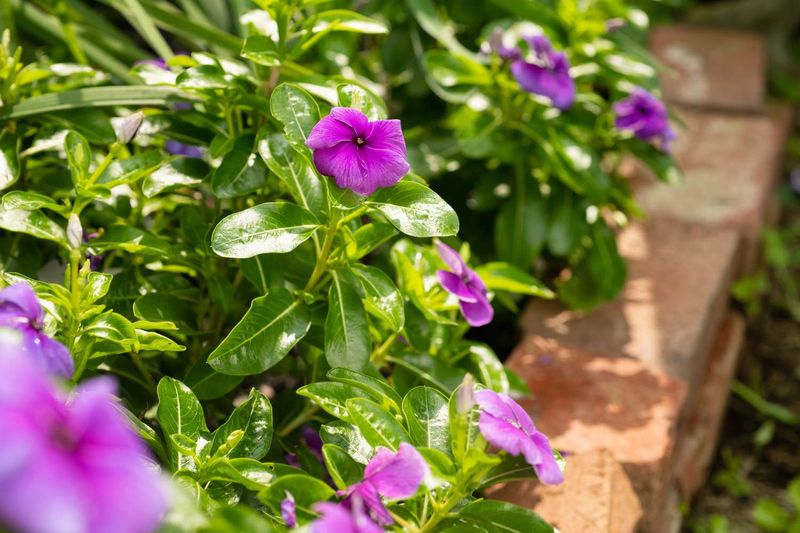
Rainy season can be a genuine challenge for annual vinca, and the problem is almost never the rain itself. The real issue is what happens to water after it falls.
Roots sitting in saturated soil for even a short time become vulnerable to Phytophthora and other root-rotting pathogens that spread quickly in warm, wet conditions.
Raised beds are one of the most reliable solutions. Elevating the planting area even a few inches above the surrounding grade allows excess water to move away from the root zone faster.
Containers with drainage holes at the bottom work on the same principle and give gardeners direct control over where water goes.
Soil mix matters too. A well-drained planting medium that includes organic matter but does not compact tightly gives roots both moisture retention and air space.
Avoid low spots in the Florida yard where water collects after heavy rain. Those areas are not suitable for vinca regardless of how good the cultivar is.
One practical benefit of heavy summer rain is that it often reduces the need for supplemental irrigation. Pay attention to how much natural rainfall an area receives instead of running irrigation on a fixed schedule.
This helps prevent excess moisture, which can cause more problems for vinca than heat.
5. Glossy Leaves Stay Neat Without Constant Grooming
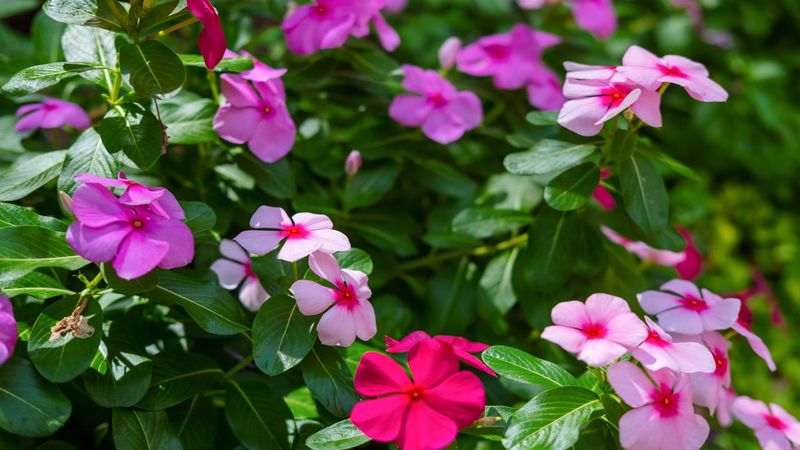
One of the more underappreciated qualities of annual vinca is the way its foliage holds itself together. The leaves are thick, smooth, and arranged in a way that naturally forms a rounded mound without much intervention from the gardener.
That tidy shape is part of what makes it look presentable even on days when nothing else in the yard looks its best.
Modern cultivars are largely self-cleaning, meaning spent flowers drop on their own rather than clinging to the plant and turning brown. Trimming, which is manually removing old blooms, is generally not necessary for vinca to keep producing new flowers.
This is a meaningful advantage over plants that require regular grooming to stay attractive.
Light trimming can still be useful in specific situations. If a stem is damaged, diseased, or growing in an awkward direction, removing it makes sense.
Cutting back a plant that has become slightly leggy in midsummer can encourage fresh, compact growth. However, shearing the entire plant on a regular schedule is not recommended and can stress it unnecessarily.
Vinca is not a zero-maintenance plant. Watch for early signs of disease and remove obviously unhealthy growth.
Keeping the bed free of debris also supports long-term plant health throughout the season.
6. Dryer Soil Suits Vinca Better Than Soggy Roots
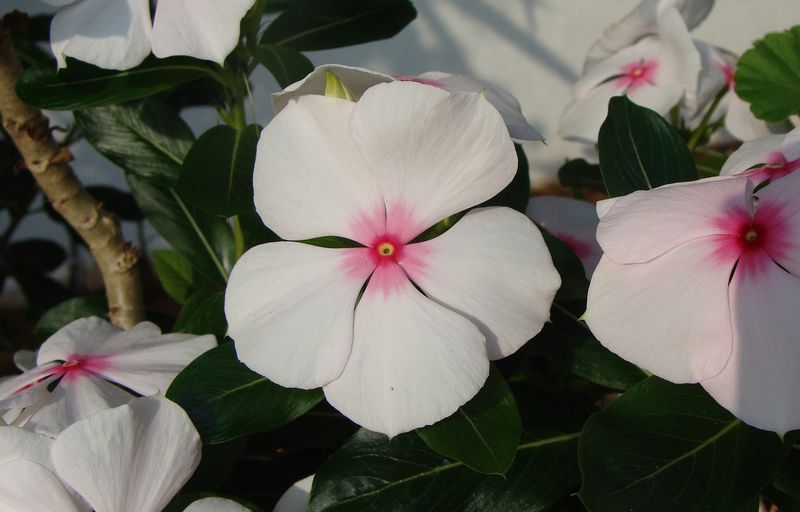
Established annual vinca has a reasonably good tolerance for periods of dryness. This sets it apart from many other bedding plants that wilt dramatically when irrigation is delayed.
Allowing the soil surface to dry somewhat between watering sessions is generally fine for established plants. After several weeks in the ground, they should have developed a solid root system.
Watering based on observation rather than a rigid calendar schedule makes more sense for this plant. Check the soil before turning on the hose.
If the top inch or so still feels moist, waiting another day is usually the right call. Overwatering is consistently linked to the root and stem problems that shorten vinca’s season, so restraint is genuinely protective rather than neglectful.
Newly planted transplants are a different situation and deserve closer attention. Their root systems have not yet spread into surrounding soil, so they dry out faster and need more frequent monitoring during the first few weeks.
Letting a fresh transplant go completely dry during establishment can set it back significantly.
Drip irrigation or soaker hoses, when used correctly, can deliver moisture directly to the root zone without wetting foliage.
Keeping leaves dry reduces the humidity around the plant and lowers the chance of fungal problems developing during the wet, warm months.
7. Containers Keep The Color Going On The Hottest Patios
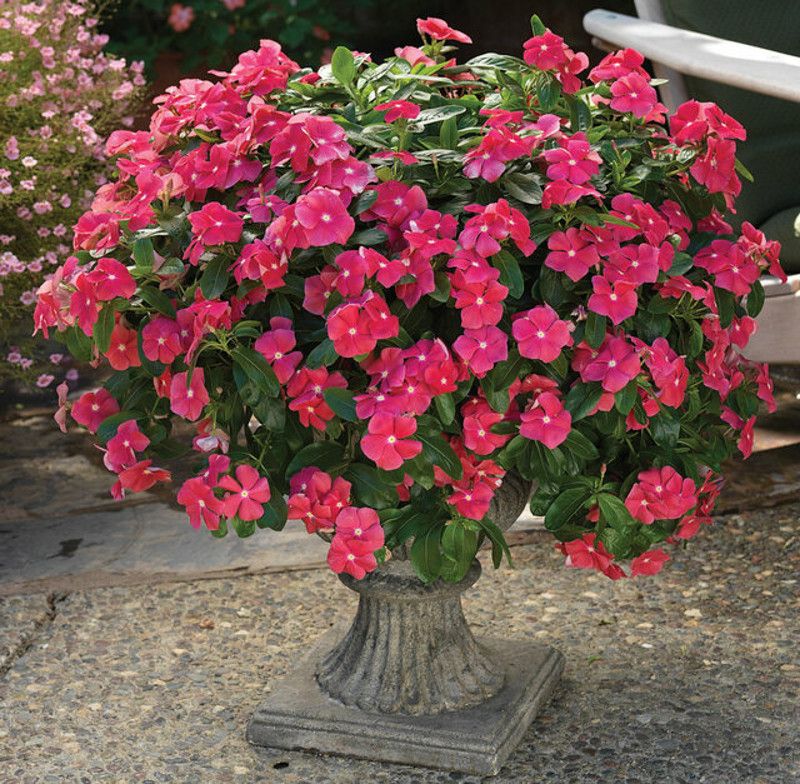
Pots and hanging baskets give annual vinca a surprising amount of flexibility. Compact upright cultivars fill a standard pot nicely, forming a rounded dome of flowers that sits at eye level and holds its color through weeks of summer heat.
Trailing cultivars spill attractively over pot edges, softening the container’s outline and adding movement to a patio or deck setting.
Good drainage is non-negotiable in containers. Every pot should have at least one drainage hole at the bottom, and the growing mix should be a quality container blend rather than heavy garden soil.
Container media dries out faster than in-ground soil, which is actually an advantage for a plant that prefers not to sit in moisture.
Hot pavement can raise the temperature inside a dark-colored pot to levels that stress roots even when the air temperature is manageable. Elevating containers slightly on pot feet or placing them on a light-colored surface helps reduce that heat buildup.
Grouping containers together also creates a slightly more moderate microclimate around the plants.
Monitoring moisture in containers requires more attention than in-ground beds. A pot in full sun on a hot day may need water more often than expected.
Checking the soil daily during peak summer heat, rather than assuming a set schedule works, keeps container vinca looking its best through the warmest months.
8. A Little Restraint Keeps Vinca Looking Fresh For Longer
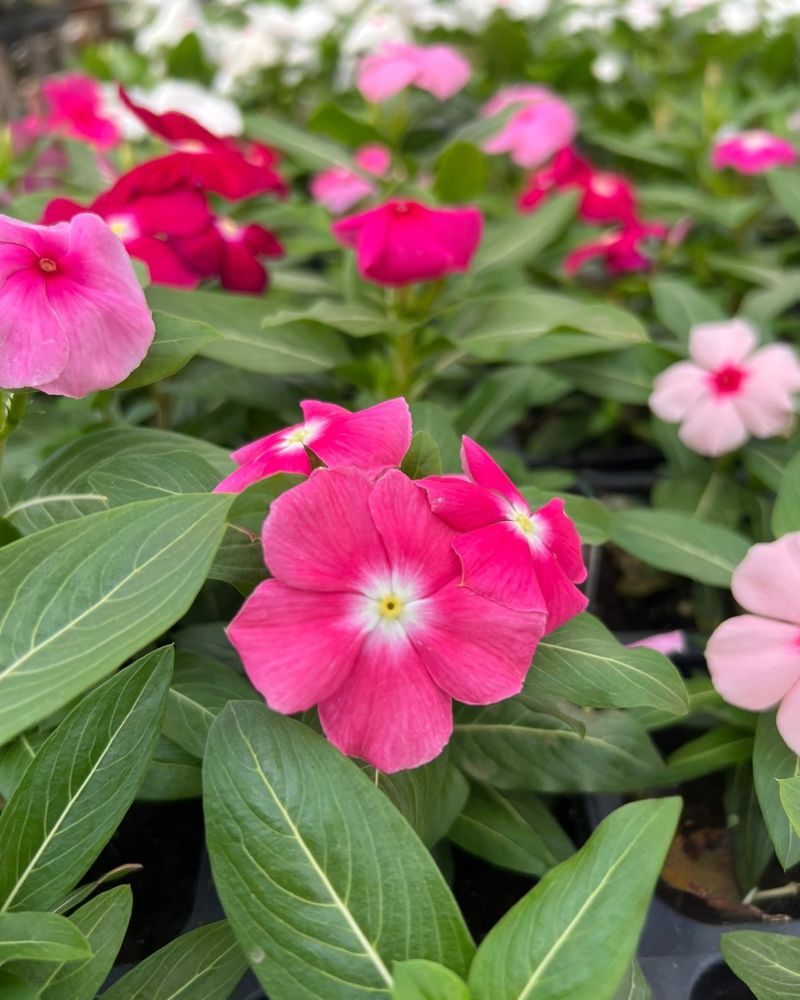
Florida gardeners who resist the urge to over-manage their vinca often end up with the best-looking plants by the end of summer. This is a flower that responds well to a hands-off approach once it is properly established in the right conditions.
Excessive irrigation, heavy fertilizer applications, and constant fussing can create more problems than they solve.
Overwatering is the most common mistake and the one most likely to shorten the plant’s season. Too much moisture around the roots creates the exact environment that Phytophthora and similar pathogens need to spread.
Moderate dryness between waterings is far less damaging than consistently soggy soil.
Fertilizing should follow verified recommendations rather than guesswork. Applying more than necessary does not speed up growth in a useful way and can lead to lush, soft foliage that is more attractive to pests.
Checking with a local extension service for guidance on fertilizer type and timing is a reliable starting point.
Before reaching for any treatment product, take a close look at the plant first. Yellowing leaves, wilting despite adequate moisture, or dark stem discoloration are signals worth identifying before applying anything.
Sometimes removing a single affected stem and improving drainage solves the problem. Vinca performs best when gardeners trust the plant, stay observant, and avoid overmanaging what is already working well.