Texans Regret Planting These Plants Because They Drop Messy Fruit
A single mature fruiting tree can shower a driveway with thousands of purple berries in just a few weeks. Birds feast on them and then decorate your parked car with colorful splatters that seem to bake on.
Texas heat makes the mess worse because fallen fruit sours quickly and draws buzzing wasps and hungry flies. Some trees even drop spiky balls or smelly seeds that roll underfoot like tiny marbles on the sidewalk.
I have to admit that I once loved the idea of free fruit from my own backyard tree. Then I spent a whole summer scraping sticky goo off my shoes and grumbling at the squirrels.
Plenty of Texas gardeners share that same story, and some wish they had chosen differently years ago. Here are the popular trees and shrubs that earn the most groans.
1. Mulberry
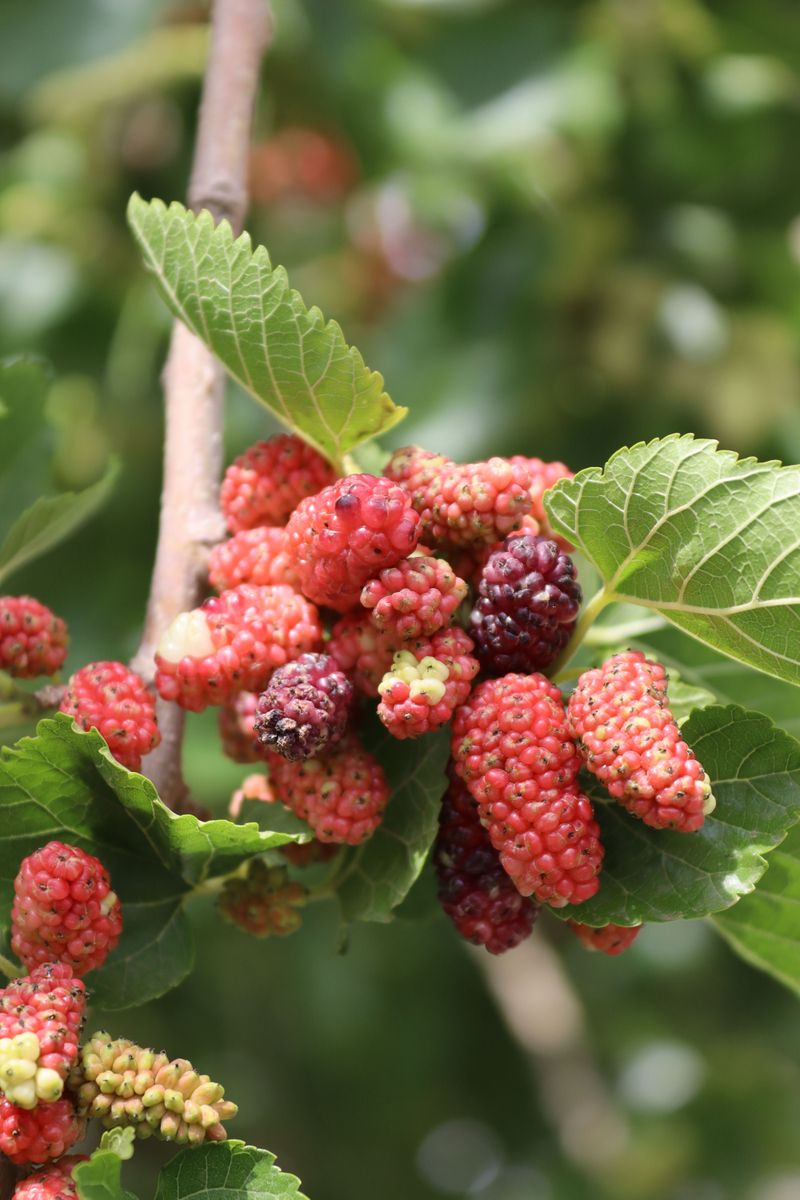
Purple footprints across a light kitchen floor are the classic calling card of a fruiting mulberry tree nearby. I laughed the first time I saw it, but scrubbing those stains later was not funny at all.
Red mulberry, Morus rubra, is native to much of the eastern half of the state and grows quickly. Its berries ripen in late spring and fall in such numbers that sidewalks turn dark and slick.
Birds adore the fruit, which sounds lovely until they perch on your fence and share the results. Cars parked beneath a loaded branch often end up speckled with purple spots that bake on in sunshine.
Many nurseries sell fruitless mulberry selections, which are male trees that skip the berries but release lots of pollen.
Allergy sufferers sometimes regret those trees too, and some cities discourage planting them for that very reason.
You need to place a fruiting mulberry well away from patios and driveways if you truly want one. A back corner near a wildlife garden works nicely, since the birds can clean up most of the mess.
Spreading a tarp under the branches during ripening makes harvesting easier and keeps the lawn much tidier. Fresh berries taste sweet and slightly tart, so jam or a cobbler can turn the mess into a treat.
Personally, I think mulberries belong in big open spaces rather than small suburban yards with light concrete.
Choose your spot wisely, and that purple rain might become something you look forward to every spring.
2. Texas Persimmon
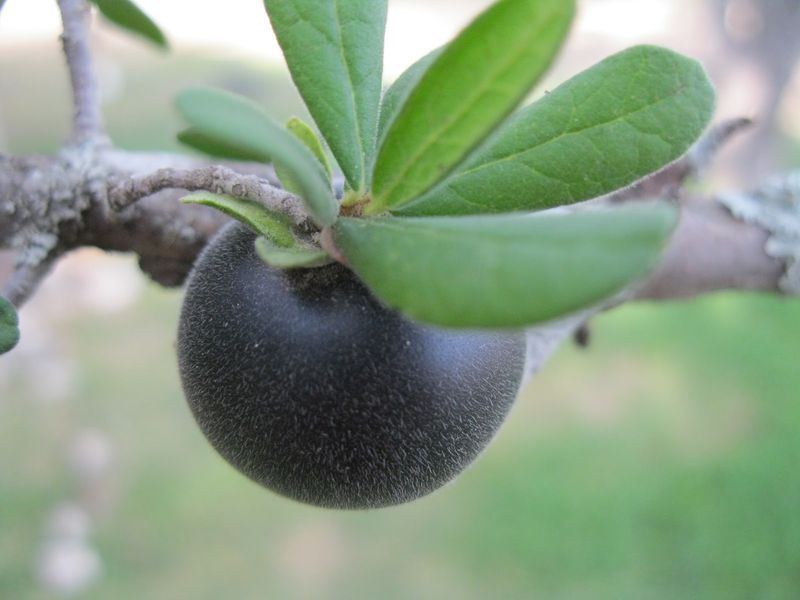
Black fruit that looks like a tiny olive might not seem troublesome, yet it stains concrete like ink. Texas persimmon packs a surprising amount of dark juice into each little sphere, and bare feet find it fast.
Diospyros texana is a native small tree or large shrub found across central and western parts of the state. Its smooth, peeling gray bark is gorgeous, and I love how the trunk looks almost like polished stone.
Female trees carry the fruit, which ripens from late summer into fall and drops steadily for weeks.
Squashed persimmons leave purple-black smears that can linger on patios and sidewalks long after the season ends.
Wildlife loves this fruit, and foxes and many songbirds happily snack on the sweet, soft pulp underneath. People can eat the ripe fruit too, though the large seeds leave little flesh for all your trouble.
If you want the bark without the mess, look for a male tree from a native plant nursery. Male trees bloom but produce no fruit, so your walkways stay clean while pollinators still get a visit.
Drought tolerance makes this tree a smart pick for rocky, alkaline soils that challenge many other plants. Plant it in full sun or light shade, and water deeply only during the first couple of summers.
I believe it deserves a spot in native gardens, just not right beside the front door. Give a fruiting female some room near a wild border, and both you and the critters will be happier.
3. Sweetgum
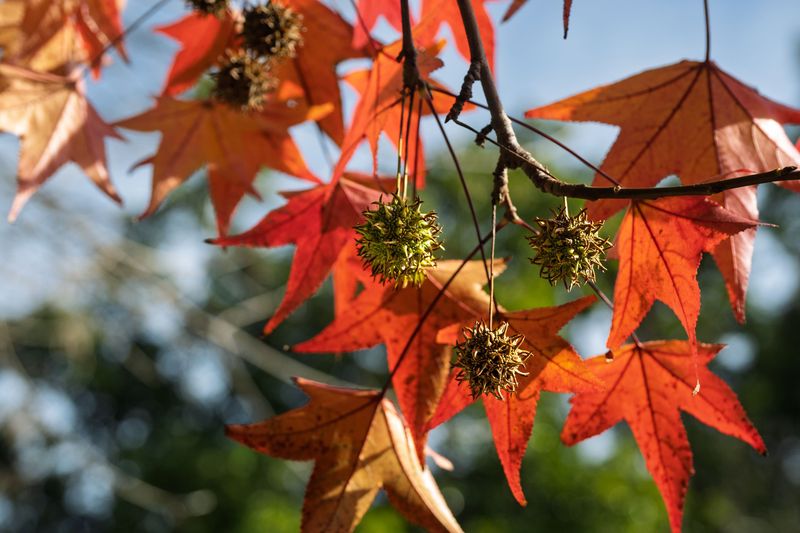
Rolling an ankle on a spiky brown ball is a rite of passage for anyone with a sweetgum tree. Those prickly gumballs roll like marbles on sidewalks and hide in the grass until your mower finds them.
Liquidambar styraciflua is native to the eastern forests of the state and can reach heights near one hundred feet.
Its star-shaped leaves turn shades of red and purple in fall, which explains why so many people plant it.
The gumballs are actually clusters of seed capsules, and they keep falling through winter and into early spring.
A single large tree can cover a lawn with hundreds of them, making barefoot summer play almost impossible.
Mowers can fling the hard balls with surprising force, so rake first and wear safety glasses while cutting. I keep a rolling nut gatherer by the shed, and it saves my back during the heaviest drop weeks.
You might notice that goldfinches and squirrels pick at the capsules, eating some of the tiny winged seeds. That helps a little, though the woody shells stay behind and take a long time to break down.
A cultivar called Rotundiloba produces few or no gumballs and has rounded leaf lobes instead of pointy ones. It offers similar fall color, so you can enjoy the show without the spiky cleanup chores.
Sweetgums prefer moist, slightly acidic soil and often struggle with chlorosis in alkaline ground farther west. Plant one where its roots have room, since surface roots can lift nearby sidewalks over time.
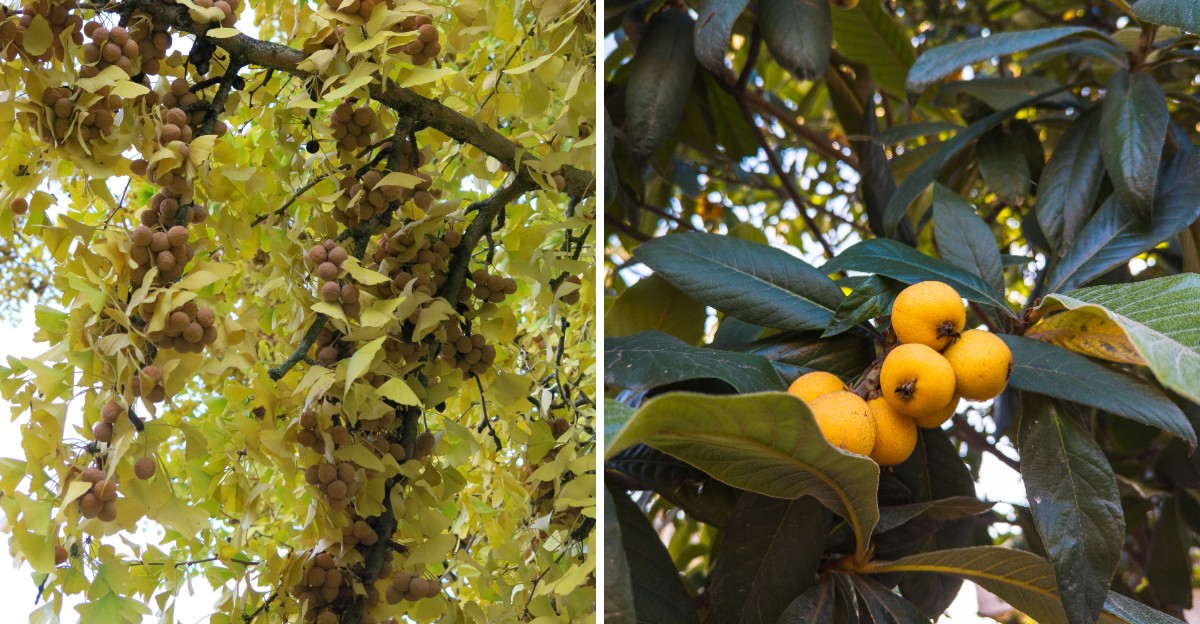
4. Female Ginkgo
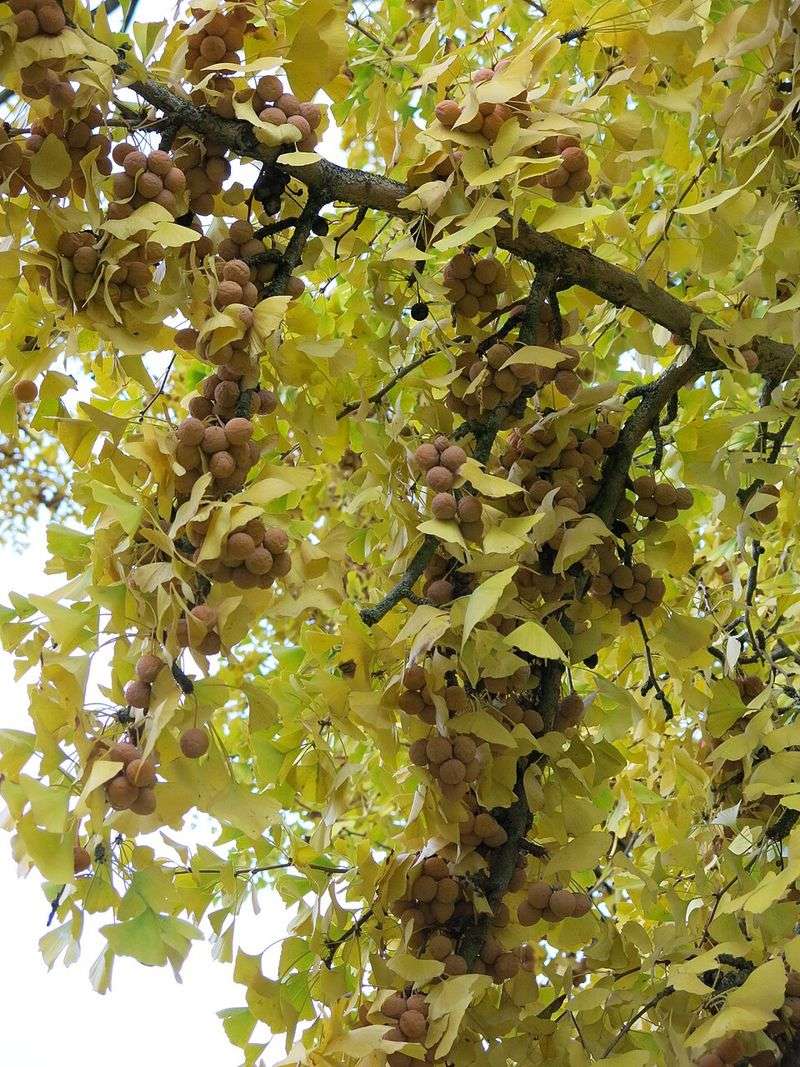
Few smells rival a sidewalk covered in squashed ginkgo seeds, and people often compare it to rancid butter. I once walked past a female tree in fall and honestly checked the bottom of my shoe twice.
Ginkgo biloba is an ancient species with fan-shaped leaves that turn a brilliant buttery gold in autumn. Fossils show its relatives grew alongside dinosaurs, which makes it one of the oldest tree lineages on Earth.
Only female trees produce the fleshy seeds, and their outer coat contains butyric acid that creates the stink. The pulp can also irritate skin for some people, so wear gloves if you need to clean it up.
Trees can take twenty years or more to reach maturity, so many owners discover the problem far too late.
That surprise explains why nurseries now focus on grafted male selections like Autumn Gold and Princeton Sentry.
Ginkgo grows best in the cooler northern and central parts of the state, where summers feel a bit milder. In the hottest southern areas, leaves can scorch, so afternoon shade and deep watering help a great deal.
You need to buy from a reputable seller and confirm the tag lists a named male cultivar. Seedling trees are a gamble, and you will not know the gender until fruit appears years later.
Personally, I adore the golden leaf drop, which often happens almost overnight once cold weather arrives. Choose wisely, and you will get that glowing carpet without the lingering smelly surprise each autumn.
5. Loquat
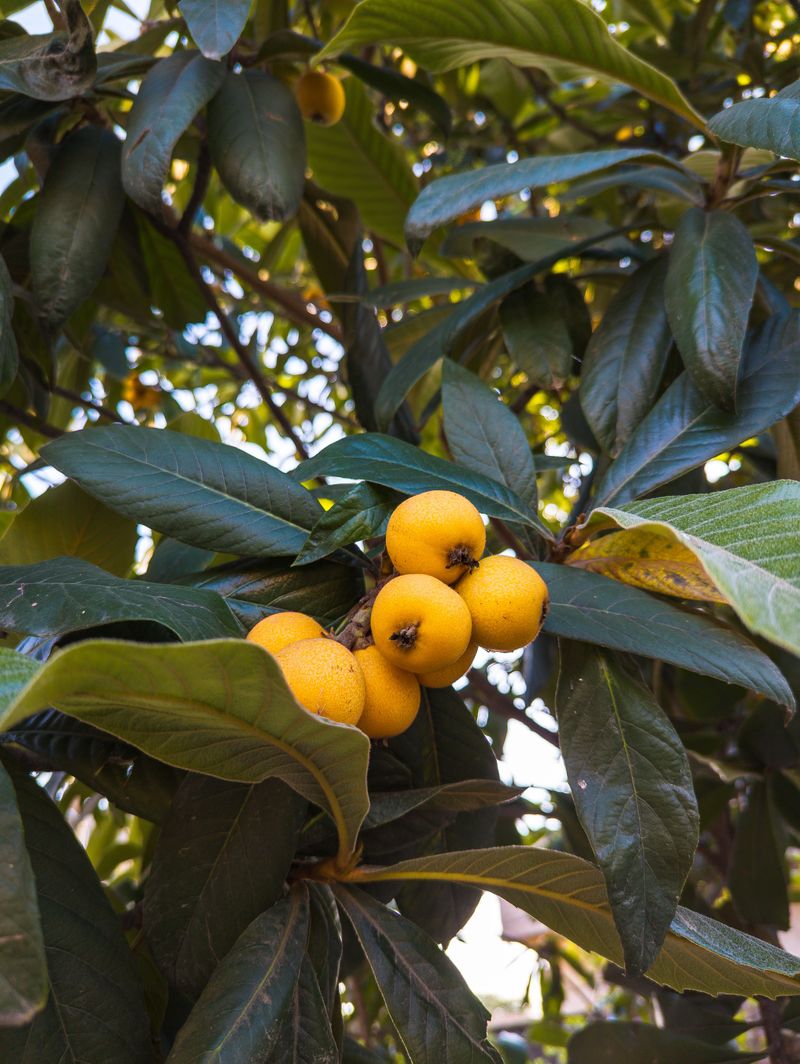
Golden fruit hanging in clusters each spring looks like a gift, until half of it lands on your patio. Loquats bruise easily, and the fallen ones turn brown and mushy within days under a warm sun.
Eriobotrya japonica is an evergreen small tree with big, leathery leaves that give yards a tropical feel. It blooms in fall or early winter, and fruit usually ripens in late winter or spring.
Wasps and fruit flies find dropped loquats quickly, and stepping on one barefoot is a sticky mistake. Raccoons and opossums may also show up at night, hoping for an easy sweet snack under the branches.
Loquats handle the mild winters of the southern and coastal regions, though hard freezes can ruin flowers. Fruit forms only when blossoms escape frost, so northern gardeners may see leaves but rarely any harvest.
I love how the fruit tastes, a little like apricot mixed with plum and a hint of citrus. Picking ripe fruit promptly is the easiest way to cut down on the mess and enjoy the bounty.
Keep the canopy pruned low after harvest so you can reach most clusters without a tall ladder. Thinning some fruit clusters early can also produce larger loquats and fewer small ones dropping to the ground.
Seeds contain compounds that can be toxic in large amounts, so toss them rather than chewing or grinding them. Plant it away from pools and patios, and that tropical look will feel far less like a chore.
6. Fig
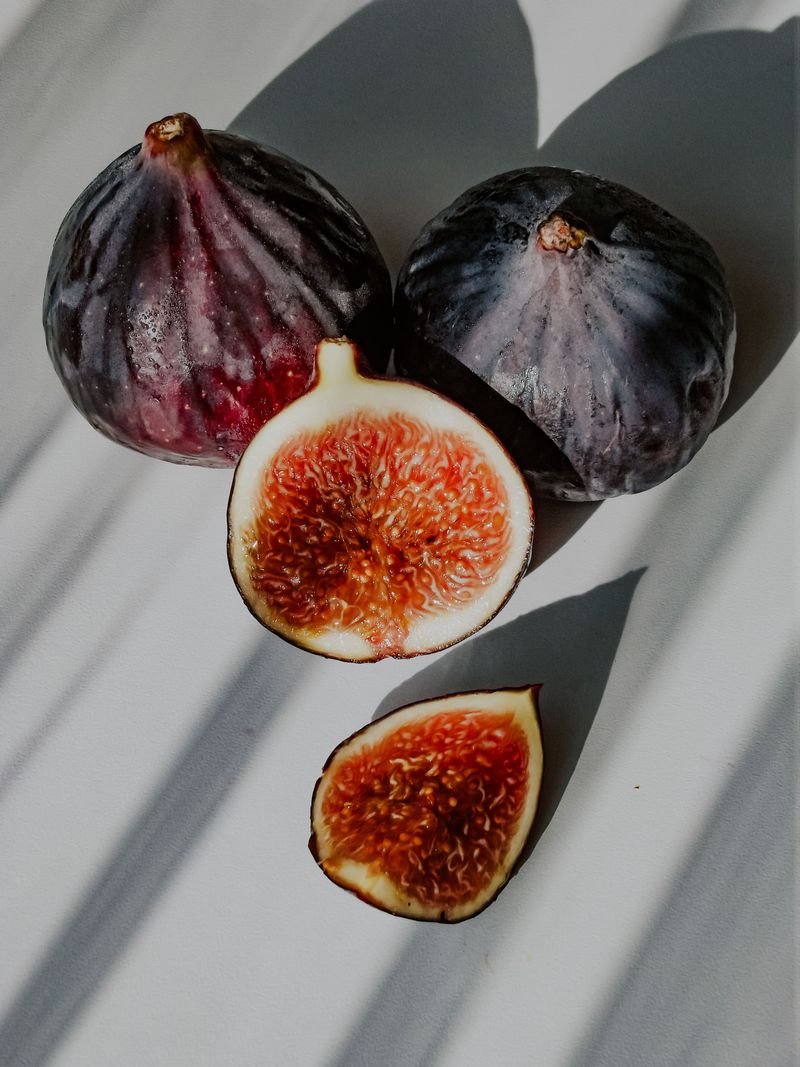
Sticky figs split open on hot summer days, and the sweet smell draws green figeater beetles by the dozen. Watching those shiny bugs buzz around like tiny helicopters is fun once, but the mess gets old quickly.
Common fig, Ficus carica, grows well across much of Texas and produces fruit in summer, sometimes with two crops.
Celeste and Alma are popular picks because they handle heat well and usually ripen with tightly closed eyes.
A closed eye helps keep out insects and rain, which reduces souring and spoilage on the branch. Still, any fig left hanging too long will drop, attracting ants and wasps to the soft pulp below.
Birds love figs as much as we do, and mockingbirds often peck holes before the fruit is fully ripe. Lightweight bird netting draped over smaller bushes protects the crop and keeps half-eaten fruit off the ground.
You need to pick figs every day or two during peak season, since ripe fruit softens fast. A ripe fig droops on its stem and feels soft, and that is the moment to grab it.
Fig sap can irritate skin, especially in strong sunlight, so wear long sleeves and gloves while harvesting. I learned that lesson with itchy forearms, and now I keep an old long-sleeved shirt just for picking.
Plant figs in full sun near a wall where you can reach them easily, not over the driveway. Regular picking turns a sticky problem into homemade preserves, and your neighbors will gladly take extras.
7. Pecan
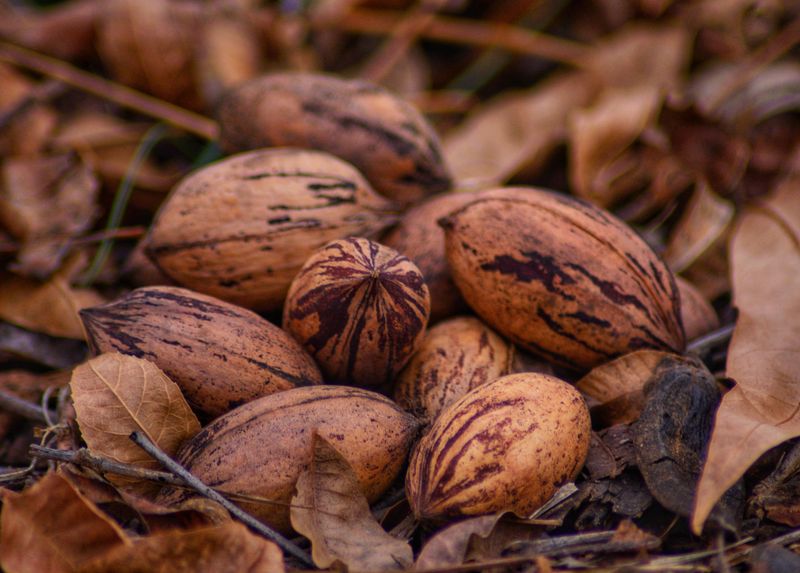
Hard shells crunching under every step sound charming in October, until you realize the drop lasts for weeks. Pecan trees reward patience with tasty nuts, but they also hand you plenty of raking and sweeping.
Carya illinoinensis is the official state tree of Texas, and mature specimens can top one hundred feet. Nuts drop in fall, along with split green husks that stain hands and concrete a dark brown.
Squirrels and crows grab nuts, then bury them in flowerbeds, where surprise pecan seedlings pop up next spring. Pulling those sprouts early is much easier, since young pecans grow a deep taproot remarkably fast.
Aphids feeding on leaves in summer drip sticky honeydew, which coats cars and patio furniture below.
Black sooty mold can grow on that residue, giving outdoor surfaces a grimy look that needs scrubbing.
Branches are also prone to breaking during storms, and large limbs can fall onto roofs or fences. Regular inspection by a certified arborist helps spot weak areas before a windy night turns them into problems.
You need plenty of space, so plant pecans at least thirty feet away from houses and driveways. Deep, well-drained soil suits them best, and zinc deficiency is common in alkaline soils farther west.
I can’t imagine Thanksgiving without a homemade pecan pie, so I happily accept a bit of sweeping. Choose a roomy spot, grab a nut gatherer, and that fall mess becomes a delicious tradition.