What Wisconsin Gardeners Should Know Before Using Pebbles Around Plants
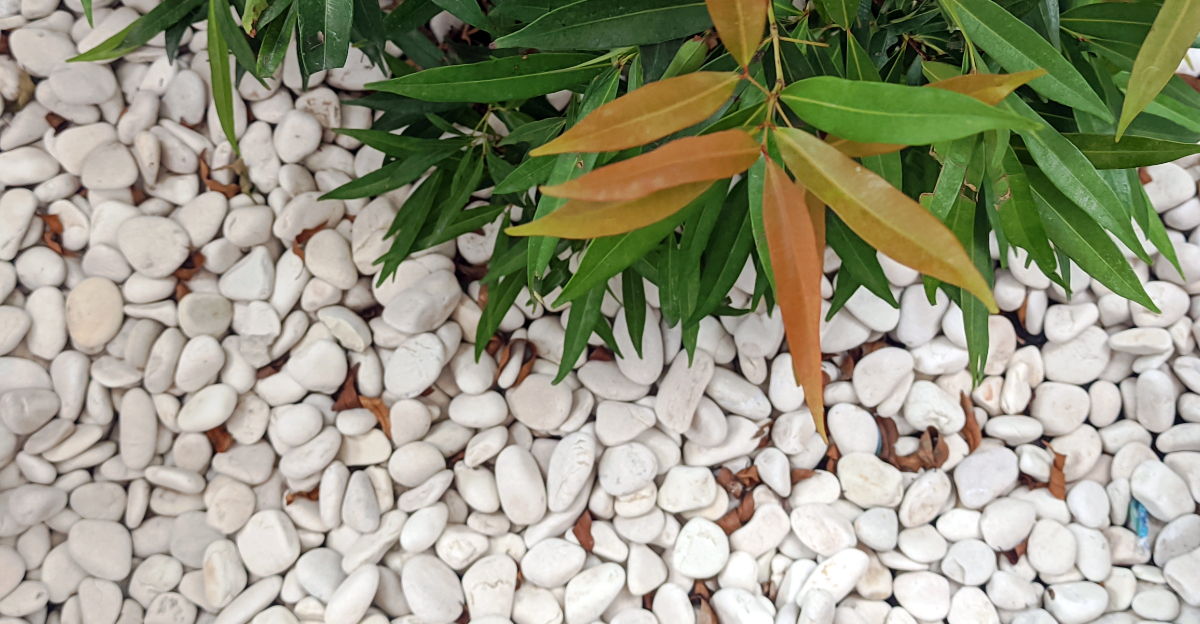
River rock has a certain stubbornness to it. It won’t wash out in a spring downpour, fade under August sun, or need a fresh layer every year the way bark mulch does.
But Wisconsin plays by different rules than Arizona. Frozen ground, dense clay, and thaw cycles that flood one week and crack dry the next change how rock behaves once it hits your soil.
Pebbles can sharpen up a bed and cut down on weeding, or they can trap moisture against roots and turn a border into a swamp. Which one happens depends on placement, depth, and what’s actually growing underneath.
Before you order a truckload, here are six things worth knowing about rock mulch in a Wisconsin garden.
Pebbles Trap Heat Near Plant Roots
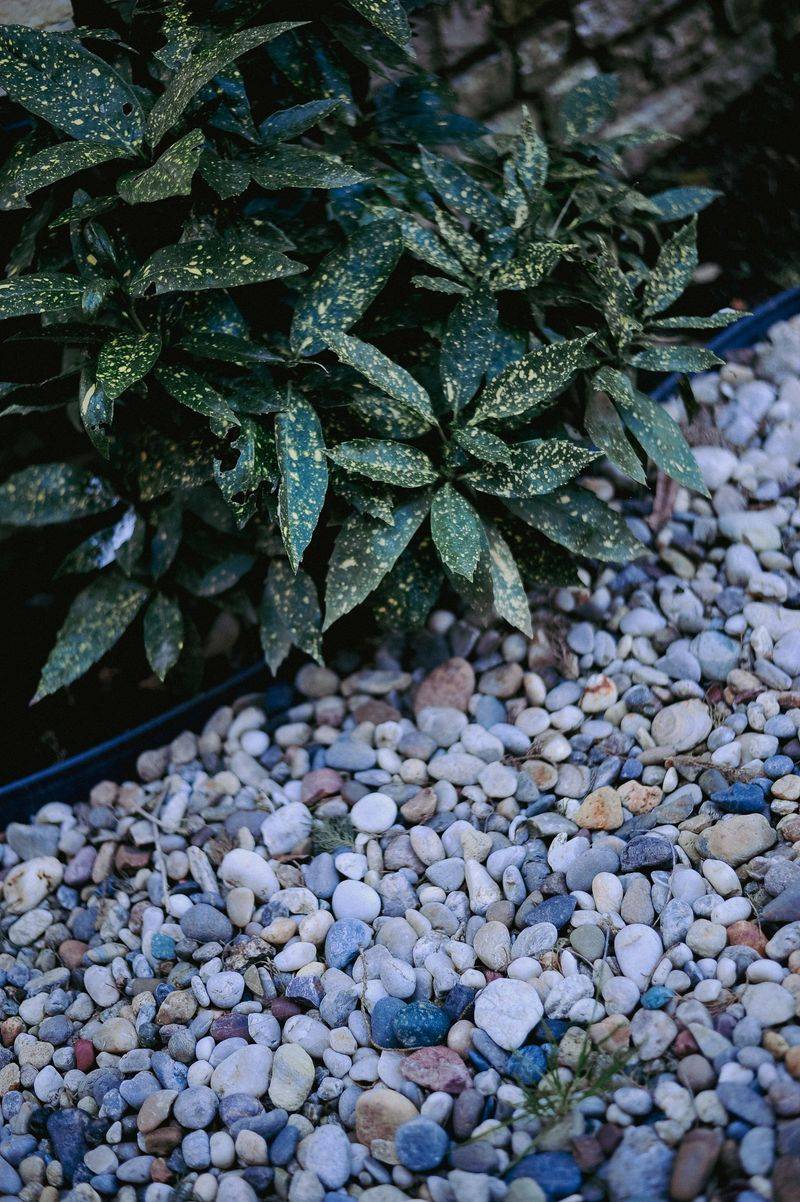
Rocks get hot. On a sunny July afternoon in Wisconsin, pebbles can reach temperatures well above the surrounding air.
Stone absorbs solar energy fast and holds it for hours after sunset. That stored warmth radiates directly down into the soil beneath your plants.
For some plants, that extra heat is no big deal. For others, it creates a stressful environment that slows growth and damages roots.
Wisconsin summers can already push soil temps into uncomfortable ranges. Adding a rock layer on top makes that problem worse in a hurry.
Shallow-rooted perennials are especially vulnerable to this effect. Plants like hostas and astilbes prefer cool, moist soil, and pebbles work against both of those needs.
The heat also speeds up moisture loss from the ground. Water evaporates faster when soil temperatures are elevated, which means you end up watering more often.
On the flip side, pebbles can offer some benefit in early spring. They soak up daytime warmth and release it slowly at night, which can protect against surprise frost damage.
But that advantage fades quickly once summer arrives. The same property that helps in April becomes a liability in August.
Gardeners who use pebbles around plants in sun-baked spots often notice leaf scorch and wilting that is hard to explain. The culprit is usually the soil temperature beneath the rocks.
Checking soil temp with a basic thermometer before and after adding rock mulch is a smart move every gardener should try.
Drainage Issues Develop Underneath Rock Mulch
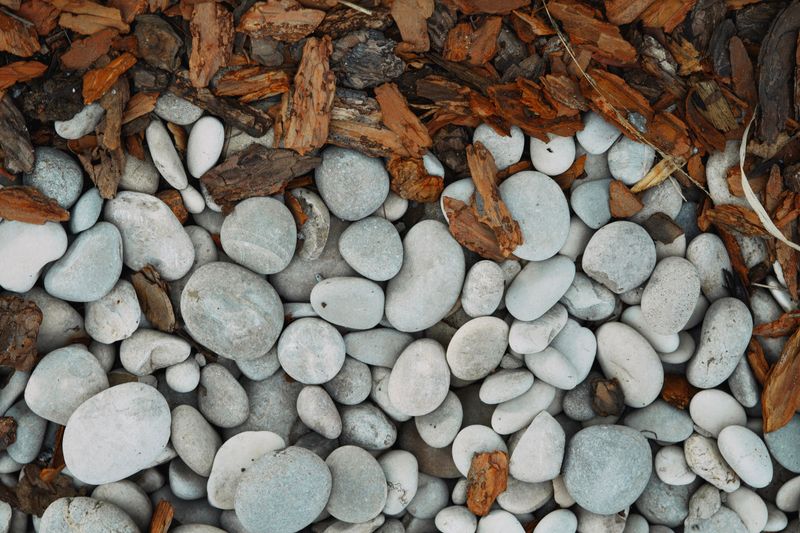
Standing water is one of the most common garden problems. Rock mulch can quietly make drainage problems much worse over time.
Pebbles themselves drain well on the surface, but the layer beneath them tells a different story. As soil settles and compacts under the weight of rocks, water movement slows down significantly.
Wisconsin soils are often heavy with clay, especially in the southern and eastern parts of the state. Clay already drains slowly, and adding a rock layer on top seals in moisture in all the wrong ways.
When rain hits pebbles, it bounces and scatters before soaking in. That scattered water often runs sideways instead of straight down into the root zone.
Over a few seasons, fine silt and debris wash down between the rocks. That material fills the gaps and creates a nearly solid layer that water struggles to pass through.
Your Wisconsin Garden Changes Every Week. Your Plan Should Too.
Gardening in Wisconsin changes quickly throughout the season. Every Friday you’ll receive a simple weekly plan showing exactly what to plant, prune, fertilize, harvest, and protect so you never miss the right timing.
Plant roots sitting in soggy soil face a tough situation. Oxygen gets pushed out of the soil, and roots are deprived of what they need to function.
Root rot is a common result of poor drainage under rock mulch. It often looks like a watering problem, so gardeners add more water and accidentally make things worse.
Installing landscape fabric under pebbles adds another barrier to drainage. Many gardeners use it to block weeds, but it often traps water instead.
Testing your soil drainage before adding any mulch is a practical first step. A simple percolation test takes about thirty minutes and can save you a season of headaches.
Weed Growth Persists Through Small Gaps
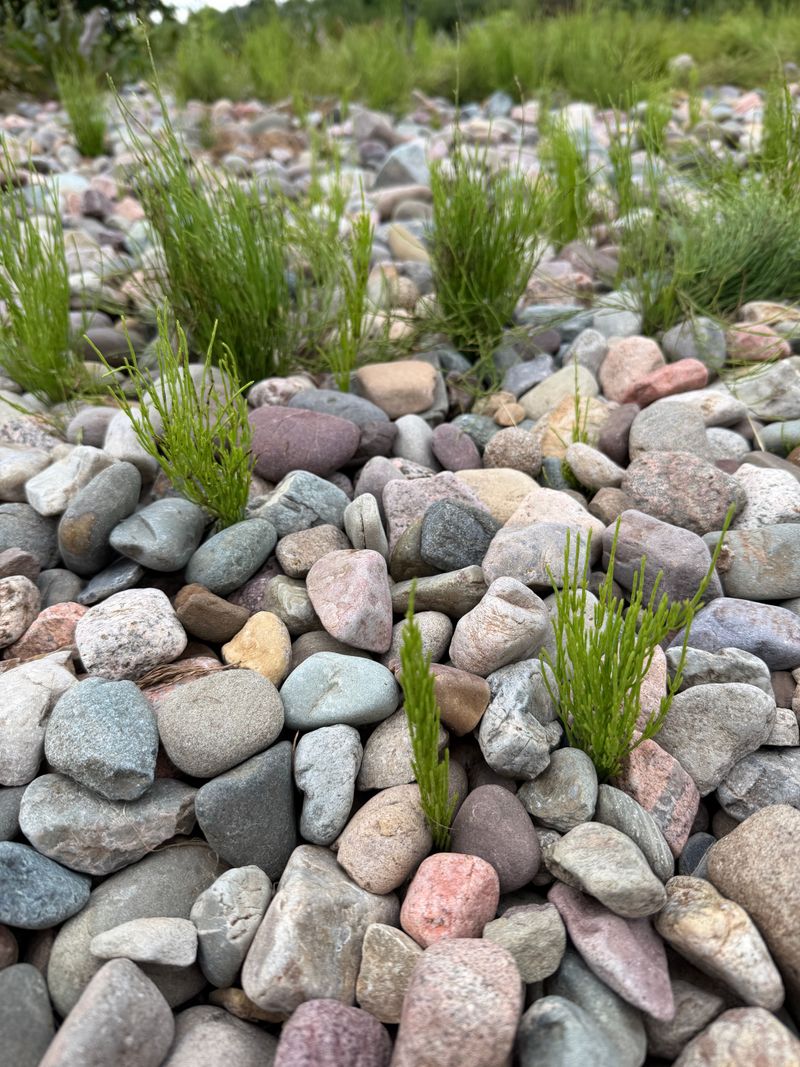
Pebbles promise a weed-free garden. That promise does not always hold up past the first summer.
Airborne weed seeds land on top of rock mulch constantly. Dust, organic debris, and decomposed leaf matter collect between the pebbles and create a perfect little seedbed.
Dandelions, crabgrass, and creeping Charlie are especially persistent in Wisconsin. Their seeds are tiny enough to settle into even the smallest gaps between rocks.
Once a weed takes root between pebbles, pulling it out becomes frustrating. The rocks shift around, the roots hold tight, and you often end up leaving part of the root behind.
Landscape fabric under pebbles helps at first. But over a couple of seasons, roots push through the fabric or grow along the top of it, making removal even harder.
Weeds that grow through rock mulch tend to look worse than those in bare soil. The contrast between clean pebbles and scraggly weeds is hard to ignore from the street.
Organic mulch like wood chips actually suppresses weeds better over time. As it breaks down, it creates a dense mat that most weed seeds struggle to penetrate.
Spot-treating weeds in rock mulch with herbicides is tricky. Chemicals can linger in the soil longer under rocks, and runoff can reach nearby plants or waterways.
Staying ahead of weeds in a pebbled bed requires consistent effort every few weeks. For many gardeners, that ends up being more work than they expected when they first laid the rocks.
Soil Nutrients Become Harder to Replenish
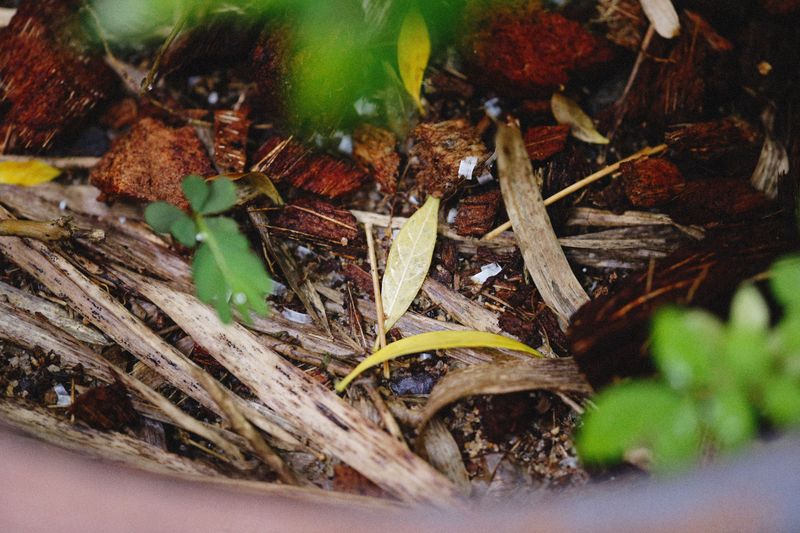
Healthy soil is a living system. Pebbles sitting on top of it can quietly reduce the nutrients it depends on.
Organic mulches break down over time and feed the soil with nutrients. Pebbles do not break down, so they contribute nothing to the ground beneath them.
Earthworms and soil microbes need organic matter to thrive. Without a steady supply of decomposing material, their populations shrink and soil health declines slowly.
In Wisconsin, where growing seasons are short, soil fertility matters a lot. Plants need all the support they can get to grow strong before the cold returns.
Adding fertilizer to a rock-mulched bed is not impossible, but it is awkward. Granular fertilizers get trapped between pebbles and rarely reach the root zone evenly.
Liquid fertilizers work better in pebbled beds, but they require more frequent application. The lack of organic matter means nutrients do not linger in the soil as long.
Compost is one of the best soil amendments available to any gardener. Working compost into a pebbled bed means moving rocks, applying the material, and then replacing everything again.
That cycle of disruption is tedious enough that many gardeners skip it. Over several years, the soil under rock mulch often becomes compacted, depleted, and difficult to work with.
Plants in pebbled beds often show signs of nutrient stress by mid-summer. Pale leaves, slow growth, and poor flowering are common signals that the soil beneath needs some serious attention.
Certain Plants Tolerate Rock Mulch Better
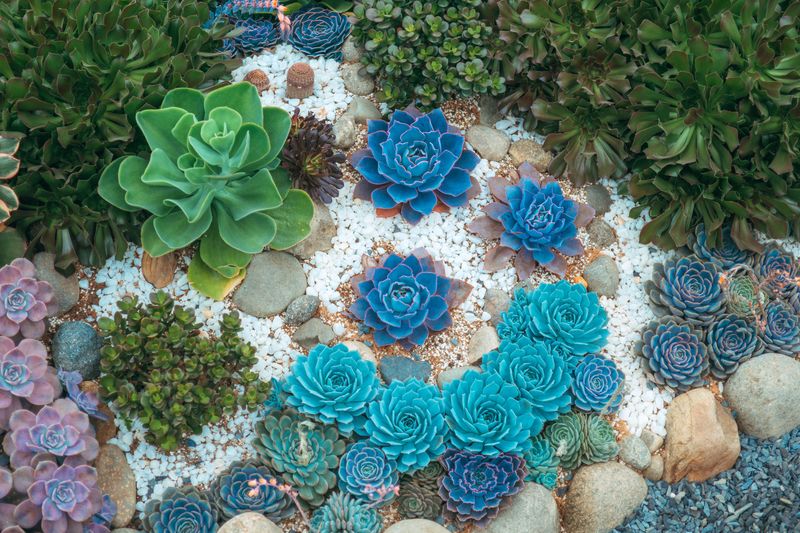
Not every plant hates pebbles. Some actually thrive when surrounded by rock mulch, especially in the right conditions.
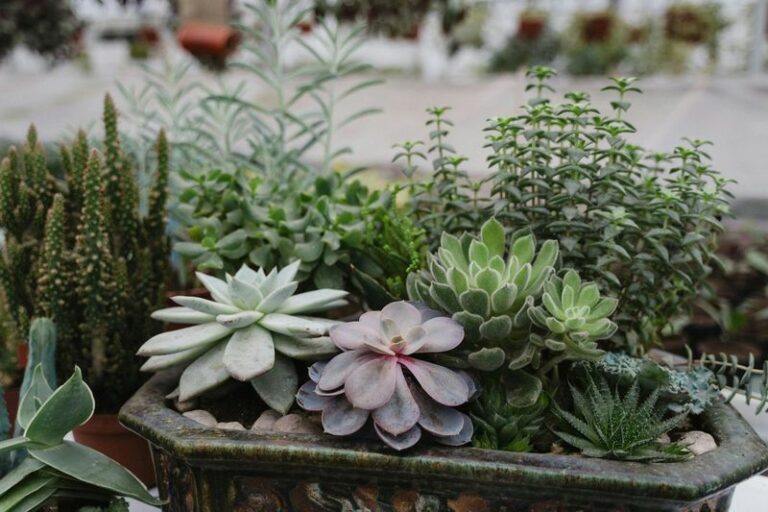
Drought-tolerant plants are the best candidates for rock mulch pairing. They are built for warm, dry conditions, and the heat that pebbles radiate suits them well.
Sedum is a fantastic example. This tough succulent stores water in its leaves and holds up well in the hot, dry soil that rock mulch creates beneath it.
Ornamental grasses also hold up well around pebbles. Varieties like blue oat grass and prairie dropseed are native-friendly options that handle the heat without complaint.
Lavender is another strong performer in rock mulch settings, especially in the warmer parts of the state. It prefers excellent drainage and warm soil, so pebbles around plants like this one actually improve growing conditions.
Creeping thyme stays low and spreads happily between rocks. As a bonus, it releases a pleasant scent when brushed, which makes it a sensory delight along pathways.
Yarrow, coneflower, and black-eyed Susan are tough, widely grown Wisconsin plants that handle rocky, warm conditions with ease. Planting these in pebbled areas gives you color without constant babying.
The key factor is matching plant needs to what rock mulch provides. Hot, dry, and well-drained is the environment pebbles create, so choose plants that love exactly that.
Avoid pairing pebbles with moisture-loving or shade-preferring plants. That mismatch leads to stress, poor performance, and a lot of unnecessary troubleshooting throughout the growing season.
Organic Mulch Offers More Flexibility
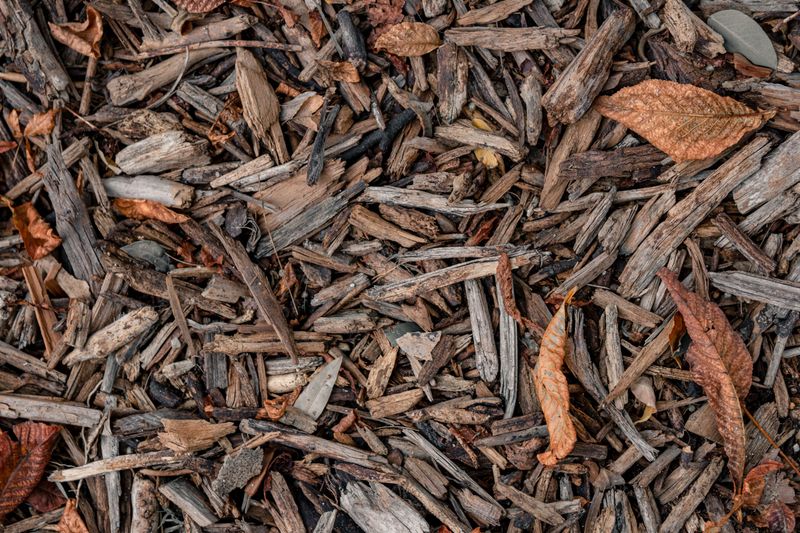
Wood chips smell like a forest floor. That earthy scent is a clue that something good is happening beneath the surface.
Organic mulch breaks down and feeds the soil continuously. That process builds up the rich, spongy growing environment that most garden plants genuinely prefer.
Shredded leaves, bark chips, and straw all insulate soil differently than rocks do. They buffer temperature swings instead of amplifying them, which is a big advantage in Wisconsin’s wild weather.
Pebbles around plants lock you into a decision that is hard to reverse. Moving rocks out of an established bed takes real effort and often damages plant roots in the process.
Organic mulch, on the other hand, gives you options. If a plant struggles, you can pull the mulch back, amend the soil, and adjust without a major renovation project.
Wood chips also hold moisture better than pebbles do. They slow evaporation at the soil surface, which means less watering during dry summer stretches.
Earthworms love organic mulch. They pull decomposing material down into the soil, improving structure and aeration in ways rock mulch typically can’t match.
Cost is another factor worth considering. Quality pebbles are expensive upfront, while shredded leaves from your own yard cost nothing to collect and spread.
For most Wisconsin gardeners, organic mulch is simply the smarter long-term choice. Using pebbles around plants works in specific spots, but organic options give your whole garden a better foundation to grow from.