This Simple Herb Could Be The Secret To A Fly-Free Virginia Yard
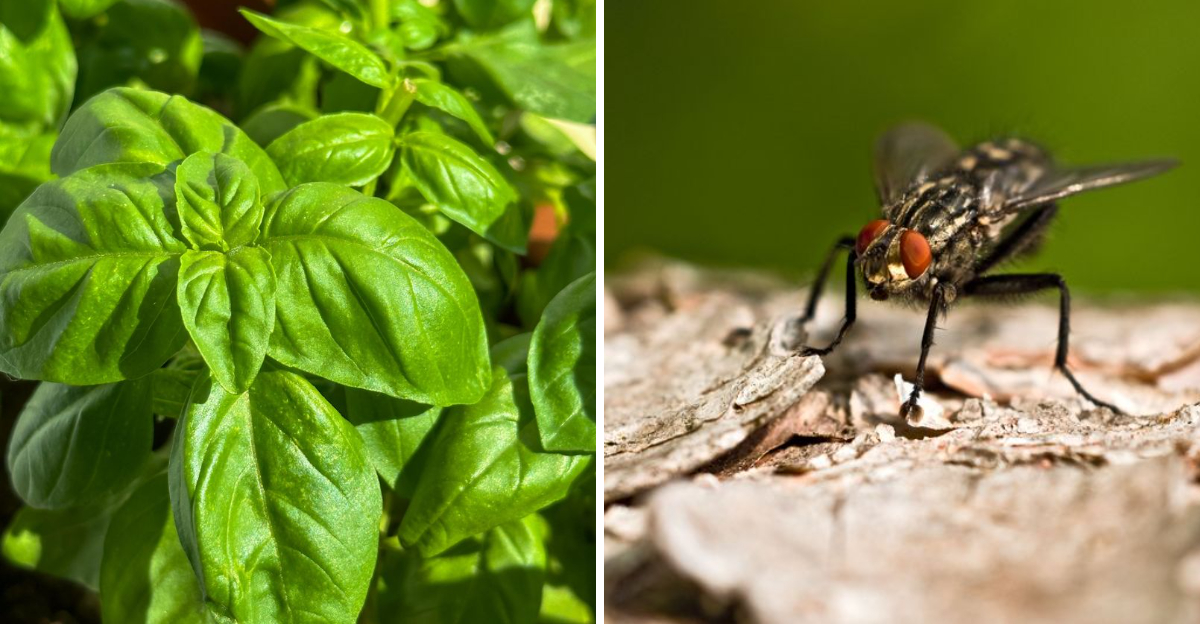
Flies always find you first when cookouts begin outside today. Summers in Virginia turn outdoor gatherings into constant frustration. Sweat, sauce, and heat keep pulling every fly toward you.
Nobody warns you how fast a calm evening turns unpleasant. Bug spray only leaves you sticky without fixing the problem. Citronella candles flicker out right when you need them most.
Backyards across Virginia seem to draw flies straight toward you. An ordinary item in your kitchen has a lesser-known use. Gardeners near you have relied on this trick for years.
Placement around your space matters far more than you expect. Nothing about this method demands chemicals or complicated effort from you.
Warm, humid air only strengthens this trick’s hidden effect. Relief finally arrives without costing you money or your patience. This method is simpler than you might expect.
Why Flies Are Such A Problem In Virginia Yards
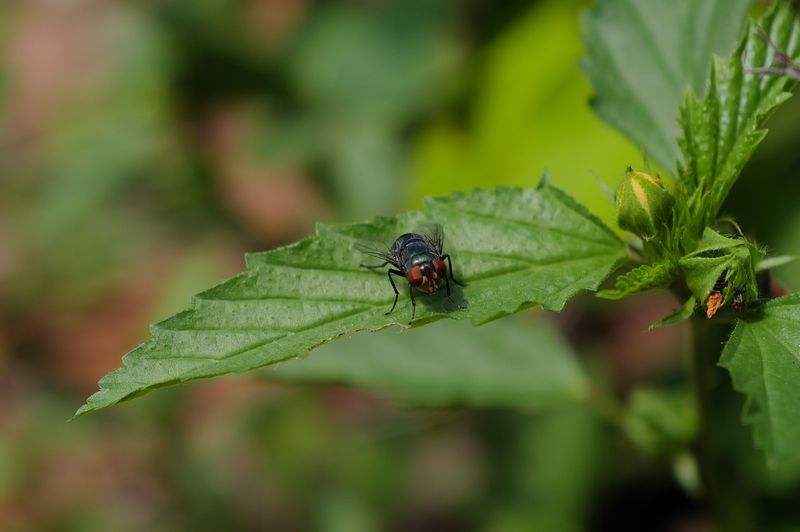
Flies in a warm, humid yard are not just a nuisance. They carry bacteria and land on everything from your food to your skin.
Summers in the mid-Atlantic region bring heat and moisture. That combination creates a perfect breeding ground for houseflies, bottle flies, and gnats.
Standing water, compost piles, and pet waste all attract flies fast. Once they find a yard they like, they stick around all season long.
Outdoor meals can become frustrating. You swat, cover food, and light candles, but the flies keep coming back.
Many homeowners turn to chemical sprays. Those products can work short-term, but they also affect pollinators and can be harsh around kids and pets.
The real fix is creating an environment flies do not want to be in. That starts with understanding what actually repels them at the source.
A yard with far fewer flies is possible without toxic products. The secret might already be sitting in your kitchen cabinet as dried leaves or seeds.
Basil is one of several natural fly repellents worth trying. Planting it strategically around your outdoor space can make a real, noticeable difference this summer.
Basil: The Herb That Naturally Repels Flies
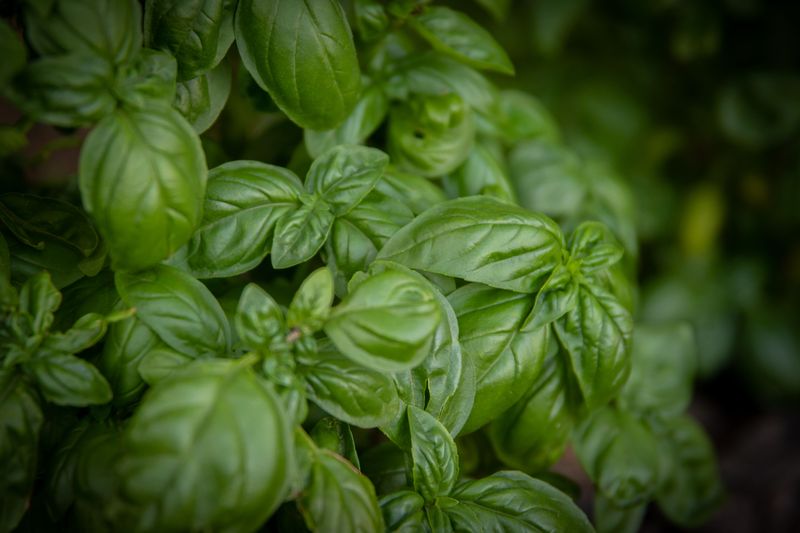
Basil is not just for cooking. It has reportedly been used for generations as a natural insect repellent in gardens across Europe and Asia.
The plant contains natural oils, including linalool and eugenol. These compounds are pleasant to humans but unpleasant to flies and mosquitoes.
Unlike sprays that fade quickly, a living basil plant releases its scent continuously. Every warm breeze carries those oils outward into your Virginia yard.
You do not need a big garden to benefit. A few pots placed near seating areas or doors can create a noticeable barrier against flying pests.
Sweet basil is the most common variety and the easiest to grow. It thrives in full sun and warm temperatures, making it ideal for summer yards.
Garden centers across the region carry basil seedlings starting in spring. You can also start seeds indoors a few weeks before the last frost date.
This herb is a natural fly-repelling solution that doubles as a cooking ingredient. You get two major benefits from one affordable, easy-to-maintain plant.
Your Virginia Garden Changes Every Week. Your Plan Should Too.
Gardening in Virginia changes quickly throughout the season. Every Friday you’ll receive a simple weekly plan showing exactly what to plant, prune, fertilize, harvest, and protect so you never miss the right timing.
Growing basil takes very little effort compared to the payoff. A small investment in a few plants can protect your entire outdoor entertaining space all season long.
How Basil’s Scent Works Against Flies
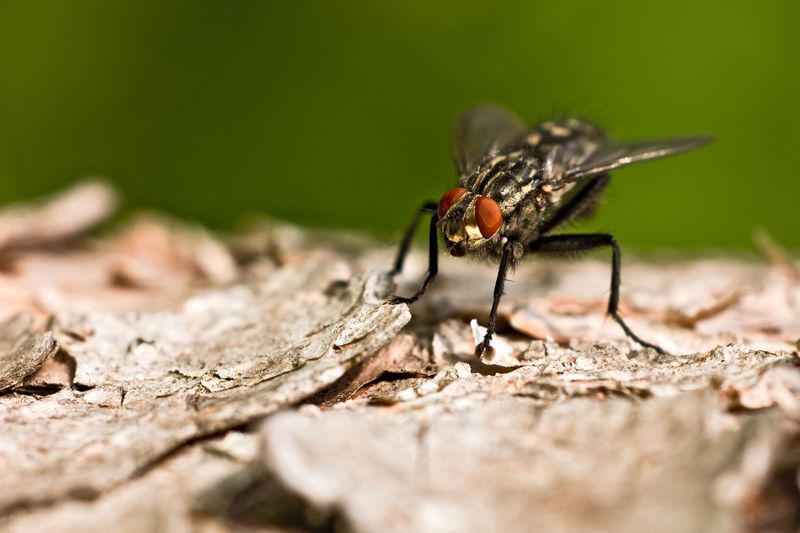
Flies rely heavily on smell to find food and breeding spots. Their olfactory system is sensitive to certain chemical compounds in the air.
Basil produces volatile organic compounds from tiny glands on its leaves. These compounds flood the surrounding air with a scent flies find overwhelming.
Eugenol, one of basil’s key oils, is thought to interfere with a fly’s ability to detect food nearby. Linalool, another compound in basil, is one of the plant’s most studied natural oils.
Preliminary research suggests it may help reduce fly activity in treated areas compared to untreated ones.
The scent is strongest on warm, sunny days. Heat causes the leaves to release more oil, which means basil works hardest exactly when flies are most active.
Brushing or lightly crushing the leaves releases an even stronger burst of scent. Doing this before a backyard gathering can boost the repelling effect noticeably.
Flies also dislike the visual density of a full, leafy basil plant. The layered foliage creates a physical and aromatic barrier they tend to avoid.
Understanding how this plant works helps you use it more effectively. Place it where air circulates freely so the scent spreads wide and keeps flies away from your yard.
Best Spots To Plant Basil In Your Yard
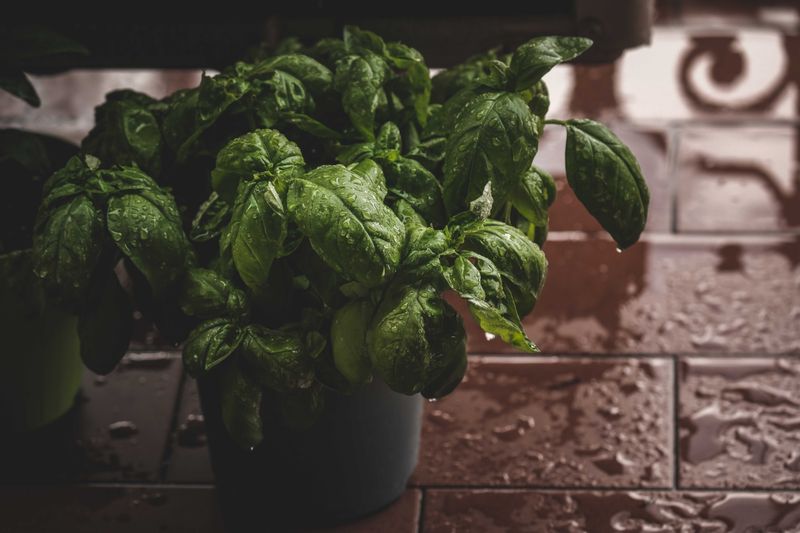
Location matters a lot when using basil as a fly deterrent. Placing it randomly in a back corner will not give you the protection you are hoping for.
Start by putting a pot near your main outdoor seating area. Flies are most annoying where people gather, so that is where basil needs to be.
Place another pot beside your back or side door. This stops flies from sneaking inside every time someone opens the door on a warm afternoon.
If you have a grill or outdoor kitchen area, basil nearby is a smart move. Cooking smells attract flies, and basil can help counteract that magnetic pull.
Window boxes are another great option for homeowners with limited ground space. Fill them with basil and hang them under windows that get afternoon sun.
Pet areas and compost bins attract flies aggressively. Planting basil near those zones adds a layer of natural defense where you need it most.
Make sure each plant gets at least six hours of direct sunlight daily. Basil in shade grows slowly and produces fewer of the oils that repel pests.
Spacing matters too. Give each plant enough room to grow full and bushy. A healthy, thriving plant releases far more scent than a crowded or stressed one.
Additional Benefits Of Growing Basil
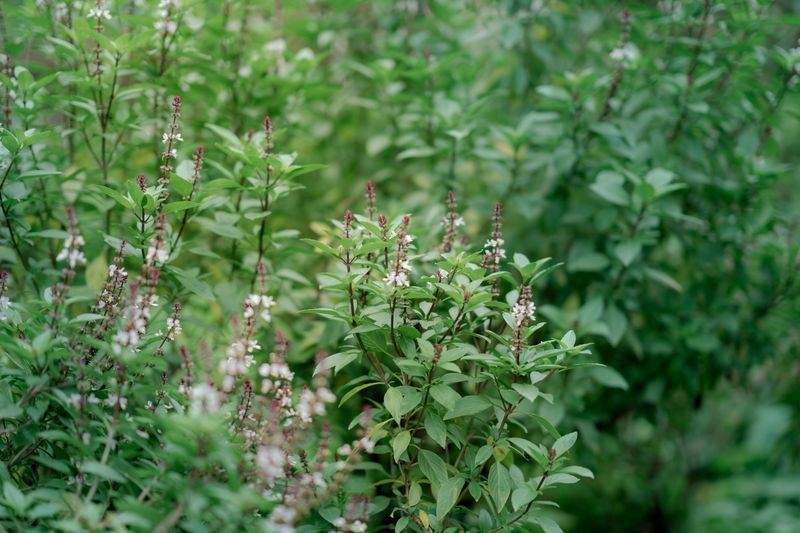
Beyond keeping flies away, basil brings several other advantages to your Virginia yard and home. It is a versatile plant. It is a genuinely multi-purpose plant.
Fresh basil in the kitchen is a game changer. Caprese salads, homemade pesto, and grilled chicken dishes all taste dramatically better with leaves picked straight from your yard.
Basil also attracts pollinators when it flowers. Bees love the small white blooms, which helps support the broader health of your Virginia garden ecosystem.
Some gardeners use basil as a companion plant near tomatoes. It is believed to improve tomato flavor and deter certain garden pests beyond just flies.
The plant also has a long history in herbal medicine. Traditionally, it has been used to support digestion and reduce inflammation in various cultures worldwide.
Growing your own basil saves money at the grocery store. A single plant produces far more leaves than most recipes ever call for in one season.
Basil’s fresh green color and full shape also add visual appeal to a porch or garden bed. It looks lush and intentional even without much effort on your part.
You get pest control, culinary herbs, pollinator support, and garden beauty all from one plant. For a yard with fewer flies that also looks great, basil is a practical option.
Tips To Maximize Basil’s Fly-Repelling Power
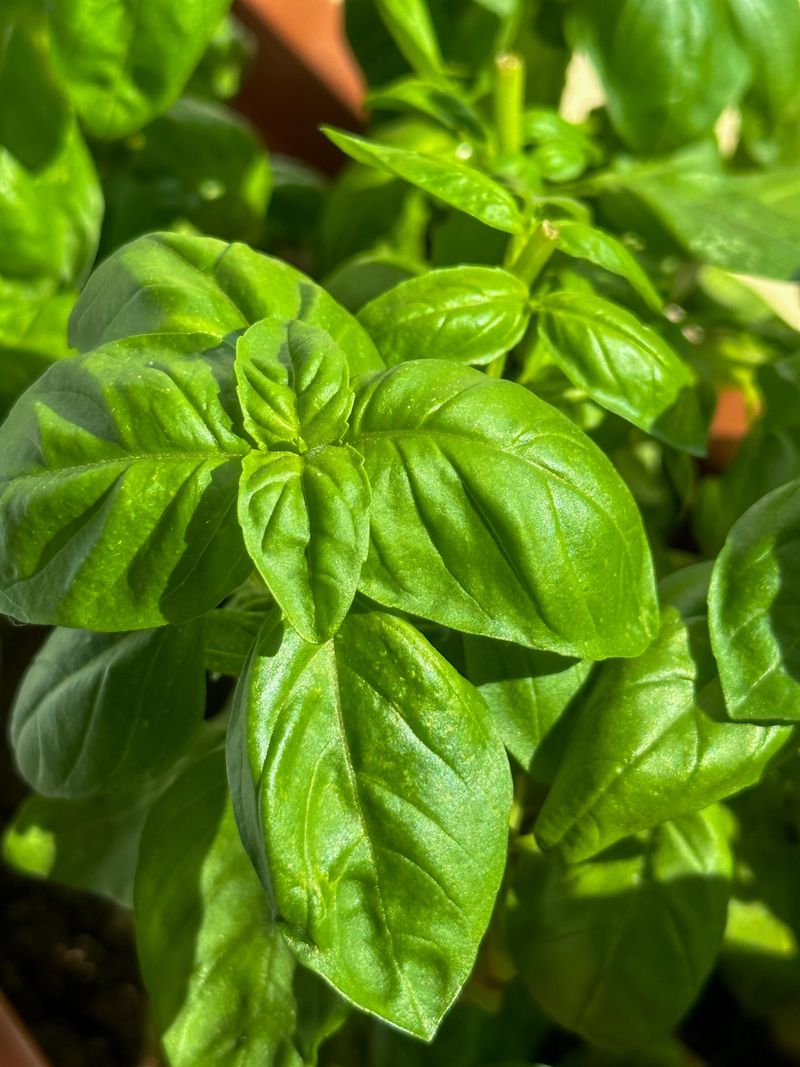
Getting the most out of your basil plants takes just a little extra attention. Small habits make a big difference in how well the plant performs.
Pinch off flower buds as soon as they appear. When basil flowers, it shifts energy away from leaf production and the scent becomes noticeably weaker.
Water plants at the base, not from above. Wet leaves can develop mold, which weakens the plant and reduces its oil output over time.
Feed your basil with a balanced fertilizer every two to three weeks. Healthy plants produce more essential oils, which means a stronger scent barrier around your space.
Gently crush a few leaves before outdoor gatherings. That releases a concentrated burst of aroma that creates an immediate, more powerful repelling zone around seating areas.
Group multiple basil plants together for a stronger effect. A cluster of three or four pots creates a much wider scent radius than a single pot alone.
Rotate your pots to follow the sun throughout the day if possible. Basil in full sun stays more aromatic and grows more aggressively than shaded plants.
Replace older plants at the end of summer with fresh seedlings. Younger plants are more vigorous and release more oils, helping keep flies away through the warm season.
Choosing The Right Basil Variety For Maximum Effect
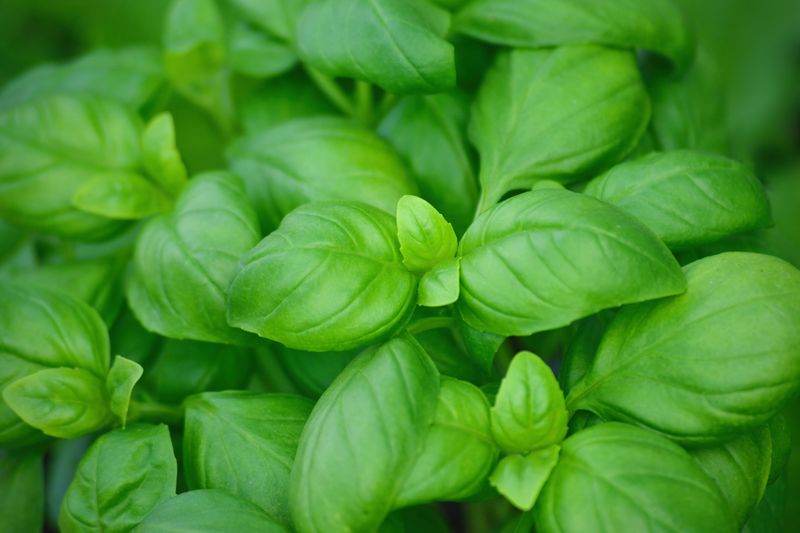
Not all basil is created equal when it comes to repelling flies. Some varieties pack more aromatic punch than others.
Sweet basil is the classic choice and the most widely available. It has a strong, clean scent that flies find particularly off-putting during warm months.
Lemon basil offers a citrus-forward aroma that adds another layer of pest-deterring power. Flies tend to avoid citrus scents almost as much as they avoid strong herbal ones.
Thai basil has a spicier, anise-like fragrance. That distinct scent profile works differently from sweet basil and can complement it well when both are planted together.
Purple basil is visually striking and produces a robust scent. It adds ornamental appeal to a porch or garden bed while still doing the fly-deterring job effectively.
Cinnamon basil smells exactly like its name suggests. That warm, spicy aroma is pleasant for people but highly disorienting for flies trying to navigate your Virginia yard.
Mixing two or three varieties together creates a complex scent environment. Flies struggle to adapt when the aromatic landscape keeps shifting around them.
Visit a local nursery and smell the options before buying. The variety that smells strongest and most pleasant to you is likely the one that will work hardest in your outdoor space.