The Fragrant Arizona Shade Tree That Needs Very Little Cleanup
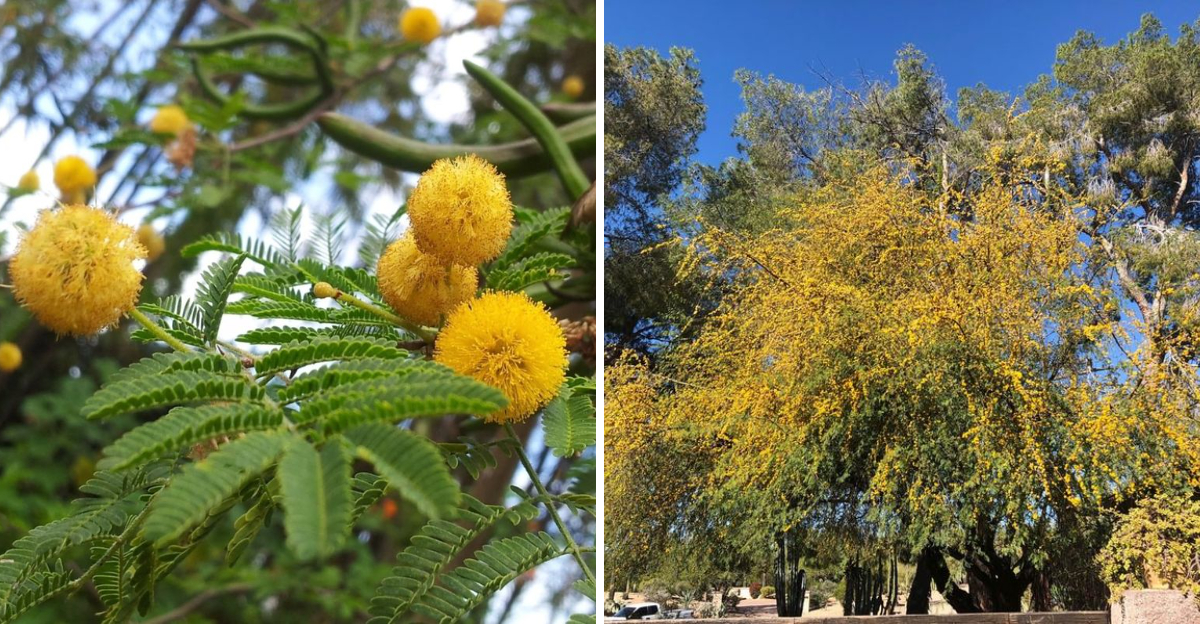
Finding a shade tree that looks beautiful without creating extra work can change how a yard feels. The right choice brings comfort without turning every season into a cleanup project.
Some trees provide welcome cover but leave behind more chores than expected. That is why appearance is only one part of a smart planting decision.
One fragrant shade tree stands apart for homeowners who want beauty with easier care. Its presence adds something special without demanding constant attention.
Arizona yards need trees that can handle challenging conditions while still adding charm. This option proves that a landscape can stay inviting without becoming difficult to manage.
Think about what you want from your next tree before planting.
A low-maintenance shade tree can give you years of enjoyment while keeping outdoor upkeep much simpler.
1. Sweet Acacia Fills The Air With Fragrant Flowers
Few trees can stop you in your tracks the way Sweet Acacia does when it blooms. Those tiny yellow puffball flowers carry a scent that travels surprisingly far on a warm afternoon.
Neighbors often notice the smell before they even see the tree.
Sweet Acacia blooms mainly in late winter through early spring. In warmer desert regions, flowering can sometimes begin as early as February.
Cooler spots may see blooms push into March or April, depending on the year.
Each flower cluster is small but packed with fragrance. The scent is often described as honey-like or slightly sweet, never sharp or overwhelming.
Most people find it genuinely pleasant rather than too strong.
Pollinators love it. Bees show up in good numbers when the tree is in full bloom.
Butterflies and other small insects visit regularly throughout the flowering period.
The flowers do not create much cleanup. They drop cleanly and break down quickly on the ground.
You are unlikely to notice a heavy buildup of spent blooms under the canopy.
For anyone who wants a yard that smells great without a lot of effort, this tree delivers something special.
2. Fine Leaves Cast Gentle Shade Without Heavy Litter
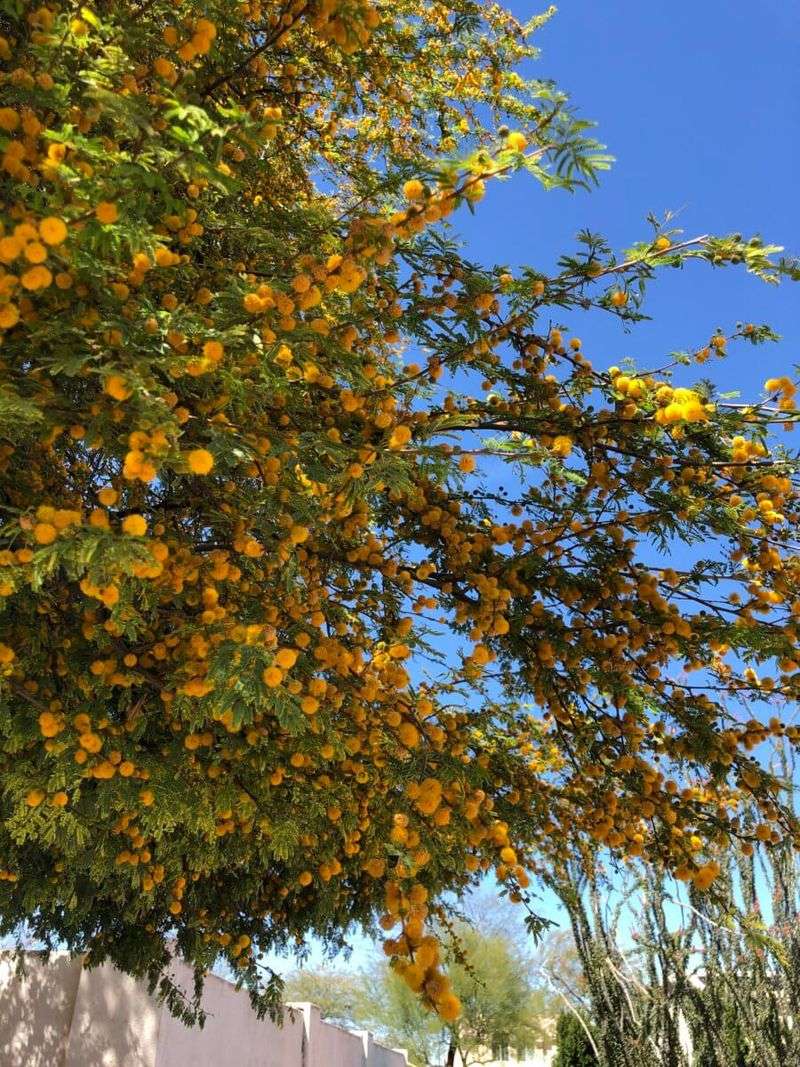
Shade without the mess sounds like a trade-off, but Sweet Acacia actually delivers both. Its leaves are small, feathery, and finely divided, which means they let filtered light through rather than blocking the sun completely.
That dappled shade is actually useful in a hot climate. Grass and ground cover plants can still get some sunlight underneath the canopy.
Solid shade from a dense tree can sometimes make it harder to grow anything below it.
When the leaves do fall, they are so small that they break down quickly. You will not find thick piles of leaf litter building up around the base.
Most of the leaf drop blends into the soil or gravel within a short time.
The canopy has a light, airy look that suits desert landscaping well. It does not feel heavy or oppressive the way some large shade trees can.
The visual effect is soft and natural against a bright sky.
Fine foliage also means less surface area catching wind. During monsoon season or strong gusts, the branches flex more easily.
Your Arizona Garden Changes Every Week. Your Plan Should Too.
Gardening in Arizona changes quickly throughout the season. Every Friday you’ll receive a simple weekly plan showing exactly what to plant, prune, fertilize, harvest, and protect so you never miss the right timing.
That flexibility can reduce the chance of branch breakage compared to trees with broader, denser leaves.
3. Drought Tolerance Improves After The First Year
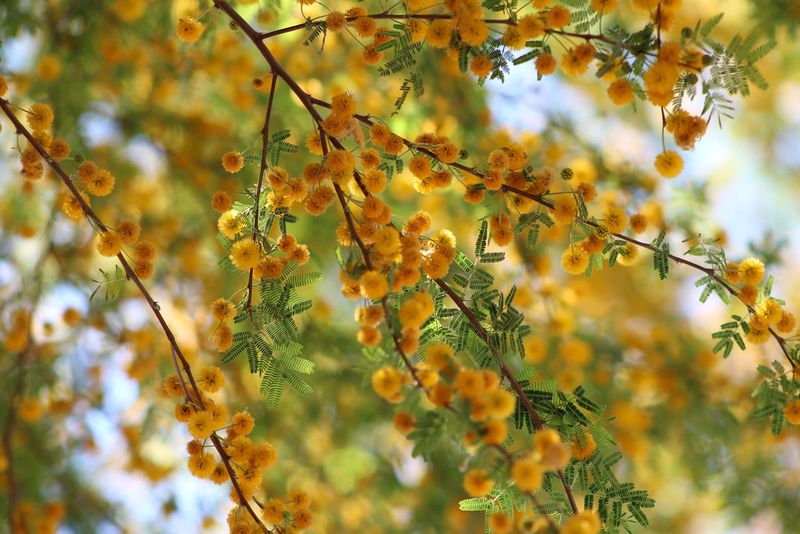
Water is precious in the desert, and Sweet Acacia understands that better than most trees. Once it gets through its first year in the ground, its water needs drop noticeably.
That first year is the critical window where consistent watering really matters.
Young trees need regular moisture to develop a strong root system. Watering deeply a couple of times per week during the hottest months helps roots push down into the soil.
Shallow, frequent watering tends to keep roots near the surface, which is not ideal long-term.
After establishment, many gardeners in dry desert regions find they can cut back significantly on irrigation. Deep, infrequent watering every few weeks during summer is often enough.
Rainfall during the monsoon season can sometimes cover most of the tree’s needs on its own.
Drought tolerance does not mean zero water. During extended dry spells or record heat events, even established trees benefit from occasional deep watering.
Watching the tree rather than following a strict schedule is a smarter approach.
Signs of stress include wilting new growth or early leaf drop outside the normal season. Catching those signs early and watering promptly usually helps the tree bounce back without lasting damage.
4. Occasional Pruning Maintains A Balanced Shape
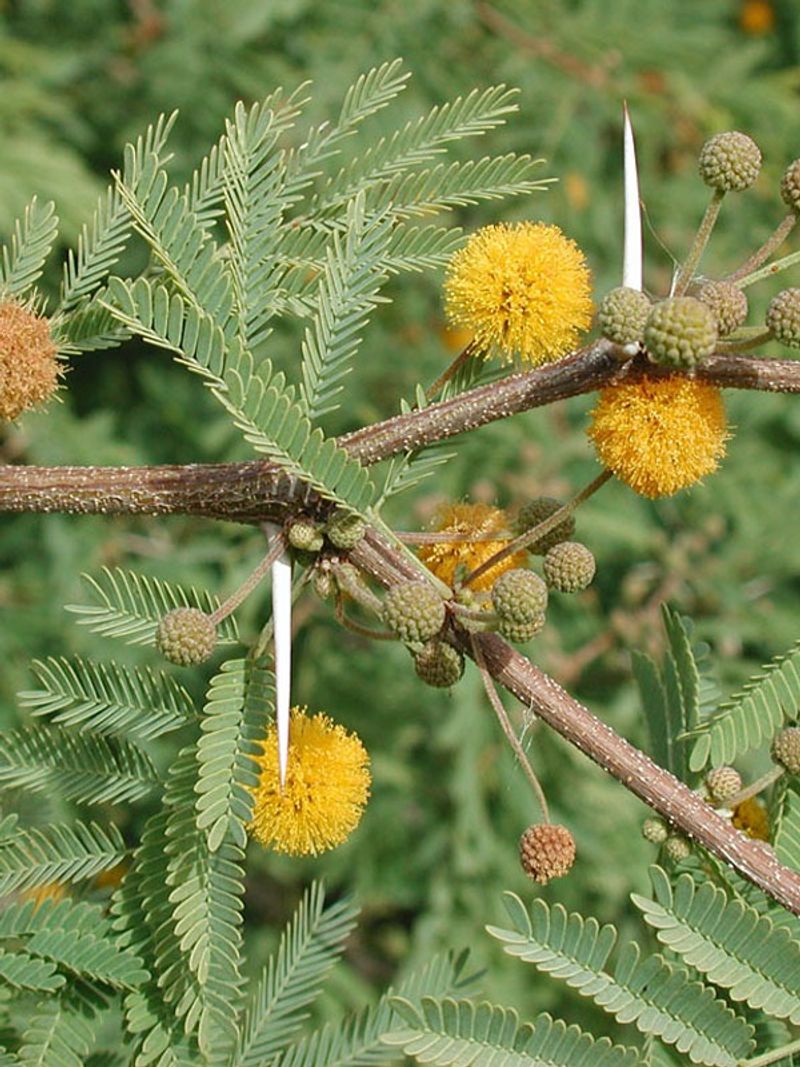
Sweet Acacia grows at a moderate pace and generally develops a decent natural shape without much interference. That said, a little pruning goes a long way toward keeping it looking tidy and well-proportioned.
You do not need to be a professional to handle basic shaping.
The best time to prune is late winter, just before new growth begins. Removing damaged or crossing branches at that point allows the tree to focus energy on healthy new growth in spring.
Avoid heavy pruning during summer heat, as open wounds heal more slowly under stress.
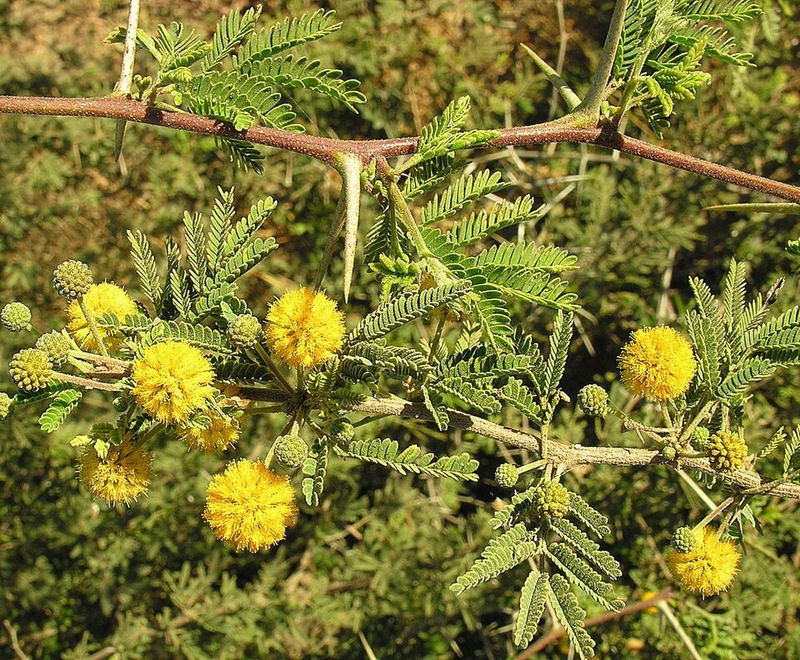
Watch out for thorns. Sweet Acacia has sharp spines along its branches, so thick gloves and long sleeves are a good idea.
Taking your time and working carefully reduces the chance of scratches or accidental cuts.
Lower branch removal is a common task as the tree matures. Lifting the canopy by removing branches below a certain height improves clearance for walking underneath.
It also improves airflow through the interior of the canopy.
Skip the heavy topping cuts. Removing large portions of the upper canopy stresses the tree and rarely produces attractive regrowth.
Light, selective cuts keep the shape natural and the tree healthier overall.
Pruning once a year is usually enough for most home landscapes.
5. Spring Flowers Cover The Branches With Color
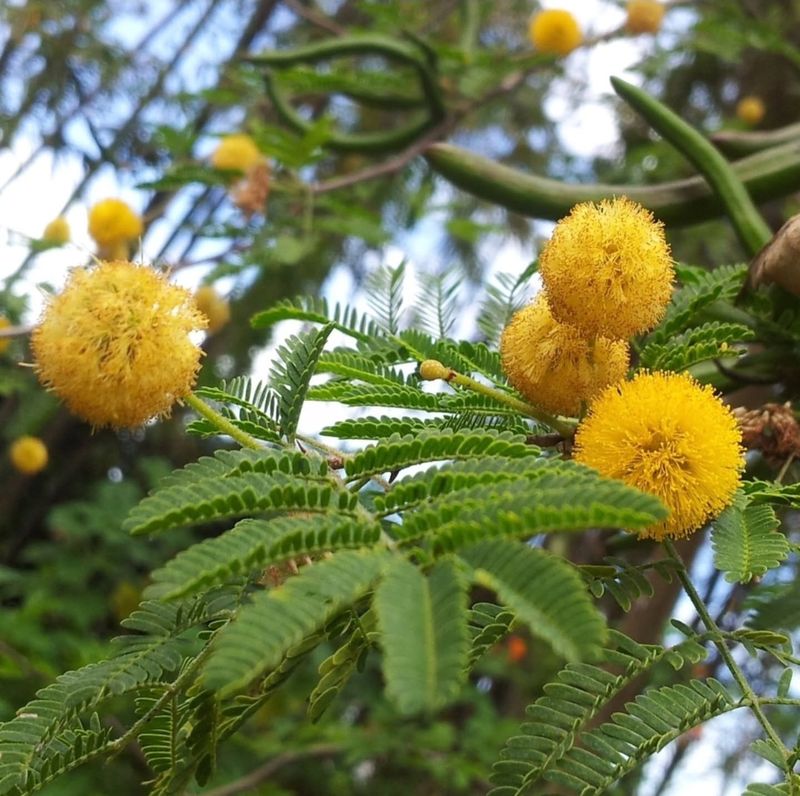
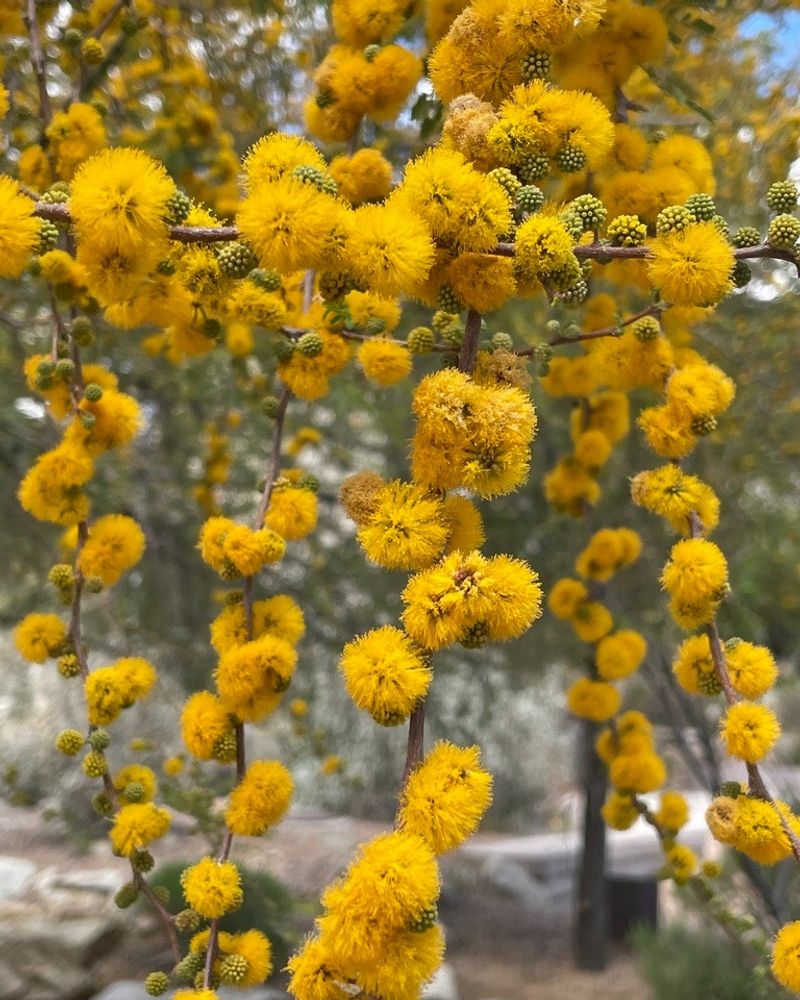
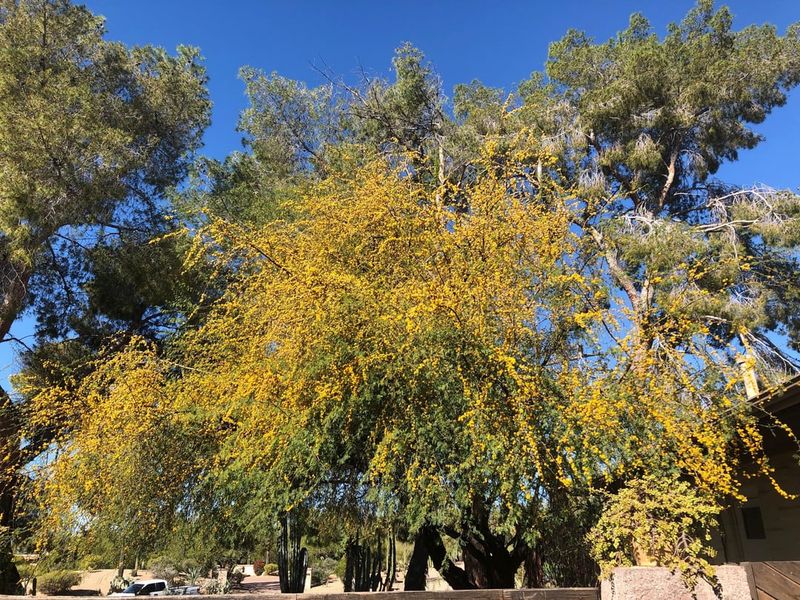
Spring hits differently when you have a Sweet Acacia in the yard. The branches get covered in clusters of small golden-yellow flowers that stand out sharply against a bright sky.
It is one of the more striking seasonal displays a desert tree can put on.
The color arrives at a time when most of the landscape is still waking up from winter. Seeing that burst of yellow before many other plants have leafed out makes the tree a real focal point.
It draws the eye immediately, even from across the yard.
Each flower cluster is round and about the size of a small marble. Up close, the texture looks almost fuzzy or powdery.
From a distance, the overall effect is a soft golden haze covering the canopy.
Bloom duration can vary depending on temperatures and rainfall. In a mild spring, flowers may linger for several weeks.
A sudden warm spell can shorten the show, so enjoy it while it lasts.
After the flowers fade, small seed pods begin to develop. The pods are generally not a major cleanup concern, but some gardeners choose to remove them if they want to reduce self-seeding in nearby soil.
It is an optional task, not a required one.
6. Fast-Draining Soil Supports Healthy Growth
Soggy roots and Sweet Acacia do not mix well. This tree comes from regions where rainfall drains away fast, and its roots expect the same conditions in a garden setting.
Soil that holds too much water can cause serious problems over time.
Most native desert soils in the Southwest drain naturally and tend to work well for this tree. If your yard has heavy clay soil, mixing in coarse sand or gravel before planting can improve drainage significantly.
Raised planting beds are another option worth considering in problem areas.
Good drainage does more than prevent root rot. It also encourages deeper root growth as water moves down through the soil profile.
Deeper roots make the tree more stable and better able to access moisture during dry stretches.
Avoid planting near irrigation zones that stay consistently wet. Areas near lawn sprinklers or drip lines set for other plants may provide more moisture than Sweet Acacia prefers.
Placement matters just as much as soil type.
Mulching around the base can help regulate soil temperature and reduce surface evaporation. Use gravel or decomposed granite rather than wood chips, which can hold too much moisture in an already humid spot.
Getting the soil conditions right from the start gives the tree a much better chance of thriving long-term.
7. Light Leaf Drop Makes Yard Care Easier
One of the most practical things about Sweet Acacia is how little mess it actually leaves behind. Compared to large deciduous trees, the leaf drop is minimal.
Most homeowners find it barely registers as a cleanup task.
The leaves are tiny and feathery. When they fall, they scatter lightly and break down fast.
On gravel or decomposed granite, they often just disappear into the surface without any raking needed.
Lawn areas underneath may collect slightly more visible debris. A quick pass with a leaf blower or rake handles it easily.
There is no need to schedule a major cleanup session the way you might with a large oak or elm.
Sweet Acacia is semi-evergreen in many parts of the Southwest. It may hold onto most of its leaves through mild winters and drop them more noticeably during colder stretches.
Behavior can vary depending on your specific location and how cold the winter gets.
That semi-evergreen quality means you get shade for a longer portion of the year. Full deciduous trees leave you exposed to summer heat if they drop leaves early.
Sweet Acacia tends to hold its canopy when you need it most.