The Fall Mum Mistake Georgia Garden Centers Won’t Warn You About
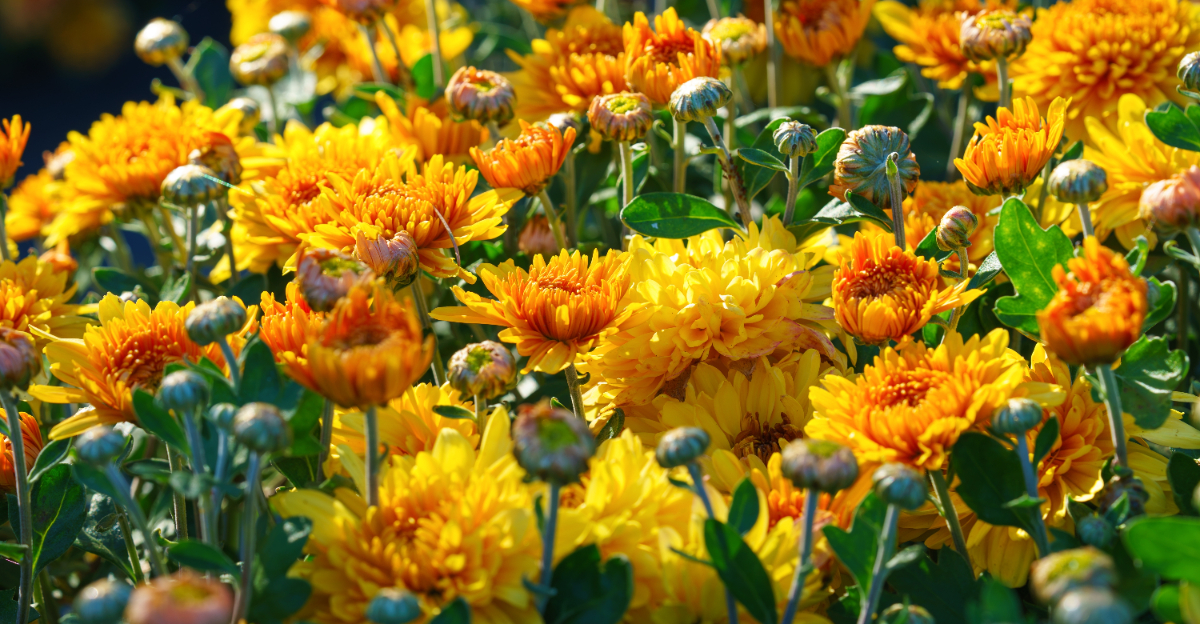
Fall mums bring quick color to Georgia gardens, but a common mistake can leave those bright blooms looking disappointing sooner than expected. The problem often starts before the flowers ever settle into the landscape.
Many gardeners pick up beautiful plants in early fall without realizing that timing and care matter just as much as appearance. A few overlooked details can change how long those seasonal flowers perform.
Do not rush when adding mums to your yard this year. Taking a closer look before planting can help avoid problems that appear later.
Garden centers make these flowers easy to grab, but smart gardeners know there is more behind a healthy display.
The right preparation can help your mums stay colorful and attractive through the season.
1. Leaving Store Pots Too Long Restricts Root Growth
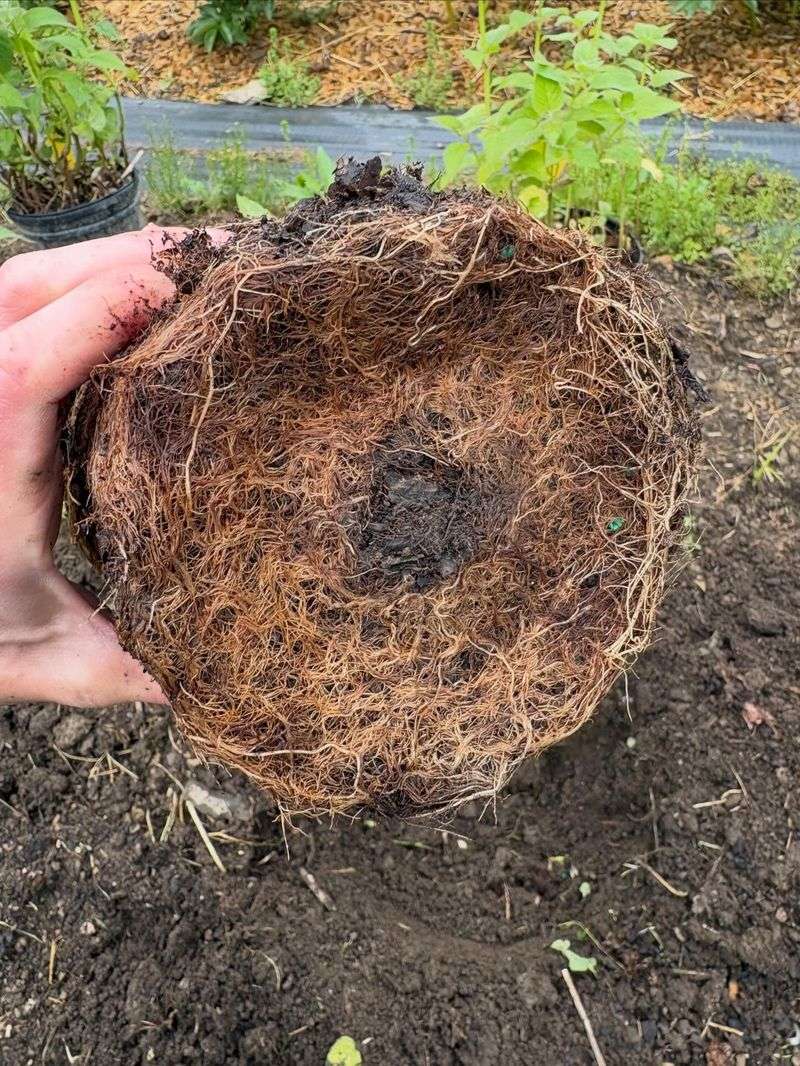
Picking up a beautiful mum at the garden center feels like a win, but leaving it in that plastic nursery pot for weeks is one of the most common mistakes gardeners make. Those pots are not meant for long-term living.
Roots fill them up fast, and once they run out of room, growth slows down significantly.
Crowded roots struggle to absorb water and nutrients properly. A plant stuck in a tight container can look fine on the outside while quietly running low on what it needs to keep blooming.
Stress builds up faster than most people expect.
Getting the mum out of the store pot and into a larger container or directly into the ground gives roots the space they need to spread out. More root space means better water uptake and stronger overall growth.
Waiting too long reduces the plant’s ability to settle in before cold weather arrives.
Check the bottom of the pot before you buy. If roots are already poking through the drainage holes, that plant has been sitting too long.
Choosing a mum with room still left in the pot gives you a better head start once you get it home and replanted.
2. Plant Mums In The Ground Soon After Buying
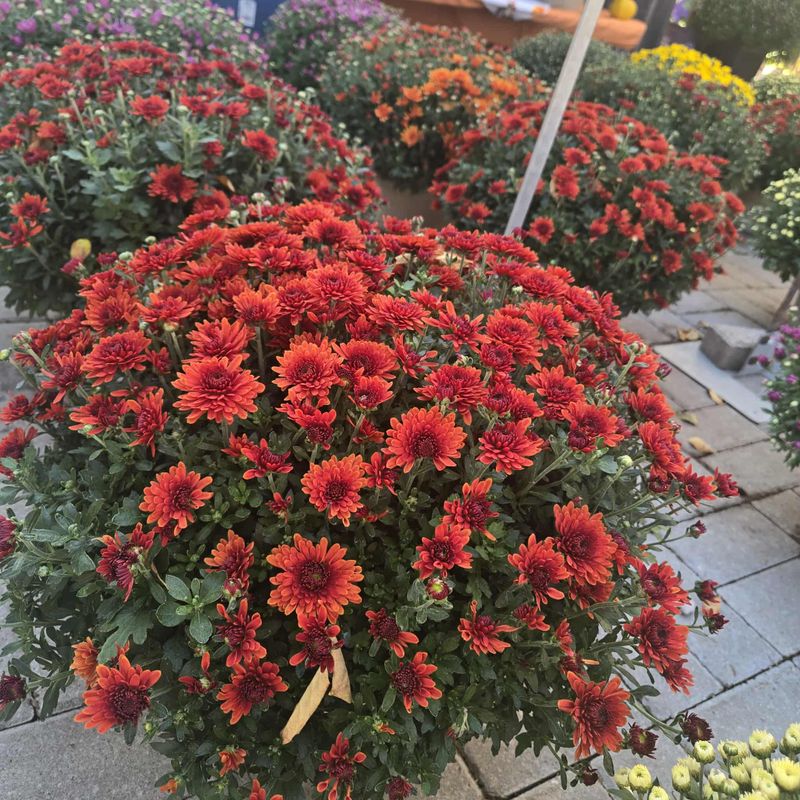
Most people treat mums like decorations and never put them in the ground at all.
Keeping them in a pot on the porch through the whole season works for a while, but it limits how long they stay healthy and reduces their chances of surviving into the next year.
Planting in the ground soon after buying gives roots access to more consistent moisture and insulation from temperature swings. Pots heat up and cool down fast, especially during Georgia’s unpredictable fall weather.
Ground soil stays more stable, which helps roots stay active longer into the season.
Aim to plant within a week or two of bringing your mum home. Fall planting windows in the Southeast can be shorter than people expect, so timing matters.
Waiting until late October or November gives roots very little time to establish before temperatures drop overnight.
Pick a spot with good drainage and some afternoon shade if possible. Afternoon sun in early fall can still be intense in the South, and it stresses freshly transplanted mums more than most people realize.
Your Georgia Garden Changes Every Week. Your Plan Should Too.
Gardening in Georgia changes quickly throughout the season. Every Friday you’ll receive a simple weekly plan showing exactly what to plant, prune, fertilize, harvest, and protect so you never miss the right timing.
A spot that gets morning sun and some relief later in the day tends to work better for keeping blooms looking fresh longer.
3. Full Sun Produces More Fall Flowers
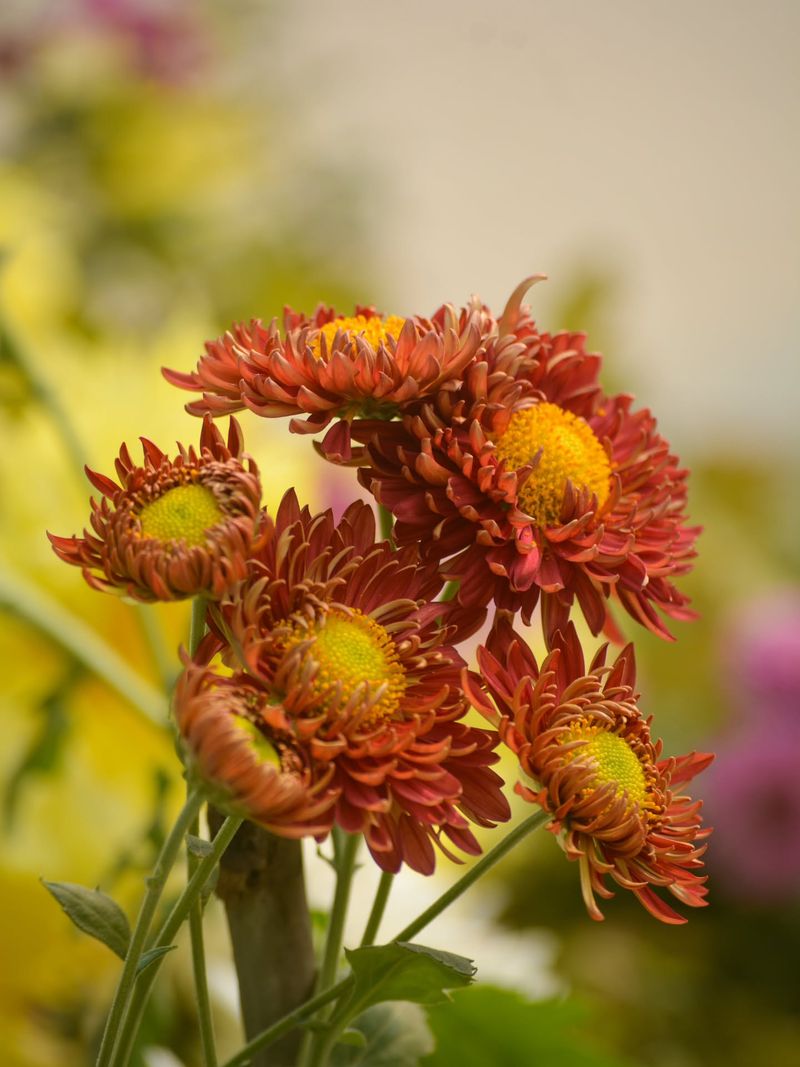
Shade is one of the sneakiest reasons mums underperform. A spot that looks bright in spring can turn shady by fall once surrounding trees fill back in.
Mums placed in low-light areas often produce fewer flowers and stretch out in ways that make them look weak and leggy.
Chrysanthemums are photoperiod plants, meaning they respond to day length and light intensity to trigger blooming. Without enough direct sun, that process gets disrupted.
Plants may form buds slowly or not open fully, leaving you with a lot of green and not much color.
Six hours of direct sunlight per day is a reasonable minimum for solid bloom production. Morning sun is especially helpful because it dries off dew quickly, which reduces the chance of fungal issues on leaves and stems.
Wet foliage sitting through warm afternoons invites problems.
Before planting, watch how sunlight moves across your yard throughout the day. A spot that seems ideal in the morning might fall into full shade by noon.
Moving a potted mum around for a day or two before committing to a planting spot can save you from a disappointing season. Good light is one of the most controllable factors in how well your mums perform each fall.
4. Well-Drained Soil Reduces Root Problems
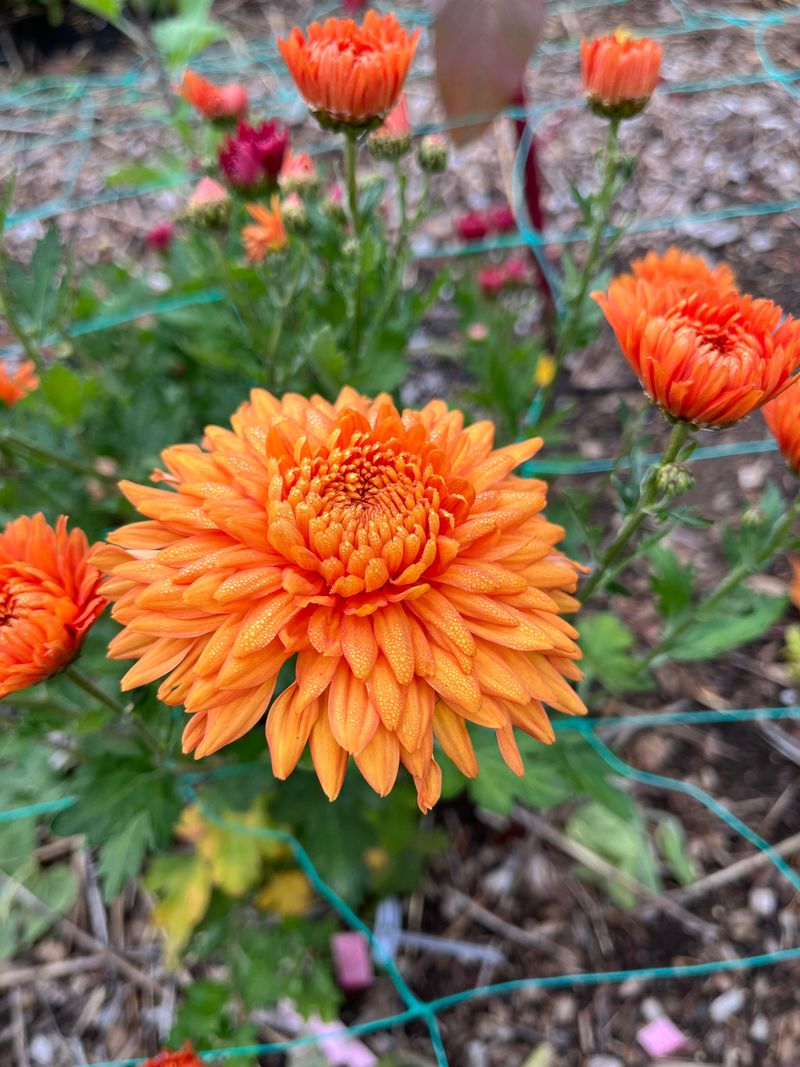
Soggy soil is rough on mums. Roots sitting in waterlogged ground can’t breathe properly, and over time that causes them to break down.
It’s a slow process that often goes unnoticed until the plant starts wilting even when the soil feels wet.
Many yards in the Southeast have clay-heavy soil that holds moisture longer than mums prefer. Raised beds or amended planting areas with added compost can improve drainage noticeably.
Even a few inches of looser soil around the root zone helps roots stay healthier through wet fall stretches.
Before planting, check how fast water moves through your soil. Dig a small hole, fill it with water, and watch how quickly it drains.
Slow drainage is a signal that amendments or a different planting location may be needed before putting your mum in the ground.
Avoid planting in low spots where water collects after rain. Even one heavy rainfall sitting around roots for hours can cause lasting damage.
Slightly raised planting areas, even just a few inches above the surrounding grade, can make a meaningful difference in how roots hold up through a rainy fall season.
Good drainage is one of the simplest adjustments that consistently improves mum survival rates in heavier soils.
5. Crowded Roots Dry Out Much Faster

Root crowding is a problem that sneaks up fast. A mum that looked perfect at the garden center can become root-bound within weeks if left in a small container.
Once roots fill every inch of available space, the soil dries out at a surprisingly rapid pace.
Tight root systems leave very little soil to hold onto moisture between waterings. During warm fall days, which are common in Georgia, that dries out even faster.
You might water in the morning and find the pot bone dry by late afternoon, which puts constant stress on the plant.
Repotting into a container at least two to three inches wider gives roots room to breathe and the soil more capacity to hold water. A larger pot also buffers temperature changes better than a small one.
Roots in a small pot are much more exposed to heat from direct sun hitting the container sides.
Check soil moisture daily when temperatures are still warm. Press a finger about an inch into the soil and water when it feels dry at that depth.
Consistent moisture, not soaking wet soil, is what mums prefer. Letting them swing between bone dry and waterlogged puts extra strain on already crowded roots and shortens the blooming season faster than most other care mistakes.
6. Remove Faded Blooms To Extend Flowering
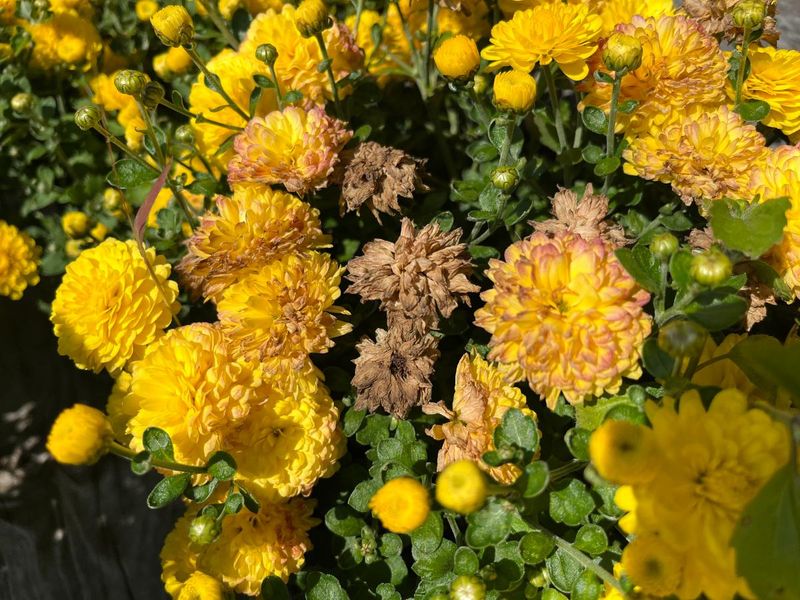
Spent flowers left on the plant are not just an eyesore. Once a bloom fades and begins forming seeds, the plant shifts a lot of its energy toward that seed production instead of pushing out new flowers.
Removing those old blooms redirects that energy back into fresh bud development.
Deadheading does not need to be complicated. Pinch or snip off faded blooms just below the flower head, cutting back to the nearest set of healthy leaves.
Doing this every few days during peak bloom season can meaningfully extend how long your mum keeps flowering.
Some gardeners skip this step because it feels tedious, but even a quick pass every week makes a difference. A plant that gets regular deadheading often blooms weeks longer than one that is left alone.
In fall, every extra week of color matters.
Look closely before you cut. Some buds are still forming right next to spent flowers, so being careful about what you remove protects the next round of blooms.
Use clean scissors or small pruning shears to avoid tearing stems. Torn stems are more vulnerable to infection than clean cuts.
Keeping your tools clean before use also lowers the risk of spreading any issues from one plant to another in your garden.
7. Mulch Helps Roots Stay Protected Through Winter
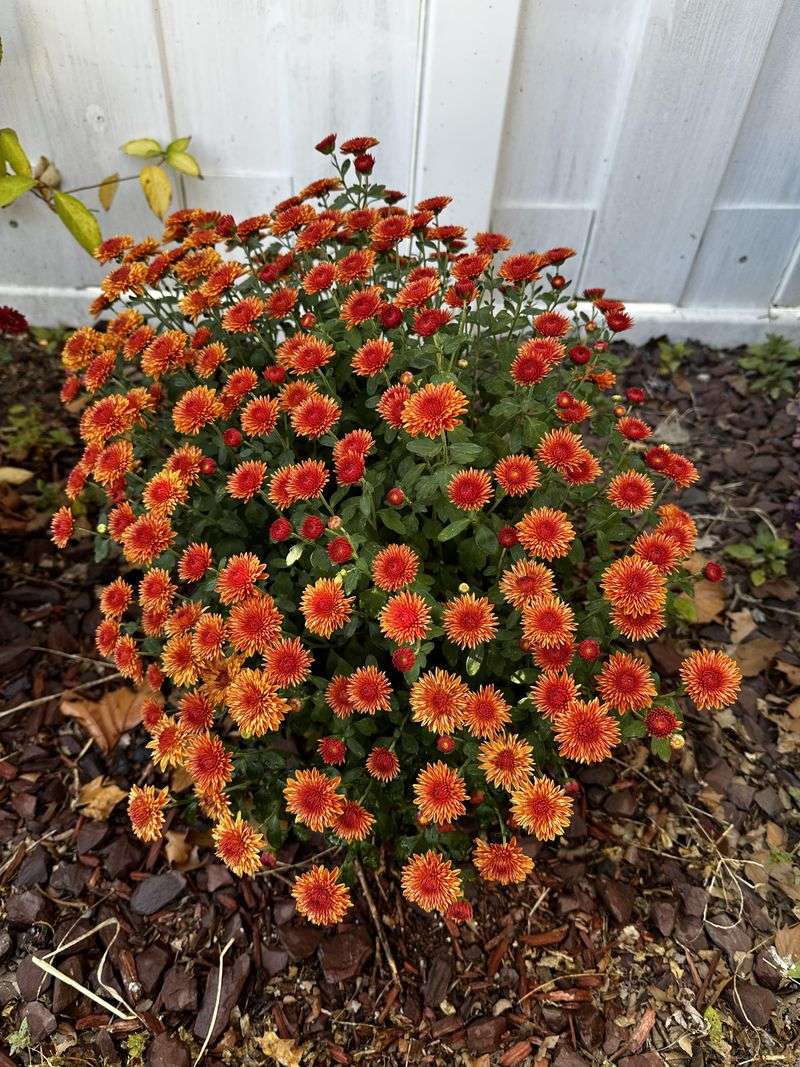
Once blooming slows and temperatures start dropping at night, mulch becomes one of the most practical tools you have.
A layer of mulch around the base of a mum acts like insulation, slowing down how fast soil temperatures swing between warm days and cold nights.
Freeze-thaw cycles are harder on roots than a steady cold period. When soil freezes and thaws repeatedly, it can push plant roots upward and out of the ground, a process called frost heaving.
Mulch reduces the intensity of those swings and helps roots stay in place through winter.
Pine straw, shredded leaves, and wood chips all work well for this purpose. Apply two to three inches around the base of the plant, keeping the mulch a few inches away from the main stem to avoid trapping moisture directly against it.
Mulch piled against the stem can cause rot over time.
In Georgia, winters vary quite a bit from year to year, so giving roots some protection is a reasonable precaution even in milder seasons.
Mulching after the first light frost, when the plant has started going dormant, is generally better timing than doing it too early.
Waiting until the plant slows down naturally helps it harden off properly before insulation locks in the soil temperature around the root zone.