The September Lawn Fertilizer Mistake That Can Make Florida Sod Webworm Problems Worse
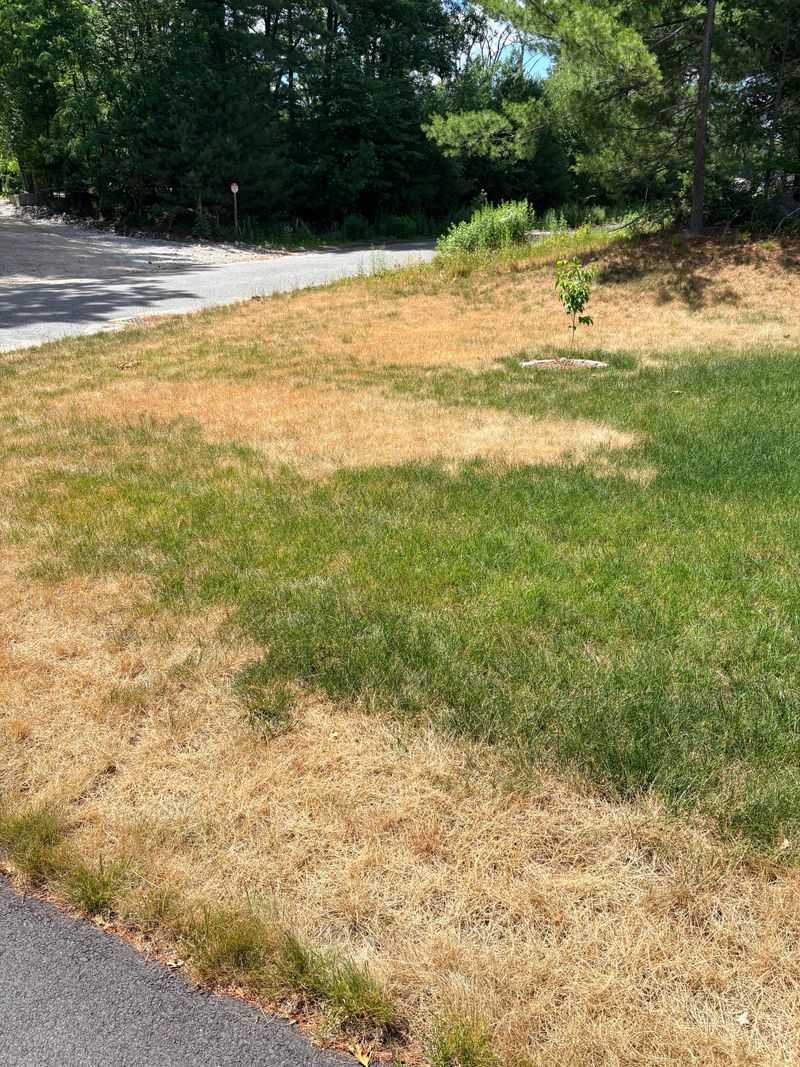
You step outside on a warm September morning and notice the lawn looks oddly ragged near the driveway. The blades seem chewed off at the tips, like something took dull kitchen scissors to them.
Meanwhile, that heavy bag in the garage keeps promising a thicker, greener yard by the weekend. Florida homeowners reach for it every fall, and that reflex is where the trouble quietly begins.
Timing matters far more than most people realize, and September down here plays by its own strange rules. What works beautifully in spring can go wrong fast once the nights refuse to cool off.
The fix costs nothing extra and takes roughly five minutes of honest thinking in the garage. Your grass will appreciate the restraint, though it has truly terrible manners about saying thank you.
The Nitrogen Rush Behind The Damage
Fast release nitrogen acts like a triple espresso for warm season grass in early fall. Blades shoot up soft, juicy, and packed with protein caterpillars find irresistible.
Sod webworm larvae feed on tender leaf tissue, and lush growth gives them more to chew. A heavily fed lawn basically sets the table right when moth activity peaks.
Researchers at the University of Florida have long noted that over fertilized turf shows heavier webworm damage. The grass grows faster, but so does the chewing, and the damage shows up sooner.
Quick release products dump most of their nitrogen within days of the first watering. That surge fades fast, leaving grass stressed and thin exactly when insects arrive hungry.
Slow release formulas behave differently because they hand out nutrients in small, steady portions. Roots stay busy, top growth stays reasonable, and the lawn holds its color longer.
Check the bag label for terms like sulfur coated urea or polymer coated nitrogen. Look for at least half the nitrogen listed as slowly available plant food.
Skipping the heavy feed does not mean neglecting your yard through the fall months. It means matching the food supply to what the grass can actually use safely.
Many St. Augustine lawns in Florida need far less nitrogen than the average homeowner applies. Two or three light feedings across the year usually beat one dramatic autumn dump.
Think of fertilizer as groceries rather than a growth potion for your turf. Overstuffed pantries attract pests, and lawns follow that same unglamorous rule.
Late Summer Timing In Florida Yards
Late August through October is prime season for sod webworm moths across most of Florida. Warm nights and steady rain let several generations overlap in a single stretch.
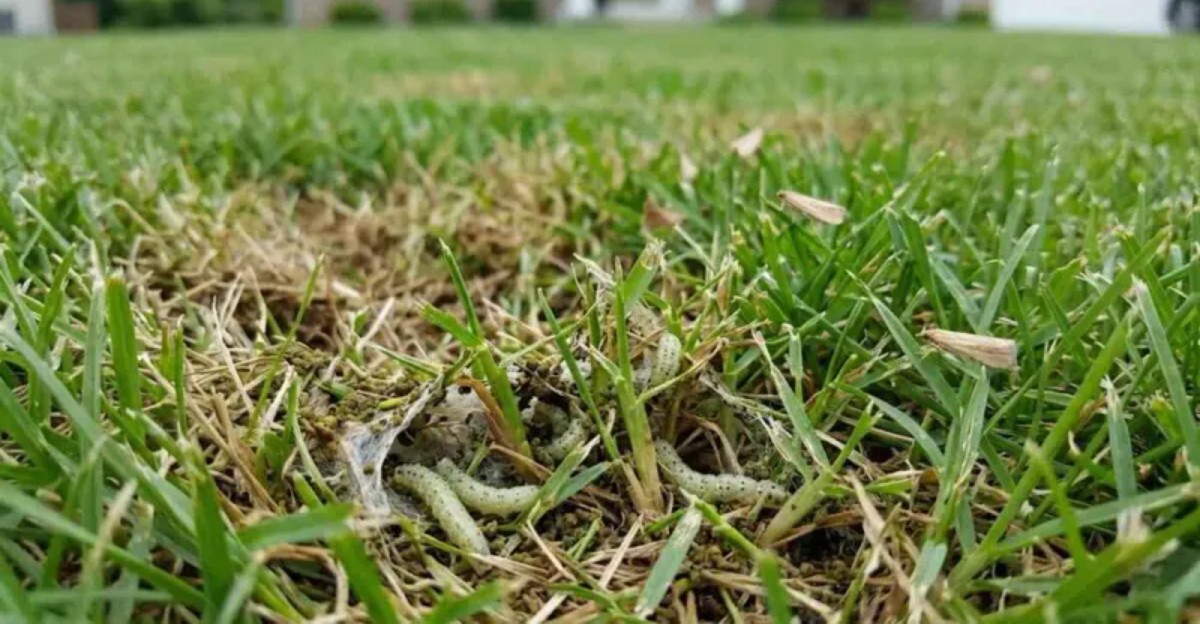
Adult moths do not feed on grass, but they scatter eggs across the lawn surface. Eggs hatch within about a week, and the tiny larvae start grazing immediately.
September fertilizer applications land right in the middle of that hatching window in many yards. The timing overlap turns a routine weekend chore into an accidental dinner invitation.
Cooler regions up north see webworm pressure fade away by the Labor Day weekend. South Florida stays warm enough for continuous activity well into November during most years.
Your Florida Garden Changes Every Week. Your Plan Should Too.
Gardening in Florida changes quickly throughout the season. Every Friday you’ll receive a simple weekly plan showing exactly what to plant, prune, fertilize, harvest, and protect so you never miss the right timing.
Homeowners often fertilize in September because the lawn looks tired after a hot summer. That tired look sometimes comes from feeding larvae rather than a nutrient shortage.
Before opening a bag, walk the yard at dusk and watch for small tan moths. Seeing them flutter up in zigzag patterns means eggs are probably already down.
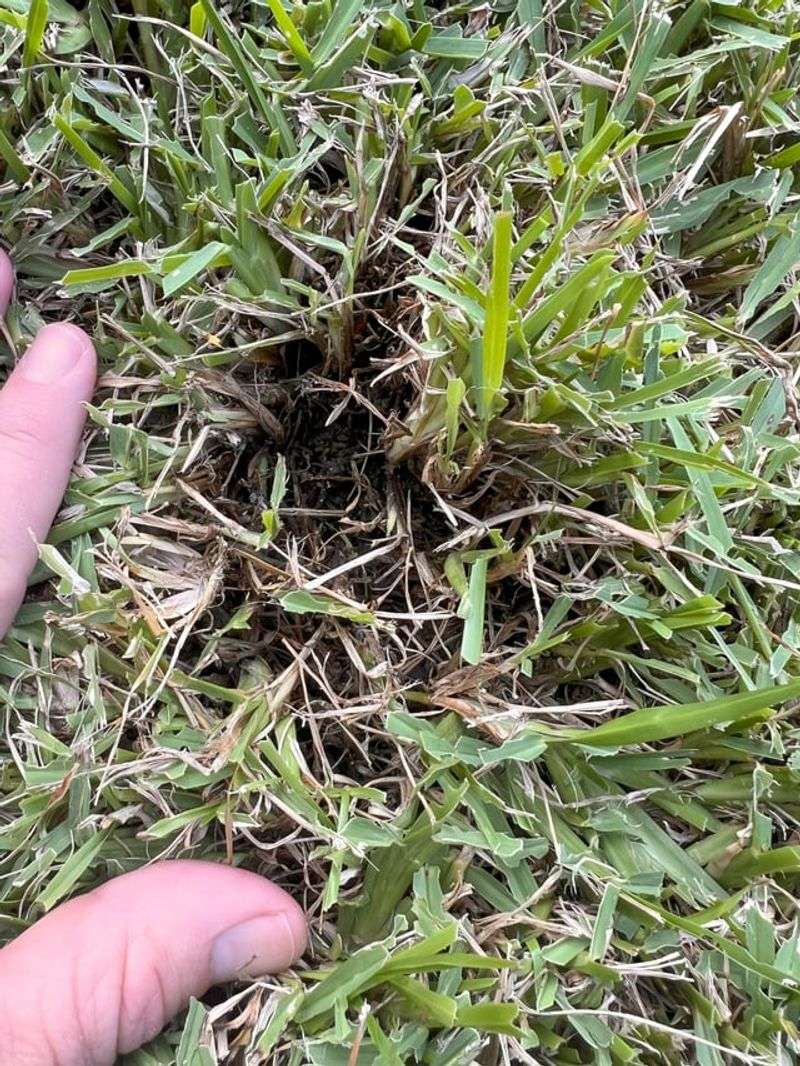
Another quick check involves parting the grass blades near damaged edges with your fingers. Green pellets the size of coffee grounds point straight to hungry caterpillar activity.
Waiting until late October or early November for feeding sidesteps most of the pressure. The grass still greens up nicely, just without the extra guests at dinner.
Florida lawns rarely reward rushing, and September proves that point in yard after yard. Patience here costs nothing and saves you a genuinely ugly recovery period later.
Tender New Growth As An Open Buffet
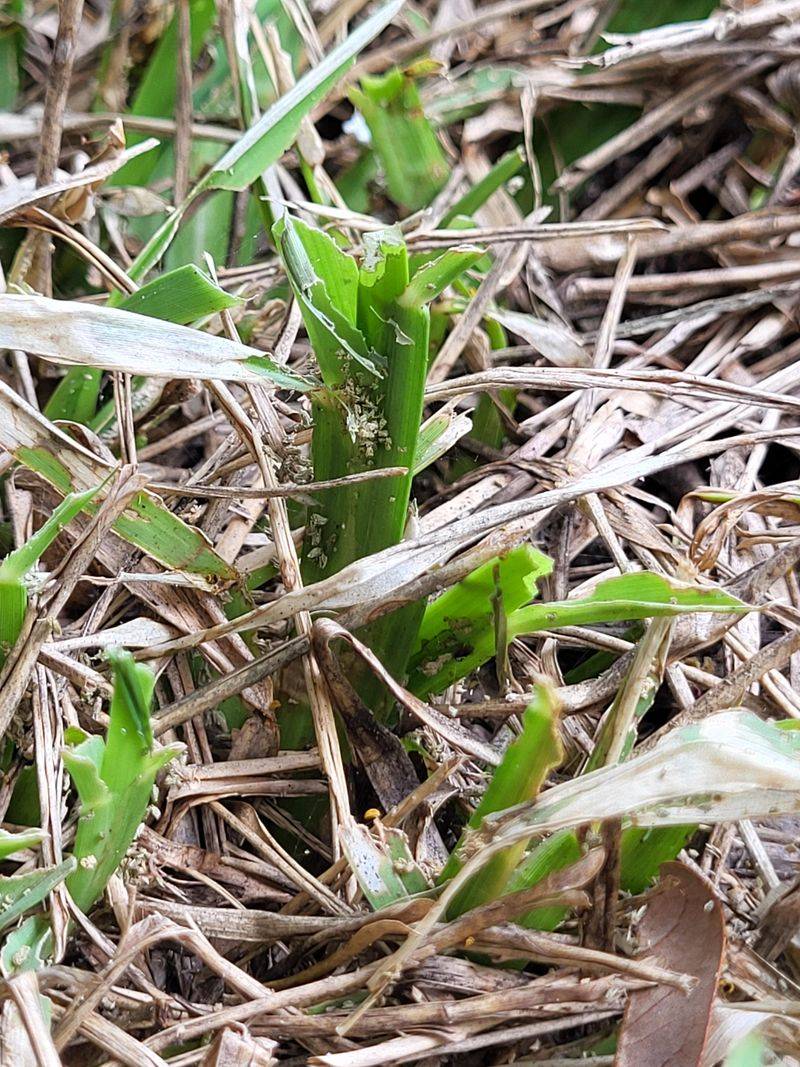
Picture a salad bar where every leaf is soft, sweet, and freshly watered. That is what a nitrogen boosted lawn looks like to a webworm larva.
Soft blades are easier to chew, so caterpillars grow faster and molt sooner. Faster growth means bigger appetites, and bigger appetites mean wider bare patches.
Plant scientists call the effect host plant quality, and insects respond to it strongly. High nitrogen tissue supports better larval survival and heavier egg laying next round.
Thick lush growth also traps humidity near the soil surface during warm nights. Humid, sheltered conditions help small larvae avoid drying out while they feed.
Excess nitrogen encourages thatch buildup too, creating a spongy mat above the soil. Webworms hide inside silk lined tunnels in that mat during daylight hours.
Grass grown too fast also puts less energy into deep root development. Shallow roots struggle to push out new growth once chewing damage begins.
Beneficial insects like ground beetles and big eyed bugs work through healthy, moderate lawns. Overfed turf grows so dense that these helpers have trouble reaching the larvae.
Balanced feeding keeps grass strong enough to recover without becoming a caterpillar magnet. Steady, unspectacular green beats a brief burst of emerald followed by ragged holes.
Potassium deserves attention here because it toughens cell walls and improves stress tolerance. A fertilizer with decent potassium supports recovery better than nitrogen alone ever does.
Your goal is a lawn that grows steadily rather than one that sprints. Sprinters attract company, and the company brings a very serious appetite.
Blackout Ordinances And Local Nitrogen Rules
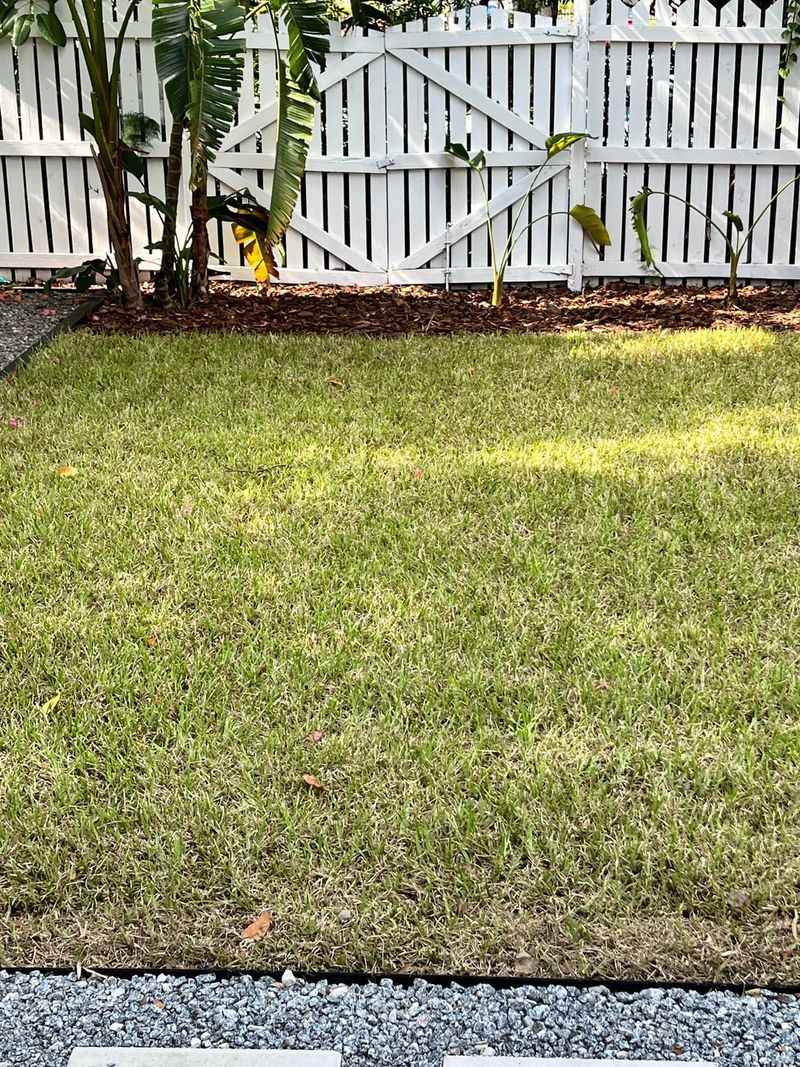
Here is a wrinkle plenty of homeowners miss until a neighbor mentions it. Dozens of Florida counties and cities ban nitrogen fertilizer during the summer rainy season.
Those blackout periods commonly run from June first through September thirtieth each year. Pinellas, Hillsborough, Manatee, Sarasota, and Orange counties all use versions of this rule.
The rules exist to protect springs, bays, and lakes from nutrient heavy runoff. Heavy rain pushes unused nitrogen off lawns and straight into storm drains.
Fines can reach a few hundred dollars in some jurisdictions for repeat violations. Checking your county extension website takes about two minutes before you shop.
The ordinances also happen to line up neatly with peak webworm season. Following local law and avoiding pest trouble turn out to be the same move.
Some rules allow low nitrogen or slow release products even during restricted months. Others restrict phosphorus year round unless a soil test proves a real shortage.
Iron based products offer a legal way to green up grass without pushing growth. Chelated iron darkens color for weeks and does not feed hungry caterpillars.
Landscapers working in restricted counties must carry Green Industries Best Management Practices certification. Asking your crew about that card protects your yard and your wallet.
Knowing the local calendar turns fertilizer shopping from guesswork into a simple decision. Your waterways benefit, your lawn stays calmer, and nobody gets a citation.
Rules vary by city, so a neighbor two miles away may follow different dates. Verify your own address rather than trusting advice from the hardware store aisle.
A Calmer Feeding Plan For Early Fall
Skipping September does not mean abandoning your lawn to fend for itself. A calmer plan spreads nutrition across the year in sensible, smaller portions.
Start with a soil test from your county extension office for about ten dollars. Results show pH and nutrient levels, removing guesswork from every future application.
Most Florida turf does well with roughly two to four pounds of nitrogen annually. Split that total across spring and late fall rather than one large autumn feeding.
Choose a product with at least half its nitrogen in slow release form. Ratios such as fifteen zero fifteen often suit established lawns without phosphorus needs.
Apply after rain has passed rather than right before a heavy afternoon storm. Water lightly afterward so granules dissolve and settle down into the root zone.
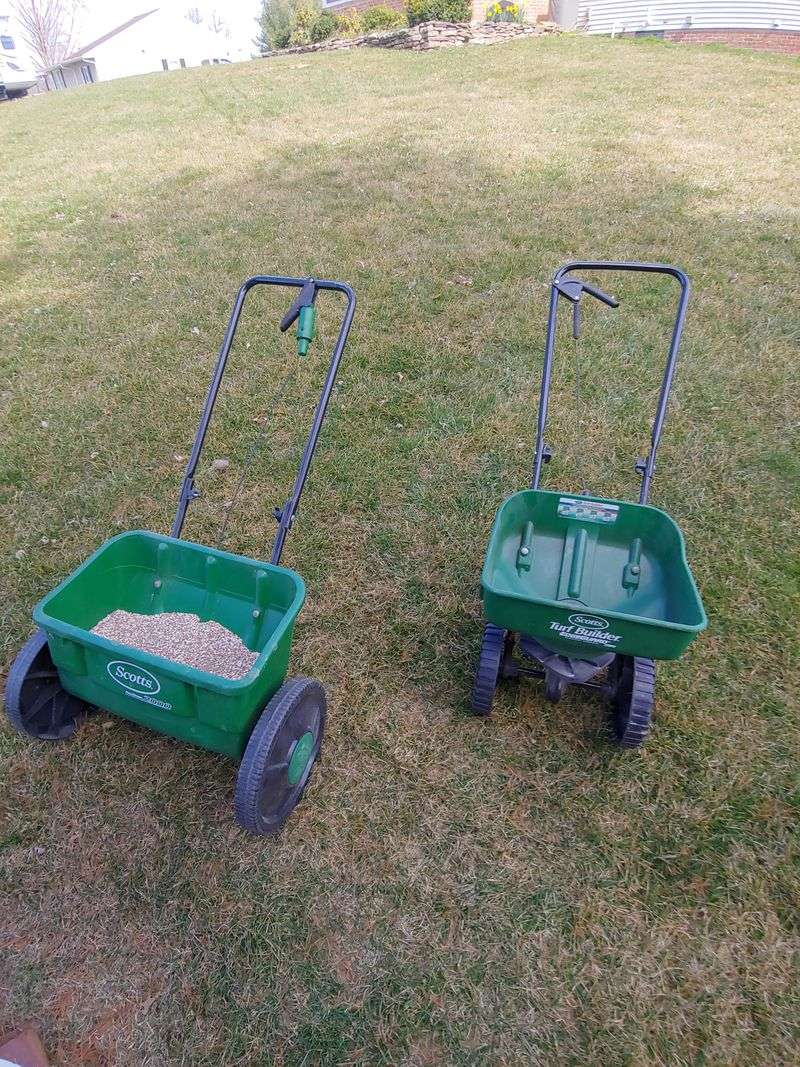
Calibrate your spreader using the setting printed on the bag, then walk steadily. Overlapping passes creates dark stripes and wastes product where grass cannot use it.
If the lawn already shows chewing damage, hold the fertilizer until growth resumes. Feeding stressed turf during an active infestation mostly feeds the larvae instead.
Mid October through early November works well for that final feeding in most regions. Moth flights taper off, temperatures ease, and roots store energy for winter.
Treat the schedule as a routine rather than a reaction to every brown spot. Consistency beats panic, and your lawn responds to rhythm more than rescue attempts.
Write the dates on a calendar the same way you track oil changes. Boring maintenance keeps both cars and lawns out of expensive trouble.
Everyday Habits That Keep Webworms In Check
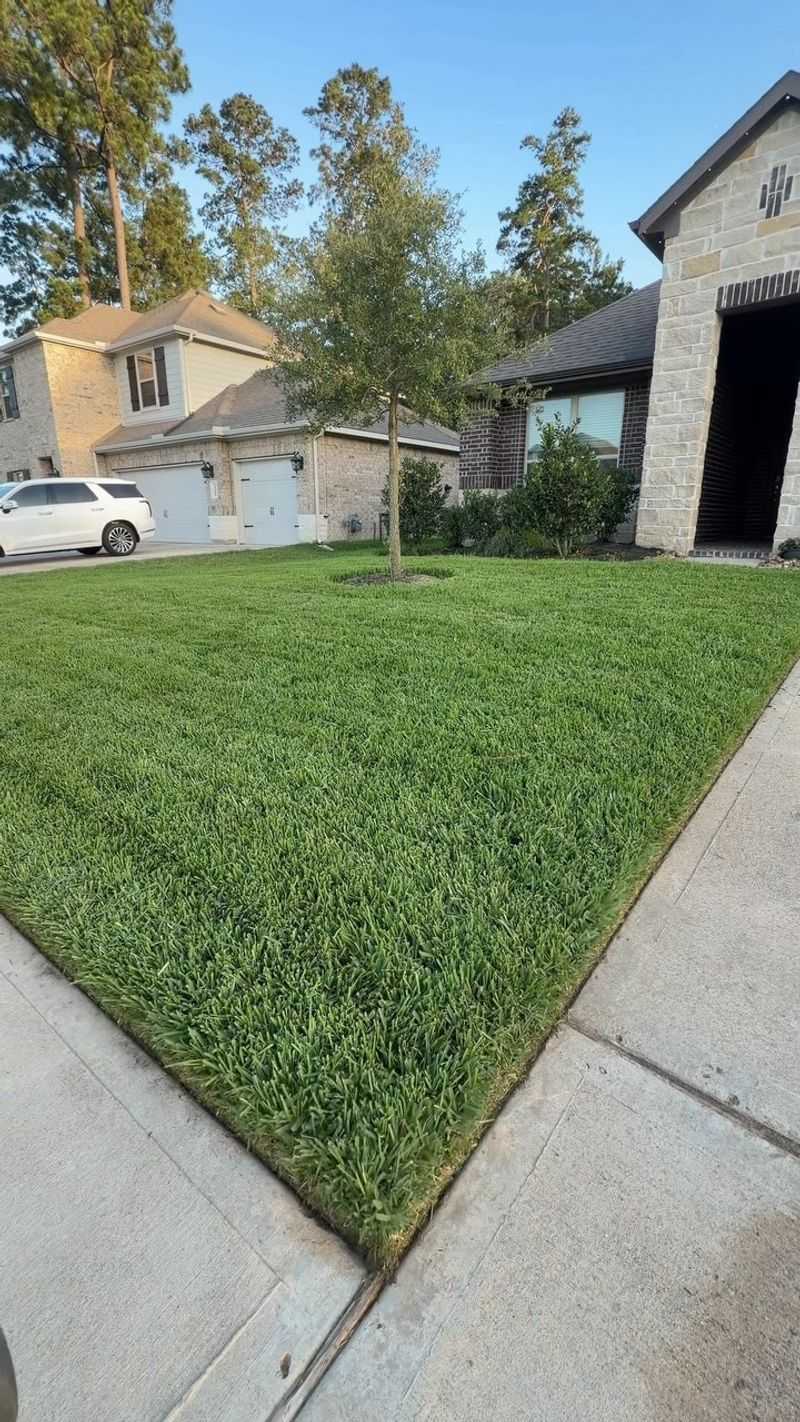
Small routines do more for pest pressure than any single product on the shelf. Mowing height, watering timing, and thatch control quietly shape what happens in September.
Set the mower blade high, around three and a half inches for St. Augustine. Taller grass shades soil, supports deeper roots, and tolerates chewing damage better.
Sharpen blades twice a season because ragged cuts leave torn tissue that invites problems. Clean cuts close up fast and keep the lawn looking neat between mowings.
Water deeply but occasionally, delivering about three quarters of an inch per session. Light daily sprinkles encourage shallow roots and keep the canopy constantly damp.
Dethatch or verticut when the spongy layer exceeds half an inch in thickness. Removing that mat takes away the hiding spots larvae rely on during daylight.
A soapy water flush helps confirm what is living down in the turf. Mix dish soap with water, pour it over a damaged square yard, and watch.
Spot treat only where damage appears instead of blanketing the whole property. Products containing Bacillus thuringiensis act on caterpillars without harming bees and beneficial beetles.
Encourage birds, spiders, and parasitic wasps by keeping flowering plants near lawn edges. Natural predators handle small flare-ups long before you notice thinning patches.
Grass recovers surprisingly well once feeding stops, often greening up within three weeks. Patience, a sharp mower, and honest timing beat panic buying every autumn.
Your neighbors may still dump fertilizer in September and complain about ragged lawns. Let them, and enjoy the quiet satisfaction of a yard that holds together.