The Fall Vegetables California Gardeners Should Start Now, Not Later
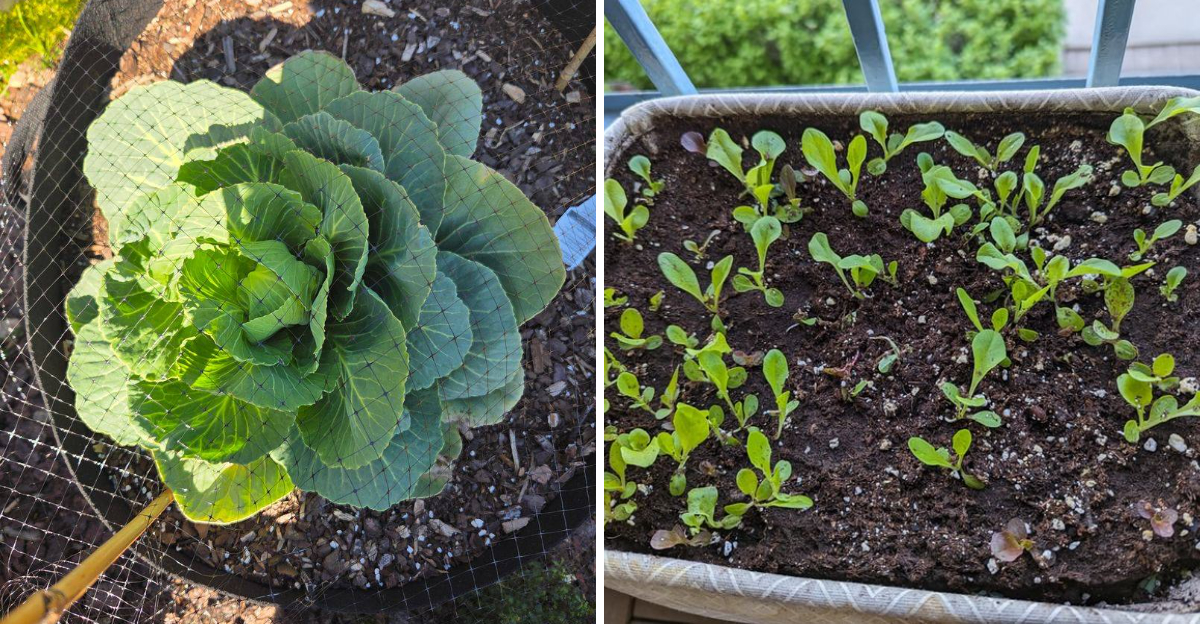
California can make fall planting feel almost too easy.
Summer still hangs around. Tomatoes keep producing. Warm afternoons make September seem distant, and the seed packets can stay forgotten on the shelf for another week.
That delay is where the trouble starts.
Cool-season vegetables need time to build roots and leaves before shorter days slow them down. California gives gardeners a long growing season, but the state also gives them several very different versions of fall.
Fresno does not cool like Santa Cruz. San Diego does not follow Sacramento. Desert gardens may wait for heat to loosen its grip while coastal beds keep moving for weeks.
So which vegetables deserve space right now?
The strongest choices are crops that use warm soil for establishment, then settle into cooler weather as they mature.
Start too late, and the calendar becomes the problem instead of the temperature.
Get these seven vegetables moving now, and fall can arrive with seedlings already doing the hard part below ground. And ready for cooler nights ahead.
1. Start Beets For The Fall Garden
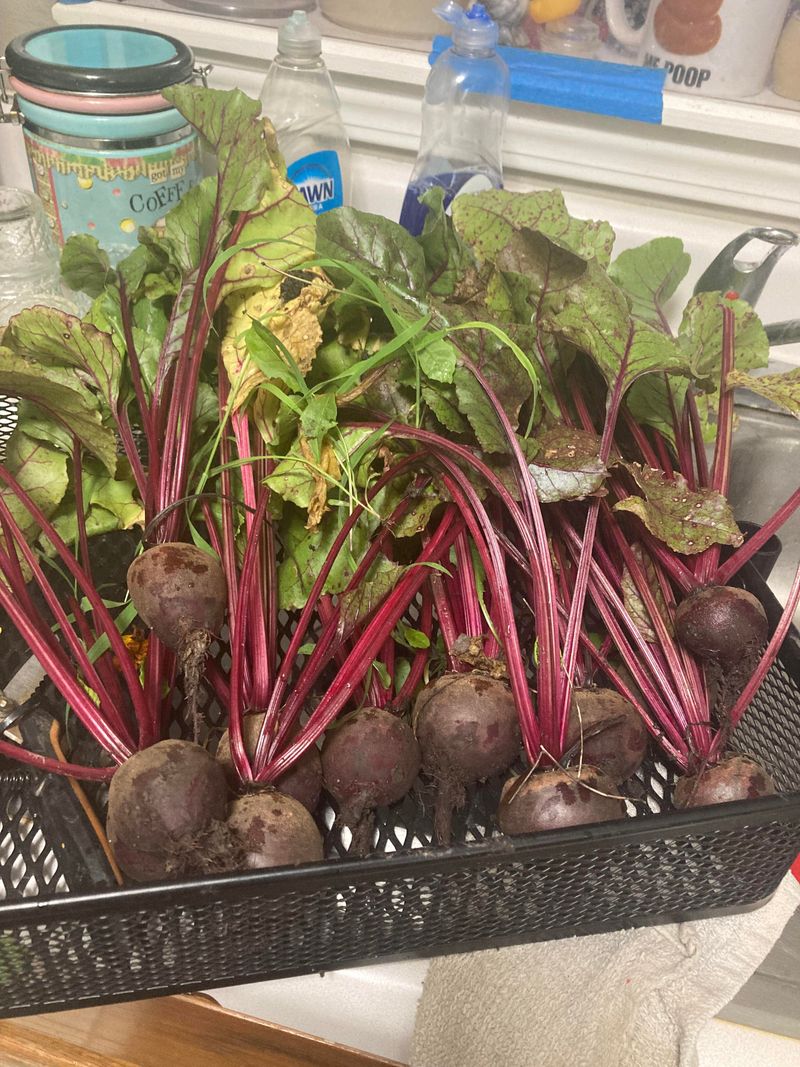
A warm August bed can give beets exactly the start they need.
Direct sowing works well because beet roots dislike transplant disturbance. In many inland and Central Valley gardens, late summer is a useful window, while coastal areas often keep enough mild weather for later sowings.
Plant the seed clusters about half an inch deep.
Leave roughly 3 inches between them, then thin seedlings to about 4 inches apart once growth reaches around 2 inches tall. Each rough seed cluster may send up more than one sprout, so thinning is part of the job rather than an optional cleanup.
Keep the top layer of soil evenly moist.
Big swings between dry ground and a sudden soaking can leave roots tougher or more likely to crack. A light mulch layer helps hold moisture once seedlings stand tall enough to stay above it.
Do not waste the thinnings.
Young beet leaves taste much like Swiss chard and can go straight into salads or a skillet. That gives the row a small harvest long before the roots are ready.
California timing still depends on region. Coastal gardeners may have more flexibility, while hotter inland beds need careful moisture during establishment.
Beets basically arrive with a two-for-one offer. Give them room below ground, and dinner gets both roots and greens.
2. Get Carrots Into Prepared Beds
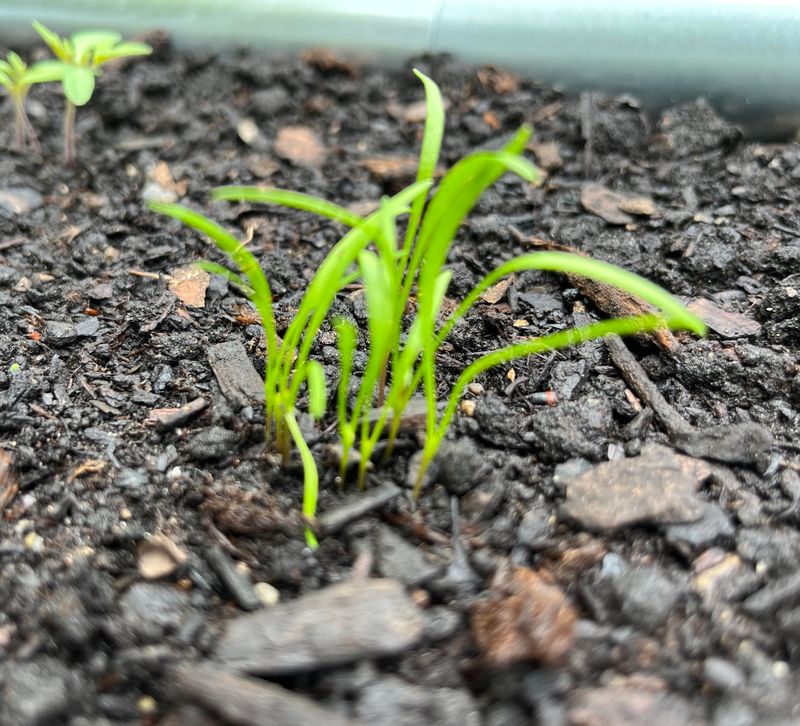
Carrots make their biggest demand before the seed packet ever opens.
The bed needs loose soil. Rocks, hard clods, and compacted layers can force developing roots to fork, twist, or stop short. Work the upper 10 to 12 inches well and remove obvious obstacles before sowing.
Keep the seed shallow.
A quarter inch is enough. Cover lightly with fine compost or vermiculite, then keep the surface consistently damp through germination.
Carrot seedlings can take well over a week to appear, and one dry spell near the surface can leave the row frustratingly patchy.
Late summer warmth can help that process.
Many California regions can sow for fall from late July into August. Coastal and mild Southern California gardens often have a wider window, while hotter desert locations may wait until temperatures ease further.
Your California Garden Changes Every Week. Your Plan Should Too.
Gardening in California changes quickly throughout the season. Every Friday you’ll receive a simple weekly plan showing exactly what to plant, prune, fertilize, harvest, and protect so you never miss the right timing.
Thin in stages once seedlings appear.
Leave about 2 inches between young plants at first, then open the spacing closer to 3 or 4 inches as roots begin to develop. That room matters far more than an impressive wall of carrot tops.
Avoid heavy fertilizer near the roots.
Rich nitrogen can push leafy growth while the part underground stays disappointing.
Cooler weather brings the reward. Carrots can taste sweeter after chilly nights, especially in inland and northern gardens.
They may take their time underground, but at least they spend that time minding their own business.
3. Start Broccoli Before Cooler Weather
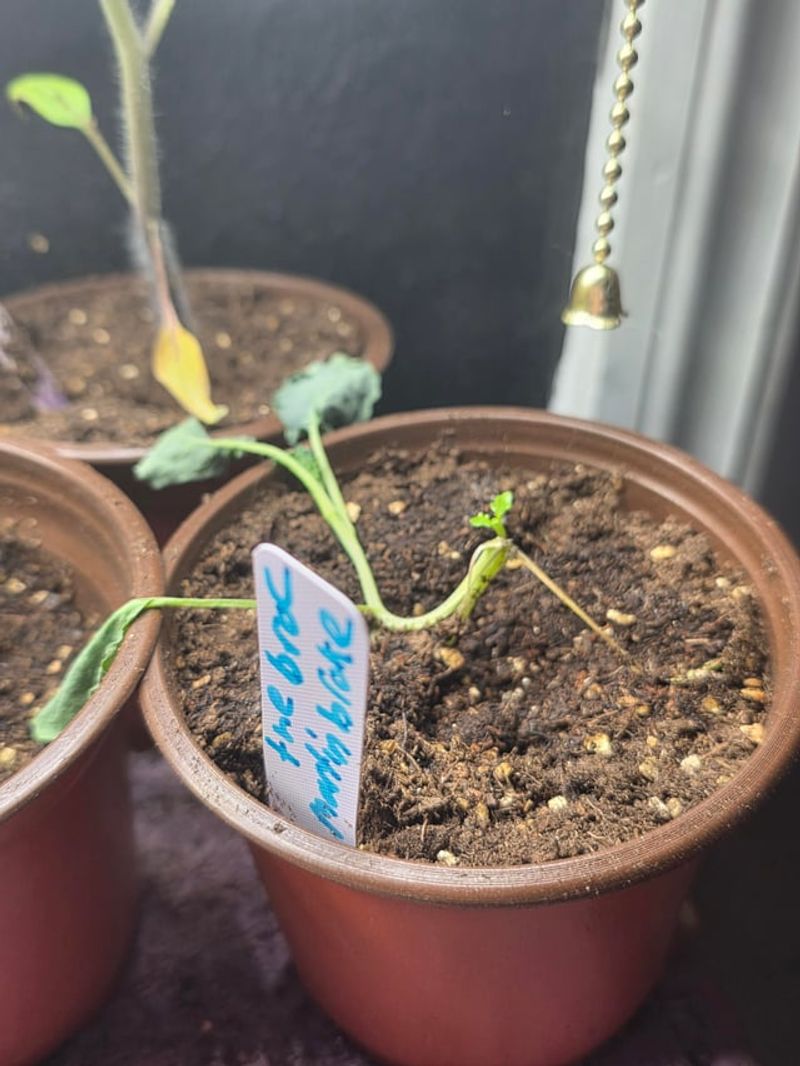
Broccoli needs a head start before the weather starts feeling perfect for broccoli.
That sounds backward, but the plant needs time to build roots and a strong leaf canopy before cool temperatures support head formation. A late transplant can stay healthy and still run short of useful growing time.
Transplants make the process easier.
Set sturdy starts about 18 inches apart and water them deeply after planting. During a hot inland afternoon, temporary shade for the first few days can reduce stress while roots settle into the bed.
Keep moisture steady after that.
A dry spell during establishment can interrupt growth and lead to smaller, looser heads later. Mulch can help hold soil moisture and keep the root zone from heating as sharply through late summer.
California timing changes fast by region.
Northern and coastal gardeners often start fall broccoli earlier in summer and transplant in August. Central Valley gardens need to work around stronger heat.
Low-desert gardeners usually wait until temperatures become more reasonable before setting plants outside.
Give broccoli fertile but balanced soil.
A modest side-dress several weeks after transplanting can support leaf growth without turning the bed into a fertilizer experiment.
Harvest the main head while the buds stay tight.
Leave the plant in place afterward. Side shoots can keep producing smaller heads for weeks.
Broccoli likes fall so much that August is really just the awkward move-in day.
4. Plant Cabbage For A Fall Run
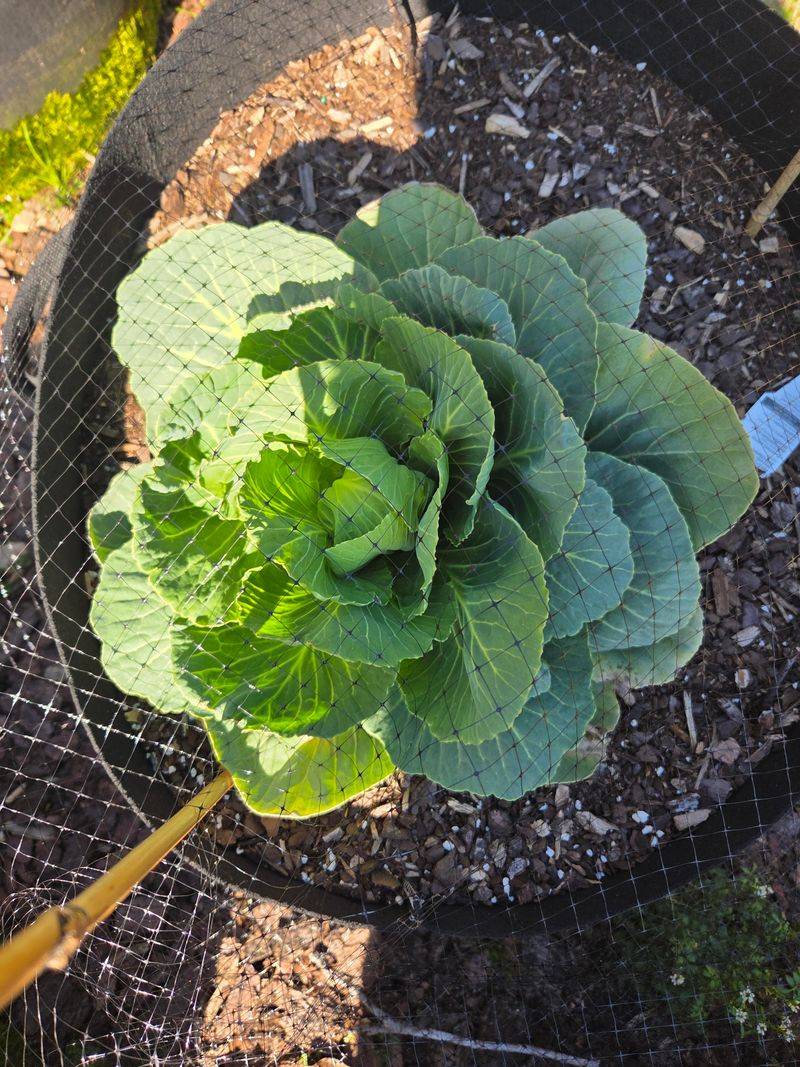
Cabbage rewards gardeners who plan for the head they want, not the little transplant they see.
Those compact starts need surprising space once the leaves begin to spread. Set plants about 18 to 24 inches apart, with larger storage types closer to the wider end of that range.
Fall timing should match the region.
Many California gardens can set transplants in August or early September. Coastal Southern California often keeps a longer window, while inland valleys benefit from an earlier start before fall growth slows.
Steady moisture matters from the beginning.
Irregular watering can stress the plant and contribute to splitting as heads mature. A two-inch mulch layer can help keep the root zone more even between irrigation days and reduce competition from weeds.
Give the plants enough nutrition to build strong leaves.
Cabbage uses plenty of nitrogen during vegetative growth, but heavy feeding late in the process can create more leaf than head. A soil-based approach keeps the balance easier to manage.
Keep an eye on the center as the head firms.
A mature head should feel solid when gently pressed. Harvest before it sits too long through big moisture swings.
Cool nights can improve the flavor and texture of fall cabbage, which gives the crop a nice finish after a warm start.
Cabbage is patient, but not endlessly patient. Give it August room now, and it can spend fall quietly building something worth slicing.
5. Get Cauliflower Moving Early
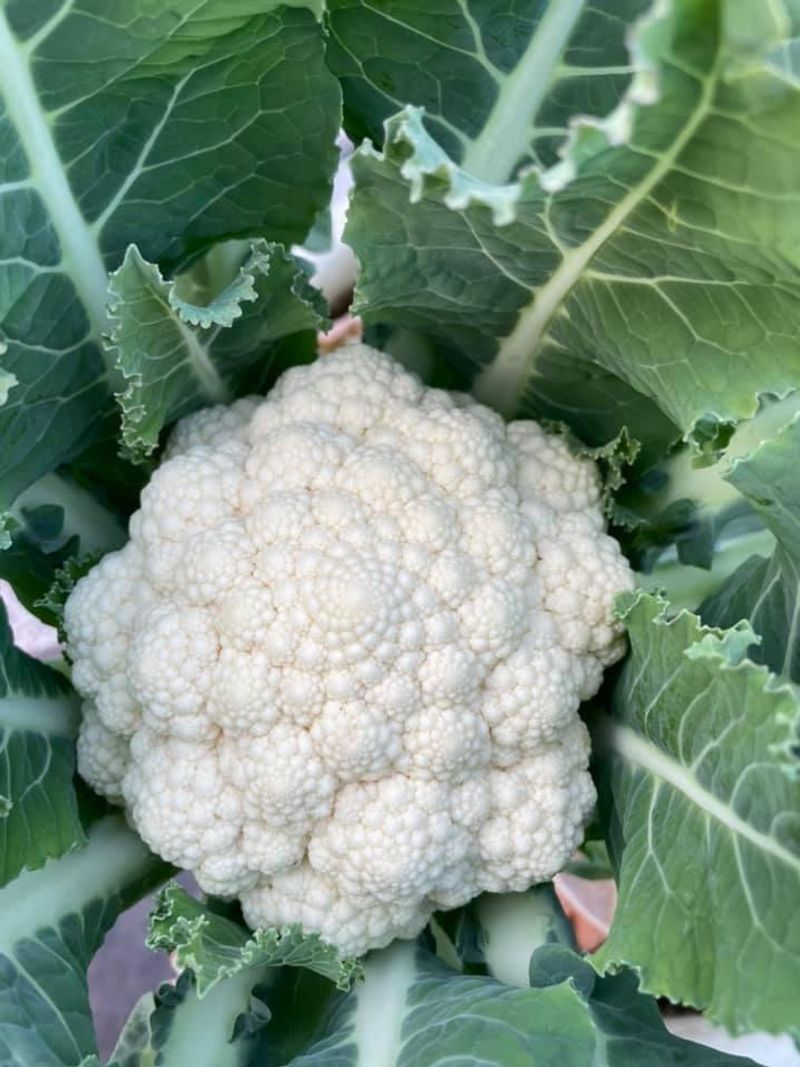
Cauliflower has a reputation for being fussy because it notices every interruption.
Heat stress, dry soil, crowded roots, and uneven nutrition can all show up later in the developing curd. A calm start gives this crop the best chance to form a tight, useful head.
Set transplants early enough for your region.
Many inland and valley gardens aim for late summer, while coastal areas often have more flexibility. Desert gardeners usually need to wait for extreme heat to ease before young plants can settle safely.
Leave 18 to 24 inches between plants.
The broad leaves need room, and the roots benefit from less competition. Keep the soil evenly moist with drip irrigation or a soaker hose rather than letting the bed swing from dry to saturated.
A balanced fertilizer can support steady growth.
Avoid chasing a struggling plant with repeated heavy feeding. Cauliflower responds better to consistency than sudden correction.
Watch the center once a small white curd appears.
Some varieties naturally fold leaves around the head. Others may benefit from several outer leaves loosely gathered over the curd to protect its pale color. Check the seed packet because modern self-blanching types need less help.
Harvest once the head feels firm and the surface stays compact.
Cauliflower demands attention, but it also makes the payoff obvious. Few garden victories feel quite as satisfying as cutting a clean fall head after weeks of keeping everything boringly consistent.
6. Sow Kale For Months Of Picking
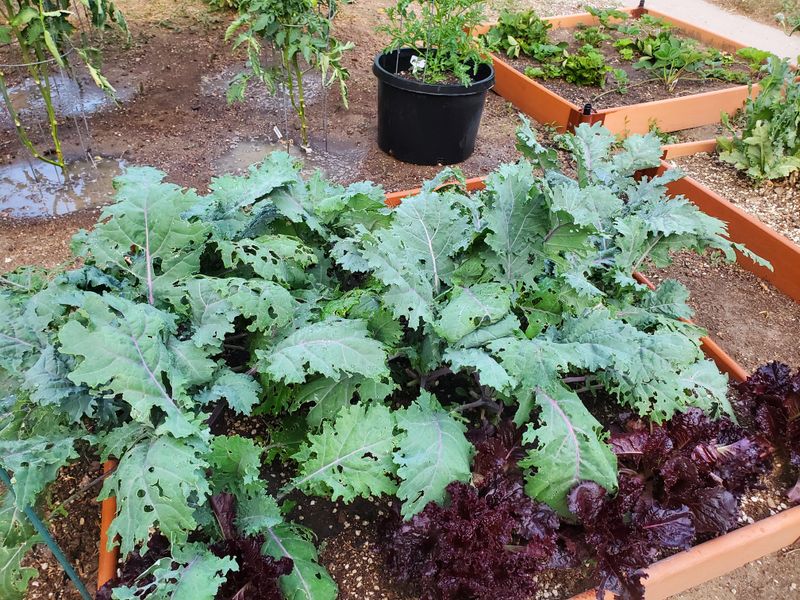
Kale can turn one late-summer planting into months of picking.
That long harvest makes it especially useful in California, where mild fall and winter weather can keep plants productive far beyond the first cool nights.
Direct seed or use transplants.
Sow seeds about a quarter inch deep, then thin established seedlings to roughly 12 to 18 inches apart. Transplants save time and work well in beds where summer crops have only recently come out.
Give young plants steady moisture.
Warm late-summer soil can dry quickly, and kale grows best when the transition into cooler weather stays smooth rather than stressful. A light mulch layer can help hold moisture and keep weeds from claiming the open space.
Harvest from the outside first.
Take mature outer leaves and leave the central growing point alone. That keeps new foliage coming from the middle and turns one plant into a repeat harvest instead of a one-time cut.
Lacinato and Red Russian both fit fall gardens well, while curly types can handle colder conditions in many inland locations.
Cool weather often improves the flavor.
A light frost can make the leaves taste sweeter as the plant adjusts to lower temperatures.
Kale does not need much drama to stay useful. Give it space, water, and a center that remains untouched, and it can keep producing long after the summer vegetables have cleared their desks.
7. Start Lettuce As Summer Heat Eases
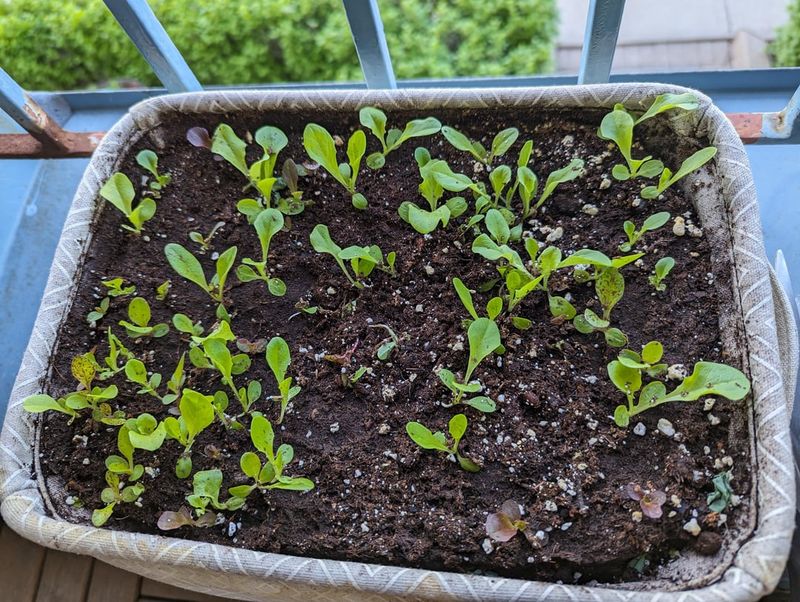
Lettuce waits for the heat to loosen its grip before it cooperates.
Seeds can struggle to germinate in very warm soil, which makes late-summer planting a little more strategic than simply scattering a packet across an open bed.
Cool the seed zone first.
A light shade cloth can lower soil temperature and slow moisture loss during establishment. Another option is starting seeds indoors in a cooler spot, then moving sturdy seedlings outside once conditions become gentler.
Keep the seedbed evenly damp.
Lettuce seed sits close to the surface, so it dries much faster than deeper-sown crops. Small, regular moisture checks matter more than one heavy soaking that runs through the bed.
Loose-leaf varieties usually handle warm transitions better than tight heading types.
They also make succession planting easy. Sow a short row, wait a couple of weeks, then add another where the local season allows. That spreads the harvest and keeps the refrigerator from receiving twenty heads at once.
California microclimates make lettuce timing especially flexible.
Foggy coastal gardens can keep sowing much later than hot inland valleys. Southern California may offer a long cool-season run once summer heat eases.
The first successful row often feels like a seasonal signal.
When lettuce finally sprouts without complaint, fall has probably stopped hinting and started moving into the garden for real.
8. Sow Spinach As The Soil Starts Cooling
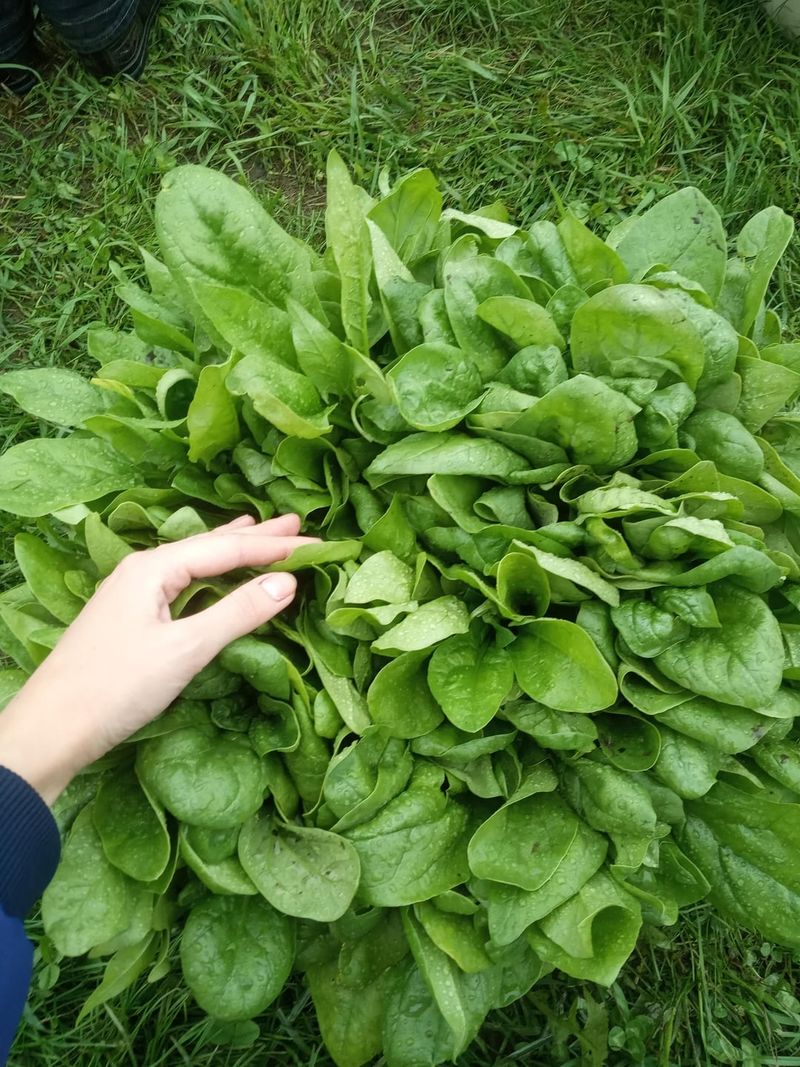
The first cooler nights can turn an empty patch into prime spinach territory.
Spinach prefers the shift away from intense summer heat, so late August and early fall can open a useful planting window across much of California.
Coastal gardeners may start earlier, while hotter inland and desert regions often get better germination once soil temperatures drop.
Sow seeds about half an inch deep.
Keep the seedbed consistently moist until sprouts appear. Warm, dry soil can slow germination, so temporary shade cloth or a light mulch between rows can help protect the surface during lingering hot afternoons.
Thin young plants to roughly 3 to 4 inches apart.
That spacing gives each rosette enough room to build broad leaves without turning the bed into a crowded green carpet.
Spinach also works well for succession sowing.
Plant a short row, then add another about two weeks later as conditions continue to cool. That spreads the harvest instead of giving you one giant pile of leaves at once.
Harvest outer leaves first and leave the center intact.
Cooler weather usually improves both texture and flavor, and established plants can handle light frost in many parts of the state.
Spinach does not need California summer to disappear completely. It just needs the heat to stop hogging the garden. Once that happens, this leafy crop can make fall feel productive very quickly.