How To Set Out Broccoli And Cabbage Transplants In Georgia For A Fall Harvest
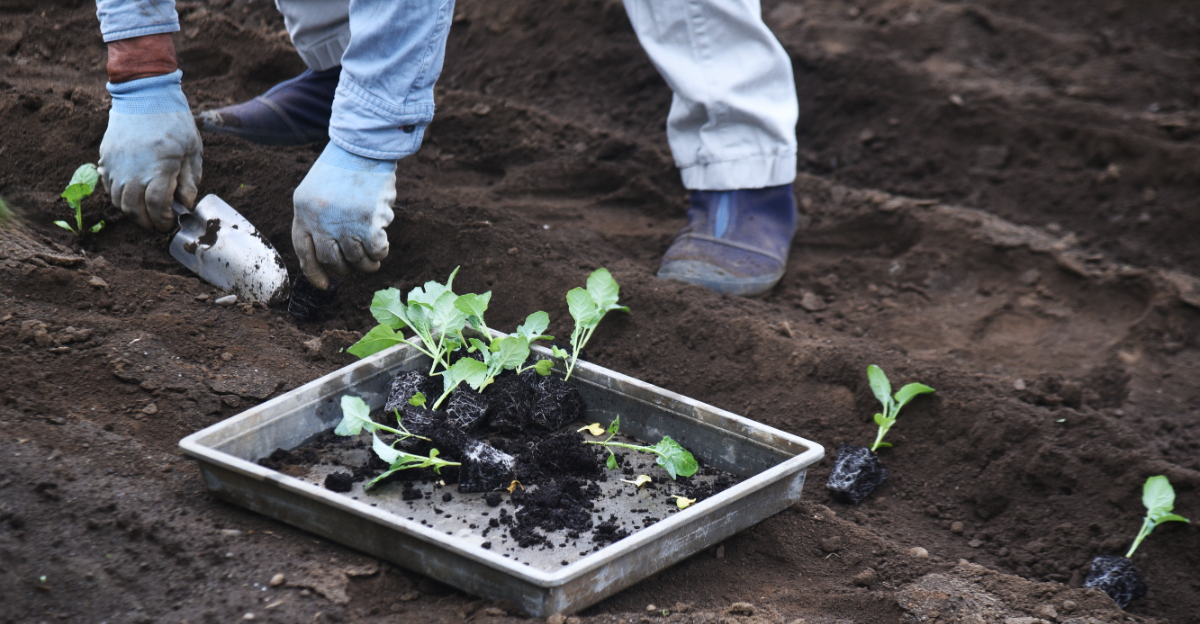
Fall doesn’t ask permission before it arrives in Georgia gardens, but it rewards the growers who plan ahead. Broccoli and cabbage transplants thrive once the summer heat finally loosens its grip.
There’s a narrow window here, and missing it costs more than a few wilted leaves. Get the timing wrong, and you’re left staring at bolted heads instead of tight, sweet ones.
Georgia’s climate plays favorites with patient gardeners. The mild stretch between scorching August days and the first real frost turns into prime real estate for these cool-season crops.
This isn’t about guesswork or crossing your fingers. It’s a season-by-season game plan built for Georgia soil, Georgia weather, and Georgia gardeners who want results they can actually harvest.
1. Late Summer Timing For Strong Transplants
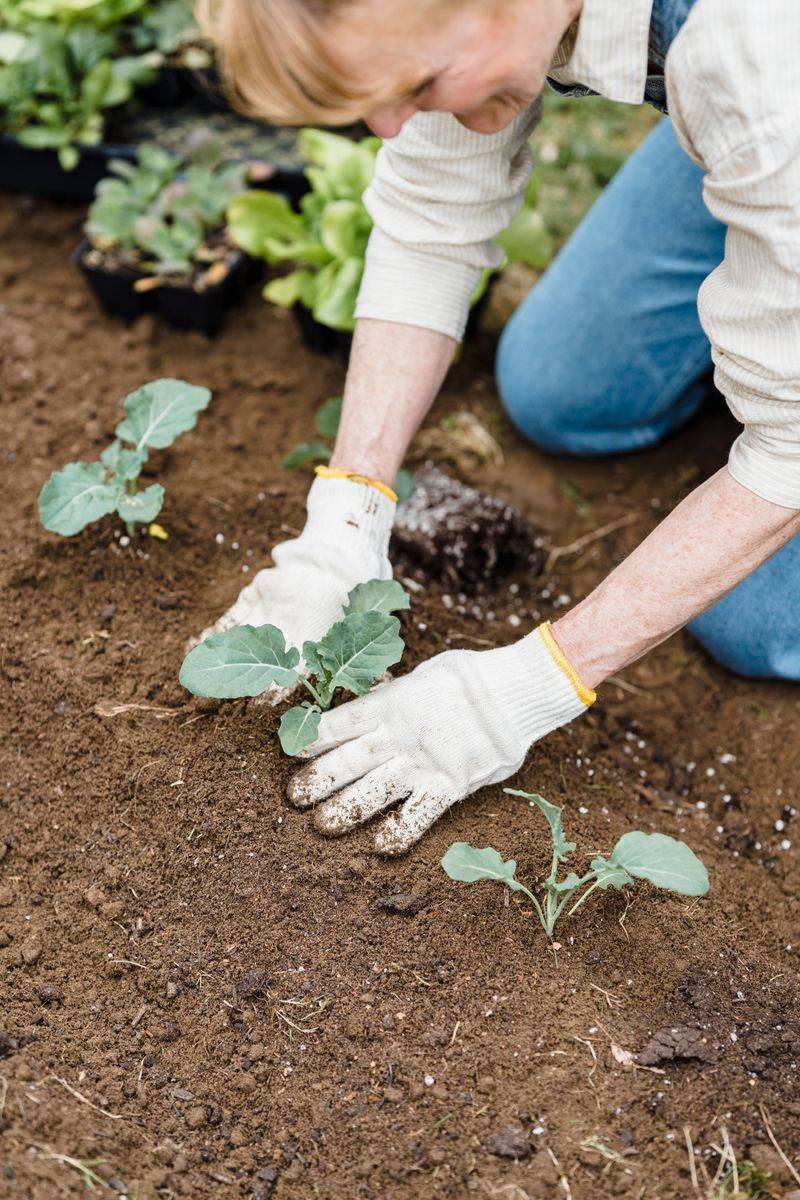
Timing is everything in a Southern fall garden. Setting out broccoli and cabbage transplants in Georgia means hitting that sweet spot in late summer, usually between late July and mid-August.
Broccoli typically needs about 55 to 80 days to mature from transplant, depending on the variety. Cabbage runs a similar course, often taking 60 to 105 days depending on the variety you pick.
If you plant too late, frost will arrive before your heads form fully. Plant too early, and brutal summer heat will stress your young plants beyond recovery.
Most experienced Georgia gardeners start seeds in early August and transplant come September, once the heat breaks. That timing gives roots enough runway before temperatures drop in October and November.
Check your county extension office for the specific first frost date in your area. North Georgia gardeners need to move faster than those in the southern part of the state.
Starting seeds indoors about six weeks before your planned transplant date gives you strong, ready seedlings. A sturdy transplant adapts far faster than a weak or leggy one ever will.
A week before transplanting, harden off your seedlings by setting them outside for a few hours daily. That gradual exposure toughens them up so the shock of full sun won’t set them back.
Think of late summer timing as the foundation of your entire fall harvest. Get this right, and everything else becomes much easier to manage from the start.
2. Picking Healthy Seedlings At The Nursery
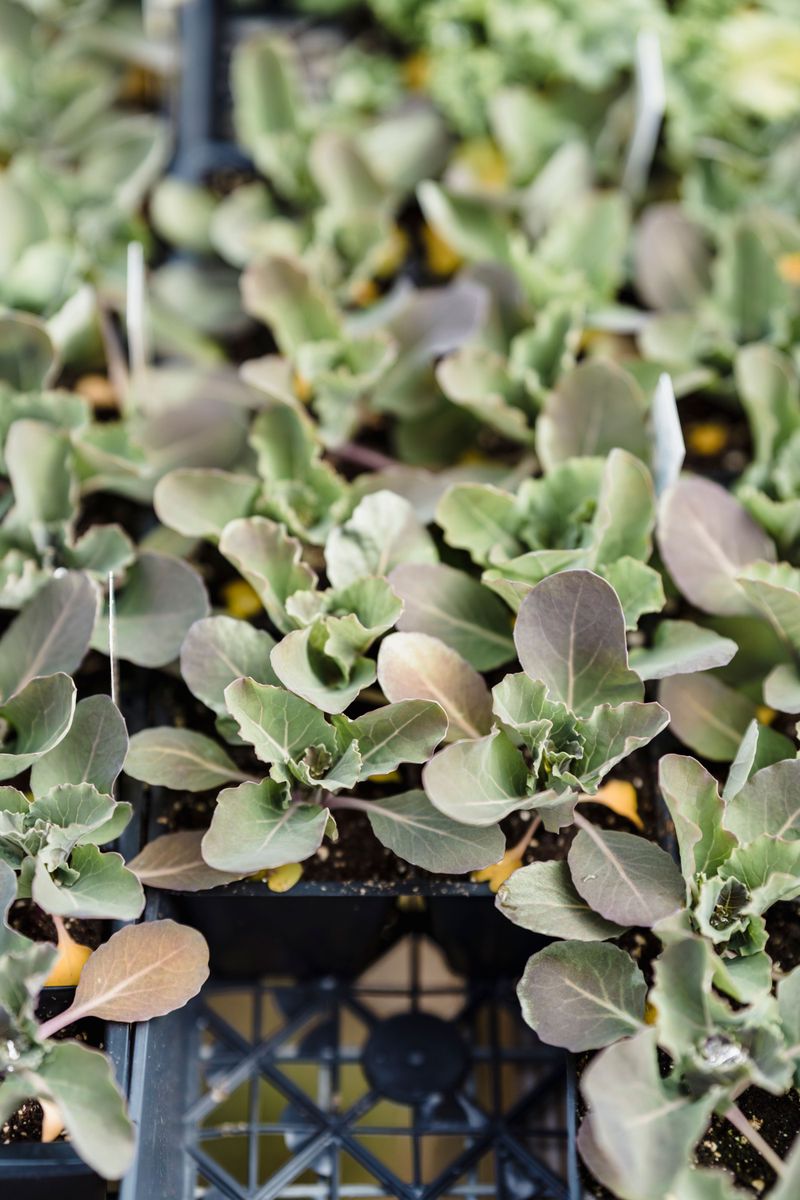
Not all seedlings are created equal, and a quick trip to the nursery can go sideways fast if you don’t know what to look for. Choosing the right transplant is one of the most important steps for a successful fall harvest.
Look for plants with thick, sturdy stems and dark green leaves. Pale yellow leaves or thin, floppy stems are signs of stress or nutrient problems you don’t want to inherit.
Check the root system by gently tipping the plant out of its cell. Healthy roots should be white and firm, not brown, mushy, or circling the bottom of the pot.
Avoid any seedlings that already show signs of insect damage. Small holes in leaves or sticky residue can signal an infestation that will spread to your entire garden bed.
Your Georgia Garden Changes Every Week. Your Plan Should Too.
Gardening in Georgia changes quickly throughout the season. Every Friday you’ll receive a simple weekly plan showing exactly what to plant, prune, fertilize, harvest, and protect so you never miss the right timing.
Compact, shorter plants tend to transplant better than tall, leggy ones. A shorter plant has stronger cell structure and handles transplant shock with more resilience.
Ask the nursery staff when the shipment arrived. Fresh stock that arrived within the last few days gives you the best chance of a smooth transition into your garden soil.
Buy a few extra seedlings beyond what you actually need. Some won’t survive the transplant shock, and having backups on hand means you won’t end up with gaps in your garden bed.
Picking the right seedling at the start saves you time, money, and frustration later. A healthy plant on day one sets the tone for a strong, productive fall harvest.
3. Preparing Beds Before Transplant Day
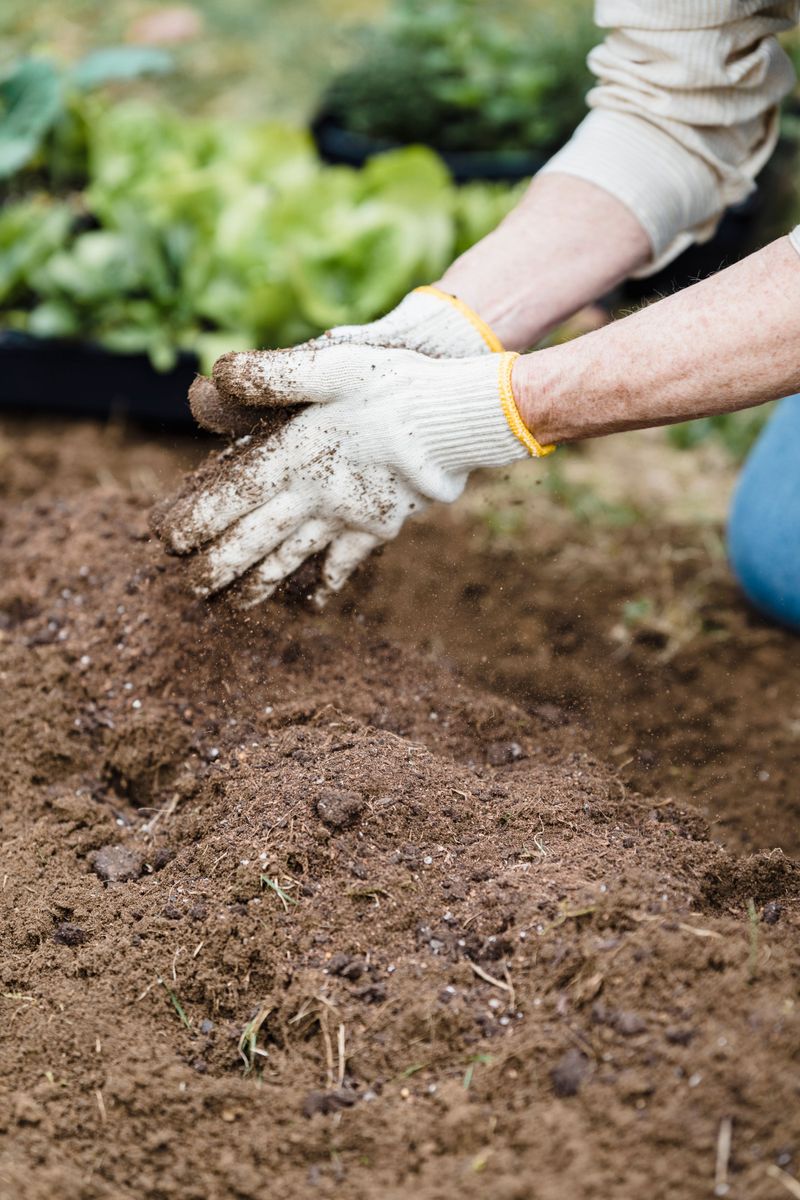
Good soil is the secret weapon of every successful vegetable garden. Before you even think about dropping a single transplant in the ground, spend real time getting your beds ready.
Start by clearing out any leftover summer crops, weeds, or debris. Old plant material can harbor disease and pests that will attack your new broccoli and cabbage transplants.
Work the soil down to about 12 inches deep using a garden fork or tiller. Loose, well-aerated soil lets roots spread quickly and access the nutrients they need to thrive.
Mix in two to three inches of finished compost across the entire bed. Compost improves drainage, adds nutrients, and feeds the beneficial microbes that support healthy plant growth.
Georgia’s clay-heavy soils can be challenging for brassicas like broccoli and cabbage. Adding organic matter consistently over time is the best fix for that dense, compacted texture.
Test your soil pH before planting if possible. Broccoli and cabbage prefer a pH between 6.0 and 7.0, and a simple test kit from any garden center will tell you where you stand.
Consider adding a slow-release organic fertilizer while you’re amending the bed. Broccoli and cabbage are heavy feeders, and building nutrients into the soil now saves you from playing catch-up later.
Rake the bed smooth and level after amending the soil. A well-prepped bed on transplant day makes everything go faster and gives your plants the cleanest possible start.
4. Spacing Rows For Proper Air Flow
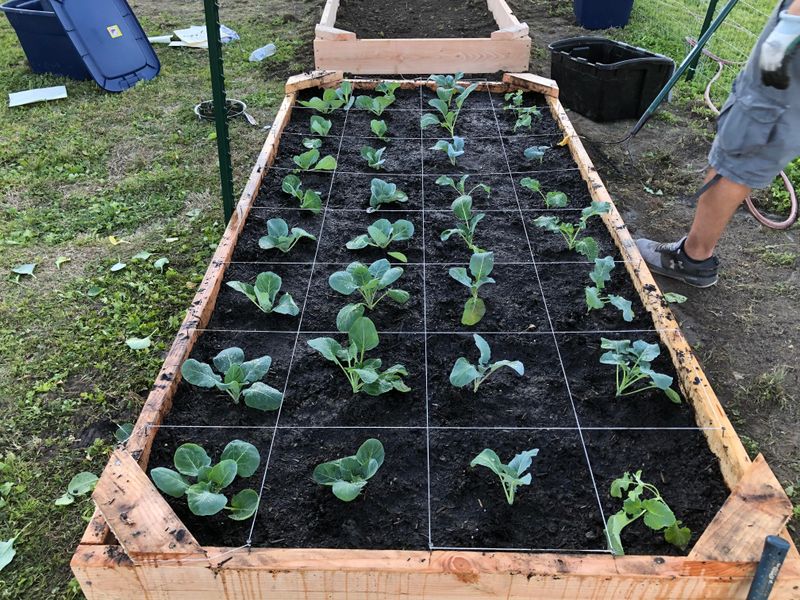
Crowding your plants is one of the most common mistakes new fall gardeners make. Broccoli and cabbage are big, leafy crops that need personal space to grow properly.
For broccoli, aim for about 18 inches between plants within a row. Space the rows themselves at least 24 to 36 inches apart to allow easy access and good airflow.
Cabbage heads can grow quite large depending on the variety you choose. Give each cabbage plant at least 24 inches of space in every direction to avoid competition for water and nutrients.
Poor spacing leads to poor airflow, and poor airflow invites fungal diseases. Conditions like downy mildew and black rot spread fast when plants are packed tightly together in humid Georgia air.
Wide spacing also makes pest management much easier. You can spot insects quickly and treat individual plants without disturbing the entire row.
Mark your spacing before you dig any holes. A simple measuring tape and a few stakes help you stay accurate without guessing.
Some gardeners use a stick cut to the exact spacing length as a quick measuring tool. That small trick saves time and keeps your rows looking clean and organized throughout the season.
Proper spacing from day one means healthier plants, bigger yields, and far fewer headaches when harvest time finally arrives in the fall.
5. Watering Right After Transplanting
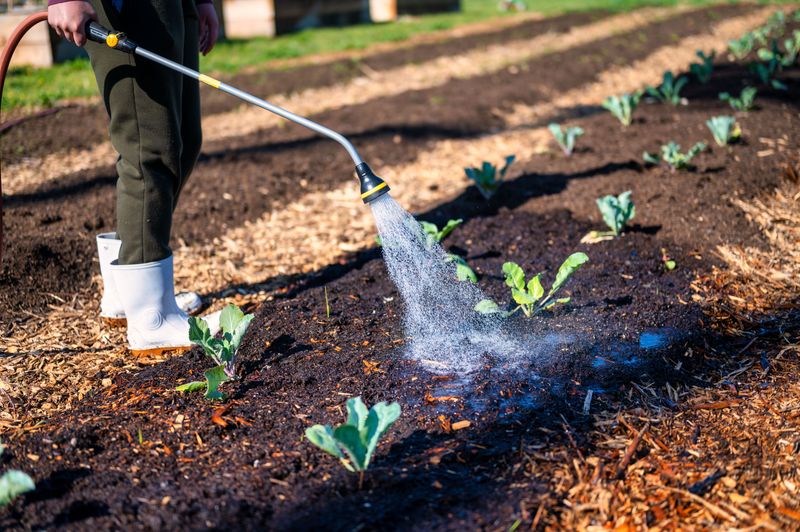
The moment you put a transplant in the ground, a clock starts ticking. Roots that were cozy in a small cell tray are suddenly exposed to open soil, and they need water fast.
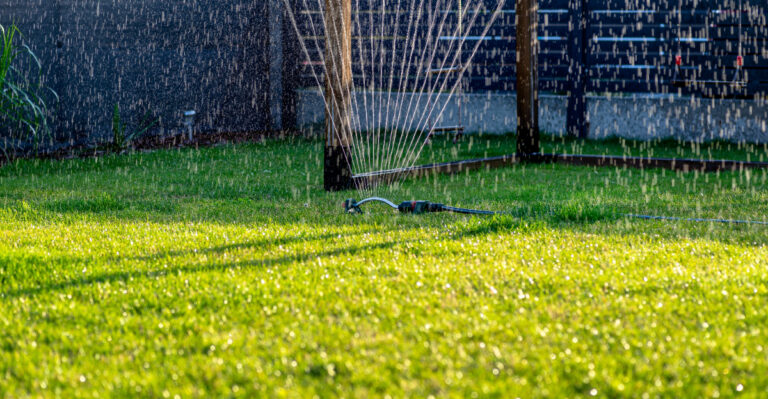
Water each plant deeply right after transplanting, not just a sprinkle on top. You want moisture to reach down six to eight inches to encourage roots to chase it downward.
A slow, steady pour at the base of each plant works better than overhead watering at this stage. Wet foliage in the afternoon heat can invite fungal problems almost immediately.
For the first week after transplanting broccoli and cabbage, check soil moisture every single day. Late summer heat in Georgia dries out garden beds faster than most people expect.
If the top inch of soil feels dry, it’s time to water again. Consistent moisture during the first two weeks helps plants push through transplant shock and start growing new roots.
Early morning is the best time to water, since it gives plants a full day to absorb moisture before the heat sets in. Watering at night instead leaves excess moisture sitting on leaves and roots overnight.
Drip irrigation or soaker hoses are excellent tools for fall transplants in a Southern garden. They deliver water directly to the root zone without wasting a drop on the surface.
Mulching around the base of each plant after watering helps lock in that precious moisture. A two-inch layer of straw or shredded leaves helps the soil hold onto moisture longer, so you won’t need to water nearly as often.
6. Protecting Young Plants From Afternoon Sun
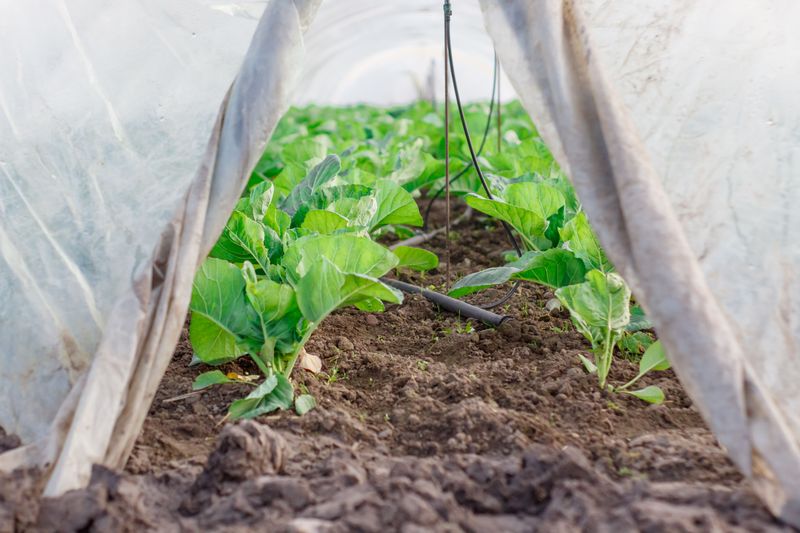
August in Georgia is no joke when it comes to heat. Young transplants that just left a shaded greenhouse can get scorched by intense afternoon sun within the first few days.
Temporary shade cloth is one of the best tools for protecting new broccoli and cabbage transplants during the first week or two. A 30 to 40 percent shade cloth cuts heat stress significantly.
You can drape shade cloth over simple wire hoops placed above the row. This creates a low tunnel that blocks harsh rays while still allowing air to circulate freely around the plants.
Another easy option is using old bedsheets or lightweight row cover fabric. These materials diffuse light without blocking it completely, keeping plants cooler during the hottest part of the day.
Remove shade protection in the morning so plants still get plenty of gentle early sun. Full shade all day can slow growth and weaken stems over time.
After about ten to fourteen days, most transplants have adjusted well enough to handle full sun. You will notice them standing upright and pushing out new leaf growth as a sign of recovery.
Think of the shade cloth as a welcome mat for your new plants. A little protection in those first critical days sets the stage for a confident, thriving fall harvest ahead.
7. Feeding Transplants During Early Establishment
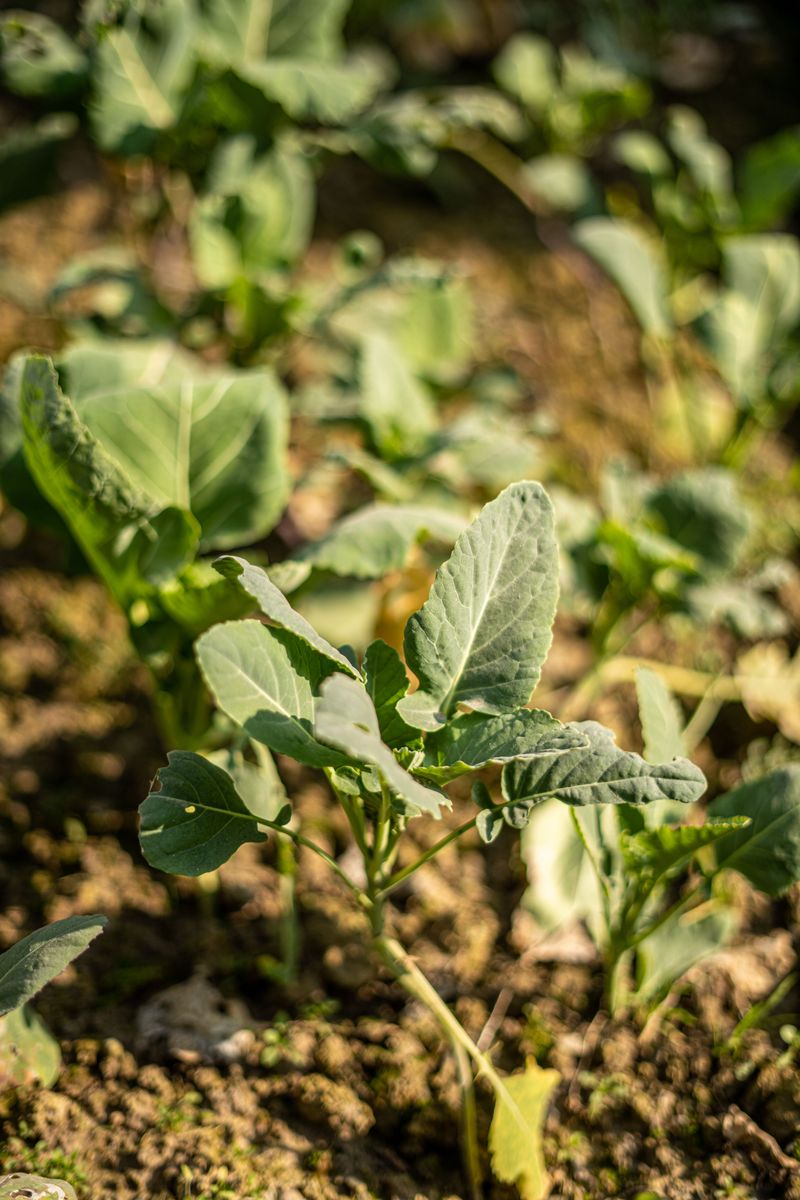
Hungry plants don’t grow well, plain and simple. Broccoli and cabbage are heavy feeders, meaning they pull a lot of nutrients from the soil to build those big, dense heads.
Start with a balanced starter fertilizer when you first set out your transplants. A 10-10-10 granular fertilizer worked lightly into the soil around each plant gives roots an immediate nutrient boost.
About two to three weeks after transplanting, switch to a nitrogen-rich fertilizer. Nitrogen drives leafy, green growth, which is exactly what broccoli and cabbage need during early establishment.
Liquid fertilizers like fish emulsion or liquid kelp are great for quick absorption. Apply them directly to the soil around the base of each plant, not on the leaves themselves.
Avoid over-fertilizing, which can push too much leafy growth at the expense of head formation. Follow package directions carefully and resist the urge to add extra just to be safe.
Side-dressing with compost every few weeks is a gentler, slower approach some gardeners prefer. It feeds plants steadily without the risk of burning roots or throwing off soil balance.
Keeping a simple feeding schedule written on a notepad or phone reminder helps you stay consistent. Regular, timely nutrition during early establishment is one of the biggest factors in a strong fall harvest for broccoli and cabbage transplants.
8. Watching For Pests In The First Weeks
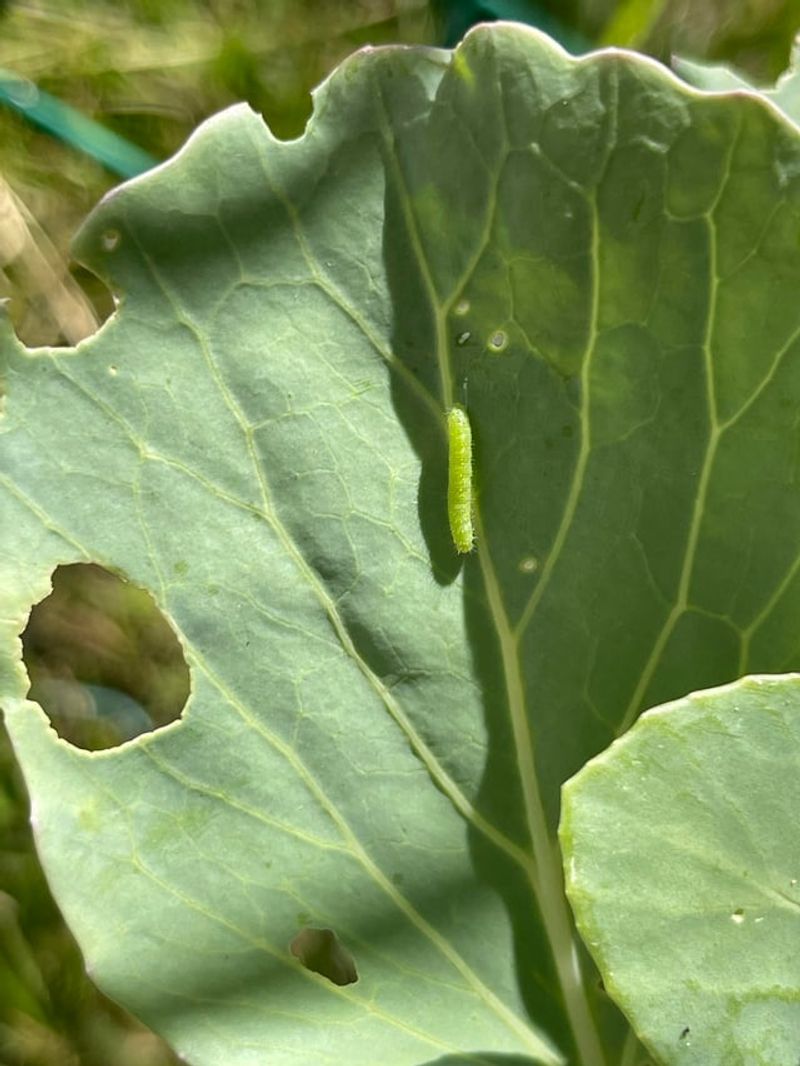
Pests show up fast when you least expect them. The first few weeks after transplanting broccoli and cabbage are when your plants are most vulnerable to insect damage.
Cabbage loopers and imported cabbageworms are the top threats to watch for in a Georgia fall garden. These small green caterpillars blend into leaves perfectly and can strip a plant down surprisingly fast.
Check the undersides of leaves every two to three days during the first month. Eggs are often laid there first, and catching them early means far less damage to your transplants.
Aphids are another common problem, clustering in thick groups along stems and under leaves. A strong blast of water from the hose knocks them off quickly without any chemicals needed.
Row covers made of lightweight fabric can act as a physical barrier against egg-laying moths and butterflies. Secure the edges with soil or garden staples so insects cannot sneak underneath.
Bacillus thuringiensis, commonly called BT, is an organic spray that targets caterpillars without harming beneficial insects. It works best when applied early in the morning or late in the evening.
Staying alert during those first critical weeks pays off with a cleaner, healthier crop come harvest time. For broccoli and cabbage transplants in Georgia, early pest control is what stands between you and a fall harvest worth bragging about.