The Fall Crops Ohio Gardeners Are Sowing Before Mid-Week Heat
Late August can make an Ohio garden feel caught between two seasons.
The soil still holds summer warmth. Afternoon heat can spike without much warning. Then cooler nights start to hint that fall is closer than the forecast makes it seem.
That short overlap can be useful.
Seeds often sprout fast in warm soil, but young plants can struggle once a hot stretch arrives.
The trick is to give them a small head start, keep the seedbed from drying out, and choose crops that actually like the cooler weeks waiting on the other side.
So what deserves space before the next hot spell rolls through?
Some crops race from seed to harvest. Others need every remaining week they can get. A few taste better after cold weather finally shows up.
Ohio does not offer one perfect date for every county, either.
The smartest move is to watch your local frost window, use the warmth while it helps, and get these seven fall crops settled before summer tries one more comeback.
1. Sow Spinach For Cooler Days Ahead
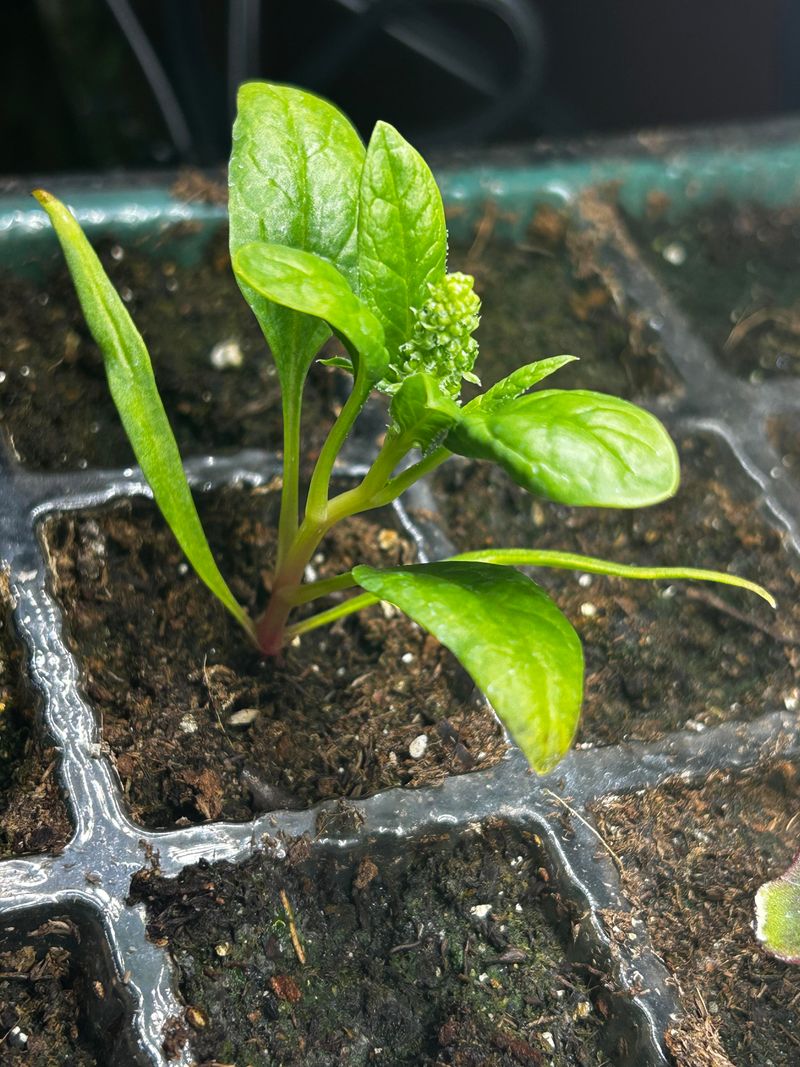
A warm seedbed can help spinach get moving, but the top layer cannot dry out.
That balance matters in late August and early September. Soil around 60 to 75 degrees can support quick sprouts, while a sudden hotter stretch can stall seeds that lose moisture near the surface.
Sow about six to eight weeks before your first expected fall frost.
That often puts Ohio gardeners somewhere from late August into early September, though northern counties need an earlier start than southern ones.
Keep seed shallow and the bed evenly damp.
A thin layer of straw can slow moisture loss without covering new shoots too heavily. During a hot spell, a light shade cloth over simple hoops can protect young plants from the harshest afternoon sun.
Remove it once daytime temperatures settle back down.
Thin seedlings to about 3 to 4 inches apart after they establish.
That extra room keeps the leaves compact and helps air move between plants. Crowded spinach can stretch and weaken at exactly the time you want sturdy fall growth.
Bloomsdale Long Standing and Tyee are useful choices for the transition from late heat into cooler weather.
Do not overcomplicate the routine.
Moist seedbed. Light shade during the hottest days. Plenty of room once sprouts appear.
Spinach may act delicate in August, but give it one good start and it can become the calmest crop in the bed once October arrives.
2. Get Kale Growing Now
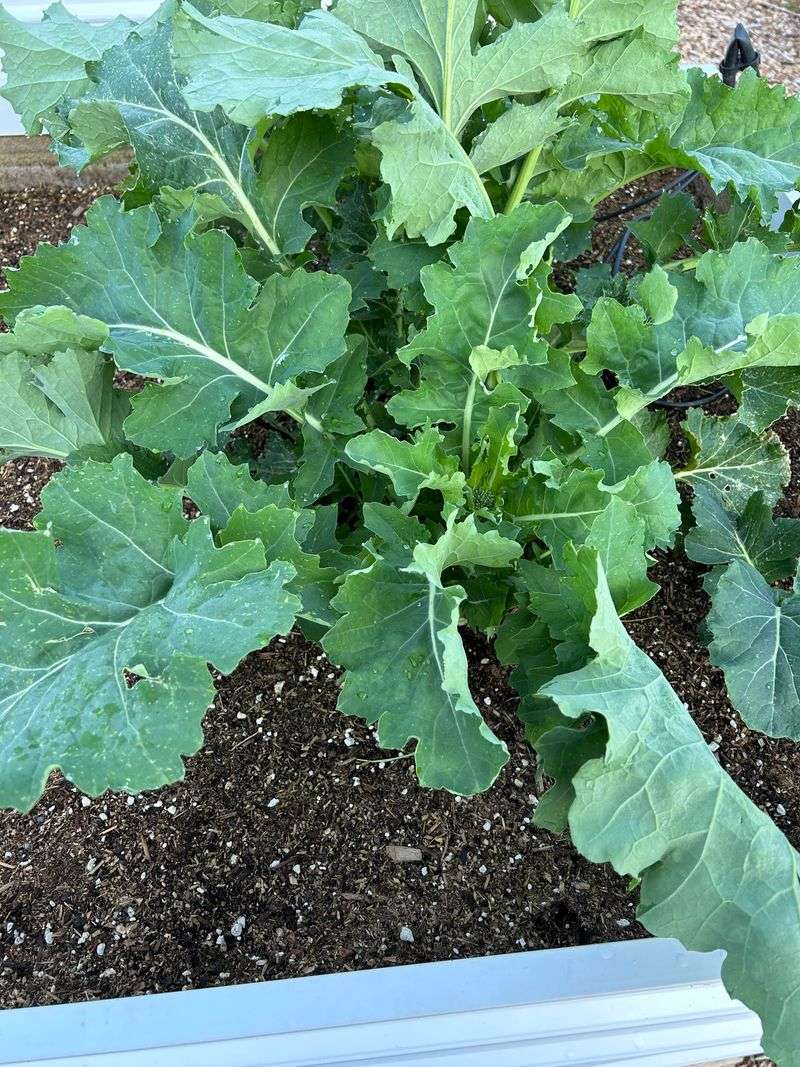
Cold weather gives kale one of its best tricks.
A touch of frost can mellow the flavor and make the leaves taste sweeter, so this crop does not merely tolerate fall. It often improves as the season moves deeper into it.
Late summer still asks for some care.
Direct seed works when enough time remains before frost. Transplants buy you several extra weeks and can be the safer choice after a late start.
Set seeds about a quarter inch deep.
For transplants, soak the root zone well after planting and protect young leaves from brutal afternoon sun during the first several days. A light shade cloth can ease that transition when temperatures still climb above 85 degrees.
Your Ohio Garden Changes Every Week. Your Plan Should Too.
Gardening in Ohio changes quickly throughout the season. Every Friday you’ll receive a simple weekly plan showing exactly what to plant, prune, fertilize, harvest, and protect so you never miss the right timing.
Give each plant about 18 inches of space, with roughly 24 inches between rows.
Kale needs room to build a full rosette. Tight spacing creates a leafy traffic jam and makes harvest much less pleasant later.
This crop also uses more nutrients than many quick fall greens.
Work compost or a balanced vegetable fertilizer into the bed before planting. A modest nitrogen side-dress several weeks later can support steady leaf production.
Red Russian, Winterbor, and Lacinato all fit Ohio fall gardens well.
Harvest the outer leaves first and leave the center intact.
That simple habit turns one plant into weeks of soup, sautés, and salads.
Kale is basically the crop that sees an Ohio frost warning and takes it as a flavor upgrade.
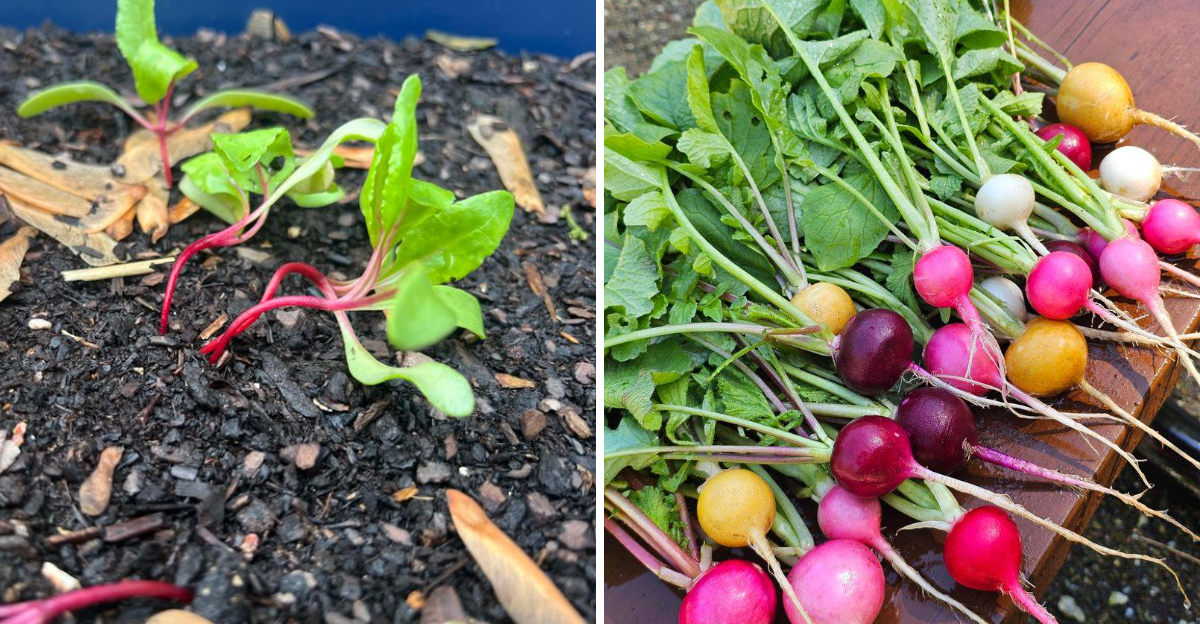
3. Seed Beets Before August Slips Away
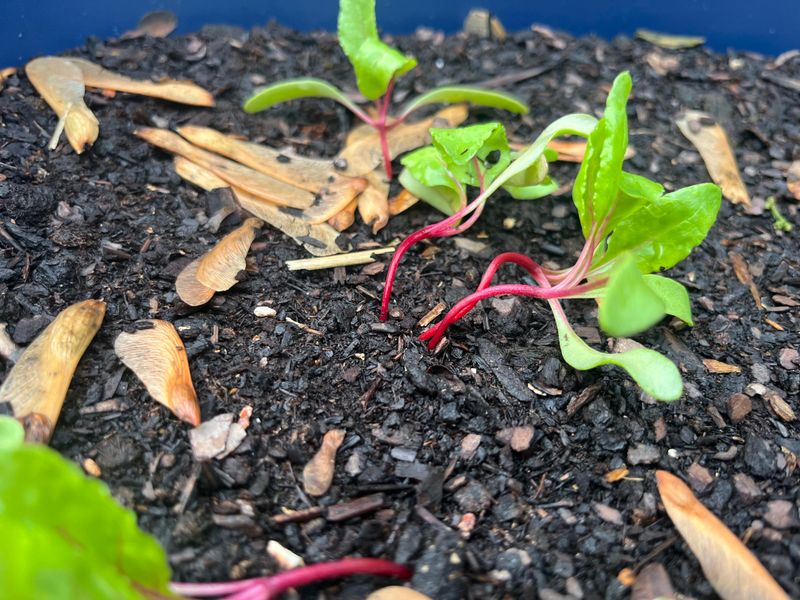
Beets do not leave much room for procrastination.
They need about eight to ten weeks before the first hard fall cold slows root growth, so late August can become a real deadline across much of Ohio.
Sow the seed clusters about half an inch deep and roughly an inch apart.
Each rough little “seed” can produce more than one seedling, which means thinning is part of the deal. Once sprouts reach about 2 inches tall, leave roughly 3 to 4 inches between plants.
Keep the extras for lunch.
Young beet greens are tender and perfectly usable, so the thinning chore comes with a small salad bonus.
Moisture matters most during the first week or so.
Warm soil can speed emergence, but a dry crust on top can trap tender sprouts below the surface. A light layer of shredded leaves or straw helps keep that zone softer through a hot stretch.
After plants establish, keep moisture steady.
Big swings between dry and soaked soil can leave roots tougher and less pleasant at harvest.
Detroit Dark Red is a classic choice for dependable roots. Bull’s Blood adds deep burgundy foliage and gives the bed a little extra drama before harvest.
Leave enough room for each root to swell.
Crowded beets can grow plenty of leaves and very little worth pulling from below.
August already vanishes quickly. Your beet row does not need to lose another week while the seed packet sits on the kitchen counter.
4. Sow Turnips For A Quick Fall Crop
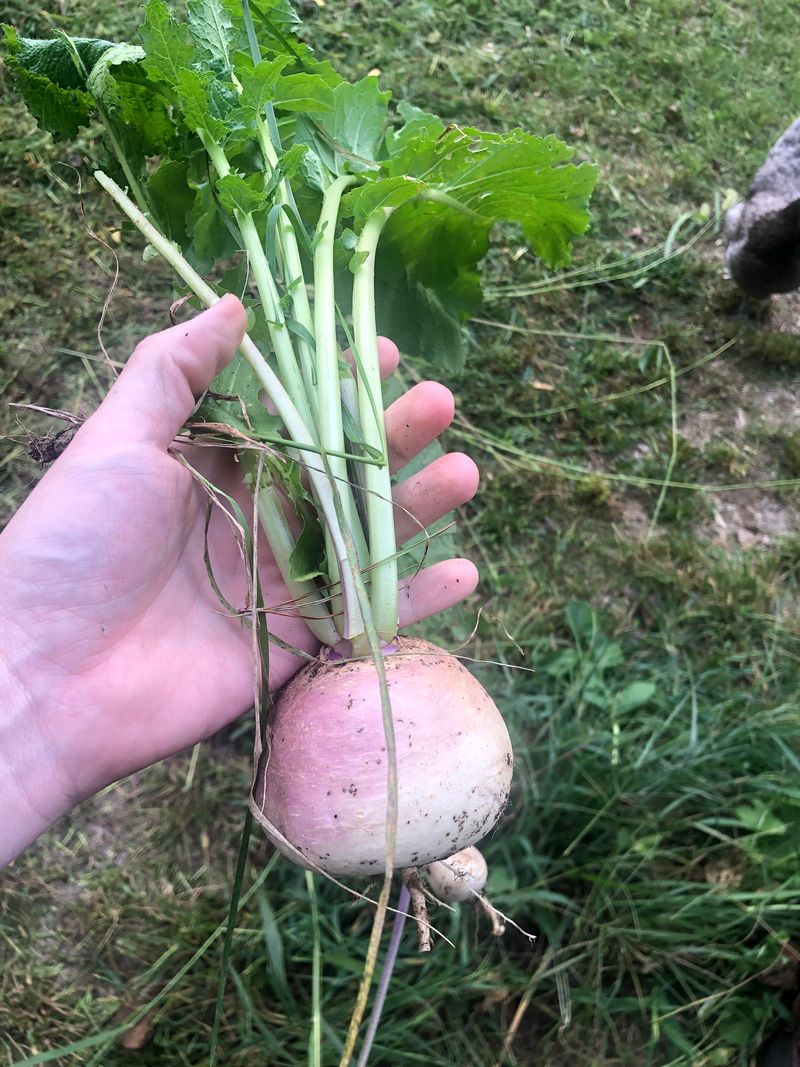
Not every fall crop needs months to prove itself.
Turnips can move from seed to harvest in roughly 45 to 60 days, which makes them especially useful after a gardener realizes summer ran longer than planned.
Sow seeds in shallow rows about 12 inches apart.
Cover them with no more than half an inch of soil. Warm late-summer ground can bring sprouts in four to seven days when moisture stays steady.
Then thin hard.
Leave about 4 to 6 inches between plants once seedlings reach around 2 inches tall. Tight clusters give you impressive greens and disappointing roots.
The pulled seedlings are not waste.
Use the tender tops in a skillet with garlic, butter, or olive oil, and the thinning job suddenly feels much less tragic.
A short new row every ten days can spread the harvest across several weeks.
Keep that pattern into early September where your local frost window allows enough time.
Purple Top White Globe remains a dependable choice for roots. Seven Top makes more sense when the greens matter more than the bulb.
Light frost can improve the flavor, so there is no need to rush every plant out of the soil at the first chilly night.
Keep the bed evenly moist during root growth.
Turnips can tolerate some dry weather later, but steady moisture usually gives you smoother roots and a milder bite.
They are fast, useful, and refreshingly impatient. Fall crops rarely make a deadline feel this manageable.
5. Get Carrots Into Open Ground
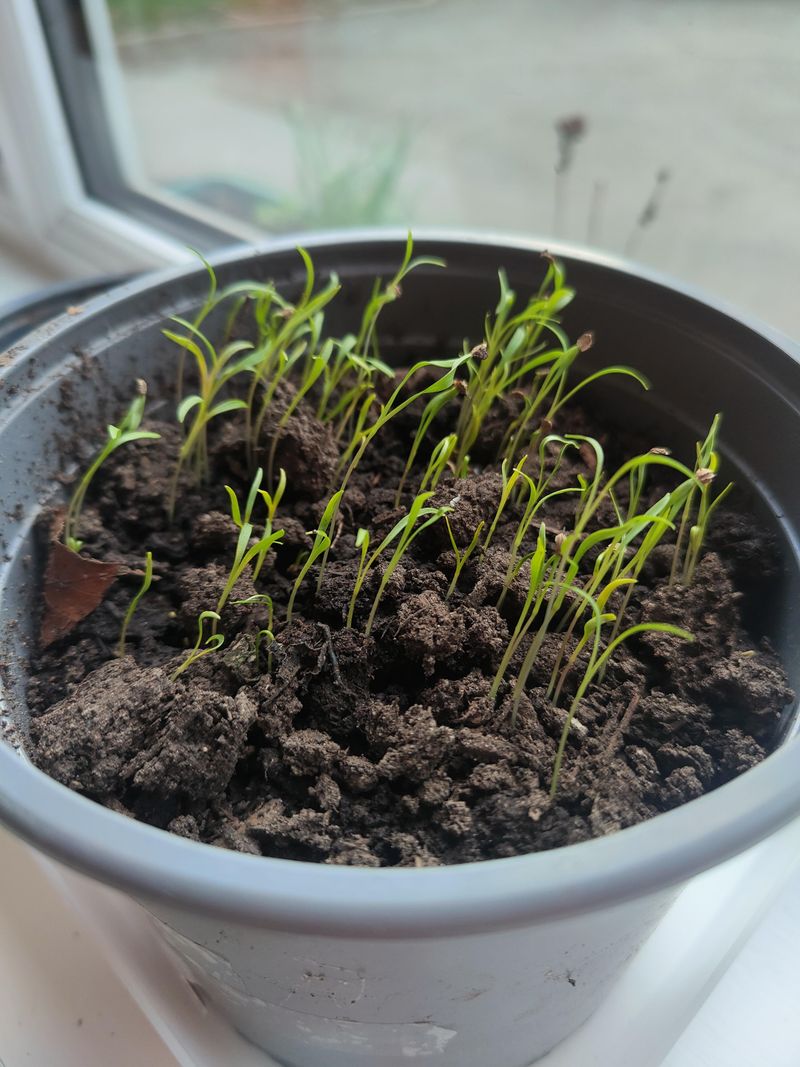
Carrots make you earn the first sprout.
Ten to 21 days can pass before seedlings show, and the soil surface needs steady moisture through that entire stretch. One hot, dry afternoon can turn an even row into scattered gaps.
Late-summer warmth can still help.
Warm soil speeds the process, provided the seedbed never dries hard. A thin layer of fine compost or vermiculite over the row can reduce crust and help hold moisture near those tiny seeds.
Prepare the ground before sowing.
Loose soil at least 10 to 12 inches deep gives roots space to grow straight. Stones, compacted patches, and hard clods can produce forks and stubby carrots that look far more creative than useful.
Sow about a quarter inch deep.
Thin seedlings to roughly 2 to 3 inches apart after they reach about an inch tall. That task feels tedious, but each root needs its own narrow lane underground.
Danvers 126 and Scarlet Nantes are dependable fall choices for Ohio gardens.
A light row cover can help hold moisture and soften the effect of a brief hot spell during the long germination stage.
Keep the soil evenly damp, not muddy.
Later in the season, a light frost can sweeten mature roots, which gives patience a very good reward.
Carrots may test your attention for two weeks, then spend October acting like the whole delay was part of the plan.
6. Start Broccoli For Fall Harvests
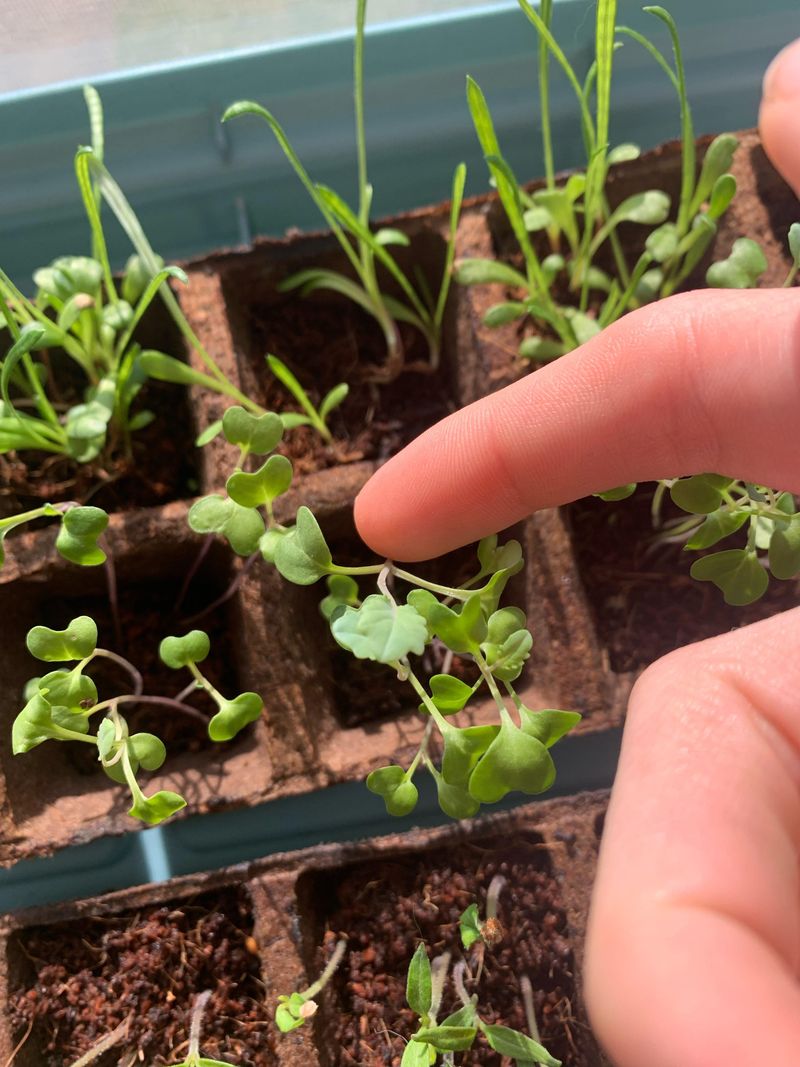
Fall broccoli can produce beautiful heads, but timing gets tight fast.
By late summer, direct seed often leaves too little runway in much of Ohio. Transplants make more sense because they already carry several weeks of growth into the garden.
Set them out as soon as possible.
A fall crop usually needs a long lead before the first hard frost, so gardeners near the end of August are already close to the edge of the ideal window.
Give transplants a deep drink at the start.
Strong afternoon heat can stress new roots before they settle, so light shade for the first few days can help. Remove the cover once the plants stand firm and temperatures ease.
Space plants about 18 to 24 inches apart.
Broccoli builds a broad leaf canopy, and those leaves need room to collect enough energy for a solid central head.
The crop also appreciates fertile soil.
Compost or a balanced fertilizer before planting gives roots a good start. A modest nitrogen boost several weeks later can support steady growth, provided the plants already have reliable moisture.
Belstar and Gypsy are useful varieties for fall production.
Harvest the center head before the tiny flower buds loosen and show yellow.
Then keep the plant in place.
Side shoots can continue to produce smaller heads for weeks after the main harvest.
Broccoli is not the crop for a casual late start, but a good transplant can still turn a narrow window into a respectable October payoff.
7. Keep Radishes Going In Successive Sowings
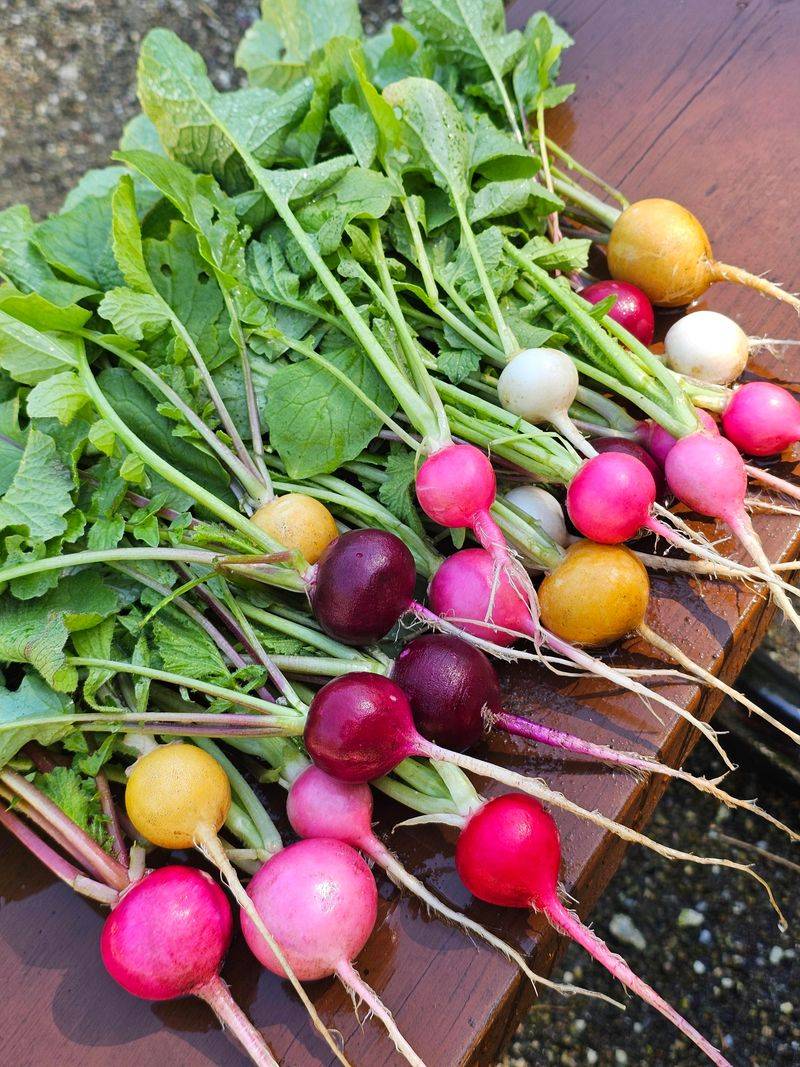
A packet of radish seed can rescue almost any late fall plan.
Most varieties need only about 22 to 30 days from seed to harvest. That speed gives Ohio gardeners time for several rounds before colder weather closes the season.
Do not sow the whole packet at once.
Plant a short row every 7 to 10 days through mid-September, adjusted for your local frost window. That simple rhythm keeps the harvest steady and prevents one giant pile of radishes from taking over the refrigerator.
Set seeds about half an inch deep.
Leave around 2 inches between plants after thinning, with rows about 6 inches apart. Crowding pushes leaves at the expense of round roots.
Warm weather can make flavor sharper.
The best roots usually come from steady moisture and cooler conditions near harvest. Dry soil can leave radishes woody, cracked, or much hotter than expected.
A light row cover can help through the first hot spell.
It also gives young leaves some protection from flea beetles, which love to turn radish tops into tiny green lace.
Cherry Belle, Easter Egg, and French Breakfast all work well for quick fall rounds.
Pull roots as soon as they reach useful size.
Extra time underground does not make them better. It often makes them pithy.
Radishes understand deadlines better than most vegetables. Give them four weeks, a little water, and enough space, and they get straight to the point.