Native Ohio Trees To Grow Instead Of Fences For Year-Round Privacy
A fence can block a view fast, but it rarely gets better with age.
Boards fade. Posts lean. One windy winter starts a repair list nobody wanted.
A row of the right Ohio natives takes a slower route, and that delay comes with a much better payoff.
Instead of one flat wall, you get layers. Birds slip into the branches. Winter keeps some green in the yard. Spring brings fresh growth, and the property line starts to feel less like a border and more like part of the landscape.
The catch is space.
One tree may stay narrow. Another can eventually claim half the backyard. Soil, drainage, sun, and deer pressure can change the whole plan before the first shovel hits dirt.
So which native belongs between your patio and the neighbor’s kitchen window?
Seven choices can do the job in very different ways.
Choose for the yard you actually have, not the tiny nursery tree you see today. Privacy grows better when future size gets invited into the plan.
1. Use Eastern Redcedar For Tough Evergreen Cover
A rough patch of Ohio ground can still make a very good privacy line.
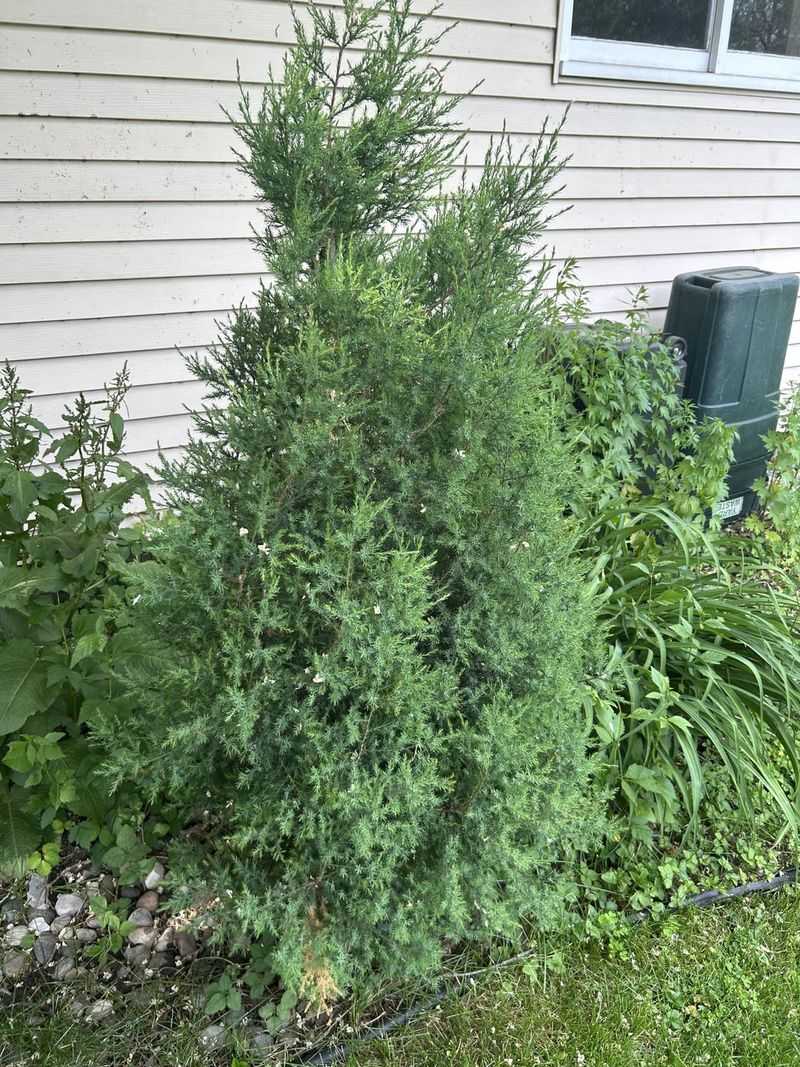
Eastern redcedar handles conditions that make fussier evergreens complain. Full sun, exposed wind, lean soil, rocky ground, and plenty of clay can suit Juniperus virginiana once roots settle into the site.
Its form also helps.
The tree often stays dense low on the trunk, so the screen starts near eye level instead of several feet above it. Mature trees can reach roughly 40 to 50 feet tall and 8 to 20 feet wide, with a narrow to broad pyramidal shape.
Give spacing some thought before you chase instant cover.
About 6 to 8 feet between trees creates a tighter screen. Ten to 12 feet gives each crown more room and produces a looser woodland feel. Tight rows fill gaps sooner, but the trees may need extra attention as branches meet later.
Wildlife gets a bonus too.
Female trees can produce blue-gray berry-like cones that attract cedar waxwings, bluebirds, and mockingbirds. Dense foliage also gives small birds useful winter shelter.
A mix of male and female plants supports fruit production, so ask the nursery what you are buying when berries matter to you.
Eastern redcedar does not need to look like a clipped hedge. Let the natural outline stay visible.
You get privacy, winter color, and bird traffic without turning Saturday into a standing appointment with hedge shears.
2. Give Eastern White Pine Room To Spread
That soft little pine at the nursery can become a very large neighbor.
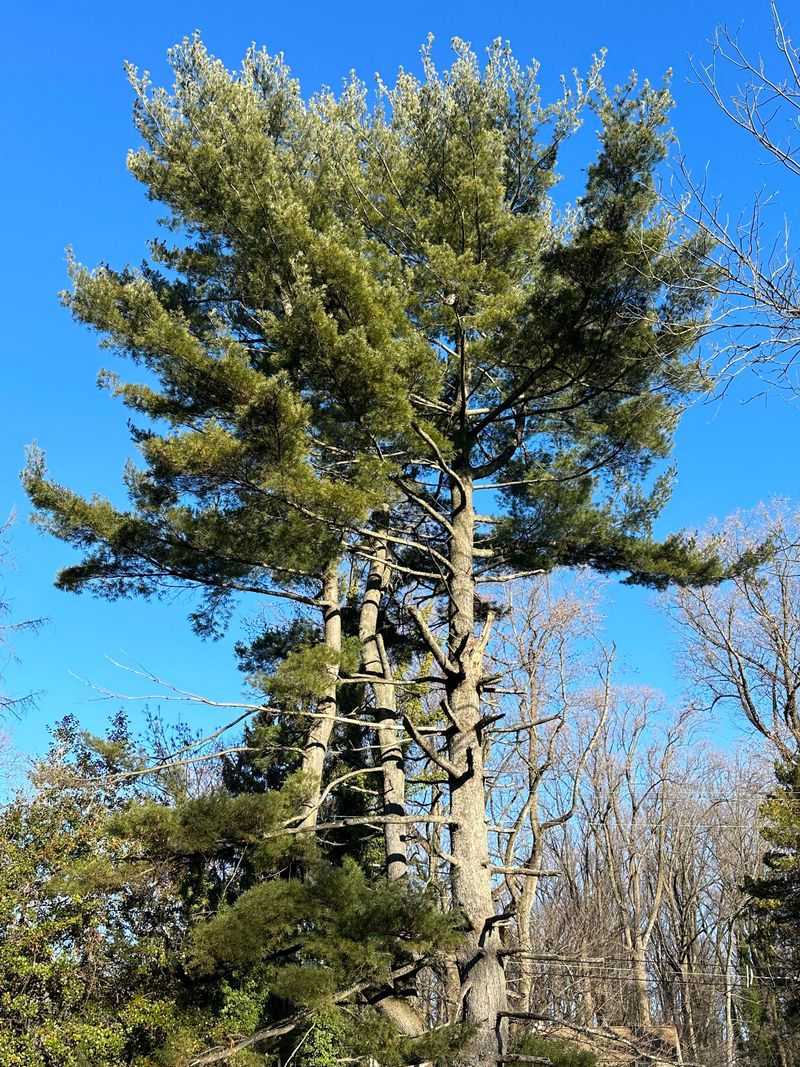
Eastern white pine may reach 50 to 80 feet tall, with a spread around 20 to 40 feet. That future width matters far more than the tidy shape of a young Pinus strobus in a five-gallon pot.
Crowding causes the real privacy problem.
Trees packed too close can shade one another at the base. Lower branches may thin as crowns compete for light, and the screen slowly rises above the exact view you wanted to hide.
Give each tree real elbow room.
Your Ohio Garden Changes Every Week. Your Plan Should Too.
Gardening in Ohio changes quickly throughout the season. Every Friday you’ll receive a simple weekly plan showing exactly what to plant, prune, fertilize, harvest, and protect so you never miss the right timing.
A spacing near 20 to 25 feet can allow fuller crown development on a suitable site. That sounds wide at first, but mature white pines fill space on a completely different scale from young transplants.
Moist, well-drained, slightly acidic soil suits them best. Full sun to partial sun works, but compacted soil and spots that stay wet can create stress.
Young trees can put on impressive annual growth once established, so patience does not always mean a long wait.
Keep disease and insect pressure in mind too. White pine blister rust and white pine weevil occur in Ohio, which makes healthy nursery stock and a good site especially valuable.
This is not the tree for a narrow strip beside a driveway.
Give white pine a broad canvas, and it can create a soft green curtain. Squeeze it into a tiny corner, and future you may need a very tall apology note.
3. Put Eastern Hemlock On Shadier Screens
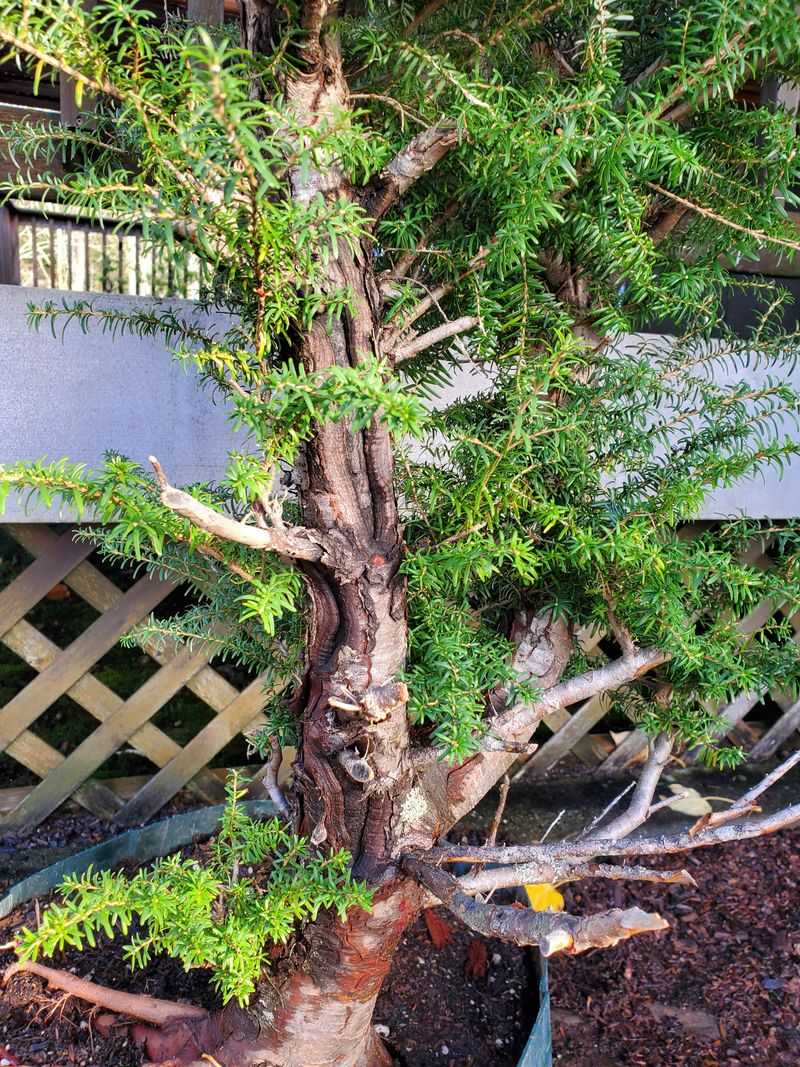
Some privacy spots get almost no useful sun.
The north side of a house, a shaded slope, or the edge of taller woodland can leave many evergreen choices thin and unhappy. Eastern hemlock feels much more at home in that cooler setup.
Tsuga canadensis prefers partial shade and steady soil moisture.
Its fine, dark green needles create a soft layered texture, and lower branches can stay dense on a well-sited tree. Mature specimens may reach 40 to 70 feet tall and spread about 25 to 35 feet.
Heat is the bigger concern.
Dry ground, compacted soil, reflected warmth from pavement, and exposed hot sites can put this tree under stress. A broad mulch ring can help the root zone stay cooler and hold moisture during dry stretches.
Do not pile mulch against the trunk.
The other concern is hemlock woolly adelgid. This invasive insect occurs in parts of Ohio and can cause serious decline. Local pest pressure deserves a check before a large row goes into the ground.
A county-level recommendation can save you from a privacy plan with a built-in headache.
On the right site, eastern hemlock gives shade-tolerant evergreen cover where many conifers struggle.
It is the quiet specialist of the group. Put it in cool soil with some shelter, and it can turn a dim property edge into a soft green wall without acting like it needs center stage.
4. Choose Northern White Cedar For Dense Cover
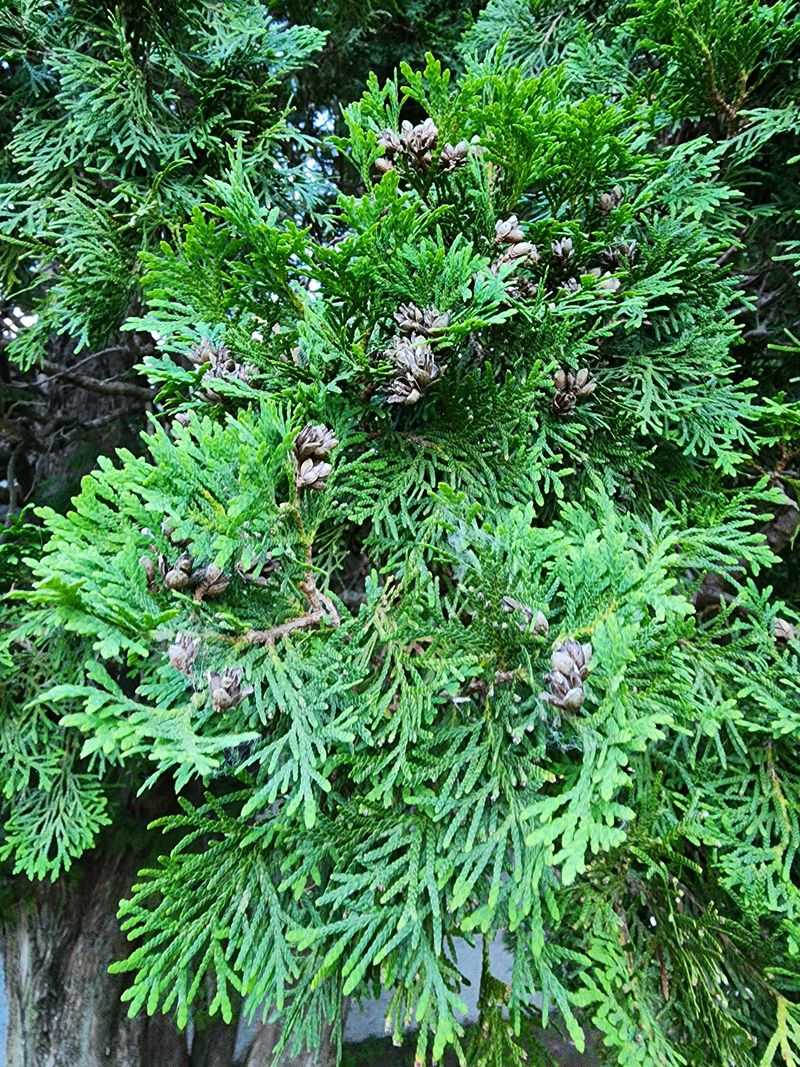
Not every yard has space for a pine that eventually needs its own weather system.
Northern white cedar offers a more compact evergreen option. Thuja occidentalis often reaches about 20 to 40 feet tall and 10 to 15 feet wide, so it can fit privacy plans that would feel crowded with Eastern white pine.
The shape does a lot of the work.
Dense foliage starts close to the ground and stays packed through the interior on a good site. That gives a screen useful coverage at fence height, not just color overhead.
Spacing around 5 to 8 feet can create a solid visual barrier as the plants mature.
Moist soil suits this species best.
It naturally occurs around wetter ground, stream edges, and lake-influenced areas. Dry sandy soil can slow growth and leave the foliage dull or bronze during winter.
Match the site before you fall for the neat nursery shape.
Deer can change the plan fast too.
Northern white cedar is attractive browse, and young plants may lose a surprising amount of lower foliage in areas with heavy deer pressure. Temporary fencing or other protection can help through the first few years.
That lower section matters because privacy disappears quickly once deer turn the bottom half into lunch.
Give this cedar moisture, enough width, and protection while young. The reward is a dense screen that keeps its green jacket on through winter without asking for fence stain every few summers.
5. Try American Holly In Suitable Ohio Sites
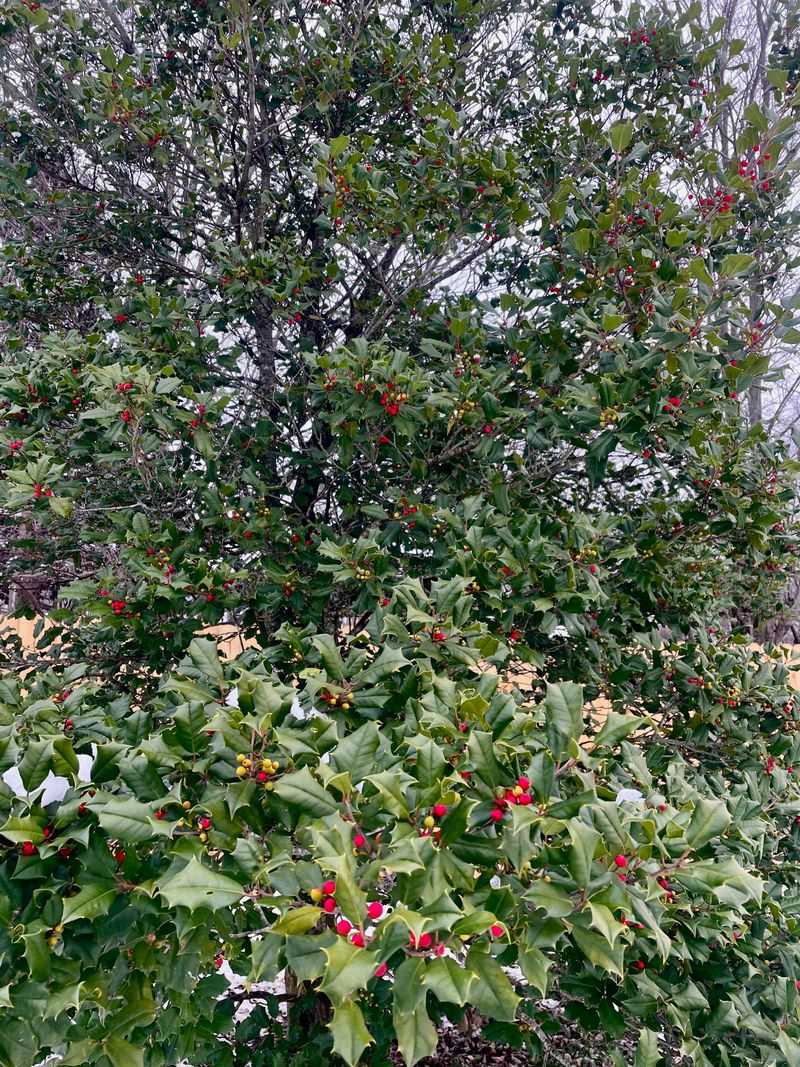
Winter privacy feels much better with red berries in the middle of it.
American holly brings glossy evergreen leaves, a naturally pyramidal shape, and a fruit display that can brighten an Ohio yard after most deciduous plants go bare.
Ilex opaca fits best in suitable parts of the state.
Its native range favors southern and eastern Ohio more than colder northern areas, so local climate and site conditions deserve attention before you commit to a long screen.
Growth tends to be steady rather than fast.
Landscape specimens often reach about 15 to 30 feet tall in Ohio, with enough density to create useful year-round cover. Moist, well-drained, slightly acidic soil supports stronger growth, and full sun to partial sun can work.
Berries require a little matchmaking.
American holly plants are male or female. Female trees produce the red fruit, but a compatible male needs to grow close enough for pollination. One male near several females can support a better berry crop.
Those fruits are not just decoration.
Robins, cedar waxwings, and mockingbirds may use them through colder months, which adds movement to a screen that could otherwise feel static.
Keep mulch over the root zone to help soil hold steady moisture, but leave the trunk base open.
American holly takes time to build its presence.
That slower pace buys you something a fence rarely offers. The screen gets shinier, fuller, and more interesting each year, and December finally gets a little color without a string of extension cords.
6. Use Virginia Pine On Dry, Difficult Ground
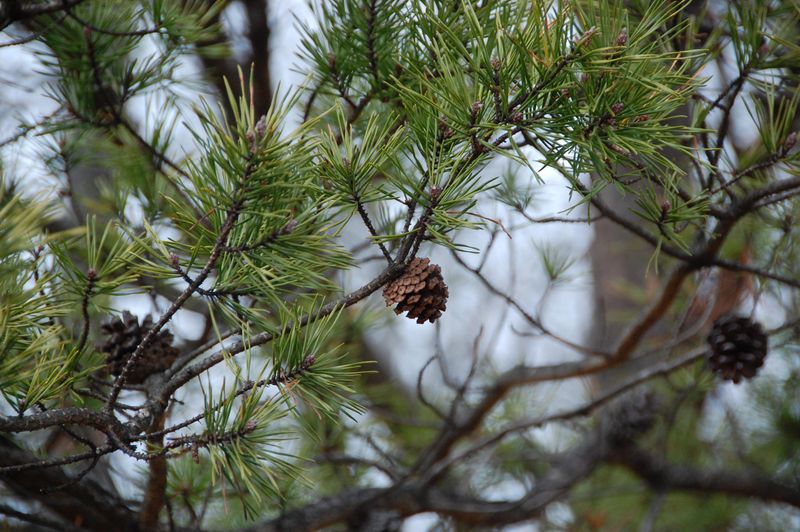
A rough, sunny property edge can leave many evergreens looking thin before they ever create much privacy.
Virginia pine fits the tougher end of the yard. Pinus virginiana occurs naturally in scattered parts of Ohio and handles poor sites better than many pines.
Dry ridges, worn ground, and lean soil suit its pioneer personality, though full sun matters because this species dislikes shade.
Expect a more relaxed shape than a formal evergreen hedge.
Mature trees commonly reach about 50 to 75 feet across much of their range. The branches tend to hold on rather than shed quickly, which can help create useful visual cover.
The tradeoff is a rugged, irregular outline instead of the polished shape of arborvitae.
Give the roots room and avoid a tight row.
Virginia pine has a relatively shallow root system, so excessive crowding and later heavy thinning can leave older trees more exposed to wind.
A staggered mixed screen with redcedar or another suitable native gives you better long-term coverage than a wall of pines packed shoulder to shoulder.
This tree makes the most sense in eastern or southern Ohio, where it fits its natural range more closely.
Virginia pine will not give you country-club symmetry. That is part of the appeal. It creates the sort of privacy that looks like a woodland arrived first and the property line showed up later.
7. Try Pitch Pine For A Rugged Natural Screen
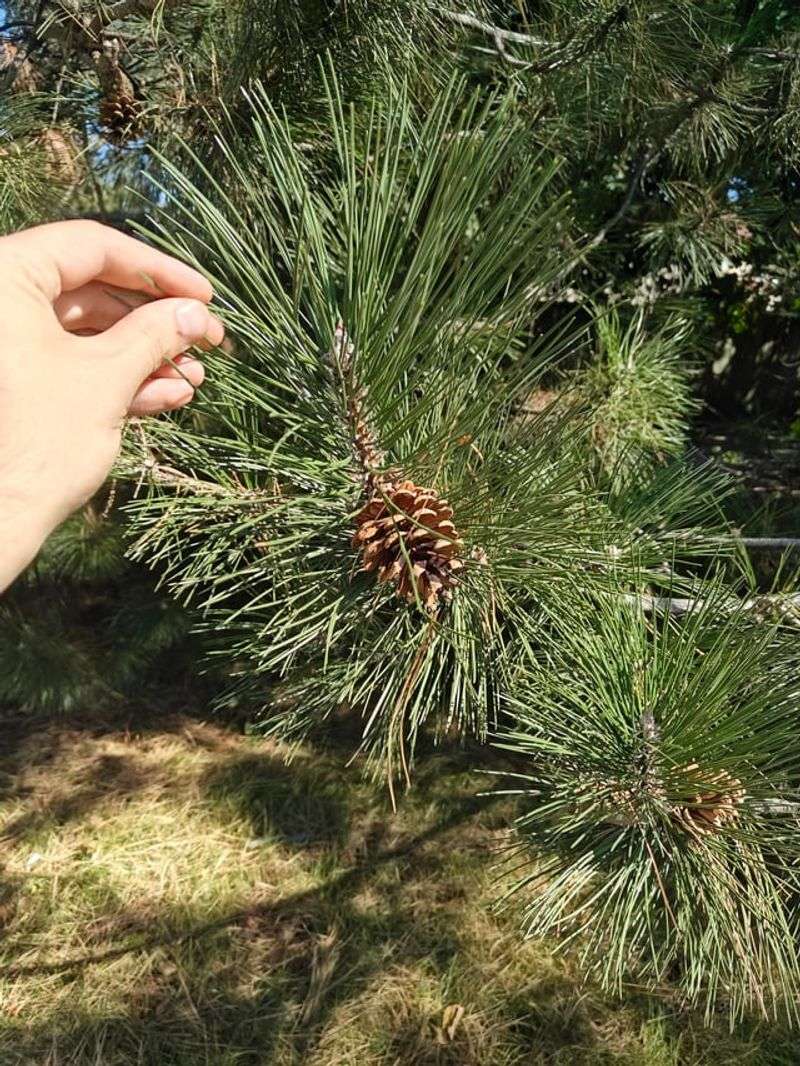
Poor soil does not automatically ruin the privacy plan.
Pitch pine, Pinus rigida, naturally reaches southern Ohio and has a talent for difficult ground. Shallow soil, gravel, sandy patches, ridges, and warmer slopes can all suit this evergreen better than richer-site trees that expect easier conditions.
This one belongs in a naturalistic screen rather than a clipped row.
Its crown develops a coarse, irregular character, so give it space to show that shape. Mature specimens can become substantial trees, and some reach broad crown spreads. That makes a narrow strip beside a driveway a poor fit.
Full sun brings the best form.
Pitch pine commonly occupies open, dry sites and has little interest in a shaded property edge. Pair it with narrower evergreens such as Eastern redcedar rather than force several pitch pines into close spacing.
The species also adds wildlife value. Its seeds can provide food for squirrels and several birds, while the evergreen branches add winter structure when deciduous neighbors lose their leaves.
Ohio gardeners should treat this as a regional choice. Its native range reaches southern Ohio rather than every corner of the state, so a locally sourced tree makes the most sense.
Pitch pine has no interest in pretending to be a green fence panel. Give it sun, rough ground, and room, and the screen gains the kind of character lumber could never fake.