8 Clues That Reveal Whether You Have Moles Or Voles In Your Nebraska Yard
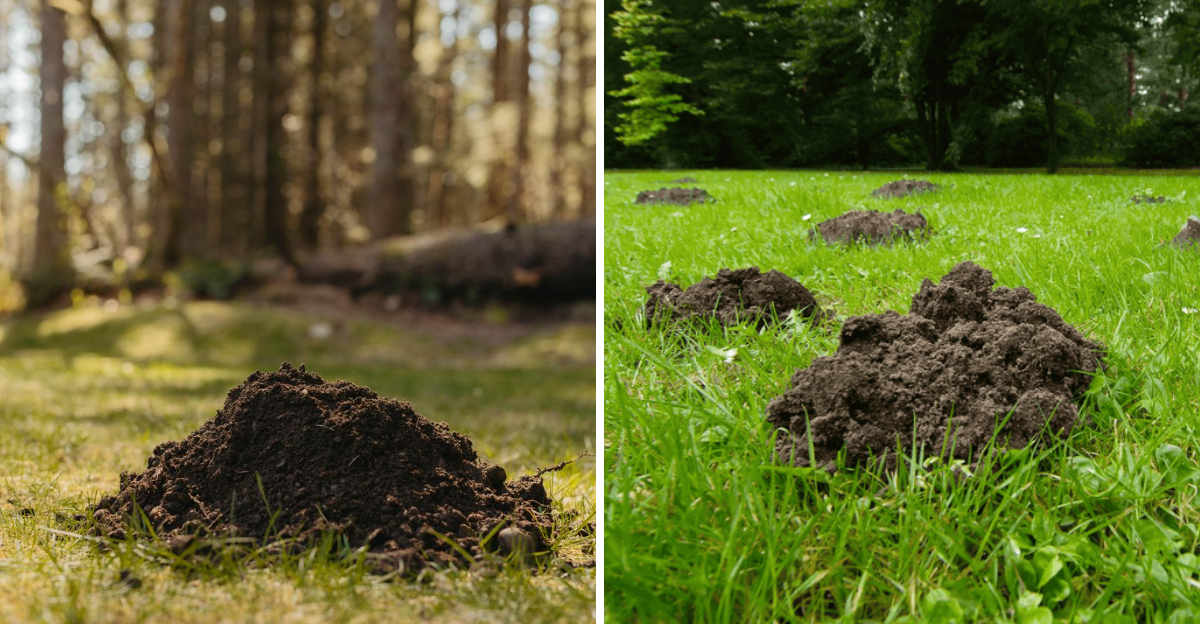
Tiny mounds appear scattered suddenly across your lawn overnight, sparking real curiosity. Underground tunnels crisscross beneath the grass while you sleep.
Nebraska yards hide several stubborn culprits, each with its own hidden agenda. Moles search for earthworms and grubs, carving deep, solitary paths. Voles nibble roots and stems, moving in noisy little colonies.
Neither creature cares much about your flower beds or vegetable rows. Damage from moles looks remarkably similar to damage from voles. Guessing wrong simply costs weeks and creates added trouble.
Traps, repellents, and timing all depend on correct identification. Cold winters often push these pests toward warmer ground near homes. Patterns in the soil reveal secrets most homeowners never notice.
Experts read these subtle signs instantly, but you can learn them too. Every raised ridge or hidden burrow tells you a specific story. Once you know exactly what to look for, ignoring the evidence becomes impossible.
1. Look For Raised Ridges Across The Lawn
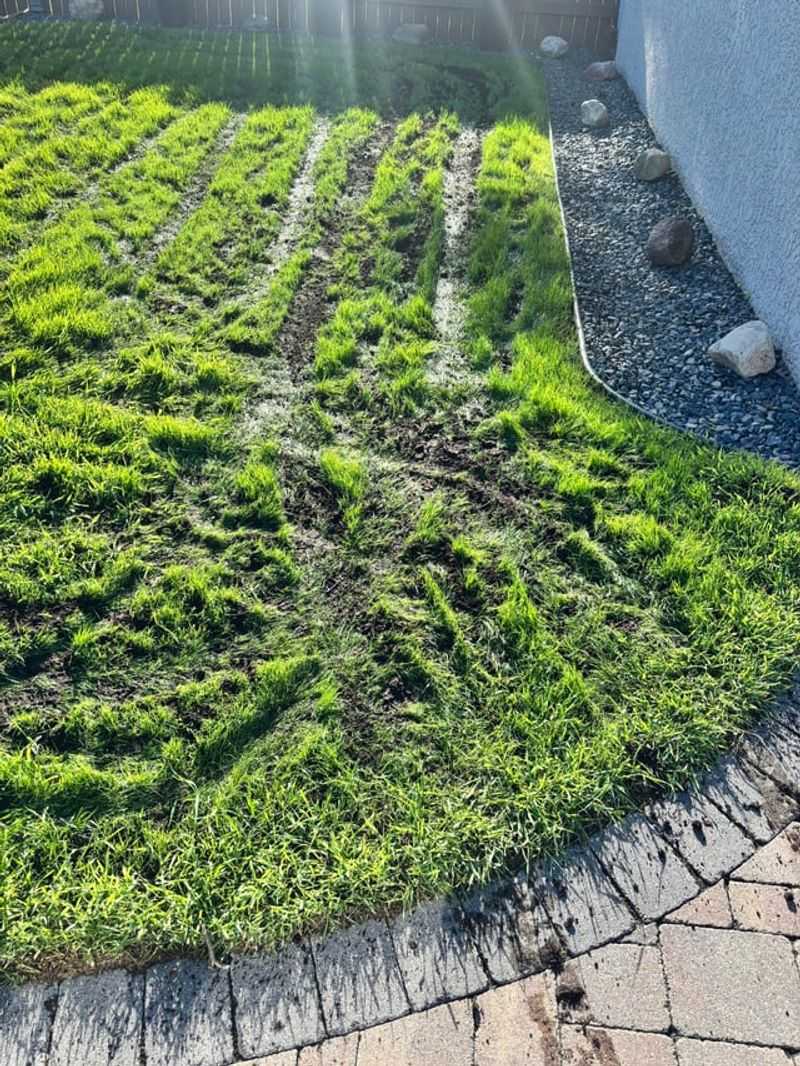
Run your foot across the grass and feel it sink. That spongy, uneven surface is one of the clearest signs of mole and vole holes in your Nebraska yard.
Moles push soil upward as they tunnel just below the surface, creating long raised ridges that look like tiny mountain ranges across your lawn.
These ridges are usually about two inches high and can stretch several feet in one direction. They often appear overnight, which makes them feel almost mysterious. Press one down with your shoe, and it will feel hollow underneath.
Voles can also create surface ridges, but theirs tend to follow the same narrow path repeatedly. Mole ridges wander and branch out in unpredictable directions. Spotting this difference early saves you a lot of guesswork.
Ridges that appear near garden beds or tree roots are especially common. Both animals love areas where soil is loose and food is plentiful. A single mole can create a surprising amount of tunnel in just one day.
Check your lawn early in the morning after a rainy night. Soft soil after rain makes tunneling easier, so fresh ridges appear more quickly. Catching them fresh means the animal is still active nearby.
Grab a flashlight and look along the ridge line at an angle. You will often spot small cracks or gaps where the tunnel roof has partially collapsed. Those small details are your best clues for identifying what is living below.
2. Check For Volcano-Shaped Mounds Of Dirt

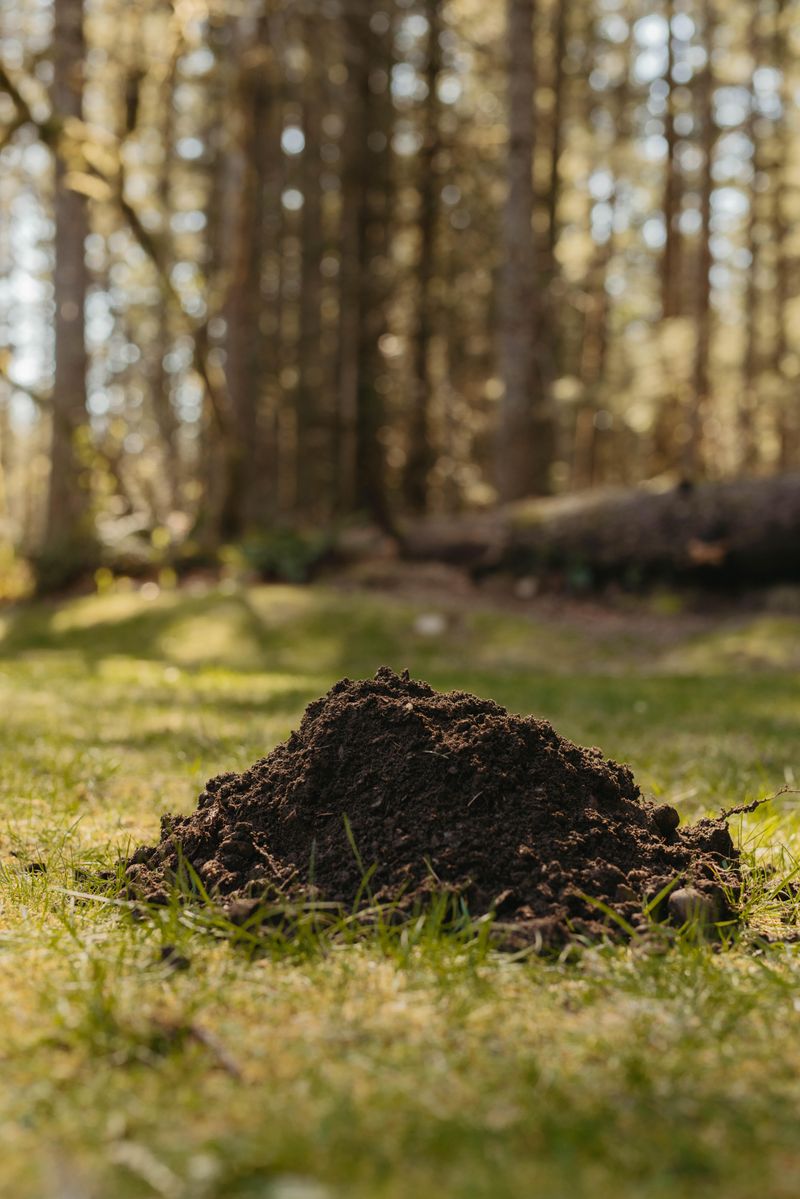
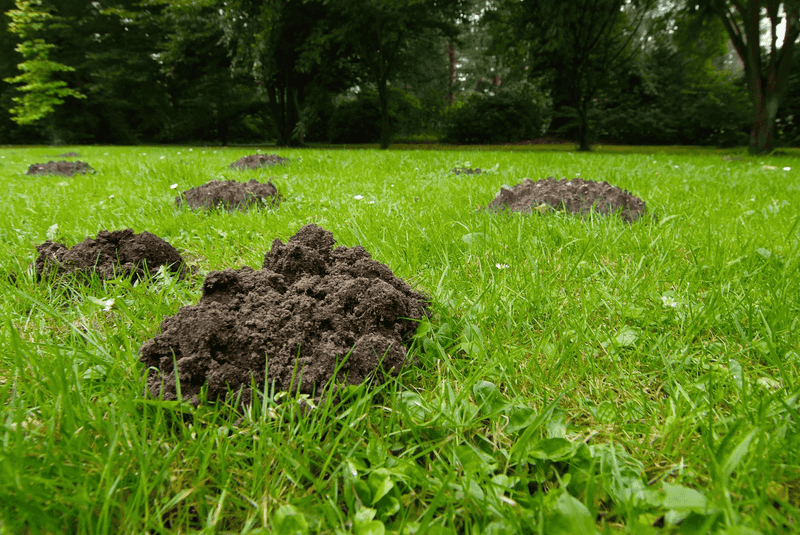
Picture a small, cone-shaped mound sitting right in the middle of your grass. That is exactly what a mole mound looks like, and it is one of the most reliable signs you are dealing with moles.
These cone-shaped piles of loose dirt appear when moles push soil straight up from deep tunnels below.
Mole mounds are typically round and symmetrical, rising two to four inches off the ground. The soil inside is freshly churned and often darker than the surrounding lawn. You will not find a visible hole at the top because moles plug their exits from below.
Your Nebraska Garden Changes Every Week. Your Plan Should Too.
Gardening in Nebraska changes quickly throughout the season. Every Friday you’ll receive a simple weekly plan showing exactly what to plant, prune, fertilize, harvest, and protect so you never miss the right timing.
Voles do not build these kinds of mounds, which makes this clue especially useful. If you spot a volcano-shaped pile, you can confidently point your finger at a mole. Vole activity looks messier and flatter by comparison.
Fresh mounds appear most often in spring and fall when soil temperatures are ideal for burrowing.
During summer heat, moles dig deeper and mound activity slows down noticeably. Winter can also produce mounds when the ground thaws just enough for movement.
Check the mound texture carefully with your hand. Freshly pushed soil crumbles easily and feels cool and damp inside. Older mounds dry out, harden, and start to grow grass over the top.
Finding three or more mounds in a cluster suggests a very active mole working a main tunnel system. Isolated mounds can mean a single animal just passing through. Either way, your lawn is worth protecting right now.
3. Notice Small Round Holes Near Mounds
Spot a small, clean hole near a dirt mound and your brain should immediately start asking questions. Moles rarely leave open holes at the surface, but voles absolutely do.
Noticing the difference between these two scenarios is one of the fastest ways to identify what animal you are dealing with.
Vole holes are typically about one to one and a half inches wide. They are round, smooth-edged, and lead straight down into the ground.
You might find them tucked near garden borders, under mulch, or right beside a mound of loose soil.
Mole holes, when visible at all, are usually covered or plugged with soil. An open, clean hole near a mound almost always points to voles. This single clue can save you from buying the wrong type of trap.
Look closely at the edges of the hole. Vole holes have a worn, smooth rim because the same animal travels in and out repeatedly. A rough or jagged edge usually means the hole was made once and abandoned.
Grab a small stick and gently probe the hole to feel its direction. Vole holes often angle slightly before going straight down. Mole tunnels, when you can find an opening, tend to go down more steeply.
Mark any holes you find with a small flag or stick. Check back the next morning to see if the hole has been used overnight. Fresh soil or droppings nearby confirm active use and tell you the animal is still close.
4. Examine Tunnel Width For Size Clues
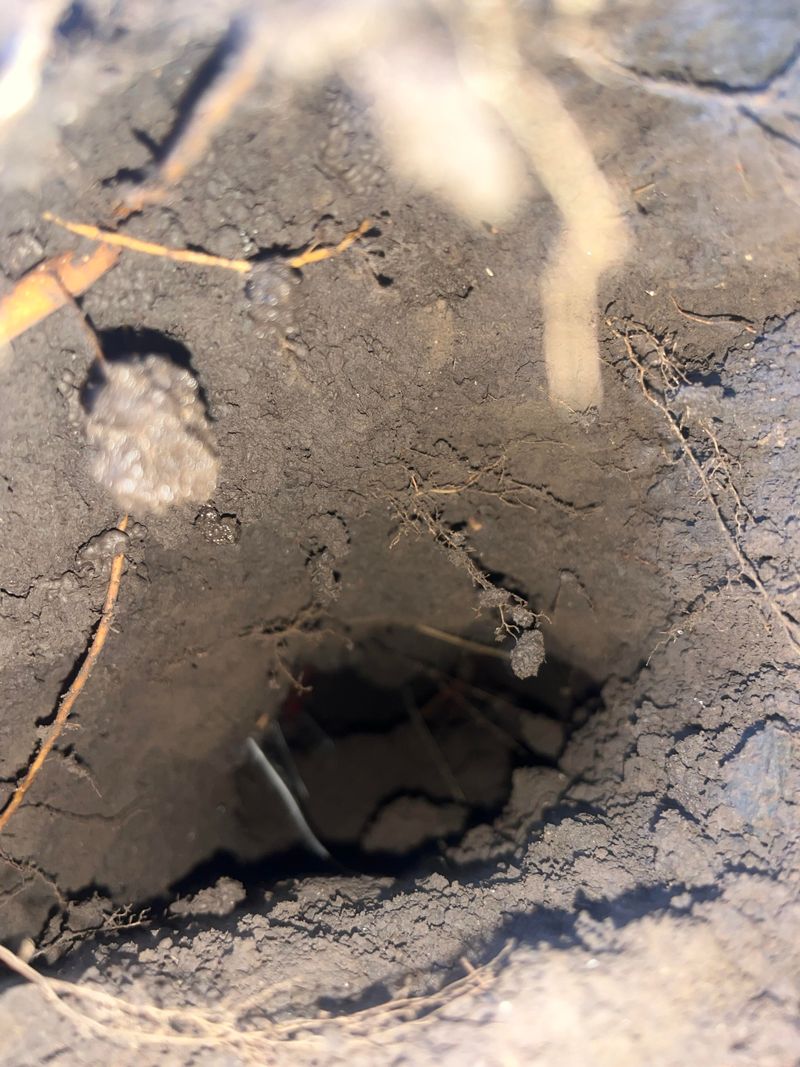
Tunnel size is one of the most overlooked clues in the whole identification process. Moles and voles are built differently, and their tunnels reflect that difference in a very measurable way.
Grabbing a ruler and checking tunnel width takes about thirty seconds and tells you a lot. Mole tunnels are typically about two inches wide. Vole tunnels are narrower, usually around one to one and a half inches across.
That half-inch difference might sound small, but it is easy to spot once you know what to look for.
Dig gently into a raised ridge or near a hole to expose the tunnel below. Use a small trowel and work carefully so you do not collapse the whole structure. What you find inside will give you a much clearer picture of your underground visitor.
Mole tunnels tend to have smooth, packed walls from the mole’s body pressing against the soil. Vole tunnels feel rougher and less uniform because voles are smaller and move faster. The difference in wall texture is surprisingly easy to feel with your fingers.
Check tunnel depth as well. Moles often dig ten to eighteen inches below the surface for their main runs. Vole tunnels usually stay within the top two to four inches of soil, just beneath the grass roots.
Combining width and depth measurements gives you a confident identification. Two inches wide and deep underground means mole.
Narrow and shallow means vole. Knowing this makes your next steps much more targeted and effective.
5. Search For Chewed Grass Around Openings
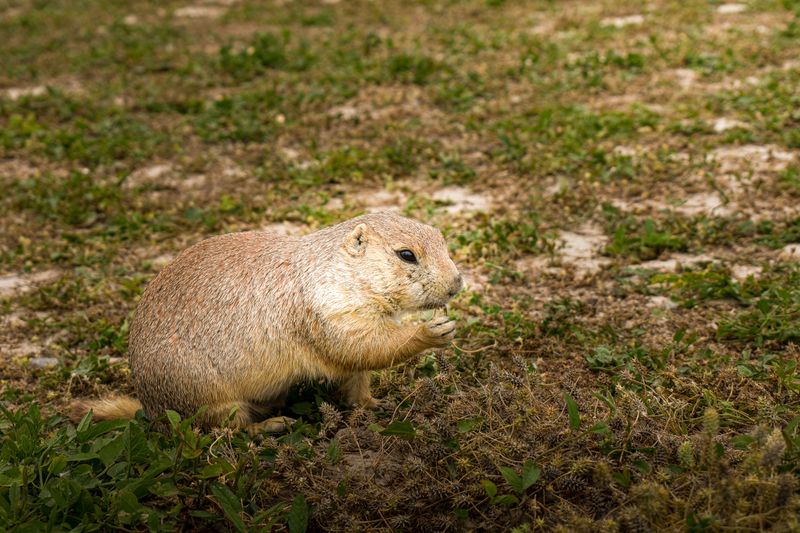
Chewed grass near a hole is a clear sign of vole activity. Moles are insect eaters and have little interest in your grass or plants.
If you find clipped, ragged grass blades around a tunnel opening, voles are almost certainly responsible.
Voles feed heavily on grass stems, roots, and seeds near their burrow entrances. They clip the grass close to the ground, leaving short stubble around the opening.
This feeding pattern creates a distinctive cleared area that looks almost intentional. Look for grass that appears chewed rather than torn. Clean cuts at the base of the stem are a vole signature.
Mole damage leaves grass looking pushed aside or lifted, not eaten. Check these feeding areas early in the morning when dew is still on the ground. Fresh cuttings are easier to spot against wet soil.
Piles of tiny grass clippings near a hole confirm recent vole activity. Voles also create surface runways between feeding spots and their burrow entrances.
These are shallow paths worn into the grass, about one inch wide. Follow those paths and you will find the main hole cluster nearby.
Finding chewed grass also tells you the vole population may be growing. Voles reproduce quickly, often producing several litters per year under the right conditions.
A pair can multiply quickly, so identifying this sign early is a real advantage for any homeowner.
6. Spot Multiple Connected Surface Holes
One hole is a curiosity. A network of connected holes points to an established vole colony. Voles are social animals that build interconnected tunnel systems with multiple entry and exit points.
Spotting this pattern is a strong sign of a well-established underground community beneath your yard.
These connected holes are usually spaced a few feet apart and linked by shallow surface runways. The runways look like narrow, worn paths through the grass. You might have to crouch down close to the ground to see them clearly.
Moles do not create this kind of surface network. Their tunnels go deeper and their entry points are far less obvious. A cluster of small, open holes close together almost always belongs to voles.
Count the holes you find in a single area. Three to five holes in a ten-foot radius suggests a moderate infestation. Ten or more holes often suggests a larger, more established population.
Check under dense shrubs, along fence lines, and beneath garden mulch. Voles love areas with overhead cover because it protects them from predators. Thick ground cover creates an attractive habitat for a growing vole family.
Mapping out the hole network on a simple sketch helps you understand the size of the problem. Mark each hole with a small flag and step back to see the full picture.
That visual map turns a confusing mess of holes into a clear action plan you can actually work with.
7. Watch For Missing Plants Near Tunnels
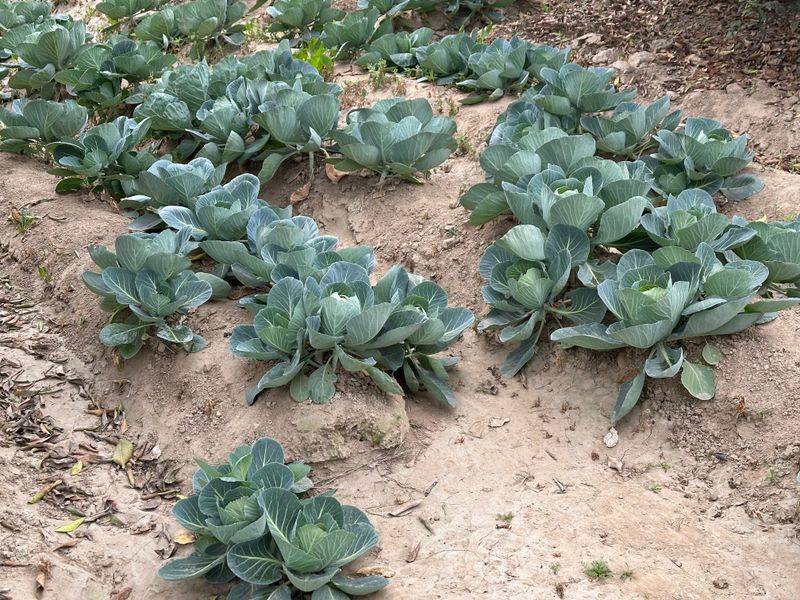
Walk your garden and notice which plants seem to be slowly disappearing. Voles are persistent root chewers, and they can damage a plant from underground without leaving any obvious surface damage.
If your plants are wilting, toppling over, or simply vanishing, check for tunnels nearby. Pull a struggling plant gently from the ground.
If it comes up with no roots attached, voles have been feeding below. Moles do not eat roots, so this kind of plant damage is a reliable vole indicator.
Tulip bulbs, carrots, and beet roots are among the vole favorites in most yards. They will also target young tree roots and perennial crowns during winter months. The damage often goes unnoticed until spring, when plants fail to emerge.
Check around the base of any wilting plant for small holes or disturbed soil. Voles often create a burrow entrance right at the base of a plant they are targeting. This makes the plant itself a marker for tunnel locations.
Moles can indirectly damage plants by loosening soil around roots as they tunnel past. The roots dry out and the plant struggles even though the mole never ate a single bite.
Knowing this distinction helps you identify which animal caused the specific type of damage you see.
A garden with repeated plant losses year after year is a sign of a persistent vole problem. Identifying this pattern early, rather than blaming weather or disease, puts you in a much stronger position to protect what you have grown.
8. Inspect Soil Texture Pushed To The Surface

Fresh soil on top of your lawn is always worth a closer look. The texture and appearance of that displaced dirt can tell you a surprising amount about what animal pushed it up.
This is one of the most underused identification tricks for spotting mole and vole holes in your Nebraska yard.
Moles push up soil in chunky, clumped pieces because they are digging deep and moving large amounts at once. The soil often looks darker and chunkier than the surrounding lawn. It crumbles easily when you pick it up and smells earthy and fresh.
Vole soil disturbance looks different. Their surface activity scatters fine, loose dirt in thin layers rather than distinct mounds. The texture is more powdery and mixed with bits of grass and plant material.
Rub the displaced soil between your fingers and pay attention to its moisture level. Freshly pushed soil from an active tunnel feels noticeably cooler and wetter than dry surface soil. That temperature difference suggests the tunnel below may still be in use.
Look at the color contrast between the pushed soil and the surrounding lawn. Deep mole tunnels bring up subsoil, which is often lighter or more clay-like in color. Vole activity stays shallow, so the soil color usually matches the topsoil already in your yard.
Checking soil texture takes less than a minute and adds real confidence to your identification. Combined with hole size, ridge patterns, and plant damage, soil texture confirms whether moles or voles are active in your Nebraska yard right now.