Georgia Native Flowers That Feed Pollinators When The Drought Dries Everything Else
A Georgia garden can look generous in June and suddenly feel stingy by late July.
The lawn fades. Clay hardens. Containers need constant attention, and many familiar flowers stop offering much to bees and butterflies right when summer heat is at its worst.
Pollinators notice that gap.
They still need nectar and pollen, even when drought shuts down softer garden plants. The best response is not endless watering. It is choosing flowers already built for Georgia heat, lean soil, and long dry stretches.
So which natives keep offering food when the garden starts looking tired?
The strongest choices use deep roots, tough foliage, and bloom periods that overlap from early summer into fall. Some feed monarchs. Others pull in native bees, wasps, butterflies, and seed-eating birds later in the year.
Give them the right site and a solid first season, then step back.
Once established, these eight Georgia natives can keep a dry border colorful, active, and far more useful when summer stops being polite for weeks at a time.
1. Plant Butterfly Weed For Dry Sunny Ground
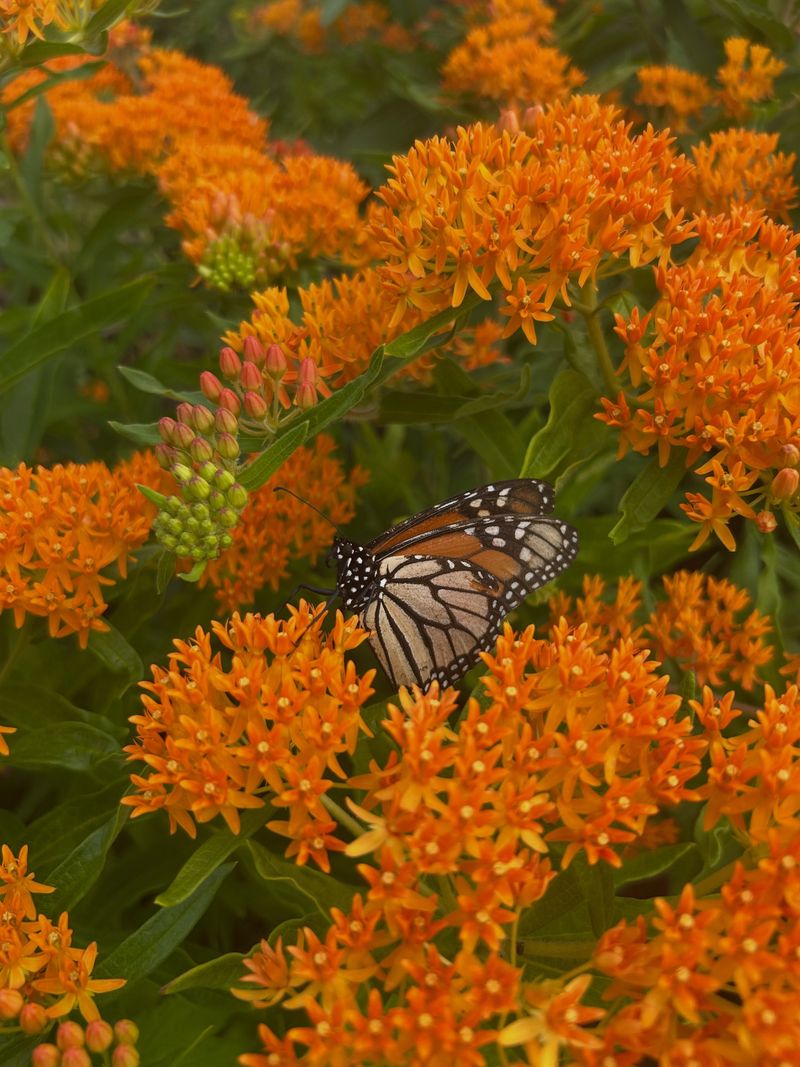
Bright orange flowers can make a drought-stressed border look awake again.
Butterfly weed, Asclepias tuberosa, handles hot, sunny ground by investing heavily below the surface. Its thick taproot reaches deeper moisture than many shallow-rooted flowers can access once Georgia summer rain becomes unreliable.
That root also explains one important planting rule.
Choose the spot carefully and leave mature plants where they are. Established butterfly weed dislikes disturbance, and moving an older clump can set it back.
Drainage matters more than rich soil.
Sandy ground, gravelly beds, and well-drained loam suit it better than a soggy pocket of heavy clay. In dense Piedmont soil, correct drainage problems instead of creating one moisture-holding planting hole.
Young plants still need regular water.
Drought tolerance comes after roots establish, not the day the nursery pot enters the ground. Give the plant steady moisture through its first growing season, then ease back once it settles.
The flowers provide nectar for several pollinators, while the foliage serves as food for monarch caterpillars.
Leave some seed pods in place after bloom.
They add late-season interest and give the plant a chance to reproduce naturally.
Butterfly weed may look flashy above ground, but its real drought strategy is buried where summer heat cannot show off nearly as much.
2. Use Coreopsis Where Heat Hits Hard
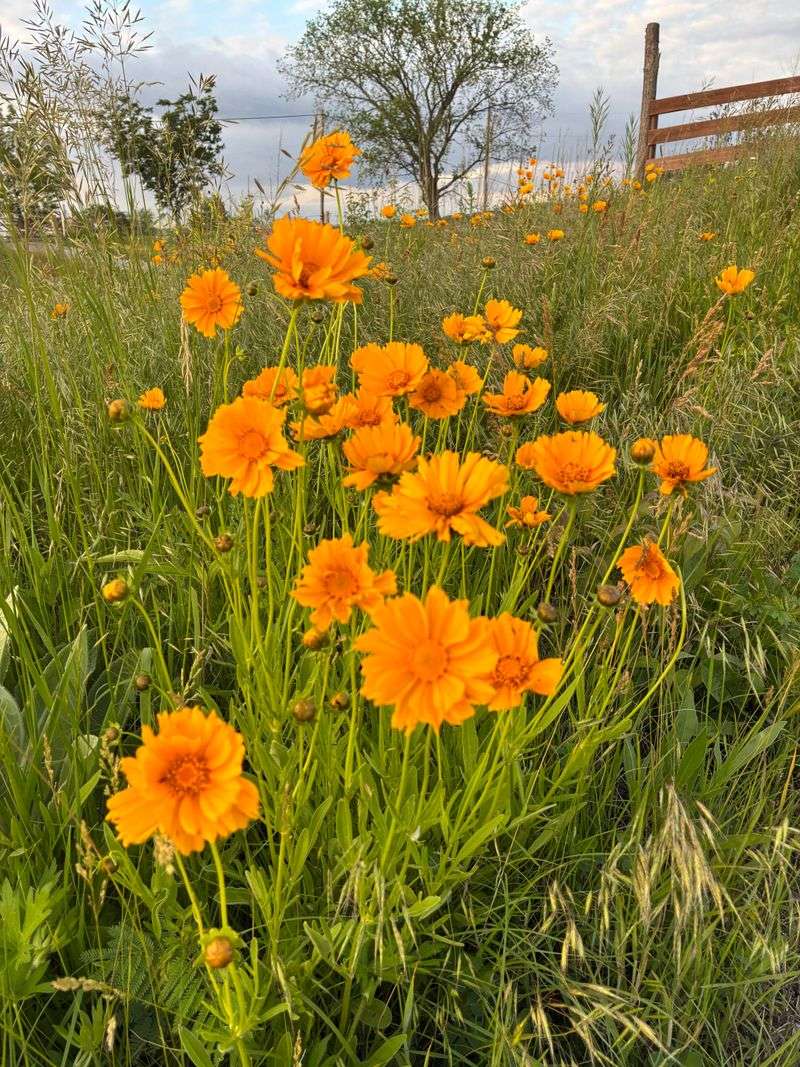
The hottest edge of a driveway can be terrible real estate for many flowers.
Coreopsis often treats it like a perfectly reasonable address.
Georgia has several native species suited to sunny, dry ground, including lance-leaved coreopsis and greater coreopsis. Their yellow flowers stay visible in lean beds where thirstier perennials may start fading.
Bees and small beneficial insects use the open blooms easily.
That makes a patch valuable beyond color, especially when other nectar and pollen sources begin thinning out.
Match the species to the site.
Lance-leaved coreopsis prefers plenty of sun and sharp drainage. Greater coreopsis can handle a little more edge shade while still performing well in a bright border.
Your Georgia Garden Changes Every Week. Your Plan Should Too.
Gardening in Georgia changes quickly throughout the season. Every Friday you’ll receive a simple weekly plan showing exactly what to plant, prune, fertilize, harvest, and protect so you never miss the right timing.
Do not spoil either one with heavy fertilizer.
Rich soil can push soft, floppy growth and shorten the useful life of plants that naturally perform in leaner conditions. Average soil with good drainage usually produces a sturdier display.
Deadheading can extend flowering.
Leaving some seedheads later gives birds another reason to visit and allows the patch to renew itself.
Water new plants through their first summer.
After establishment, reduce irrigation and let the roots do more of the work.
Coreopsis has a useful Georgia habit: when the pavement looks hot enough to cook lunch, it can still stand there covered in yellow flowers as though nobody sent the weather report.
3. Add Purple Coneflower For Pollinator Traffic
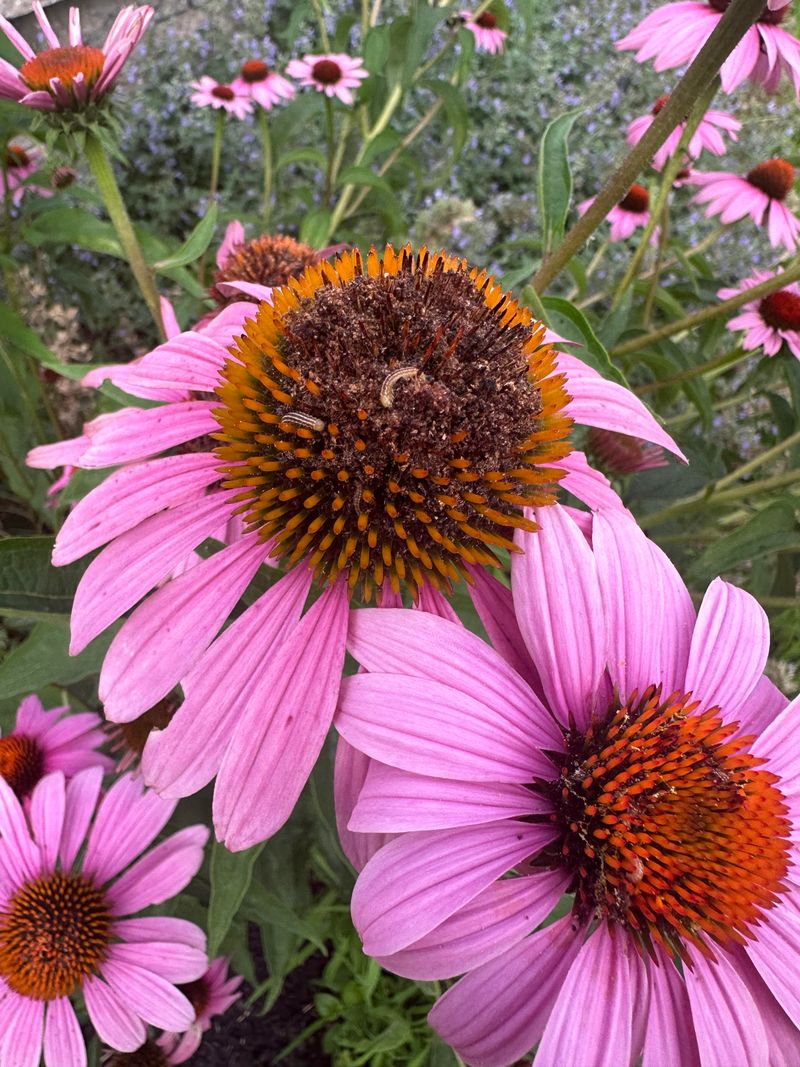
A mature coneflower patch rarely stays quiet on a summer afternoon.
Bumblebees work the raised centers. Smaller native bees move between flowers. Later, goldfinches can perch on the seedheads and turn the same planting into a feeding station for birds.
Purple coneflower, Echinacea purpurea, performs especially well in many northern and central Georgia gardens.
The plant prefers full sun to light shade and handles average to dry soil once established. Regional plant sources can be useful because Georgia conditions change quickly from mountain soils to the Coastal Plain.
Bloom can stretch through much of summer.
That timing gives pollinators food after many spring flowers finish and before the strongest fall bloomers take over.
Give new plants steady moisture during year one.
A fresh coneflower cannot rely on a root system it has not built yet. Once the clump settles, watering can become much less frequent during ordinary dry spells.
Avoid overly rich beds.
Too much fertility can produce tall, soft growth that leans under summer storms.
Leave the seedheads standing after flowers fade.
Birds use them, and the dry cones add texture later in the year.
Coneflower earns its space by staying useful through several stages. First it feeds insects. Then it feeds birds. The gardener gets a plant that handles Georgia summer without filing a complaint every afternoon.
4. Plant Downy Goldenrod For Late Season Food
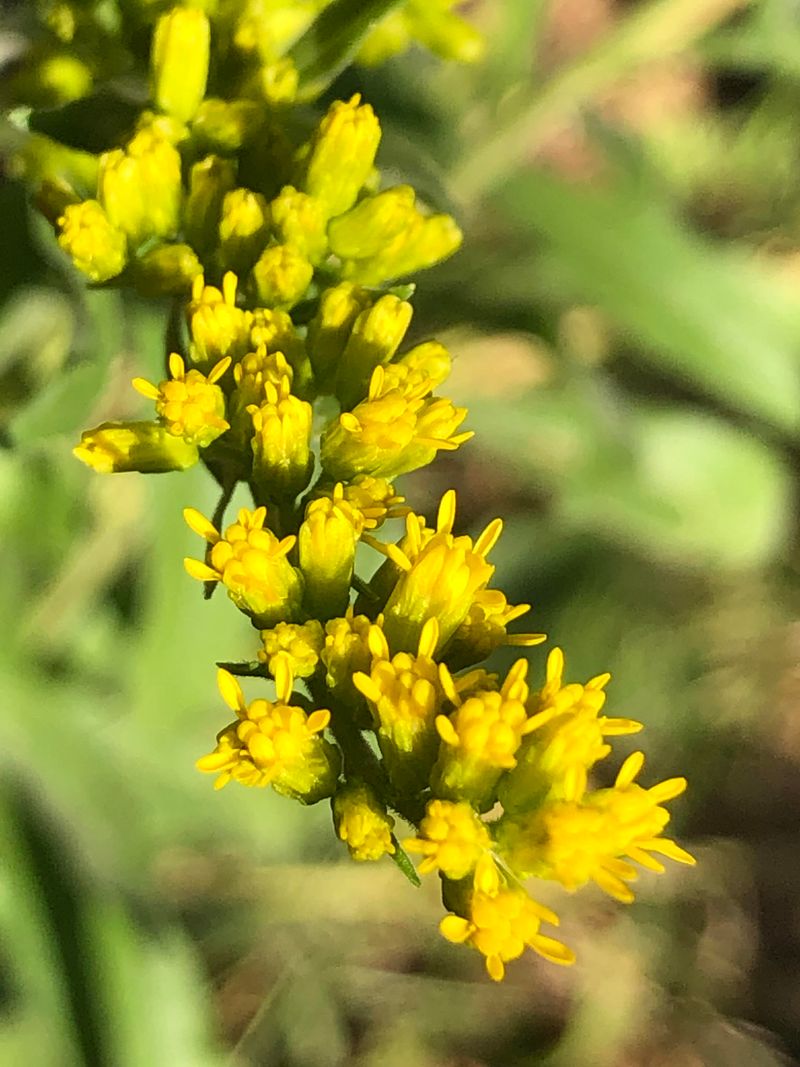
Late August can become a hungry stretch for pollinators.
Spring flowers are long gone, many summer perennials are slowing down, and fall bloom has not fully taken over. Downy goldenrod can step directly into that gap.
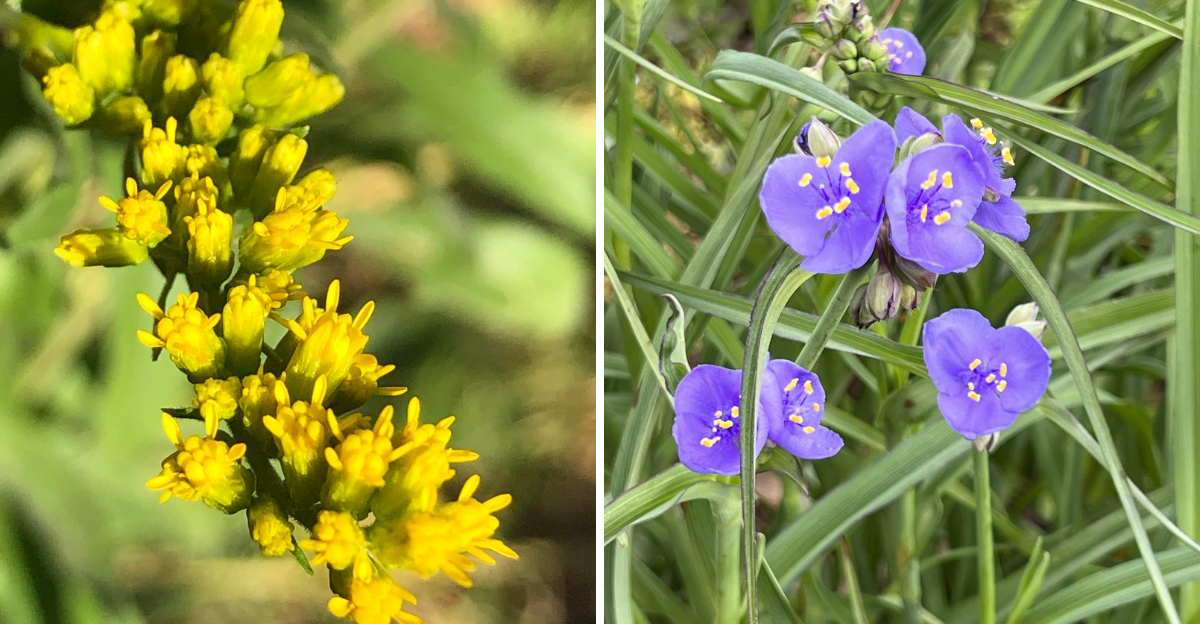
Solidago puberula is native to Georgia and suited to sunny, lean sites.
Its golden flower clusters open later in the season and attract bees, wasps, and other insects that still need reliable food before cooler weather arrives.
The plant stays more manageable than some towering goldenrods.
That makes it easier to fit into a mixed border without losing the rest of the planting behind one giant yellow wall.
Give it full sun and good drainage.
Average or poor soil is often enough. Heavy fertilizer encourages soft growth and can make stems lean.
Goldenrod also deserves freedom from one old accusation.
Its pollen is heavy and carried largely by insects. Ragweed blooms around the same time and releases much lighter windborne pollen, making it the more familiar allergy troublemaker.
Water young plants during establishment.
Once roots settle, downy goldenrod can handle dry stretches with much less attention.
Let some flower heads remain into fall.
The faded structure still contributes to the border and supports wildlife later.
By the time much of the garden looks ready for a vacation, goldenrod is just clocking in for the busy shift.
5. Use Southern Mountain Mint For Busy Blooms
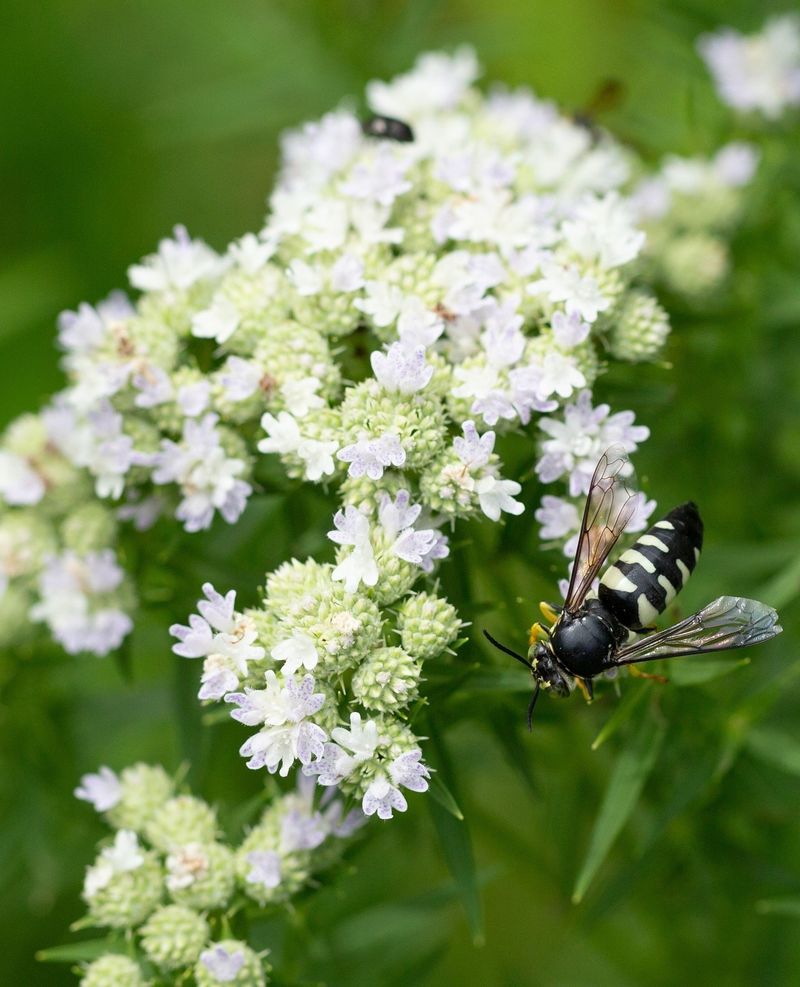
Some flowers look modest until you count how many insects are using them.
Mountain mint can turn one square yard into the busiest patch in the garden.
Native Pycnanthemum species produce clusters of small, accessible flowers that attract bees, wasps, beetles, butterflies, and other beneficial insects. The blooms may not be oversized, but the traffic around them can be remarkable.
Aromatic foliage adds another advantage.
The leaves release a strong minty scent when brushed, and browsing animals often show less enthusiasm for them than they do for softer garden plants.
Give mountain mint sun to light shade.
It handles several soil types once established, including clay with reasonable drainage. A consistently soggy site is less useful than a bed that dries between rains.
Plan for some spreading.
Rhizomes allow the plant to widen into a colony over time. That habit works beautifully in a naturalistic border, but a small formal bed may need occasional division.
Water consistently during the first growing season.
After roots establish, the plant can ride through dry weather much more comfortably.
The long bloom period is the real pollinator prize.
A dependable patch can keep feeding insects through weeks when other flowers slow down.
Mountain mint does not need giant petals to steal attention. It lets the visitor list do the bragging, and on a hot Georgia afternoon, that list can get very long.
6. Let Black-Eyed Susan Handle Sunny Beds
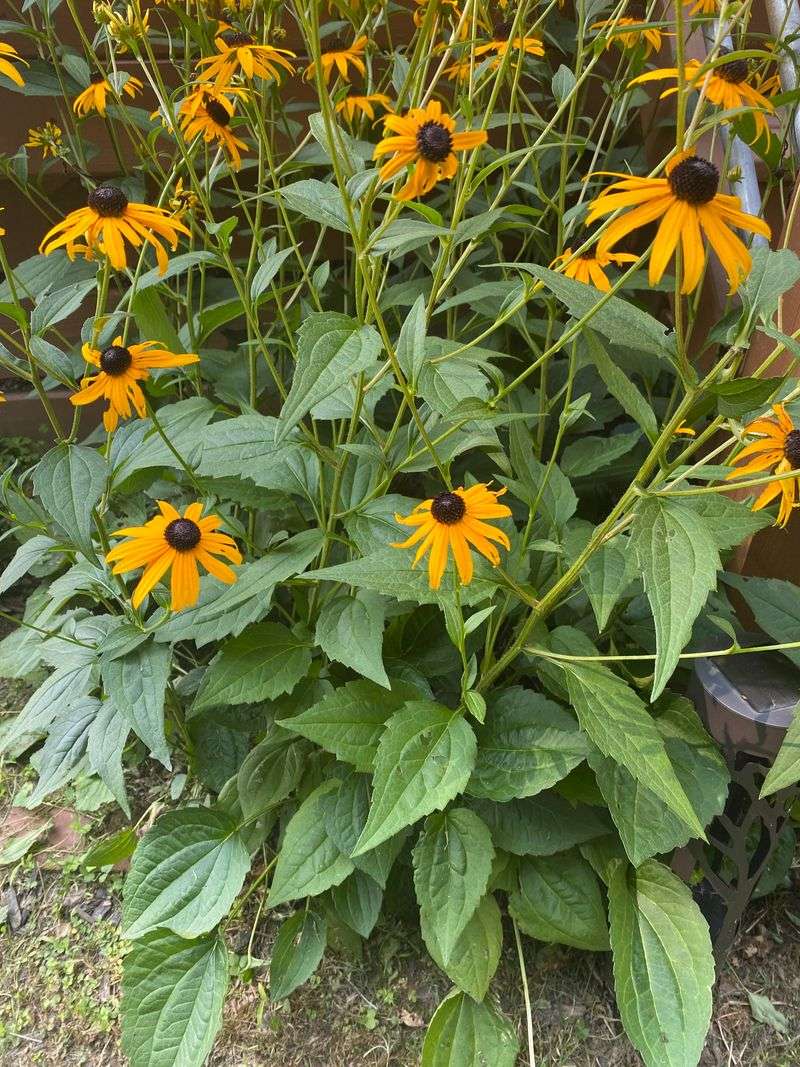
A sunny bed can look neglected and still suit black-eyed Susan perfectly.
Rudbeckia hirta thrives in open ground where heat, average soil, and occasional dry spells make fussier flowers look defeated. Its yellow petals and dark centers bring easy color without demanding a rich planting bed.
The flowers also stay busy.
Bees, butterflies, and other insects visit for pollen and nectar, giving the patch useful ecological value during summer bloom.
Individual plants may not last forever.
Black-eyed Susan often behaves as a short-lived perennial or biennial, but it can reseed generously when the site suits it. The colony may persist even as older plants fade out.
Your deadheading choice changes what happens next.
Removing spent flowers can extend the tidy bloom display. Leaving some heads allows seed to mature and gives finches and other birds food later.
Full sun brings the strongest form.
Average to dry, well-drained soil usually works better than a heavily amended bed. Too much fertility can push weak stems and unnecessary leaf growth.
Give first-year plants regular moisture.
Established patches need far less attention during normal summer dry spells.
Black-eyed Susan is useful because it does not demand perfection.
A bed with a few rough edges, hot soil, and less irrigation can still look cheerful when these flowers are open. They have a talent for making low-maintenance look suspiciously well planned.
7. Try Conradina For Dry Georgia Sites
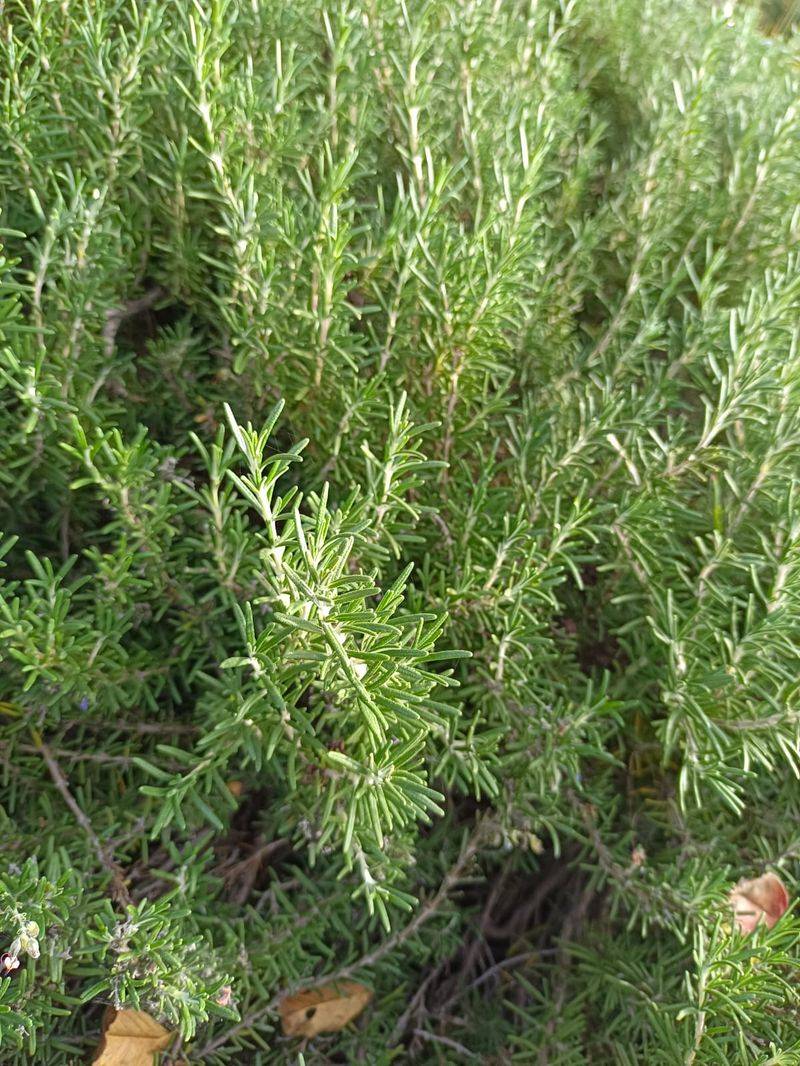
A dry Coastal Plain site needs a different plant palette from a red-clay Piedmont yard.
Conradina can make that difference obvious.
False rosemary, Conradina canescens, is suited to sandy, sharply drained ground and brings fine evergreen foliage with small lavender flowers. The aromatic leaves give the plant a rosemary-like look without requiring rich soil or frequent irrigation.
Native bees use the flowers.
That makes the shrub useful in dry pollinator plantings where summer survival matters as much as ornamental appeal.
Drainage is the deal breaker.
Heavy clay, wet planting pockets, and moisture-holding soil can cause trouble. Sandy or gravelly ground with full sun gives the roots the conditions they expect.
Regional sourcing matters here too.
Conradina species can have fairly specific native ranges, so choose plants appropriate to your part of Georgia and buy nursery-propagated material from reputable sources.
Once established, false rosemary handles drought impressively.
New plants still need enough water to develop a stable root system during the first season, especially in hot exposed ground.
The main bloom is often earlier than some plants on this list, with occasional later flowers possible.
That makes Conradina one part of a longer bloom sequence rather than the only drought plant in the bed.
Small stature aside, it brings serious dry-site talent. Georgia sand finally gets a plant that sees difficult soil and answers, “That works.”
8. Add Spiderwort For An Earlier Drought-Tolerant Bloom
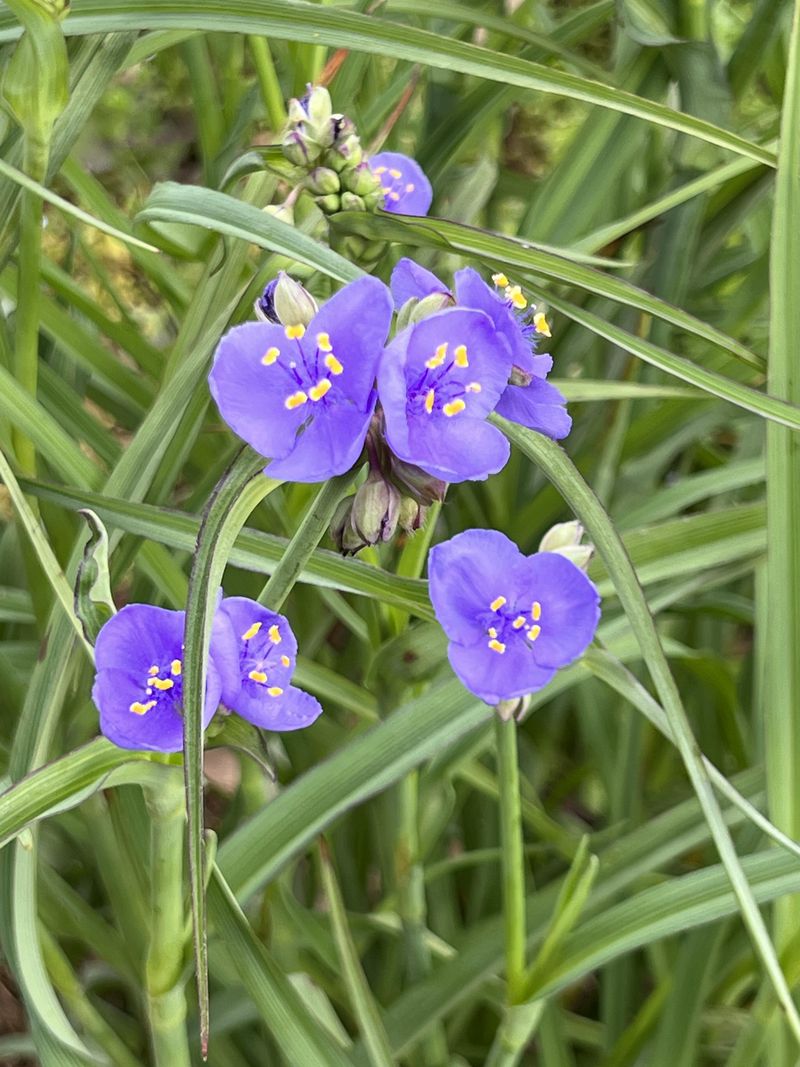
Spiderwort brings useful pollinator traffic before Georgia summer reaches its harshest stretch.
Native Tradescantia species produce clusters of three-petaled blue to violet flowers that attract native bees, especially during spring and early summer.
The blooms open for relatively short periods, but established clumps can produce fresh flowers repeatedly for weeks.
Give spiderwort sun to light shade.
Morning sun with some afternoon relief can work especially well in hotter Georgia gardens. The plant handles average soil and becomes reasonably tolerant of dry periods once its root system settles.
New plants still need regular moisture during establishment.
Spiderwort is not the strongest late-August drought performer on this list. Intense heat and prolonged dryness can cause the foliage to decline or push the plant toward summer dormancy.
That does not make it less useful.
Its earlier bloom helps extend the pollinator calendar before coneflower, mountain mint, goldenrod, and other summer species take over. Mixing those bloom periods gives bees a steadier food supply instead of one short explosion of flowers.
Cut tired foliage back after the main flowering period.
Fresh growth may appear once moisture and milder temperatures return, and established clumps can gradually expand without demanding much attention.
Spiderwort knows when to leave the August spotlight to tougher performers. Its job comes earlier, keeping the pollinator café open until the summer shift arrives.