The Early October Rose Task Georgia Gardeners Often Skip
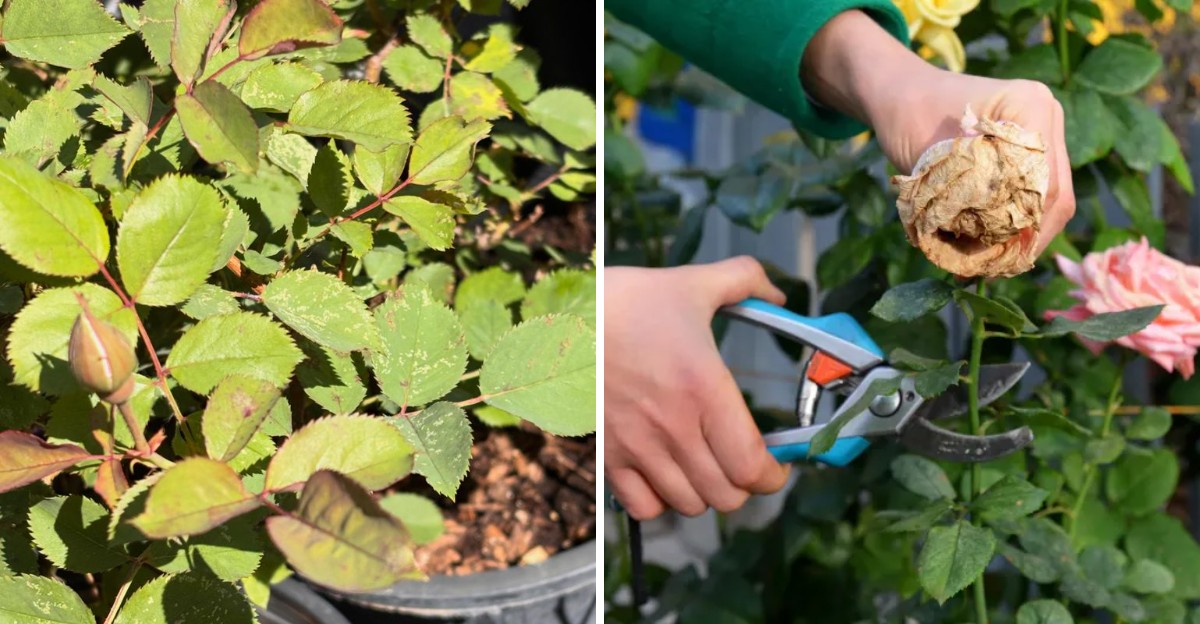
Roses may still be flowering when October begins, which makes it easy to treat them as you did in September. But their seasonal needs are starting to change.
That shift makes one simple garden task easy to overlook.
Your roses are balancing remaining flowers with the gradual move toward cooler weather. In Georgia, early October can still feel warm enough to make fall care seem unnecessary.
This is where paying attention now can help the plants finish their season more smoothly.
The task does not require a major overhaul or aggressive treatment. It simply supports the roses as their growth begins responding to shorter days and cooler nights.
Handle this small job at the right time, and your roses can move through October without carrying an easily avoided problem forward.
1. October Is A Good Time To Look Beneath Your Roses
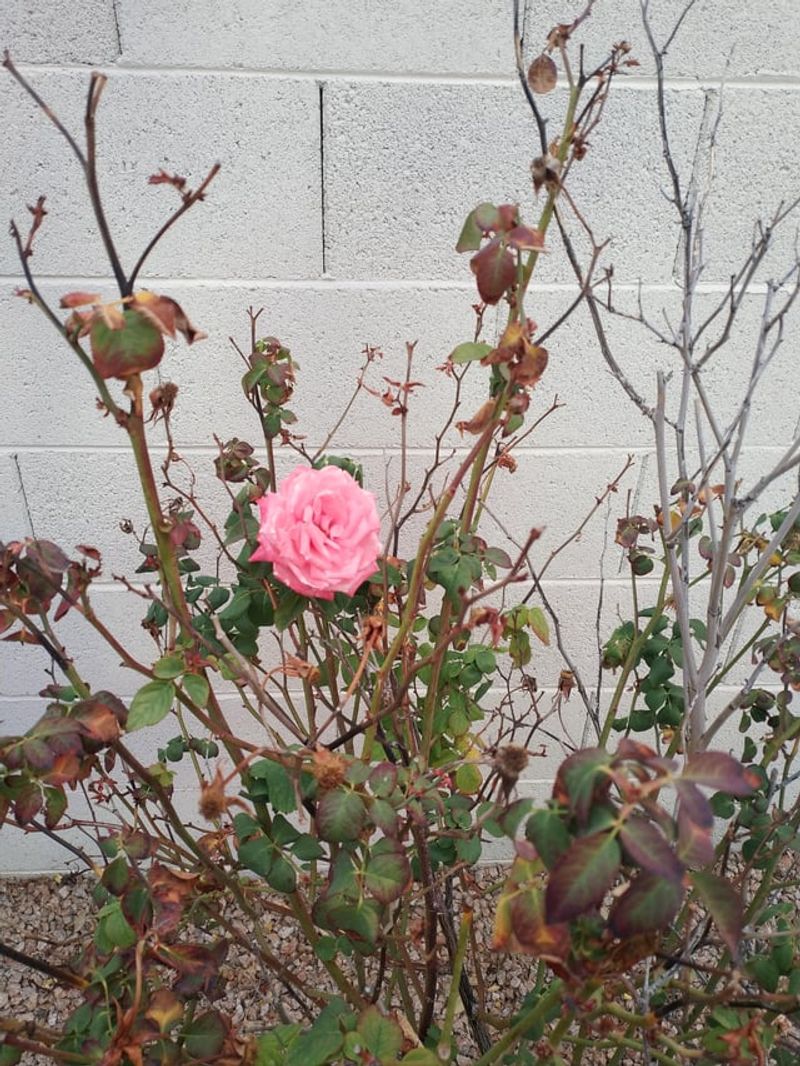
Look down, not up. Most rose problems start at soil level, and October is when the evidence is easiest to spot.
Summer growth hides the base of a rose for months. Once blooming slows and leaves begin to thin, you finally get a clear view of what has been collecting there.
Early October usually brings cooler mornings across Georgia, which makes crawling around a rose bed far more pleasant than it was in August.
Pull back the lower canes gently and take a real look. You may find matted leaves, dried petals, weeds, or bits of last year’s mulch pressed against the crown.
None of that is unusual, and none of it means you did something wrong.
Timing matters here more than technique. Doing the check now gives you weeks of mild weather to fix anything you find before cold nights settle in.
Waiting until late November tends to backfire, since wet leaves get heavy and stick to the soil surface.
Bring a small hand rake and a bucket. Working slowly keeps you from snapping brittle canes or scraping bark near the base.
Take notes if you have several bushes, because problems rarely show up evenly across a bed.
A quick inspection also tells you which plants struggled this year and which ones cruised through the heat without much fuss.
2. Black Spot Can Linger In Fallen Leaves
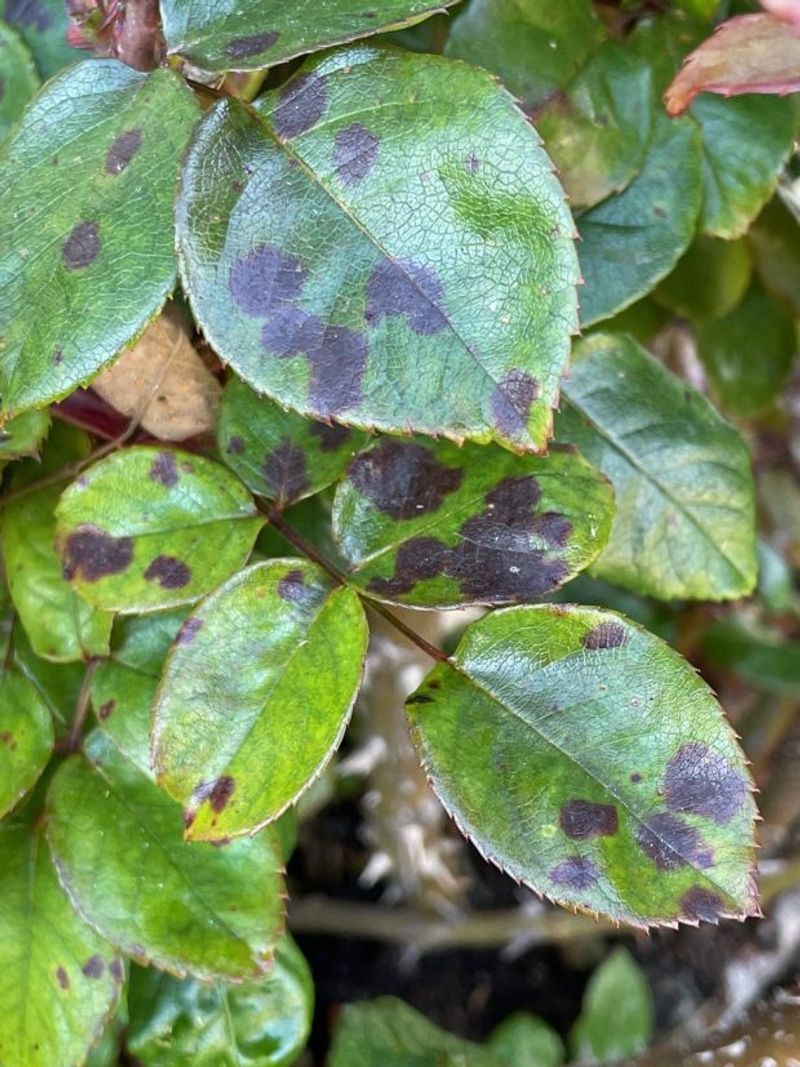
Those speckled yellow leaves on the ground are not just litter. Black spot spores can survive on fallen foliage and infected canes, which is why cleanup carries real weight.
Warm, humid summers give the fungus plenty of chances to spread. Rain splashes spores from the soil back onto lower leaves, and the cycle repeats.
Gardeners across Georgia deal with this every single year, especially in areas with heavy afternoon storms and poor air movement between plants.
Removing infected leaves lowers the amount of spore material sitting in your bed. It will not solve everything, since spores also travel on wind and rain from nearby yards.
Still, fewer spores nearby generally means less pressure on new spring growth.
Bag the debris rather than composting it. Home compost piles rarely get hot enough or stay hot long enough to reliably break down fungal material.
Your Georgia Garden Changes Every Week. Your Plan Should Too.
Gardening in Georgia changes quickly throughout the season. Every Friday you’ll receive a simple weekly plan showing exactly what to plant, prune, fertilize, harvest, and protect so you never miss the right timing.
Rinse your gloves and wipe pruners with a disinfecting solution between bushes if you spotted heavy infection.
Resistant varieties handle black spot better, though even tough roses show some spotting in a wet season. Cleanup helps regardless of which type you grow.
Keep in mind that results vary with weather, spacing, and how your beds drain. A clean bed improves your odds without promising a spotless spring.
3. Clear Old Debris From Around The Base
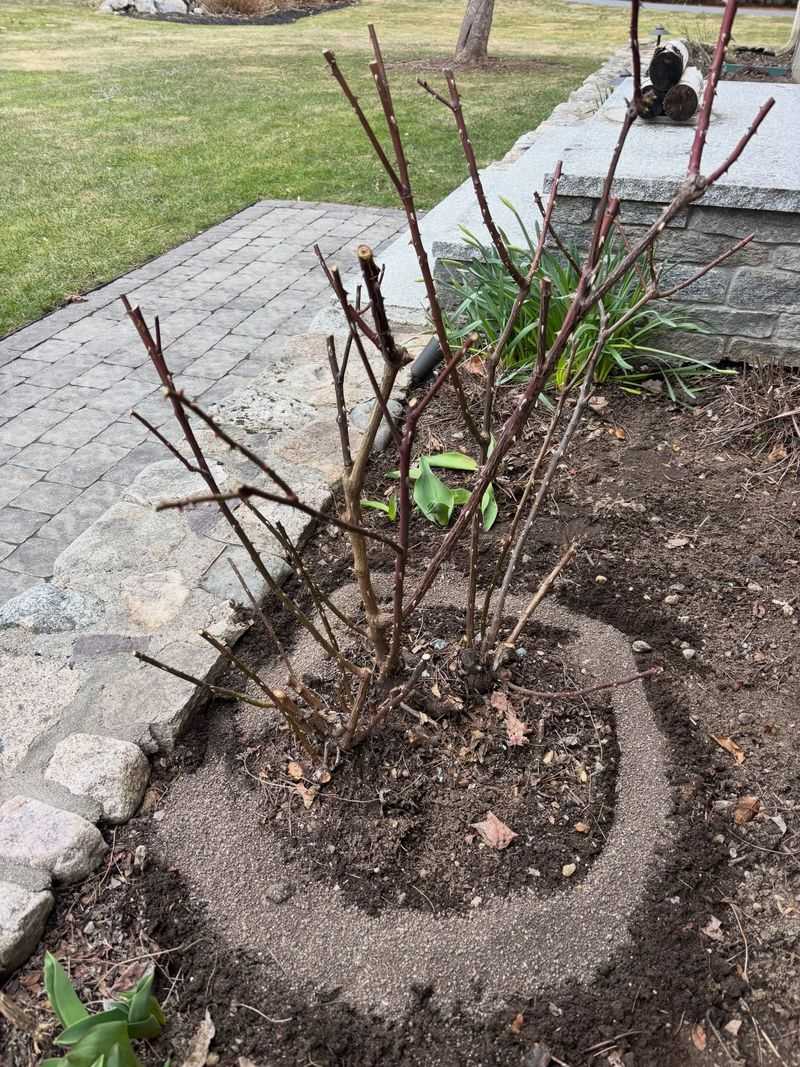
Debris packed against a rose crown traps moisture like a wet sponge. That is the part worth clearing first.
Start by hand, not with a hard rake. Fingers let you feel where canes emerge so you avoid scraping the bark near the graft union.
Old petals, spent blooms, twigs, and weed stems all come out together. Toss them in a bag instead of shaking them off into the next bed over.
Watch for weeds that snuck in during late summer, since they compete for water and hide insects near the base.
Clearing also improves airflow at ground level, which helps the soil surface dry faster after Georgia’s frequent fall rain showers.
Do not dig deeply while you work. Rose roots sit closer to the surface than people assume, and aggressive cultivating can damage them.
A light sweep of the top layer is plenty.
If you find old landscape fabric or matted mulch pressed tight against the stems, pull it back a few inches. Crowns generally do better with a bit of breathing room.
Rinse the ground lightly afterward if dust from the cleanup coated the lower canes.
Finish by looking at the shape of the bed itself. Low spots that hold water after a storm are worth noting for future adjustments.
4. Check The Remaining Foliage For Signs Of Trouble
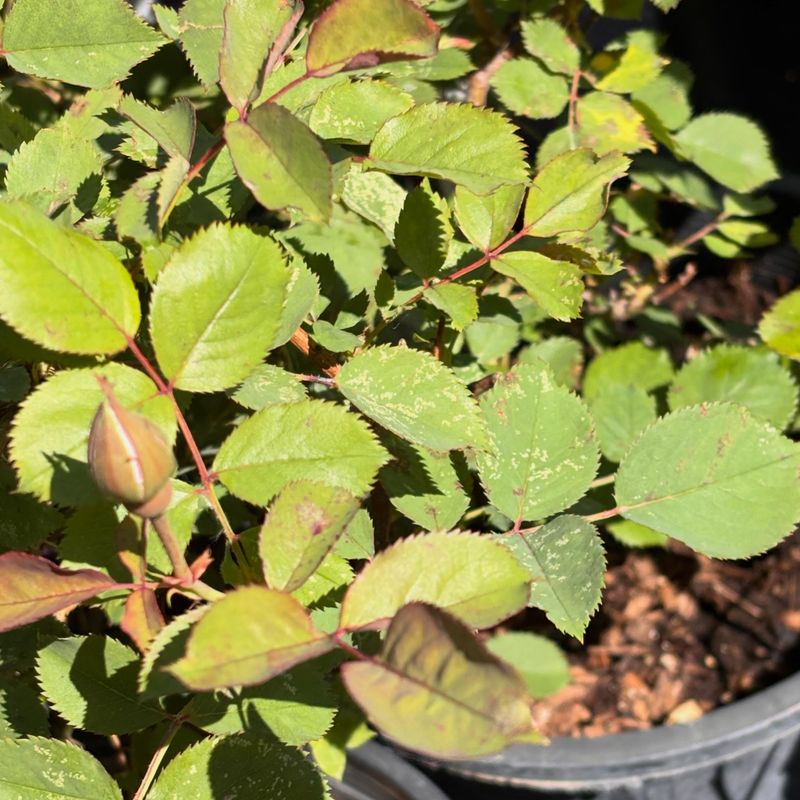
The leaves still hanging on the plant tell you a story worth reading. Flip a few over and look at the undersides.
Fine webbing or tiny stippled dots often point to spider mites, which thrive in hot, dry stretches. Cooler weather usually slows them down on its own.
White powdery patches suggest mildew, common when warm days meet cool nights. Poor air circulation makes it worse.
Yellow leaves with dark blotches usually mean black spot has been active on that plant all season.
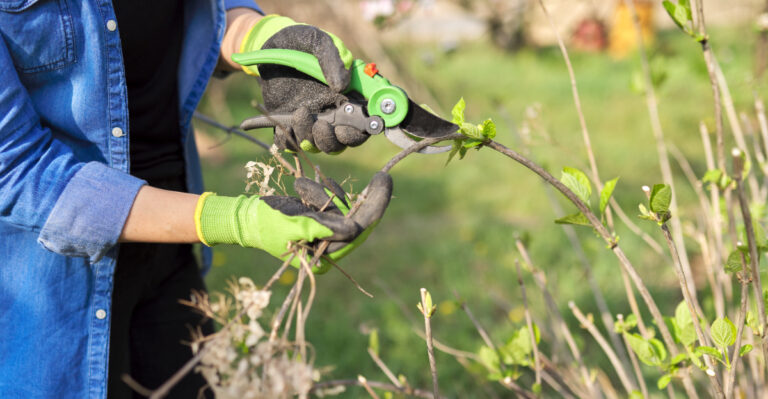
Snip off badly affected leaves you can reach easily, but resist stripping the bush bare. Roses still need foliage to build energy reserves before winter.
Any leaf you remove should go in the trash bag, not on the ground.
Gardeners in Georgia sometimes see a second flush of clean new growth in October, which is a good sign the plant is recovering.
Chewed edges are often just beetle damage from earlier in the summer and rarely need action this late.
Note which bushes had the roughest year. That information helps you decide about spacing, sun, or replacement varieties later.
Skip fungicide sprays at this point unless a professional recommends otherwise, since treatments work best as prevention during active growth rather than at season’s end.
5. Fresh Mulch Can Cover The Ground Afterward
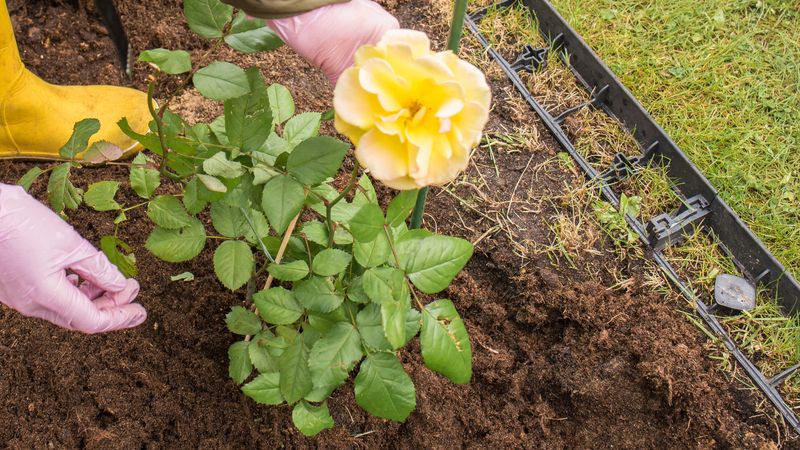
Bare soil after cleanup is an invitation for weeds. Mulch closes that gap and does a few other useful things at the same time.
Spread a two to three inch layer over the cleared area. Anything deeper tends to hold too much moisture in humid regions.
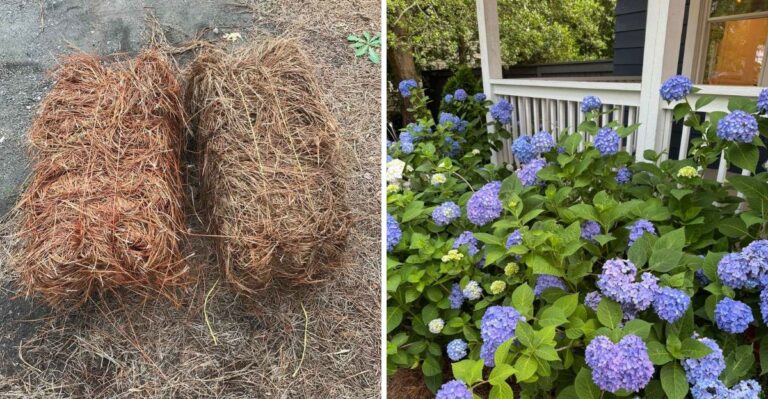
Pine straw works well in Georgia gardens and is easy to find, though shredded bark and pine fines do the job too.
Keep the mulch pulled back an inch or two from the canes themselves. Piling it against stems can encourage rot at the crown.
A fresh layer also acts as a barrier between old soil and new spring growth, cutting down on rain splash from below.
Temperature swings are the other reason to bother. Mulch buffers the soil during those odd January weeks that jump from sixty degrees to freezing.
Water the bed before mulching if the soil is dry, since dry mulch can shed light rain rather than let it soak in.
Avoid dyed mulches right against the crown if you have a choice, and never use grass clippings from a treated lawn.
One layer now usually carries you through winter without any touch-ups.
Come spring, you can rake it lightly to loosen any crust that formed over the colder months.
6. Save Major Pruning For The Proper Season
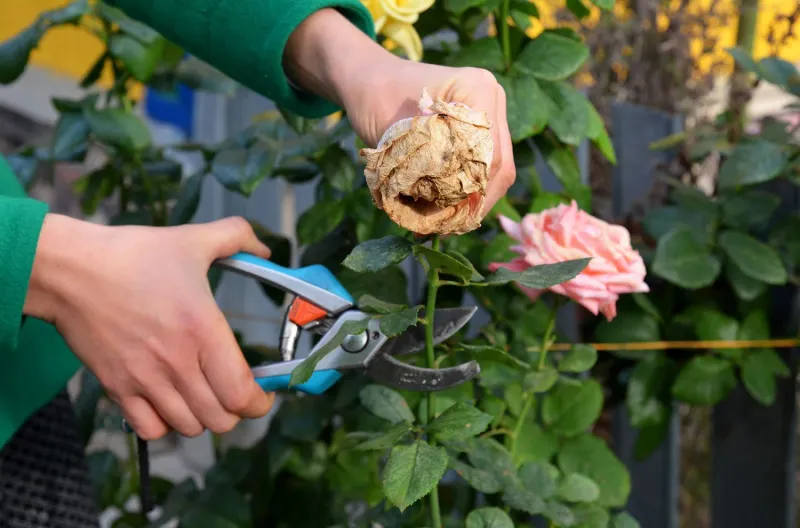
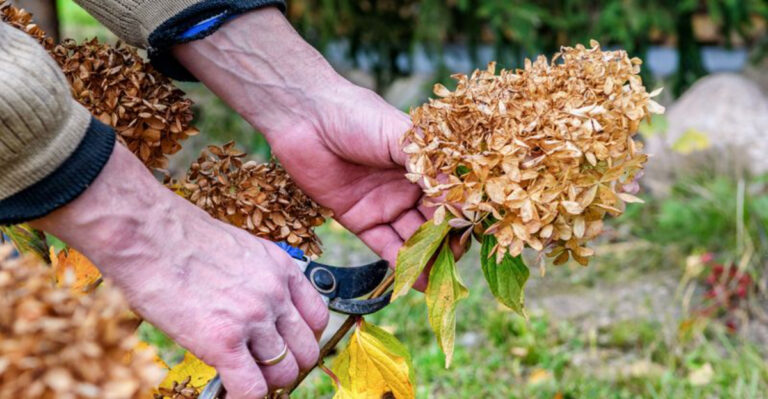
Put the loppers down. Cutting roses back hard in October is one of the most common fall missteps.
Heavy pruning signals the plant to push new shoots. Tender growth arriving in November or December has little chance of hardening off before a cold snap.
Late winter is the better window in most of Georgia, generally somewhere between mid February and early March depending on your zone.
Local timing shifts with elevation and weather, so watch for swelling buds rather than circling a date on the calendar.
Light work is still fine now. Trimming a cane that whips against a fence or removing a broken stem will not hurt anything.
Deadheading can continue if you like tidy beds, though some gardeners leave the last blooms to form hips.
Rose hips add winter color and give birds something to pick at during lean weeks.
Tall climbers sometimes need a few long canes shortened so wind does not rock the roots loose. Keep those cuts minimal.
Clean your pruners before and after working, especially if you handled diseased material earlier in the day.
Waiting also lets you see real winter damage before you cut, which makes spring pruning far more accurate and much less guesswork.
7. Hold Off On Another Round Of Fertilizer
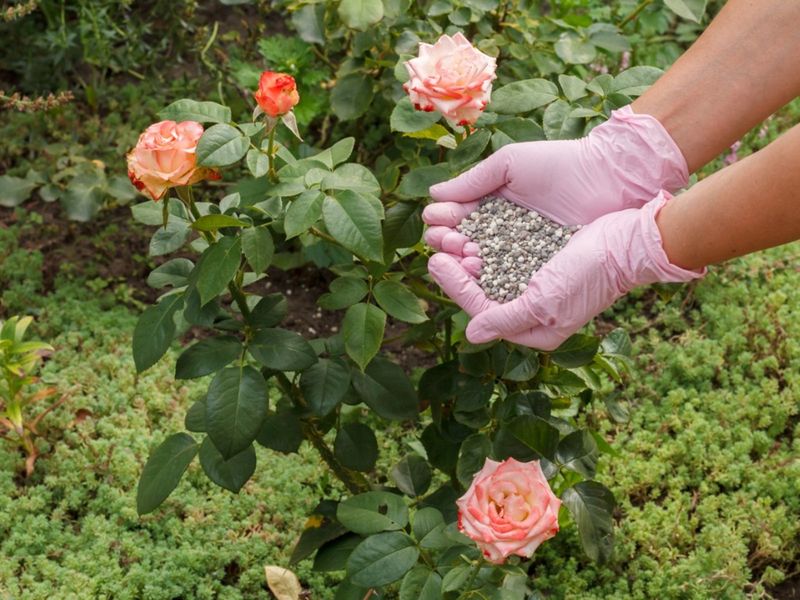
Skip the feeding. Roses heading into fall need to slow down, not speed up.
Nitrogen encourages soft new shoots. Growth that starts this late rarely matures enough to handle a freeze, and damaged tips can open the door to problems.
Most rose growers in Georgia stop fertilizing around six to eight weeks before the average first frost, which lands somewhere in late summer for much of the state.
Frost dates differ widely between the mountains and the coastal plain, so check your own area rather than relying on a single number.
Water is a different story. Roses still benefit from deep, occasional watering during a dry autumn stretch.
Soil amendments like compost are usually fine, since they release nutrients slowly and improve structure more than they push growth.
Wait until spring for a proper feeding, once new leaves appear and the plant is actively growing again.
A soil test during the off season can tell you what your bed actually lacks. Guessing often leads to overfeeding, which causes its own set of headaches.
Container roses sometimes need a slightly different approach because their soil drains and depletes faster.
Patience pays off here, and holding back now generally sets up a stronger, healthier flush of blooms next season.