Why California Homeowners Could Face A Ban On Bark Mulch Near Homes
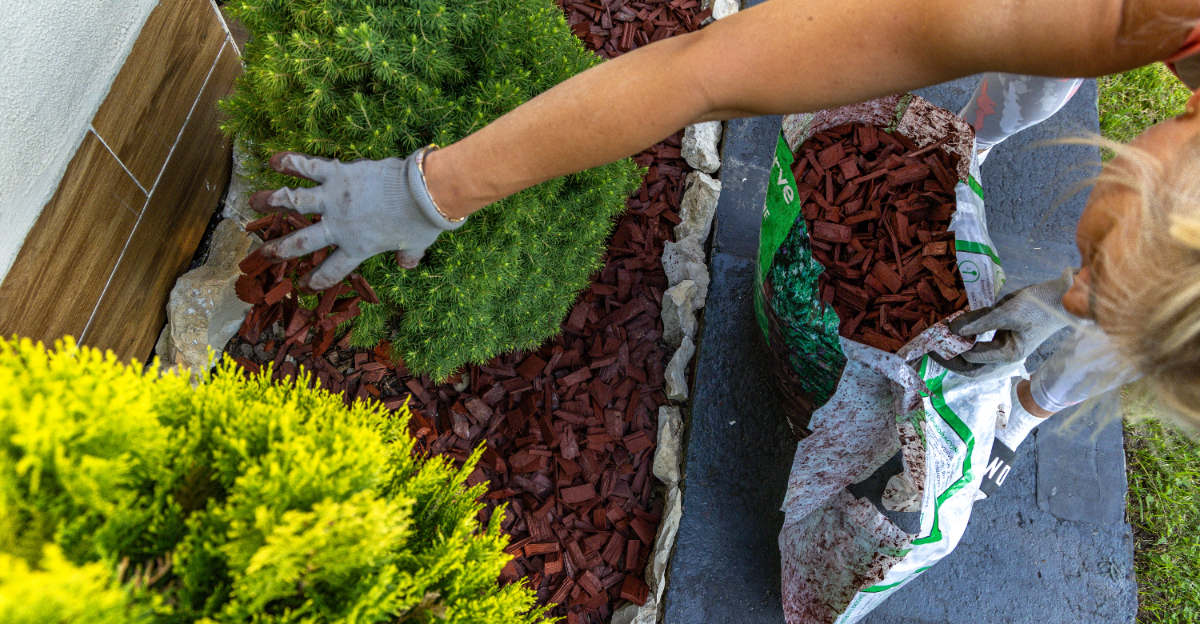
Bark mulch has long been a go-to choice for California landscaping because it helps soil hold moisture and gives planting beds a finished look. Near the house, though, that familiar layer is getting much closer scrutiny.
Wildfire research has shifted attention to the first few feet around a structure, where windblown embers can land and find something combustible before flames ever reach the property.
California fire guidance now favors noncombustible surfaces in this critical zone, raising questions about how organic mulch may be treated as defensible-space rules evolve.
For homeowners, the issue is not necessarily what covers the entire yard. It is what sits immediately beside walls, decks, and other vulnerable parts of the home.
A landscaping material that once seemed routine could soon require a very different approach in the places where wildfire protection matters most.
1. Bark Mulch Turning Into Easy Fuel Near The House
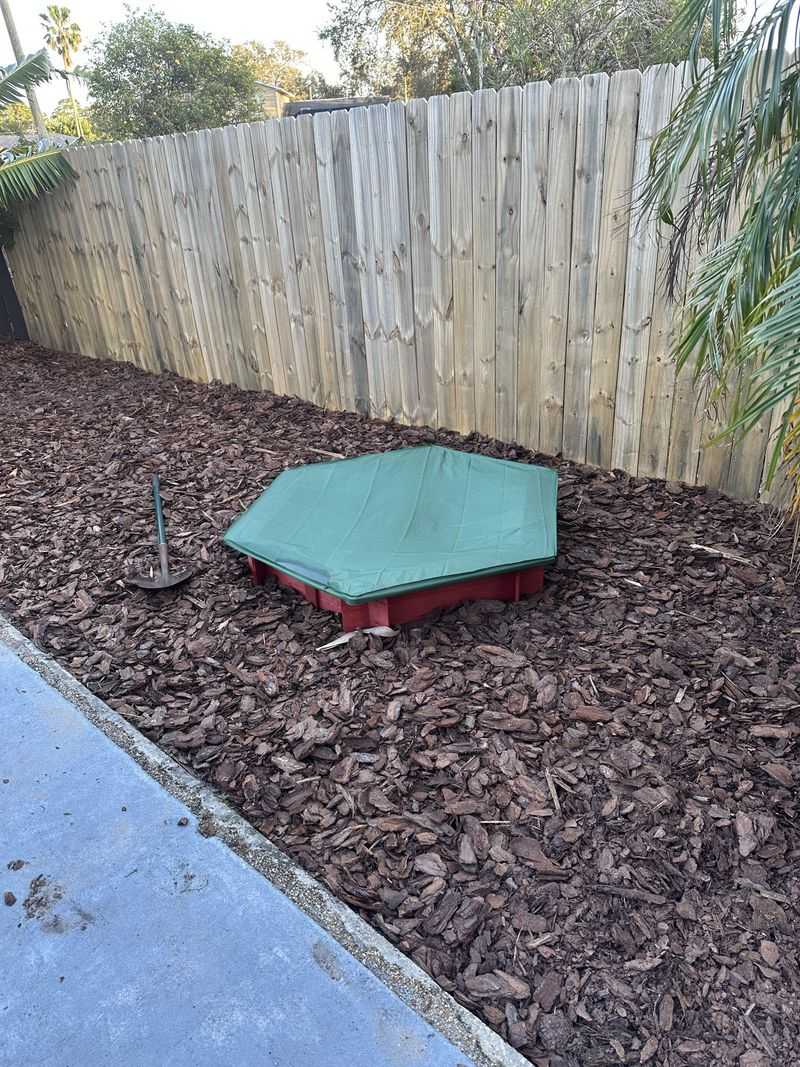
Most people think of bark mulch as a harmless garden helper. It keeps weeds down, holds moisture in the soil, and makes flower beds look clean and polished.
But there is a side to bark mulch that most homeowners never consider until it is too late.
When bark mulch dries out, which happens quickly in hot and low-humidity conditions, it becomes highly flammable. It can ignite from a small ember, a cigarette, or even reflected heat from a window.
Once it starts burning, it burns steadily and can travel fire right toward a home’s foundation or wood siding.
Fire researchers have tested many common landscaping materials, and bark mulch consistently ranks among the most dangerous near structures. Some types, like shredded cedar or pine bark, ignite faster than others.
Even chunky bark nuggets, which many people assume are safer, can catch and hold a flame long enough to spread fire to a wall or fence post.
Placing bark mulch right up against a home is a bit like stacking newspaper along the base of your walls. The material looks harmless, but it creates a direct path for fire to reach the structure.
Many fire agencies are now calling for a full rethink of how homeowners landscape the area closest to their homes, and bark mulch is at the center of that conversation.
2. Why The First Five Feet Matter Most
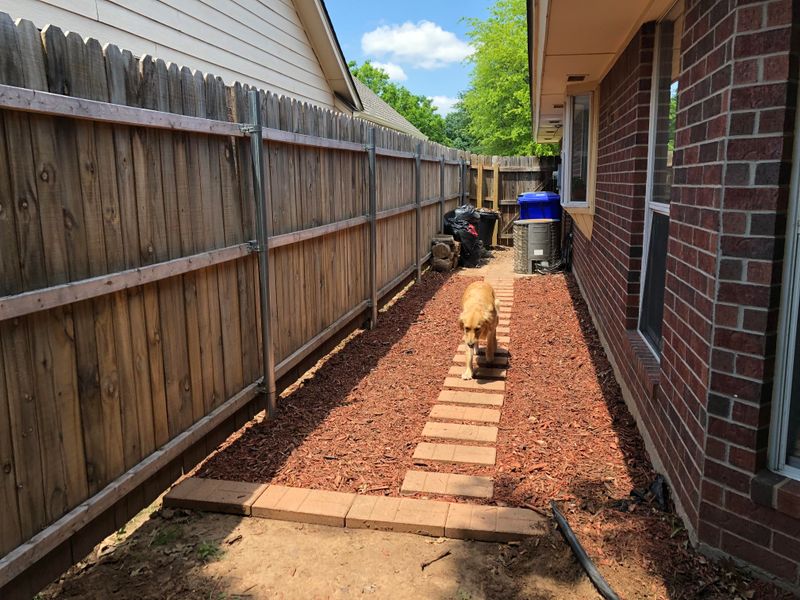
Fire safety experts have a name for the ground immediately surrounding your home. They call it Zone Zero, and it covers the first five feet out from any wall, door, or foundation.
Research has shown this small strip of land plays a surprisingly large role in whether a home survives a wildfire.
Embers from a wildfire can travel miles in the wind before landing. When they land in a zone filled with bark mulch, dried leaves, or wood chips, they have everything they need to start a fire.
That fire then moves toward the house, reaching the siding, vents, or deck within minutes.
The first five feet act like a buffer zone. If that area is filled with non-combustible materials, an ember has nowhere to take hold.
Your California Garden Changes Every Week. Your Plan Should Too.
Gardening in California changes quickly throughout the season. Every Friday you’ll receive a simple weekly plan showing exactly what to plant, prune, fertilize, harvest, and protect so you never miss the right timing.
Fire agencies recommend replacing bark mulch in Zone Zero with gravel, decomposed granite, concrete, or bare soil. These materials do not burn, so they break the chain reaction before it starts.
Homeowners are often surprised to learn that such a small strip of land can make such a big difference. But the data is clear.
Homes with non-combustible zones around their foundations have a much higher survival rate during wildfires.
Changing what sits in those first five feet is one of the simplest and most effective things any homeowner can do right now to protect their property.
3. Flying Embers Can Land Right In The Mulch
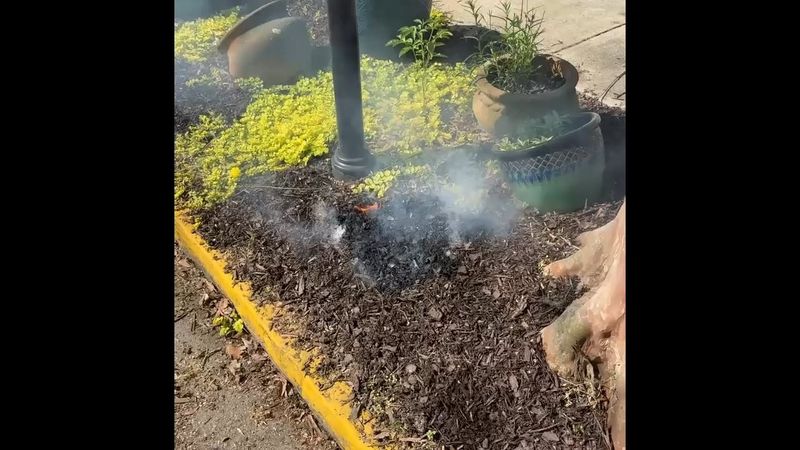
One of the most surprising facts about wildfires is how far embers can travel. Burning pieces of wood, bark, and plant material can be carried by wind for up to a mile or more before landing.
This means your home can be at risk even when the fire itself seems far away.
When embers land in bark mulch, they do not always burst into flame right away. Sometimes they smolder quietly for several minutes before the mulch catches.
By the time a homeowner notices smoke, the fire may already be spreading toward the house wall or crawling under a deck.
This ember-landing problem is one of the main reasons fire officials want to see bark mulch removed from areas near homes. The mulch acts like a welcome mat for airborne fire.
Replacing it with gravel or stone means embers land on a surface that cannot burn, and they simply burn out on their own without spreading.
Homeowners who have replaced mulch with non-combustible ground cover often say they feel much more confident during fire season.
The change is not expensive or complicated, and it removes one of the biggest risks to the home in a wildfire scenario.
Choosing the right material for garden beds near the house is no longer just a design decision. It has become a safety decision that can protect everything inside those walls.
4. Dry Bark Can Smolder Longer Than You Think
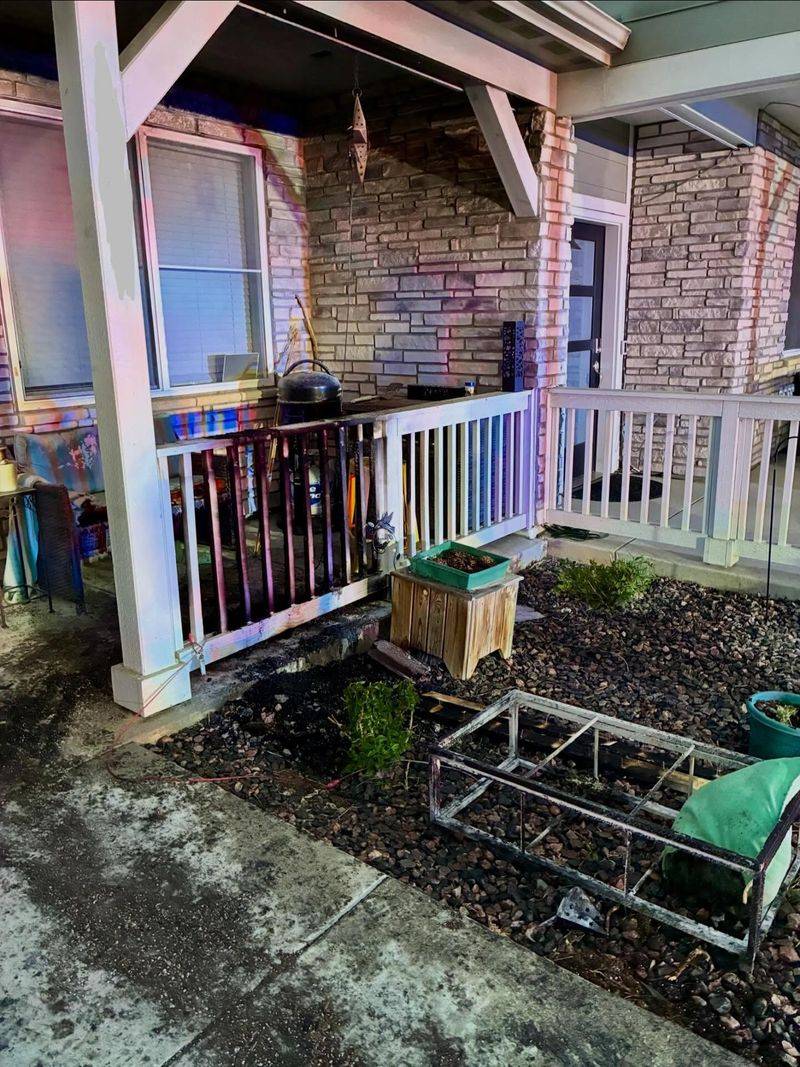
Most people assume that if bark mulch does not burst into open flame, it is not a serious threat. That assumption is wrong.
Dry bark mulch can smolder for a long time without producing visible flame, and that slow burn is actually more dangerous in some ways than a quick flash fire.
Smoldering bark can stay hot enough to ignite nearby materials for hours. If it smolders against a wood fence post, a deck board, or the base of wood siding, it can eventually start a larger fire.
Firefighters have documented cases where smoldering mulch caused house fires long after the original wildfire had passed through an area.
The smoldering problem gets worse when bark mulch is thick. Many homeowners apply several inches of mulch to keep weeds down, which creates a deep layer that holds heat well.
The inside of a thick mulch bed can stay hot even after the surface appears to have cooled down. This is why simply wetting the mulch with a hose is not always enough to stop the smoldering process.
Fire agencies recommend keeping any remaining bark mulch well away from structures and limiting its depth to no more than two inches in low-risk zones. Better yet, replacing it entirely in the areas closest to the home removes the smoldering risk altogether.
A ground cover that does not hold heat or fuel a slow burn is always the safer choice near any structure.
5. Pretty Foundation Beds Can Create A Fire Path
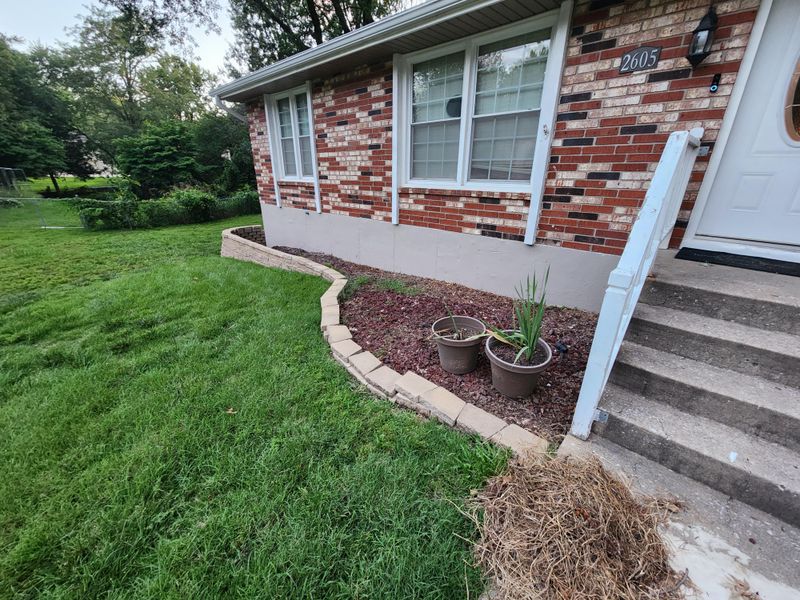
Curb appeal matters to homeowners, and a well-planted foundation bed can make a house look welcoming and well cared for.
But when those beds are filled with bark mulch and run continuously from the yard to the house wall, they can create something fire scientists call a fire path.
A fire path is a continuous line of flammable material that connects one area to another. In a landscaped foundation bed, bark mulch often runs from the outer edge of the yard all the way to the base of the home.
If that mulch ignites, fire can travel along it like a fuse, reaching the house in seconds.
The plants in foundation beds can add to the problem. Shrubs and ornamental grasses that sit in or near bark mulch become part of the fuel chain.
When plant material and mulch burn together, the fire burns hotter and faster, giving it more power to damage or ignite the home’s exterior.
Breaking up a fire path is not complicated. Homeowners can create gaps in the mulch using gravel borders, stone edging, or concrete pavers.
These non-combustible breaks interrupt the path and slow or stop fire from traveling toward the house. Redesigning a foundation bed with fire safety in mind does not have to sacrifice beauty.
Many fire-resistant landscaping designs look just as attractive as traditional ones, but they protect the home far more effectively during wildfire season.
6. Why Gravel Is Getting More Attention Instead
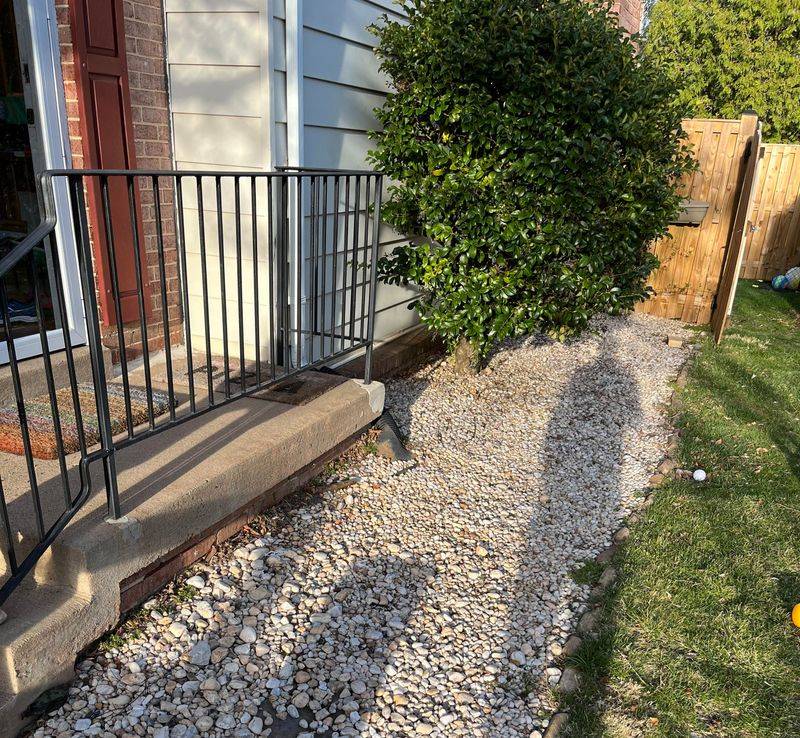
Gravel has been around as a landscaping material for a long time, but it is getting a fresh look from homeowners who want to reduce wildfire risk. Unlike bark mulch, gravel does not burn.
Embers can land on it, sit on it, and eventually go out without spreading fire to anything nearby.
Beyond fire safety, gravel offers practical benefits that make it appealing for dry climates. It does not decompose, so it does not need to be replaced every year or two the way organic mulch does.
It also does not attract insects the way moist bark mulch can, and it holds up well in heavy rain without washing away.
Decomposed granite is a popular choice for Zone Zero landscaping because it packs down firmly and gives a natural, earthy look. River rock and pea gravel are other options that work well around foundation beds and pathways.
Many fire-safe landscape designers pair gravel with drought-tolerant succulents and low-water plants to create yards that look intentional and stylish while staying fire resistant.
The upfront cost of switching from bark mulch to gravel can be a bit higher, but the long-term savings add up. Gravel does not need seasonal replacement, does not require watering, and can actually help keep soil cooler in summer heat.
For homeowners in high fire risk areas, the switch to gravel is one of the smartest landscaping investments they can make. Fire agencies are actively encouraging the change.
7. Mulch Against Siding Is The Biggest Problem Spot
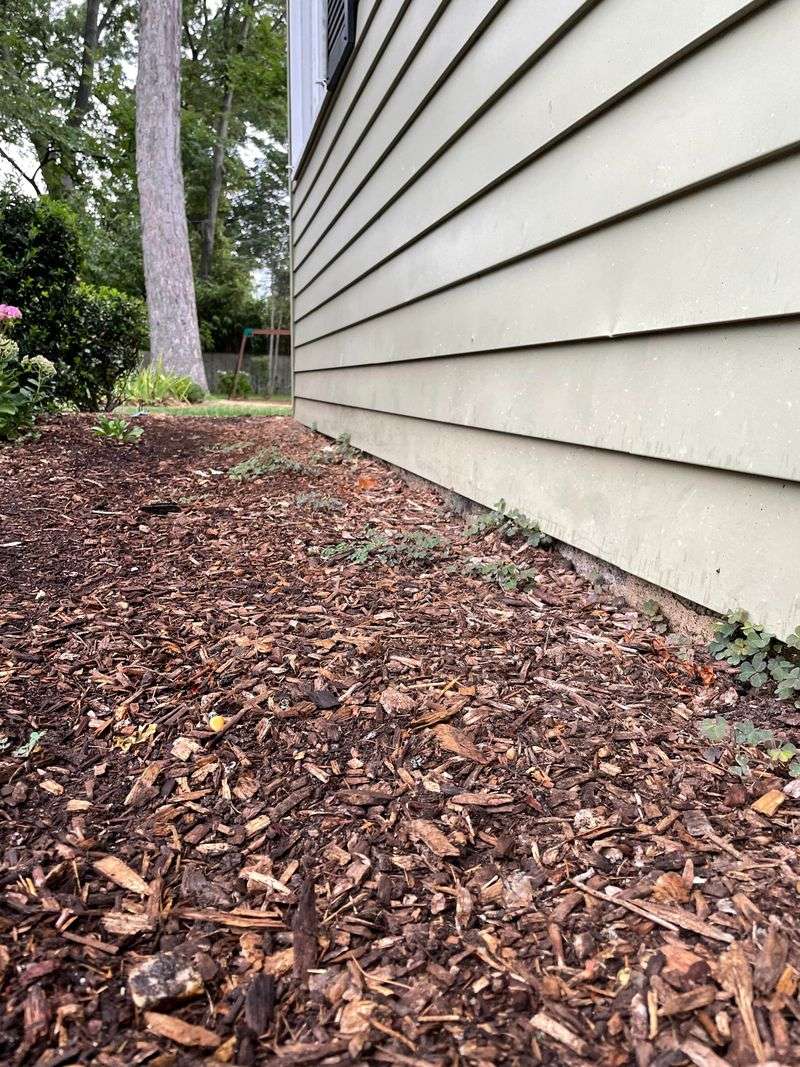
Of all the places bark mulch can be placed near a home, the spot right against the siding is the most dangerous.
When mulch touches the siding directly, it creates a point of contact where fire can move from the ground to the wall in seconds. There is no gap, no break, and no barrier to slow it down.
Wood siding is obviously vulnerable, but even fiber cement and stucco can be damaged when bark mulch burns right against them.
Heat from smoldering or burning mulch can crack stucco, warp trim boards, and ignite window frames or door casings.
The damage can happen faster than most people expect.
Beyond fire, mulch against siding creates moisture problems. Bark mulch holds water, and when it stays wet against a wall for extended periods, it can cause rot, mold, and pest damage.
Termites and carpenter ants are drawn to moist wood-based material sitting against a structure. So removing mulch from direct contact with siding protects the home from both fire and long-term structural damage.
California fire agencies recommend keeping all mulch at least six inches away from any wall, foundation, or siding. Using a gravel border or a concrete mow strip to create that gap is a simple and affordable fix.
Homeowners who make this one change remove one of the most direct and immediate fire risks from their property. It is a small adjustment with a meaningful impact on home safety during wildfire season.
8. Wind Can Push Burning Pieces Toward Vents And Eaves
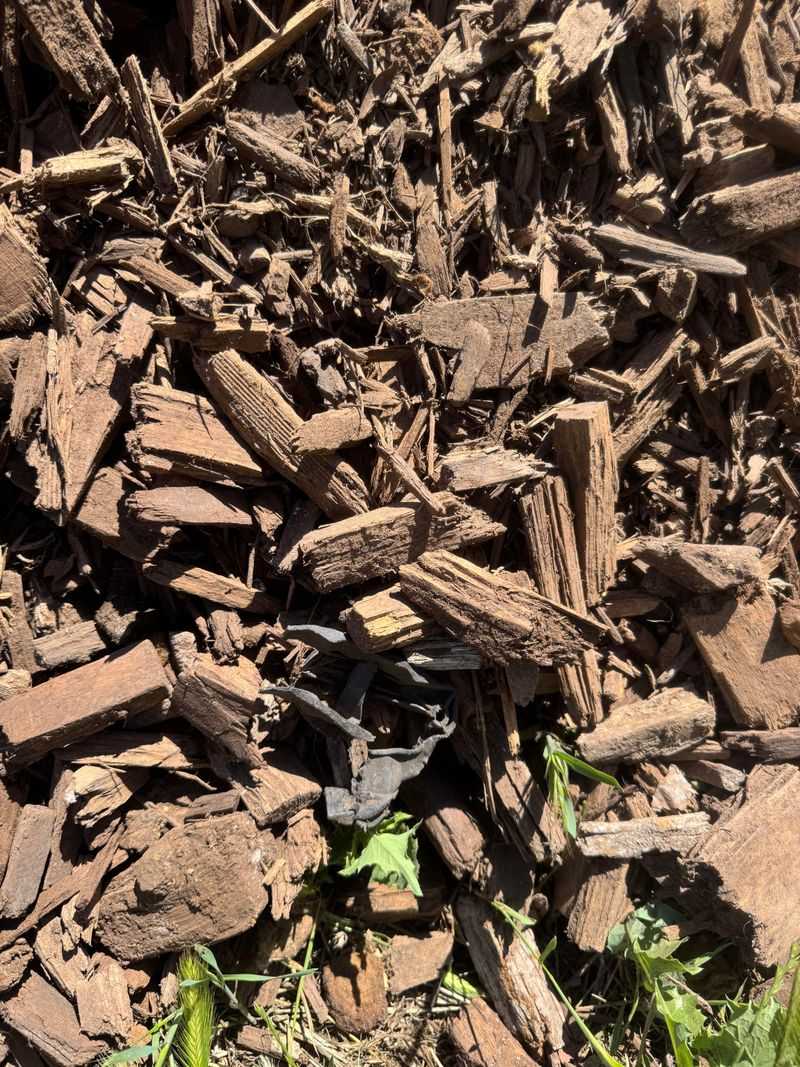
Wind plays a powerful role in how wildfires spread, and it also affects how burning mulch can threaten a home. When bark mulch catches fire, small burning pieces can break off and get carried by wind.
Those pieces can travel several feet and land in places that are hard to protect, like attic vents, soffit openings, and roof eaves.
Vents are one of the most vulnerable parts of any home during a wildfire. They allow air into the attic and crawl spaces, which is great for ventilation under normal conditions.
But during a fire, they also allow embers and burning debris to enter. Once a fire starts inside an attic, it spreads quickly and is very hard to stop.
Bark mulch near the house adds to this problem by creating a nearby source of burning material. When mulch ignites close to the home, the wind can carry burning pieces up and into vents or onto the roof.
Homes with wood shake roofs or older soffit vents with large openings are especially at risk from this type of fire entry.
Homeowners can reduce this risk in several ways. Installing ember-resistant vent covers is one effective step.
Removing bark mulch from the areas near vents and eaves is another. Keeping gutters and roof edges clear of debris also helps.
Taking these steps together creates a much stronger layer of protection against the kind of wind-driven ember attack that has caused so many home losses during major wildfires in recent years.
9. California’s Zone Zero Rules Are Changing Landscaping
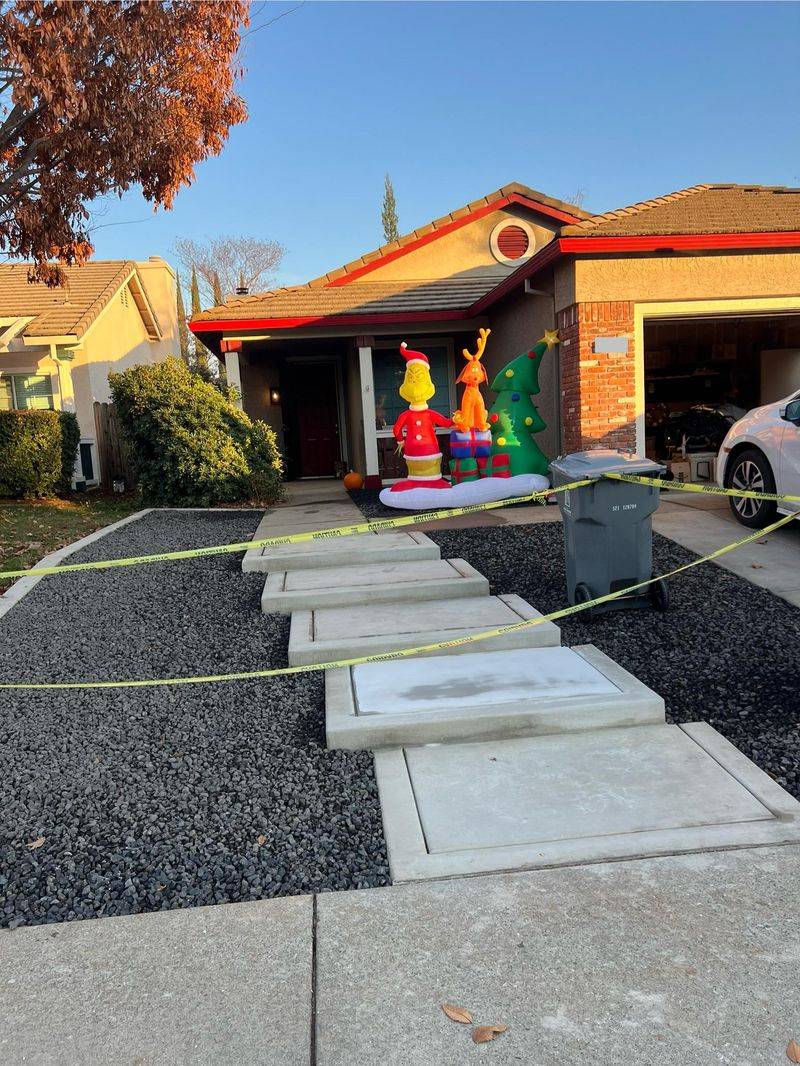
New state regulations in California are reshaping how homeowners think about the land directly surrounding their homes.
Zone Zero rules, which focus on the first five feet around any structure, are being updated to reflect what researchers have learned about how homes catch fire during wildfires.
Bark mulch is one of the materials drawing the most attention from regulators.
Under the updated guidelines being discussed and implemented in several high-risk counties, organic mulches like bark and wood chips may be restricted or banned entirely within Zone Zero.
Homeowners in designated fire hazard severity zones are expected to comply with these rules, and some areas are already enforcing them during home inspections and real estate transactions.
The shift is significant. For decades, landscaping advice focused on water conservation and weed control, and bark mulch checked both boxes.
Now, fire safety is being added to that checklist, and it is changing what gets recommended and what gets allowed near homes.
Nurseries and garden centers in high-risk areas are beginning to stock more gravel, decomposed granite, and fire-resistant ground covers to meet the growing demand.
For homeowners, adapting to Zone Zero rules does not have to be stressful. Many local fire agencies offer free consultations and even rebate programs to help cover the cost of fire-safe landscaping upgrades.
Getting informed early and making changes before they become mandatory is the smartest path forward. The rules are evolving quickly, and staying ahead of them protects both the home and its value.