What To Do When California Potted Avocados Keep Wilting By Afternoon
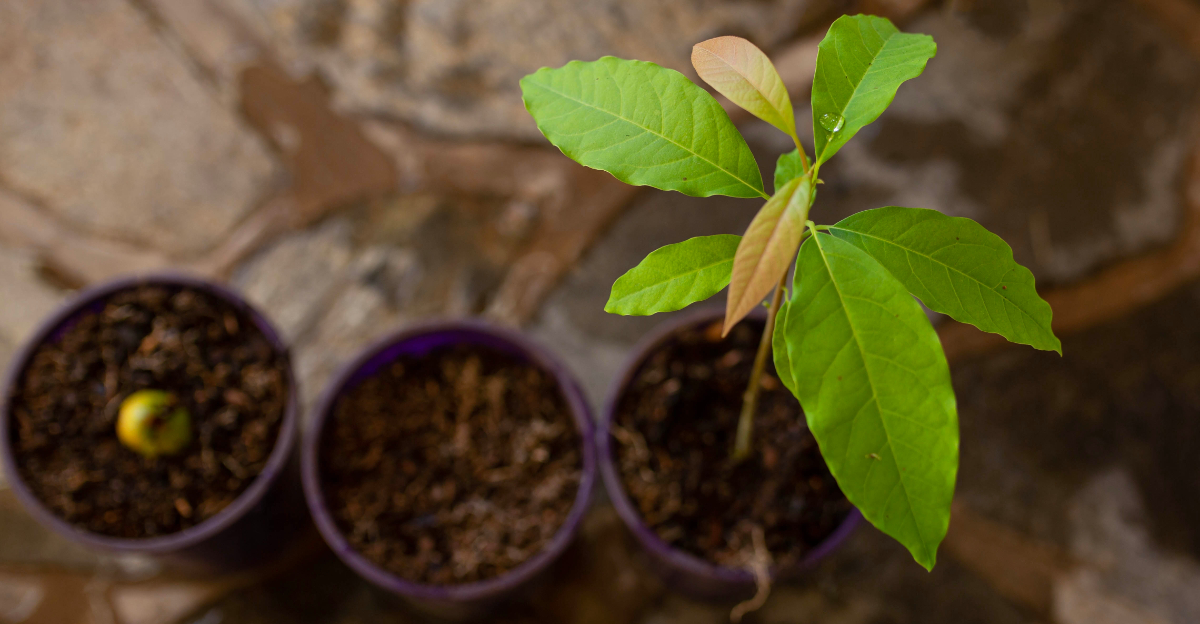
A potted avocado that looks fine at breakfast can be drooping hard by late afternoon, especially during a California hot spell.
Containers heat faster than garden soil, so roots can struggle even when the surface still feels slightly damp.
The answer is not always more water. Wilting can also show up when the pot is too small, drainage is poor, or the tree is sitting in intense reflected heat for hours.
That makes diagnosis more important than reacting with another soak. Check how quickly moisture is disappearing deeper in the container, pay attention to where the pot sits during the hottest part of the day, and watch how fast the leaves recover after sunset.
Those clues can reveal whether the tree is simply coping with heat or starting to experience real root stress.
1. Checking The Pot Before Blaming The Heat
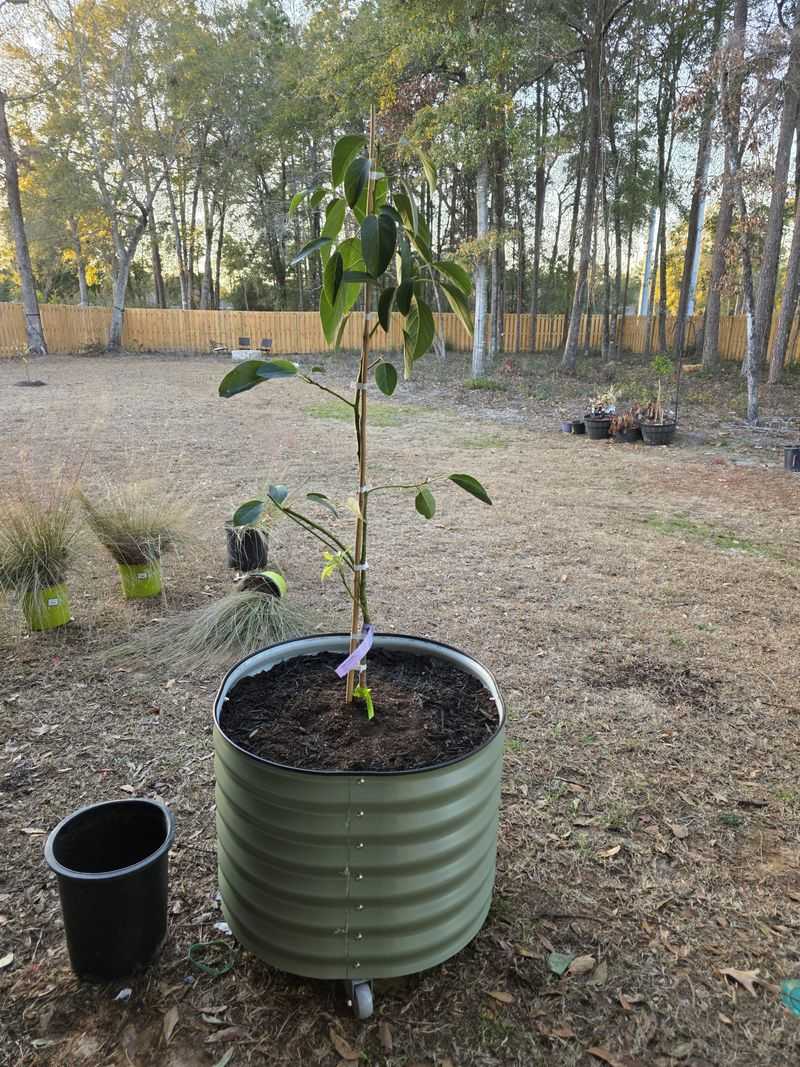
Before pointing fingers at the sun, take a close look at your pot. A lot of afternoon wilting problems actually start with the container itself.
The size, material, and condition of the pot can all affect how well your avocado holds up through the day.
Small pots dry out fast. When the root system fills most of the space, there is very little soil left to hold onto water.
That means the plant runs out of moisture long before the afternoon even arrives. If your pot feels light and the soil pulls away from the edges, that is a strong hint the container is too small.
Cracked or porous pots can also lose water faster than you expect. Clay and terracotta look great, but they let moisture escape through the walls.
Your avocado may be wilting not because it is hot outside, but because the pot cannot hold a good drink for long.
Check whether the pot has been sitting in direct sun all morning too. Some containers absorb heat and pass it straight to the roots.
A quick inspection of the pot itself can save you a lot of guessing. Look at the size, the material, the cracks, and where it sits before you blame the weather.
2. Giving Roots A Deep Morning Drink
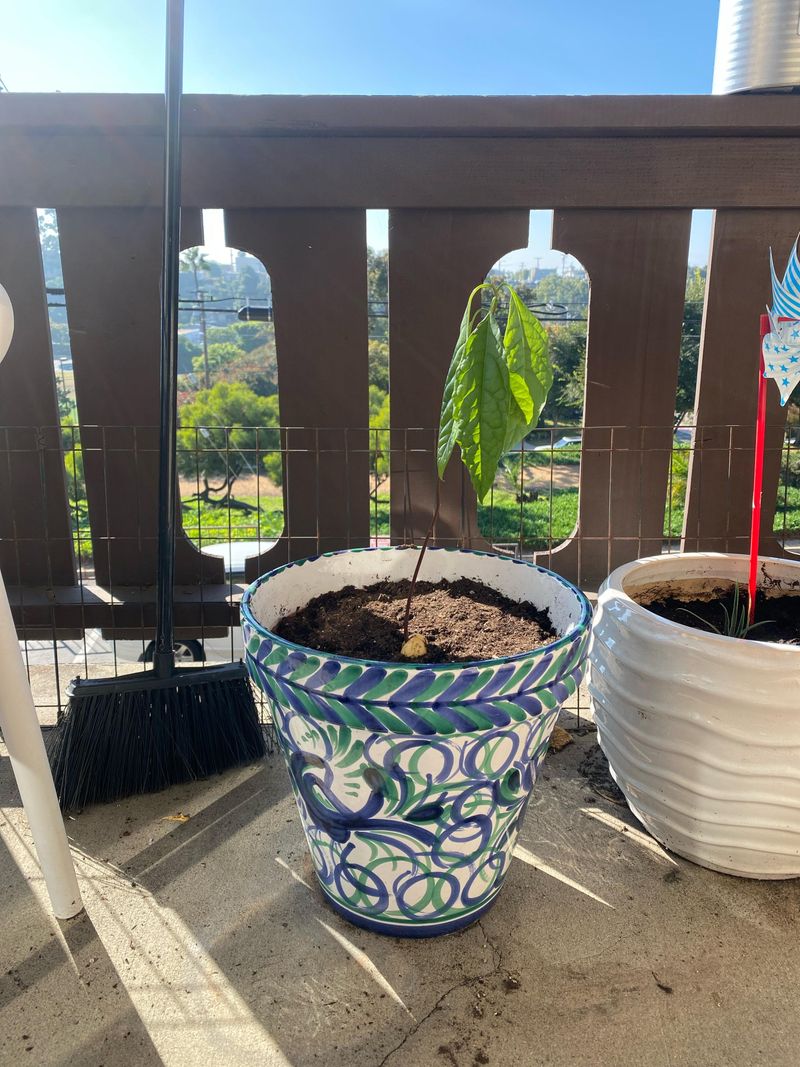
Morning watering is one of the best habits you can build for a container avocado in California. When you water early, the roots have time to absorb a full, deep drink before the afternoon heat arrives.
A good soak in the morning sets the plant up to handle the rest of the day with much more ease.
The key word here is deep. A quick splash on top of the soil does not help much.
Water needs to move all the way down through the pot and reach the roots at the bottom. You will know you have watered deeply enough when water starts flowing out of the drainage holes at the bottom of the container.
Shallow watering trains roots to stay near the surface, where they dry out the fastest. Over time, this makes the plant weaker and more sensitive to afternoon heat.
Your California Garden Changes Every Week. Your Plan Should Too.
Gardening in California changes quickly throughout the season. Every Friday you’ll receive a simple weekly plan showing exactly what to plant, prune, fertilize, harvest, and protect so you never miss the right timing.
Deep watering encourages roots to grow downward, where the soil stays cooler and holds moisture longer.
Try watering slowly and steadily rather than dumping a large amount all at once. Give the soil time to absorb each pour.
A good morning watering routine, done consistently, can make a noticeable difference in how your avocado looks by the time afternoon rolls around.
3. Moving Containers Out Of Brutal Afternoon Sun
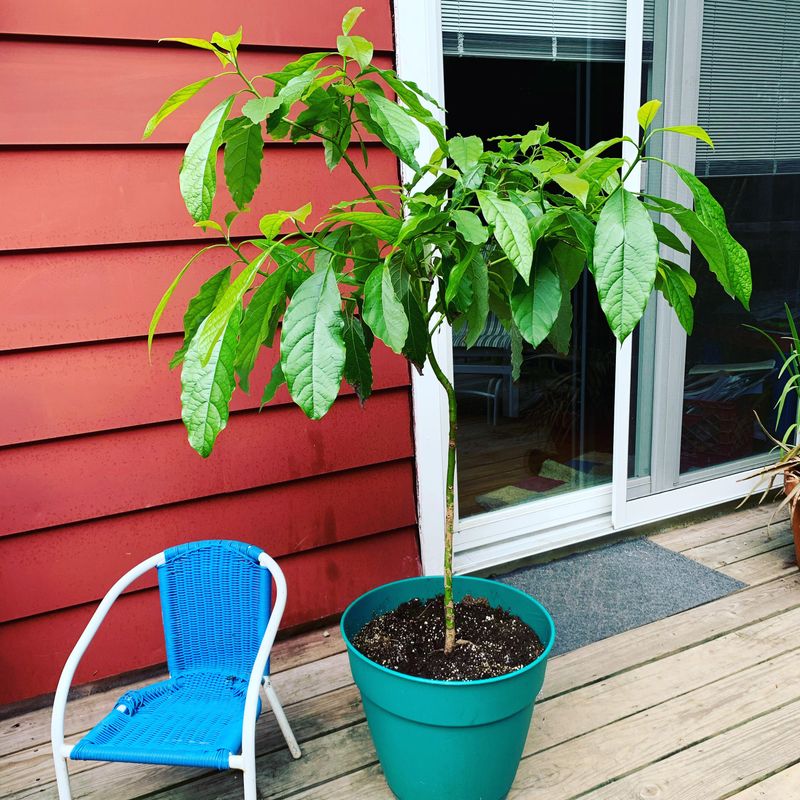
Full sun all day sounds ideal for a fruit tree, but avocados in containers have limits that in-ground trees do not.
When a potted avocado sits in direct sun from morning until evening, the roots can overheat and the leaves lose water faster than the plant can replace it.
Afternoon sun in most parts of California is especially intense between 1 p.m. and 5 p.m. That window of heat is often what pushes a stressed avocado over the edge into wilting.
Moving the pot to a spot that gets morning sun but afternoon shade can make a huge difference almost immediately.
A covered patio, the east side of a building, or a spot under a shade cloth are all good options. You do not have to give up sun entirely.
Avocados still need several hours of bright light each day to stay healthy and eventually produce fruit.
If moving the pot is not practical, consider setting up a shade cloth or umbrella to block the harshest afternoon rays. Even two or three hours of shade during peak heat can reduce wilting significantly.
Experiment with different spots in your yard and watch how the plant responds over a few days.
4. Making Sure Drainage Holes Are Actually Working
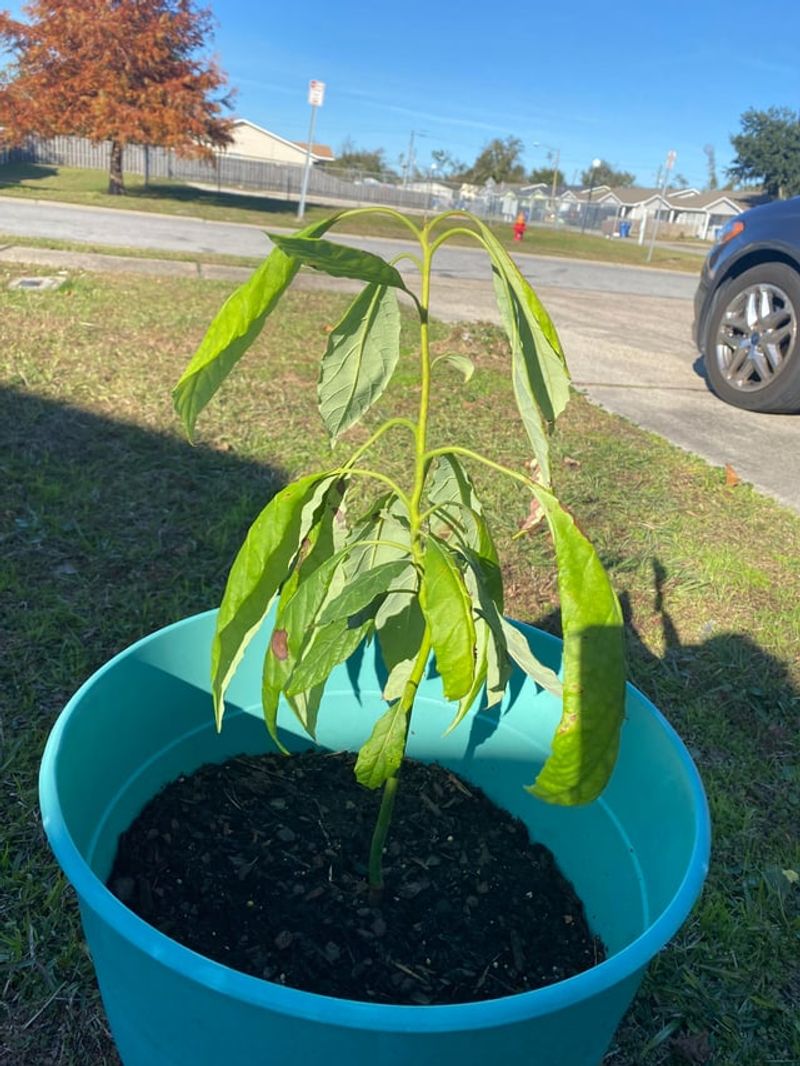
Good drainage is not just a nice feature for a potted avocado. It is absolutely necessary.
Without proper drainage, water sits at the bottom of the pot and suffocates the roots. Roots that cannot breathe will struggle to deliver water to the rest of the plant, which leads directly to wilting.
Many gardeners assume their drainage holes are working just because they exist. But holes can get blocked by compacted soil, roots, or even pebbles placed at the bottom of the pot.
If water pools on top of the soil for more than a minute after you water, there is a good chance drainage is not moving the way it should.
Flip the pot slightly or use a stick to gently poke the drainage hole and check for blockages. Sometimes a quick clear-out is all it takes to get water flowing again.
If the hole is very small or there is only one, consider repotting into a container with larger or more drainage holes.
Roots sitting in soggy soil are vulnerable to rot, which weakens the entire plant over time. Well-draining soil also helps.
A mix made for cactus or citrus works well for avocados in containers. Good drainage and the right soil together give roots the healthy environment they need to support the whole tree.
5. Keeping Black Pots From Baking The Root Ball
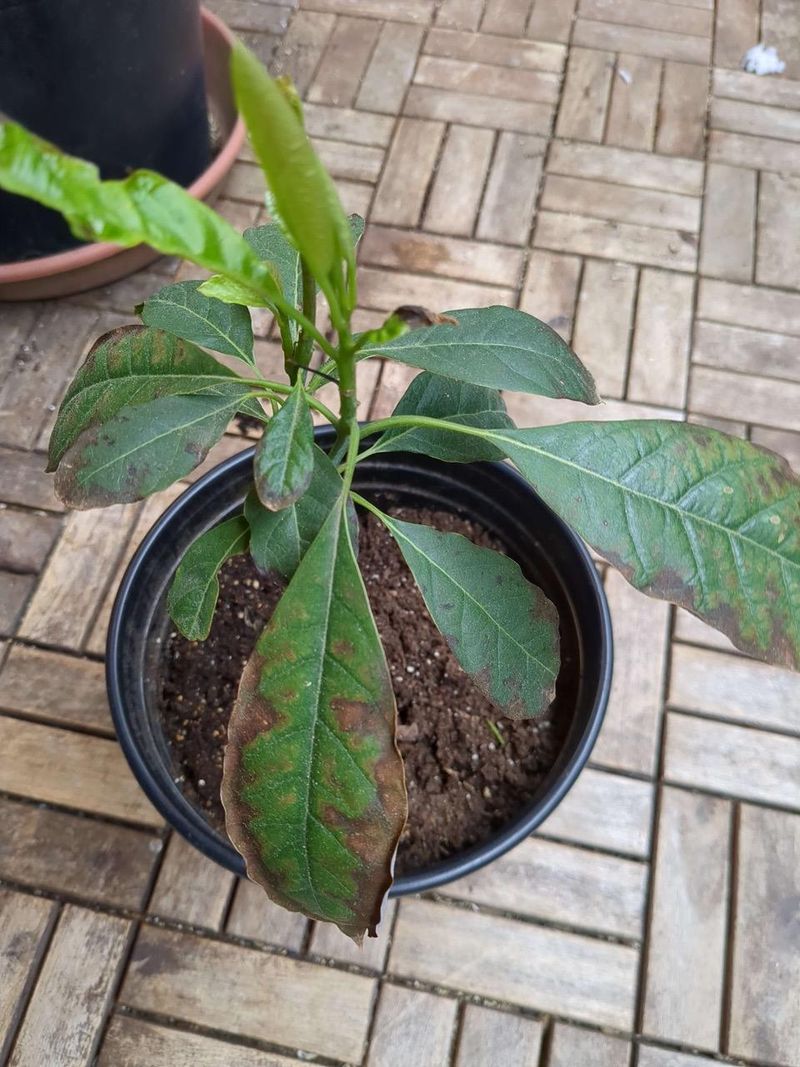
Black pots absorb heat like a sponge. On a warm sunny California day, a black plastic or resin container can reach temperatures that are far too hot for roots to handle comfortably.
When the root ball gets too warm, the plant struggles to take up water, and wilting follows quickly.
This is a surprisingly common issue that many gardeners overlook. You might be watering correctly and placing the plant in a reasonable spot, but if the pot itself is cooking the roots, the avocado will still droop by afternoon.
Touching the outside of a black pot during peak sun hours can give you a real sense of just how hot it gets.
Switching to a light-colored pot is one of the easiest fixes. White, tan, or light gray containers reflect heat instead of absorbing it.
If you love your current pot and do not want to replace it, try wrapping it with burlap, placing it inside a larger decorative container, or setting it on a wood platform to reduce ground heat.
You can also move a dark pot into the shade during the hottest part of the day. Even partial shading of just the pot, while the leaves still get light, can help lower root temperature.
Keeping the root zone cool is one of the most effective ways to prevent afternoon wilting in container-grown avocados.
6. Adding Mulch Without Smothering The Trunk
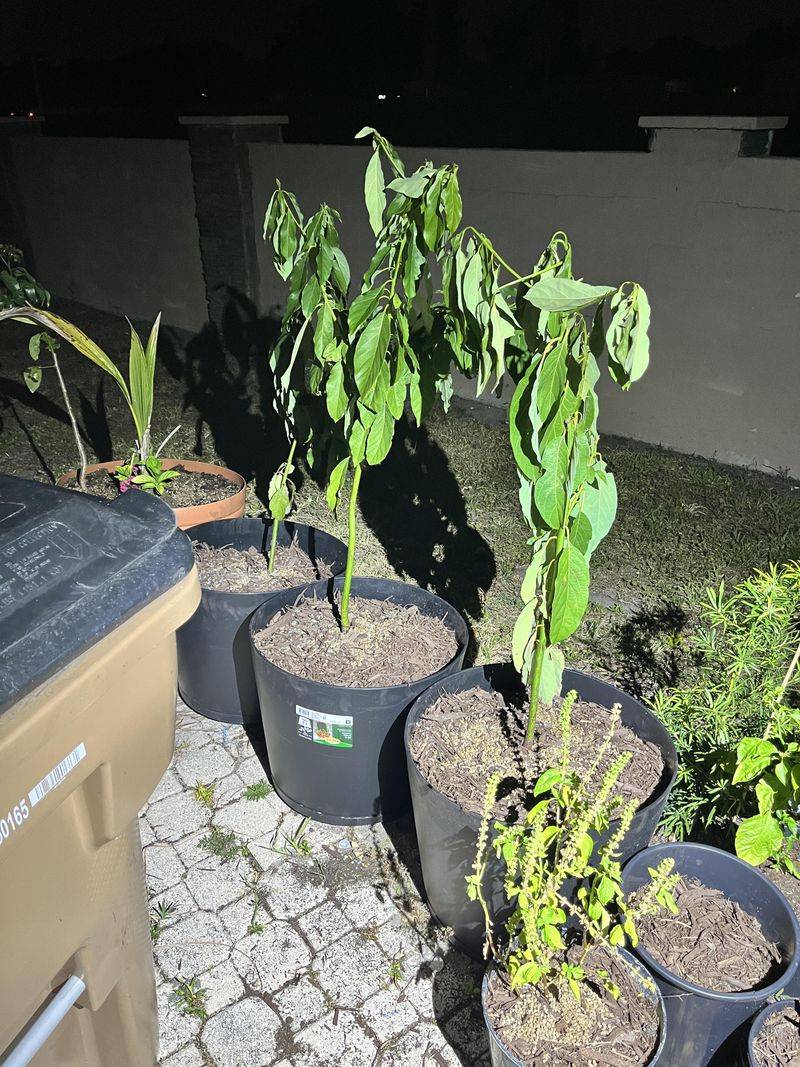
Mulch is a simple and effective tool for keeping moisture in the pot longer. A layer of organic material on top of the soil acts like a blanket, slowing down evaporation and helping the roots stay cooler during hot afternoons.
For a container avocado, this can be a real game changer.
Wood chips, shredded bark, or even straw work well as mulch for potted trees. Apply a layer about one to two inches thick on top of the soil.
This thin layer is enough to hold moisture without creating problems. You should still be able to see the base of the trunk clearly after mulching.
Here is where many gardeners make a mistake. Piling mulch right up against the trunk traps moisture around the bark and can lead to rot or fungal problems over time.
Always leave a small gap of at least an inch between the mulch and the trunk itself. Think of it as a donut shape, with the trunk in the hole.
Mulch also helps regulate soil temperature, which is a big bonus for pots sitting in warm spots. Reapply mulch every few months as it breaks down.
It is a low-cost, easy step that supports better moisture retention and gives your avocado a much better chance of staying hydrated through the afternoon heat.
7. Avoiding Tiny Daily Sips That Never Soak Deep
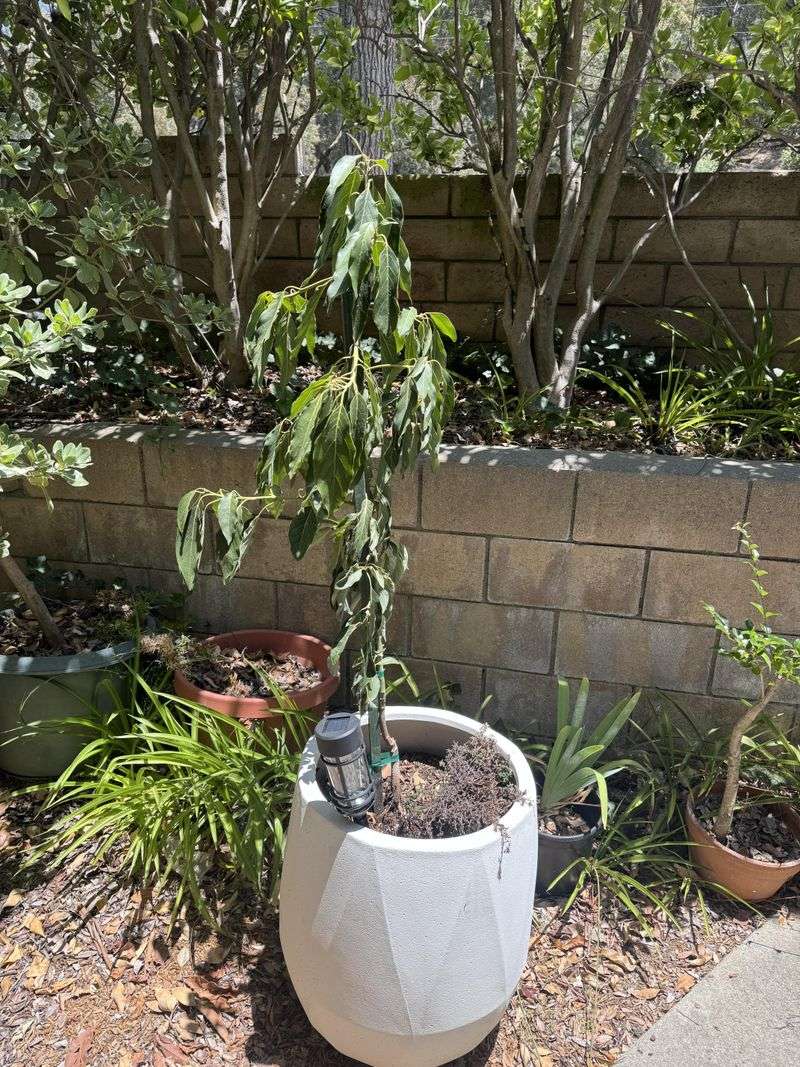
A little water every day sounds responsible, but for avocados in containers, it can actually work against you. Small amounts of water wet only the top inch or two of soil.
The roots deeper in the pot never get enough moisture, and the plant starts to struggle, especially by afternoon when heat peaks.
Frequent shallow watering also creates a dry layer just below the surface. Over time, this layer becomes hard and water-repellent.
When you do water, the moisture runs down the sides of the pot instead of soaking into the root zone. The plant looks like it is getting water, but the roots are still thirsty.
A better approach is to water less often but much more thoroughly. Let the top inch or two of soil dry out between waterings.
When you do water, go slowly and give the soil time to absorb fully. Keep going until water runs freely from the drainage holes at the bottom.
This method encourages roots to grow deeper into the pot, where soil stays cooler and holds moisture longer. Deeper roots are tougher and more resilient during hot afternoons.
Switching from daily sips to deep, thorough waterings every few days is one of the most impactful changes you can make for a wilting container avocado.
8. Watching For Roots Packed Tight Against The Pot
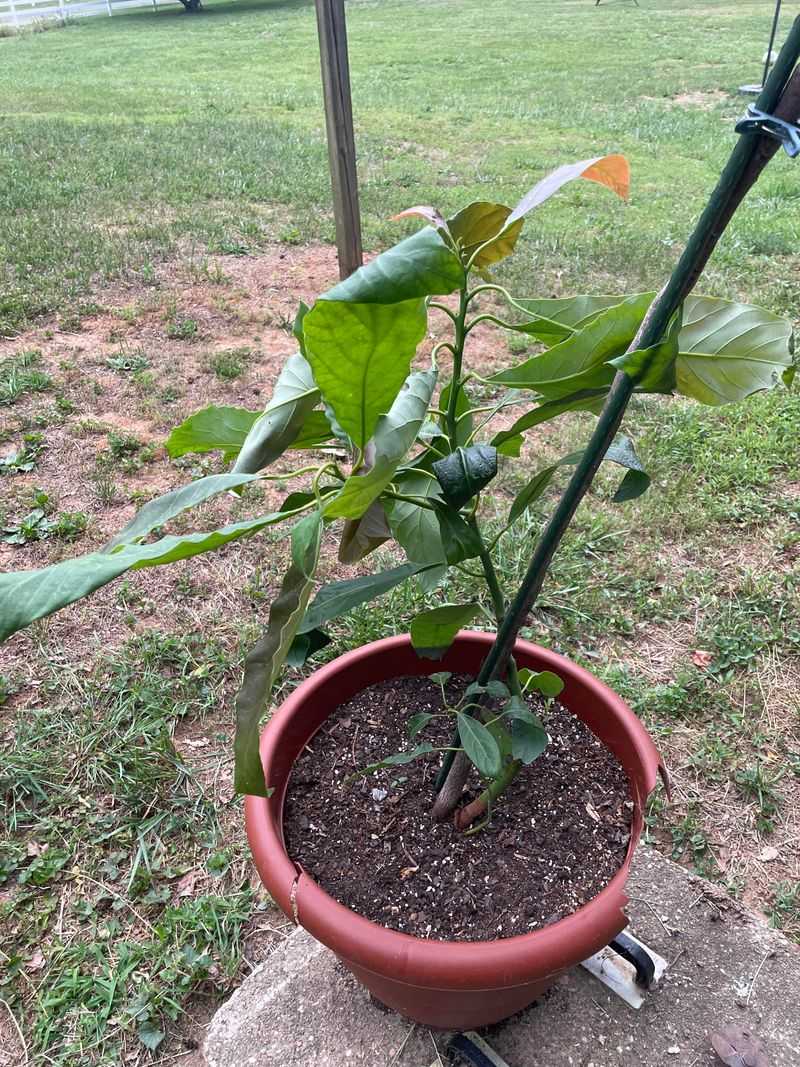
When an avocado outgrows its container, the roots have nowhere left to go. They start circling around the inside of the pot, wrapping tighter and tighter over time.
A root-bound plant has very little soil left to hold water, and the compressed roots cannot absorb moisture efficiently. Afternoon wilting becomes almost guaranteed.
You can check for this by gently tipping the pot and sliding the plant partway out. If you see a thick wall of roots on the outside of the soil ball, or roots poking out of the drainage holes, the plant needs a bigger home.
This is a healthy sign of growth, not a problem with your care.
Repotting into a container that is two to four inches wider in diameter gives the roots fresh space to spread. Use a quality potting mix and make sure the new pot has good drainage.
Water thoroughly right after repotting to help the roots settle into their new environment.
After repotting, keep the plant in a shaded or partially shaded spot for a week or two while it adjusts. Moving to a bigger container can dramatically improve how the tree handles heat and holds water throughout the day.
Many gardeners are surprised by how quickly a root-bound avocado bounces back once it has room to breathe and grow properly.