10 Plants With Surprising Hidden Powers Growing In Wyoming
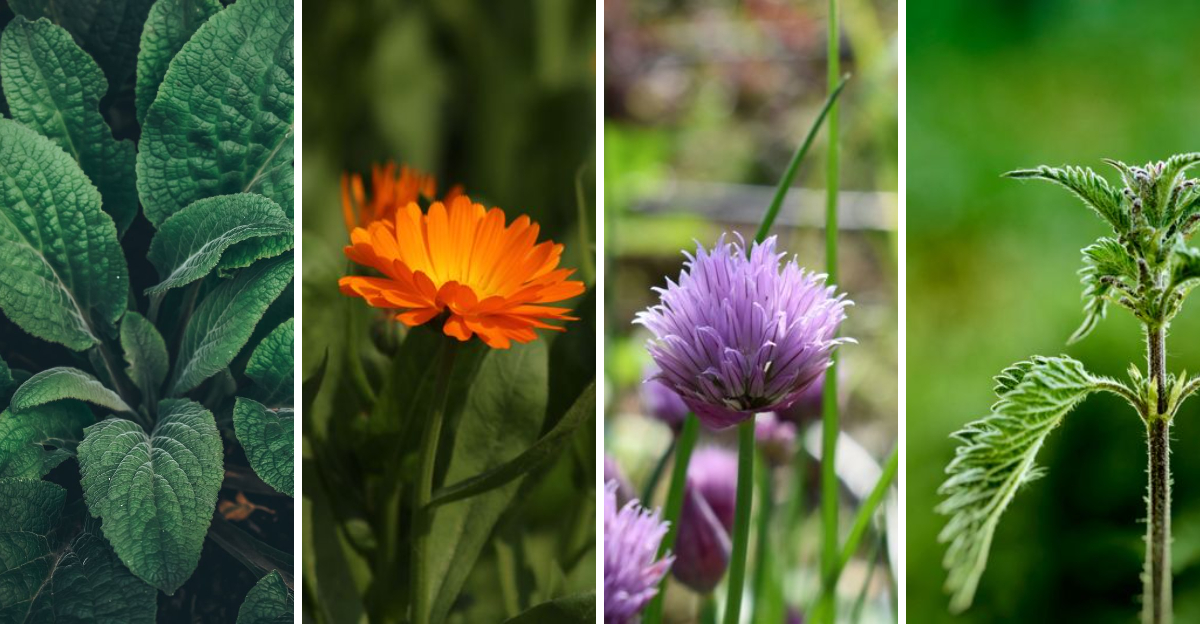
Something remarkable truly exists deep inside Wyoming, waiting quietly for your attention. Roots beneath your boots hold secrets few travelers ever notice.
You always walk past healing plants every single day without ever realizing it. Early settlers used these very plants long before you arrived.
Frontier cooks turned wild leaves into meals that sustained you. Gardeners still plant species you casually walk past without a further thought.
Wyoming holds remedies that modern science is only now confirming. Certain herbs ease discomfort better than most store bought remedies.
Delicate petals mark plants that could soothe your skin fast. Your hiking trail right now might already hold a natural remedy.
Nothing about these plants stays predictable once you look closer. Every leaf you pass might hold a purpose worth knowing.
Curiosity alone will surely not teach you what centuries of use revealed. Discover which plants hold this power, right where you stand.
1. Yarrow
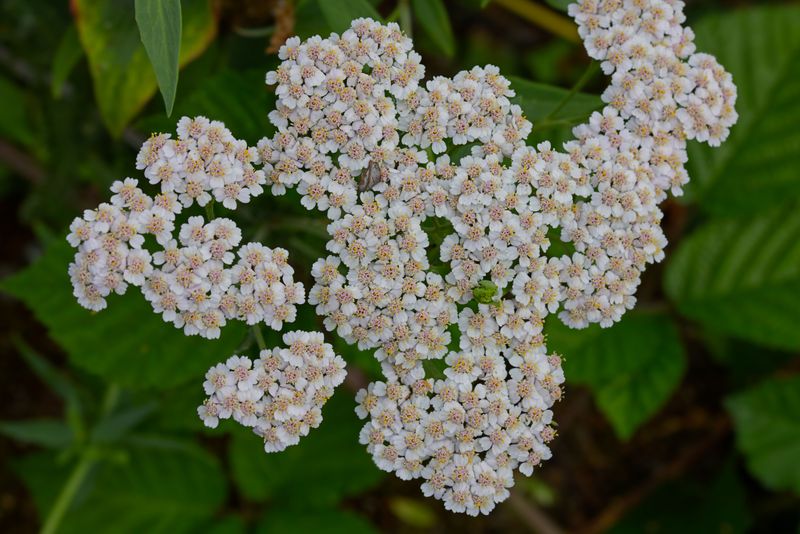
Yarrow has been a wound care herb for thousands of years. Ancient soldiers packed wounds with its feathery leaves to slow bleeding fast.
Growing wild across Wyoming’s open meadows, this plant is a first aid kit hiding in plain sight. Its scientific name, Achillea millefolium, even honors the warrior Achilles.
Yarrow contains compounds that help blood clot more quickly. Crushing a fresh leaf and pressing it to a minor cut is a trick many herbalists still swear by today.
Beyond wound care, yarrow brewed as a tea may help break a stubborn fever. It encourages sweating, which is the body’s natural cooling system at work.
Gardeners also love yarrow because it attracts beneficial insects like ladybugs and parasitic wasps. Those bugs quietly protect nearby plants by eating garden pests.
Yarrow thrives in poor, dry soil, making it perfectly suited for Wyoming’s tough climate. Plant it once and it will come back stronger every single spring, surprising you all over again.
2. Lamb’s Ear
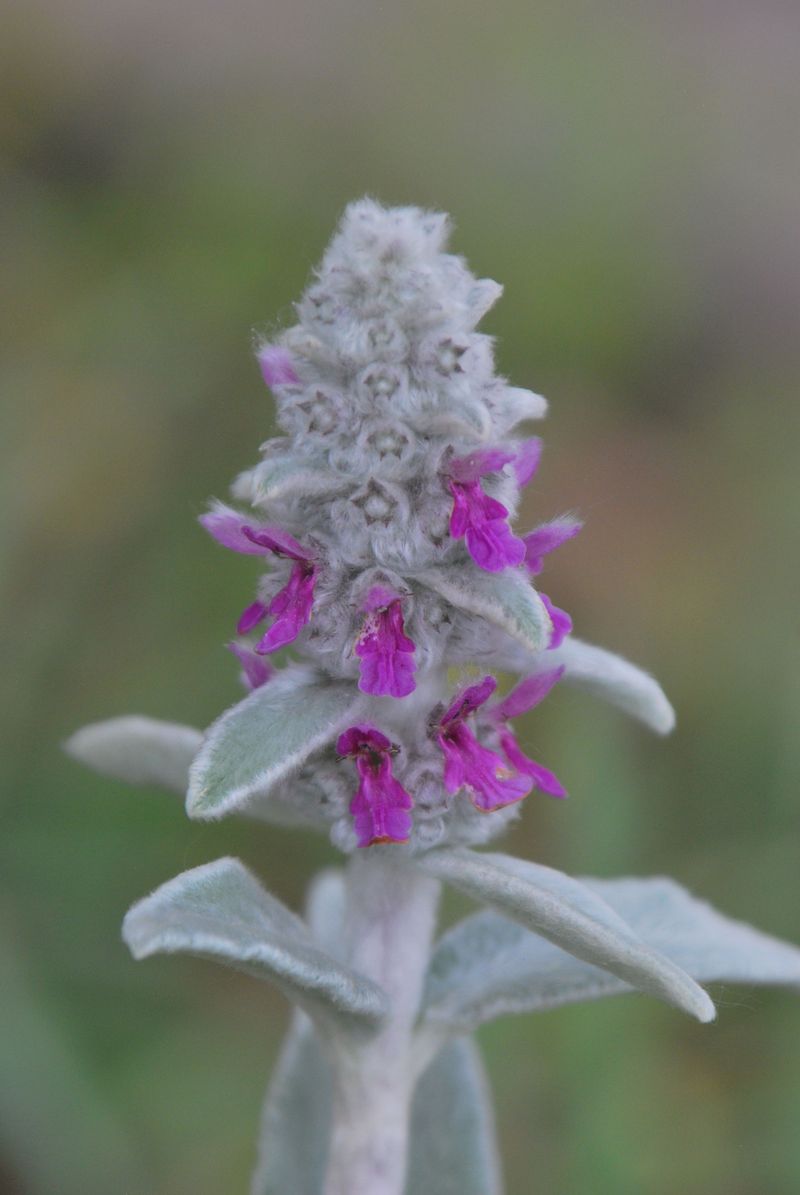
Run your hand across a lamb’s ear leaf and you will immediately understand the name. The surface feels like actual velvet, soft and impossibly thick.
That fuzzy coating is not just for looks. The tiny silver hairs trap moisture and reflect harsh sunlight, helping the plant survive Wyoming’s intense summer heat.
Historically, lamb’s ear leaves were used as natural bandages. Their soft texture made them ideal for wrapping wounds before modern gauze existed.
Some herbalists believe the leaves may carry mild antibacterial properties. That natural compound in the fuzz is thought to have helped prevent infection in those old fashioned field dressings.
In the garden, lamb’s ear acts as a living ground cover that suppresses weeds naturally. It spreads low and wide, crowding out unwanted plants without any chemicals needed.
Pollinators go absolutely wild for the small purple flowers that bloom on tall spikes each summer. Bees will visit repeatedly, making this plant a quiet powerhouse for garden health.
Plants with surprising hidden powers growing in Wyoming do not always look dramatic. Sometimes the softest, most unassuming plant in your yard is secretly doing the most work.
3. Comfrey
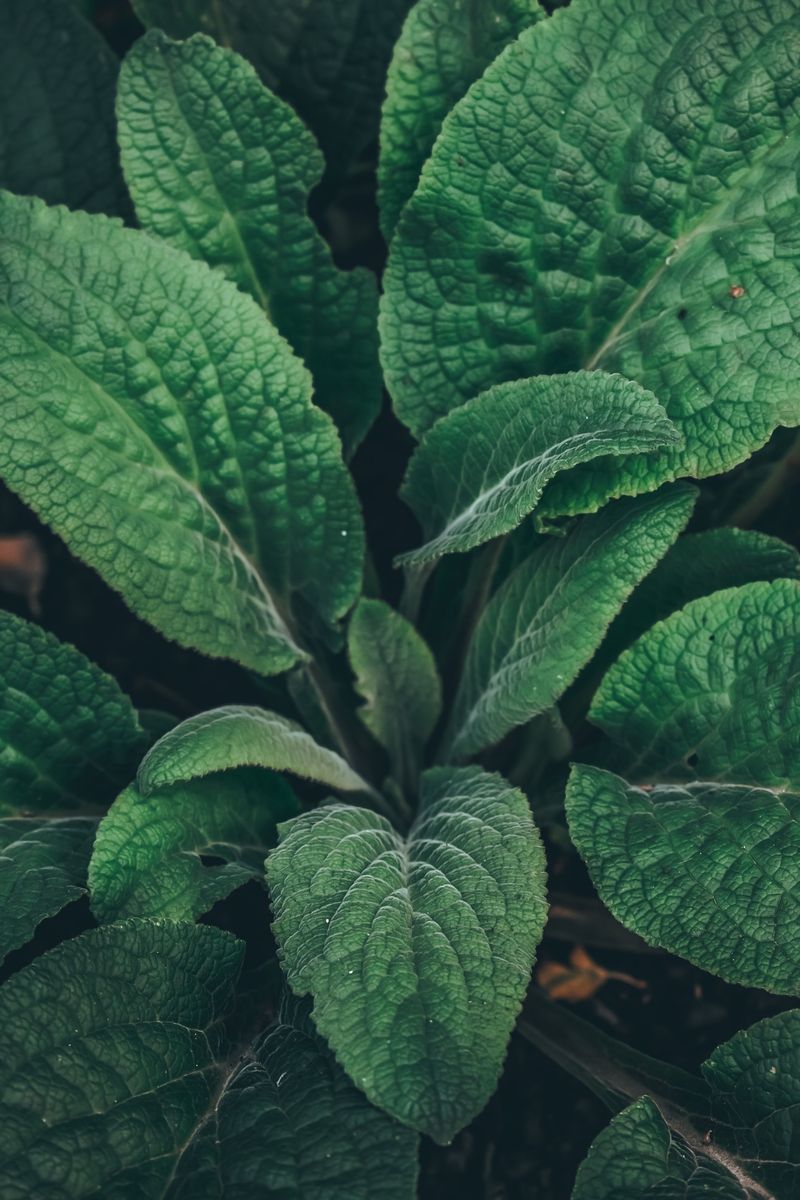
Comfrey earned its old nickname, knit bone, by actually helping broken bones heal faster. Herbalists in medieval Europe used it for fractures, sprains, and bruised joints.
The secret ingredient is allantoin, a compound that speeds up cell regeneration. When applied topically, it can reduce swelling and encourage tissue repair surprisingly quickly.
Comfrey grows tall and lush, with leaves so large they look almost tropical. Even in Wyoming’s short growing season, it shoots up fast and fills space with impressive green bulk.
Gardeners use comfrey leaves as a powerful natural fertilizer. Chop them and let them rot into a dark, nutrient rich liquid fertilizer that feeds other plants naturally.
The plant’s deep taproot pulls minerals from far below the soil surface. It essentially mines nutrients that shallow rooted plants could never reach on their own.
One important note: comfrey is for external use only. Internal use is not recommended, and you should always consult a health professional before using any herbal remedy.
Still, as a topical compress or garden ally, comfrey is one of the most quietly powerful plants you can grow in your outdoor space.
4. Calendula
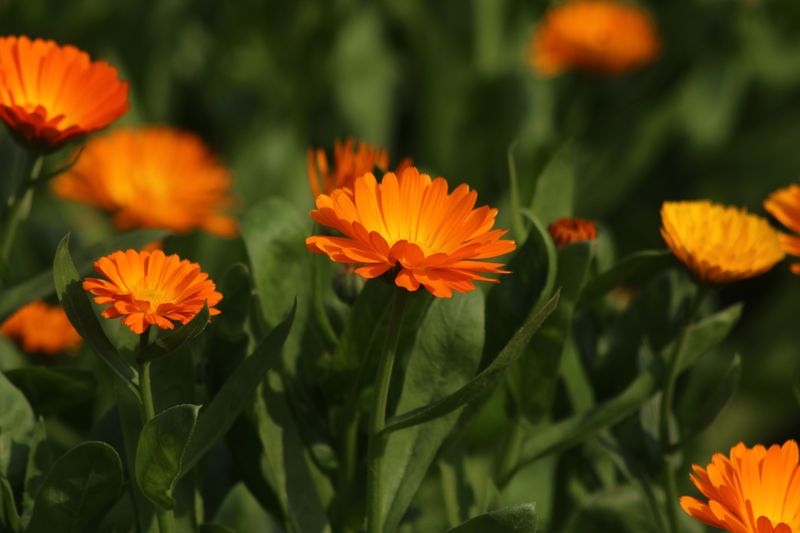
Calendula looks like sunshine pressed into a flower, and its powers match that bright energy. This cheerful orange bloom has a long history of use in skin remedies.
The petals contain flavonoids and antioxidants that soothe irritated, inflamed skin. Many natural lotions and balms still list calendula extract as a key healing ingredient today.
Growing calendula in Wyoming is surprisingly simple. It tolerates cool temperatures and can even handle a light frost, making it one of the most forgiving plants for mountain climate gardeners.
Beyond skincare, calendula petals are completely edible. Toss them into salads for a pop of color, or steep them in oil to create a golden, herb infused cooking base.
Pest control is another secret skill this plant carries. Many gardeners believe aphids and whiteflies tend to avoid gardens where calendula grows, though the effect is not scientifically confirmed.
Companion planting with calendula near tomatoes or peppers can noticeably reduce pest pressure. It acts like a natural bodyguard stationed at the edge of your vegetable patch.
Few plants offer this much beauty, edibility, and garden protection in one package. Calendula earns its place in any Wyoming garden with very little effort.
5. Borage
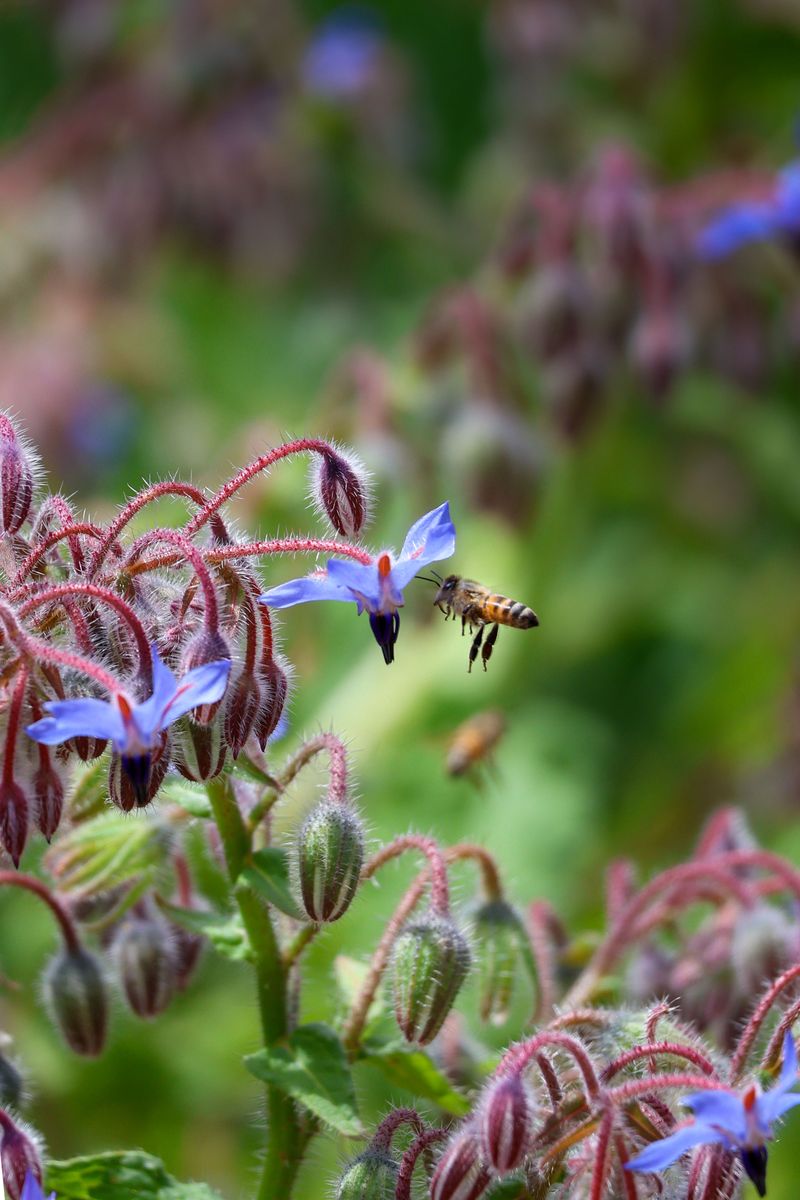
Borage flowers are an electric, almost unreal shade of blue. That color alone is enough to stop anyone mid stride on a garden path.
But borage is far more than a pretty face. Its flowers and leaves have a mild cucumber flavor, making them a fresh and unexpected addition to summer salads and cold drinks.
Historically, borage was believed to lift the spirits and ease anxiety. Ancient herbalists called it the herb of gladness, and modern research hints at some mood supporting compounds in its chemistry.
In Wyoming gardens, borage grows fast and reseeds itself freely. Plant it once and it will likely show up in the same spot year after year, completely on its own schedule.
Borage is also a secret weapon for strawberry growers. Planted nearby, it is said to improve both the flavor and yield of strawberry crops through a still debated companion planting effect.
Pollinators absolutely adore borage blossoms. Bumblebees will hover over the blue stars for long stretches, making this plant a living pollinator magnet in your outdoor space.
Freeze the star shaped flowers into ice cubes for a show stopping drink garnish. Guests may be curious where the flowers came from.
6. Chives
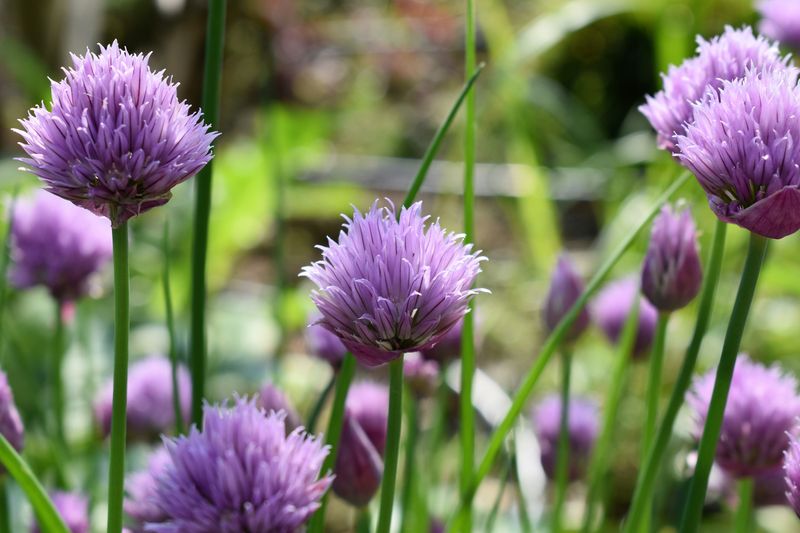
Chives might be the most underestimated plant in any kitchen garden. Most people just snip the green tops for their baked potatoes and never look deeper.
The purple flowers that bloom in early summer are completely edible and pack a mild onion flavor. Scatter them over pasta, soup, or eggs to add color and a gentle punch of taste.
Chives belong to the allium family, which includes garlic and onions. That family connection means they carry natural sulfur compounds with real antibacterial and antifungal properties.
Planting chives near roses is a time tested trick for fighting black spot fungus. Some gardeners believe the sulfur released by the roots and leaves may help discourage that stubborn garden disease.
Many gardeners believe chives help repel aphids and Japanese beetles when planted as a border around vegetable beds, though the effect is not scientifically confirmed. Some plant them anyway, treating chives like a low maintenance guard along the vegetable patch.
Wyoming’s climate suits chives perfectly. They handle cold snaps without complaint and bounce back from late frosts faster than almost any other herb in the garden.
Chives are one of those plants that reward you constantly. Cut them back hard, and within a week, fresh green growth will be reaching back toward the sky again.
7. Horseradish
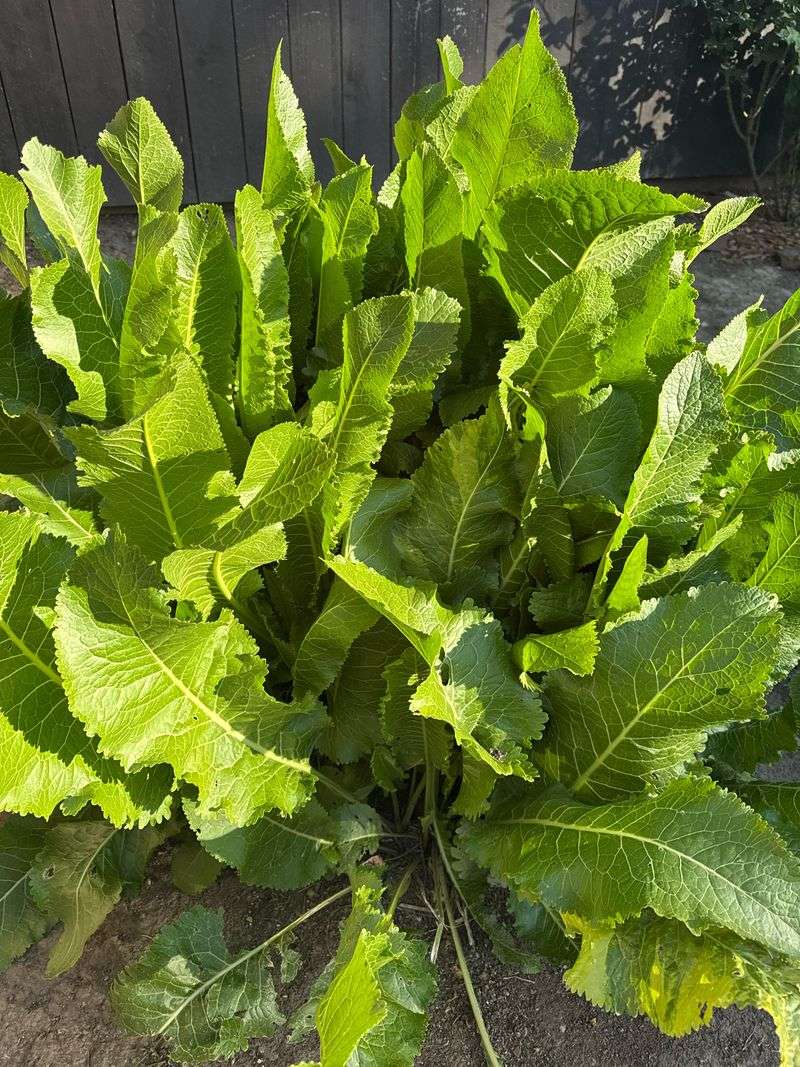
Horseradish delivers a sharp, immediate heat, and that heat is the source of its beneficial compounds. The sharp, sinus clearing burn comes from compounds called glucosinolates released when the root is cut.
Those same compounds have shown antimicrobial activity in laboratory studies. Traditional medicine used horseradish to treat respiratory infections and sinus congestion long before decongestant sprays existed.
Growing horseradish in Wyoming is almost too easy. Plant a piece of root in spring, step back, and watch it take over more space than you planned for by summer.
The leaves are edible too, though they carry a milder heat than the root. Young horseradish leaves can be added to salads for a peppery kick that wakes up any bland dish.
Horseradish also works as a natural pest deterrent in the garden. Its strong chemical compounds are believed to help deter Colorado potato beetles, making it a popular companion for nearby potato plants.
Freshly grated horseradish mixed with vinegar is noticeably stronger than anything sold in a jar at the grocery store. The difference in flavor and heat surprises many first time tasters.
Once you grow your own, store bought versions often taste noticeably milder. This root earns real appreciation from anyone who takes the time to harvest it fresh.
8. Sagebrush
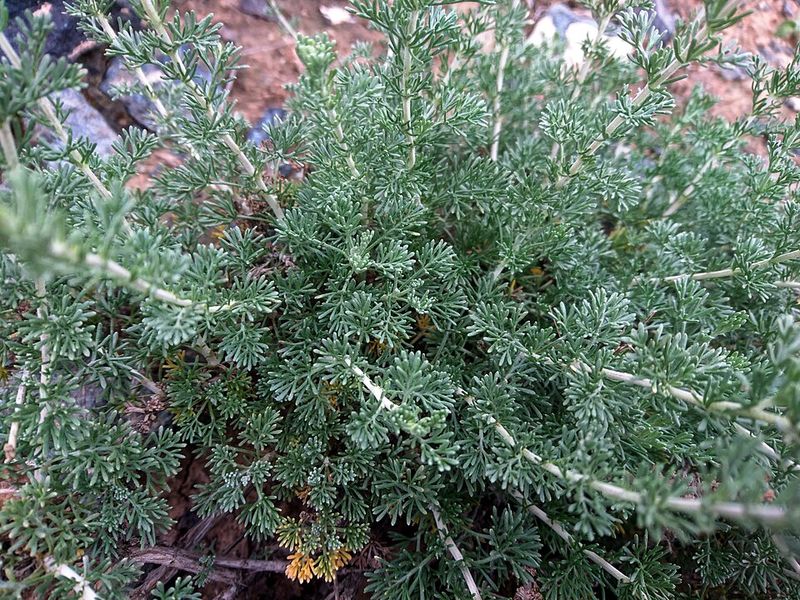
Sagebrush is the scent of Wyoming itself. After a summer rain, that sharp, resinous fragrance rising from the flats is one of the most distinctive smells in the American West.
Native tribes across the region used sagebrush medicinally for generations. Leaves were brewed into teas for colds, fevers, and digestive troubles, and bundles were burned to purify spaces ceremonially.
The plant belongs to the same genus as Artemisia annua, the source of artemisinin, though sagebrush itself has different chemical properties. Researchers have studied similar compounds from related Artemisia species for their potential against certain infections.
Sagebrush also plays a critical ecological role on Wyoming’s high plains. Its deep roots hold soil in place against wind erosion, quietly preventing the kind of dust damage that stripped the Great Plains in the 1930s.
Wildlife depends on sagebrush to endure severe winters. Pronghorn antelope, mule deer, and sage grouse all eat the plant when snow covers every other food source.
Even the oils in sagebrush leaves suppress competing plant growth in the surrounding soil. It essentially zones its own territory, creating space where only the toughest plants dare to grow.
Plants with surprising hidden powers growing in Wyoming rarely announce themselves. Sagebrush plays a quiet but important role in holding the ecosystem together.
9. Milkweed
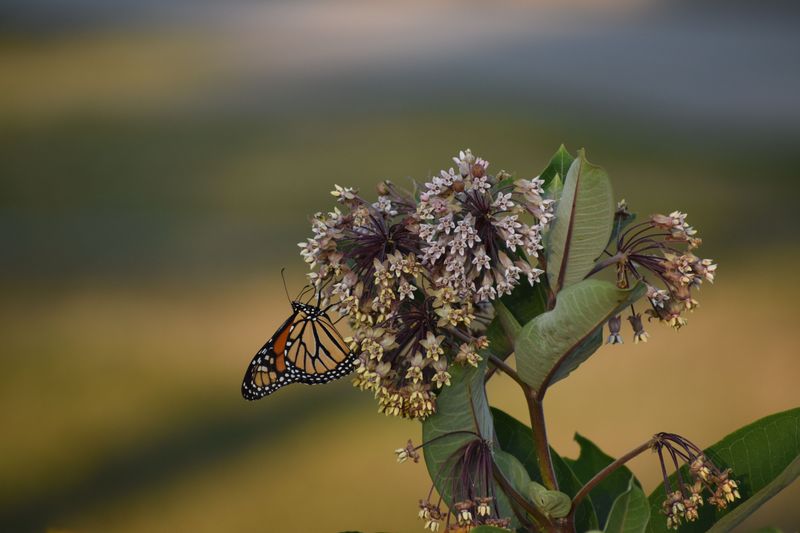
Milkweed has a notable trait: it is toxic to most insects and animals. But one species, the monarch butterfly, has evolved to store that toxin and use it as armor against predators.
Without milkweed, monarch butterflies cannot complete their life cycle. Females lay eggs exclusively on milkweed leaves, and the caterpillars eat nothing else during their entire larval stage.
Growing milkweed in Wyoming is a direct act of conservation. Monarch populations have declined sharply over recent decades, and every new patch of milkweed planted gives them a better chance of survival.
Native tribes used milkweed fibers to weave strong cordage and textiles. The silky seed floss was used to stuff pillows and, during World War II, was actually collected to fill life jackets.
The pink flower clusters smell faintly sweet and attract an impressive variety of pollinators beyond monarchs. Bees, beetles, and butterflies all crowd the blooms during peak summer weeks.
Milkweed also produces a latex like sap that was explored as a rubber alternative during wartime shortages. Scientists are still investigating its potential for sustainable material production today.
Planting milkweed feels like a small act, but its effect on the local ecosystem can be significant. One plant can support hundreds of caterpillars across a single growing season.
10. Stinging Nettle
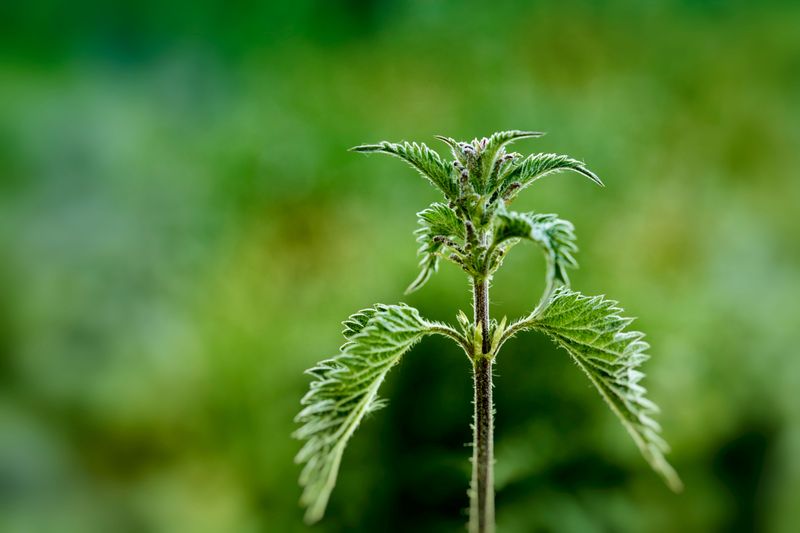
Touch a stinging nettle by accident and you will not forget it. The tiny hollow hairs inject a cocktail of formic acid and histamine that burns and itches for hours.
But here is the twist: that same sting has been used intentionally as a therapy. Ancient practitioners applied nettle stings directly to arthritic joints to reduce inflammation, a practice still studied by researchers today.
Cooked or dried nettle loses its sting entirely and transforms into one of the most nutritious wild greens available. It is packed with iron, calcium, magnesium, and vitamins A and C.
Wyoming foragers harvest young spring nettles before the plant flowers, when the leaves are at their most tender. Blanching them briefly in boiling water neutralizes the sting in seconds.
Nettle tea has a long history as a remedy for seasonal allergies. Some small studies suggest that nettle extract may help ease symptoms like sneezing and itchy eyes, though more research is needed.
In the garden, nettle activates compost piles by introducing nitrogen and beneficial microbes. Gardeners who add nettle to their compost bins often notice faster, richer breakdown of organic material.
Plants with surprising hidden powers growing in Wyoming do not get more dramatic than this one. Stinging nettle shows how a painful plant can still be useful.