8 Vegetables Wyoming Gardeners Can Still Plant In June For Fall Harvest
June in Wyoming catches most gardeners off guard. The frost is gone, the soil has finally warmed up, and there are still months of growing ahead.
Most people think the planting window has closed, but Wyoming’s short, cool summers are actually one of the best conditions for a second round of vegetables.
The state’s crisp late-summer air and mild temperatures do something warmer climates simply cannot offer, they slow down plant stress and bring out real flavor.
A small raised bed or a full backyard plot, it does not matter. A June planting can put fresh food on your table well into October.
You just need to know which vegetables are built for this kind of season.
1. Radishes
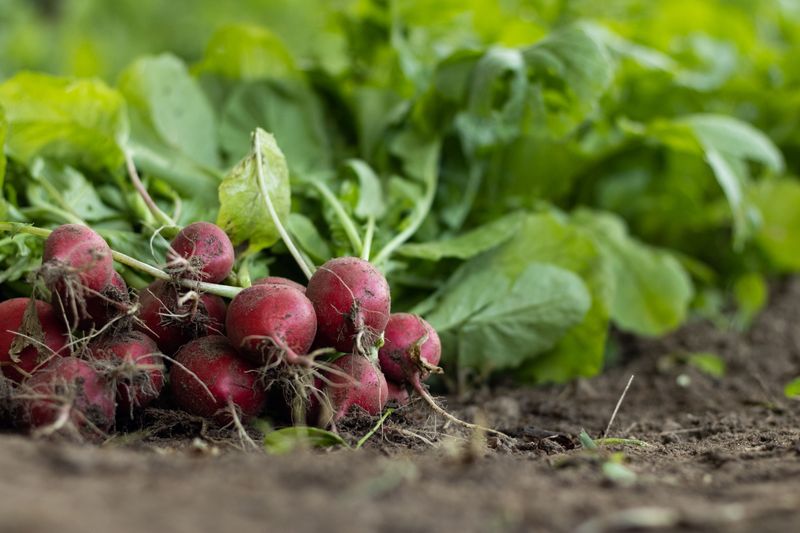
Radishes are the sprinters of the vegetable world. They go from seed to table faster than almost anything else you can grow.
For Wyoming gardeners planting in June, that speed is a huge advantage. You can sow radish seeds and have a crunchy harvest in as little as 25 days.
That means you could plant multiple rounds before the first frost even thinks about showing up. Stagger your planting every two weeks and enjoy a steady supply through September and October.
Radishes actually prefer cool soil, which makes them a natural fit for Wyoming’s late summer climate. Hot weather causes them to bolt and turn bitter, so planting now puts the harvest right into the sweet spot of fall temperatures.
Sow seeds about half an inch deep and half an inch apart in loose, well-draining soil. Thin them out once seedlings appear so each plant has room to form a round, firm root.
Water consistently but avoid soggy conditions. Radishes left in wet soil too long can crack or develop a tough texture.
Try varieties like Cherry Belle or French Breakfast for reliable results in high-elevation gardens. Both handle temperature swings well and produce crisp, mild-flavored roots.
Adding radishes between slower-growing crops like carrots or beets is a smart use of garden space. They mature and get pulled before the other plants need the room. Plant a row this week and you will be snacking by the Fourth of July.
2. Lettuce
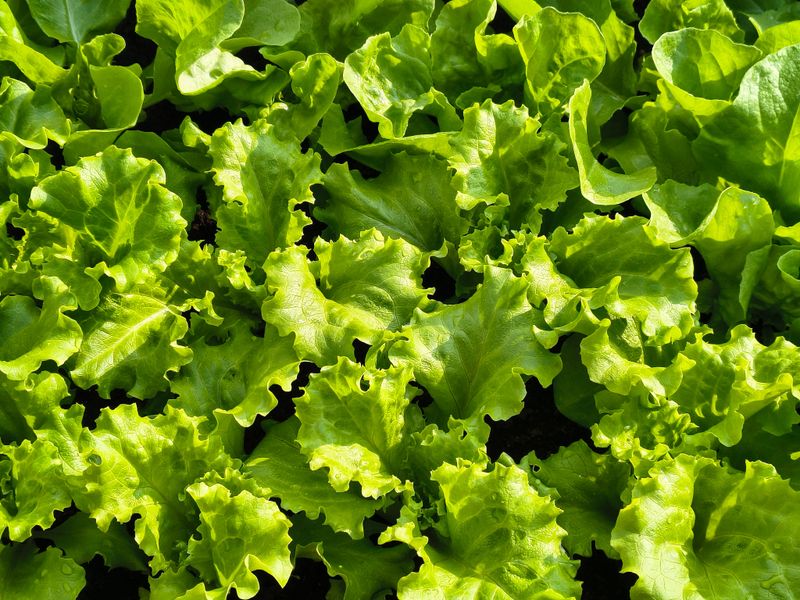
There is something deeply satisfying about cutting fresh lettuce from your own garden. It tastes nothing like the bagged stuff from the store.
Lettuce is one of the best June plantings for Wyoming gardeners who want a fall harvest. It grows quickly, needs minimal space, and thrives in cooler temperatures.
In fact, a light frost actually improves the flavor of many lettuce varieties. The cold triggers the plant to produce more sugar, making leaves taste sweeter and more tender.
Start seeds directly in the ground or in containers as soon as June arrives. Lettuce seeds germinate best when soil temps are between 60 and 68 degrees Fahrenheit.
Wyoming summers can occasionally spike with heat, so choose bolt-resistant varieties like Jericho, Nevada, or Buttercrunch. These hold up better when temperatures climb unexpectedly during July.
Plant seeds about a quarter inch deep and keep the soil evenly moist. Lettuce has shallow roots, so it dries out faster than deeper-rooted crops.
Mulching around your plants helps lock in moisture and keeps the soil from getting too warm. A thin layer of straw or shredded leaves works perfectly for this job.
You can harvest outer leaves as the plant grows, which extends your picking season by weeks. This cut-and-come-again method keeps production going without replanting.
Lettuce planted in June can easily carry you through October in most Wyoming growing zones. Fresh salads in the fall are one of gardening’s best rewards.
3. Spinach
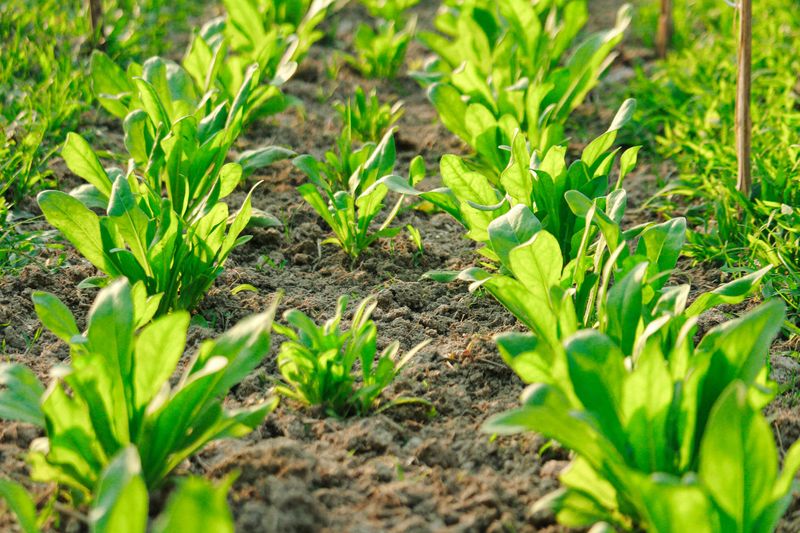
Spinach is one of those vegetables that seems almost designed for Wyoming’s climate. It loves the cold, tolerates frost, and keeps producing deep into fall.
Planting spinach in June gives roots time to establish before temperatures begin dropping in August and September. By then, your plants are tough and ready to handle whatever the weather brings.
Spinach can survive temperatures as low as 20 degrees Fahrenheit with minimal protection. A simple row cover or cold frame can extend your harvest even further into late October.
Choose varieties like Bloomsdale Long Standing or Tyee for the best results in high-altitude gardens. Both are known for holding up well through temperature swings and producing thick, dark leaves.
Sow seeds about half an inch deep and two inches apart in rows spaced about a foot apart. Thin seedlings to four inches once they sprout so each plant gets enough airflow and nutrients.
Spinach prefers slightly alkaline soil with good drainage. If your garden soil is heavy clay, amend it with compost before planting to improve texture and drainage.
Keep the soil consistently moist, especially during germination. Dry conditions slow sprouting and can cause uneven growth across your row.
Harvest outer leaves regularly to encourage the plant to keep producing new growth. Spinach left unharvested too long can turn tough and slightly bitter.
Few vegetables offer as much nutritional value per square foot as spinach does. Planting it now sets you up for a powerhouse fall harvest.
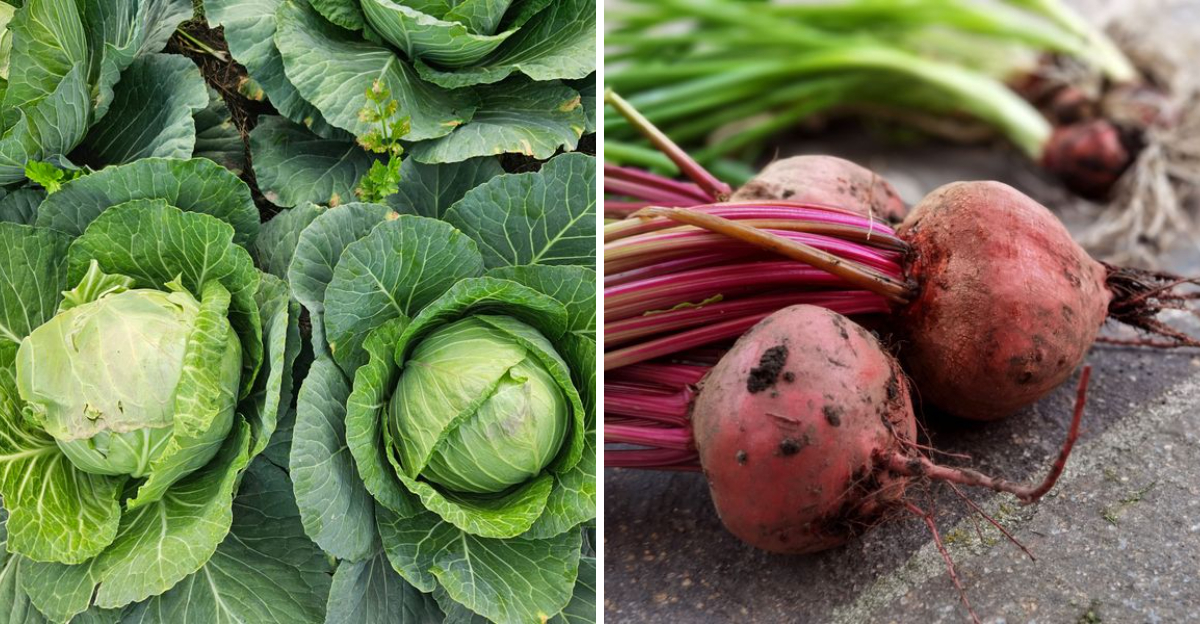
4. Beets
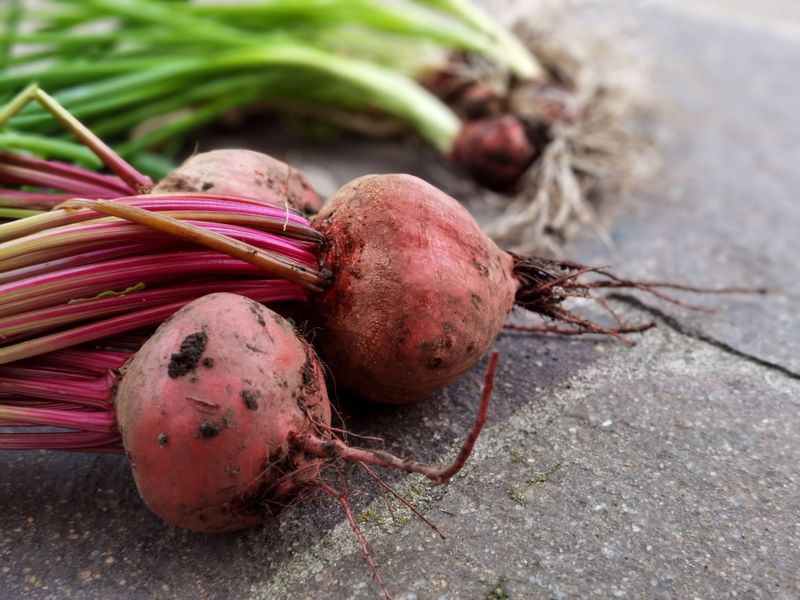
Image Credit: © Vero Lova / Pexels
Beets are the quiet overachievers of the fall garden. You get two harvests in one: the sweet root and the tender, edible greens.
June is an ideal time to plant beets in Wyoming because they need about 50 to 70 days to reach full size. That timeline puts your harvest right in the heart of September and October.
Beet seeds are actually clusters of multiple seeds, so thin them aggressively after sprouting. Crowded beets produce small, misshapen roots that never develop their full sweet flavor.
Thin plants to about three inches apart once seedlings are two inches tall. The thinnings you pull are delicious added raw to salads or lightly sauteed with butter.
Choose varieties like Detroit Dark Red, Chioggia, or Golden Beet for reliable fall production. Golden and Chioggia types tend to be milder and less earthy, which appeals to people who are new to growing beets.
Beets prefer loose, deep soil so their roots can expand without hitting rocks or compacted layers. Break up the soil at least eight inches deep before planting for best results.
Water consistently and avoid letting the soil dry out between sessions. Inconsistent moisture leads to cracked roots with a woody texture.
Beets actually get sweeter after a light frost hits them in the fall. Cold temperatures cause the plant to convert starches into sugars, improving the flavor significantly.
Few vegetables are as rewarding or as versatile in the kitchen as a freshly pulled beet. Plant them now and taste the difference yourself.
5. Carrots
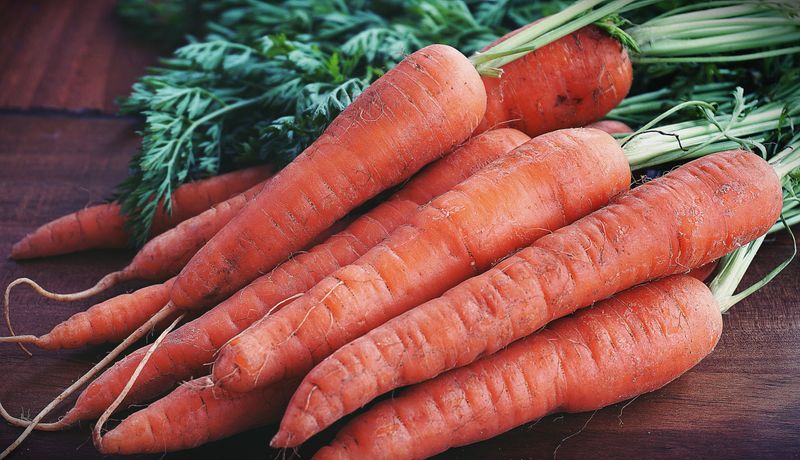
Pulling a carrot straight from the ground and eating it on the spot is one of gardening’s purest joys. The sweetness is unlike anything from a grocery store bag.
Carrots planted in June in Wyoming will be ready to harvest in September and October, right when the cool air intensifies their natural sugars. Frost makes carrots sweeter, not worse.
Choose a variety suited for shorter seasons, like Danvers 126, Napoli, or Bolero. These types mature in 65 to 75 days and handle Wyoming’s unpredictable fall weather with ease.
Carrots need loose, deep, rock-free soil to develop straight roots. If your garden has heavy or rocky soil, build a raised bed and fill it with a sandy loam mix.
Sow seeds thinly in rows about a foot apart, pressing them just below the soil surface. Carrot seeds are tiny and need good contact with moist soil to germinate properly.
Keep the seed bed consistently moist for the first two weeks. Letting the soil crust over during germination is the most common reason carrot seeds fail to sprout.
Once seedlings reach two inches tall, thin them to two inches apart. Crowded carrots fork and twist around each other, making them harder to clean and less appealing to eat.
Mulch between rows to hold moisture and suppress weeds that compete for nutrients. Carrots are slow growers early on and can easily get choked out by fast-spreading weeds.
Leave carrots in the ground past the first frost for maximum sweetness. Wyoming gardeners planting in June can enjoy one of the best fall harvests possible.
6. Kale
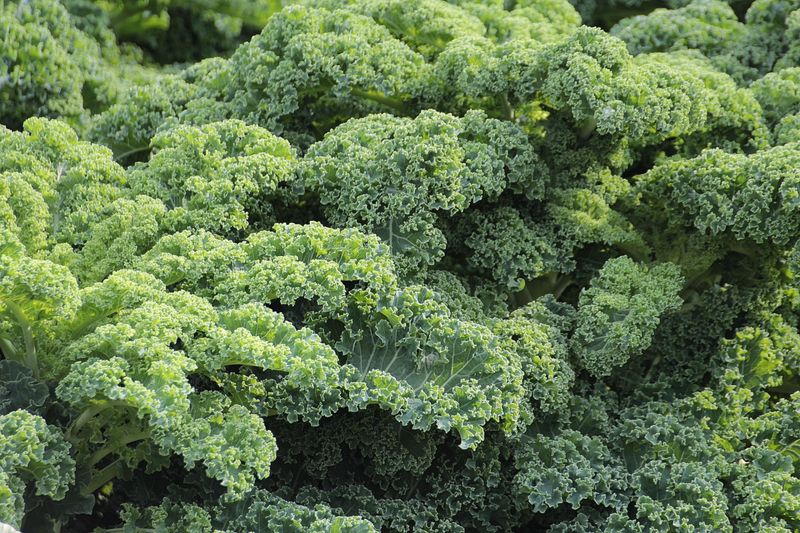
Kale might be the toughest vegetable you can grow in a Wyoming garden. It laughs at frost and keeps producing when everything else has given up.
Planting kale in June gives it the entire summer to establish a strong root system. By fall, those roots anchor plants that can handle hard freezes without flinching.
Kale actually improves in flavor after cold weather hits. The frost breaks down some of the leaf’s natural bitterness and converts starches into sugars, creating a sweeter, more mellow taste.
Try varieties like Red Russian, Lacinato, or Winterbor for the best performance in high-elevation gardens. Winterbor is especially hardy and handles hard freezes better than most varieties.
Direct sow seeds about a quarter inch deep in rows spaced 18 inches apart. Thin seedlings to 12 inches apart once they reach three inches tall so each plant can spread its large leaves fully.
Kale is a heavy feeder, so mix compost into the soil before planting. A nitrogen-rich fertilizer applied mid-season helps maintain the deep green color and encourages continuous leaf production.
Water deeply but infrequently to encourage roots to grow down rather than spread sideways. Deep roots make plants more drought-tolerant and better anchored against Wyoming’s strong autumn winds.
Harvest outer leaves as the plant grows rather than cutting the whole plant at once. This method keeps the plant producing fresh leaves for months without needing to replant.
Kale is the kind of crop that rewards patient gardeners with a harvest that stretches from September all the way into November.
7. Peas
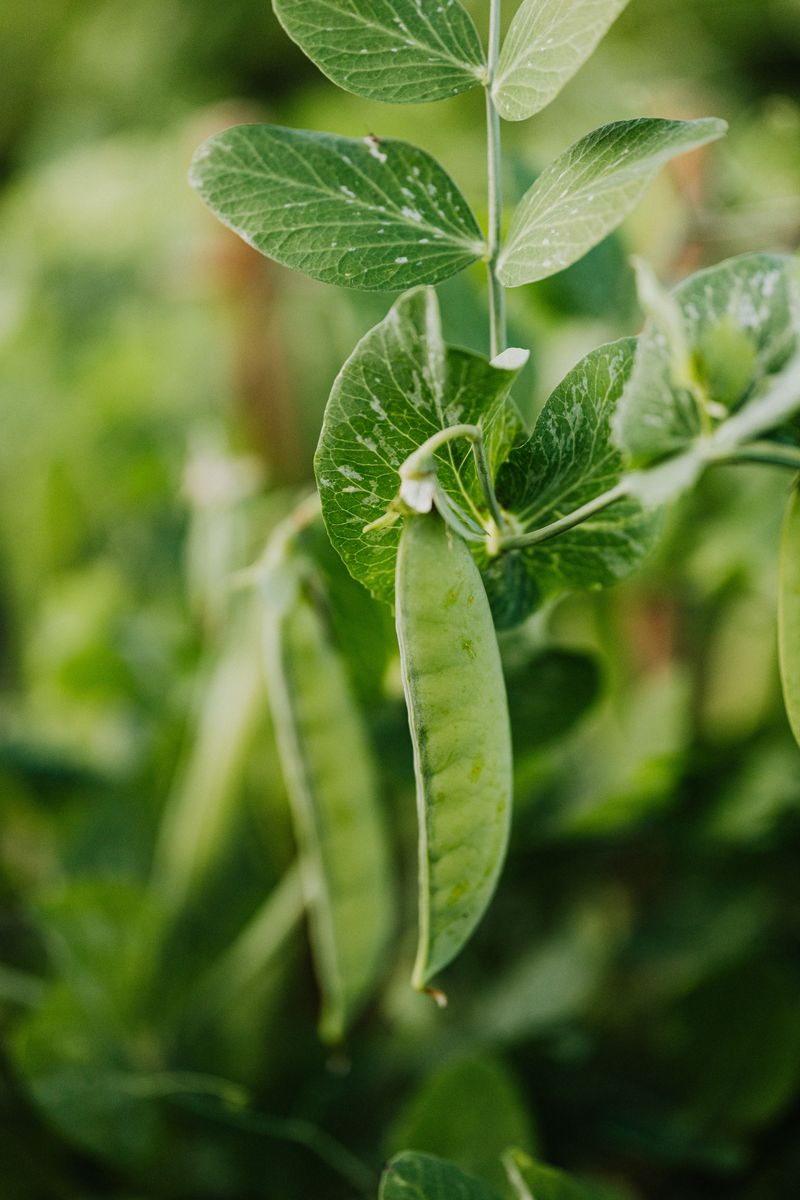
Most gardeners think of peas as a spring crop, but they work brilliantly as a fall planting too. June in Wyoming is the perfect time to get a second round going.
Peas love cool weather and actually struggle when summer heat arrives. Planting in June means your crop matures in September, right as temperatures drop back into pea-friendly territory.
Choose a fast-maturing variety to make the most of your remaining growing season. Sugar Ann, Oregon Sugar Pod, and Lincoln are all excellent choices that reach harvest in 55 to 65 days.
Peas fix nitrogen in the soil as they grow, which is a bonus for the garden beds they occupy. After the season ends, turn the spent plants into the soil to feed next year’s crops.
Set up a simple trellis before planting so vines have something to climb from the start. Peas that sprawl on the ground are prone to disease and harder to pick at harvest time.
Sow seeds about an inch deep and two inches apart along the base of the trellis. Water well after planting and keep the soil moist until sprouts appear, usually within seven to ten days.
Avoid overwatering once plants are established. Soggy roots lead to root rot, which can wipe out an entire row quickly in heavier soils.
Pick pods regularly once they fill out to encourage the plant to keep producing. Leaving mature pods on the vine signals the plant to stop flowering and slow down production.
Fresh peas in September taste like a reward for a gardening season well managed.
8. Cabbage
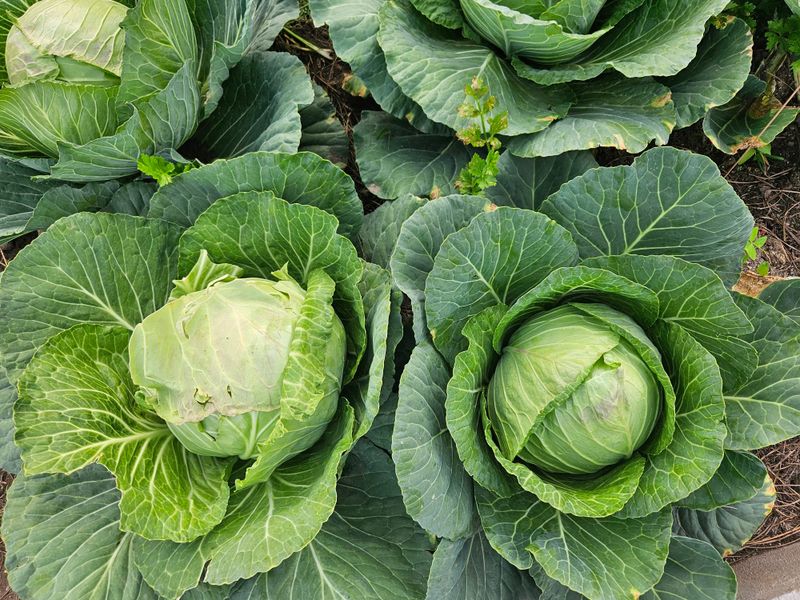
Image Credit: © Zacharie Dusingizimana / Pexels
Cabbage is the anchor of the fall garden. It is bold, reliable, and built to handle cold weather like a seasoned Wyoming local.
Planting cabbage in June gives heads enough time to form before the hard frosts of October arrive. Most early and mid-season varieties need 60 to 75 days from transplant to harvest, making June timing almost perfect.
Start seeds indoors in early June or purchase transplants from a local nursery to save a few weeks. Transplants give you a head start and are especially useful in shorter growing zones like those above 6,000 feet.
Choose varieties bred for fall production, like Stonehead or Golden Cross. These types form dense, firm heads that hold up well in cold temperatures without splitting or rotting.
Space transplants 18 inches apart in rows two feet wide. Cabbage plants spread wide as they grow, and crowding them leads to smaller heads and poor air circulation.
Cabbage is a heavy feeder that benefits from compost-enriched soil and a balanced fertilizer applied a few weeks after transplanting. Consistent nutrition leads to tight, heavy heads rather than loose, leafy ones.
Watch for cabbage worms in late summer. These pale green caterpillars blend into leaves perfectly and can strip a plant fast if left unchecked.
A light frost sweetens cabbage flavor the same way it improves kale and carrots. Leaving heads in the ground a bit past frost actually improves the taste before final harvest.
For Wyoming gardeners planting in June, cabbage is one of the most satisfying fall crops you can grow right in your own backyard.