Why A Micropond Is The Easy Garden Trend Bringing Wildlife To Your Wyoming Yard
Wyoming yards stretch wide, but the best upgrades sometimes come in barrel-sized packages. Picture a corner of your patio holding its own tiny universe of ripples, roots, and reflections.
This is not about digging trenches or hiring anyone with a truck full of tools. A single container, filled right, can turn into a living pocket of calm within days.
Birds notice first, then dragonflies, then curious neighbors asking what changed. Something about moving light on water pulls attention even from across a dry, dusty lawn.
Wyoming’s swings between scorching afternoons and sudden cold snaps make this kind of project surprisingly forgiving. Once it settles in, the setup asks for almost nothing beyond a quick glance now and then.
What Makes A Micropond Different From A Traditional Pond
Big ponds sound dreamy until you price out the excavation. A micropond skips all of that entirely.
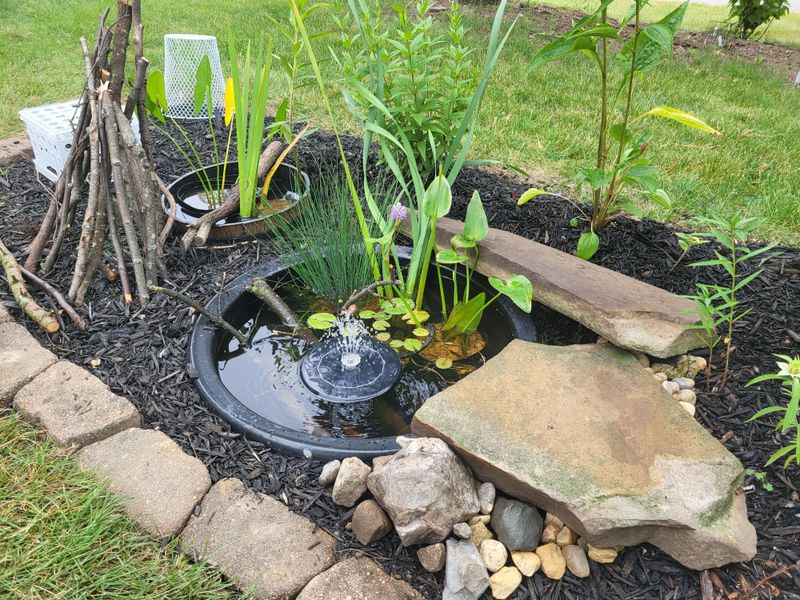
Traditional ponds need digging, liners, pumps, and often a professional installer. A micropond fits inside a container you can move by yourself on a weekend afternoon.
The size difference is the biggest advantage. MicroPonds often range from 15 to 100 gallons, making them manageable for almost any backyard, patio, or side yard.
Because the container holds everything in place, you avoid issues like soil erosion or liner leaks that plague larger builds. The whole setup stays tidy and contained.
Another key difference is cost. A traditional pond can run thousands of dollars before you add a single plant. A micropond can often be built on a tight budget if you shop smart.
Maintenance is also far simpler with a smaller water feature. You are working with a manageable volume of water, not a sprawling system with multiple filters.
The wildlife benefits are surprisingly similar, though. Frogs, dragonflies, bees, and birds all respond to open water regardless of the size. Your micropond in Wyoming can attract the same visitors a large pond would.
Flexibility is another win. If you move or want to redesign your yard, you can drain and relocate a container pond without major effort. That kind of freedom is something a dug-in pond can never offer.
Small does not mean less impactful here. A micropond punches well above its weight in beauty and wildlife value.
Choosing The Right Container And Spot For Wyoming Weather
Wyoming weather is not for the faint of heart. Your container needs to be just as tough as the climate around it.
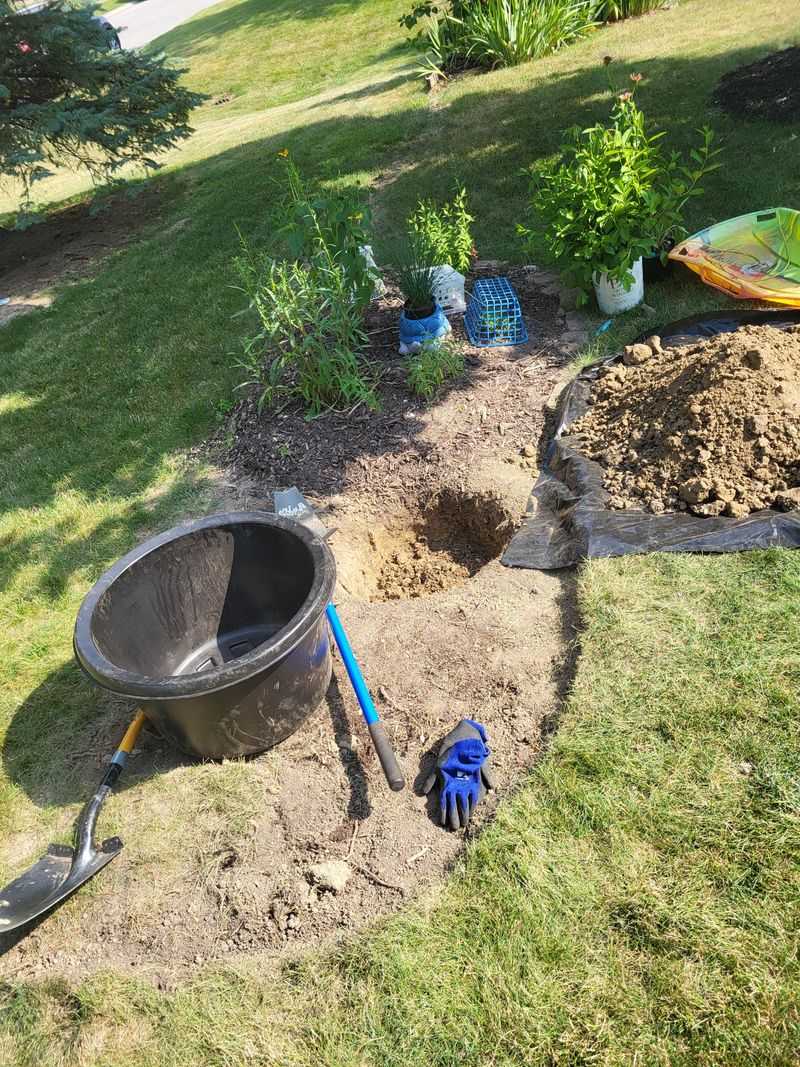
Half-barrels, large ceramic pots, galvanized stock tanks, and food-grade plastic tubs all work beautifully as micropond containers. Each one handles outdoor conditions differently, so choose based on your specific yard setup.
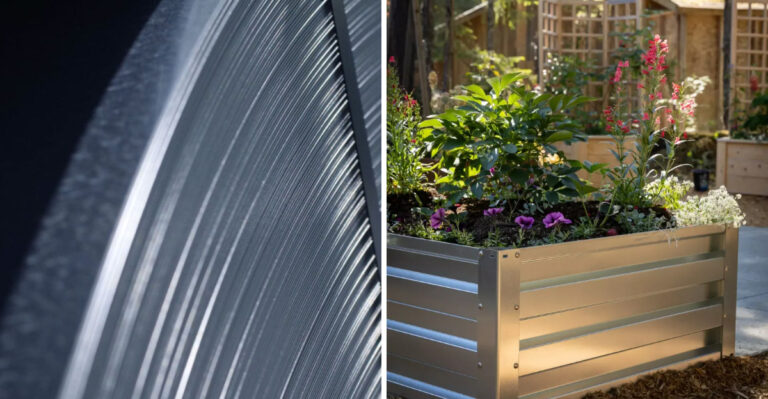
Galvanized metal tanks are a popular pick because they are durable and look great in a western-style yard. Just make sure any metal container is coated or treated so it does not affect water chemistry.
Ceramic pots add a beautiful, natural look but can crack in hard freezes. If you go ceramic, plan to bring it inside or drain it before the first frost hits your area.
Placement matters just as much as the container itself. Aim for a spot that gets four to six hours of sunlight daily, which supports plant growth without overheating the water.
Avoid placing your micropond directly under trees. Falling leaves will decompose in the water and throw off the balance of your small ecosystem faster than you expect.
Wind is a real factor in many parts of the state. A spot near a fence or wall can provide a natural windbreak and keep your water from evaporating too quickly during dry summer months.
Level ground is non-negotiable. An uneven surface causes uneven water levels and puts stress on container walls over time. A quick check with a level before you fill saves headaches later.
The right container in the right spot sets every other step up for success.
Adding Plants That Support Local Pollinators And Birds
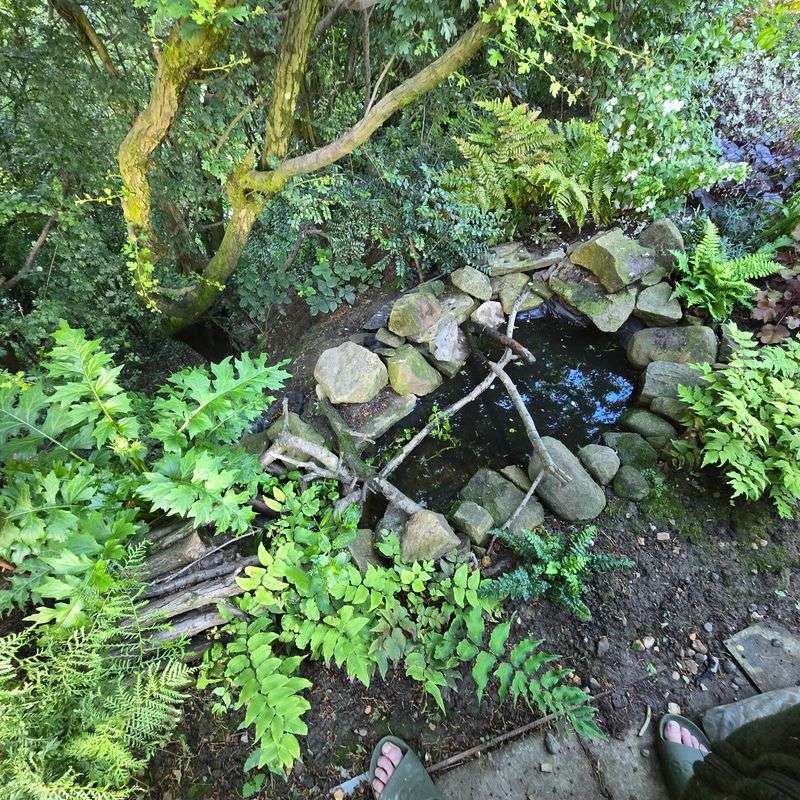
Plants are the heart of any healthy micropond. Without them, you just have a bucket of water sitting in your yard.
Native aquatic plants are your best starting point. Species like blue flag iris, water sedge, and arrowhead thrive in the region and support local food webs naturally.
Floating plants like water lettuce or water hyacinth provide shade that keeps the water cooler in summer. They also reduce algae growth by blocking excess sunlight from reaching the water surface.
Submerged plants, sometimes called oxygenators, are planted below the waterline and keep oxygen levels healthy. Hornwort is a popular low-maintenance choice that works well in smaller containers.
Emergent plants grow with their roots in water and their stems above the surface. Cattails and rushes fall into this group and give birds a place to perch near the water.
Pollinators flock to flowering aquatic and marginal plants. Pickerelweed produces purple blooms that bees and butterflies absolutely love during the warmer months.
You do not need to fill every inch of the container with plants. Leave some open water so wildlife can actually access the surface for drinking and bathing.
Arrange taller plants toward the back or edges so they do not block your view. A layered look also creates more habitat variety, which attracts a wider range of wildlife visitors.
Plants do the heavy lifting in a micropond ecosystem. Choose them wisely and the rest practically takes care of itself.
Keeping Water Fresh Without Complicated Maintenance
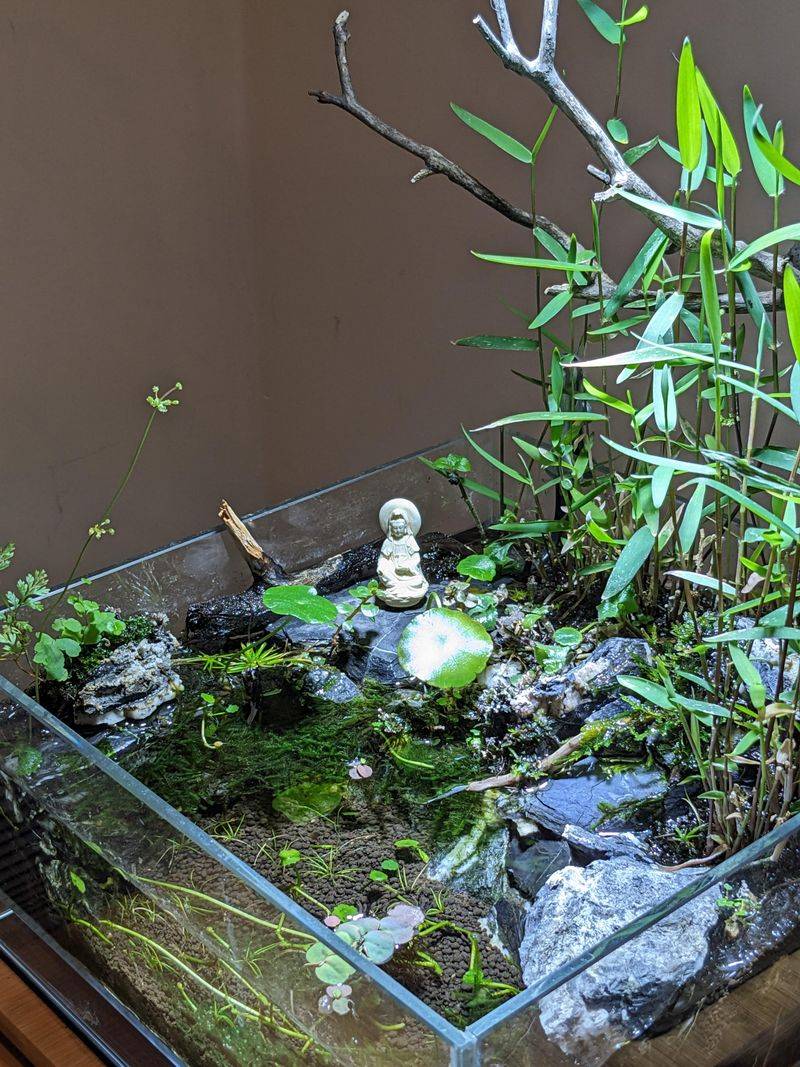
Murky green water is every new pond keeper’s fear. The reassuring part is that a balanced micropond mostly cleans itself.
The key is finding the right ratio of plants to water volume. Aim for about 60 percent of the water surface covered by plants to keep algae from taking over.
Adding a small solar-powered pump or bubbler can help circulate water in warmer months. Moving water stays oxygenated and discourages mosquito larvae from settling in.
Mosquitoes are a common concern, but they rarely become a problem in a well-balanced micropond. Dragonfly larvae and aquatic beetles are natural predators that keep mosquito populations in check.
If you want extra help, a few mosquitofish or native minnows can be added to the container. They eat larvae and add movement to the water that makes the whole feature feel more alive.
Top off the water level every few days during hot or windy stretches. Evaporation happens faster than most people expect, especially in dry high-altitude climates.
Remove spent plant material promptly so it does not decompose in the water. A small net or skimmer makes this a two-minute job rather than a chore.
Every few months, do a partial water change by removing about 25 percent of the water and refilling. This dilutes any buildup without shocking the plants or any small creatures living inside.
Consistent small actions keep your micropond sparkling. Big cleanouts are rarely needed when you stay on top of the basics.
Protecting Your Micropond Through Wyoming Winters
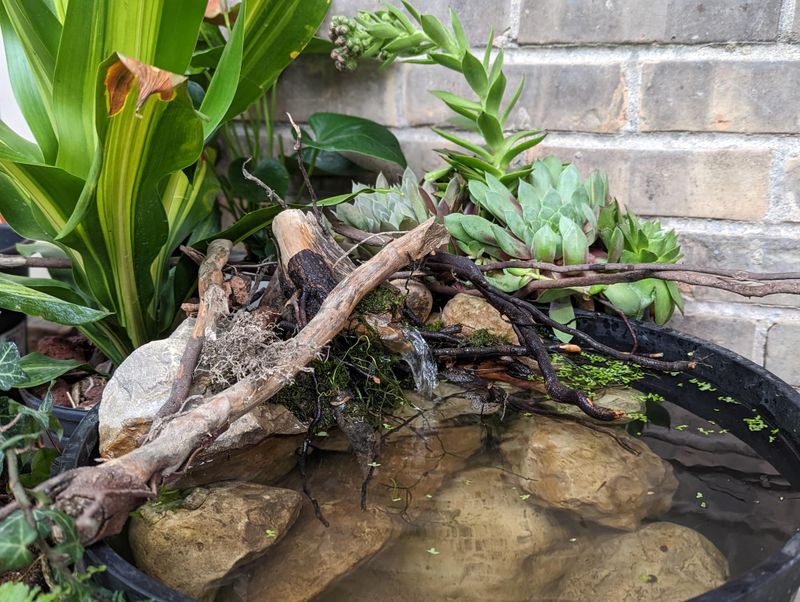
Winter in Wyoming is serious business. Your micropond needs a plan before the temperatures drop hard.
The biggest risk is a container freezing solid from top to bottom. When water freezes all the way through, any fish or overwintering insects inside won’t make it through the season.
For ceramic or fragile containers, the safest move is to drain them completely before the first hard freeze. Store the container in a garage or shed until spring temperatures stabilize.
Galvanized and heavy-duty plastic containers handle cold better but still need attention. Wrapping them with burlap or foam insulation slows down the freeze and gives aquatic life more time to adjust.
A floating de-icer or pond heater can keep a small hole open in the ice surface. That opening allows gas exchange to continue, which matters if you have fish or other creatures overwintering inside.
Hardy aquatic plants like water sedge can stay in the container through mild winters. Tropical plants like water hyacinth should be brought indoors or composted before cold weather arrives.
Reduce feeding fish, if you have any, as water temperatures fall below 50 degrees Fahrenheit. Their metabolism slows significantly in cold water and excess food will just rot.
Place the container in a sheltered spot, like against a south-facing wall, if you plan to leave it out all season. That small change can make a meaningful difference in how cold the water actually gets.
A little winter prep now means your micropond bounces back beautifully come spring.
Wildlife You Can Expect To Attract Over Time
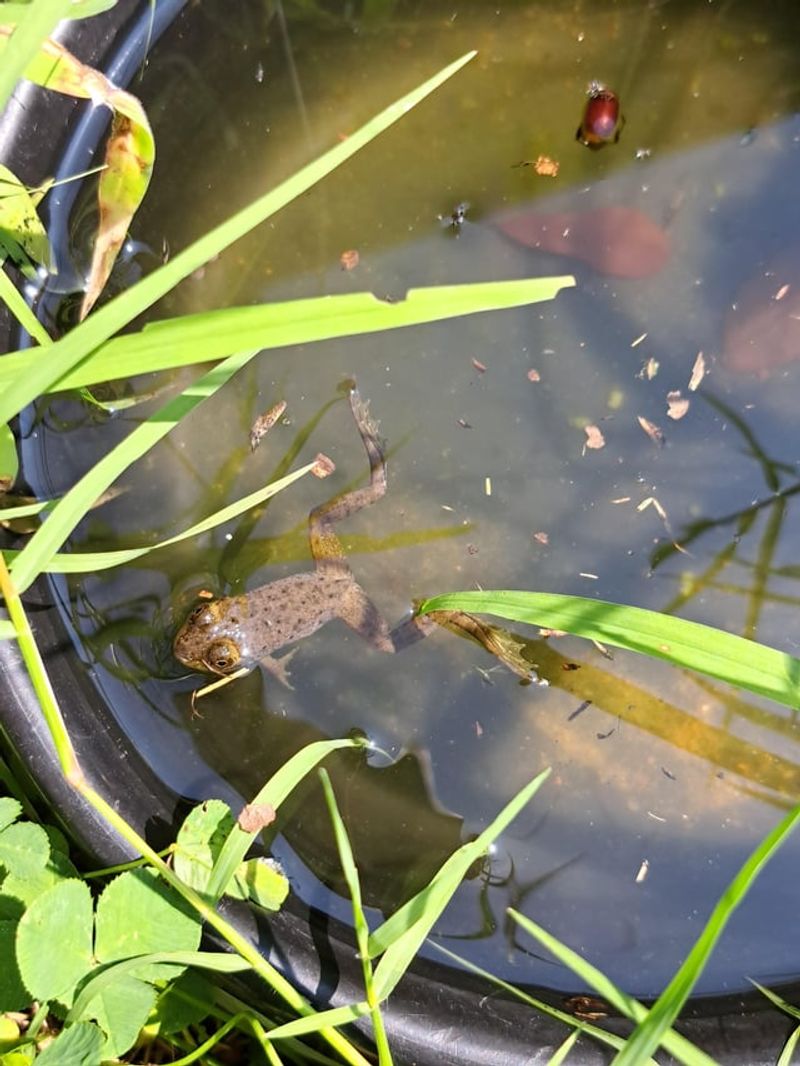
The first visitor usually shows up before you even finish filling the container. Water is magnetic to wildlife in ways that most gardeners underestimate.
Dragonflies are often the earliest arrivals. They lay eggs in still water and their larvae spend months underwater before emerging as the jewel-toned fliers you see hovering near the surface.
Bees and butterflies use the open water as a drinking source. On hot days, you will see them land on floating leaves or the container edge to sip without getting their wings wet.
Songbirds are reliable visitors once they discover a reliable water source. Species like American robins, house finches, and yellow warblers will stop by regularly to drink and splash around.
Frogs may take a season or two to find your micropond. Once they do, they often return each year and their nighttime calls become a welcome part of summer evenings in the yard.
Beneficial beetles, water striders, and other aquatic insects colonize container ponds naturally. They come in on the wind, on plant material, or carried in by visiting birds without any effort from you.
Hummingbirds are drawn to yards with both water and flowering plants. Pairing your micropond with nearby blooms creates a one-stop destination that keeps them coming back all season long.
Patience is the only real requirement when it comes to wildlife. Each new visitor builds on the last, creating a layered community that grows richer with every passing month.
Your micropond becomes a living, breathing part of the yard that surprises you again and again.