Oregon Hedge Plants Built For Wet Winters And Dry Summers That Never Brown Out Between Seasons
A hedge that looks great in April can tell a very different story by September. Oregon’s seasonal swing puts plants through two opposite tests: months of saturated soil followed by a long stretch with little dependable rain.
Many popular screening shrubs tolerate one condition well but struggle with the other, which is when browned foliage and thinning sections start to appear.
The strongest choices are plants adapted to handle that shift without needing constant intervention.
Once established, they can keep a privacy screen looking consistent while less resilient hedges begin showing stress. Soil drainage still matters, and even drought-tough plants need help during their first seasons.
The payoff comes later, when a well-chosen hedge can move through winter rain and late-summer dryness without looking like it needs replacing every few years.
For Oregon yards, resilience is what keeps a living screen attractive between seasons.
1. Evergreen Huckleberry Keeping Its Color Year-Round
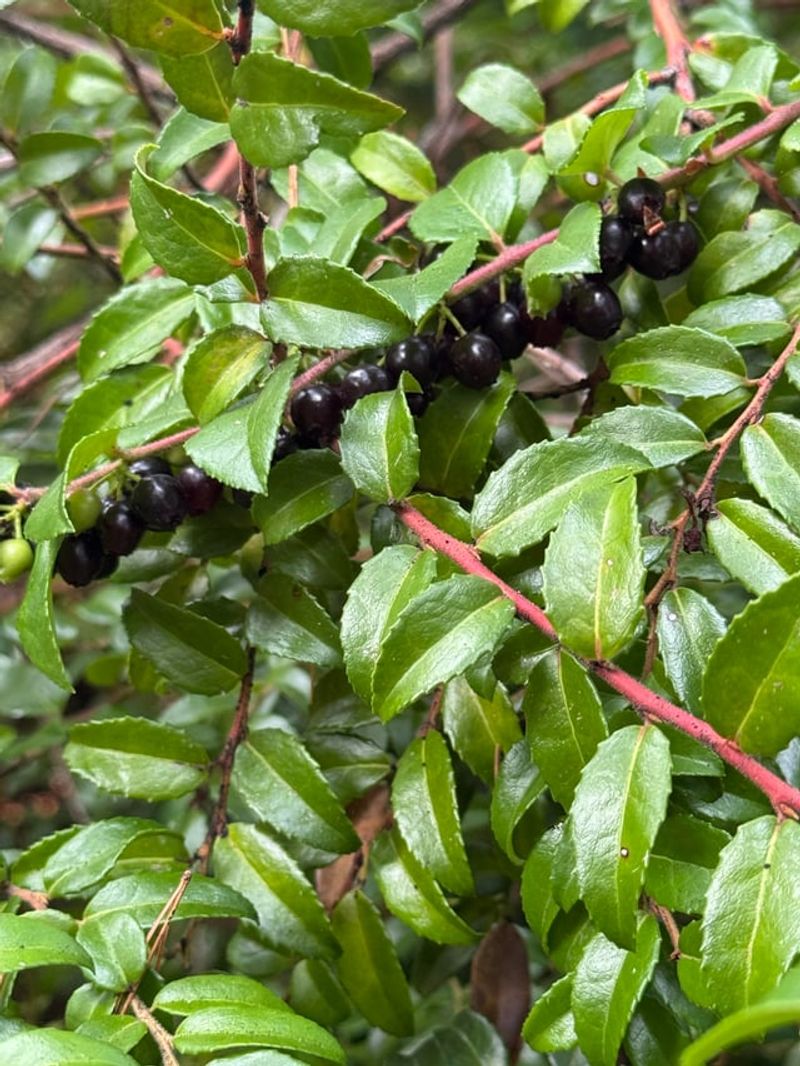
Most people know huckleberries as a wild fruit found on hiking trails, but the evergreen version is one of the most underrated hedge plants in the Pacific Northwest. Unlike its deciduous cousins, this one holds onto its leaves all year long.
The foliage stays deep green through winter rain and summer heat, making it a reliable backdrop for any garden bed or border.
What makes this shrub special is how well it handles shade. Many hedge plants need full sun to look their best, but Evergreen Huckleberry actually prefers a spot with dappled light or partial shade.
That makes it perfect for yards with large trees or north-facing fences where other plants tend to struggle. It grows slowly, which means less trimming work for you over the years.
In spring, small white or pink bell-shaped flowers appear along the branches, adding a delicate charm before the summer dry spell sets in. By late summer, small dark purple berries ripen on the stems.
Birds go absolutely wild for them, so expect some feathered visitors. The plant tops out around six to eight feet, which is a great height for a natural-looking privacy screen.
It is also native to our region, so it needs very little extra watering once it gets settled in. Plant it in well-drained but moist soil and watch it quietly do its job all year without any drama.
2. Silk Tassel Bush Handling Rain And Summer Heat
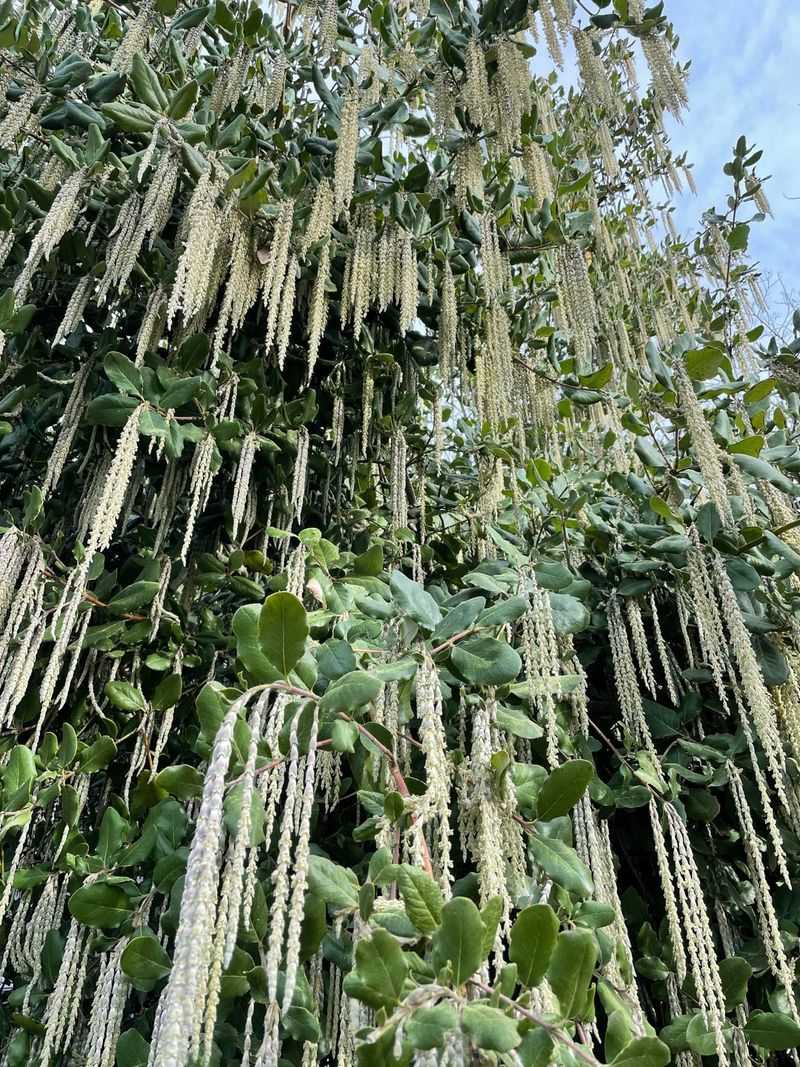
There is something almost theatrical about Silk Tassel Bush in winter. Long, dangling catkins hang from the branches like natural decorations, swaying in the wind while other plants look bare and dull.
This shrub is native to coastal and foothill regions of the western United States, which means it evolved to handle exactly the kind of weather Oregon delivers every year.
The leaves are thick, leathery, and dark green. They do not wilt in summer heat or turn mushy in winter rain.
That toughness is one reason why Silk Tassel Bush works so well as a hedge plant in areas where the seasons swing hard.
It grows at a moderate pace and can reach eight to twelve feet tall, giving you a solid evergreen wall without much fuss.
Your Oregon Garden Changes Every Week. Your Plan Should Too.
Gardening in Oregon changes quickly throughout the season. Every Friday you’ll receive a simple weekly plan showing exactly what to plant, prune, fertilize, harvest, and protect so you never miss the right timing.
Planting this shrub in full sun to partial shade gives you the best results. It handles dry summers by slowing its growth and conserving moisture within its tough leaves.
Once established, it rarely needs supplemental watering, which is a big plus during those long dry stretches from July through September.
The catkins that appear in late fall and winter are actually a major selling point for gardeners who want year-round visual interest in their hedge.
Male plants produce longer, showier tassels, so look for male specimens at your local nursery if you want the full dramatic effect. Pair it with other native plants for a low-maintenance evergreen border.
3. Mexican Orange Blossom Making A Dense Evergreen Screen
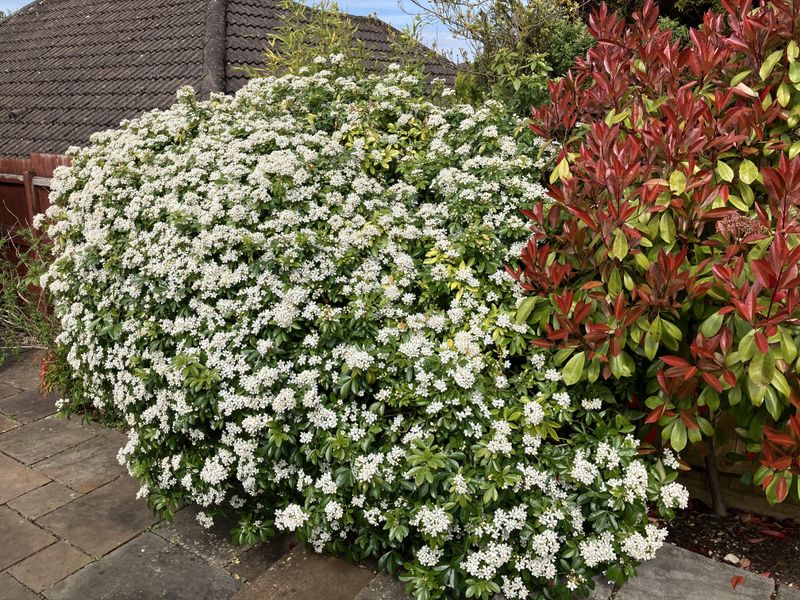
Walk past a Mexican Orange Blossom hedge in spring and you will stop in your tracks. The clusters of white flowers smell like orange blossoms, sweet and fresh, drifting across the yard in a way that makes the whole space feel more alive.
Beyond the scent, this shrub is a workhorse that builds a dense, leafy screen faster than most gardeners expect.
Choisya ternata, as it is known botanically, comes from Mexico but adapts beautifully to the Pacific Northwest climate. It handles our wet winters without root problems as long as the soil drains reasonably well.
Summer dryness does not rattle it either. The glossy, aromatic leaves hold moisture efficiently, which helps the plant coast through dry spells without browning at the edges.
Growth is steady and fairly quick, reaching six to eight feet in height with a similar spread. That rounded, bushy shape makes it excellent for filling corners, lining driveways, or creating a soft green wall along a property edge.
Trim it lightly after the main spring bloom and it often pushes out a second flush of flowers in late summer or early fall. That bonus bloom is a real treat when most other shrubs are just sitting there looking tired.
Plant it in a spot with morning sun and afternoon shade for the best performance in hotter parts of the state. It pairs well with lavender and ornamental grasses for a layered, low-water border design.
4. Pacific Wax Myrtle Staying Green Through Summer Dryness
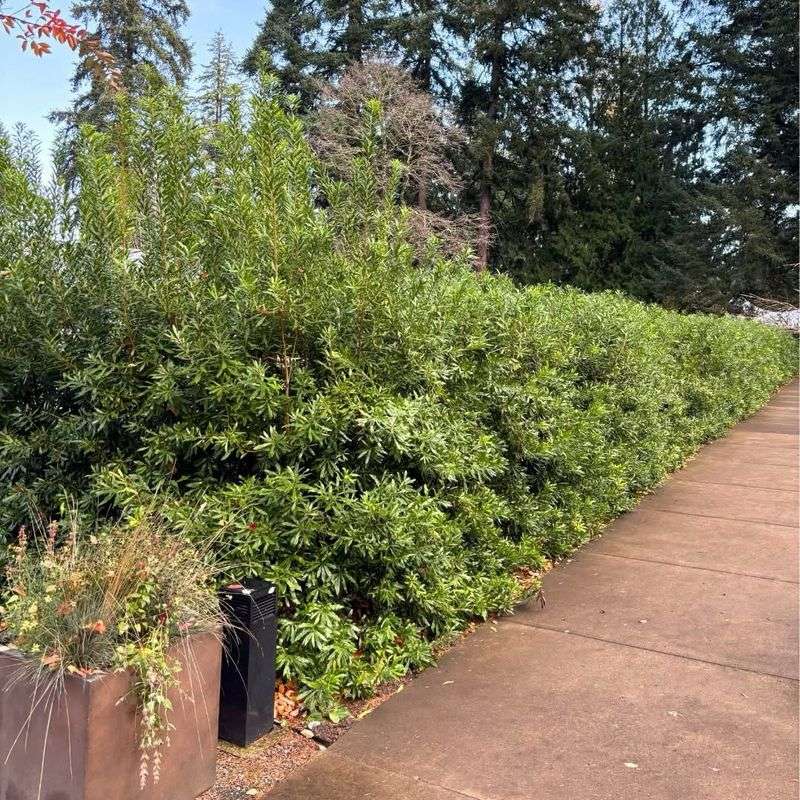
Few plants earn their place in a Pacific Northwest yard quite like Pacific Wax Myrtle. This native shrub grows fast, fills in thick, and keeps its glossy green leaves through the driest months without flinching.
Gardeners who plant it along a fence line often find themselves with a solid privacy screen within just two or three seasons.
One of the best things about this plant is how well it handles our wet winters. The roots do not rot in soggy soil the way many ornamentals do.
They push deep and hold steady even when the ground stays waterlogged for weeks at a time.
Come summer, those same deep roots tap into moisture that shallow-rooted plants cannot reach, which is why the leaves stay green when everything else around them turns yellow or brown.
Wax Myrtle can grow up to 15 feet tall if left alone, making it a solid choice for tall privacy hedges. It also responds well to trimming, so you can keep it neat and compact if you prefer a more formal look.
The leaves have a pleasant waxy scent when crushed, which is a fun bonus. Birds love nesting in the dense branches, so planting this shrub also brings a little extra wildlife to your yard.
It thrives in full sun or partial shade, which gives you flexibility when choosing where to plant it.
5. Escallonia Blooming Without Browning Out By August
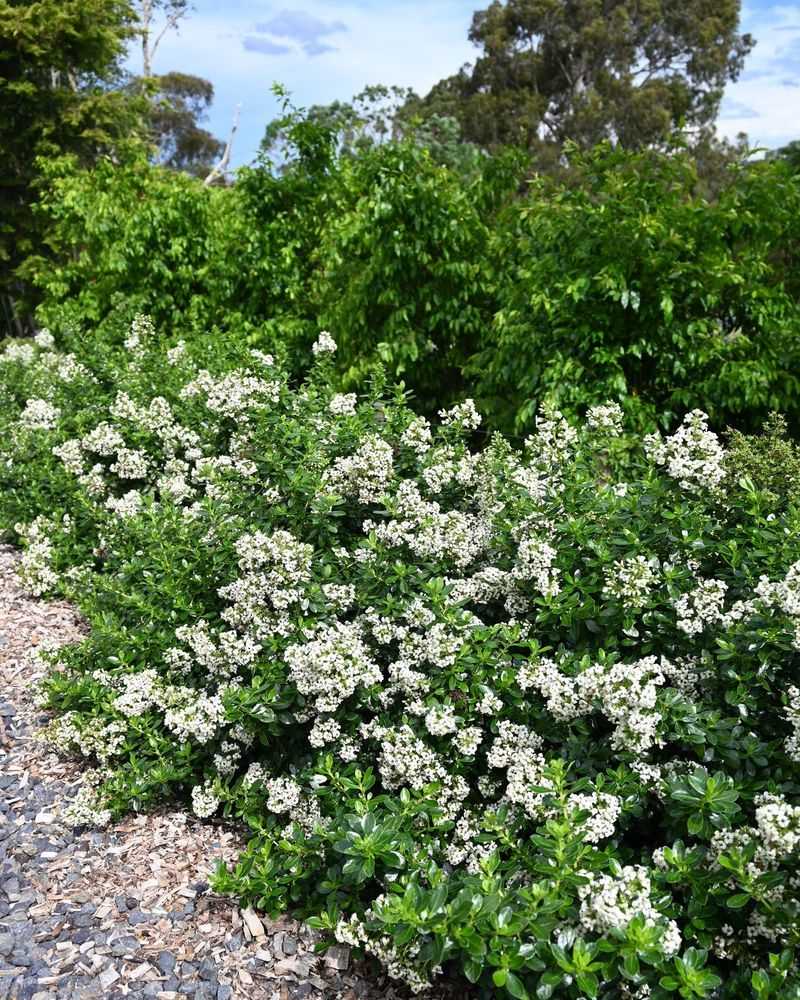
Most flowering hedges look great in spring and then fade into a dull green wall by midsummer. Escallonia refuses to follow that pattern.
This tough evergreen shrub keeps pumping out clusters of small pink, red, or white flowers from late spring all the way through summer, often continuing into early fall.
That kind of extended bloom time is rare in a hedge plant and makes it a real standout in any yard.
Originally from South America, Escallonia has been grown in Pacific coastal gardens for well over a century. It thrives in the kind of mild, moist winters and warm, dry summers that our region delivers.
The glossy leaves are small but dense, creating a thick wall of green that holds its color even during the driest weeks of August. Deer tend to avoid it, which is a major bonus in rural and suburban areas near open land.
Escallonia grows quickly, reaching six to ten feet depending on the variety. Compact cultivars like ‘Apple Blossom’ or ‘Iveyi’ work well for shorter hedges or foundation plantings.
Taller varieties are better suited for privacy screens or windbreaks along exposed property edges. Once the roots establish, which usually takes one full growing season, the plant becomes remarkably self-sufficient.
Water it regularly during its first summer, then cut back to occasional deep watering in dry spells. It rewards that minimal effort with months of colorful blooms and year-round green foliage.
6. Burkwood Osmanthus Staying Full Through Every Season
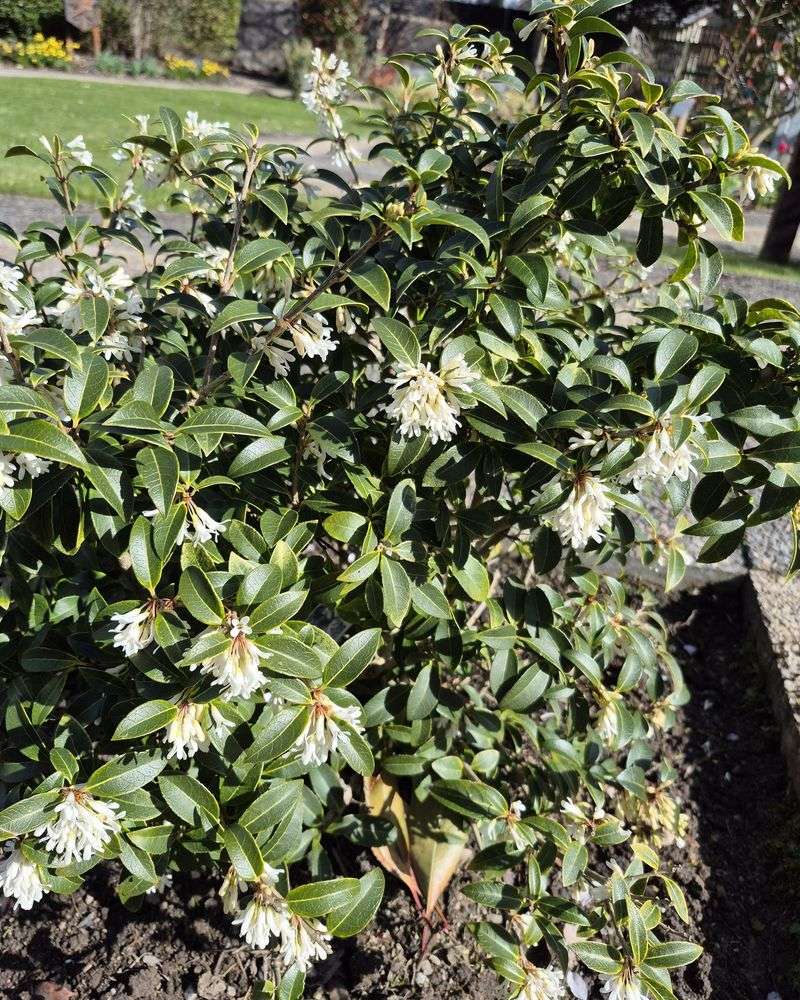
If you have ever caught a faint, sweet scent drifting through a fall garden and could not figure out where it was coming from, there is a good chance Burkwood Osmanthus was nearby.
This shrub produces tiny white flowers in autumn that carry a fragrance far bigger than their size suggests.
The scent is often compared to jasmine or apricot, which makes it a pleasant surprise in an otherwise dormant-looking yard.
Beyond the fragrance, Burkwood Osmanthus earns its place in Pacific Northwest gardens by staying dense and full through every season. The leaves are dark green, leathery, and slightly spiny along the edges, similar in look to holly.
That texture creates a naturally defensive hedge that most animals avoid pushing through. It grows at a slow to moderate pace, reaching six to ten feet tall over several years.
Slow growth might sound like a drawback, but it actually means less trimming work over time. Once shaped, this shrub holds its form for months without needing a cleanup cut.
It handles wet winters without waterlogging issues and coasts through dry summers without showing stress.
Full sun to partial shade works well, and it adapts to a range of soil types as long as drainage is decent.
Gardeners who want a formal-looking hedge that requires almost no maintenance after establishment will find Burkwood Osmanthus to be one of the most reliable choices available for Oregon’s climate.
7. Strawberry Tree Taking Wet Winters And Dry Summers
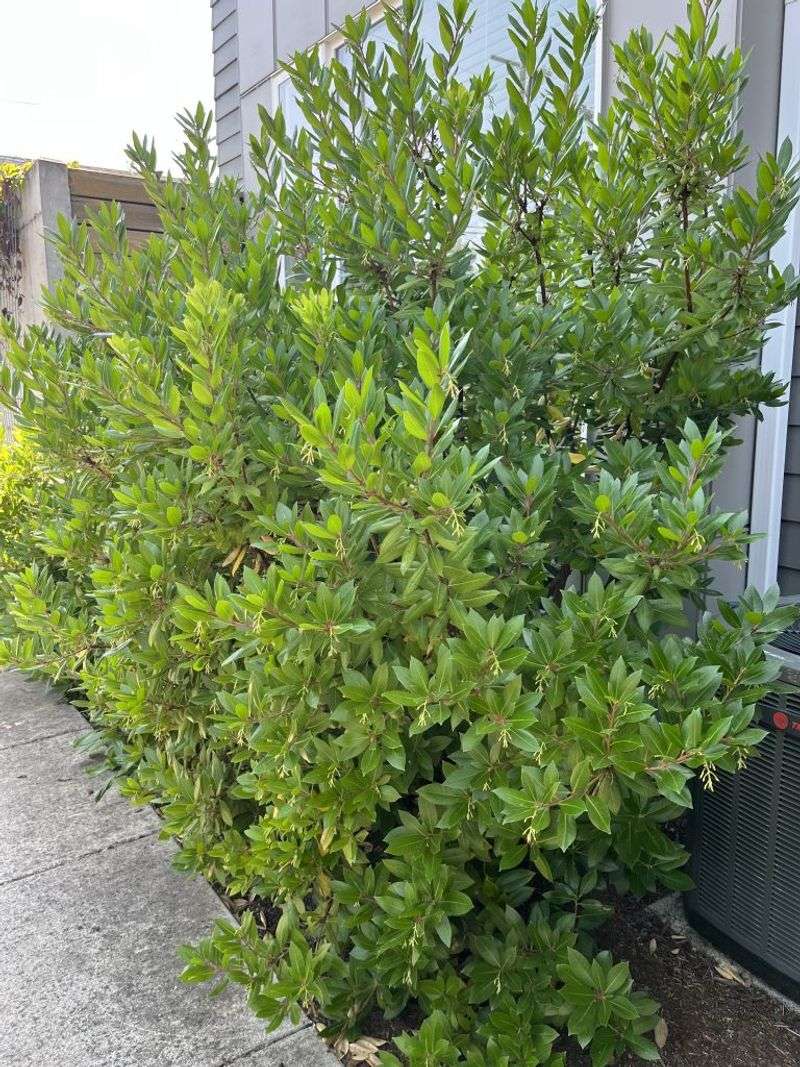
Arbutus unedo, commonly called the Strawberry Tree, is one of those plants that makes people stop and stare. It produces clusters of small white flowers and round red fruits at the same time, usually in late fall and winter.
That simultaneous blooming and fruiting is unusual in the plant world and gives the shrub a festive, loaded look right when most gardens are at their most bare.
The Strawberry Tree comes from the Mediterranean region and parts of Ireland, where the climate swings between wet winters and long dry summers. Sound familiar?
That background makes it a natural fit for Oregon’s weather patterns. The bark is reddish-brown and peeling, adding texture and visual interest even when the plant is not in flower or fruit.
It can grow as a large shrub or a small multi-stemmed tree, reaching ten to fifteen feet at maturity.
Compact varieties like ‘Compacta’ or ‘Elfin King’ stay under six feet, which makes them easier to manage as formal hedge plants in smaller yards. All varieties handle wet soil in winter and dry conditions in summer without showing much stress.
The fruit is technically edible but very bland and gritty on its own. Birds, however, love it.
Planting this tree along a property line gives you privacy, year-round interest, and a steady stream of wildlife visitors without a lot of extra work on your part.
8. Tall Oregon Grape Holding Its Leaves Through The Heat
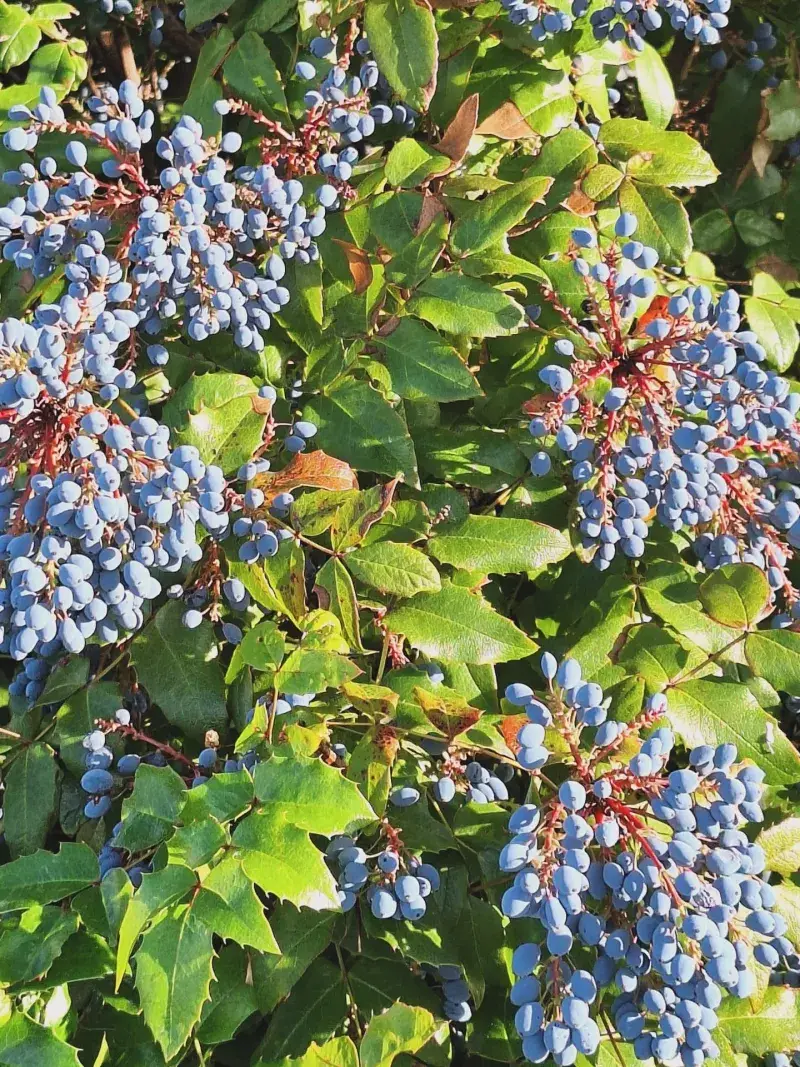
Bold, spiny, and completely unbothered by difficult conditions, Tall Oregon Grape is one of the toughest native plants in the Pacific Northwest.
It is actually the state flower of our state, which tells you something about how well it fits the local landscape.
The upright stems carry long, compound leaves with spiny leaflets that turn bronze or reddish in cold weather, then return to deep green as temperatures warm back up.
In early spring, bright yellow flower clusters appear at the top of each stem, creating a cheerful burst of color before most other plants have even woken up. By late summer, clusters of blue-purple berries ripen on the stems.
The berries are tart but edible and have been used to make jams and jellies for generations. Wildlife loves them, especially birds and small mammals looking for food before fall sets in.
Mahonia aquifolium, as it is known botanically, grows six to eight feet tall and spreads slowly by underground stems. That spreading habit makes it excellent for filling in a hedge line over time without replanting.
It handles deep shade, poor soil, dry summers, and soggy winters better than almost any other evergreen shrub available for our climate. Once established, it rarely needs any supplemental water at all.
Trimming it back hard in late winter encourages fresh new growth and keeps the shape tidy. It is genuinely one of the most low-effort, high-reward hedge plants available in the Pacific Northwest.
9. California Lilac Staying Tough Once Roots Settle In
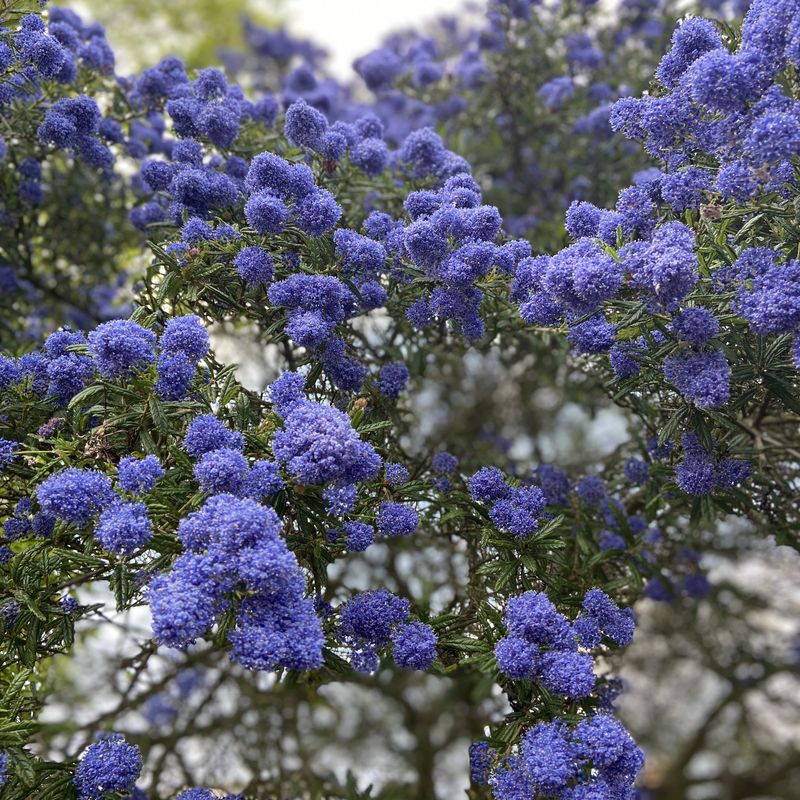
Few sights in a Pacific Northwest garden are as striking as a California Lilac in full bloom. The flowers come in intense shades of blue, purple, and sometimes white, covering the entire shrub in a cloud of color during spring.
Pollinators go absolutely wild for it, and on a warm day the buzzing of bees around a blooming Ceanothus hedge is something you will remember for a long time.
Ceanothus comes from California and the western coastal ranges, where dry summers are simply a fact of life. Once the roots settle in after the first season, this shrub becomes remarkably drought-tolerant.
It does not need regular watering during dry summers, which makes it a favorite among gardeners who want a beautiful hedge without a high water bill.
Wet winters are handled just as well, provided the soil drains properly and water does not pool around the roots for extended periods.
Growth rates vary by variety, but most Ceanothus plants reach four to eight feet fairly quickly.
Varieties like ‘Dark Star,’ ‘Julia Phelps,’ and ‘Ray Hartman’ are popular choices in the Pacific Northwest because they combine strong growth with exceptional flower color.
Prune lightly right after blooming to keep the shape clean without cutting off next year’s flower buds. Avoid heavy pruning into old wood, as the plant does not recover from that well.
Full sun and good drainage are the two most important factors for long-term success with this plant.