The Oregon Garden Bed Edge Mistake That Lets Grass And Weeds Sneak Back In
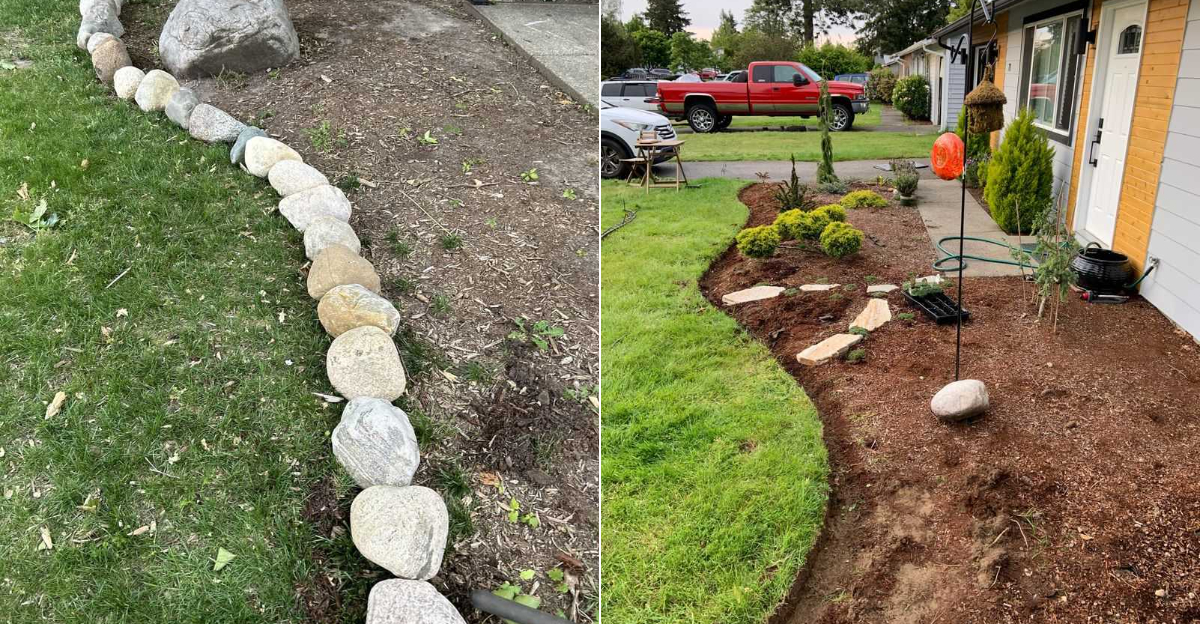
A freshly edged garden bed can look finished for a few weeks, then suddenly lose that clean line as grass starts creeping back in. The problem is often not the weeds themselves.
It is the way the border was created in the first place. If the edge is too shallow or poorly defined, roots and runners can cross beneath it long before anything appears above ground.
Oregon’s growing conditions make that especially frustrating because moisture can keep unwanted growth moving even after the surface looks under control.
Recutting the same narrow groove over and over may improve appearances without actually stopping the spread.
A better edge works as a real barrier, not just a decorative line. Once you know where most garden borders fail, it becomes much easier to keep beds looking sharp without spending every few weeks pulling the same invaders again.
1. Cutting The Edge Way Too Shallow
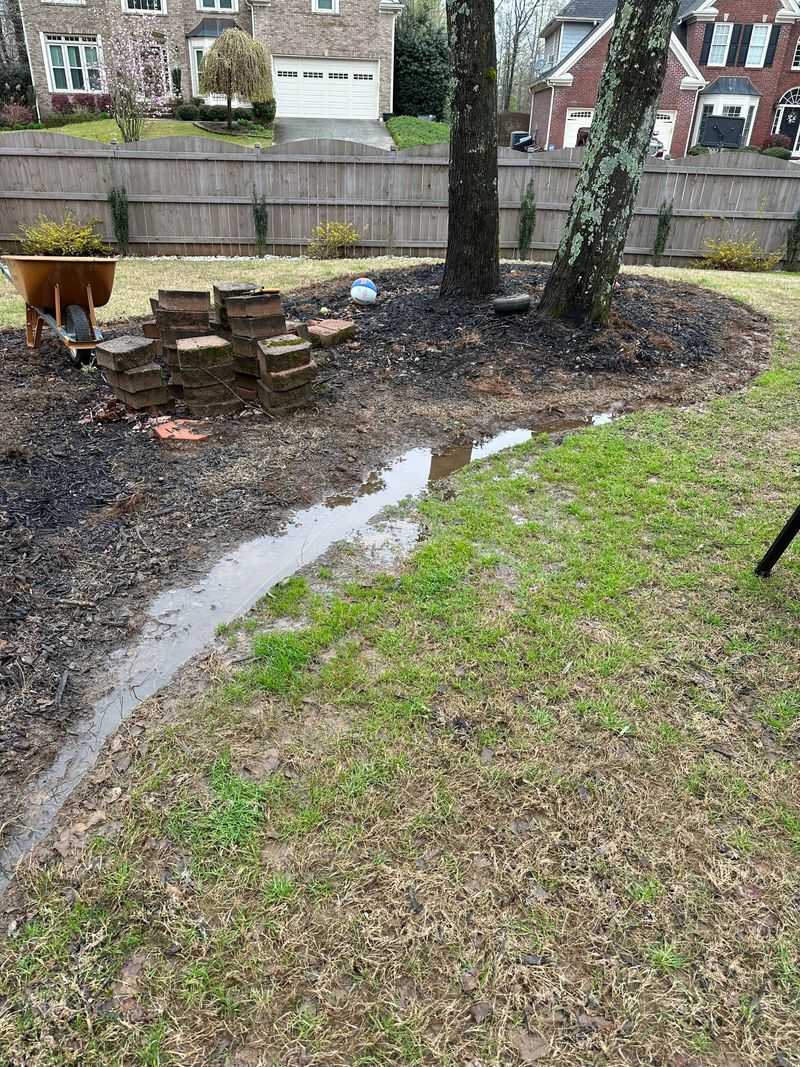
A lot of gardeners grab a spade, make a quick slice along the lawn, and call it done. The problem is that a shallow cut only goes an inch or two deep.
That is nowhere near enough to stop grass and weed roots from sliding right under it.
Grass roots in Oregon can grow several inches deep, especially varieties like tall fescue and perennial ryegrass that are common here. When you only cut shallow, those roots stay connected underground.
They keep feeding the grass runners that pop up inside your garden bed a few weeks later.
A proper edge cut should go at least three to four inches deep. Some gardeners even go five or six inches in areas where aggressive grass varieties are a problem.
The deeper the cut, the harder it is for roots to sneak through. You do not need a fancy tool for this.
A flat spade or a half-moon edger works great. Press it down firmly with your foot and make sure the blade goes deep into the soil.
Do this once at the start of the season, then touch it up every few weeks. A deep cut also helps mulch stay in place better, which is an added bonus.
Do not rush this step. Taking an extra five minutes to go deeper can save you hours of weeding later in the summer.
2. Grass Roots Sneaking Right Under The Border
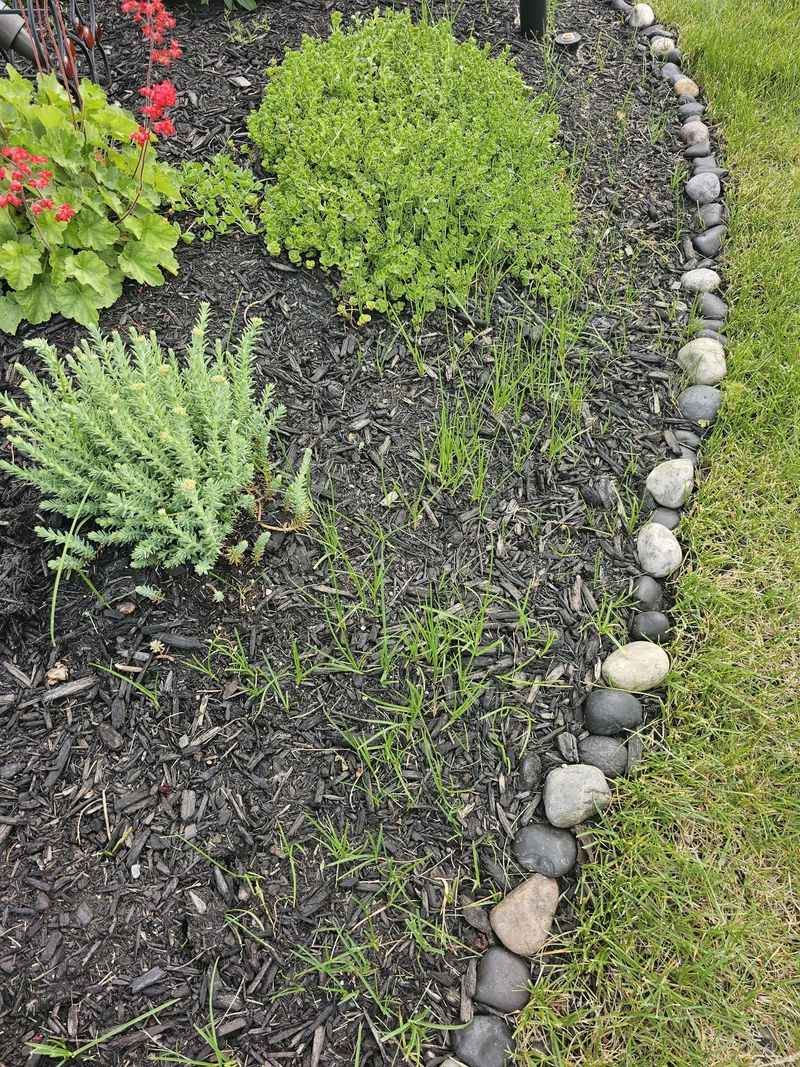
Most people focus on what they can see above ground, but the real trouble happens below the surface. Grass roots do not stop growing just because there is an edging strip or a shallow cut nearby.
They keep spreading sideways, looking for open soil to move into.
Oregon cool-season grasses are especially good at this. They grow aggressively in spring and fall when temperatures are mild.
Their roots can travel horizontally for several inches before sending up new shoots inside your garden bed. By the time you notice the green tips poking up, the roots are already well established.
The fix starts with understanding how deep your grass roots actually go. Pull up a small section of lawn near your garden bed and look at the root depth.
Your Oregon Garden Changes Every Week. Your Plan Should Too.
Gardening in Oregon changes quickly throughout the season. Every Friday you’ll receive a simple weekly plan showing exactly what to plant, prune, fertilize, harvest, and protect so you never miss the right timing.
Use that measurement to guide how deep your edging needs to be. If the roots go four inches down, your barrier needs to go at least that deep, ideally a little more.
Pair a deep edge cut with a physical barrier like a thick plastic or metal edging strip buried to the correct depth. Make sure the barrier goes straight down, not at an angle.
An angled barrier gives roots a ramp to climb over. Check the edge every month during the growing season and cut back any roots you see creeping toward the bed.
Staying consistent is the only real way to win this battle.
3. A Pretty Edge That Barely Stops Anything
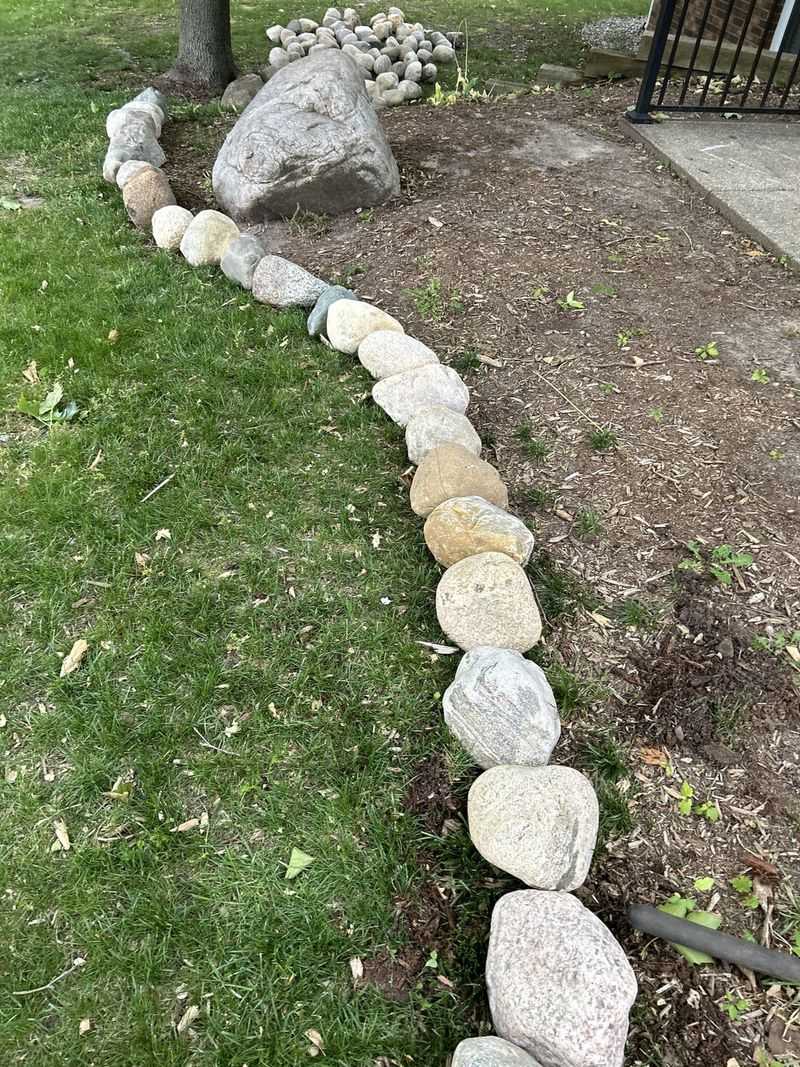
Some garden edges look absolutely stunning from the street. Clean lines, decorative stones, maybe even a little brick border.
But looking good and actually working are two very different things. A pretty edge that sits only on top of the soil does almost nothing to block grass and weeds.
Decorative borders like flat stones or thin plastic strips placed on the surface can shift with rain and foot traffic. Oregon gets a lot of heavy rainfall, especially from fall through spring.
That water moves soil around, lifts edging strips, and creates tiny gaps that grass and weeds happily squeeze through. Within a few weeks, your beautiful border starts looking like a weed highway.
Curb appeal matters, but function has to come first. You can still have a gorgeous edge that actually works.
The key is combining good looks with proper depth and stability. If you love decorative stone borders, install them on top of a buried edging strip that goes at least four inches into the ground.
The strip does the real blocking work while the stones give you the look you want. Metal edging is another great option.
It holds its shape well, resists shifting, and can be painted or left natural for a clean finish. Think of the visible part of your edging as decoration and the buried part as the real defense.
Both matter, but the buried portion is what keeps your garden bed clean all season long.
4. Creeping Weeds Finding The Weak Spot Fast
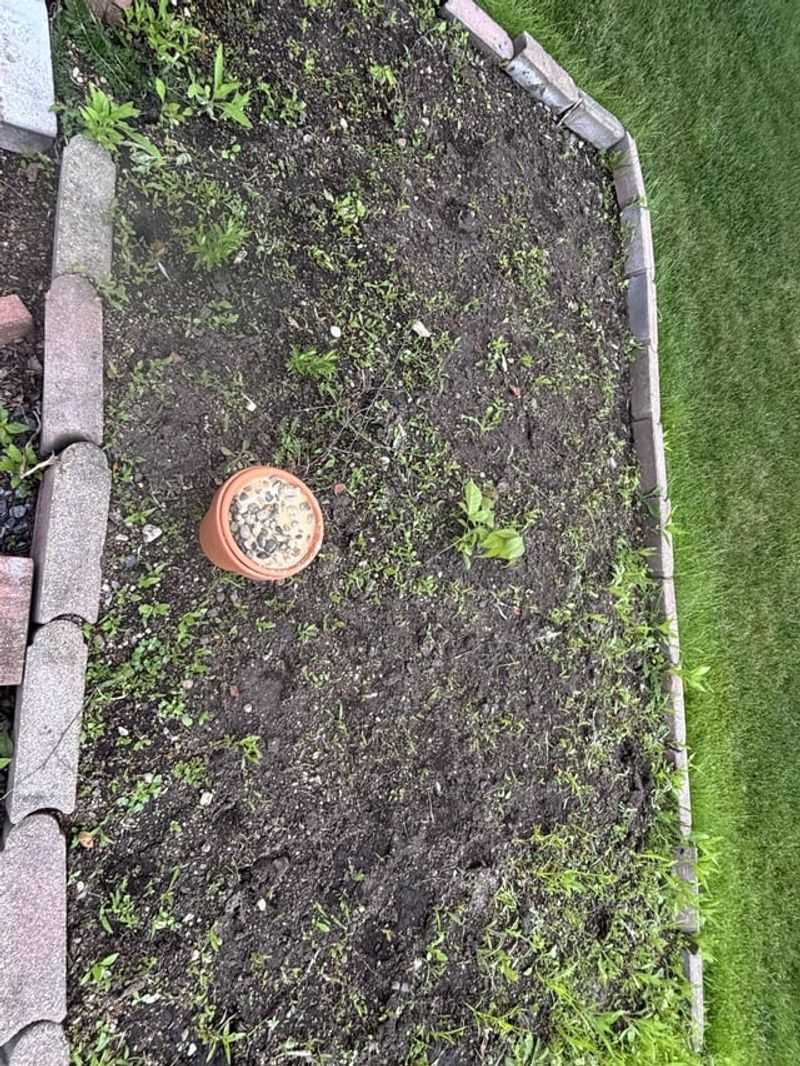
Weeds are patient. They do not need a big opening to get through.
A tiny gap in your edging, a spot where the border lifted slightly, or a section that was never fully sealed is all it takes. Once one weed finds that weak spot, others follow quickly.
Common creeping weeds in Oregon include clover, bindweed, and creeping buttercup. These plants spread by sending out long horizontal stems called stolons or rhizomes.
They travel along the soil surface or just below it, looking for any opening. A weak edge is like a welcome mat for these plants.
Walk the full perimeter of your garden bed at least once a month. Look for any spots where the edging has shifted, cracked, or pulled away from the soil.
Press those sections back down firmly or replace damaged pieces. Pay special attention to corners, since that is where edging tends to separate first.
Another helpful trick is to keep the soil just inside the edge slightly lower than the lawn. This creates a small slope that makes it harder for creeping stems to cross over.
You can also apply a thin layer of coarse mulch right at the edge to slow down any surface runners. Catching these weak spots early makes a big difference.
A quick five-minute inspection every few weeks is much easier than pulling out a full-blown weed invasion later in the season.
5. Mulch Spilling Over And Blurring The Line
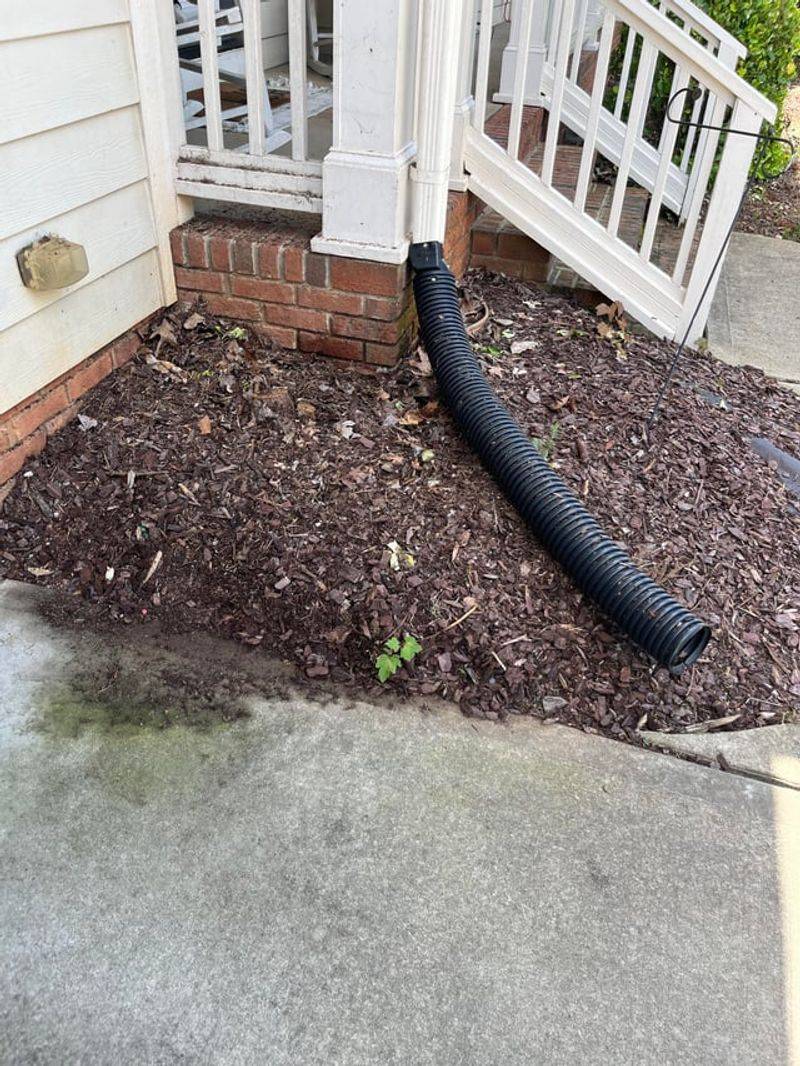
Fresh mulch looks great when it is first laid down. It smells earthy, it holds moisture, and it gives the garden a tidy, finished look.
But over time, mulch has a habit of migrating. Rain washes it, wind blows it, and foot traffic pushes it right over the edge and onto the lawn.
When mulch spills onto the grass, something frustrating happens. The line between your lawn and your garden bed disappears.
Grass starts growing into the mulch. Weeds sprout in the mix of mulch and soil at the border.
And suddenly your clean edge looks like a messy blur. Our rainy seasons make this worse because water moves mulch quickly, especially on any slight slope.
Keeping mulch contained starts with the edge itself. A raised lip of edging material, even just an inch above the soil, acts like a small dam that keeps mulch from spilling out.
Metal or thick rubber edging works especially well for this. When you apply mulch, stay about an inch back from the very edge of the bed.
Do not pile it right up against the border. Also, avoid going too deep with mulch.
Two to three inches is plenty. More than that and it becomes heavy, shifts easily, and smothers the edge area.
Rake the mulch back toward the center of the bed after heavy rains. A few minutes of maintenance after a big storm keeps everything looking sharp and keeps the boundary between lawn and bed clearly defined.
6. Skipping A Deep Trench Around The Bed
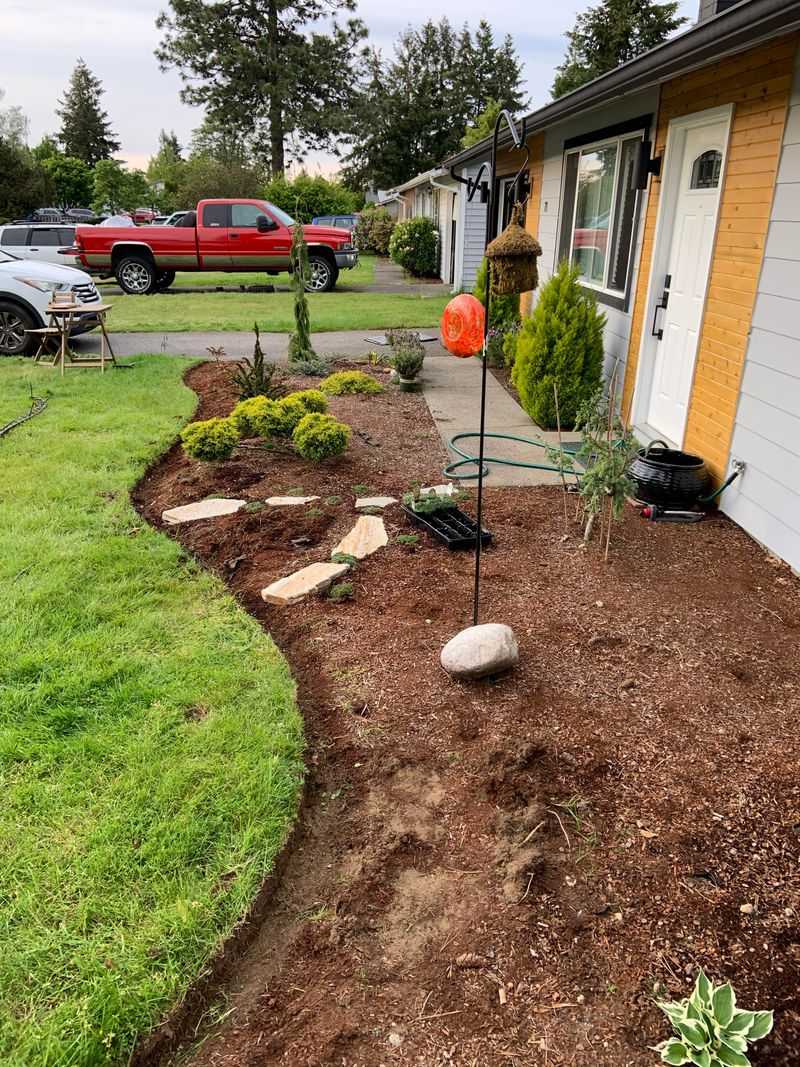
Many gardeners skip the trench step entirely because it takes more effort than a simple surface cut. But a trench is one of the most effective tools you have for keeping grass and weeds out of your garden bed.
It creates a physical gap that roots and runners have to cross, and most of them cannot do it.
A proper trench runs along the full edge of the bed and is shaped like a narrow V or a straight-sided slot. It should be about four to six inches deep and two to three inches wide.
The inside wall of the trench should be nearly vertical, with the soil sloping down from the lawn side. This shape makes it hard for grass runners to bridge the gap.
Digging a trench takes about an hour for an average-sized bed, but it pays off for the whole season. Use a flat spade or a half-moon edger and work in small sections.
Toss the removed soil into the garden bed rather than the lawn. After digging, use a hand rake to clean up the edges and make the walls as straight as possible.
You may need to re-cut the trench once or twice during the growing season because rain and soil movement can soften the walls over time. Some gardeners combine the trench method with a buried edging strip for maximum protection.
That combination is one of the most effective ways to keep a garden bed clean all year long.
7. Plastic Edging Sitting Too High Above The Soil
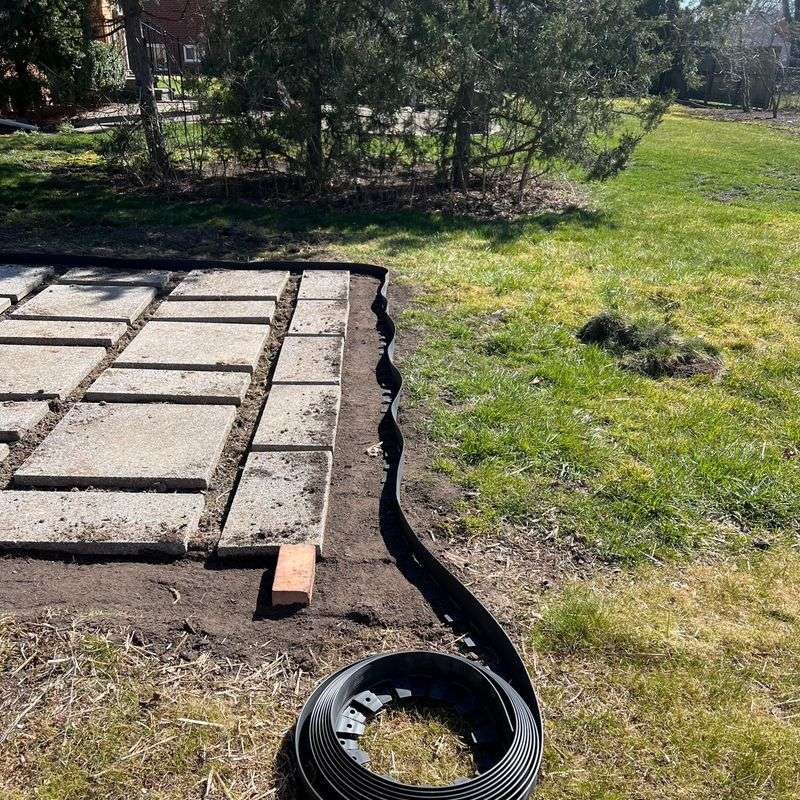
Plastic edging is one of the most popular choices for garden bed borders, and for good reason. It is affordable, flexible, and easy to install.
But there is one mistake that makes it almost useless: installing it too high above the soil. When the top of the edging sits more than half an inch above the ground, grass and weeds can simply grow under it.
Grass stolons and weed roots travel along the soil surface. If the edging does not make solid contact with the ground, those runners slide right underneath without any resistance.
Rain can also wash soil away from the base of poorly installed edging, creating even bigger gaps over time. Our wet winters make this a common problem in Oregon.
When installing plastic edging, push it down so the top is level with or just slightly above the soil surface. The bulk of the edging should be buried underground.
Most plastic edging strips are about six inches tall. Only about half an inch to one inch should be visible above the ground.
Secure it with the stakes that come with the product and space them about every two feet. After heavy rains, check that the edging has not shifted or heaved upward.
Frost can also push edging up in areas that get cold winters. Press it back down and re-stake if needed.
A well-installed plastic edging strip that sits flush with the ground is far more effective than one that looks neat but lets everything sneak underneath.
8. Letting Lawn Runners Cross Over After Mowing
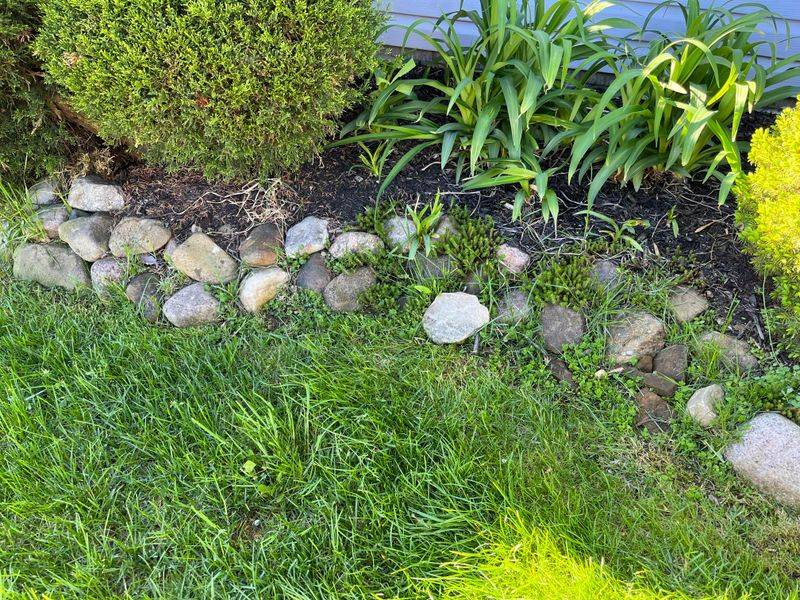
Mowing day feels like a win. The lawn looks neat, everything smells fresh, and the yard looks pulled together.
But something sneaky happens when grass clippings and runners land inside your garden bed after each mow. Those clippings are not just withered grass.
Some of them are alive and ready to root.
Grass varieties common in Oregon, like creeping bentgrass and some fescues, can take root from stem fragments. When the mower throws clippings into the bed, some of those pieces land on moist mulch or bare soil and start growing.
Over several weeks, what started as innocent clippings becomes a patchy mess of new grass inside your garden bed.
The solution has a few parts. First, mow parallel to the garden bed edge rather than throwing clippings directly into it.
Adjust your mower discharge chute so clippings blow away from the bed, not toward it. Second, after mowing, take a few minutes to blow or sweep any clippings that landed inside the bed back onto the lawn.
A leaf blower works great for this. Third, trim the grass right at the edge with a string trimmer or handheld shears after mowing.
Cut it low and clean. This stops runners from having enough length to flop over into the bed.
Doing these three things consistently after each mow makes a real difference. Your edge stays clean, and you spend a lot less time pulling stray grass out of your flower beds as the season goes on.