The Oregon Tomato Companion Planting Mistake That Can Hurt Your Harvest
Growing tomatoes in Oregon should feel like an easy win, but one quiet misstep undoes it more often than gardeners realize. Companion planting gets pitched as a shortcut to a thriving garden, yet the wrong pairing can work against your tomatoes long before the signs show up.
Pacific Northwest springs bring their own rules. Cool soil and lingering moisture change how nearby plants interact, turning a few common combinations into real trouble for your harvest.
Maybe you have already noticed a tomato patch that just would not take off, with no obvious culprit in sight. The reason might be growing right next to it.
A Common Garden Pairing Hides A Shared Risk
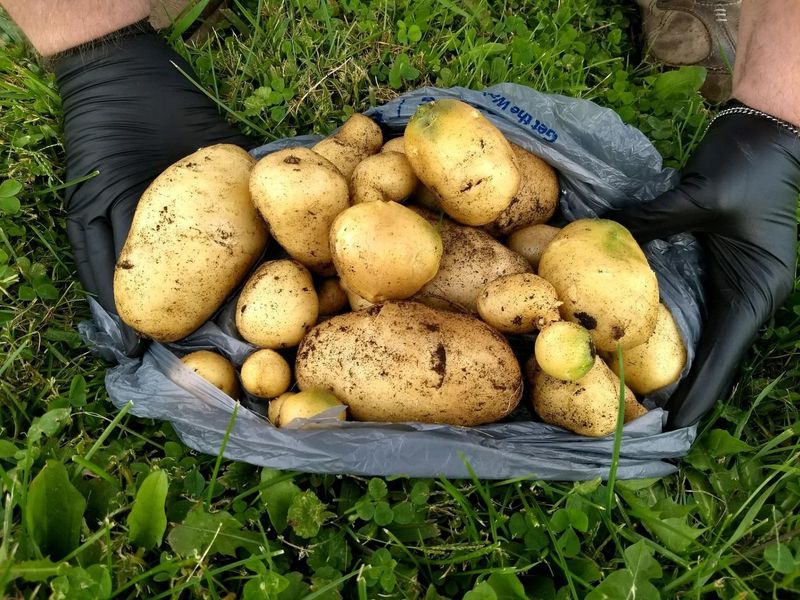
Potatoes and tomatoes look like best friends in the garden. They belong to the same plant family, called nightshades, and gardeners often assume that means they grow well together.
That shared family connection is actually the problem. Both crops are vulnerable to the exact same diseases and pests, which means planting them close together creates a concentrated target.
When one plant picks up a fungal infection or attracts a harmful insect, the neighboring plant is already primed to catch it. The risk multiplies without any added effort on your part.
In Oregon, where moisture lingers on leaves and soil stays damp for weeks, this pairing becomes especially dangerous. Fungal spores travel easily in wet air, hopping from one nightshade to another with little effort.
Many gardeners discover this mistake only after both crops show yellowing leaves, spotted stems, or wilting growth. By that point, the damage is already spreading underground and through the air.
Recognizing this hidden risk is the first step toward protecting your tomato harvest. Awareness alone can change how you plan your garden beds each spring.
Rethinking this one popular pairing could be the single biggest improvement you make this season. Your tomatoes will thank you for the breathing room.
Why Tomatoes And Potatoes Struggle Side By Side
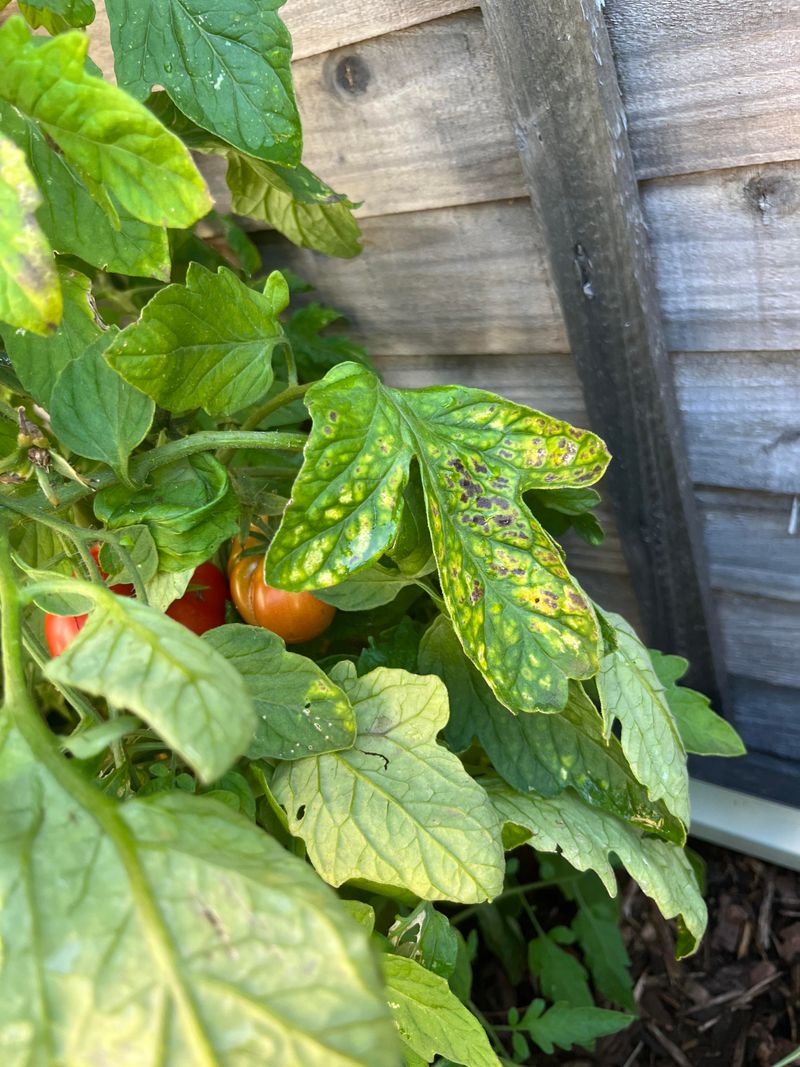
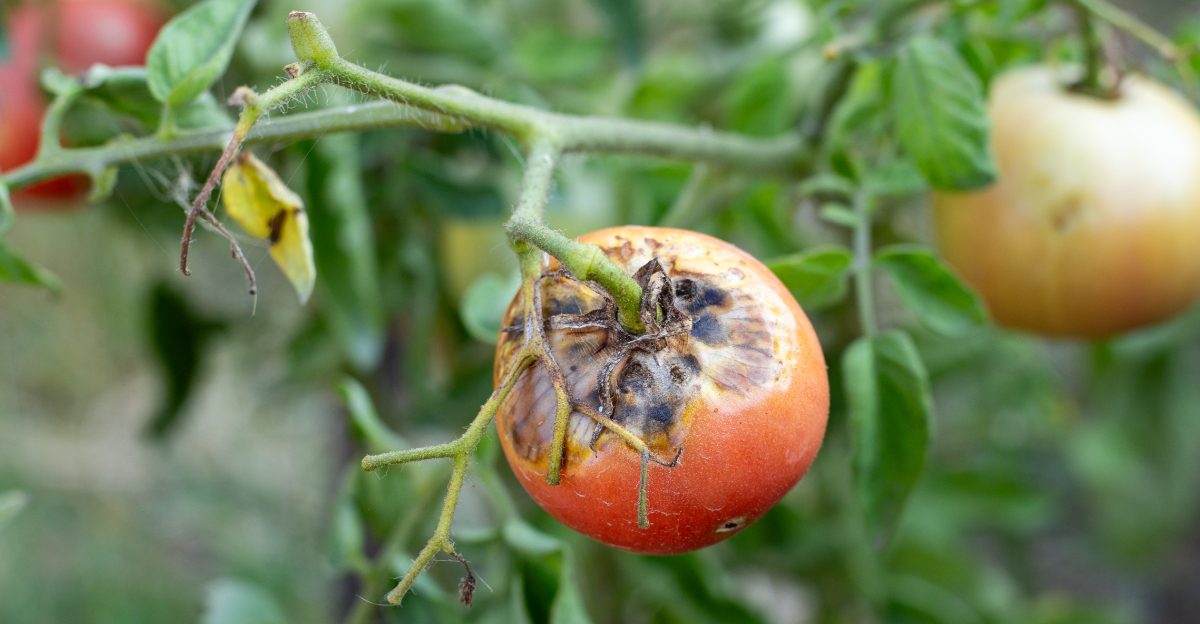
Late blight is the villain in this story. It is a water mold pathogen called Phytophthora infestans, and it absolutely loves nightshade crops.
When tomatoes and potatoes share a garden bed, late blight can jump between them faster than you can catch it. One infected leaf is all it takes to start a chain reaction.
Potato plants often carry blight spores without showing obvious symptoms right away. Your tomatoes might be standing next to a quiet carrier and absorbing airborne spores every single day.
Beyond blight, both crops attract the Colorado potato beetle. This pest feeds happily on tomato foliage too, and a shared garden bed gives it twice the food supply.
Aphids also cluster around nightshade plants in large numbers. When two nightshade crops grow close together, aphid colonies expand quickly because there is no break in their food source.
Soil-borne pathogens compound the problem further. Roots from both crops share the same underground space, allowing fungi and bacteria to transfer without any above-ground contact at all.
Keeping these crops as far apart as possible in the garden is a widely recommended practice among extension horticulturists. That separation is enough to interrupt most airborne and soil-based pathogen transfer.
Your Oregon Garden Changes Every Week. Your Plan Should Too.
Gardening in Oregon changes quickly throughout the season. Every Friday you’ll receive a simple weekly plan showing exactly what to plant, prune, fertilize, harvest, and protect so you never miss the right timing.
Understanding why this pairing fails gives you real power. Smart garden layout decisions start with knowing exactly which plants bring shared vulnerabilities to the table.
How Oregon’s Damp Spring Weather Raises The Stakes
Oregon springs are famously soggy, and that moisture is a gift to fungal pathogens everywhere. Gardeners in the Willamette Valley and coastal regions deal with weeks of persistent drizzle before summer even arrives.
Fungal spores need moisture to germinate and spread. When your garden stays wet for days at a stretch, spores that land on leaves have the perfect environment to take hold.
Tomato companion planting mistakes that might cause minor problems in dry climates become serious threats here. The Pacific Northwest climate amplifies every vulnerability your plant pairing creates.
Temperatures between 50 and 75 degrees Fahrenheit are ideal for late blight development. Oregon spring weather sits squarely in that range for months, giving the pathogen a long window to establish itself.
Nighttime humidity is another factor that rarely gets mentioned. Even on days when it does not rain, cool nights keep moisture sitting on foliage for hours, extending the window for infection.
Gardeners who transplant tomatoes in May or early June are working against the clock. The wet season often overlaps with the critical early growth phase when plants are most vulnerable.
Choosing companion plants wisely becomes even more important in this regional context. What works in California or Arizona simply does not apply to Oregon growing conditions.
Matching your planting strategy to your actual climate is one of the smartest moves a Pacific Northwest gardener can make this season.
Signs Your Tomatoes Are Already Under Pressure
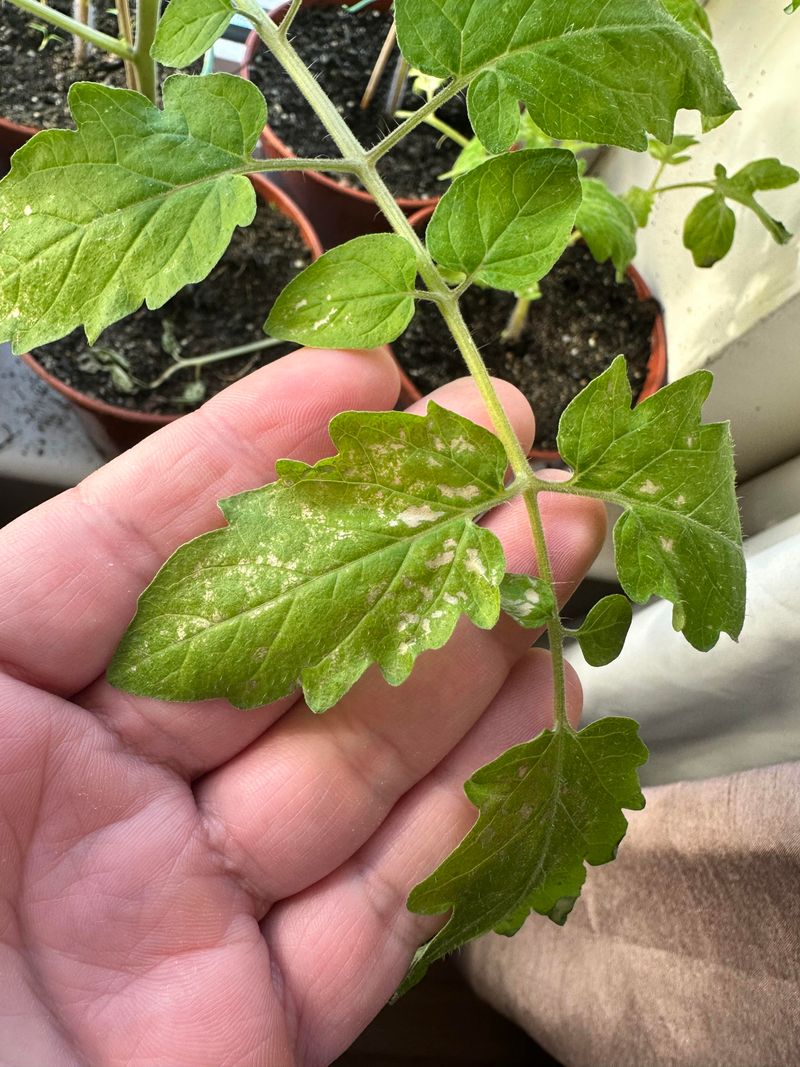
Catching trouble early can mean the difference between a rescued crop and a lost one. Your tomato plants will send signals before things get critical, and learning to read them is a skill worth building.
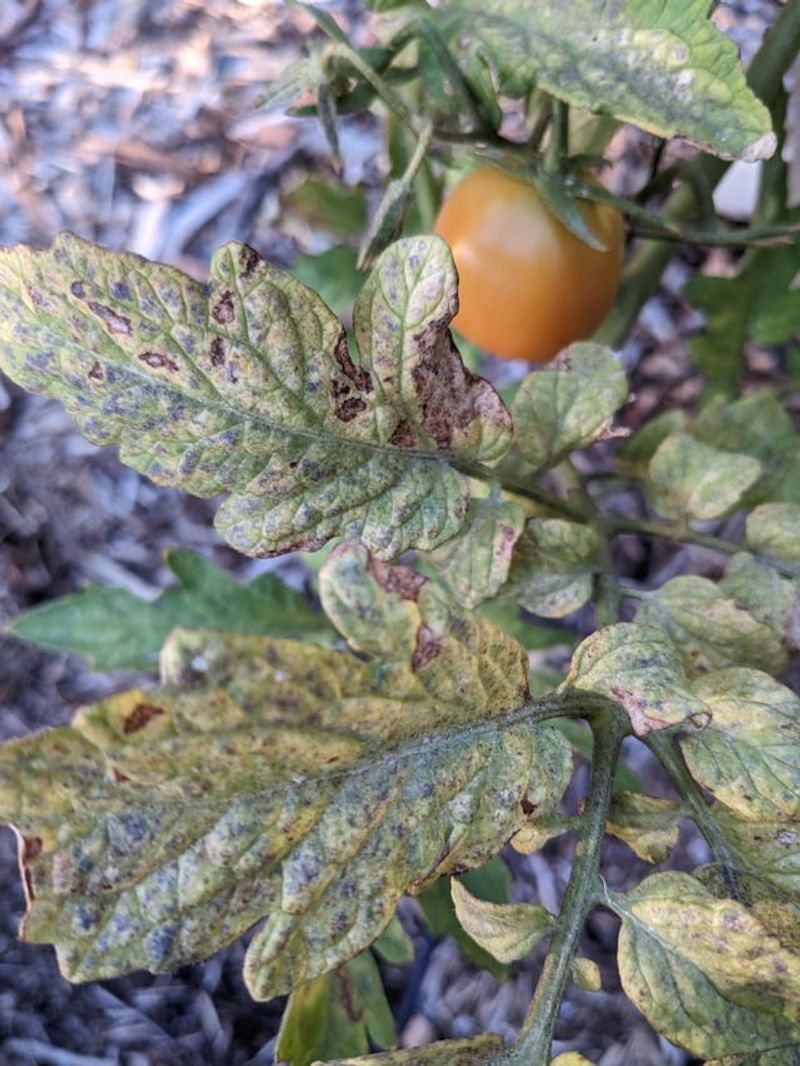
Dark brown or black spots on leaves are one of the earliest warning signs. These spots often have a greasy or water-soaked appearance before they dry out and spread.
Yellowing leaves that start at the bottom of the plant and move upward suggest a soil-borne issue. This pattern is different from normal leaf aging and should not be ignored.
Wilting during cool, overcast days is another red flag. Healthy tomatoes wilt in midday heat but should recover by evening. Wilting on cloudy days points to root or stem damage.
White or gray fuzzy growth on the underside of leaves is a classic sign of downy mildew. This fungal condition thrives in Oregon’s humid conditions and spreads rapidly in wet weather.
Stunted growth combined with discolored stems near the soil line suggests Fusarium or Verticillium wilt. These soil-borne diseases are common in beds where nightshade crops have grown repeatedly.
Checking your plants every two to three days during wet spring weather gives you the best chance of catching problems early. Early detection means faster action and better outcomes.
Your tomatoes are always communicating with you. Learning their language is one of the most rewarding skills a gardener can develop.
Better Spacing Strategies For Nightshade Crops
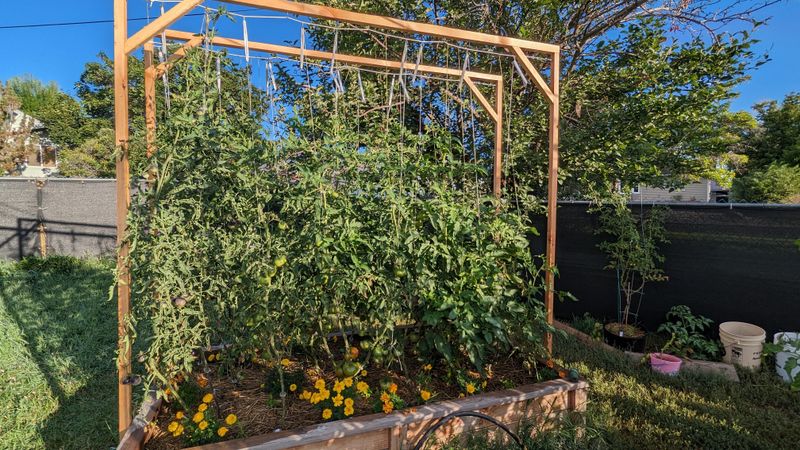
Space is one of the most underrated tools in a gardener’s toolbox. Giving nightshade crops room to breathe is not just about comfort, it is about interrupting disease pathways before they form.
Tomatoes and potatoes should be planted in completely separate sections of your garden. Keeping a generous distance between these crops is the standard recommendation from most university extension programs.
If your garden is small, consider growing one crop in a container on a different side of the property. Physical separation is the goal, even if it requires creative solutions.
Rotating nightshade crops to a new bed each year is equally important. Growing tomatoes in the same spot year after year allows soil-borne pathogens to build up to damaging levels.
A three to four year rotation cycle for nightshade crops is widely considered best practice. That timeline gives soil pathogens time to decline without a host plant to sustain them.
Air circulation within your tomato bed matters just as much as distance from potatoes. Crowding tomato plants together slows airflow and keeps foliage wet longer after rain or irrigation.
Pruning lower leaves and suckers improves air movement around the base of each plant. This simple habit reduces the time moisture sits on vulnerable leaf surfaces.
Better spacing is not a complicated fix, but it consistently produces healthier plants. A little extra planning at planting time pays off through the entire growing season.
Companion Plants That Actually Support Tomato Health
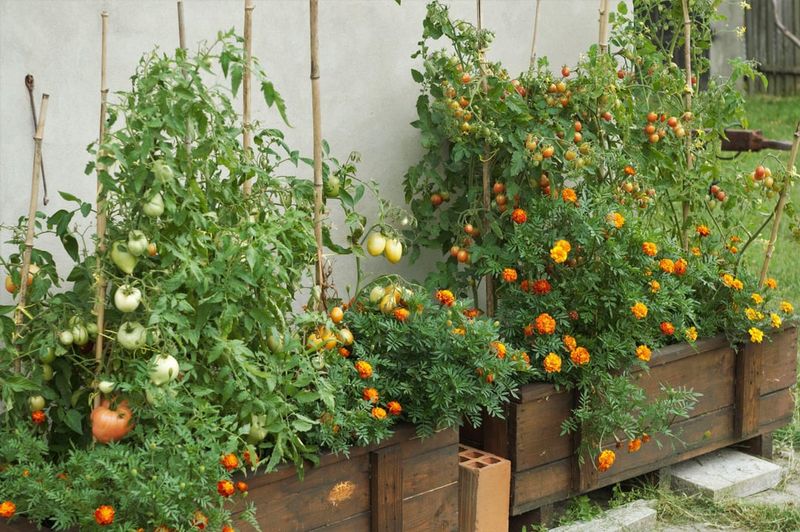
Not every companion plant is a liability. Some plants actively improve the conditions around your tomatoes and make the whole bed stronger.
Basil is one of the most popular tomato companions for good reason. Its strong scent is believed to confuse and repel aphids, thrips, and certain flying insects that target tomato foliage.
Marigolds are a powerhouse in the companion planting world. Their roots release a natural compound that suppresses nematodes in the soil, and their flowers attract beneficial insects that prey on common pests.
Borage is a somewhat underrated herb that deserves more attention in Oregon gardens. It attracts pollinators, repels tomato hornworms, and adds trace minerals back to the soil as it breaks down.
Carrots planted near tomatoes help break up compacted soil with their deep roots. Looser soil improves drainage, which is critical in a climate where waterlogged beds invite root rot.
Parsley attracts predatory wasps that feed on caterpillars and aphids. Having these natural pest controllers nearby reduces the need for any intervention on your part.
Garlic is another strong ally for tomatoes. Its sulfur compounds have antifungal properties, and growing it nearby may help reduce the spread of certain fungal diseases in damp conditions.
The best companion planting strategy for Oregon tomato growers focuses on diversity, airflow, and pest management. Getting these three things right gives your harvest the strongest possible foundation.