The Safer Pruning Window Texas Oak Trees Are Quietly Entering This Month
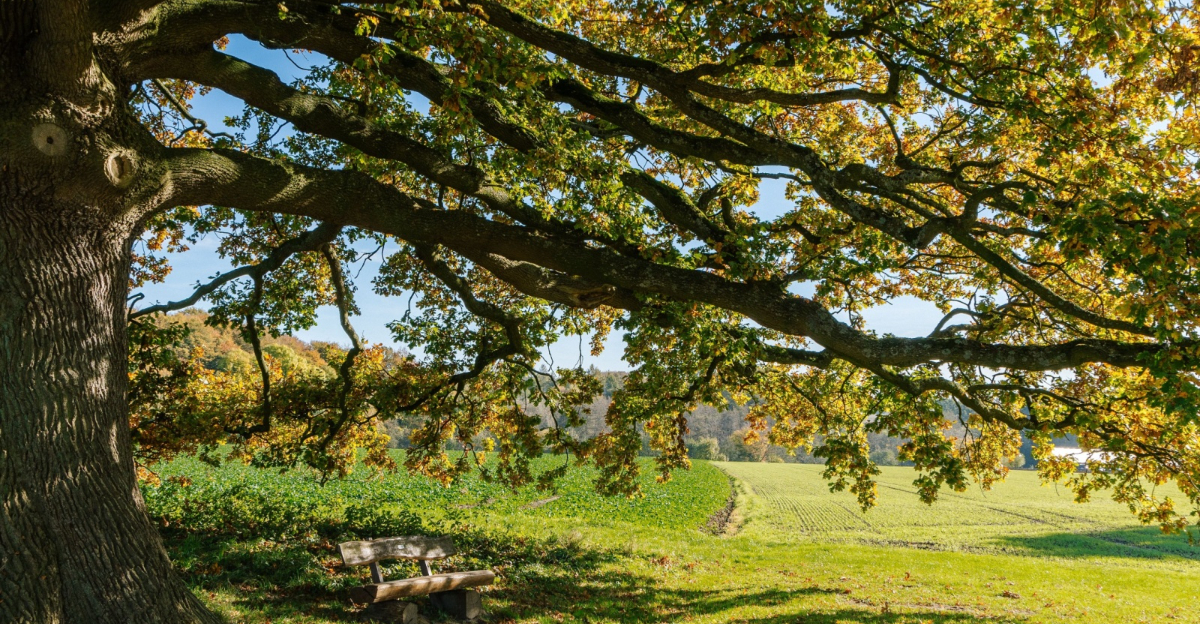
Every year, a quiet shift moves across Texas, and most homeowners miss it entirely. You might already be running out of time.
Live oaks and Spanish oaks nearby follow a hidden calendar. Texas weather quietly opens a narrow pruning window each year. Disease waits patiently, ready to exploit fresh cuts.
Beetles carrying oak wilt slow down during specific weeks. Cutting during this stretch dramatically lowers your tree’s risk. Waiting too long invites damage you can never fully reverse.
Acting too early wastes protection this window offers you. Your oak’s health depends heavily on timing, not luck. Arborists across the state track this window every season.
Knowledge here protects your shade, your property, and your entire long-term investment. Understanding this cycle separates thriving oaks from struggling ones.
Ignoring it risks losing a tree you have carefully nurtured for many years. Nothing about this narrow window forgives hesitation, so act right now.
Why August Is A Safer Month To Prune Texas Oak Trees
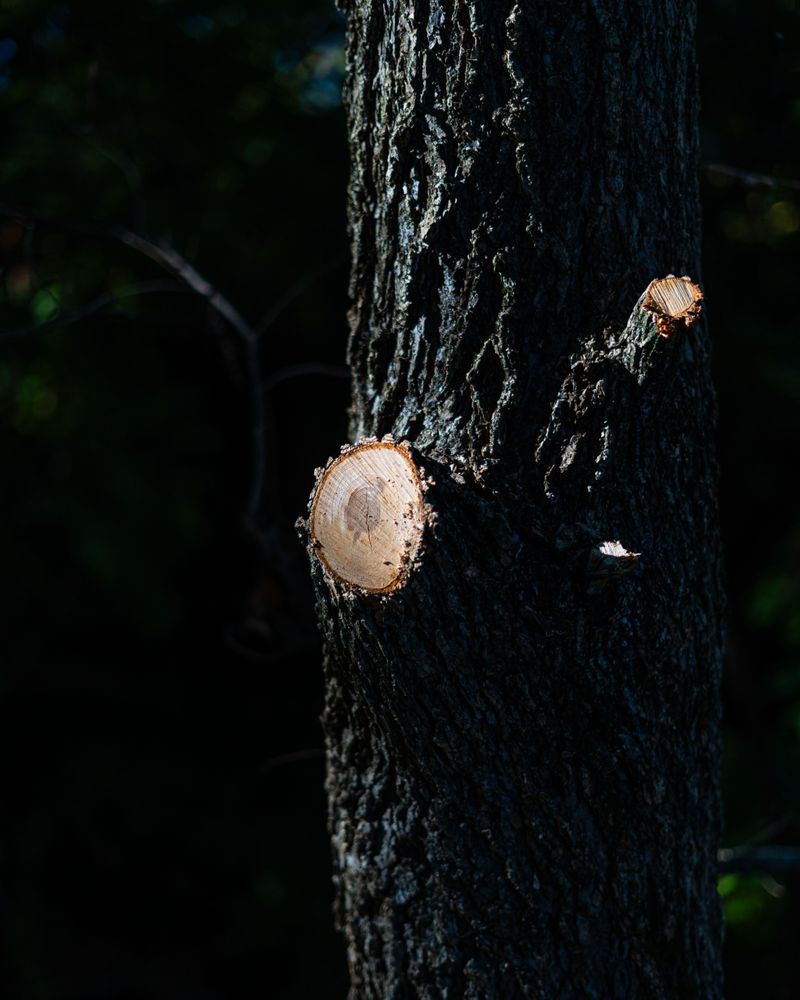
August heat feels intense, but your oaks are quietly breathing easier. This month marks the beginning of a safer pruning window for Texas oak trees, and smart homeowners are taking note.
Summer heat slows down the beetles that spread oak wilt. Fewer beetles flying around means fewer chances for fresh pruning cuts to get infected.
The fungal pathogen behind oak wilt also struggles in high temperatures. Spore mats are far less active when the ground bakes under relentless heat.
Pruning in August gives wounds time to callus before fall growth pushes through. That natural sealing process is your tree’s best built-in defense.
Certified arborists across the state agree that late summer ranks among the lowest-risk periods for oak work. Many schedule their busiest oak pruning jobs between late July and early September.
You still need to seal every cut immediately, no matter the month. Wound sealant applied promptly after cutting is essential, even during safer windows.
August is not risk-free, but the odds shift meaningfully in your favor. Taking action now could protect your oak trees for decades to come.
What Causes Oak Wilt In Texas Oaks
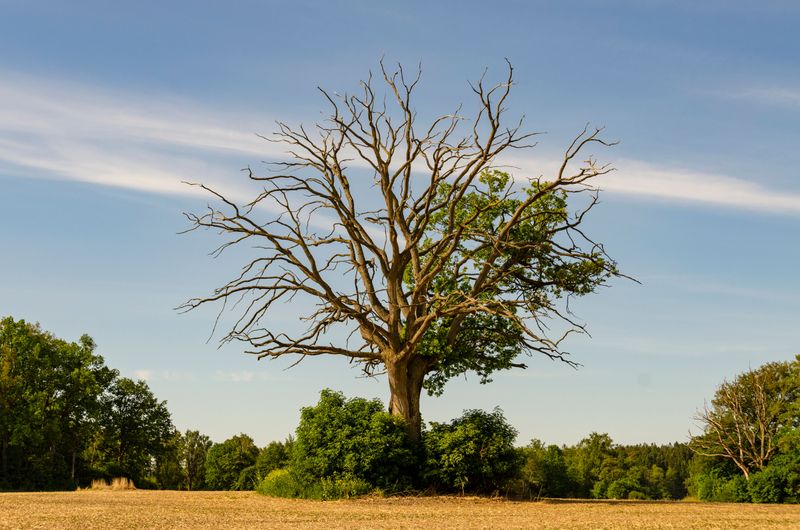
Oak wilt is one of the more damaging tree diseases in the country. It has affected large numbers of oaks across central and eastern parts of the state.
A fungus called Bretziella fagacearum is the culprit behind this widespread problem. Once it enters a tree’s water-conducting system, it blocks moisture from reaching the leaves.
Infected trees often show browning leaves starting at the tips and edges. Within weeks, an entire canopy can turn rust-colored and drop prematurely.
The disease spreads in two main ways: through root grafts and through sap beetles. Root grafts connect neighboring oaks underground, allowing the fungus to travel silently between trees.
Sap beetles pick up fungal spores from infected trees and carry them to fresh wounds. A pruning cut left unsealed for even a short time can become an entry point.
Live oaks and red oaks face the highest risk, though no Texas oak species is completely immune. Red oaks tend to decline faster after infection than live oaks do.
Your Texas Garden Changes Every Week. Your Plan Should Too.
Gardening in Texas changes quickly throughout the season. Every Friday you’ll receive a simple weekly plan showing exactly what to plant, prune, fertilize, harvest, and protect so you never miss the right timing.
Understanding the cause puts you in control of prevention. Knowing the source of the problem is always the first step toward protecting your trees.
The Higher-Risk Window From February Through June
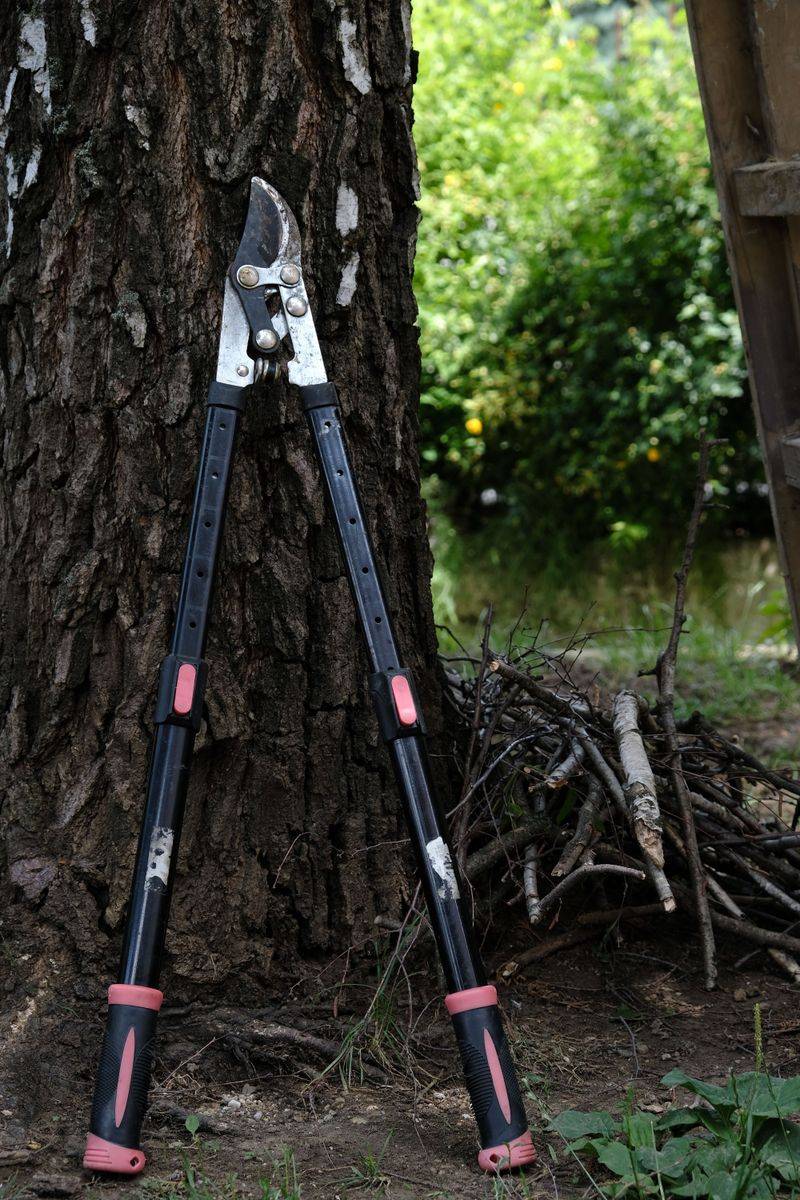
Spring feels like the perfect time to grab your pruning shears, but hold on. February through June is actually the highest-risk period to cut into any Texas oak.
Beetle populations surge during mild spring temperatures, making them extremely active. Those insects are hunting for fresh tree wounds to feed on and breed near.
Sap beetles are especially drawn to the smell of freshly cut wood. They can arrive at an open pruning wound very soon after the first cut.
Spring is also when fungal spore mats develop on recently infected oaks. Those mats release spores that beetles pick up and carry to your healthy trees.
Many homeowners prune in spring because trees look their worst after winter. Bare branches and bare limbs are obvious, so the urge to clean things up is strong.
Resisting that urge during peak-risk months is one of the smartest moves you can make. A little patience in spring can prevent years of costly damage later.
If you absolutely must prune between February and June, seal every wound as quickly as possible. Even then, understand that risk remains elevated no matter how careful you are.
Why Beetle Activity Drops During Summer Heat
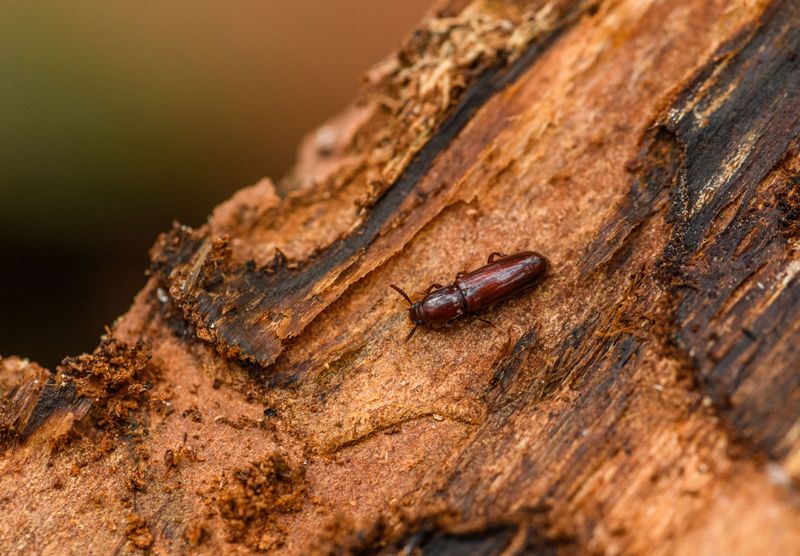
Beetles are surprisingly sensitive to extreme heat, and Texas summer heat works in your favor because of it. When temperatures climb into the high nineties consistently, beetle flight activity tends to drop off.
Sap beetles prefer cooler, moister conditions to fly and feed effectively. The scorching air of a Texas August makes those conditions nearly impossible to find.
Reduced beetle movement means fewer insects are searching for fresh wounds on oak trees. That simple fact is why late summer pruning carries a lower infection risk.
Spore mats on infected oaks also dry out and become non-viable in intense heat. Without active spore mats, beetles have nothing dangerous to pick up and carry.
Fewer spores and fewer active beetles combine to create a much safer environment for pruning cuts to heal.
This does not mean beetles disappear entirely during summer months. Isolated pockets of activity can still occur, especially after brief rain events cool things down.
Staying aware of weather patterns adds an extra layer of protection to your pruning decisions. A cool, rainy stretch in August warrants a short pause before you start cutting.
Proper Pruning Techniques And Immediate Wound Sealing
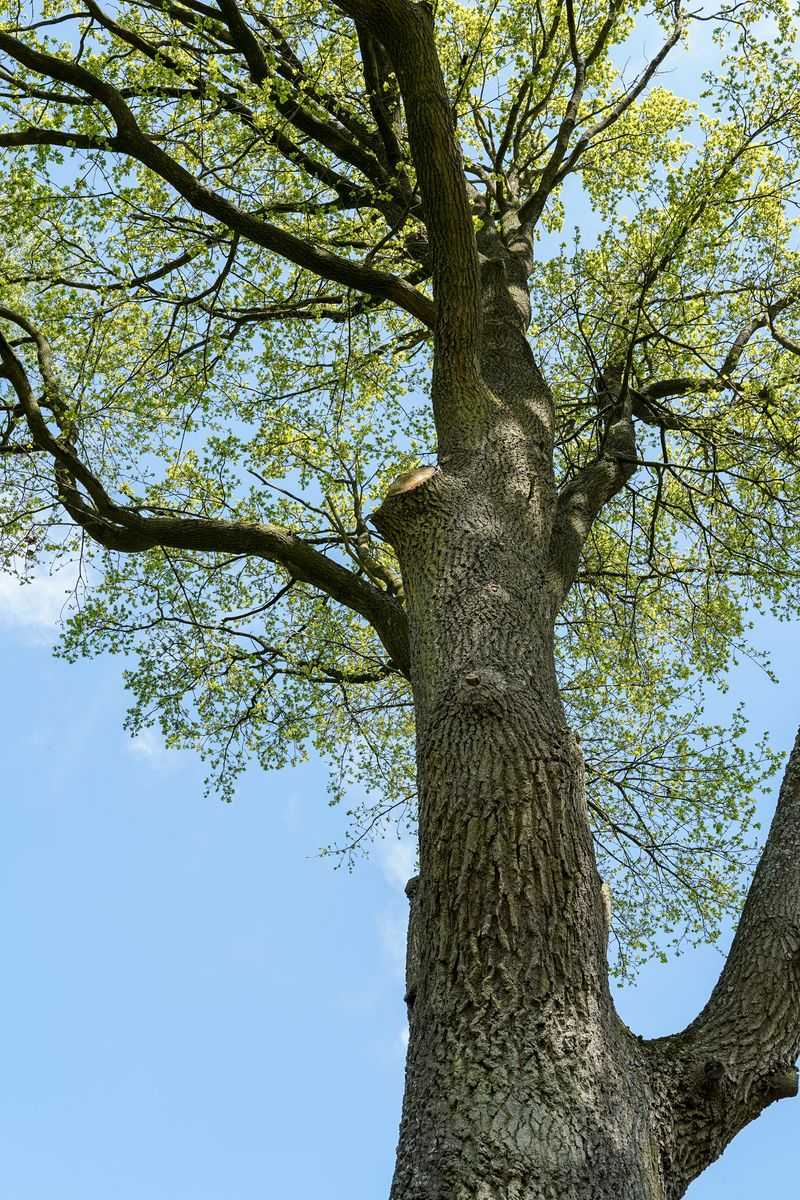
Good pruning is part science and part timing, and both matter equally. Cutting in the wrong place or skipping wound sealant can undo every good decision you made about timing.
Always cut just outside the branch collar, which is the swollen area where a branch meets the trunk. Cutting too close or too far damages the tree’s natural healing zone.
Use sharp, clean tools every single time you make a cut. Dull blades crush wood fibers rather than slicing cleanly, leaving wounds that take longer to close.
Sterilize your pruning tools between cuts using a 10 percent bleach solution or rubbing alcohol. This step prevents you from accidentally transferring pathogens from one branch to another.
Wound sealant should go on as soon as possible after every cut, ideally within minutes. Products like Tanglefoot or latex-based pruning paint create a barrier beetles cannot easily penetrate.
Never prune on windy days when beetles might be more active and spores could drift. Calm, hot, dry days offer the safest conditions for summer oak work.
Proper technique transforms a risky task into a manageable one. Follow these steps consistently, and your oak trees are far more likely to enjoy decades of strong, healthy growth.
DIY Vs. Hiring A Certified Arborist For Oak Work
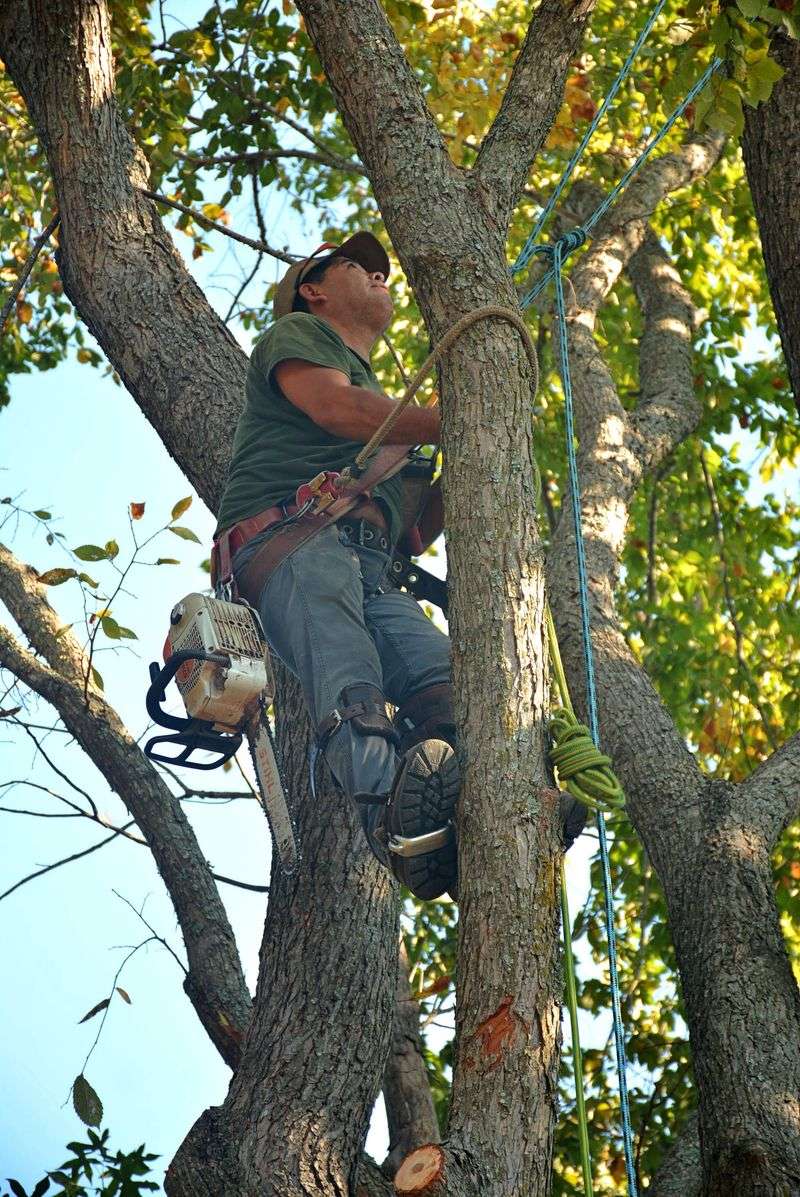
Grabbing a saw and heading outside feels empowering, but oak trees deserve a harder look before you start. Not every pruning job is a safe DIY project, especially with large or mature oaks.
Smaller branches are often manageable for a careful homeowner, though size alone isn’t the only factor to consider.
Anything larger introduces risks that go beyond just oak wilt, including falling limbs and structural damage.
A certified arborist carries credentials from the International Society of Arboriculture, which signals real training. These professionals understand tree biology, safe climbing, and disease prevention at a level most homeowners simply cannot match.
Arborists also carry liability insurance, which protects you if something goes wrong on your property. That coverage alone often justifies the cost of hiring a pro.
For smaller cleanup tasks, a confident DIYer with sharp tools and proper sealant can do solid work. The key is knowing your limits before you make that first cut.
Get at least two quotes from ISA-certified arborists before committing to any large oak job. Ask specifically about their oak wilt prevention protocols and wound sealing practices.
Choosing the right approach protects both your tree and your wallet. A healthy oak can meaningfully support your property value, making professional care a worthwhile investment.
Building A Year-Round Oak Care Calendar
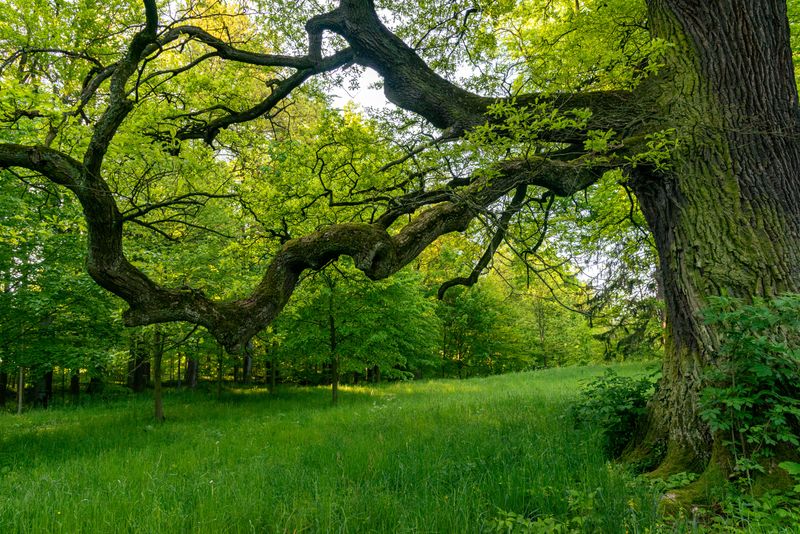
Caring for oak trees is not a once-a-year task you squeeze in on a Saturday. A simple year-round calendar keeps your trees healthy and takes the guesswork out of every season.
January is a good month for inspection, not cutting. Walk your property and note any bare branches, signs of disease, or structural concerns worth addressing later.
February through June is your hands-off period for pruning Texas oak trees. Focus on mulching, watering during dry spells, and monitoring for early signs of stress instead.
July and August open the safer pruning window you have been waiting for all year. Handle bare-limb removal and light structural pruning during this lower-risk stretch.
September and October are excellent months for a second round of light pruning if needed. Beetle activity remains low, and cooler air helps wounds seal efficiently before winter sets in.
November and December call for another inspection pass and soil care. Adding a fresh layer of mulch around the root zone helps protect oaks during cold snaps.
A written calendar posted in your garage or saved on your phone keeps you consistent. Consistent care is what separates thriving, century-old oaks from struggling trees that never quite recover.