What To Do With Your Florida Salvia In August Before The Rain Rots The Roots
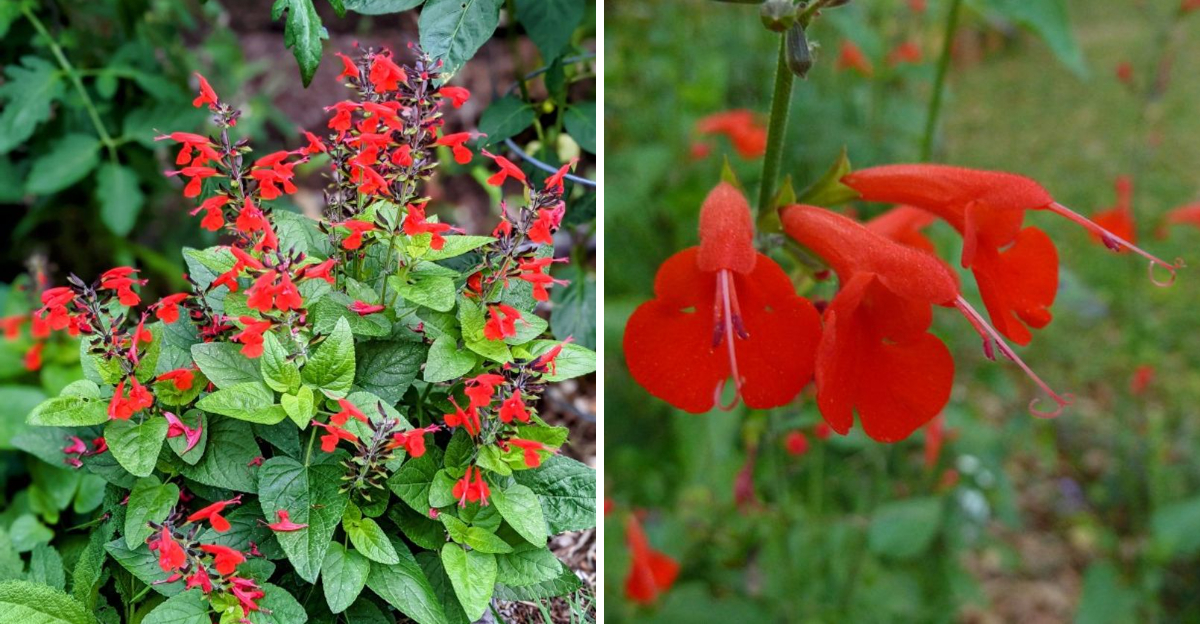
Florida salvia can look perfectly fine at breakfast and strangely defeated after the third storm of the day.
August makes that kind of change happen fast.
The rain keeps coming. Humidity barely drops. Mulch stays wet, containers drain slowly, and the soil may feel damp long after the clouds move on.
Salvia can handle heat, but constant saturation is a different challenge.
Roots still need oxygen. Crowded foliage needs time to dry. A crown buried under soggy mulch can stay wet long enough for trouble to start before the top of the plant gives you an obvious warning.
So what deserves attention right now?
Start with the places that hold water longest. Check the crown, the root zone, the drainage holes, and the space between neighboring plants.
Then ease up on everything that pushes more moisture or soft growth.
A few small August adjustments can keep salvia from spending the rest of summer recovering from a problem that started quietly below the soil after one rainy week of heavy rain.
1. Pull Mulch Back After Heavy Rain
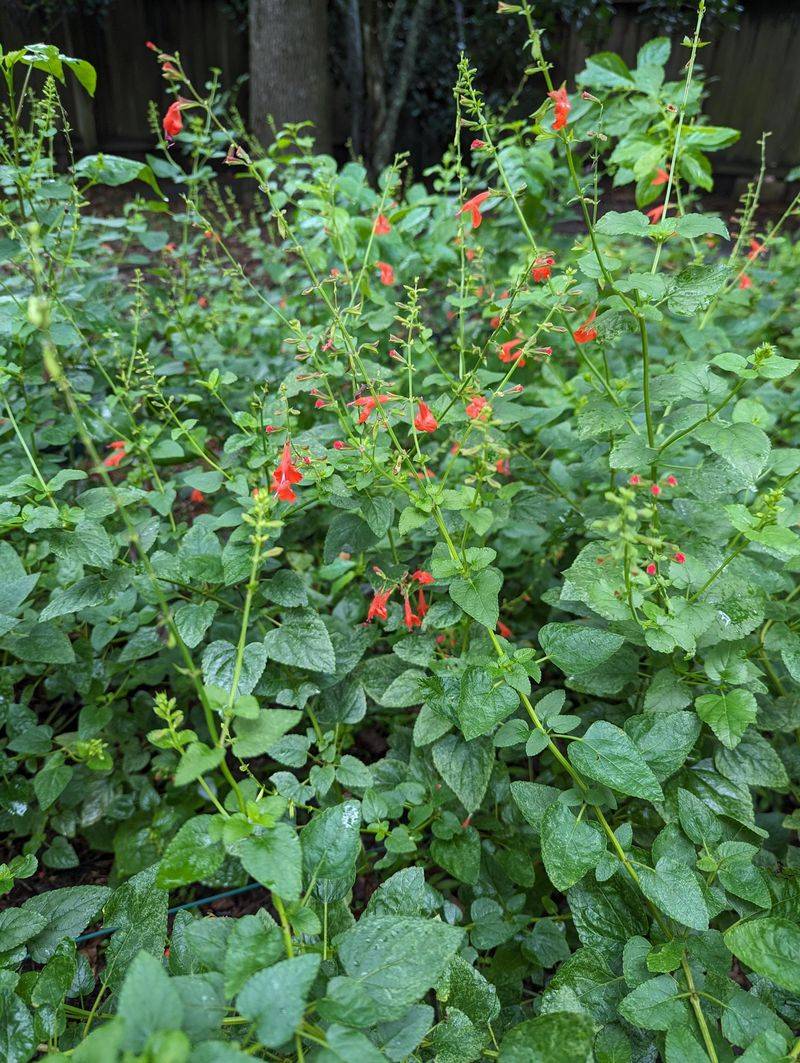
A soaked mulch ring can keep the wrong part of salvia wet long after the storm ends.
The crown, where stems meet the root system, needs air around it. Mulch piled directly against that area can trap moisture through Florida’s humid August weather and slow the drying that normally happens between showers.
Pull the mulch back several inches from the base.
You are not stripping the bed bare. Keep the wider layer in place for soil temperature control and moisture conservation, but open a small ring around the stems so the crown is visible.
Then inspect what you uncovered.
Healthy crown tissue should feel firm. Soft, darkened, or sour-smelling material deserves closer attention because prolonged wetness can encourage decay and disease problems.
Keep mulch around two to three inches deep across the rest of the bed.
A much thicker layer can hold more water than the root zone needs during a rainy stretch, especially in low spots where runoff already collects.
Check again after strong storms.
Wind and flowing water can push mulch back against the plant even after you fixed the spacing once.
Salvia likes mulch. It just does not need a wet scarf wrapped around its neck in August. Give the crown a little open air, and the rest of the mulch can keep doing its useful work farther out.
2. Let The Root Zone Dry Between Storms
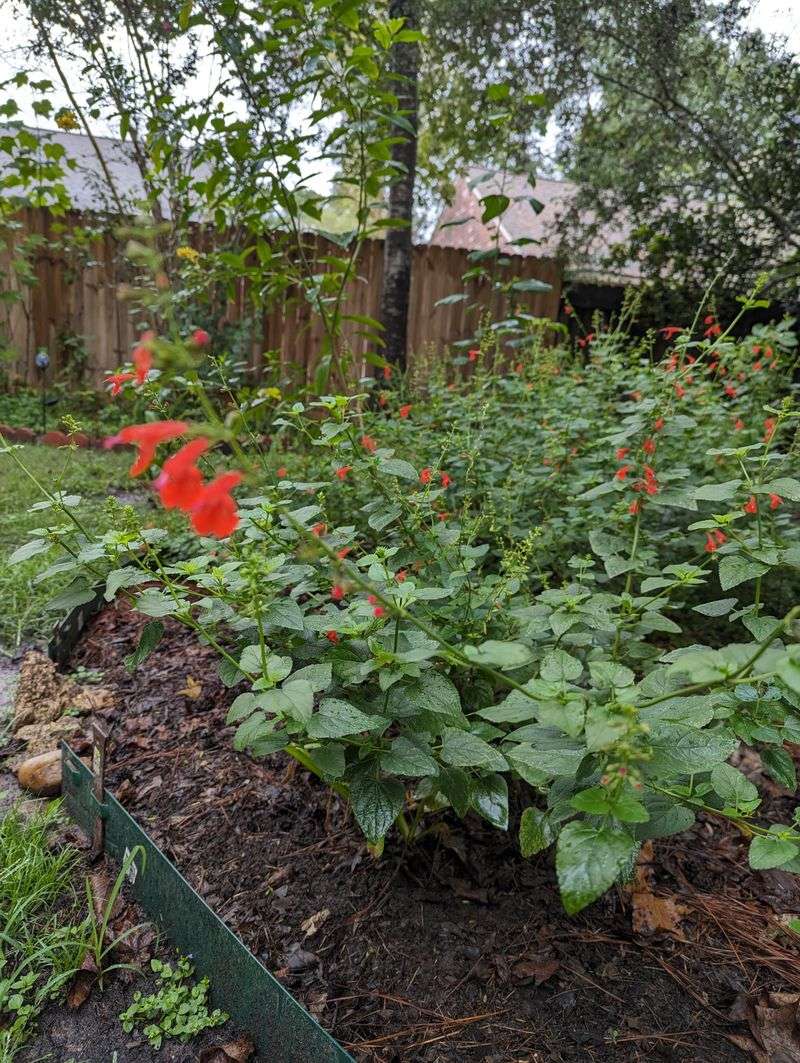
A drooping salvia after rain does not automatically need another drink.
Saturated soil can leave roots short on oxygen even while plenty of water surrounds them. That creates the strange situation where a plant looks thirsty while the root zone is already far too wet.
Check below the surface before touching the hose.
Push a finger or wooden dowel two to three inches into the soil near the plant. Damp soil clinging to it means the root zone still has moisture to work through.
Pause scheduled irrigation during rainy stretches.
Automatic systems can easily add water on top of afternoon storms, keeping the bed saturated day after day. A rain sensor or manual adjustment can prevent that unnecessary extra soak.
Your Florida Garden Changes Every Week. Your Plan Should Too.
Gardening in Florida changes quickly throughout the season. Every Friday you’ll receive a simple weekly plan showing exactly what to plant, prune, fertilize, harvest, and protect so you never miss the right timing.
Watch low areas more closely.
Florida beds with poor drainage may stay wet much longer than raised or sandy sites, so two salvias in the same yard can need very different watering schedules.
Let the soil move from wet toward slightly dry before irrigation resumes.
That cycle gives air a chance to return to the pore spaces around the roots.
Salvia is usually more forgiving of a short dry spell than prolonged saturation.
August already sends plenty of water from the sky. There is no prize for helping. During a stormy week, the most useful watering technique may be leaving the irrigation controller alone and letting the root zone breathe.
3. Raise Container Salvia Above Standing Water
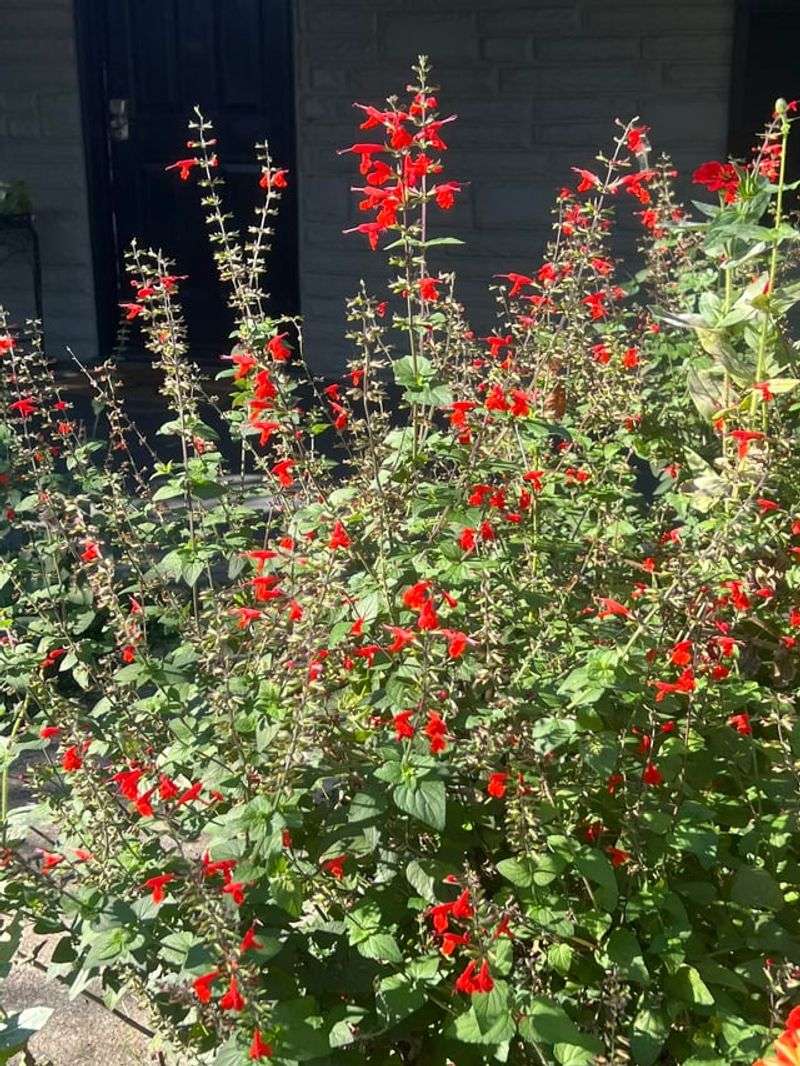
A container sitting flat on a patio can turn one drainage problem into two.
Rain fills the pot from above, then pooled water around the base slows the exit below. Even a container with good drainage holes can stay soggy when those openings sit against a wet surface.
Raise the pot slightly.
Pot feet, narrow slats, or another stable support can create enough clearance for water to move freely away from the bottom. You only need a small gap beneath the container.
Check saucers at the same time.
A saucer full of storm water can keep the pot base submerged for hours. Empty it after heavy rain or remove it during a long wet stretch.
Decorative outer pots deserve attention too.
A nursery container may drain perfectly while the solid cachepot around it quietly fills like a bucket. Lift the inner pot out, dump the collected water, and let it drain in open air.
Keep the setup stable.
Rain-soaked containers become heavy, and a wobbly riser can create a new problem during gusty weather.
Container salvia has one useful advantage over plants rooted in the bed: you can change its drainage situation in a few minutes.
Give the bottom of the pot somewhere to send the water. The roots need an exit strategy, not a front-row seat to a patio puddle after every August storm.
4. Clear Every Blocked Drainage Hole
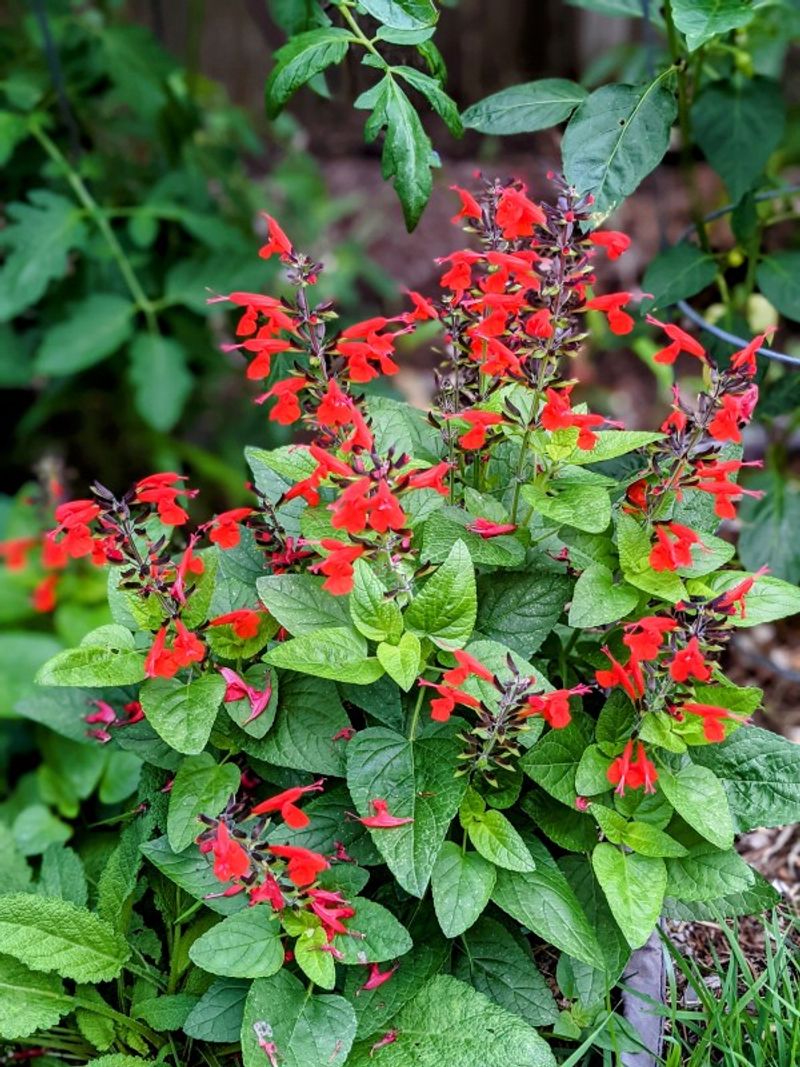
Drainage holes can exist without actually doing much drainage.
Roots may grow across the opening. Old potting mix can compact near the bottom. Leaves, soil, and storm debris can press against the outside after a hard downpour.
Tip the pot gently and inspect the base.
Clear loose debris first. A wooden skewer or pencil can help open a minor blockage without tearing aggressively through the root system.
Notice roots pushing through the hole.
That can signal a plant becoming crowded in its container. One or two roots are not an emergency, but a dense mat across every opening can slow drainage and tell you the pot is running out of usable space.
Skip the gravel layer myth.
A layer of stones at the bottom does not replace a working drainage hole and can leave less room for healthy roots. Good potting mix and an open exit matter more.
Watch how quickly water leaves after the next rain.
A pot that holds a puddle on the surface for a long time may have compacted mix as well as blocked openings.
Repotting can wait for a calmer, drier day when the plant truly needs it.
For now, restore the pathway out.
A drainage hole is supposed to be a door, not decorative architecture. Make sure August rain can actually use it before the next storm adds another round.
5. Give Crowded Plants More Airflow
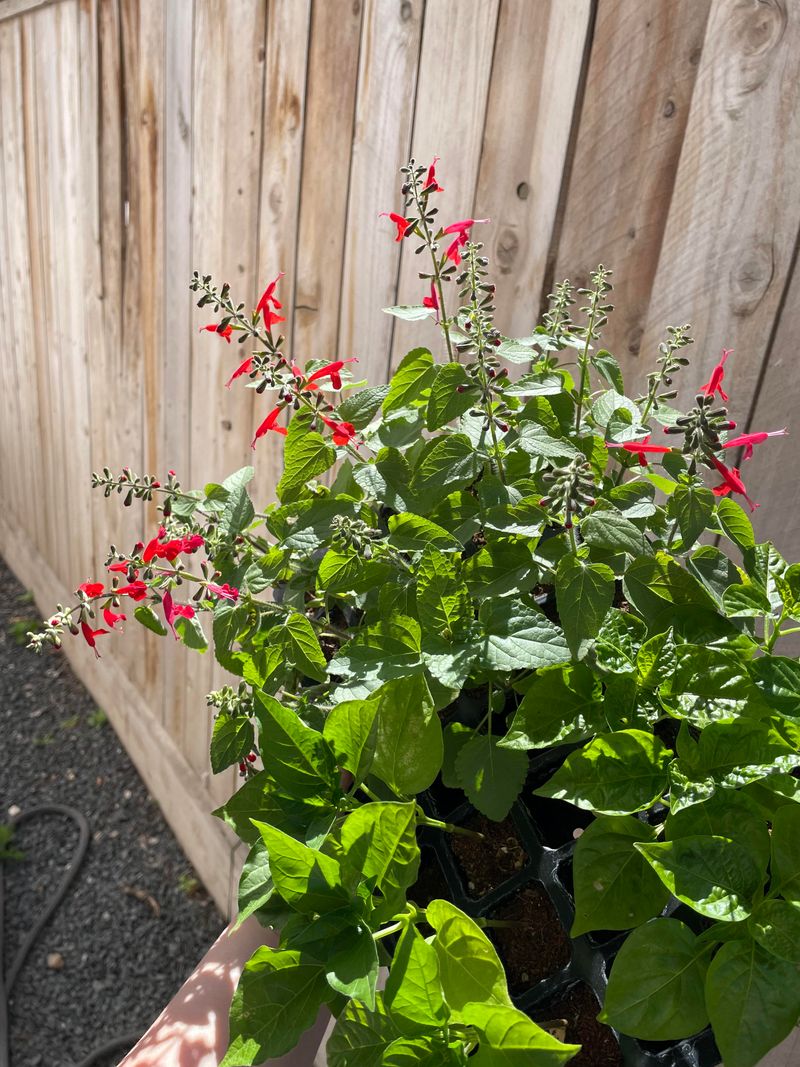
Wet leaves dry much faster when they are not pressed against five neighboring plants.
Crowded salvia can hold humid air deep inside the canopy after an afternoon storm. That slow drying creates better conditions for leaf and stem problems during Florida’s warmest, wettest weeks.
Start by looking through the plant.
You should be able to see some space between stems rather than one solid mass of foliage from the soil upward.
Remove a few crossing, damaged, or weak interior stems.
Keep the pruning light. August is not the month for turning a mature salvia into a collection of stubs just to improve airflow.
Give neighboring plants room too.
Branches from nearby perennials can close the same gaps you just opened. A little separation between canopies helps moving air reach both plants.
Work after foliage has dried.
Wet leaves and wet tools can make disease spread easier from one plant to another. Clean pruners between suspicious plants and remove affected material from the bed.
Container groups need spacing as well.
Pull pots several inches apart under porches or sheltered areas where air movement is already limited.
You are not trying to make the bed look sparse.
You are giving each plant enough personal space to dry after the daily weather drama. In August, a little elbow room can be more valuable than another bottle from the garden shelf.
6. Trim Spent Blooms Without Cutting Hard
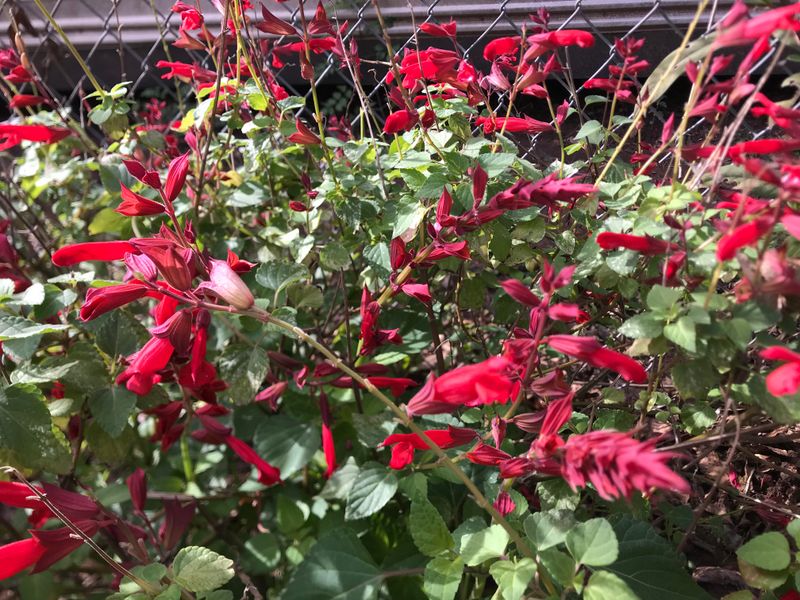
Faded flower spikes can become soggy baggage during a rainy August.
A light cleanup keeps old blooms from hanging against healthy stems while also making the plant look fresher. The trick is knowing when to stop.
Cut spent spikes just above healthy leaves or a side shoot.
That removes tired material without forcing the plant through a major rebuild during heat, humidity, and repeated storms.
Leave hard pruning for a better window.
A severe cut can trigger a flush of soft growth that has to deal with the same wet conditions immediately. Gentle trimming asks much less from a plant already managing summer stress.
Use sharp, clean pruners.
Ragged cuts hold more damaged tissue than a clean snip. Work in the morning after dew dries and before the usual afternoon rain pattern gets started.
Remove obviously affected stems while you are there.
Discolored, mushy, or collapsing material should not stay tangled in the center of the plant.
Do not chase perfect symmetry.
Salvia grows naturally enough that one shorter stem will disappear into fresh growth soon.
August pruning should feel more like clearing a desk than renovating the whole office.
Take away what is finished, open a little space, and leave the healthy framework alone. The plant can spend its energy holding roots and foliage steady instead of replacing half its canopy during the wettest part of summer.
7. Skip Fertilizer While Soil Stays Saturated
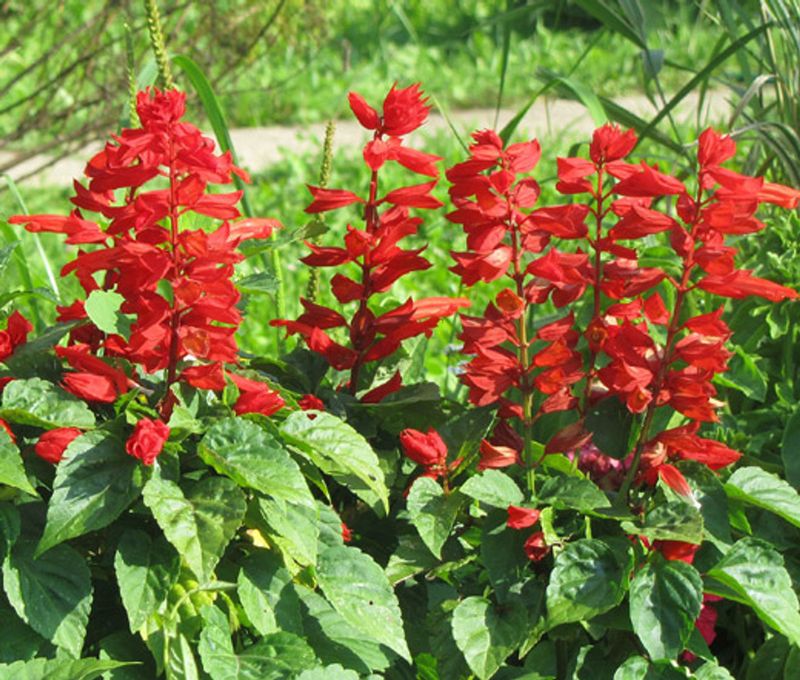
A stressed salvia can make fertilizer look like an obvious rescue.
Waterlogged roots tell a different story.
Roots sitting in saturated soil cannot function normally, so pushing extra nutrients into that zone rarely solves the underlying problem. The plant needs better oxygen and drainage before it needs another feeding.
Hold fertilizer during prolonged wet weather.
Nitrogen can encourage fast, soft growth at a time when humidity and leaf wetness are already creating extra pressure on tender tissue.
Rain also changes where those nutrients go.
Fertilizer applied before repeated downpours can move beyond the root zone or into runoff instead of staying where the plant can use it.
Wait for a more stable stretch.
The soil should have time to drain, the plant should look steady, and normal growth should resume before feeding becomes part of the plan again.
Even then, keep the approach modest.
Salvia generally does not need to be pushed into excessive leafy growth to bloom well.
Container plants may need nutrients sooner than in-ground plants because repeated watering can wash them from the mix, but saturated media still needs to dry first.
The fertilizer bag can stay closed for a rainy week.
That is not neglect. It is good timing.
A plant with wet roots does not need a bigger dinner. It needs the dining room to stop flooding before anyone brings out another course.
8. Move Pots Under Cover During Rainy Stretches
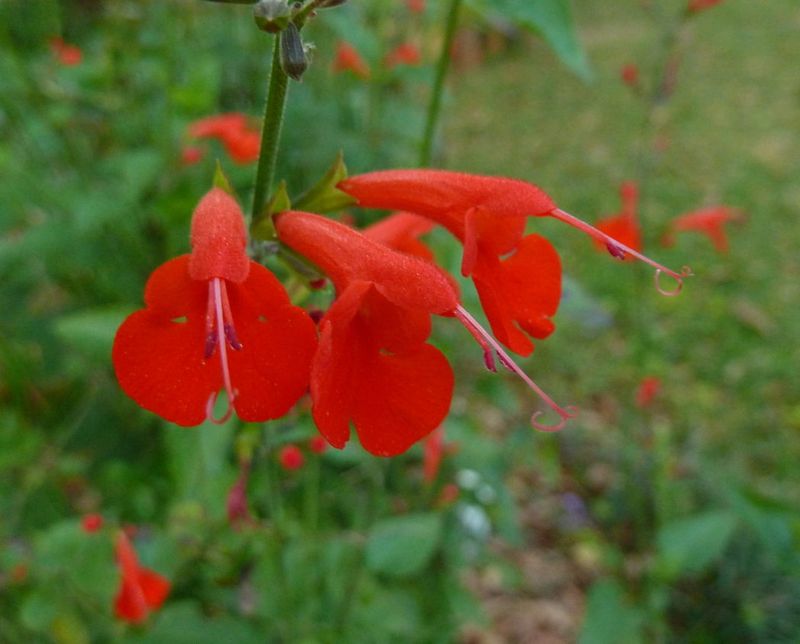
Several days of relentless rain can make portability the best feature of container salvia.
Move pots beneath a porch, roof overhang, or another bright covered spot before another long stretch of storms reaches the garden.
The goal is temporary relief from overhead water.
Keep plants where they still receive strong light and moving air. A dark, enclosed garage trades saturated soil for weak growth and stagnant humidity, which is not much of an upgrade.
Space pots apart under cover.
Crowding them tightly can trap damp air between leaves even after the rain stops.
Check the potting mix each day.
Do not move containers back into open rain simply because the sky clears for one afternoon. Give the root zone enough time to move away from saturation first.
Avoid leaving sun-loving plants under deep cover for too long.
Once the wet stretch breaks and the mix drains properly, return them gradually to their normal exposure.
Heavy containers may be easier to protect in place.
A temporary canopy that does not trap heat or block airflow can reduce direct rainfall without requiring a wrestling match with a giant ceramic pot.
Florida August does not give container gardeners control over the clouds.
It does give them wheels, pot feet, porches, and a little strategy. Sometimes the smartest drainage fix is simply putting a roof between the plant and tomorrow’s storm.