The Florida Garden Bed Location That Creates The Worst Roach Problems Around Foundations
Every Florida gardener knows the feeling of stepping back and admiring a bed gone right. There is some thick greenery, healthy soil, everything exactly where it should be.
What almost nobody notices is the small colony setting up shop somewhere in that same setup. Damp and shaded, exactly the conditions certain uninvited tenants search for.
They don’t announce themselves. They just multiply, quietly, while your plants keep thriving right above them like nothing’s happening underneath.
Your layout choice decides if your garden stays a garden, or turns into their permanent address. Small fix, big difference, and it starts with rethinking where you actually plant.
Mulch Beds Against The Foundation Trap Moisture Roaches Need
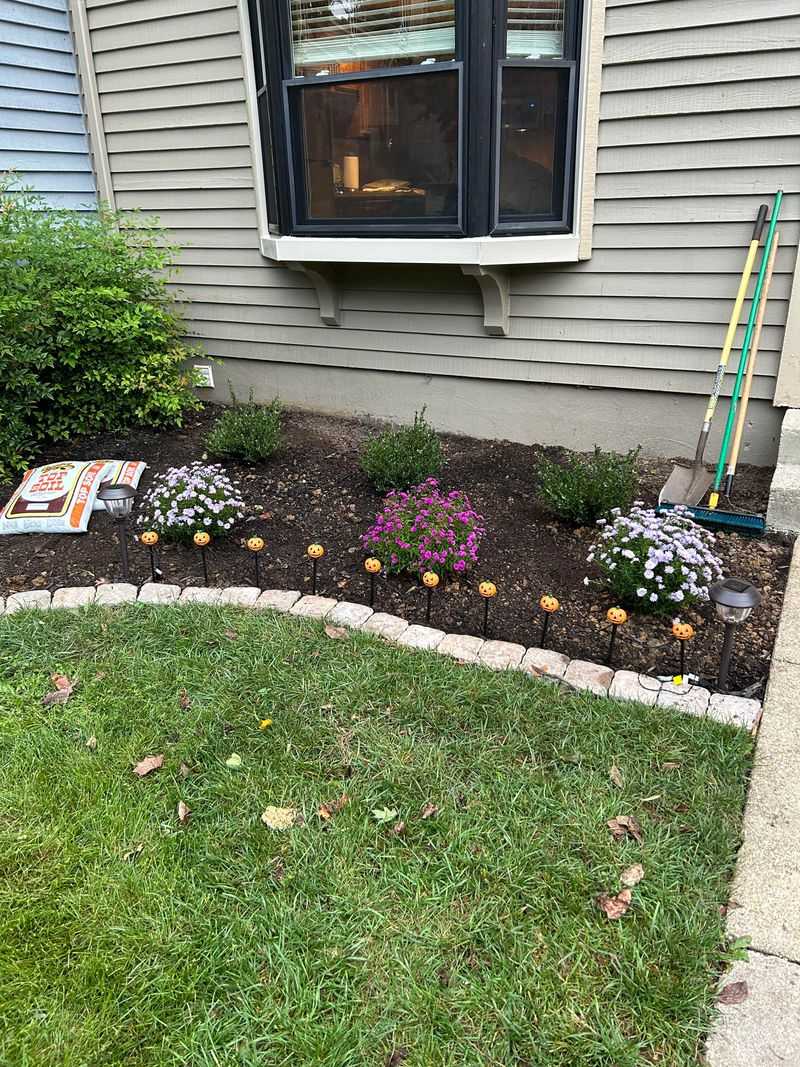
Roaches don’t discriminate, but moisture drives every decision they make. Mulch pressed against your home’s edge behaves like a sponge that rarely gets the chance to dry out.
Florida heat pulls water fast during the day, yet mulch locks that moisture underneath. The soil beneath a thick layer stays damp long after the surface looks bone dry.
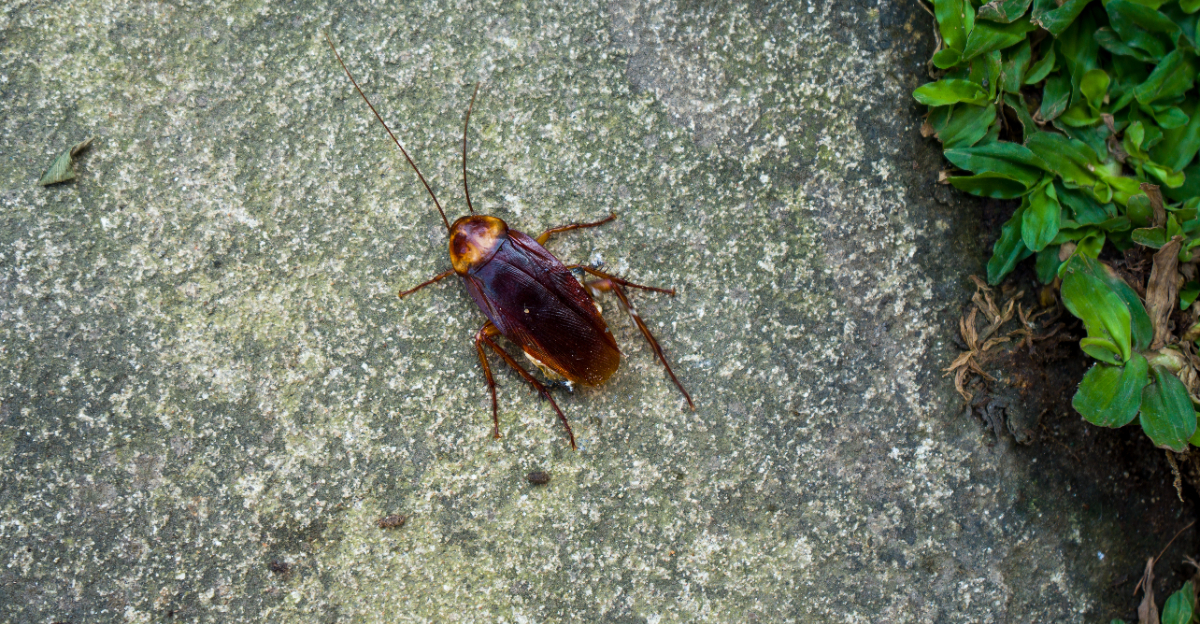
American cockroaches, the big reddish-brown ones Floridians call palmetto bugs, actively seek out this kind of environment. They burrow into damp mulch and breed rapidly when conditions stay consistently wet.
Wood chip mulch is especially problematic near foundations. It holds water efficiently and begins breaking down into soft organic material that roaches can eat and hide inside.
The worst roach problems around foundations almost always involve mulch piled four or more inches thick. That extra depth creates a dark, humid tunnel system right at your home’s base.
Switching to gravel or rubber mulch near the foundation can make a noticeable difference. Inorganic materials do not retain moisture the same way, making the environment far less inviting for roaches looking for a home base.
Even watering habits play a role in how much moisture mulch holds onto near the foundation. Overwatering garden beds close to the house adds even more dampness to an already saturated environment, giving roaches one more reason to stick around.
Direct Wall Contact Gives Roaches An Easy Indoor Entry Point
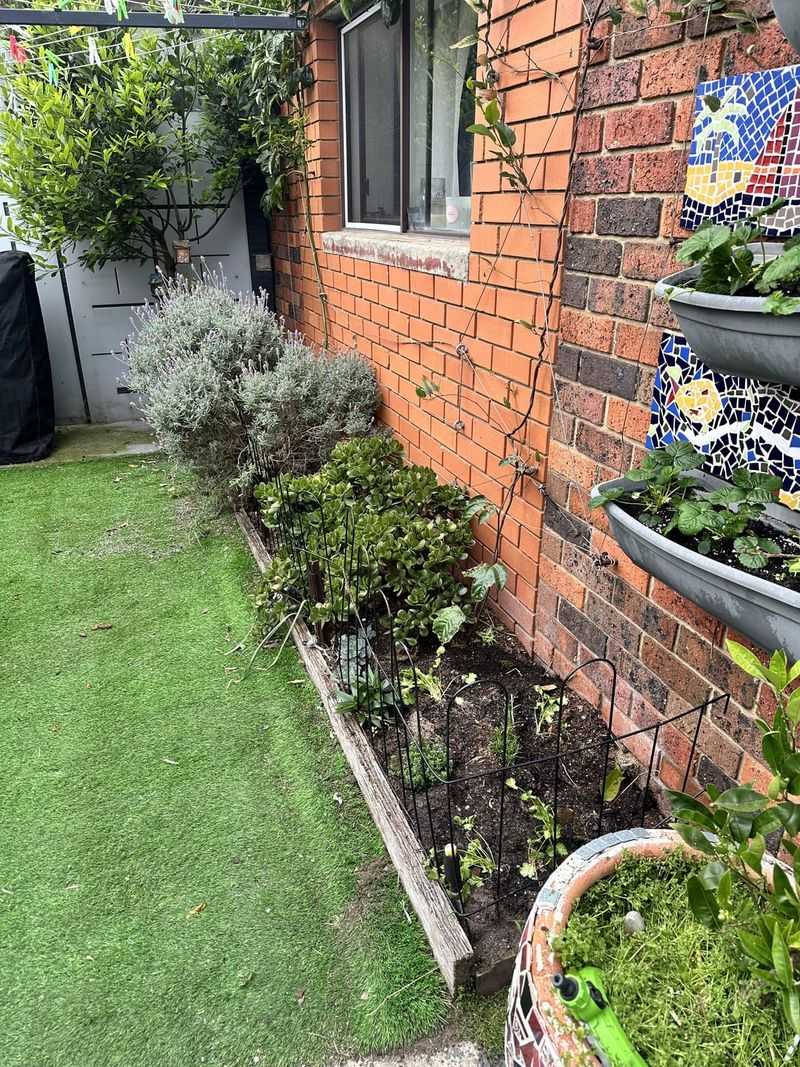
Picture a bridge built straight to your front door. That’s exactly what a garden bed touching your exterior wall creates for roaches.
Plants, stems, and mulch pressed against the wall give roaches a physical path from soil to siding. They follow that route straight toward gaps in your foundation.
Even tiny cracks around pipe entries or weep holes become easy access when roaches are already living inches away. The garden bed removes the open space that would otherwise slow them down.
Vines and climbing plants make the problem worse when their stems creep up the siding itself. That kind of contact gives roaches a vertical route straight toward vents and window frames higher up the wall.
Stucco and brick homes are not immune either, since roaches can squeeze through gaps far smaller than most homeowners realize. A single branch resting against the exterior is often all it takes to bridge that gap.
Your Florida Garden Changes Every Week. Your Plan Should Too.
Gardening in Florida changes quickly throughout the season. Every Friday you’ll receive a simple weekly plan showing exactly what to plant, prune, fertilize, harvest, and protect so you never miss the right timing.
Homeowners often trim plants for looks without realizing the same trim job doubles as pest prevention. Keeping branches and vines clear of the wall closes off a route roaches would otherwise use without hesitation.
Seasonal growth spurts can undo months of trimming in just a few weeks during Florida’s warmer months. Checking wall contact regularly, not just at planting time, keeps that entry point closed year-round.
A garden bed touching the wall gives roaches a direct bridge from soil to siding. Keeping plants twelve inches back forces them across open ground, exposed and vulnerable.
Dense Plantings Against The House Hide Roaches From Predators
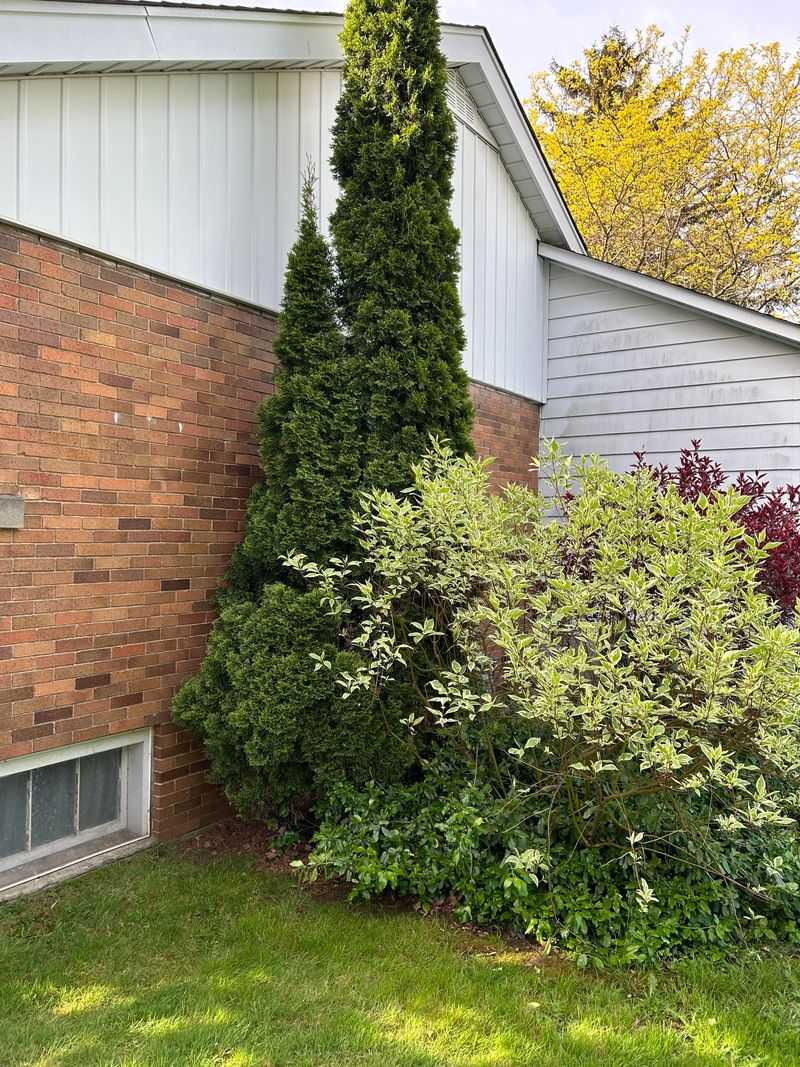
Roaches are prey animals, and they know it. Dense plantings give them exactly the cover they need to move, breed, and thrive without being spotted.
When garden beds are packed tightly with tropical shrubs, ferns, or ground cover, the area between the plants and the wall becomes a shadowy corridor. Birds, lizards, and other natural predators cannot reach roaches hiding in there.
Florida is home to some excellent roach predators, including the Cuban anole lizard and several ground-feeding birds. Open, visible garden spaces let these animals do natural pest control work for free.
Blocking their access with dense plantings removes that natural check on the roach population. Without predator pressure, colonies grow faster and push further indoors when they run out of space outside.
Groundcover plants like pothos or creeping fig are common culprits, their thick foliage hugging the soil and blocking sightlines. Roaches move freely underneath without ever crossing exposed ground.
Thinning out garden beds near the foundation creates sight lines that predators can use. Spacing plants eight to ten inches apart may not look as lush, but it makes the area dramatically less hospitable for roaches.
Roach problems around foundations often peak in summer, when plant growth is at its thickest. Regular pruning during these months isn’t just about looks, it’s a real defense against a major pest pressure point.
Decaying Leaf Litter Along The Foundation Feeds Roach Colonies
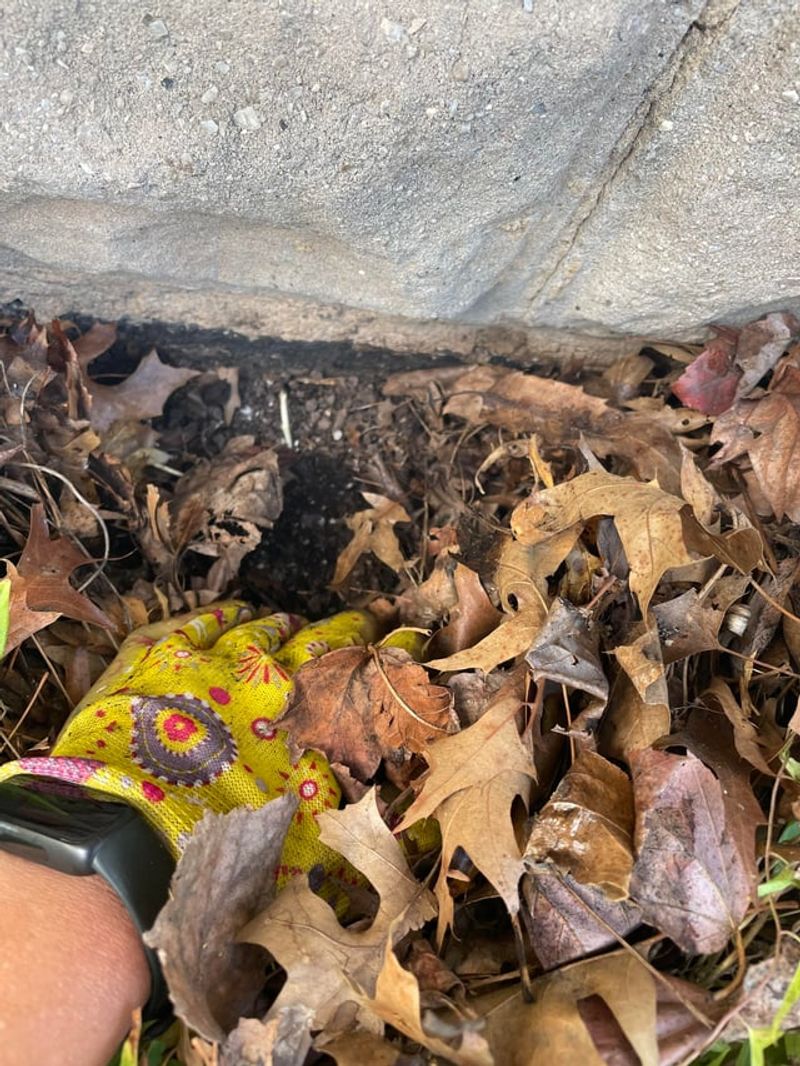
Leaf litter is roach fast food, and most homeowners do not even realize they are serving it up daily. Fallen leaves that pile up along the foundation create a steady food source for growing colonies.
As leaves decompose, they become soft and full of fungal growth. Roaches eat both the rotting plant matter and the fungi, making leaf litter a self-replenishing buffet right at your doorstep.
Oak trees, which are incredibly common across the Sunshine State, drop leaves almost year-round. That constant supply means leaf litter along garden beds keeps building up without regular cleanup.
A two-inch layer of leaves against the foundation can shelter a surprising number of roaches in various life stages. Eggs, nymphs, and adults all find shelter in that compressed, moist layer of decaying material.
Clearing leaf litter from foundation beds every two weeks during fall and winter makes a measurable difference. Roaches need consistent food and shelter, and removing both at once disrupts their ability to settle in.
Some homeowners rake leaves toward the foundation, thinking it protects plants during cooler nights. That exact habit is often behind the worst roach problems around foundations.
Move leaf piles away from the house instead, and compost them in a distant corner of the yard. Less cover near the wall means fewer places for roaches to hide.
Shaded Foundation Beds Stay Damp Long After Florida Rain
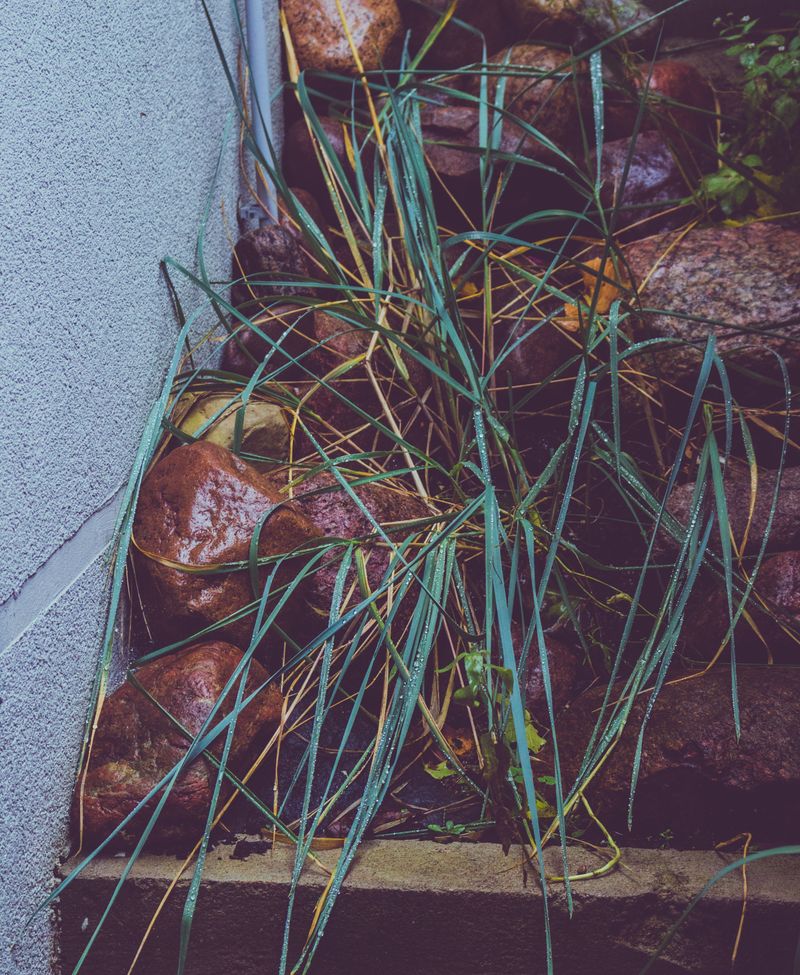
After a Florida afternoon storm, most sunny garden beds dry out within a couple of hours. Shaded foundation beds are a completely different story.
North-facing garden beds or areas blocked by large trees can stay wet for hours longer after rainfall. That extended dampness is exactly the kind of environment that cockroaches seek out when choosing where to settle.
Sun exposure is one of the most powerful natural forces keeping roach populations in check near homes. Without direct sunlight hitting the soil, moisture lingers and temperatures stay lower, creating near-perfect conditions for pest activity.
Many Florida homeowners plant shade-loving tropicals like cast iron plants or bromeliads in these darker spots. Those plants are beautiful, but their dense root systems and leaf structures trap even more moisture close to the soil surface.
Homes facing north or nestled under mature oak canopies deal with this year-round, since the sun rarely reaches the soil at any point in the day. Even a light afternoon drizzle can leave those beds damp well into the next morning.
Adding gravel or permeable ground cover between the bed and the foundation breaks that moisture cycle. Water drains faster, cutting down the dampness roaches depend on.
Shaded beds get even worse when gutters or downspouts add runoff into the mix. Redirecting that flow away from the bed turns a roach hotspot into a manageable, pest-resistant space.
Pulling Mulch Back From The Foundation Reduces Roach Activity
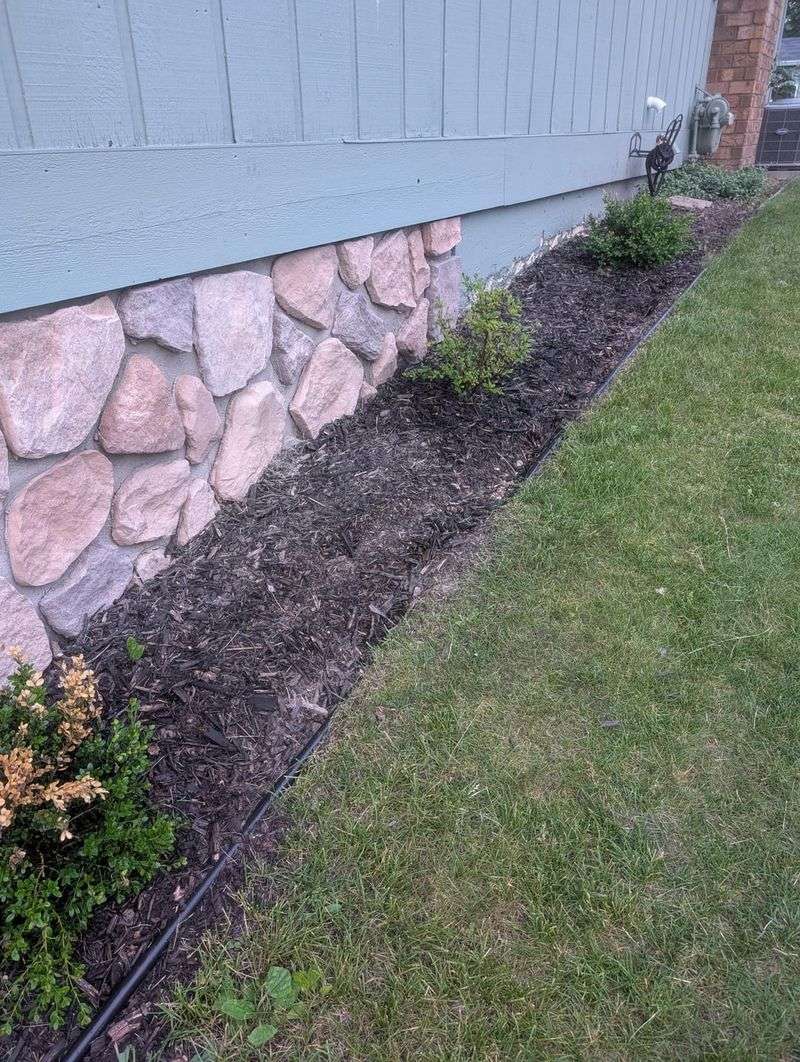
One of the most effective roach prevention steps costs nothing but a little time. Pulling mulch back at least twelve inches from the foundation wall creates a dry barrier roaches hate crossing.
That exposed zone heats up quickly in the Florida sun and dries out fast after rain. Roaches avoid open, dry, bright areas because crossing them means becoming vulnerable to predators and dehydration.
Many pest control experts call this the foundation clearance zone, and it is one of the first things they recommend. Creating that gap alone can reduce cockroach pressure around a home significantly without any chemical treatment.
Filling the clearance zone with coarse gravel or river rock adds another layer of protection. Gravel does not retain water, does not decay into food, and does not provide the soft burrowing material roaches prefer for nesting.
Homeowners who make this change often notice fewer roaches inside within a few weeks. The link between outdoor bed conditions and indoor pest pressure is direct, and commonly noted by pest professionals across the state.
Reducing roach problems around foundations doesn’t require an expensive landscaping overhaul. Small adjustments go a long way toward closing the door on unwanted guests.
Pulling mulch away from the wall, adding gravel, and trimming plants back removes their reasons to stick around. Fewer hiding spots means fewer roaches calling your foundation home.