7 Strange Reasons Florida Plants Can Look Rough After Fresh Growth Starts
Fresh new growth on a Florida plant should feel like a win. Those bright new leaves push out and for a moment everything looks genuinely promising.
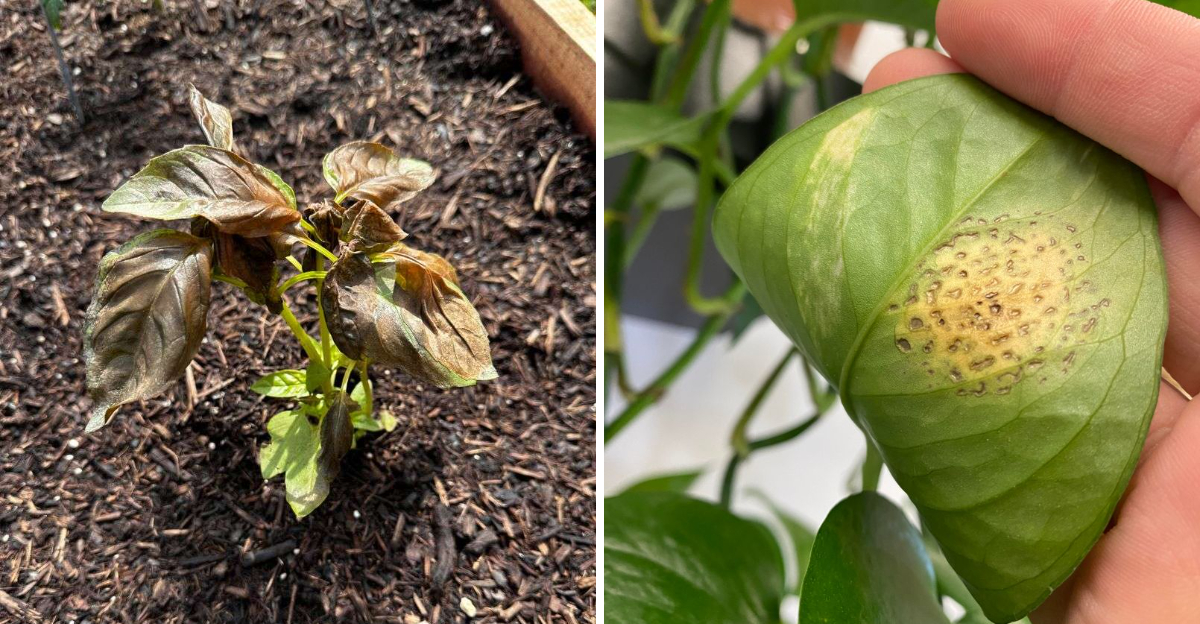
Then, almost overnight, the new growth starts twisting, spotting, paling, or just looking completely wrong. Something hit it fast, and the timing is not a coincidence.
Florida’s climate, soil, and pest pressure create a specific set of challenges that target tender new growth harder than any other part of the plant.
The same softness that makes new shoots so full of potential is exactly what makes them vulnerable to everything the Florida environment throws at a garden.
Bugs find them first. Nutrients run out before the tissue finishes forming. Sudden sun hits unprepared leaves with full intensity.
Roots signal their distress through those fresh new tips before anywhere else on the plant.
Seven specific things cause this pattern in Florida gardens, and each one leaves a slightly different clue.
Understanding which one is happening changes everything about how you respond before the damage spreads further.
1. New Growth Draws Aphids Fast
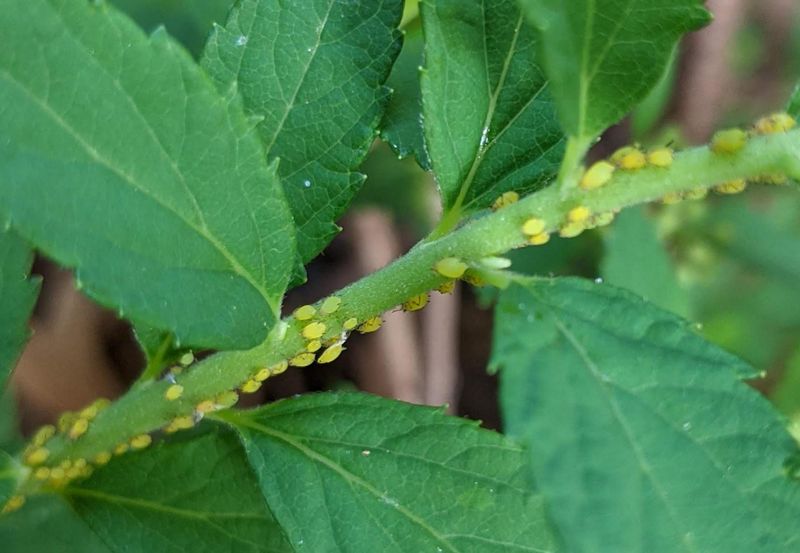
Soft, fresh shoots are essentially a dinner invitation for aphids.
Right when a plant pushes out new growth, these tiny sap-feeding insects zero in on those tender stems with remarkable speed and focus.
New foliage is soft, easy to pierce, and packed with the sugary plant sap aphids are after.
A small cluster can multiply into hundreds within days. Florida’s warm seasons keep reproduction moving fast, and by the time most gardeners notice, the population is already substantial.
Aphids cluster on the undersides of leaves and around new stem tips. The foliage they feed on starts to curl, pucker, or develop a shiny coating from the sticky honeydew they leave behind.
That honeydew attracts ants and leads to sooty mold, a black coating that blocks sunlight from reaching the leaf surface.
One aphid problem can quickly turn into several connected ones. Regular scouting of new growth is the most effective early defense because catching a small population is far easier than managing a large one.
A strong spray of water from a hose removes aphids without chemicals. Insecticidal soap or neem oil are both effective options for Florida gardeners.
Treat in the early morning to avoid leaf burn. Avoiding excess nitrogen fertilizer also helps, since soft, fast-pushed growth is exactly what aphids find most attractive.
Checking new shoots every few days during the growing season keeps numbers from building unnoticed.
2. Tender Leaves Show Thrips First
Thrips are small enough to be easy to miss, but the damage they leave on new leaves is not subtle at all.
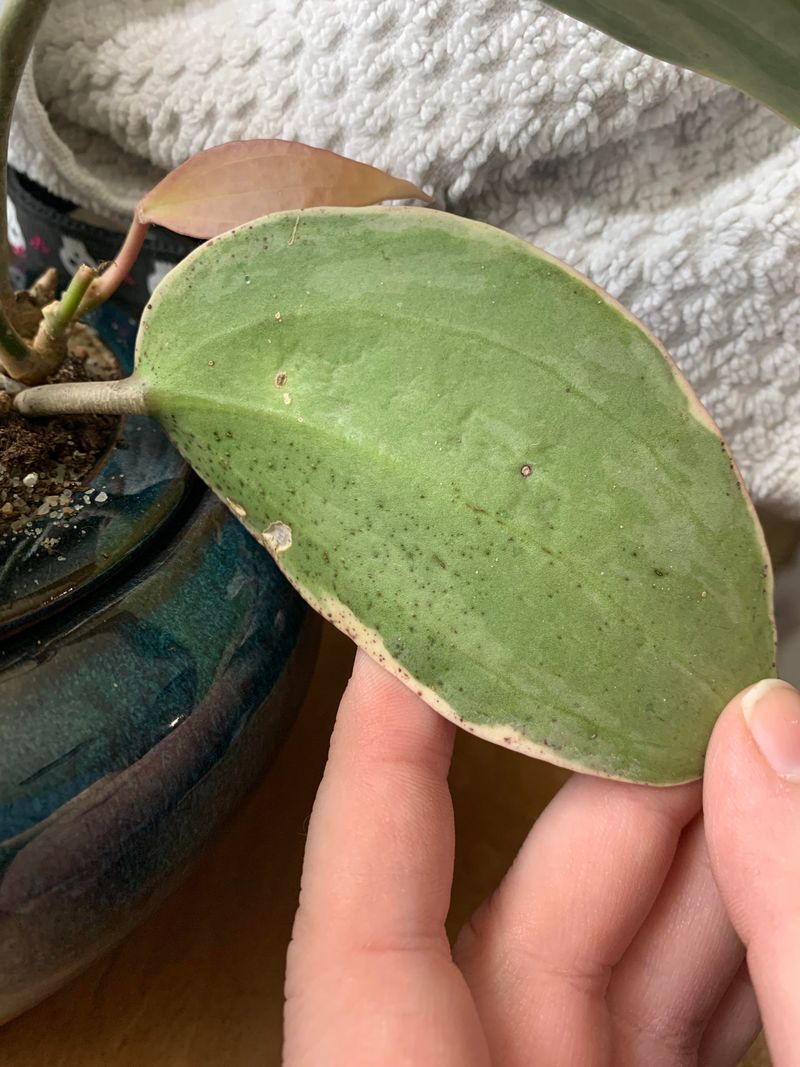
Distorted growth, silver streaking, and small dark specks on fresh foliage are the signatures of thrips activity, and new growth is always their preferred target.
The reason the damage looks so strange is that thrips feed on leaf tissue before it fully opens. When they work on a leaf that is still developing, the injury gets locked in as the leaf grows.
The result is curling, crinkled patches, or growth that looks like it never formed correctly. It is not a genetic problem. It is early-stage thrips damage that became permanent as the leaf expanded.
Your Florida Garden Changes Every Week. Your Plan Should Too.
Gardening in Florida changes quickly throughout the season. Every Friday you’ll receive a simple weekly plan showing exactly what to plant, prune, fertilize, harvest, and protect so you never miss the right timing.
Florida’s warm, humid climate allows thrips populations to build year-round. Chilli thrips and flower thrips are especially common in Florida landscapes and are documented as serious pests of ornamentals across the state.
Their small size and tendency to hide inside developing leaf tissue makes them harder to spot than most insects.
A hand lens or magnifying glass on new growth reveals either the insects themselves, which look like tiny slivers, or the silvery rasping marks they leave behind.
Spinosad-based sprays and insecticidal soap help manage thrips on ornamentals. Avoiding broad-spectrum pesticides preserves the natural predators that keep thrips populations in check, which matters more than many gardeners realize until those predators are gone.
3. Nutrient Gaps Appear On Fresh Leaves
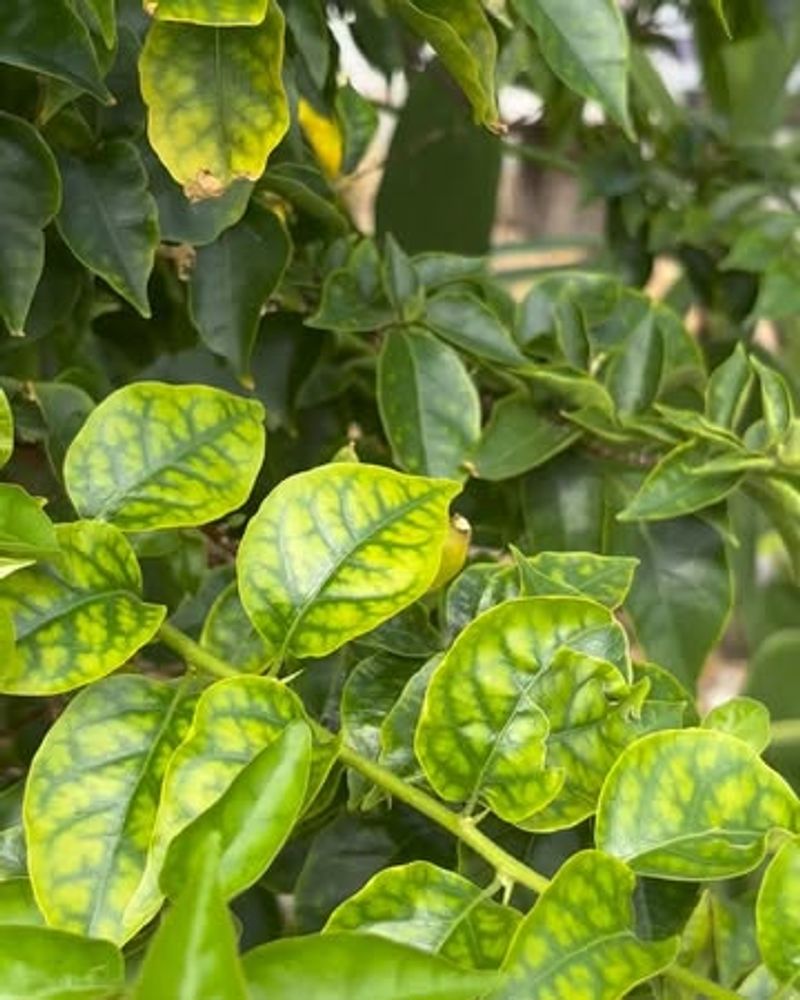
Fresh leaves function like a report card for what is happening in the soil. Problems that were hidden in older, tougher tissue surface clearly on new growth first.
Pale yellow leaves with green veins, entirely yellow new leaves, or stunted fresh shoots are all signals that something is missing from the nutrient supply.
Iron deficiency is one of the most common nutrient problems in Florida landscapes. It shows up as yellowing between the veins on new leaves while the veins themselves stay green.
Manganese deficiency looks similar but tends to affect the youngest leaves even more dramatically. Both are frequently linked to high soil pH rather than a genuine absence of the mineral in the ground.
The nutrient is present but unavailable because the pH is blocking uptake.
Florida’s sandy soils complicate the situation further. Nutrients leach out quickly, and the soil struggles to hold onto micronutrients long enough for roots to absorb them consistently.
Slow-release fertilizers and foliar sprays of micronutrients help correct deficiencies faster than waiting for soil amendments to work.
A soil test before adding anything is worth the effort. Adding more of the wrong nutrient can lock out others and make the situation worse rather than better.
A targeted fertilizer with added micronutrients works well for many Florida landscape plants. Catching the signs early on new growth gives the best opportunity for a fast correction before the growing season moves on.
4. Sandy Soil Lets Fertilizer Move Quickly
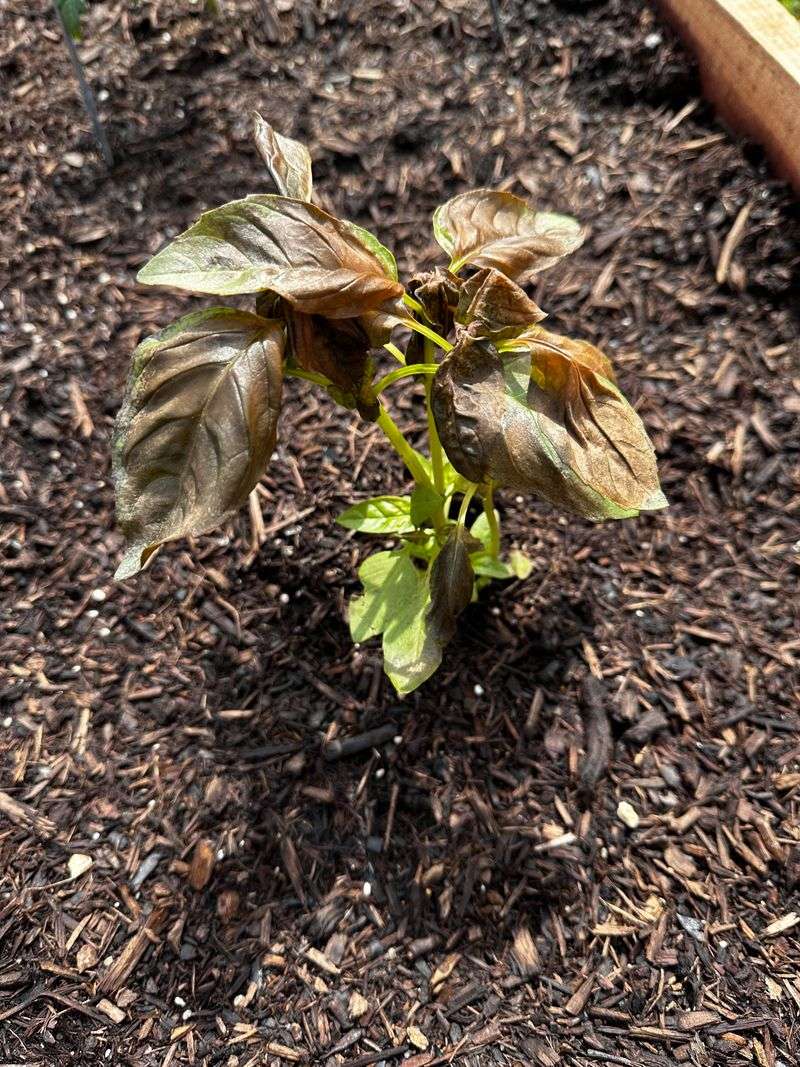
Most of Florida sits on sandy, porous soil that drains fast.
That sounds like an advantage for avoiding soggy roots, and it is, but it creates a real problem for keeping nutrients available where plants can actually use them.
Fertilizer applied one day can leach below the root zone after a couple of heavy rains.
This shows up clearly when fresh growth appears. A plant pushing out new leaves needs a steady nutrient supply to build healthy tissue.
Sandy soil cannot hold nitrogen, potassium, or micronutrients the way clay or loamy soils do. New growth starts looking strong and then quickly turns pale, weak, or stunted as the nutrient supply runs out before the growth cycle finishes.
The instinct to apply more fertilizer creates a boom-and-bust cycle that stresses plants and wastes money.
Slow-release granular fertilizers formulated specifically for Florida’s sandy soils address this by releasing nutrients gradually, giving plants a more consistent supply over time rather than a single large dose that moves through the soil quickly.
Adding organic matter like compost to planting beds improves the soil’s ability to hold moisture and nutrients even in sandy conditions.
Mulching around plants reduces nutrient loss from rain runoff and keeps the root zone more stable between watering sessions. Watering deeply but less frequently pushes roots deeper into the soil where conditions are more consistent.
Getting the soil right is the foundation that determines how well everything else performs in a Florida garden.
5. Fresh Shoots Burn In Sudden Sun
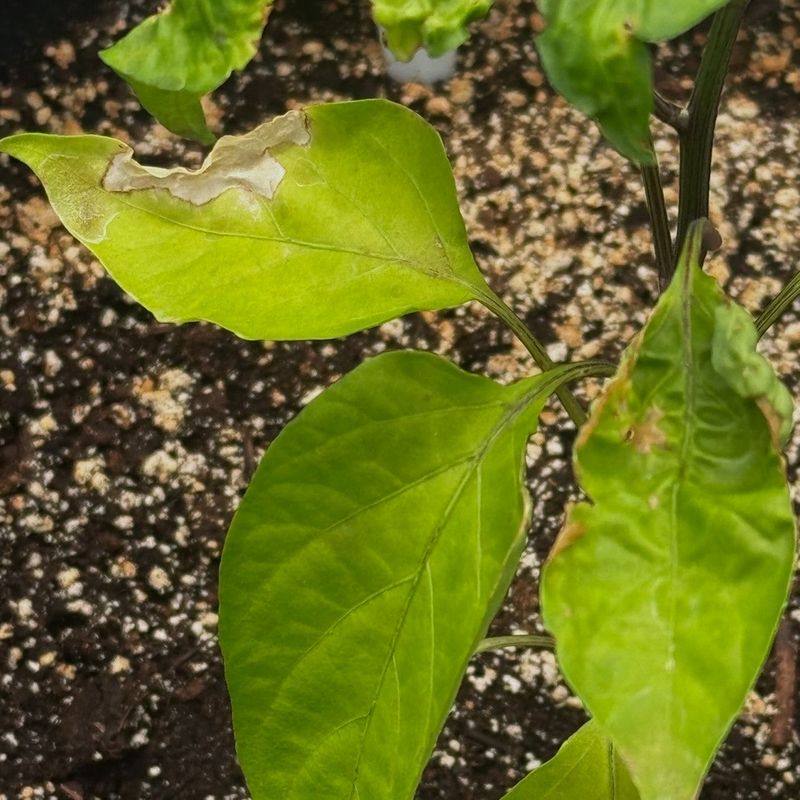
New growth is essentially the plant equivalent of pale skin after a long winter indoors. It has not built up the protective pigments or thick cuticles that older leaves carry.
When tender new shoots suddenly face intense Florida sun, especially after a stretch of shade or overcast weather, the result looks like a genuine sunburn.
Sunscald on new growth appears as bleached, tan, or papery patches on leaves. Tips and edges sometimes turn brown. It resembles a disease or pest problem closely enough that it gets misdiagnosed regularly.
The key distinction is that the damage almost always appears on the side of the plant facing the strongest afternoon light, not distributed randomly across the foliage.
This happens most often when plants move from shade to full sun too quickly, or when a tree providing canopy cover gets trimmed back significantly.
The fresh growth that pushes out after pruning is especially vulnerable because it emerges into brighter conditions than the plant was previously experiencing. The plant has not had time to adjust its chemistry to the new light level.
Shade cloth during the hottest summer months protects new growth while it toughens up. Consistent watering reduces heat stress that makes leaves more prone to burning.
Moving a plant to a sunnier spot gradually over several weeks rather than all at once gives new growth the adjustment time it needs.
Even sun-loving plants benefit from a transition period when conditions change significantly. The tissue needs time to catch up with the new environment.
6. Root Stress Shows Above Ground
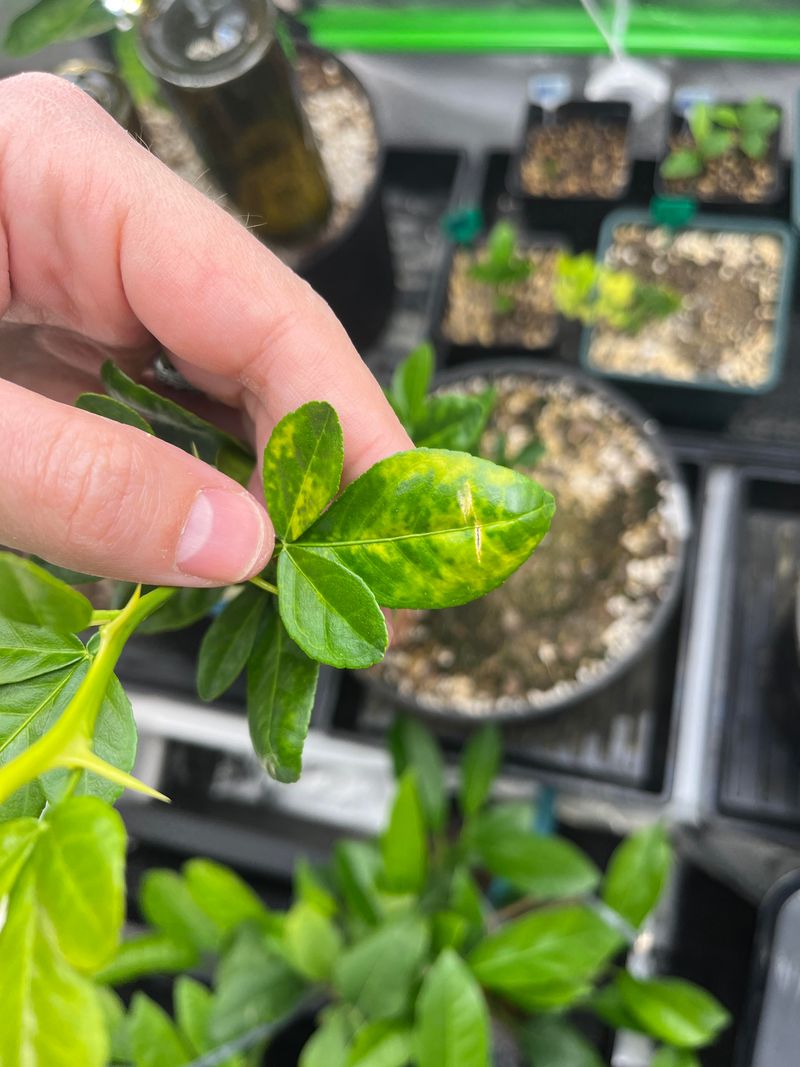
Roots power everything above ground, but they are invisible, which makes root stress one of the most frustrating problems to diagnose.
By the time symptoms appear on fresh leaves, the problem below has usually been developing for a while. New growth is where root stress shows up first and most clearly.
Overwatering is one of the most common root problems in Florida. Saturated soil cuts off oxygen to roots, and without oxygen, roots cannot absorb water or nutrients properly.
The cruel outcome is that a plant with waterlogged roots looks almost identical to a plant that needs more water.
Wilting new growth, yellowing leaves, and slow development all signal that roots are in trouble, and adding more water makes everything worse.
Root stress also comes from planting too deep, compacted soil, or physical damage from nearby digging.
When roots are compromised, the plant shifts its limited resources toward survival rather than healthy new growth. Fresh shoots end up looking thin, pale, or limp as a direct result of what is happening underground.
Checking soil moisture before watering by pushing a finger two inches into the soil prevents the overwatering cycle from starting.
Raised beds and amended planting holes improve drainage in low-lying areas. Mulching regulates soil temperature and moisture levels, reducing root stress significantly over time.
Giving a newly planted or recently disturbed plant extra time to re-establish before expecting lush new growth is the kind of patience that genuinely pays off in Florida gardens.
7. Wet Weather Spots New Leaves Quickly
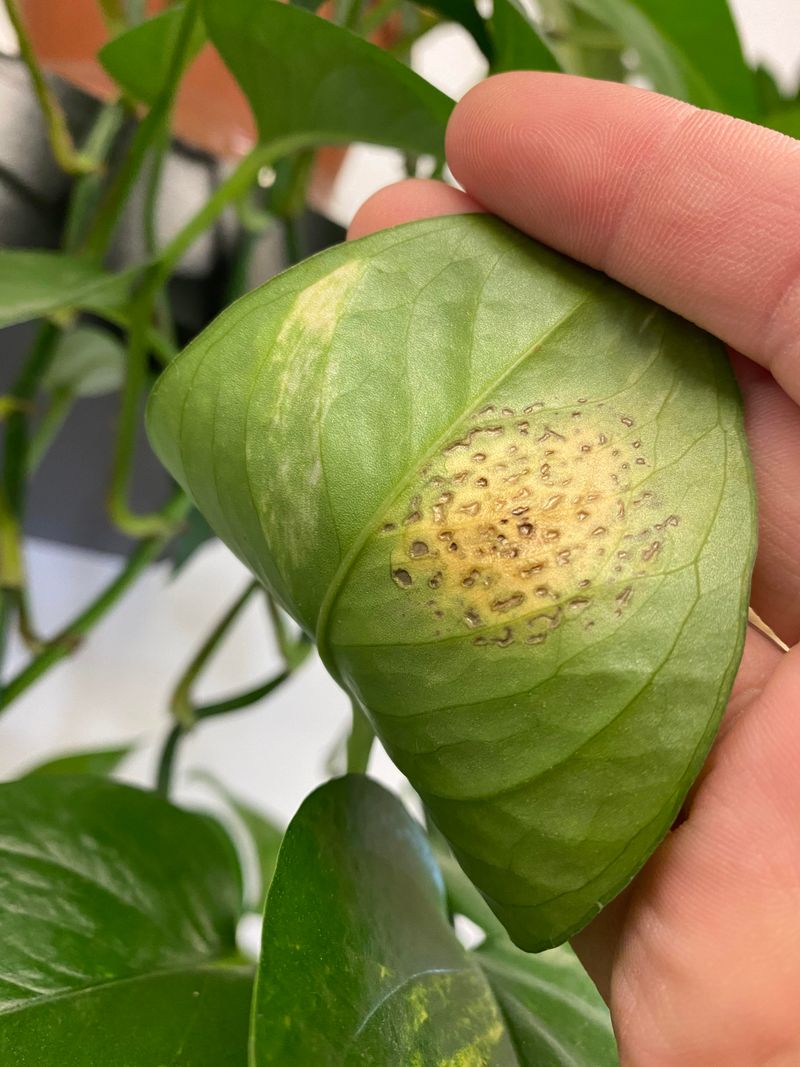
Florida summers deliver heat, humidity, and daily afternoon storms in a combination that fungal diseases find ideal.
New growth takes the hardest hit because young leaves have thinner cell walls and less waxy protection than mature ones, making them far easier for fungal spores to penetrate after landing on wet tissue.
Cercospora leaf spot, anthracnose, and downy mildew are among the most commonly documented fungal problems in Florida landscapes.
Each one looks slightly different above the leaf surface, but they share the same preference for new, wet foliage. Spores land on tender leaves, find minimal resistance, and germinate quickly.
A few spots on Monday can become widespread damage by the weekend under the right conditions.
The spots typically start small and tan or brown, sometimes with a yellow halo around them. As infections spread, leaves yellow and drop ahead of schedule.
Heavy defoliation weakens a plant significantly, especially when it is actively trying to push new growth through a busy growing season.
Good airflow around plants slows fungal spread by helping foliage dry faster after rain. Watering in the morning rather than evening gives leaves time to dry before nightfall when humidity climbs.
Removing and bagging spotted leaves reduces the number of active spores in the area.
Copper-based fungicides are effective for many Florida fungal diseases on ornamentals and work best applied before rainy stretches rather than after the damage is already established.
Prevention is consistently easier than treatment once a fungal problem is underway.