The Porch Plant Big Texas Stores Rarely Carry That Repels Mosquitos
Texas porches turn into a mosquito magnet the moment the sun sets and the humidity climbs. Most homeowners grab a citronella candle or a can of spray, never realizing the real fix has been growing along fence lines and creek banks for generations.
There’s a native shrub most nurseries overlook, tucked between the showier plants that dominate every garden center aisle. It doesn’t need coddling, doesn’t demand a green thumb, and somehow still outperforms anything sold in a spray bottle.
Forget the sprays this season. There’s a simpler, prettier way to reclaim your evenings outside, and it’s been hiding in plain sight all along.
The Native Mosquito-Repelling Porch Shrub
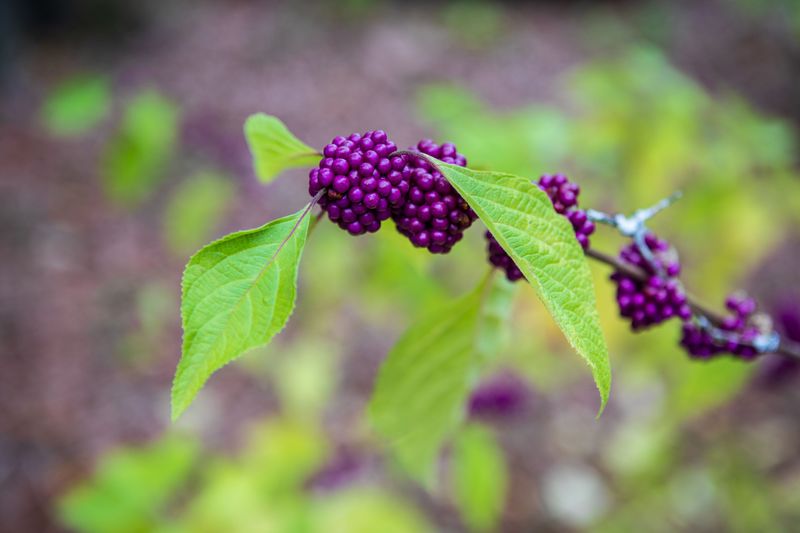
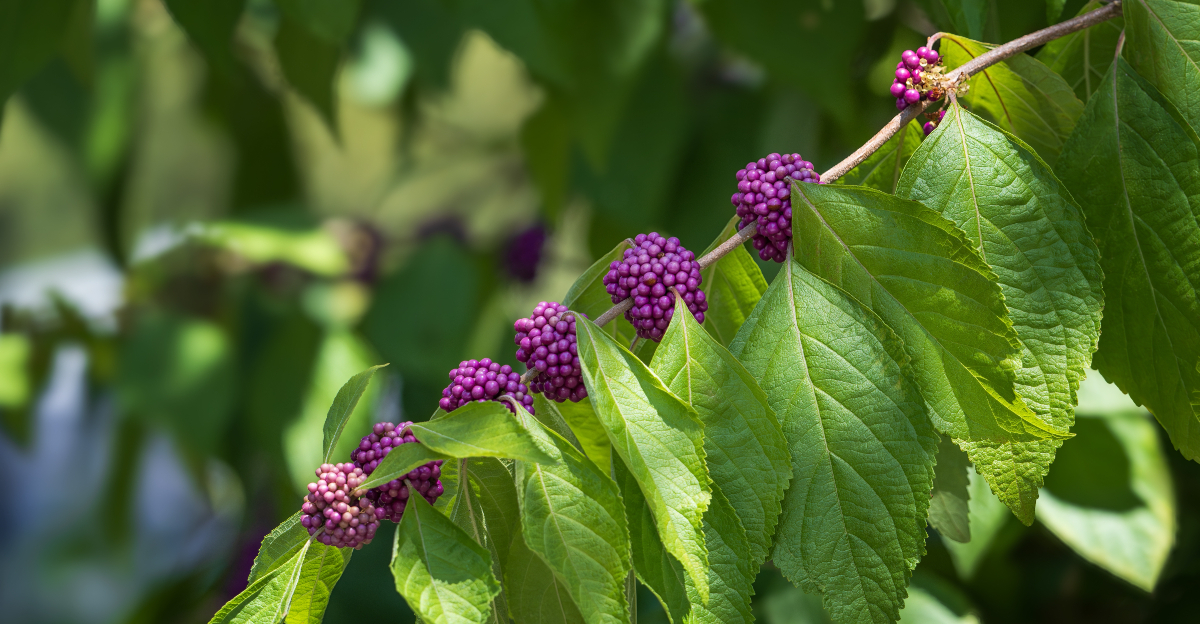
Walk past an American Beautyberry and you will stop mid-step to take a second look. The bright magenta-purple berry clusters wrap around each stem like tiny jeweled bracelets, making it one of the most eye-catching native shrubs in the South.
This is the porch plant big Texas stores rarely carry that repels mosquitos, and the reason it works is not magic. Scientists at the USDA confirmed that compounds in the leaves, especially callicarpenal, repel mosquitos as effectively as DEET in lab tests.
Crushing a few leaves between your fingers releases that active compound instantly. Rub the crushed leaf on your skin and mosquitos back off, no synthetic chemicals needed.
Native Texans and rural families have known this trick for generations. They called it beautyberry and rubbed it on their arms before heading into the woods, long before bug spray existed in a bottle.
Growing it in a container on your porch is surprisingly straightforward. This shrub tolerates heat, humidity, part shade, and even occasional drought, making it a natural fit for Texas conditions.
Big retailers tend to pass over it, likely because it needs more space to mature than trendier potted plants. Local native plant nurseries and online specialty growers are your best bet for finding healthy starts.
Once established, American Beautyberry rewards you with stunning color from late summer into fall. Your porch becomes both a living pest barrier and a conversation starter every single time someone visits.
Best Spots To Plant It Around Your Porch
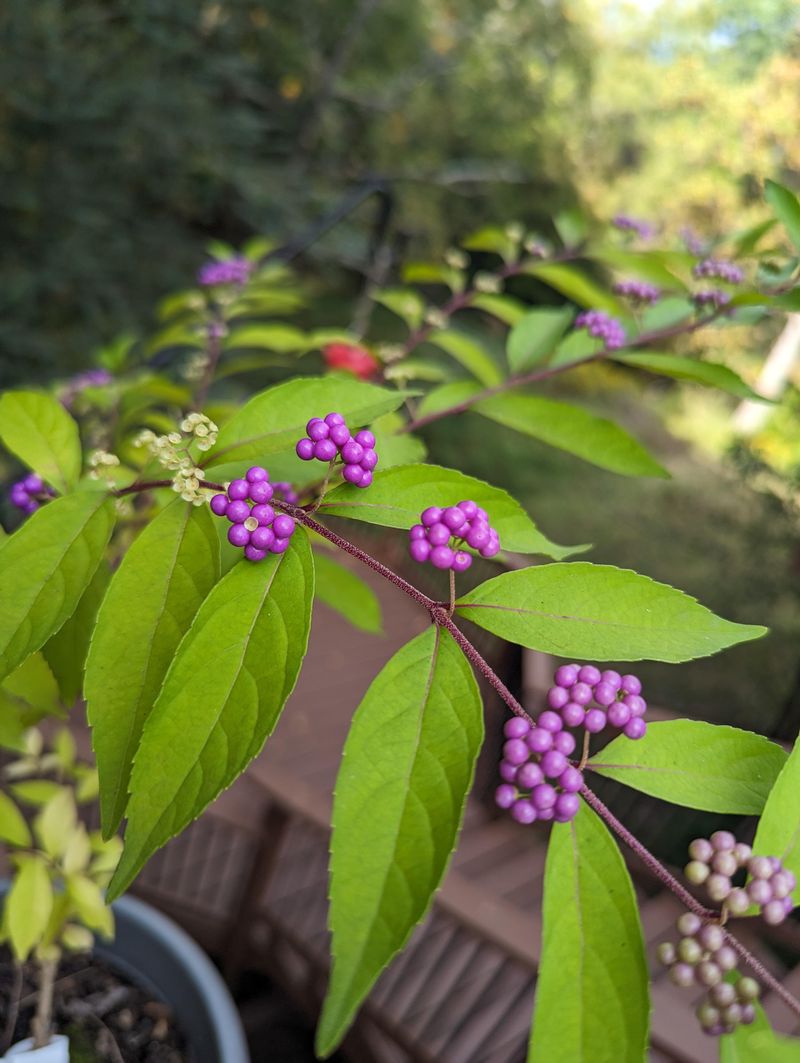
American Beautyberry does its best work when placed close to where people actually sit. A spot near steps, railings, or seating areas puts the leaves within easy reach for crushing and rubbing on skin.
Part shade suits this shrub perfectly, especially the dappled light found under porch overhangs or nearby trees. Full sun works too, though afternoon shade helps during the hottest stretches of a Texas summer.
Give it three to four feet of breathing room from walls or furniture. This shrub spreads wide as it matures, and crowding it early only creates pruning headaches later.
Corners and edges of a porch make ideal anchor points. Planted there, it frames the space visually while keeping foot traffic areas clear and mosquitos at a distance.
Raised beds or large containers work well for renters or anyone unsure about permanent placement. This flexibility means almost any porch setup can accommodate one, regardless of yard size or soil quality.
Your Texas Garden Changes Every Week. Your Plan Should Too.
Gardening in Texas changes quickly throughout the season. Every Friday you’ll receive a simple weekly plan showing exactly what to plant, prune, fertilize, harvest, and protect so you never miss the right timing.
Pairing it near a walkway also means guests brush past the leaves on their way in, releasing natural fragrance without any effort on your part.
Even a narrow side yard near the porch can host one comfortably, especially if it gets a few hours of filtered light throughout the day.
Think about airflow too. Placing it where breezes naturally pass through carries that leaf fragrance further across the seating area, stretching its pest-repelling reach beyond just where it’s planted.
Simple Steps To Get It Established Fast
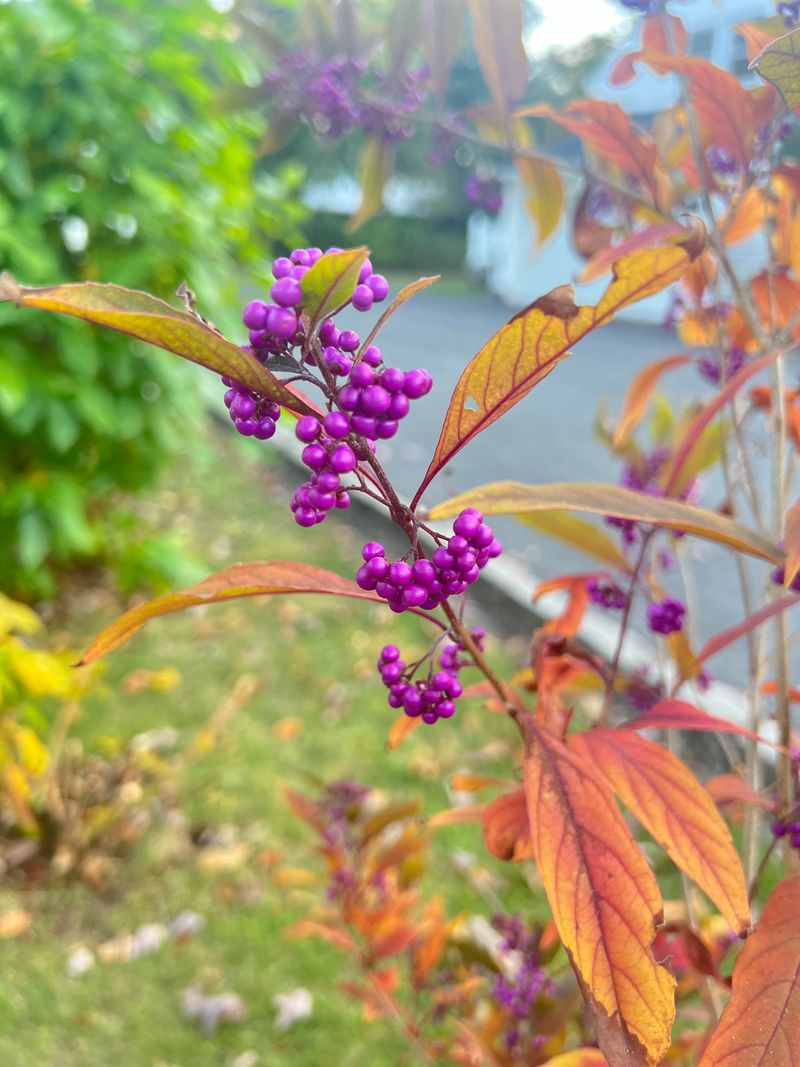
Starting with a container-grown plant from a local nursery saves months compared to growing from seed. Choose a pot or planting spot with drainage, since soggy roots slow this shrub down fast.
Dig a hole twice as wide as the root ball and only as deep. Loosen the surrounding soil first so roots spread outward instead of circling back on themselves.
Water deeply right after planting, then keep the soil consistently moist for the first few weeks. Once roots settle in, this shrub becomes remarkably forgiving of missed watering days.
A layer of mulch around the base locks in moisture and keeps competing weeds from stealing nutrients. Two inches is plenty; piling it against the stem invites rot.
Spacing matters if you’re planting more than one. Leaving five to six feet between shrubs allows each one to fill out fully without fighting for light or root space.
Early fertilizing isn’t necessary, since native soil typically provides enough nutrients on its own. Within one growing season, most gardeners see enough new growth to start harvesting leaves for their own mosquito-repelling rubs.
Checking soil moisture with a finger test beats guessing. If the top two inches feel dry, water; if still damp, wait another day before adding more.
Staking is rarely needed even for young plants, since the stems grow sturdy enough on their own to handle wind and light rain without extra support.
Keeping The Shrub Healthy Through Texas Summers
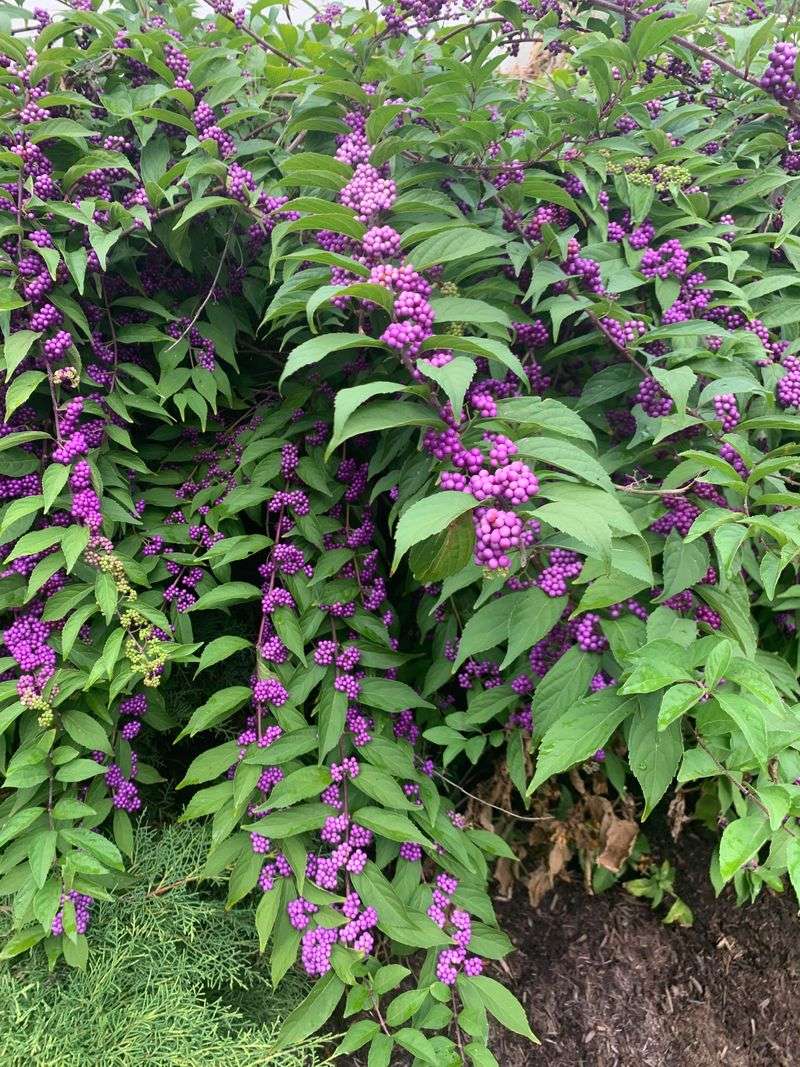
This shrub tolerates heat far better than most ornamental options sold at big-box stores. Established plants shrug off stretches of drought, though occasional deep watering keeps berry clusters looking their fullest.
Pruning in late winter encourages fuller growth and more berries by late summer. Cutting stems back by roughly a third gives the shrub room to branch out generously.
Pests rarely bother this plant, and disease pressure stays low in most Texas soils. A layer of compost each spring is usually all the feeding it needs.
Watch for yellowing leaves, which usually signals overly wet roots rather than a lack of nutrients. Adjusting drainage solves the issue faster than any fertilizer would.
Extreme cold snaps can knock branches back, but the root system typically survives and pushes out fresh growth once temperatures rise again. Patience during those stretches pays off by spring.
Humidity rarely causes problems here, unlike with many ornamental shrubs that struggle against fungal issues in muggy Texas air.
With minimal upkeep, this shrub rewards patience with years of reliable color, structure, and natural pest control that most porch plants simply cannot match season after season.
A quick check every few weeks is usually enough to keep it thriving without turning garden care into a chore.
Even during the peak of a Texas heatwave, a light mulch refresh is often the only extra step needed to keep roots cool and moisture levels steady.
Other Backyard Perks Beyond Bug Control
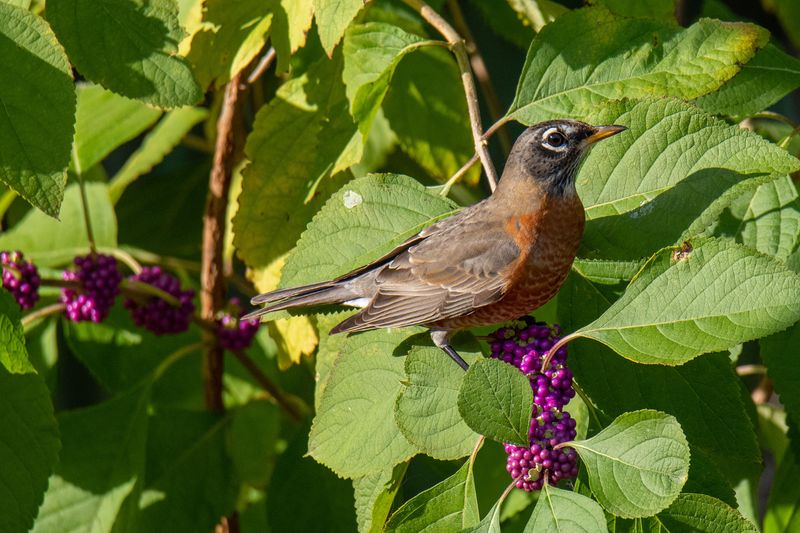
Birds flock to the berry clusters once they ripen, turning a quiet porch into a front-row seat for backyard wildlife. Mockingbirds and cardinals show up often once the fruit matures.
The berries themselves have a long history in Southern kitchens, showing up in jellies and syrups passed down through family recipes. Their tart flavor pairs surprisingly well with citrus.
Pollinators appreciate the small blooms that appear before berries form, adding another layer of activity to any garden space. Bees visit steadily throughout early summer.
Beyond function, this shrub simply looks striking against a porch backdrop. Its arching branches and jewel-toned clusters add texture that most manicured landscaping lacks.
Some gardeners even dry the leaves for sachets, tucking them into closets or drawers for a subtle, natural scent that doubles as pest deterrence indoors.
Butterflies also stop by occasionally, drawn to the same blooms that attract bees earlier in the season, adding even more movement and color to the yard.
Few native plants offer this much value across food, wildlife, fragrance, and pest control wrapped into a single low-maintenance package for any Texas yard.
That combination of beauty and usefulness is exactly why gardeners who plant one rarely stop at just one shrub.
Once word spreads through a neighborhood, it’s common to see the same shrub popping up on porches nearby, passed along through cuttings and casual conversation.
Where To Find Healthy Beautyberry Starts
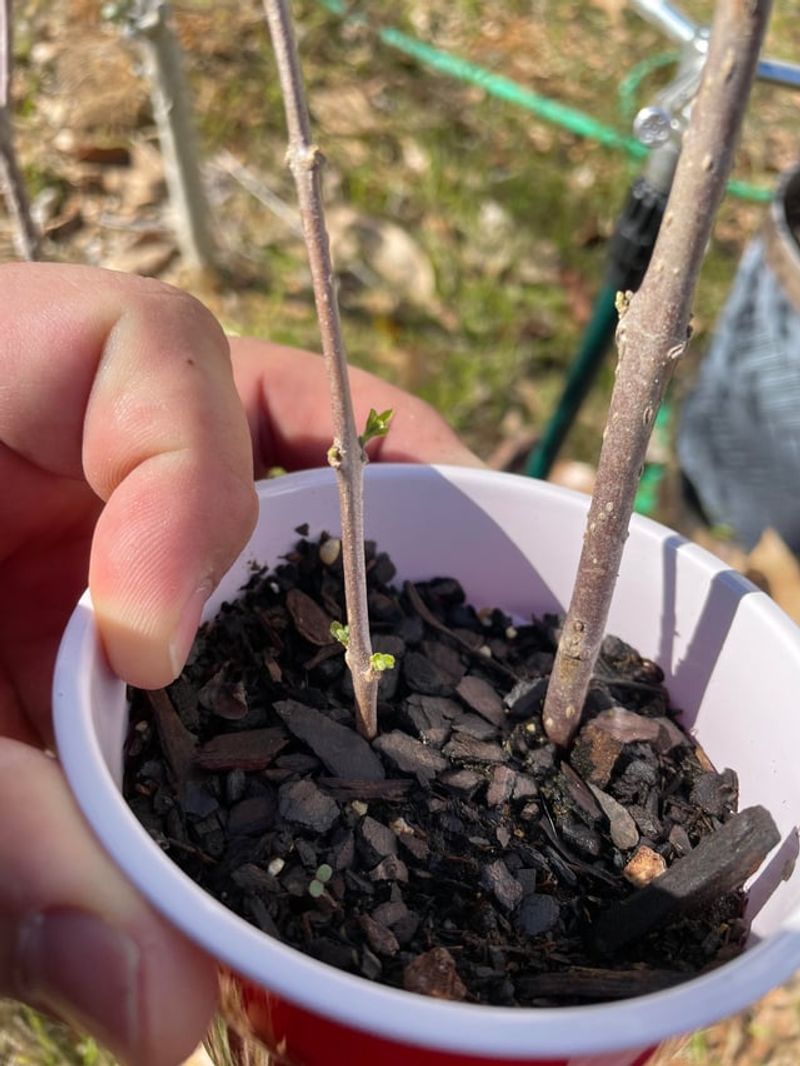
Large retail chains rarely stock this shrub, since its appeal depends on maturity rather than an eye-catching nursery tag. Specialty growers understand its value far better than mass-market suppliers.
Native plant nurseries scattered across Texas carry healthy, well-rooted starts suited to local soil conditions. Staff at these nurseries often share growing tips specific to your exact region.
Online specialty retailers ship bare-root or small potted plants directly, making it accessible even outside nursery season. Reading reviews first helps avoid weaker stock.
Native plant societies and local gardening groups sometimes host plant swaps where established growers share cuttings. These events often yield the healthiest, most acclimated starts available.
Fall and early spring tend to be the best windows for planting, giving roots time to settle before summer heat arrives in full force.
Checking with local extension offices can also point you toward growers who specialize in native Texas shrubs specifically.
Asking neighbors with established shrubs is another underrated option, since many are happy to share cuttings or point you toward where they originally found theirs.
A little searching beyond the usual big-box aisles goes a long way toward getting this shrub established on your own porch before mosquito season peaks in full force.