Is August Actually The Worst Month To Fertilize An Ohio Lawn
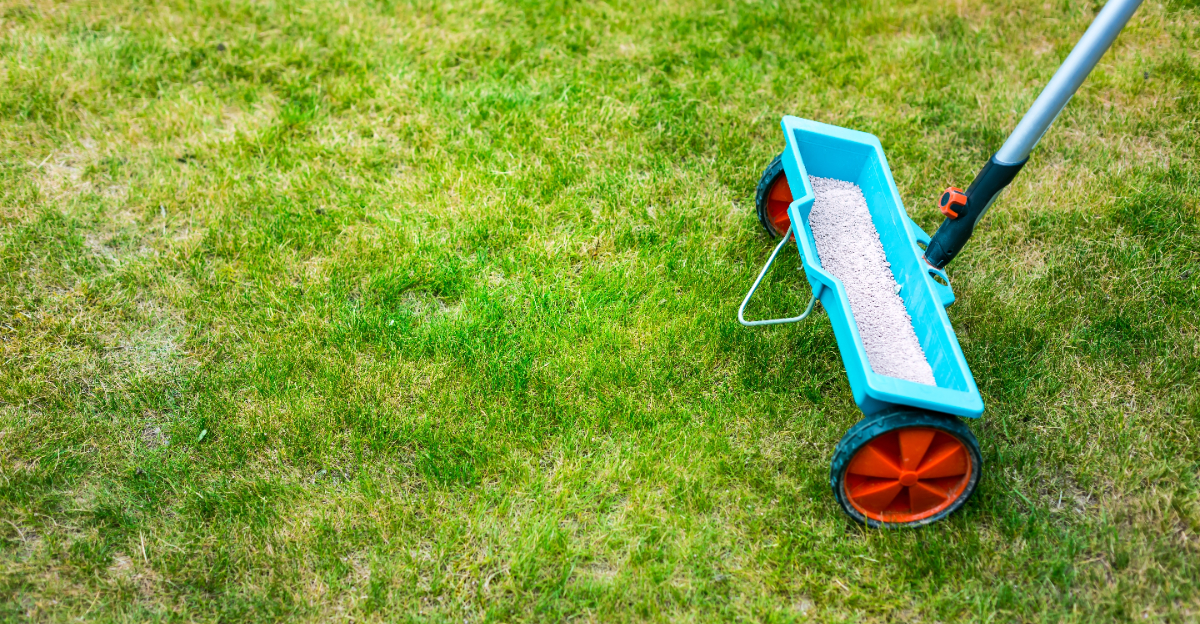
August fertilizing gets a bad reputation in Ohio lawn care circles, and some of that reputation is earned. Fertilize at the wrong time in August and the consequences show up fast.
New growth pushed into heat stress, disease pressure that a flush of soft tissue invites, a lawn that needed rest handed a stimulant instead. But August fertilizing is not categorically wrong.
The timing within the month, the product choice, and the condition of the lawn going in all determine whether an August application helps or hurts. The blanket advice to avoid fertilizing in August misses nuance that matters.
A lawn recovering from summer stress has different needs than one that came through July in reasonable shape. Treating them identically produces different outcomes from the same advice.
The real answer to whether August is the worst month to fertilize an Ohio lawn is more specific than most lawn care guides are willing to admit.
1. August Nitrogen Can Push Growth When Grass Is Already Stressed
Nitrogen is the engine behind leaf growth in turfgrass. When you apply it, the plant responds by pushing out new, tender green blades.
That sounds appealing, but the timing of that push matters a great deal.
Cool-season grasses grow most actively during spring and fall. Soil temperatures in those seasons stay in a range that supports strong root and shoot development.
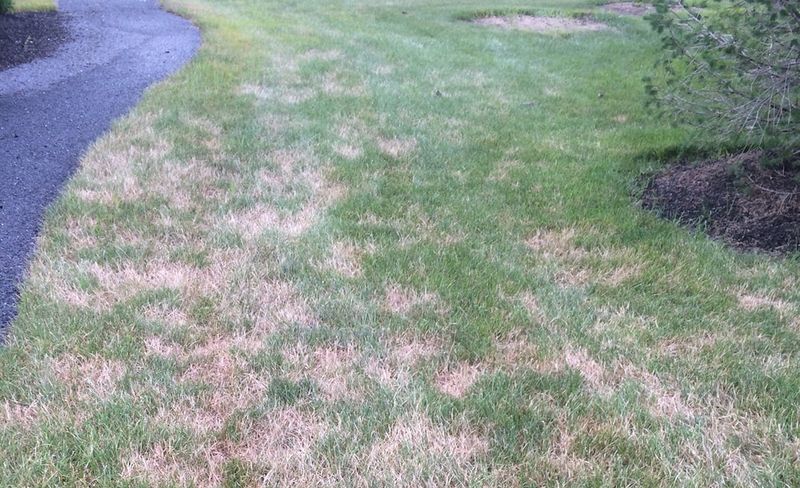
Summer heat shifts that balance. By mid-August, many lawns have already slowed their growth rate noticeably.
Forcing a flush of soft, leafy growth during intense heat can put extra demand on roots that are already working hard. Roots under heat stress have less capacity to support rapid top growth.
The result can be a lawn that looks briefly greener but handles stress less effectively afterward.
A lawn that is actively growing and receiving consistent irrigation is in a different position than one that is visibly dry and thin. Adequate, well-watered turf may tolerate a modest nitrogen application better than a struggling one.
Even so, turfgrass guidance generally points toward fall as the preferred time for routine nitrogen feeding.
Applying fertilizer to restore color is not the same as feeding a lawn that genuinely needs nutrients. Color alone is not a reliable guide for fertilizer decisions.
2. Hot Soil And Dry Weather Make Fertilizer Harder To Use Well
Nutrients do not move from the soil into grass roots on their own. They need water to dissolve and travel through the soil profile to where roots can absorb them.
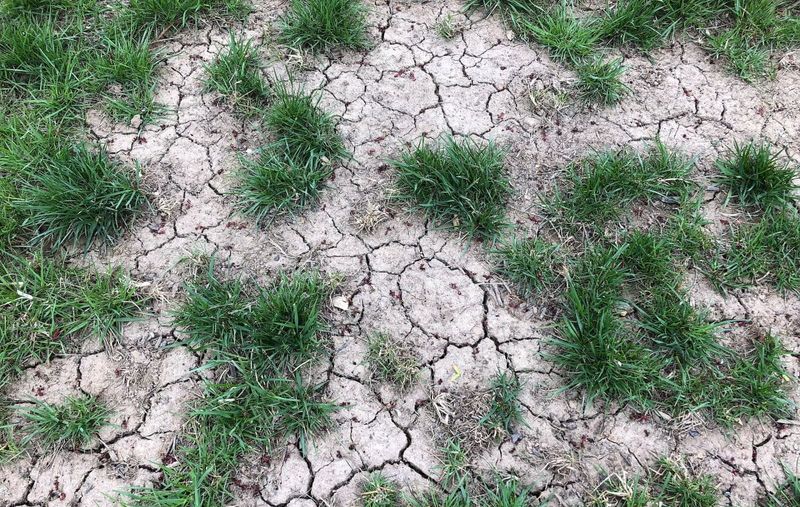
When soil is dry, that process slows considerably.
August in Ohio can bring stretches of low rainfall and high temperatures. In those conditions, fertilizer granules may sit on or near the soil surface without much movement.
The nutrients stay largely unavailable until moisture returns.
There is also a salt concern worth understanding. Fertilizers contain concentrated salts.
Under dry conditions, those salts can draw moisture away from grass roots rather than delivering nutrients to them. This creates additional stress on turf that is already managing heat and limited water.
Your Ohio Garden Changes Every Week. Your Plan Should Too.
Gardening in Ohio changes quickly throughout the season. Every Friday you’ll receive a simple weekly plan showing exactly what to plant, prune, fertilize, harvest, and protect so you never miss the right timing.
Fertilizer injury is more likely when soil moisture is low and temperatures are high. Visible symptoms can include scorched or discolored leaf tips, especially if granules sit on dry blades without being watered in promptly.
A well-irrigated lawn is better positioned to handle a fertilizer application than a dry one. But watering a lawn solely to justify applying fertilizer it does not currently need is not a sound approach.
Checking soil moisture and turf condition before any application is a practical first step that many homeowners skip.
3. Summer Feeding Can Increase The Risk Of Turf Disease
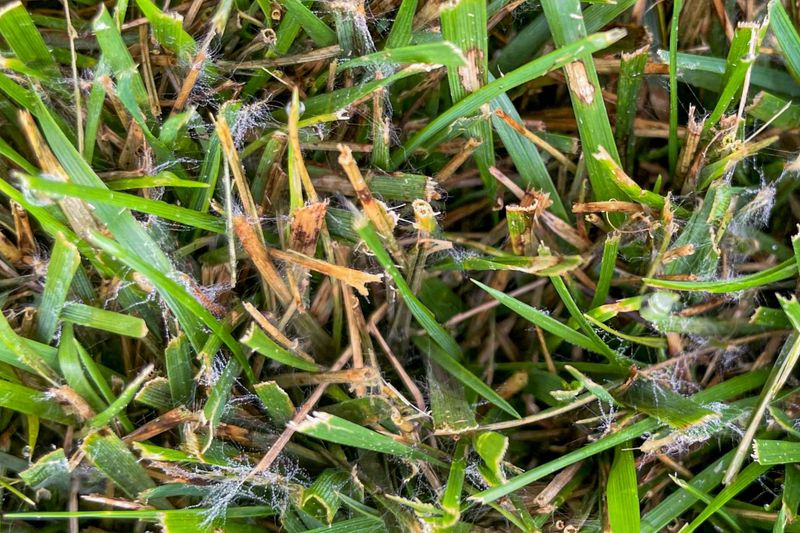
Lush, fast-growing grass looks great in photos, but soft and rapidly growing turf can be more vulnerable to certain diseases. Nitrogen encourages the kind of succulent leaf tissue that some fungal pathogens find favorable.
Brown patch is one of the more common summer turf diseases in Ohio. It tends to develop when temperatures are warm, humidity is high, and the lawn has excess nitrogen available.
The disease does not appear simply because nitrogen was applied. However, heavy feeding during hot and humid conditions can create an environment where it spreads more easily.
Dollar spot is another disease that shows up during summer, though it often favors low-nitrogen conditions. This is a reminder that disease development is not a simple equation.
Pathogen type, moisture levels, turf species, mowing height, and management history all play roles.
The key concern with summer nitrogen is not that every application triggers disease. The concern is that unnecessary or excessive feeding during stressful weather can tip conditions in a direction that makes certain problems more likely.
Keeping mowing heights appropriate, avoiding evening watering, and not over-feeding during hot stretches are practical steps that reduce disease pressure.
Fungicide applications are not a routine response and should not be seen as a substitute for sound fertilizer timing.
4. Dormant Grass Does Not Need A Forced Growth Spurt
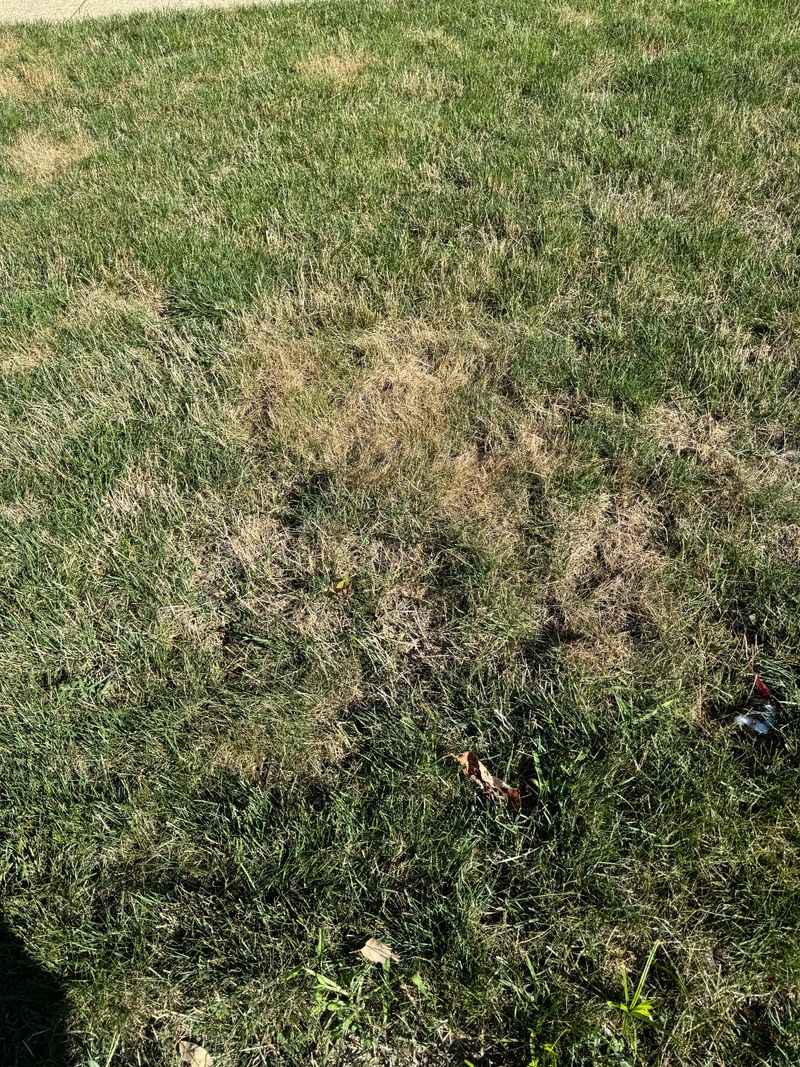
Summer dormancy is one of the more misunderstood things that happens to cool-season lawns. When conditions get hot and dry enough, grasses like Kentucky bluegrass shift into a protective resting state.
The blades turn tan or straw-colored, but the crown and root system remain alive.
Dormancy is a survival strategy, not a sign of failure. The plant conserves energy and moisture by shutting down visible top growth.
Most healthy cool-season lawns can remain dormant for several weeks and then recover when rainfall returns and temperatures drop.
Applying nitrogen to dormant turf is poorly timed for a straightforward reason. The grass is not actively growing, so it cannot use nutrients effectively.
The fertilizer sits in the soil, potentially leaching or running off before the lawn resumes normal growth.
Trying to force dormant grass green with a nitrogen application can also disrupt the plant’s natural stress response at a vulnerable time. Rainfall and cooler fall weather are what naturally restart growth in dormant lawns, not fertilizer.
Homeowners who want to keep their lawn green through summer need to commit to consistent irrigation throughout the dry period. Allowing dormancy to begin and then trying to reverse it with fertilizer puts unnecessary pressure on the lawn.
Cool-season grasses are simply doing what they are built to do.
5. A Green Lawn Still May Not Need More Nitrogen

Seeing a green, growing lawn in August might make fertilizing feel like the logical next step. That instinct is understandable, but color and growth alone are not reliable signals that more nitrogen is needed.
Grass clippings are a frequently overlooked source of recycled nutrients. Leaving clippings on the lawn after mowing returns nitrogen, phosphorus, and potassium back into the soil as they break down.
The State University Extension has noted that regular mulching of clippings can meaningfully reduce the amount of supplemental fertilizer a lawn requires each year.
Turf that is already performing well may not benefit from an August nitrogen boost. Extra nitrogen during summer can accelerate growth faster than the grass needs.
That leads to more frequent mowing and softer leaf tissue that handles stress less gracefully.
Different turf species also have different nitrogen requirements. Tall fescue and Kentucky bluegrass have distinct feeding schedules and seasonal needs.
Applying fertilizer based on appearance rather than species-appropriate timing can throw off the whole seasonal program.
A practical approach is to evaluate the lawn’s actual condition and consider whether clippings have been returned. Then check the seasonal guidance for your specific grass type.
Feeding a healthy lawn more than it needs does not make it healthier. It just makes it busier and potentially less resilient during summer heat.
6. Late August Cooling Does Not Make Every Lawn Ready
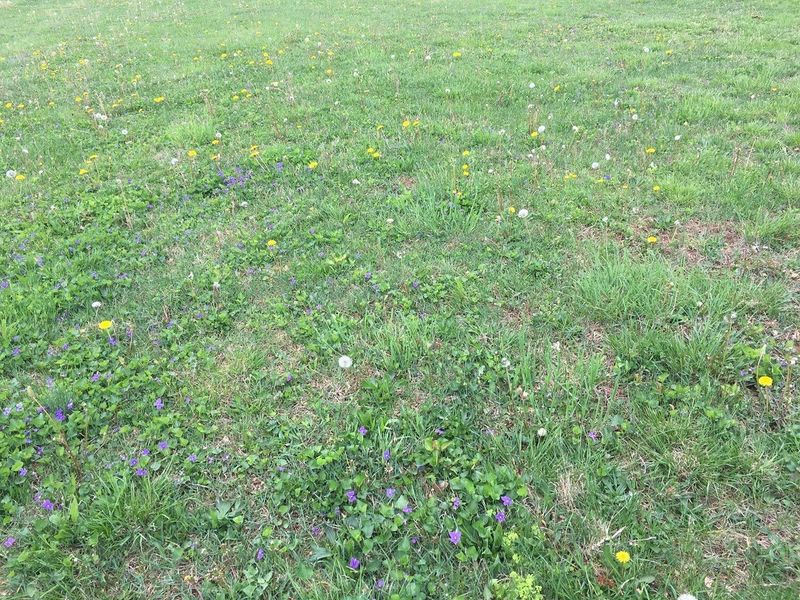
A string of cooler nights toward the end of August can feel like a signal that fall has arrived and fertilizing season is open again. The weather shift is real, but the lawn’s readiness depends on more than a few pleasant evenings.
Soil temperatures cool more slowly than air temperatures. After a long, hot summer, the soil may still hold warmth that affects how well roots can absorb and use nutrients.
A brief cooldown does not automatically reset the turf’s condition.
Soil moisture also matters. If August brought extended drought, the lawn may still be recovering even as temperatures ease.
Applying fertilizer to turf that has not yet resumed active growth, or to soil that remains dry, carries the same risks as mid-summer feeding.
Ohio is a geographically varied state. The northern parts near Lake Erie can experience meaningfully different late-summer weather than areas in southern Ohio.
Assigning one specific late-August date as the right time to fertilize across the entire state does not reflect those regional differences.
Checking soil moisture, watching for signs of active turf growth, and reviewing the extended forecast are better guides than the date alone. Late August is best understood as a transition period.
Conditions matter far more than the calendar page when deciding whether the lawn is truly ready for a fall feeding.
7. September Gives Cool Season Grass A Better Recovery Window
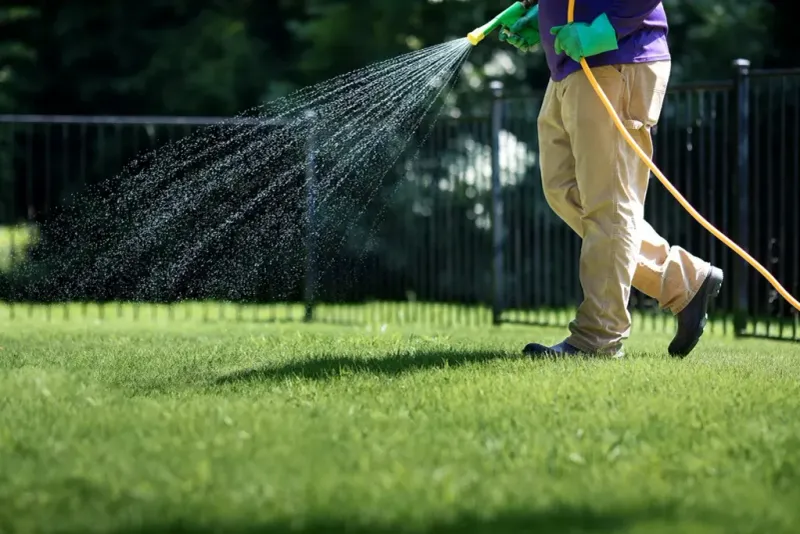
Early fall is the season that cool-season grasses are built for. As September arrives and temperatures settle into a more comfortable range, turf that spent summer managing heat begins to shift back into active growth mode.
Soil temperatures in September are typically more favorable for nutrient uptake than they are in August. Roots become more active, and the grass can make better use of nitrogen applied during this window.
Ohio turfgrass guidance consistently points to late summer through fall as the primary feeding period for cool-season lawns.
Cooler air and soil temperatures support both shoot and root development. A September fertilizer application gives the lawn energy to thicken up, fill in thin spots, and build carbohydrate reserves before winter.
That stored energy helps the lawn green up more effectively the following spring.
September is not automatically a green light to fertilize regardless of conditions. The lawn should be actively growing and have adequate soil moisture.
A lawn still recovering from severe summer drought may need time before it is ready to respond well to feeding.
Appropriate nitrogen rates for Ohio cool-season lawns depend on turf species, lawn quality goals, and whether clippings are returned. A single rate does not fit every situation.
Checking current Ohio State University Extension recommendations for your grass type is the most reliable starting point for a fall program.
8. A Soil Test Can Tell You What The Lawn Actually Needs
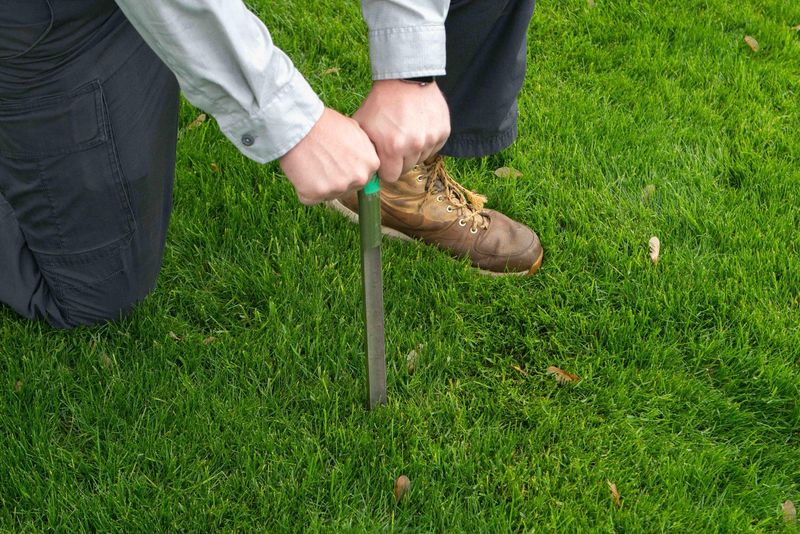
Fertilizing based on how a lawn looks is a bit like guessing at a medical diagnosis without any tests. A soil test gives you real data about what is actually happening beneath the surface, and it is one of the most practical tools available to Ohio homeowners.
A standard soil test from a reputable laboratory measures soil pH along with levels of nutrients like phosphorus and potassium. Knowing your soil pH is especially useful because it affects how well nutrients become available to grass roots.
If the pH is too low, lime may be recommended, and that correction can improve the effectiveness of other inputs.
Soil tests do not directly tell you a precise nitrogen requirement. Nitrogen is mobile in the soil and changes quickly, so it is not reliably measured the same way as phosphorus or potassium.
Nitrogen recommendations are typically based on turf species, lawn quality goals, clipping management, and seasonal timing guidance from extension sources.
Phosphorus should not be applied without a documented need. Many Ohio lawns already have adequate phosphorus levels, and applying more can contribute to runoff concerns.
Getting a soil test every two to three years gives you a factual foundation for every fertilizer decision.
The best feeding plan comes from actual lawn conditions, the right season, and verified nutrient needs rather than a guess made on an August afternoon.