More Florida Counties Are Removing These Shrubs From Public Landscapes
Florida county landscaping decisions rarely make headlines. When they do, something has been growing in public spaces long enough to become a problem officials can no longer justify.
Several shrubs are being pulled from Florida roadsides, parks, and municipal plantings right now. Not because they stopped looking good.
Because what they do beyond the landscape bed has become a cost public land managers are no longer willing to absorb. Invasive spread, water management issues, maintenance demands that never suited this ecosystem.
The case against these shrubs has been building for years. The removals are just catching up.
The same shrubs are still available at garden centers. Still being planted by homeowners who have not heard what the county already figured out.
1. Brazilian Pepper Is Finally Losing Its Grip On Public Land
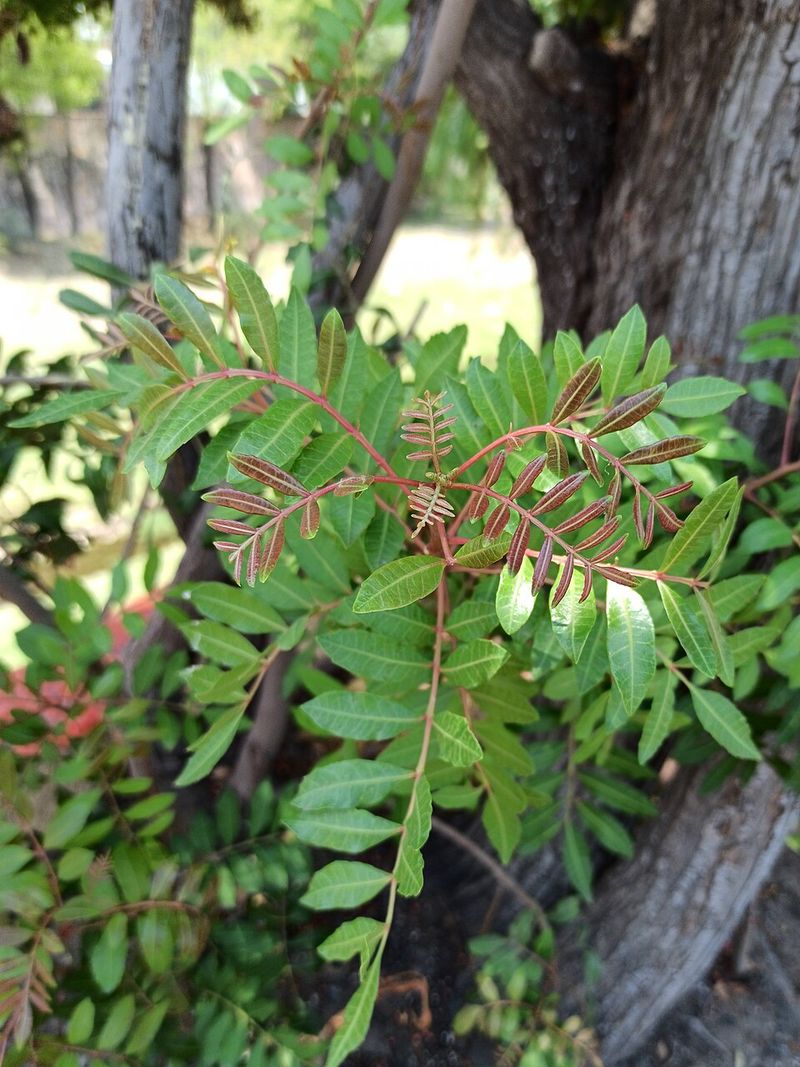
Walk along almost any canal bank or park edge in South Florida and you have likely brushed past a shrub loaded with clusters of small red berries. That shrub is Schinus terebinthifolia, commonly called Brazilian pepper.
Brought to the region in the 1840s as a decorative ornamental, it quickly earned a reputation for fast growth and bright fruit.
Birds eat those berries eagerly and deposit seeds across conservation lands, hammocks, and wetland edges. A single mature plant can produce thousands of seeds each season.
The resulting thickets grow so dense that native grasses, wildflowers, and young native trees cannot compete for light or soil space.
Miami-Dade County’s Environmentally Endangered Lands Program has documented active treatment sites across its managed preserves.
Broward County Natural Areas management teams have also applied herbicide treatments to reduce Brazilian pepper cover in sensitive habitats.
The plant is listed as a Category I invasive by the Florida Invasive Species Council, meaning it alters native plant communities in measurable ways.
Handling the plant requires care because its sap can irritate skin and eyes in sensitive individuals, and it belongs to the same plant family as poison ivy. Removal crews use protective gear during treatment.
Progress is real but slow, and land managers are clear that controlling this species across all affected public lands will take sustained effort over many years.
2. Coral Ardisia Is Being Pulled From Shady Understories
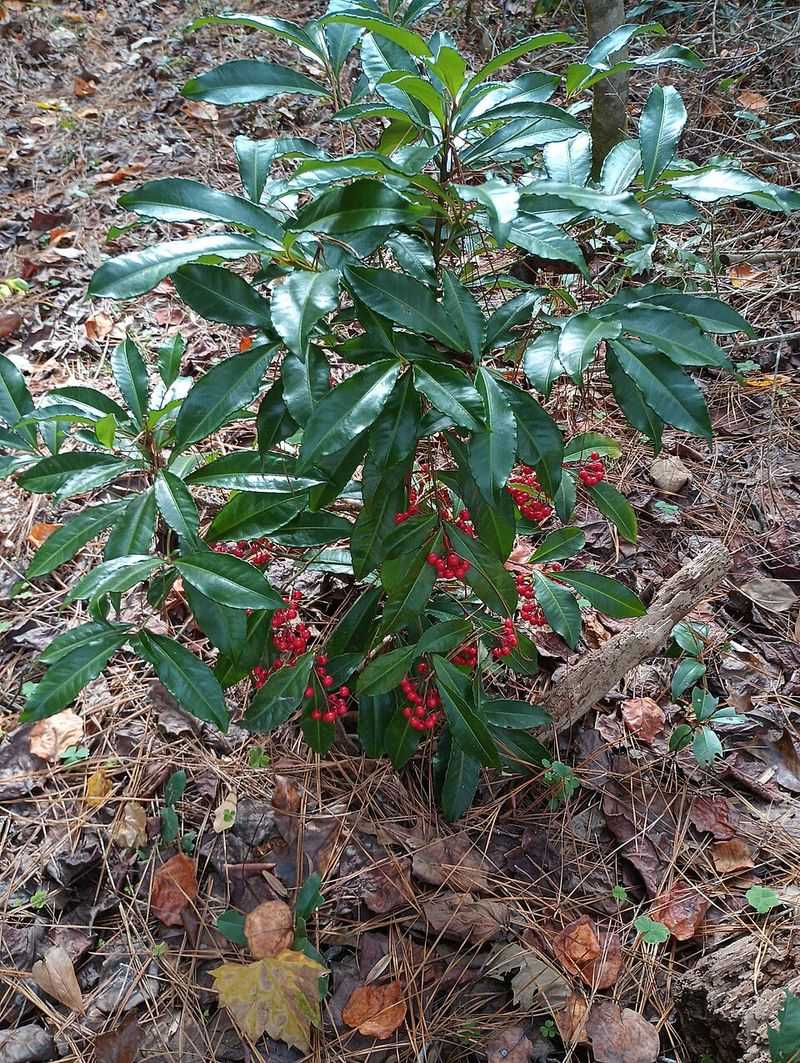
Glossy leaves and bright clusters of red berries make this shrub look almost festive beneath a shaded hammock canopy.
That appealing look is exactly what made Ardisia crenata, known as coral ardisia, a popular houseplant and garden ornamental across the Southeast.
Nurseries sold it widely through the 1980s and 1990s before its invasive behavior became widely recognized.
The trouble begins with birds. Robins, mockingbirds, and other fruit-eating species consume the berries and deposit seeds in forested understories far from any garden.
Once established, coral ardisia forms a low, persistent layer that shades out native wildflowers and seedlings. Shaded hammocks and moist upland forests are especially vulnerable because the plant tolerates low light better than most native competitors.
Your Florida Garden Changes Every Week. Your Plan Should Too.
Gardening in Florida changes quickly throughout the season. Every Friday you’ll receive a simple weekly plan showing exactly what to plant, prune, fertilize, harvest, and protect so you never miss the right timing.
Hillsborough County’s conservation lands program has documented coral ardisia infestations in managed natural areas and targets it for mechanical removal.
The University of Florida IFAS Extension confirms that it is regulated as a noxious weed in the state, meaning sale and transport are restricted under Florida law.
That regulatory status reflects how seriously land managers view its threat to native plant communities.
Coral ardisia is sometimes confused with native marlberry (Ardisia escallonioides), which has similar berries. However, marlberry has distinctly different leaves and is beneficial to local wildlife.
Always confirm identification before removing any plant from a natural area to avoid harming species that belong there.
3. Surinam Cherry Is Coming Out Of Hammocks And Park Edges
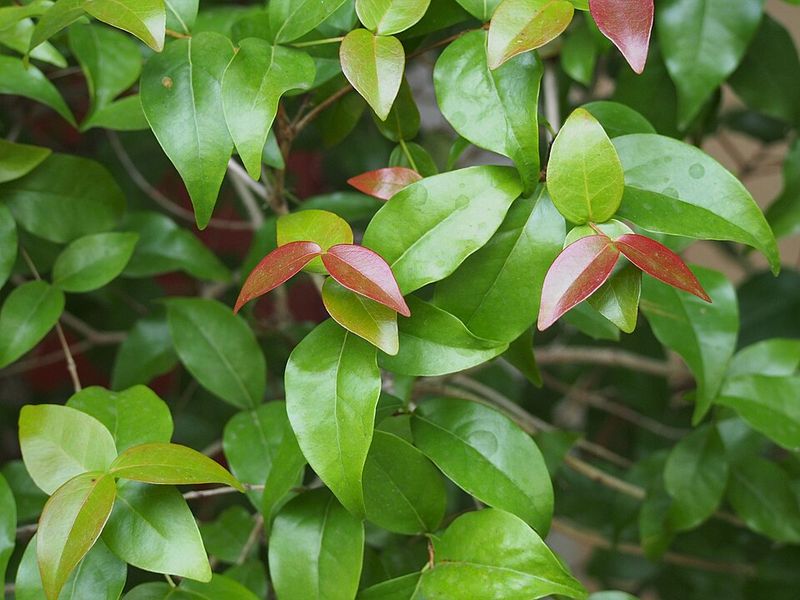
For much of the twentieth century, homeowners across the state planted this fruiting shrub as a cheerful hedge. Its ribbed, tomato-shaped fruit ripens from yellow to deep red, and the flavor ranges from sweet to resinous depending on the variety.
Eugenia uniflora, commonly called Surinam cherry, seemed like a practical choice for a privacy screen that also fed backyard birds.
That bird-feeding habit turned out to be the problem. Mockingbirds, blue jays, and catbirds spread seeds into hammock edges and disturbed woodland patches where conditions are just right for seedling establishment.
Once inside a natural area, young plants grow steadily and begin competing with native shrubs and ground cover plants that local wildlife depend on for food and shelter.
Palm Beach County Natural Areas Stewardship staff have documented Surinam cherry at management sites and include it in invasive plant treatment schedules.
The Invasive Species Council classifies it as a Category I invasive in South and Central parts of the state, where its spread is most documented.
Homeowners are not automatically required to remove Surinam cherry from private yards, and rules differ by municipality. Most county programs focus on public conservation lands, parks, and preserves.
These are places where invasive pressure directly threatens protected native plant communities. Knowing that distinction helps residents understand what removal programs are actually targeting and why those specific sites matter most.
4. Shoebutton Ardisia Is Getting Cleared From Wet Ground
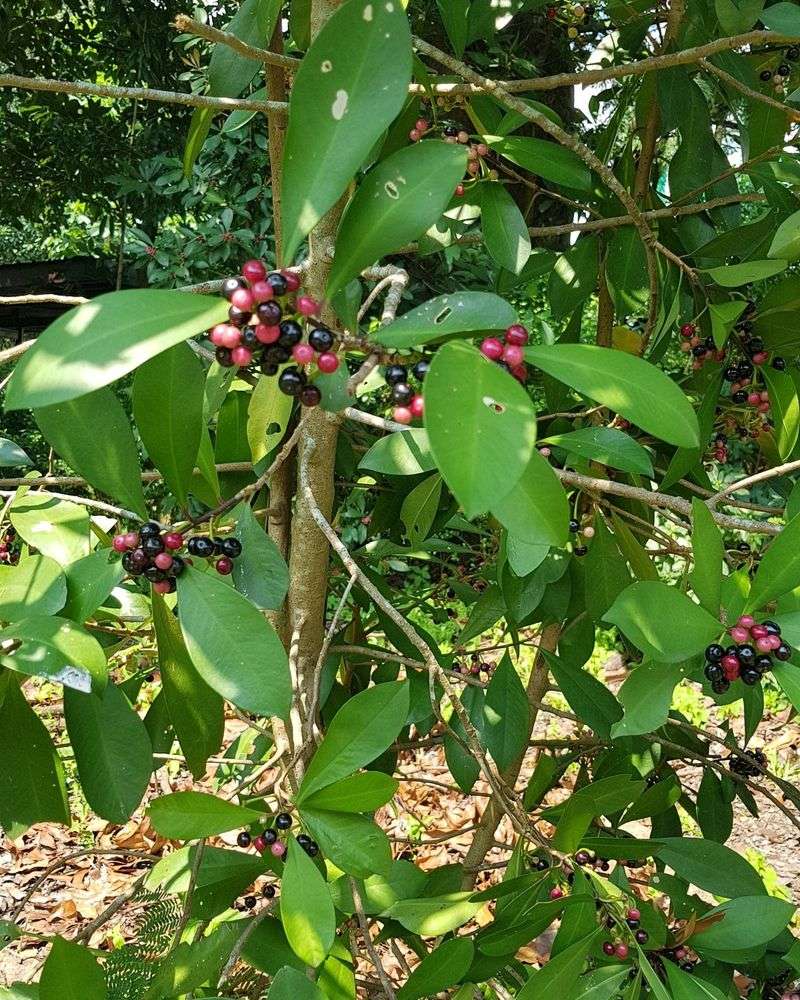
Moist soil and dappled shade create ideal conditions for a shrub that many people overlook until it has already taken over a stretch of wet hammock or wetland edge.
Ardisia elliptica, known as shoebutton ardisia, produces clusters of small flowers that shift from pink to white.
These are followed by berries that ripen from pink to dark purple. The plant stays evergreen through most of the year, giving it a competitive edge during cooler months when other vegetation slows down.
Shoebutton ardisia is distinct from coral ardisia in both habitat preference and physical form. It tends to grow taller and favors wetter conditions, making it a particular concern near wetlands, stream margins, and damp forest floors.
Birds and possibly other small animals consume the berries and move seeds into new areas, including conservation lands managed for specific native plant communities.
The South Florida Water Management District has identified shoebutton ardisia as a target species in several managed natural areas within its jurisdiction.
It is listed as a Category I invasive by the Invasive Species Council, and its sale is prohibited under state noxious weed regulations.
Removal priority depends heavily on infestation size and how sensitive the surrounding habitat is to competitive pressure.
Mechanical removal works for small infestations, but larger stands often require herbicide treatment by licensed applicators. Land managers evaluate each site individually before choosing a control method.
They balance effectiveness against potential impacts on surrounding native vegetation and soil structure.
5. Downy Rose Myrtle Is Losing Ground Before It Spreads Further
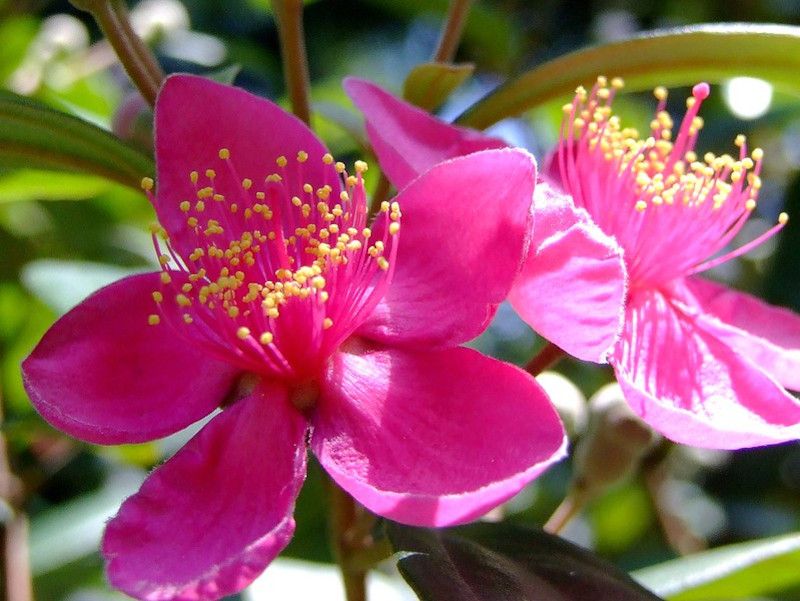
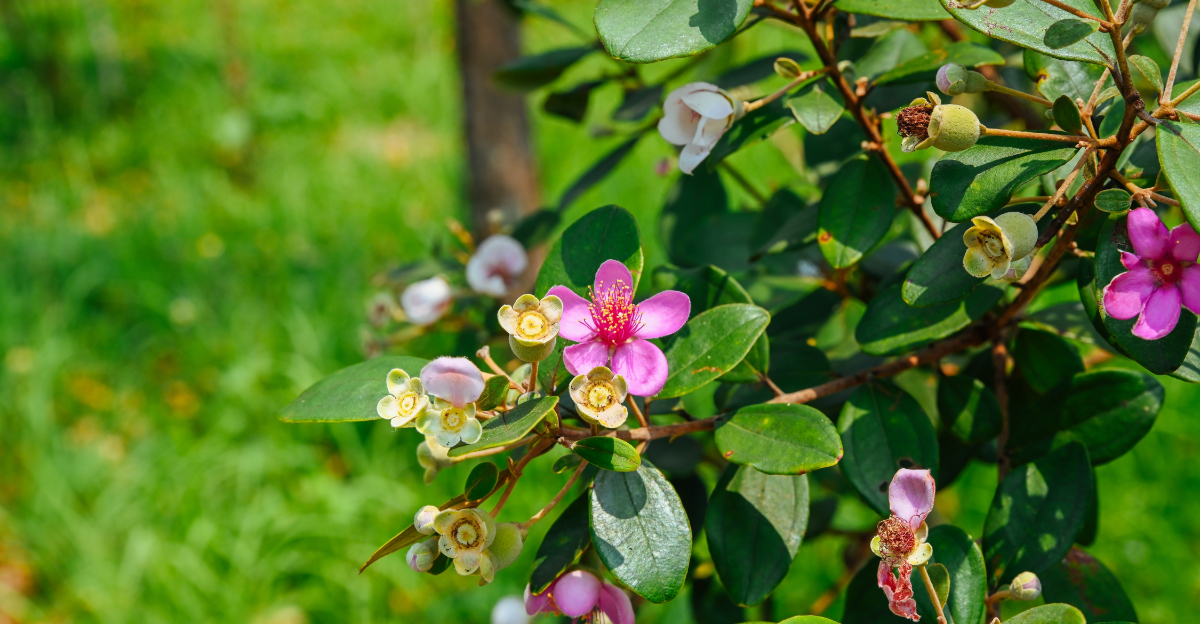
Pretty pink flowers and soft, fuzzy leaves give this shrub the look of a cottage garden plant rather than a conservation threat. Rhodomyrtus tomentosa, commonly called downy rose myrtle, was introduced as an ornamental.
It quickly showed how well it could adapt to warm, sunny conditions in South and Central parts of the state. Its purple fruit adds to the visual appeal, but also attracts birds that carry seeds into natural areas.
Land managers pay close attention to this species because early control is far more practical than managing a large established population.
Dense stands can develop over time in scrub, flatwoods, and upland edges, forming thickets that shade out native groundcover plants.
Once those native groundcovers are gone, the soil and light conditions that support rare plant species can shift significantly.
Collier County’s land management programs have documented downy rose myrtle at several natural area sites and have prioritized treatment to prevent further spread. The Invasive Species Council lists it as a Category I invasive.
The University of Florida IFAS Extension recommends mechanical removal combined with targeted herbicide application for long-term control.
This shrub is not equally distributed across the state. Its current range is concentrated in South and parts of Central Florida, so removal programs are focused in those regions rather than statewide.
Managers emphasize getting ahead of new infestations before populations grow large enough to require more intensive and expensive treatment efforts over many seasons.
6. Lantana Camara Is Being Pushed Out Of Sensitive Habitat
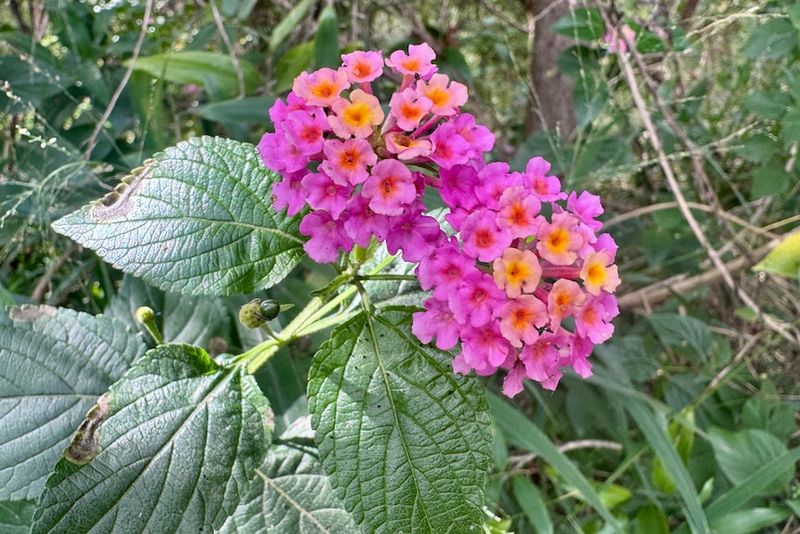
Few plants cause as much identification confusion as lantana. Colorful flower clusters in shades of yellow, orange, red, and pink make nonnative Lantana camara popular at garden centers.
Its many cultivated hybrids are widely sold as well. The problem is that not every plant sold under the name lantana is the same species.
Some forms hybridize with native pineland lantana in ways researchers are still studying.
Native pineland lantana (Lantana depressa) is a low-growing native that supports pollinators and is found in specific habitats.
Nonnative Lantana camara and invasive hybrid forms are taller, more aggressive, and capable of spreading into conservation lands through bird-dispersed seeds.
Removing the wrong plant by mistake can actually harm local ecosystems rather than help them.
Identification matters enormously here. Everglades National Park and several South Florida conservation areas have documented invasive lantana management as part of broader exotic plant control programs.
The Florida Invasive Species Council lists invasive lantana as a Category I species in certain regions. This is particularly true where it threatens pine rocklands and coastal scrub habitats.
Public-land managers work with botanists to confirm species identity before any treatment begins. Homeowners curious about their own lantana plants should contact their local UF/IFAS Extension office for identification help.
Knowing exactly what you have growing in your yard is the responsible first step before considering any removal action on your own property.
7. Chinese Privet Is Disappearing From Managed Preserves
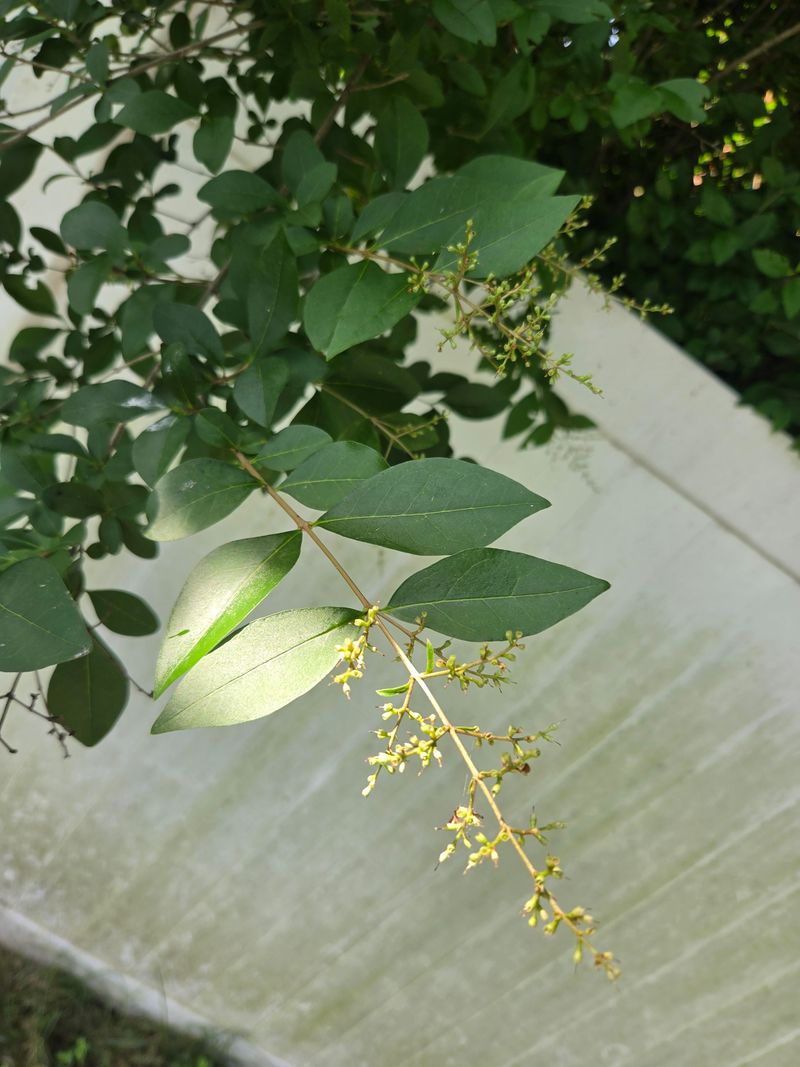
Decades ago, Chinese privet was a go-to choice for dense, fast-growing hedges in residential neighborhoods and commercial landscapes.
Ligustrum sinense tolerates shade, poor soils, and periodic drought, which made it seem like a low-maintenance solution for property boundaries and screening.
Those same qualities now make it a serious management challenge in natural areas where it was never intended to grow.
Birds eat the small dark berries and deposit seeds in forested preserves, where seedlings establish readily in the understory. Over time, Chinese privet can form a dense shrub layer that reduces light reaching the forest floor.
This can limit regeneration of native oaks, palms, and understory wildflowers. The result is a quieter, less diverse forest with fewer food sources for native insects, birds, and small mammals.
Alachua County’s land management staff have identified Chinese privet in managed natural areas and addressed it in invasive plant control plans. The University of Florida IFAS Extension lists it as a significant invasive concern in North and Central Florida.
It is more common there than in the far south. It should not be confused with Japanese privet (Ligustrum japonicum) or glossy privet (Ligustrum lucidum), which are separate species with their own management considerations.
Mechanical cutting alone often causes resprouting, so treatment typically combines cutting with targeted herbicide application to the cut stem.
Preserve managers document treatment sites and monitor regrowth as part of ongoing exotic plant management schedules across their managed lands.
8. Strawberry Guava Is Being Cut Back Before Birds Spread It
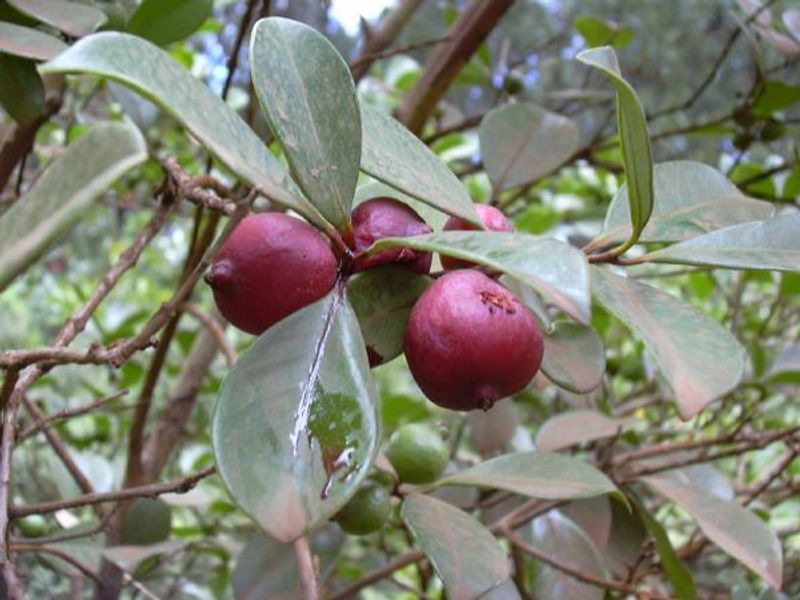
Smooth, coppery bark and glossy evergreen leaves give strawberry guava an almost ornamental appearance even when it grows in a natural area where it does not belong.
Psidium cattleianum arrived as a fruiting ornamental, and its small, sweet, strawberry-flavored fruit made it a favorite in home gardens.
The fruit is genuinely tasty, which is part of why birds and other animals seek it out so reliably.
That wildlife interest is exactly what drives its spread into parks, hammocks, and conservation lands. Seeds deposited in disturbed soil or along hammock edges germinate readily, and young plants grow into dense, multi-stemmed shrubs that crowd out native vegetation.
Early control is significantly more cost-effective than managing established thickets, which is why land managers prioritize new infestations before they grow large.
Martin County natural areas staff have documented strawberry guava at managed sites and include it in active treatment programs. The Invasive Species Council classifies it as a Category I invasive.
The University of Florida IFAS Extension recommends combining mechanical removal with herbicide treatment for effective management.
Strawberry guava should not be confused with common guava (Psidium guajava), which is a separate species also considered invasive in some habitats.
Public-land removal programs target specific natural communities where native biodiversity is at risk. Homeowners who grow strawberry guava on private property are not automatically subject to the same removal requirements as public land managers.
The goal of these programs is protecting irreplaceable native ecosystems, not regulating every backyard fruit tree across the region.