Growing Rosemary Along Your Massachusetts Porch Pays Off This August
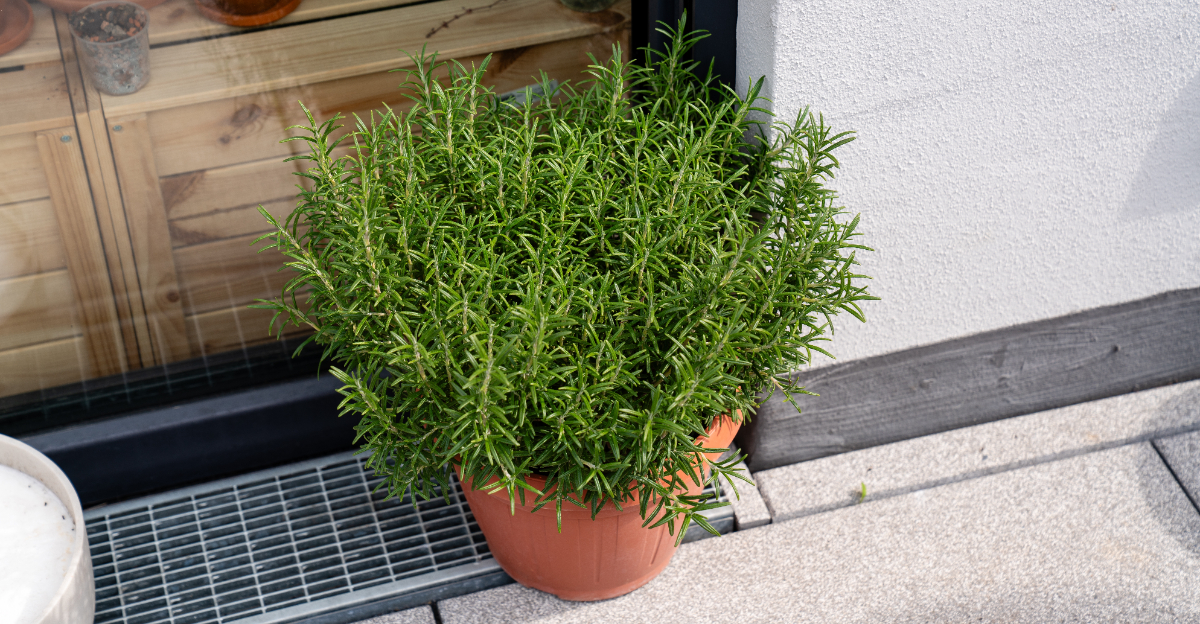
August doesn’t scream “plant something,” yet this is exactly when rosemary hits its stride. Long sunny stretches and stubborn heat are precisely what this Mediterranean native craves, not something it merely tolerates.
Most herbs sulk once summer peaks, but rosemary leans into it. Give it a spot along your Massachusetts porch now and it’ll have roots settled long before the first cool snap arrives.
A porch railing, a cracked step, a narrow ledge by the door, none of that matters much. Rosemary doesn’t ask for space, just sun and a little patience.
By fall, that same spot could be releasing scent every time someone brushes past it, turning an overlooked corner into the one people actually stop at.
Late Summer Timing Works In Rosemary’s Favor
Most people assume spring is the only season worth planting. That assumption leaves a lot of good growing time on the table.
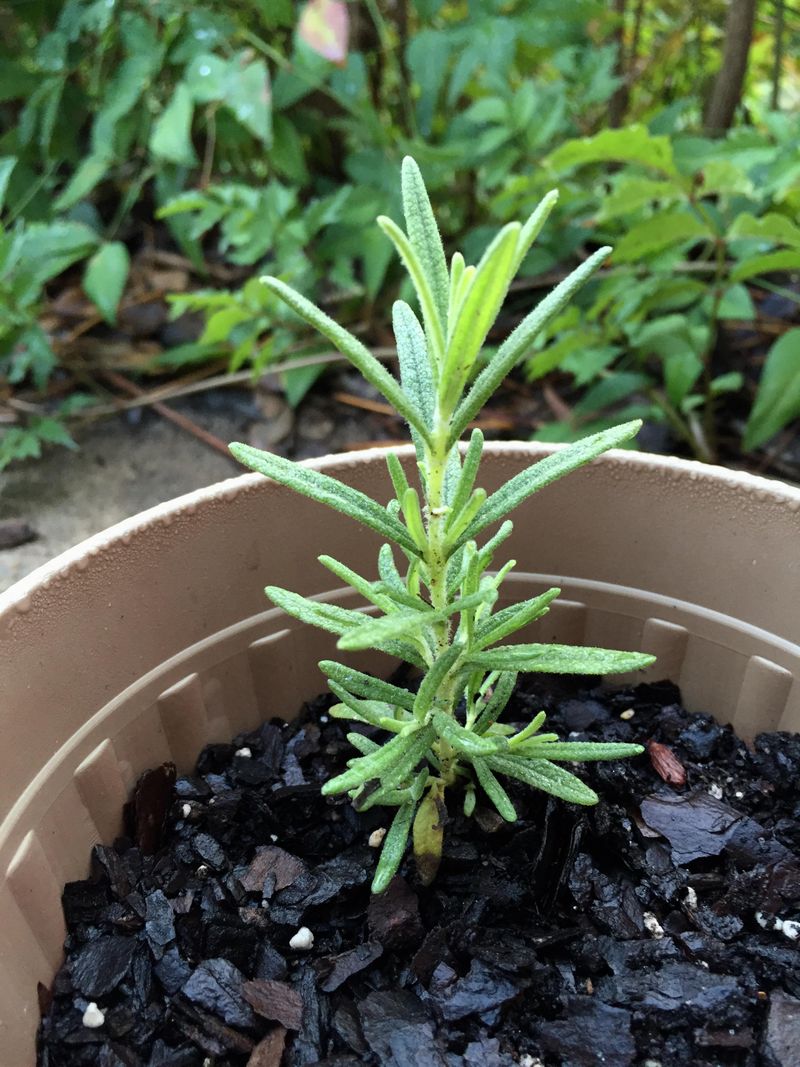
Late summer gives rosemary exactly what it craves: heat, sun, and dry air. August soil stays warm, which helps roots settle in fast without the shock of cold ground.
Planting now also gives rosemary about six to eight weeks before frost threatens. That window is enough time for a strong root system to form.
A well-rooted plant survives indoor transitions far better than a freshly potted one. You are essentially giving it a head start before the harder months arrive.
Nurseries often discount herb plants in August to clear shelf space. You can often snag a healthy rosemary plant for less than you’d pay during peak spring demand.
Pest pressure also tends to ease up by late summer, giving your new plant a calmer start. Many common herb pests are far more active earlier in the growing season.
The sunlight in August is intense but the days are slowly getting shorter. That gradual shift helps rosemary toughen up naturally before cooler weather sets in.
Getting it into the ground now stacks every one of those seasonal advantages in your favor. August is not the end of planting season; for rosemary, it might just be the beginning of its best chapter yet.
Rosemary Handles Massachusetts Porch Conditions With Ease
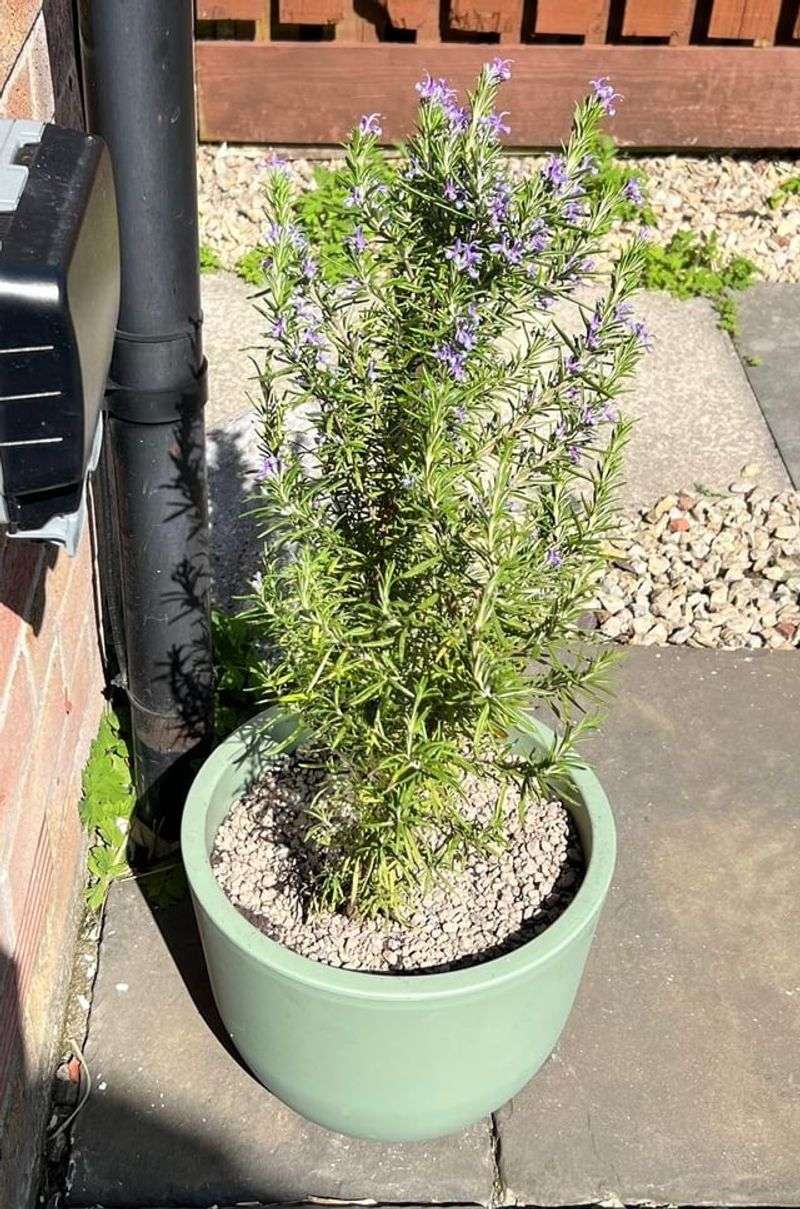
Massachusetts porches can be tricky growing environments. Wind, humidity swings, and unpredictable rain make many herbs struggle to keep up.
Rosemary, though, was built for tough spots. It originally comes from the rocky, windswept coastlines of the Mediterranean, so a breezy New England porch feels almost familiar.
The herb handles reflected heat well, too. Porches with south-facing walls or light-colored siding can get surprisingly hot, and rosemary does not flinch at that extra warmth.
Humidity is the one thing to watch in coastal Massachusetts towns. Rosemary prefers drier air and can develop powdery mildew if air circulation is poor around its stems.
Spacing your containers a few inches apart helps air move freely. Good airflow around the base of each plant keeps moisture from sitting on the foliage overnight.
Rainfall in August can be inconsistent across the state. Some weeks bring daily showers, others go almost dry, so checking soil moisture every couple of days keeps your plant from swinging between extremes.
Your Massachusetts Garden Changes Every Week. Your Plan Should Too.
Gardening in Massachusetts changes quickly throughout the season. Every Friday you’ll receive a simple weekly plan showing exactly what to plant, prune, fertilize, harvest, and protect so you never miss the right timing.
Rosemary roots hate sitting in soggy soil. A pot with drainage holes and a gritty, well-draining mix solves that problem almost entirely.
Keeping this herb happy here is genuinely doable with just a little attention to airflow and drainage. Once you nail those two things, this herb practically takes care of itself through the rest of summer.
The Practical Perks Of Having It Near Your Door
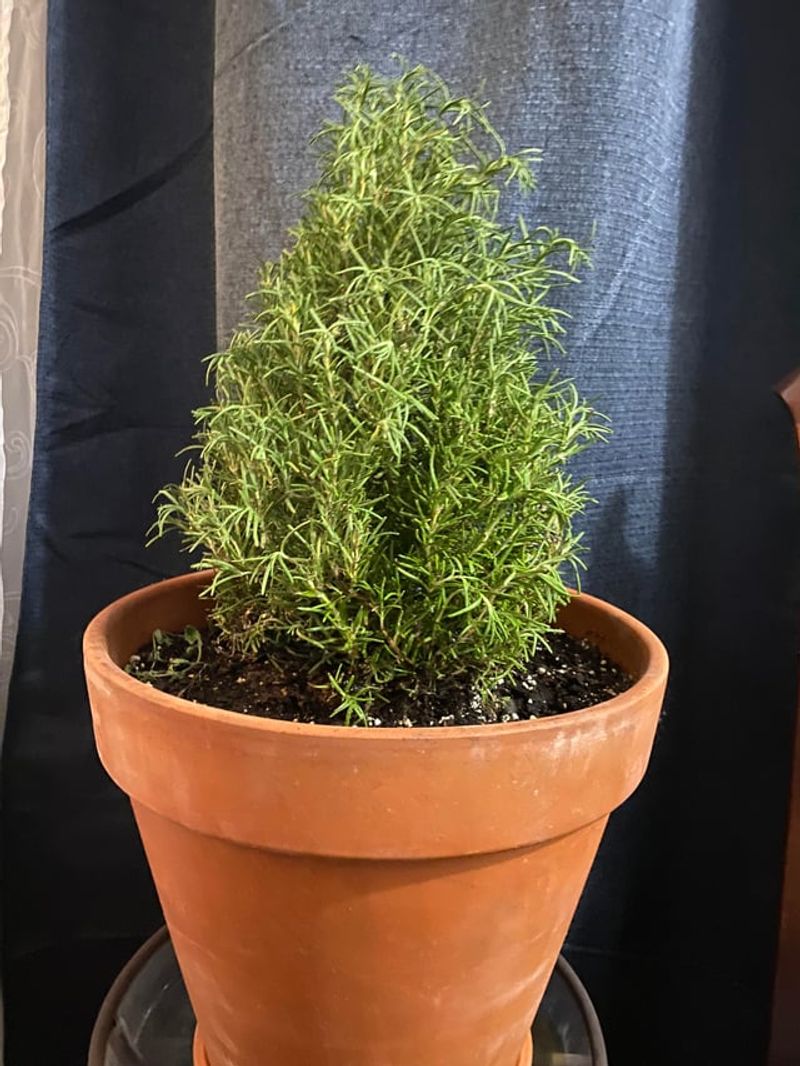
Imagine stepping outside for thirty seconds and coming back with fresh herbs for dinner. That is the daily reality when rosemary lives right on your porch.
Having it close to your door eliminates the excuse of not using fresh herbs. No muddy shoes, no long walk to a back garden, no forgetting it exists.
Rosemary pairs beautifully with roasted chicken, potatoes, bread, and even homemade lemonades. A quick snip before cooking adds flavor that dried rosemary simply cannot match.
The fragrance alone is worth the effort of growing it near your entrance. Every time someone brushes past the plant, a wave of piney, woodsy scent fills the air.
That scent also has a practical side. Rosemary naturally repels certain insects, including mosquitoes and some flies, which makes porch sitting more enjoyable in August.
Guests notice it immediately when they walk up to your door. A lush, fragrant herb plant creates a welcoming impression that a plastic doormat simply cannot pull off.
Beyond cooking, fresh rosemary sprigs work as drawer sachets, homemade cleaning rinses, and even hair rinses. One plant near your door opens up a surprisingly long list of uses.
Keep it by the entrance and the herb is always within arm’s reach. That convenience changes how often you actually use it, and that alone makes the whole project worth doing.
Choosing Containers That Suit Porch Growing
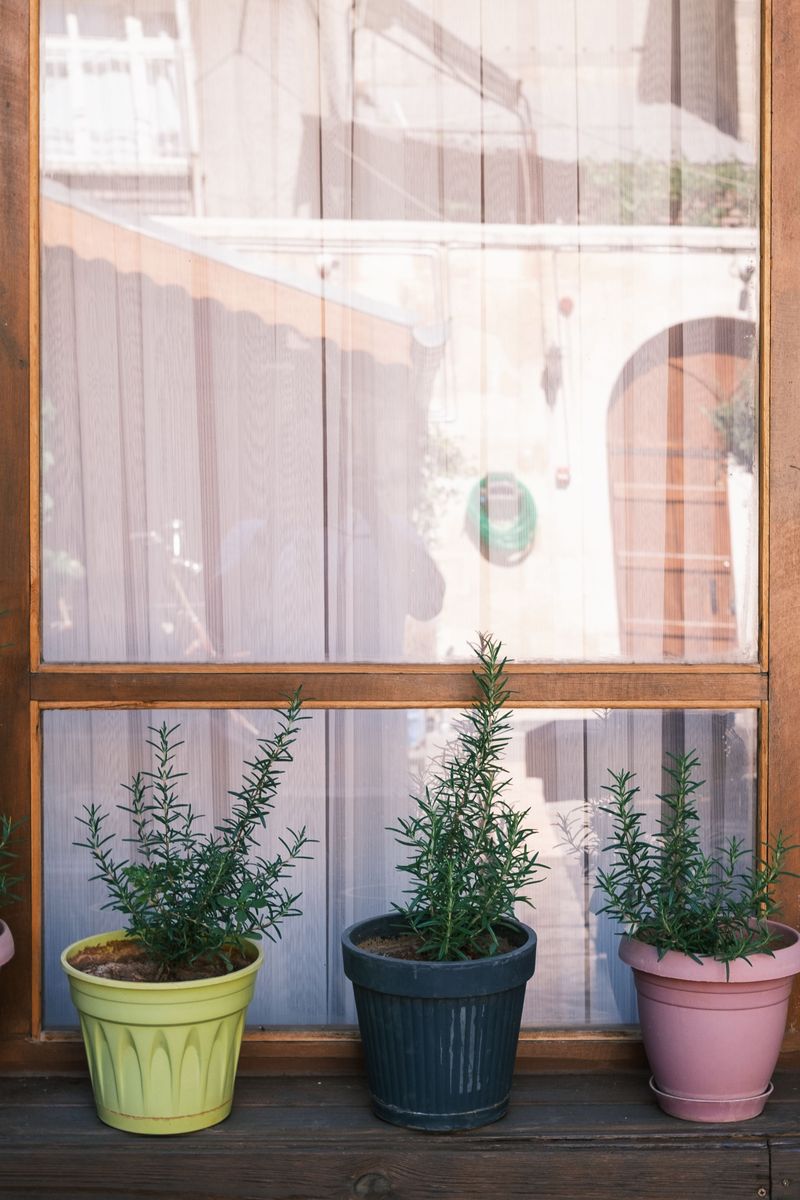
Not every pot is built for rosemary, and choosing the wrong one is one of the most common beginner mistakes. The right container makes a noticeable difference in how well the plant thrives.
Terracotta pots are a top choice for rosemary. They are porous, which means moisture evaporates through the walls and keeps the root zone from staying too wet.
Plastic pots hold moisture longer, which can be a problem for rosemary roots. If you already own plastic containers, just be extra careful not to overwater.
Size matters more than most people expect. A pot that is too small restricts root growth and dries out too fast in August heat, stressing the plant unnecessarily.
Aim for a container that is at least ten to twelve inches wide and equally deep. That gives the roots room to spread and the plant room to grow tall without tipping over.
Drainage holes are non-negotiable for rosemary. If a pot does not have them, either drill some or choose a different container entirely.
Weight is worth considering on a porch, especially on upper-level decks. Lightweight fiberglass pots that mimic terracotta look great and reduce structural stress on your porch boards.
Lining the bottom of any container with a thin layer of gravel improves drainage even further. That small step keeps roots healthy when summer rain comes in heavier than expected.
The right pot sets the foundation for a thriving plant all season long.
Companion Plants That Work Well Alongside Rosemary
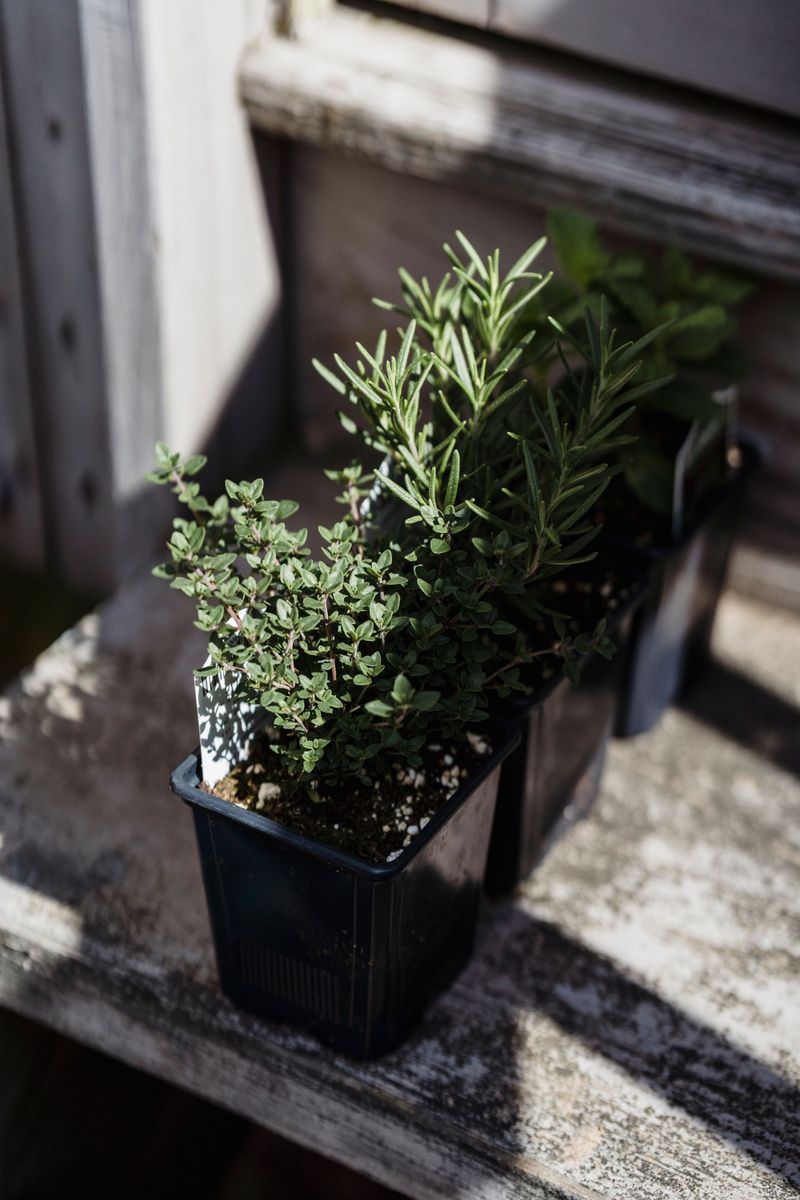
Rosemary is not a loner, and pairing it with the right neighbors makes your porch garden look fuller and work harder. The key is choosing companions that share its love of sun and dry conditions.
Thyme is the most natural pairing for rosemary. Both plants come from similar Mediterranean climates, need minimal water, and look stunning when their textures contrast in the same cluster of pots.
Lavender is another strong match. Its purple blooms against rosemary’s dark green needles create a color combination that looks almost intentional, like you planned it with a designer’s eye.
Sage grows well alongside rosemary and shares similar watering needs. It also adds a softer, rounder leaf shape that breaks up the spiky texture of rosemary nicely.
Marigolds are a smart addition near any herb pot. They help keep aphids and whiteflies in check, giving your rosemary a natural layer of pest protection.
Avoid pairing rosemary with basil or mint. Both of those herbs prefer more moisture than rosemary, and trying to water them together usually ends with one plant suffering.
Strawberries in neighboring pots are a fun and unexpected pairing. They enjoy similar sun levels, and the fruit makes a beautiful visual contrast to the herb’s woody stems.
Growing rosemary alongside the right companions creates a porch garden that is layered, fragrant, and genuinely useful. A little planning now pays off in a display that lasts through early fall.
Bringing Rosemary Indoors Before The First Frost
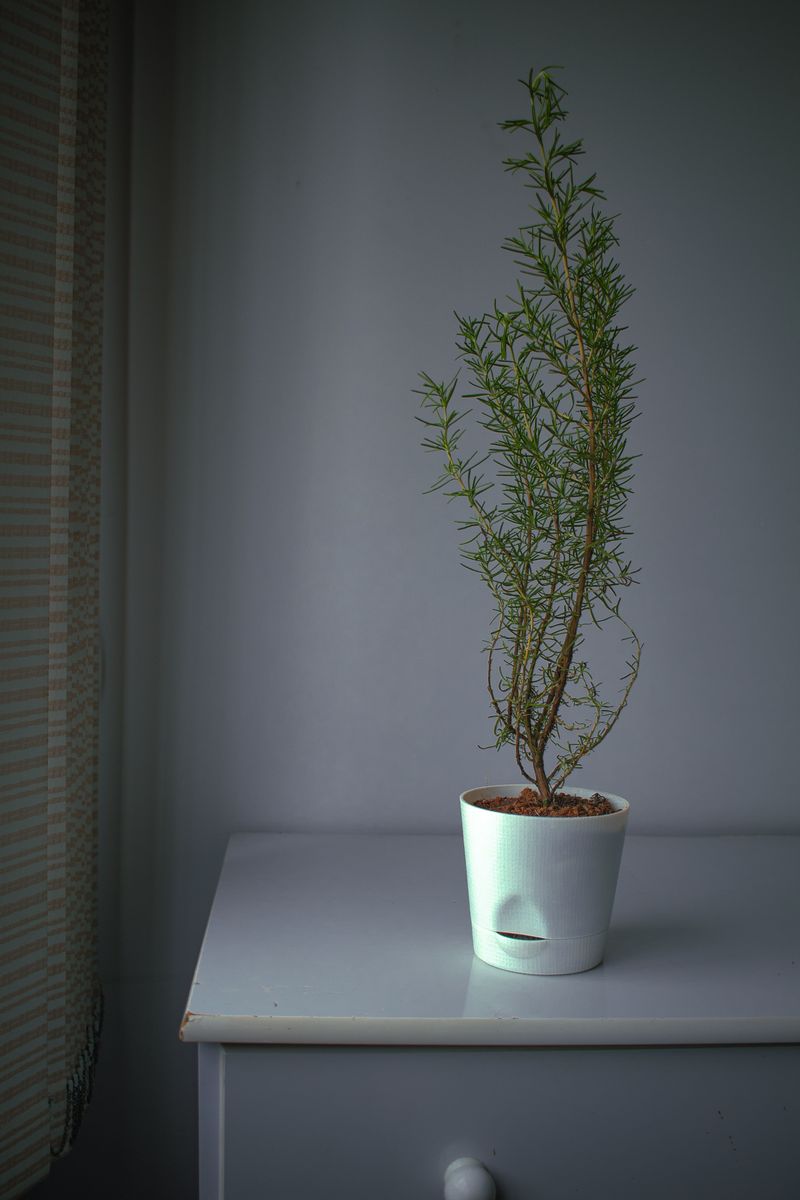
August planting sets you up for one of the best parts of growing rosemary on a porch: bringing it inside and keeping it all winter. That transition takes a little preparation, but it is absolutely worth doing.
Start watching local frost forecasts in late September. Massachusetts first frost dates vary by region, but most areas see frost risk between mid-October and early November.
About two weeks before you expect frost, move the pot to a sheltered spot on the porch. A covered area or a spot near the house wall helps the plant adjust gradually to lower light.
Sudden moves from full sun to indoor shade shock the plant. A slow transition over one to two weeks reduces needle drop and stress significantly.
Once inside, place rosemary near the sunniest window you have. A south-facing window with at least six hours of light daily keeps the plant from going dormant too fast.
Indoor heating dries out the air, which rosemary tolerates but does not love. A small tray of pebbles with water underneath the pot adds a little humidity around the base without wetting the roots.
Water less frequently indoors than you did outside. The plant grows slower in winter and needs far less moisture to stay healthy through the colder months.
Planting it this August means you are not just enjoying a summer herb. You are starting a relationship with a plant that can live and give for years to come.