This August Pruning Task Missouri Rosemary Owners Skip That Weakens The Plant By Fall
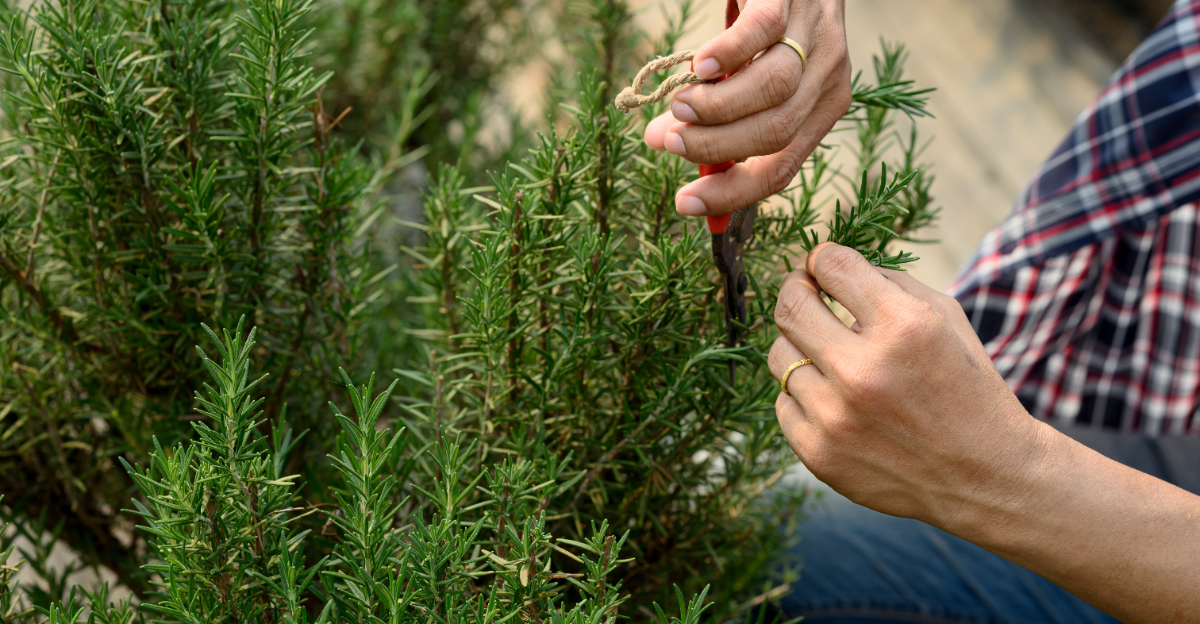
August rosemary trims may sound like the last thing on your to-do list. Missouri gardeners are busy dragging hoses around, not reaching for shears in the middle of summer heat.
Yet one overlooked cut this month changes everything about how your plant handles the season ahead. Skip it, and you’re setting up months of struggle once temperatures start dropping.
The task itself barely registers as work. Ten minutes, a few snips, and you’re done before your coffee gets cold.
What makes it worth doing isn’t obvious until fall arrives and your rosemary either bounces back strong or starts looking rough around the edges. Missouri’s shifting weather makes the difference between those two outcomes smaller than you’d think.
A Light Shaping Prune Is The Step Most People Miss
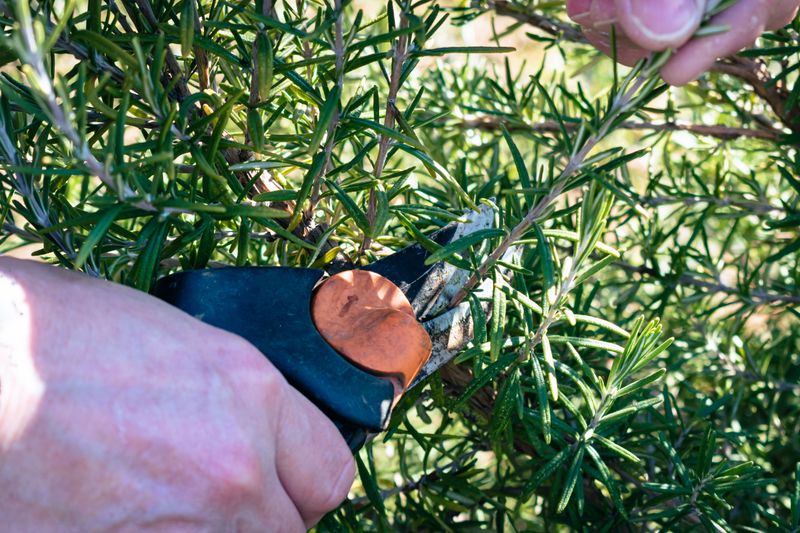
It’s a small step, but it changes everything. Most rosemary owners water, fertilize, and call it done, never touching the stems until the plant looks desperate.
A light shaping prune is not a dramatic haircut. It means snipping off just the top one to two inches of each stem tip.
This subtle move redirects the plant’s energy from sprawling outward to building stronger inner growth. Rosemary left unpruned in August tends to push long, floppy new shoots that cannot handle cold stress.
Those weak shoots are the first to suffer when Missouri nights turn cool in October. Removing them now forces the plant to tighten up its structure before winter arrives.
Think of it like trimming split ends before a big season change. You are not removing healthy growth, you are removing growth that would have caused problems anyway.
The shaping prune also encourages fuller, bushier regrowth from nodes lower on the stem. That denser base is what gives rosemary its resilience through fall and into the cold months.
Gardeners who skip this step often wonder why their rosemary looks sparse by November. The answer usually traces back to what did not happen in August.
A well-timed light prune costs you ten minutes and a handful of clippings. The payoff is a plant that enters fall with confidence instead of exhaustion.
The Six To Eight Week Window Before First Frost

Timing is everything with this pruning task. Missouri typically sees its first frost somewhere between mid-October and early November, depending on your region.
That means August gives you a six to eight week buffer before cold arrives. This window is not accidental, it is the sweet spot rosemary needs to recover from pruning before stress sets in.
Prune too late in September and the plant cannot fully heal before frost hits. Prune in July and you risk triggering a burst of new growth that burns out before fall even begins.
August sits right in the middle, warm enough for recovery, early enough for strength-building. This is the window that experienced rosemary growers protect fiercely.
New stem growth after an August prune has time to harden off properly. Hardening off means the stems toughen up, becoming less vulnerable to cold damage and moisture stress.
Your Missouri Garden Changes Every Week. Your Plan Should Too.
Gardening in Missouri changes quickly throughout the season. Every Friday you’ll receive a simple weekly plan showing exactly what to plant, prune, fertilize, harvest, and protect so you never miss the right timing.
Soft, fresh growth that has not hardened is like leaving a window open in January. It invites damage from the very first cold snap.
Knowing your local frost date sharpens this timing even further. The University of Missouri Extension publishes frost date data by county, and it is worth a quick look before you cut.
Once you mark your window on the calendar, the August pruning task Missouri rosemary growers skip suddenly becomes the most logical appointment of the season.
What Happens When This Step Gets Skipped
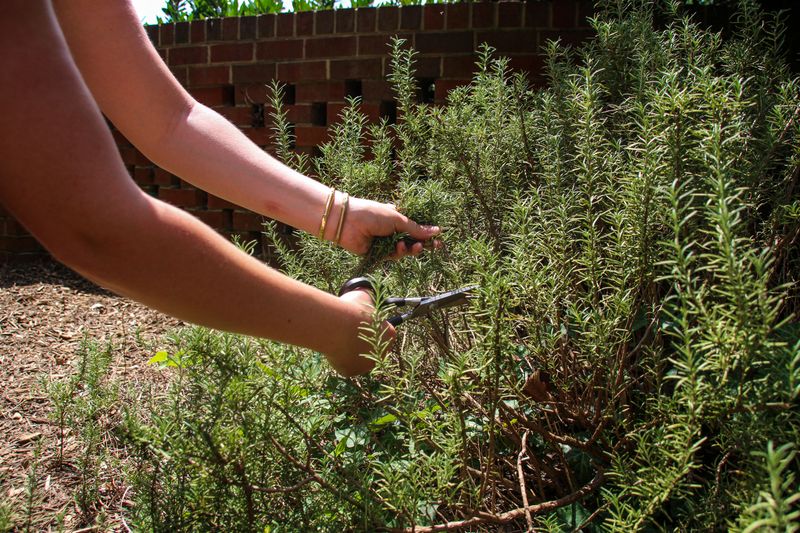
Skipping the August trim does not feel dangerous in the moment. The plant looks fine, the weather is still warm, and nothing seems urgent.
But by October, the consequences start showing up in ways that are hard to ignore. Stems become long and spindly, the plant loses its compact shape, and foliage thins out noticeably.
Without a mid-season prune, rosemary puts energy into extending existing shoots rather than building root strength. Roots are what carry the plant through cold soil temperatures during winter.
A root system that did not get enough energy investment by fall is a fragile one. Fragile roots mean fragile recovery in spring, if the plant recovers at all.
Beyond roots, the unpruned plant also becomes more vulnerable to moisture problems. Long, dense stems trap humidity near the base, and that trapped moisture invites fungal issues.
Missouri summers are humid enough on their own without adding poor airflow to the mix. A plant heading into fall with poor airflow is already fighting an uphill battle.
There is also the issue of weight. Heavy, unpruned stems can splay outward under the first ice or heavy rain of fall, splitting the plant at its base.
All of this starts with one skipped step in August. Knowing the risk makes the fix feel well worth the small effort required.
Signs Your Rosemary Is Already Too Leggy
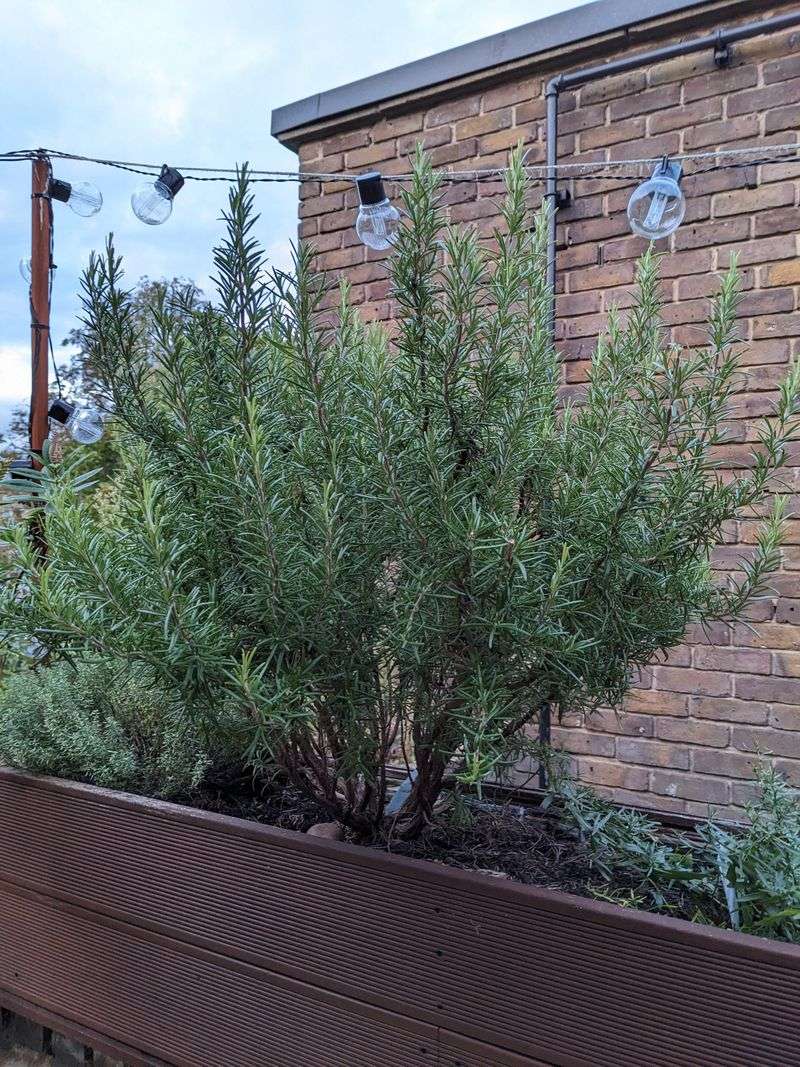
Your rosemary is telling you something, and the clues are right there on the stems. Legginess is one of the clearest signals that pruning has been delayed too long.
A leggy plant has long, bare stems with foliage clustered only at the tips. The base of the plant looks woody and naked, while the top reaches awkwardly outward.
If you can wrap your hand around a stem and slide it from base to tip without hitting many leaves, that stem is too leggy. Healthy rosemary should feel full and bushy, not sparse and stretched.
Another sign is when the plant starts leaning to one side without support. That lean usually means the stems have grown faster than the root system can anchor them properly.
Color can also be a clue. Pale or yellowish foliage near the stem base often means that section is not getting enough light or airflow, both symptoms of overgrown, tangled growth.
Check the interior of the plant too. If you cannot see through the center at all, airflow is restricted and pruning is overdue.
Some legginess can still be corrected with a careful August trim. You cannot cut into bare woody sections and expect regrowth, so focus on stems that still have green foliage.
Catching legginess before fall arrives gives your rosemary the best shot at bouncing back strong. Waiting until spring often means the damage is already locked in.
How To Prune Without Shocking The Plant

Grabbing any old scissors and going to town is not the move here. Rosemary responds well to careful pruning and poorly to rough handling.
Start with clean, sharp bypass pruners. Dull blades crush stems instead of cutting them cleanly, and crushed stems are slower to heal and more prone to disease.
It’s a small step, but it changes everything. This simple step prevents transferring any lingering bacteria or fungal spores from other plants to your rosemary.
Cut just above a leaf node, which is the small bump where leaves or side shoots branch off the stem. Cutting at a node encourages the plant to send out new growth from that exact spot.
Never remove more than one-third of the plant in a single session. Taking too much at once stresses the root system and slows recovery significantly.
Work your way around the plant evenly, stepping back often to check the shape. You want a rounded, balanced silhouette, not a flat-topped or lopsided result.
After pruning, skip the fertilizer for at least two weeks. Feeding right after a prune pushes fast, soft growth that has no time to harden before fall temperatures arrive.
Water normally and let the plant rest in its usual sun exposure. The August pruning task Missouri gardeners often skip is surprisingly gentle when done with the right approach and a little patience.
A Quick Post-Prune Check Before Fall
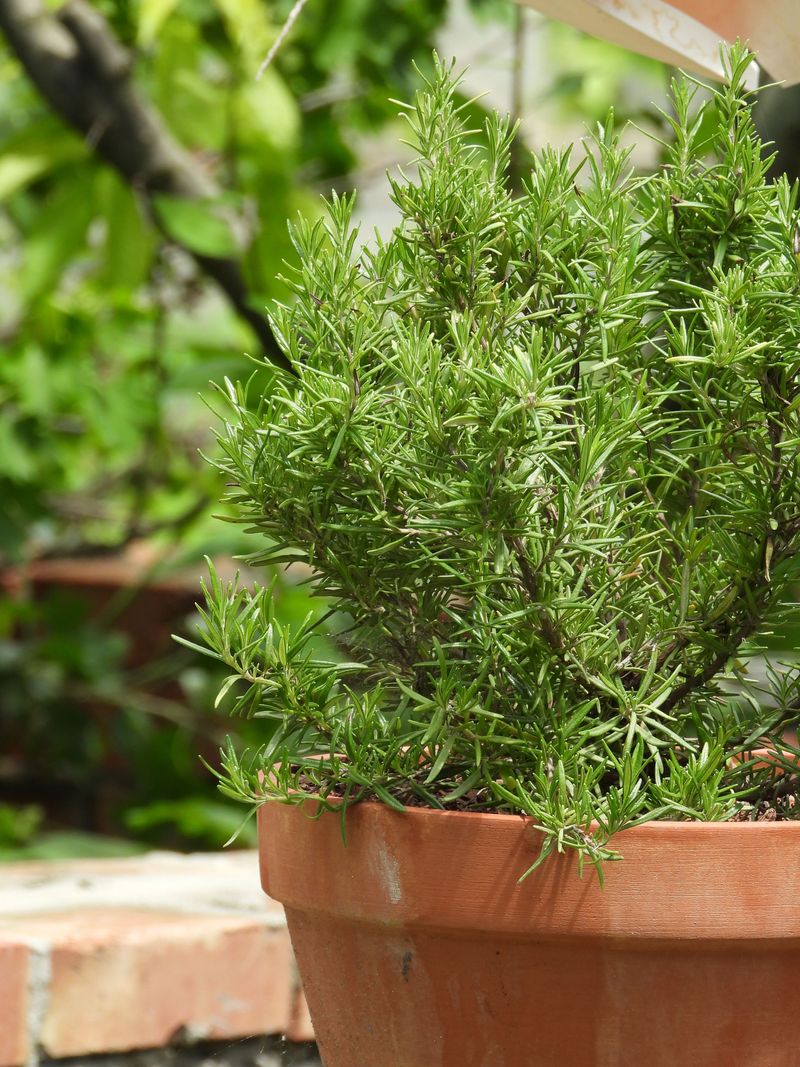
Ten minutes with the shears is not the finish line. A short follow-up check a week later tells you whether the plant responded the way it should.
Look for fresh green tips near the cut points. That small burst of new growth means the rosemary is redirecting energy exactly where you wanted it.
If stems still look dry or brittle at the tips, something else may be going on. Poor drainage or too little sun exposure could be slowing recovery.
Soil moisture matters here too. Rosemary prefers to dry out slightly between waterings, and soggy roots after pruning only add stress to a plant already adjusting.
Check the base of the plant while you’re at it. Better airflow after trimming should mean less moisture sitting near the crown.
If you notice any soft or blackened stems, remove them right away. Leaving compromised growth in place can slow down the rest of the plant’s recovery.
This second look costs almost nothing in time, but it catches small problems before they become bigger ones. Missouri’s unpredictable fall weather leaves little room for a rosemary plant playing catch-up.
By the time the first cool nights arrive, a well-checked plant should look tighter, greener, and noticeably more settled than it did in August.