What It Really Means When Grasshoppers Take Over Your North Carolina Garden In August
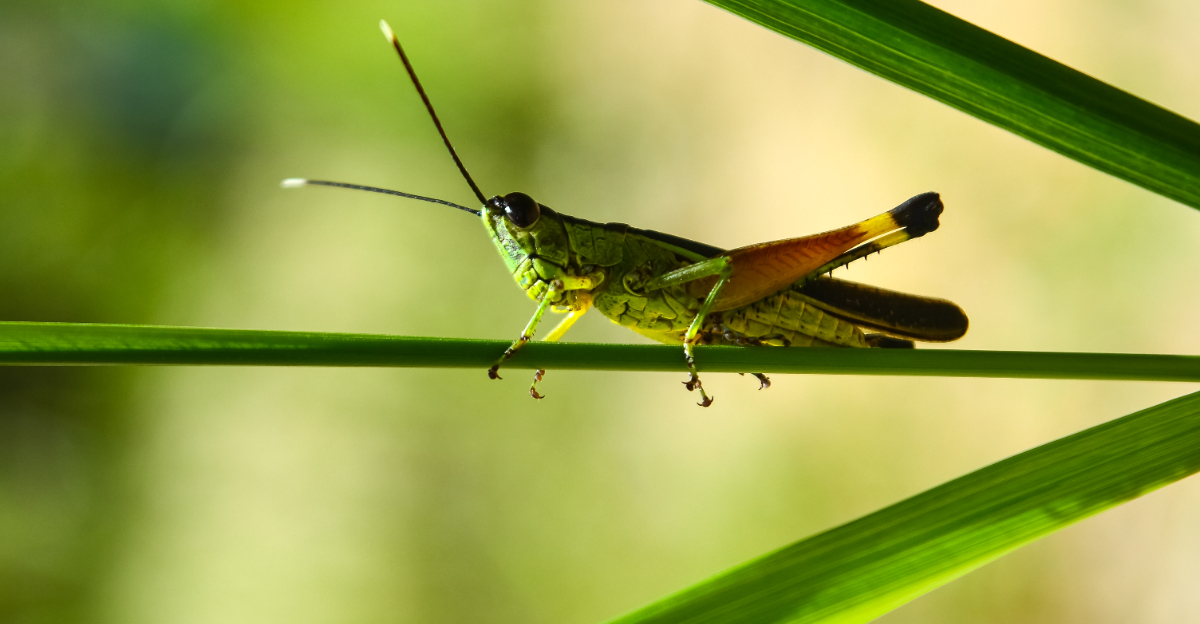
A sudden surge of grasshoppers in a North Carolina garden during August often reflects a natural population boom tied to warm, dry summer conditions.
These insects thrive when consistent heat and lower humidity create favorable conditions for their eggs to hatch and mature quickly.
Grasshoppers tend to favor grasses and broad leaved plants, often causing noticeable chewing damage across a wide range of garden vegetables.
Checking nearby fields or unmowed areas can reveal whether a larger outbreak is pushing grasshoppers into cultivated garden spaces.
Row covers offer effective protection for vulnerable young plants during periods of heavy grasshopper activity. Encouraging natural predators like birds can help keep populations in check without relying on chemical treatments.
Handpicking grasshoppers in the early morning, when they’re less active, provides another simple control method. Understanding this population surge helps gardeners respond effectively rather than feeling overwhelmed by the sudden increase.
1. Dry August Weather Can Bring More Grasshoppers
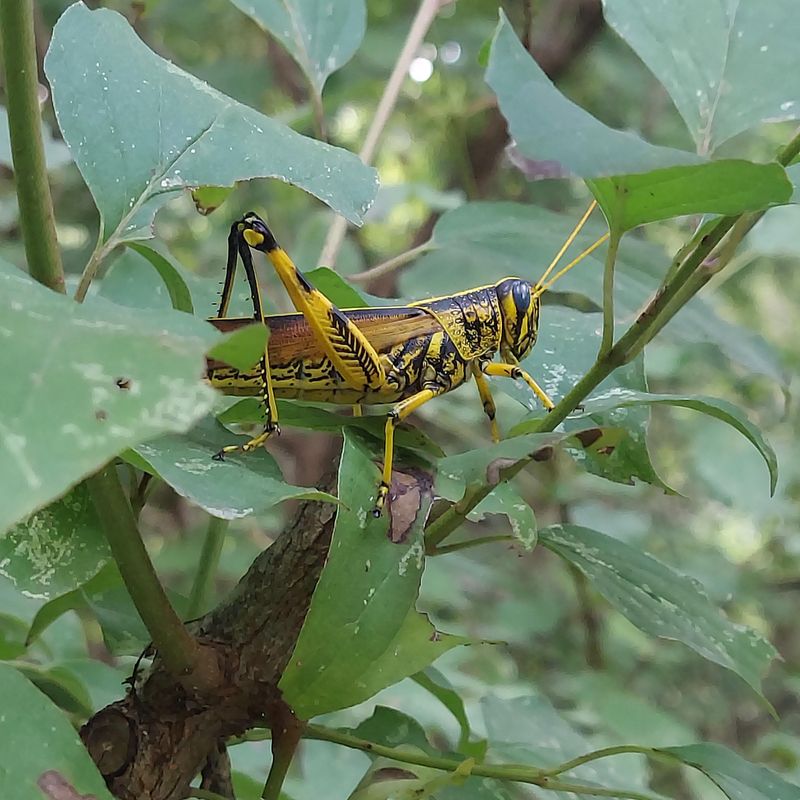
Hot, dry summers are basically a welcome mat for grasshoppers. North Carolina Augusts are often scorching, and when rainfall drops below normal, grasshopper populations can grow much faster than usual.
Wet, cool weather tends to slow them down because moisture encourages a natural fungus called Entomophaga grylli, which keeps populations in check. Take away the rain, and that natural control mostly disappears.
Dry soil also makes it easier for grasshopper eggs to survive. Females lay their eggs in the ground during late summer and fall, and compacted, dry soil protects those eggs better than soggy conditions.
This means a dry August can set the stage for even more grasshoppers the following year if nothing changes.
Gardeners across the Piedmont and Coastal Plain regions of North Carolina often notice the biggest spikes during drought years.
The combination of heat and low humidity speeds up grasshopper development, allowing them to mature faster and become more active feeders.
You might not see this connection right away, but the weather report and your garden damage are often closely linked.
Paying attention to seasonal rainfall patterns can actually help you predict grasshopper pressure before it becomes a serious problem. Checking local agricultural extension reports from NC State University is a smart habit.
If experts are forecasting a dry stretch, you can get ahead of potential feeding damage by preparing your garden early rather than scrambling to fix things after the fact.
2. Many Grasshoppers Are Adults By Late Summer
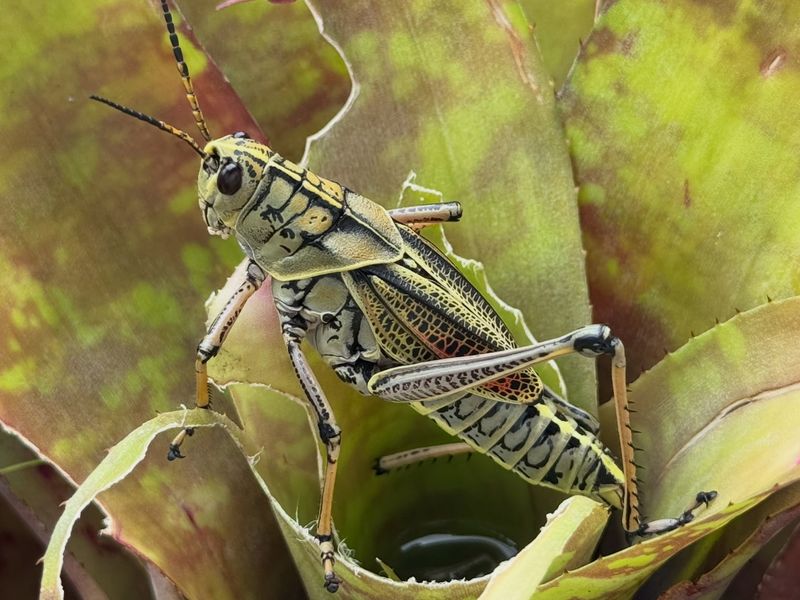
By the time August rolls around, most grasshoppers have gone through all their nymph stages and are now fully grown adults. That is a big deal for gardeners, because adult grasshoppers eat far more than young ones.
They are also much harder to manage since they can fly, jump long distances, and cover a lot of ground in a single afternoon.
Grasshoppers go through a process called incomplete metamorphosis, meaning they hatch as tiny nymphs that look like small versions of adults and gradually grow bigger over several weeks.
In North Carolina, eggs typically hatch in late spring, and by midsummer those nymphs have been feeding steadily.
Your North Carolina Garden Changes Every Week. Your Plan Should Too.
Gardening in North Carolina changes quickly throughout the season. Every Friday you’ll receive a simple weekly plan showing exactly what to plant, prune, fertilize, harvest, and protect so you never miss the right timing.
August is when you see the final result: large, hungry, fully winged insects ready to feed aggressively before the season ends.
Spotting many large grasshoppers at once can feel alarming, but it is simply the natural peak of their annual cycle. The good news is that adults are also near the end of their life cycle.
They will lay eggs and finish out the season as temperatures begin to drop in fall. Gardeners who understand this timing can focus their energy on protecting the most vulnerable plants right now rather than stressing about a never-ending invasion.
Knowing that August represents their population peak is genuinely helpful. You are not dealing with a growing problem that will keep escalating.
You are dealing with a seasonal high point that will naturally taper off as cooler weather arrives in September and October across most of North Carolina.
3. They May Be Moving In From Nearby Areas
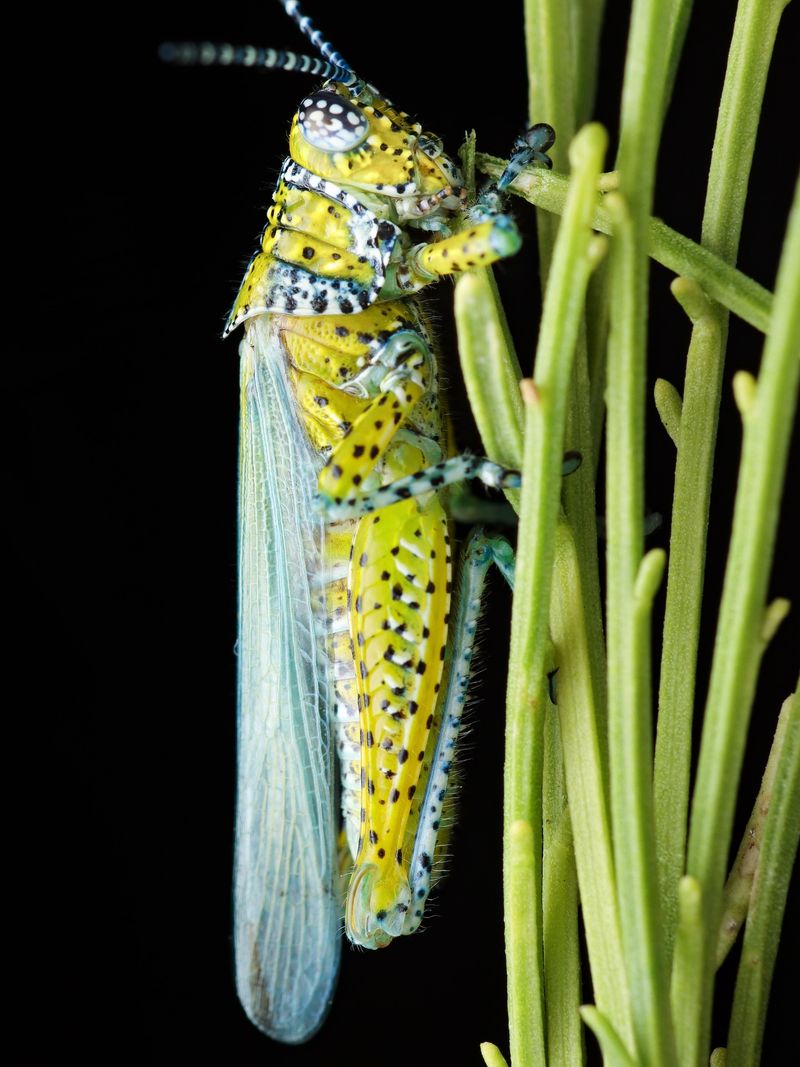
Gardens rarely exist in isolation, and grasshoppers know that better than anyone. If your yard borders a field, a pasture, a roadside ditch, or even an unmowed vacant lot, those areas can serve as launching pads.
When the grasses and weeds in nearby spaces dry out or get mowed, grasshoppers look for greener, more appealing food sources nearby. Your lush garden can look extremely attractive compared to a parched roadside.
This kind of movement happens quickly and can feel like an overnight invasion. One day your garden looks fine, and the next morning there are dozens of grasshoppers munching on your pepper plants.
What actually happened is that the surrounding habitat changed, pushing existing populations toward your garden rather than a sudden population explosion appearing from nowhere.
Rural and suburban gardeners in North Carolina are equally affected by this pattern. Suburban yards near retention ponds, greenways, or open green spaces often see the same migration effect as farms.
The grasshoppers are not multiplying in your garden necessarily; they are simply relocating from a less appealing spot nearby.
One practical way to reduce this migration effect is to create a buffer zone around your garden. Keeping a strip of bare ground or a physical barrier like row cover fabric along the edges can slow grasshopper movement into your beds.
Mowing surrounding grass short also removes some of the shelter grasshoppers use as staging areas before they move into your prized vegetable or flower beds.
4. Ragged Leaves Reveal Their Feeding
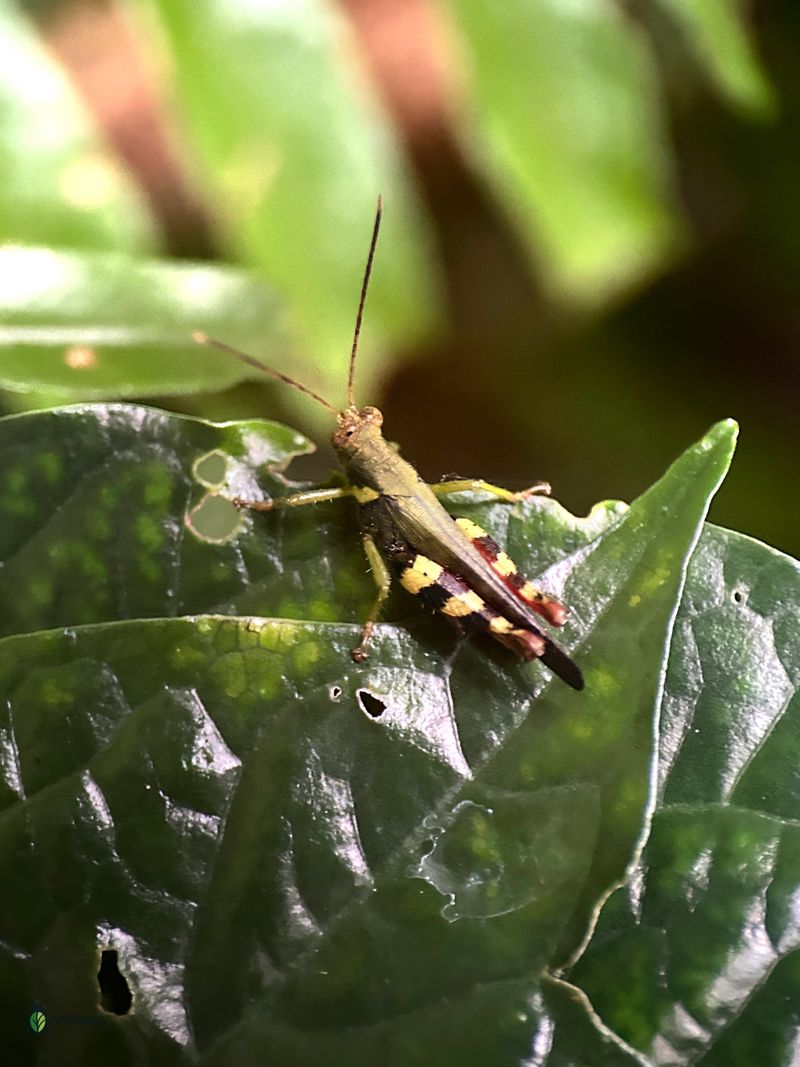
Grasshopper feeding has a very recognizable look once you know what to spot. They chew from the outer edges of leaves inward, leaving behind jagged, irregular margins that almost look torn rather than cleanly cut.
Unlike caterpillars, which often leave smooth, rounded holes, grasshoppers produce rough, uneven damage that can strip a leaf down to its central vein if feeding is heavy enough.
Before blaming grasshoppers for every chewed leaf in your garden, take a close look at the damage pattern. Slugs tend to leave slime trails and feed at night, creating smoother holes.
Caterpillars often leave behind frass, which is their small, dark droppings. Grasshoppers are active during the day and leave no slime or frass, so if you see ragged edges and can spot the insects hopping around in daylight, that is a strong confirmation.
Heavy feeding can also affect stems, especially on younger, softer plants. Grasshoppers are not picky eaters and will sample a wide variety of garden plants including beans, corn, lettuce, squash, and ornamental flowers.
In North Carolina gardens, they have been observed feeding on over 100 different plant species, so almost nothing is completely off limits.
Catching the damage early gives you more options for responding effectively. Walk your garden in the morning when grasshoppers are less active and temperatures are cooler.
You will spot the damage more clearly, and you may even catch individual grasshoppers resting on plants before the heat of the day gets them moving fast and jumping far away from your reach.
5. A Few Grasshoppers Are Usually Not A Crisis
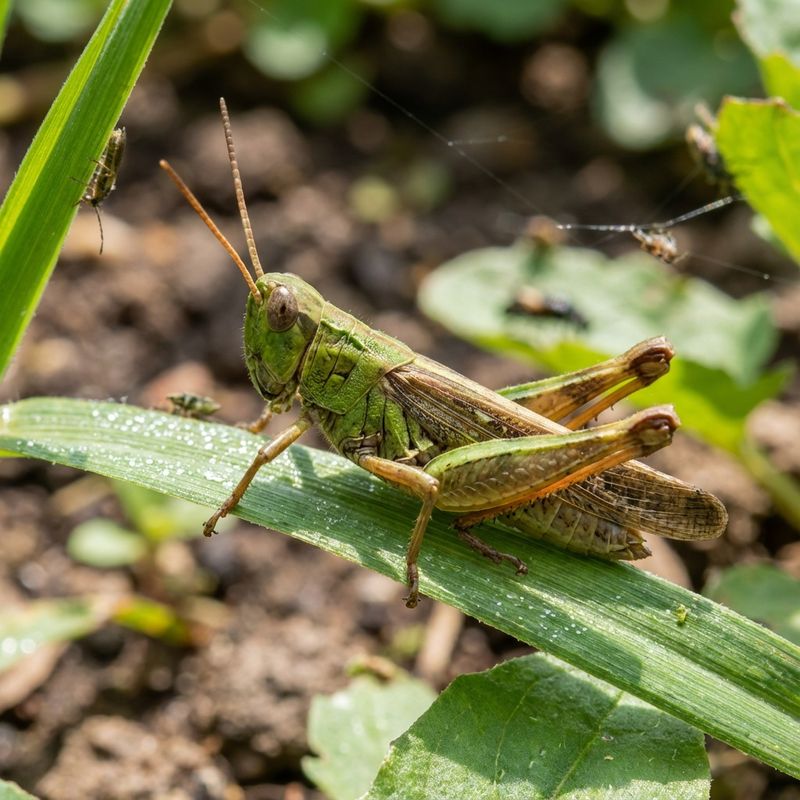
Seeing a grasshopper or two in your garden is completely normal and not a reason to reach for any kind of treatment. Grasshoppers are part of the natural ecosystem, and in small numbers they do very little meaningful damage to established plants.
A healthy garden can tolerate some leaf chewing without losing productivity or looking significantly worse by the end of the season.
The real question to ask is not how many grasshoppers you see, but how much actual plant damage is occurring. Extension experts generally suggest that concern is warranted when feeding damage is noticeably reducing plant health, especially on food crops close to harvest.
A few ragged leaves on a mature tomato plant are unlikely to affect your harvest at all. However, the same level of feeding on a small seedling could be more significant.
Treating every grasshopper you spot can actually cause more harm than good. Broad pesticide applications can reduce populations of beneficial insects like bees, ground beetles, and parasitic wasps that help keep other pest populations balanced.
Spraying unnecessarily also adds cost, effort, and potential chemical exposure without a meaningful benefit if the grasshopper pressure is already low.
A practical approach is to set a personal threshold based on what you observe. If fewer than five to ten grasshoppers per square yard are present and plant damage looks minor, watching and waiting is often the best strategy.
North Carolina gardeners who practice this kind of patient, observation-based approach tend to have healthier gardens overall, because they intervene only when it actually matters.
6. Young Plants Need The Most Attention
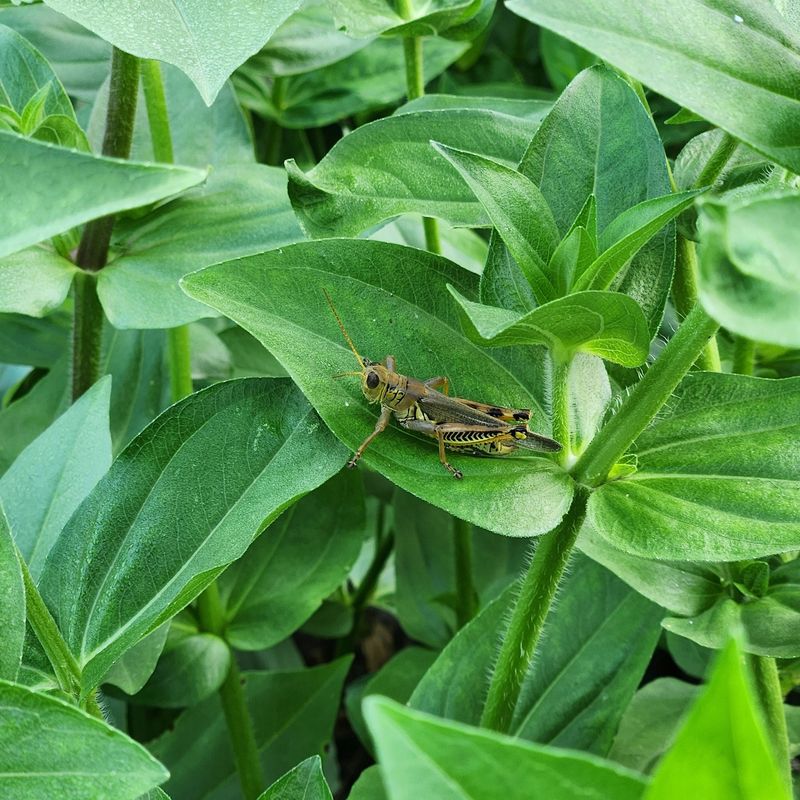
Seedlings and young transplants are in a completely different category compared to large, established plants when it comes to grasshopper pressure. A mature pepper plant with dozens of healthy leaves can lose a few without any real setback.
A two-week-old seedling with only four or five small leaves can be seriously damaged by the same amount of feeding, sometimes losing so much foliage that it cannot recover its growth momentum.
Late summer is actually a common time for North Carolina gardeners to start fall garden transplants. Crops like broccoli, kale, collards, and cabbage often go into the ground in August for a fall harvest.
This timing puts young, tender plants right in the middle of peak grasshopper season, which means extra protection is worth the effort for these vulnerable starts.
Row covers made of lightweight fabric are one of the most effective physical barriers you can use around young plants. They allow sunlight and water through while keeping grasshoppers and many other insects away from the foliage.
Floating row covers are widely available at garden centers across North Carolina and are reusable season after season, making them a smart investment for any serious gardener.
Checking on newly planted seedlings every single day during August is a habit worth building. Young plants can go from healthy to heavily damaged in just a couple of days under significant grasshopper pressure.
Catching feeding early allows you to respond quickly, whether that means adding physical protection, hand removing insects, or temporarily relocating containers to a more sheltered spot away from the main feeding pressure.
7. Start With Simple Physical Control
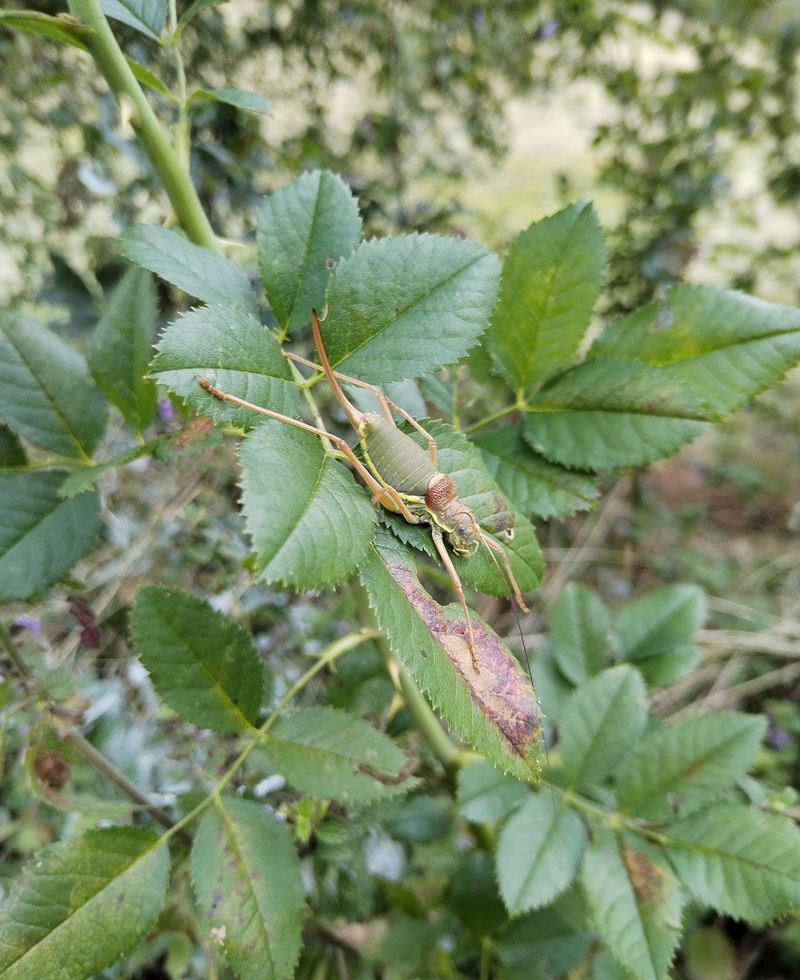
Before reaching for any kind of spray or chemical solution, the simplest and most targeted approach is often the most effective one.
Hand picking grasshoppers directly off your plants sounds old-fashioned, but it works remarkably well when populations are still manageable.
Going out in the early morning when temperatures are cooler gives you a big advantage, because grasshoppers are slower and less likely to jump away before you can grab them.
Wearing gloves makes the job more comfortable, and dropping collected grasshoppers into a bucket of soapy water is a quick and effective way to handle them without using any chemicals at all.
This method lets you target exactly the plants and areas that need attention rather than affecting the whole garden with a broad treatment.
It is especially useful around food crops where you want to be careful about what comes into contact with edible parts.
Regular scouting is the foundation of this approach. Walking through your garden every morning with observant eyes trains you to notice changes early.
You will spot fresh damage, identify where grasshoppers are concentrating, and catch population increases before they become overwhelming.
Many experienced North Carolina gardeners say that consistent scouting prevents more problems than any single treatment ever could. Physical barriers like fine mesh netting or row covers work hand in hand with scouting.
Combining daily observation with targeted removal and protective coverings on the most vulnerable plants gives you a layered strategy that is both effective and environmentally friendly.
Starting simple almost always makes sense before considering anything more intensive, and many gardeners find that simple methods are all they ever need.
8. August Grasshoppers Usually Reflect Weather And Timing
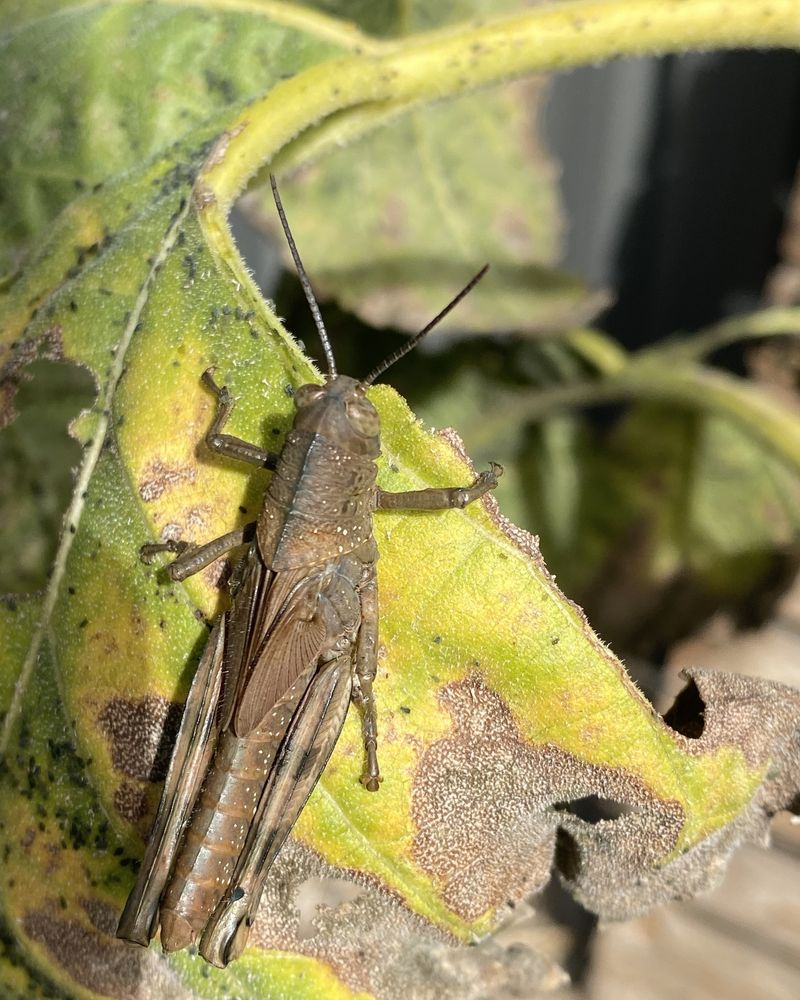
When grasshoppers seem to appear out of nowhere in August, it is easy to wonder what you did wrong in the garden. The honest answer is almost certainly nothing.
A sudden surge in grasshopper numbers is far more connected to seasonal weather patterns and the natural development cycle of the insects than to anything about how your garden is managed.
Understanding this can take a lot of unnecessary stress off your shoulders. Grasshoppers follow a predictable seasonal arc across North Carolina.
Eggs hatch in spring, nymphs develop through summer, and by August the population reaches its annual peak of fully mature adults.
Layer a dry summer on top of that natural cycle, add some movement from nearby drying vegetation, and you have a recipe for what feels like an invasion but is actually just a convergence of normal seasonal events happening at the same time.
Neighboring gardeners often notice the same spike during the same weeks, which is a strong clue that the cause is environmental and regional rather than something specific to your yard.
Checking in with your local NC Cooperative Extension office or connecting with other gardeners in your county can confirm whether grasshopper pressure is widespread in your area during a given year.
Keeping a simple garden journal is one of the best long-term tools you can build. Recording when you first notice grasshoppers each year, how dry the summer has been, and what damage you observe creates a personal reference that gets more valuable every season.
Over time, you will start to see patterns that help you prepare earlier and respond more confidently each August, turning a stressful situation into a manageable and expected part of gardening in North Carolina.