The Most Underrated North Carolina Perennial That Helps Discourage Ticks While Attracting Pollinators All Season
Finding a plant that solves two genuinely different problems at the same time is rare enough that it deserves real attention when one shows up.
Most tick-deterrent planting recommendations produce plants that are functional but visually uninspiring, while pollinator-focused selections rarely come with any additional pest-management benefit.
This particular North Carolina perennial does both with equal effectiveness, pushing back against tick habitat conditions while producing blooms that draw consistent pollinator traffic from spring through late summer.
It is adapted to the clay soils and humidity that define gardening across much of the state, returns reliably after hard winters, and fits naturally into both formal borders and naturalistic planting schemes without looking out of place in either setting.
1. Bee Balm (Monarda Didyma)
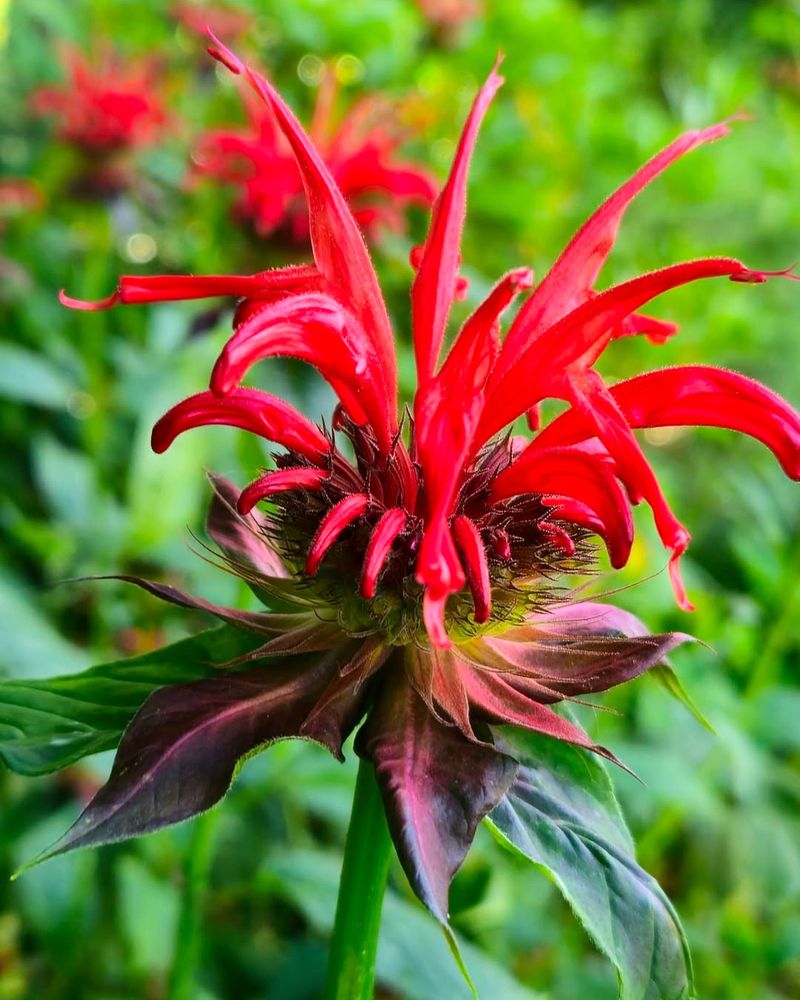
Not every plant earns a reputation for both beauty and function, but Monarda didyma does exactly that. Commonly called bee balm, this native North American perennial belongs to the mint family, which explains its strong, spicy, aromatic scent.
That fragrance is more than just pleasant for gardeners; it creates an environment that ticks find genuinely uninviting.
Ticks prefer dark, humid microhabitats near ground level, and the strong essential oils in bee balm’s foliage disrupt that comfort zone.
While no plant is a guaranteed tick repellent, research and practical gardening experience both suggest that aromatic plants like bee balm make yard edges and garden beds less hospitable to these pests.
Planting it along fence lines, pathways, and woodland borders adds a layer of natural protection you simply cannot get from ornamental-only plants.
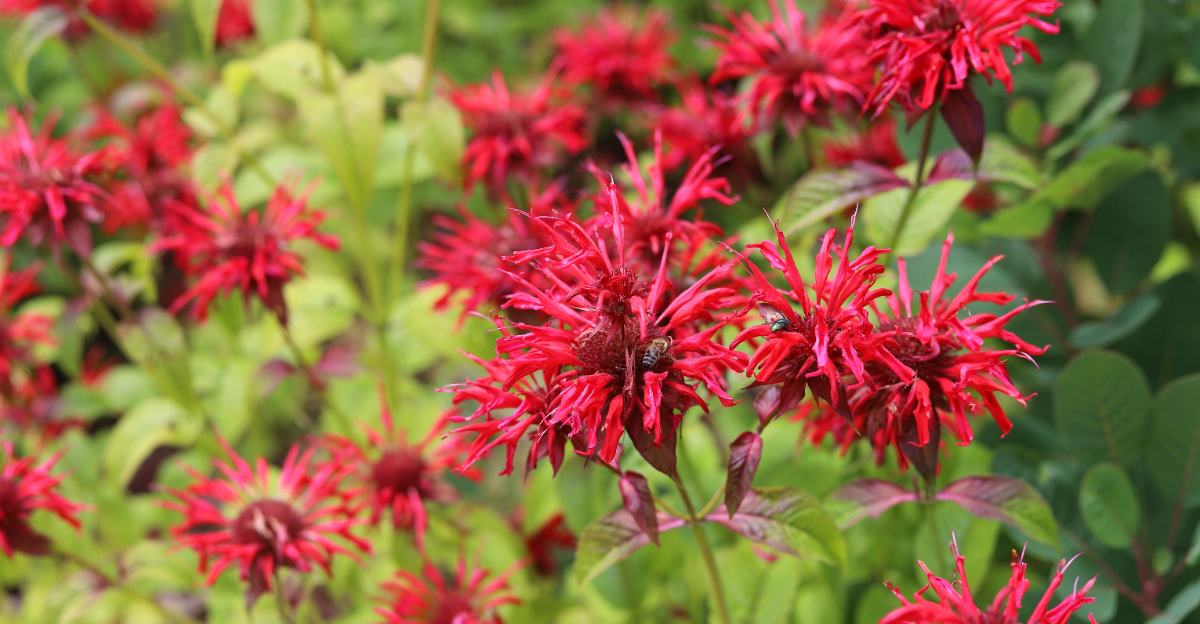
Beyond tick management, bee balm brings real visual drama to the garden. Its tubular flowers cluster into bold, spiky heads in shades of red, pink, purple, and white.
Hummingbirds, native bees, and butterflies flock to it almost immediately after it blooms.
Bee balm also carries a rich history in North America. Indigenous communities used it medicinally for centuries, and early colonists brewed it as a tea substitute after the Boston Tea Party.
Growing it today connects your garden to that deep native heritage while solving a very modern problem: keeping your outdoor spaces safer and more vibrant all season long.
2. A Blooming Season That Just Keeps Going
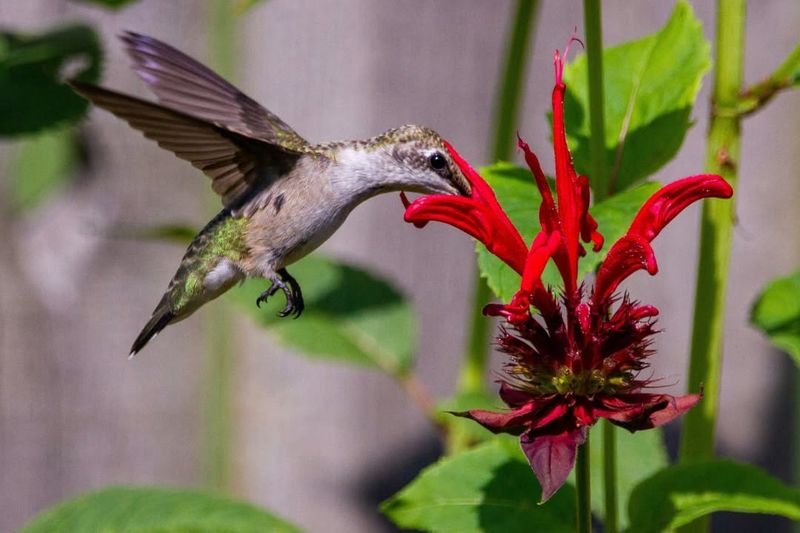
Some perennials give you two good weeks of color and then check out for the rest of the season. Bee balm is not one of them.
Starting in mid-summer and stretching well into early fall, Monarda didyma puts on a continuous floral display that keeps your garden looking alive and active for months. That extended bloom window is a huge deal for pollinators.
Bees, butterflies, and hummingbirds depend on reliable nectar sources across the entire growing season, and bee balm fills a critical mid-to-late summer gap when many spring bloomers have already faded.
Ruby-throated hummingbirds in particular are strongly attracted to the bright red varieties, making bee balm one of the best plants you can grow if you want regular hummingbird sightings in your North Carolina yard.
Deadheading spent flowers throughout the season encourages the plant to keep pushing out new blooms rather than shifting its energy toward seed production.
Your North Carolina Garden Changes Every Week. Your Plan Should Too.
Gardening in North Carolina changes quickly throughout the season. Every Friday you’ll receive a simple weekly plan showing exactly what to plant, prune, fertilize, harvest, and protect so you never miss the right timing.
A quick snip every week or two is all it takes to extend that color well past what most summer perennials can offer.
The tick-deterring benefits also remain active throughout this whole period since the aromatic oils in the foliage are present from the moment the plant leafs out in spring until it withers back in late fall.
That means you get months of both beauty and function working together in the same planting. It is a combination that is genuinely hard to beat in a North Carolina garden.
3. North Carolina Soil? Bee Balm Feels Right At Home
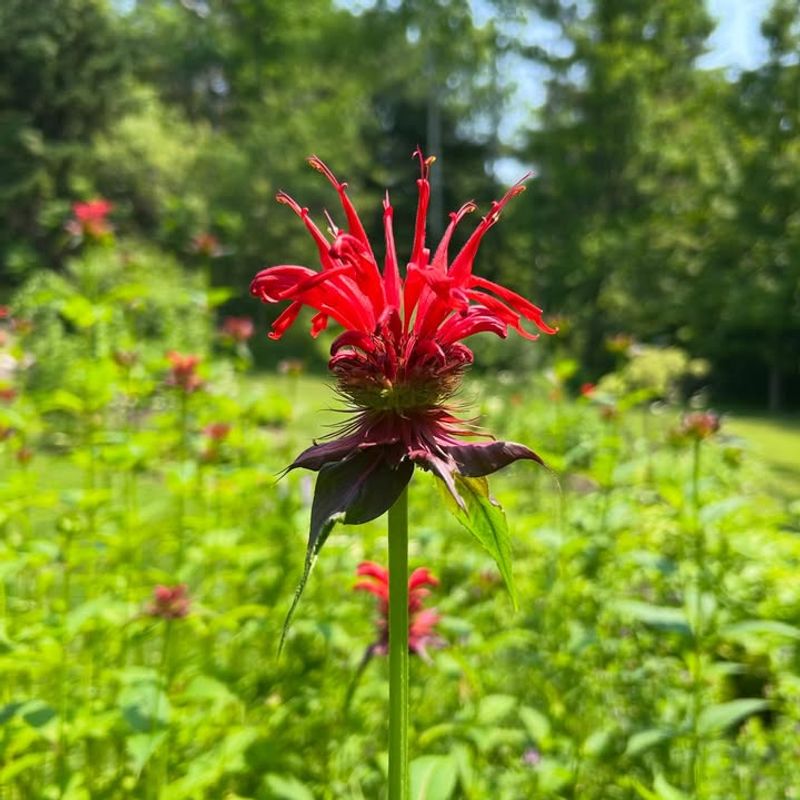
One of the biggest reasons gardeners avoid certain perennials is the fear of fighting the soil.
North Carolina presents a wide range of conditions, from the sandy loam of the Piedmont to the heavier clay soils of the foothills, and not every plant handles that variety gracefully. Bee balm does.
Monarda didyma performs well in moderately moist, well-drained loam but also tolerates clay soils better than most flowering perennials.
In heavier clay, amending the planting area with a few inches of compost before planting helps drainage and gives roots a stronger start.
Once established, bee balm spreads gradually through underground rhizomes, filling in gaps and building a dense colony that is both attractive and functional.
Sun exposure is flexible too. Full sun produces the most vigorous blooms and the densest growth, but bee balm handles partial shade without complaint.
In North Carolina summers, a spot that gets morning sun and light afternoon shade can actually be ideal, protecting the plant from intense heat while still encouraging strong flowering.
Watering during the first growing season is important for root establishment, but after that the plant becomes notably more self-sufficient. Mulching around the base helps retain moisture and keeps the root zone cool during hot Carolina summers.
One practical tip: avoid overhead watering when possible since wet foliage can encourage powdery mildew, a common issue with Monarda. Choosing mildew-resistant varieties like ‘Jacob Cline’ or ‘Raspberry Wine’ makes the whole experience even smoother.
4. Dense Growth That Leaves Ticks With Nowhere To Hide
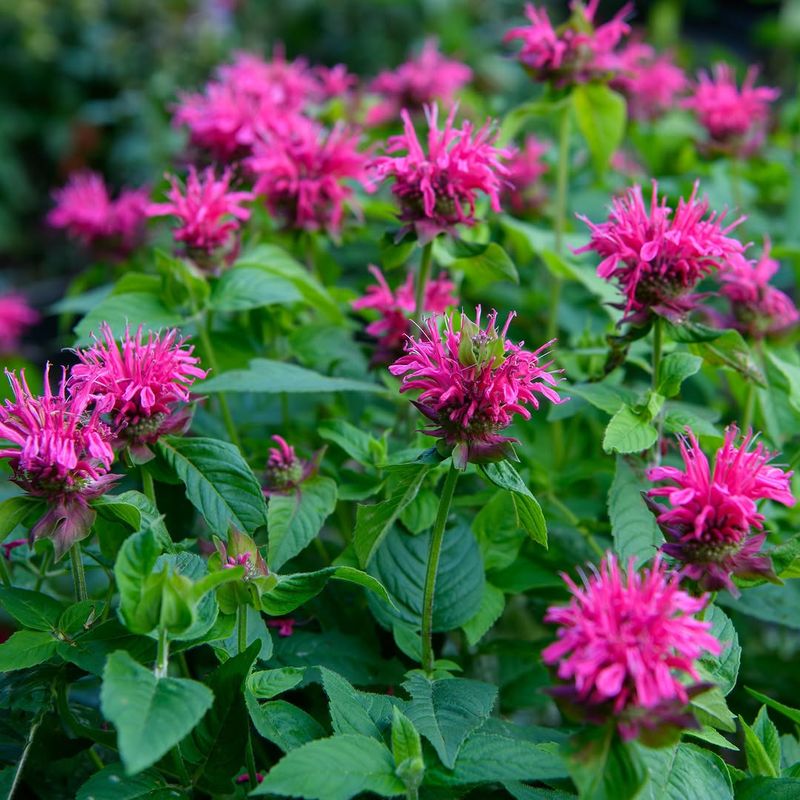
Ticks are sneaky. They like to lurk in low, shaded, humid spots close to the ground, waiting for a host to brush past.
One of the most underappreciated ways to naturally reduce tick-friendly microhabitats in your yard is by changing the ground-level environment, and bee balm’s dense growth habit does exactly that.
Mature bee balm forms tight, upright clumps that can reach three to four feet tall and spread steadily wider each season. The thick foliage shades the ground beneath the plants, reducing the cool, damp conditions that ticks prefer.
Combined with the aromatic oils released by the leaves, that shaded canopy becomes a genuinely inhospitable environment for tick activity along garden edges and yard borders.
Spacing matters when you are planting for this effect. Setting plants about 18 to 24 inches apart encourages them to fill in quickly and create a continuous canopy rather than leaving open gaps of bare, moist soil between plants.
Layering bee balm alongside taller shrubs in the back and lower ground covers in the front creates a multi-level planting that further limits tick-friendly zones.
Dividing clumps every two to three years keeps bee balm vigorous and prevents the center from becoming woody and sparse.
Fresh divisions replanted throughout a border maintain that dense, full coverage that makes the planting both visually appealing and functionally effective.
For North Carolina homeowners managing wooded edges or shaded borders, this growth strategy is one of the most practical tools available.
5. A Pollinator Magnet From First Bloom To Last
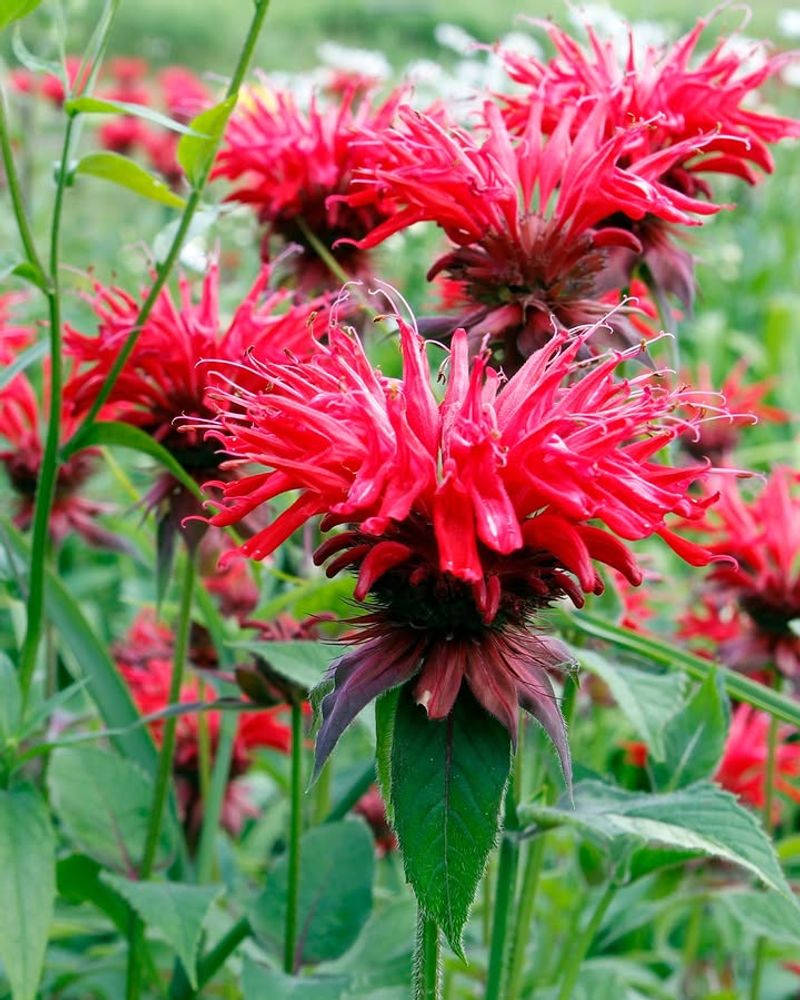
Picture your garden buzzing with bumblebees, painted ladies fluttering between blooms, and a ruby-throated hummingbird hovering at eye level. That is the kind of scene bee balm creates when it hits its stride in mid-summer.
Few native perennials match its ability to pull in such a wide variety of pollinators with such consistency.
The tubular shape of bee balm flowers is specifically well-suited to long-tongued pollinators. Hummingbirds are drawn to the red varieties, while native bees and bumblebees work across all color forms.
Monarch butterflies, swallowtails, and fritillaries also visit regularly, making bee balm one of the most productive single plants you can add to a North Carolina pollinator garden.
Color selection gives you some control over which visitors you attract most. Bright red varieties like ‘Jacob Cline’ are hummingbird favorites.
Softer pink and lavender types such as ‘Marshall’s Delight’ and ‘Petite Delight’ tend to bring in more bee species. Mixing several varieties in one bed creates a diverse nectar buffet that supports the broadest range of beneficial insects and birds.
Companion planting amplifies these benefits further. Placing bee balm near black-eyed Susans, coneflowers, or native asters extends the bloom sequence so that pollinators always have something flowering nearby.
That continuous food source encourages pollinators to establish territories in your yard rather than just passing through, which means better garden pollination and a more vibrant, living landscape from early summer straight through to fall.
6. Low Maintenance Once It Settles In
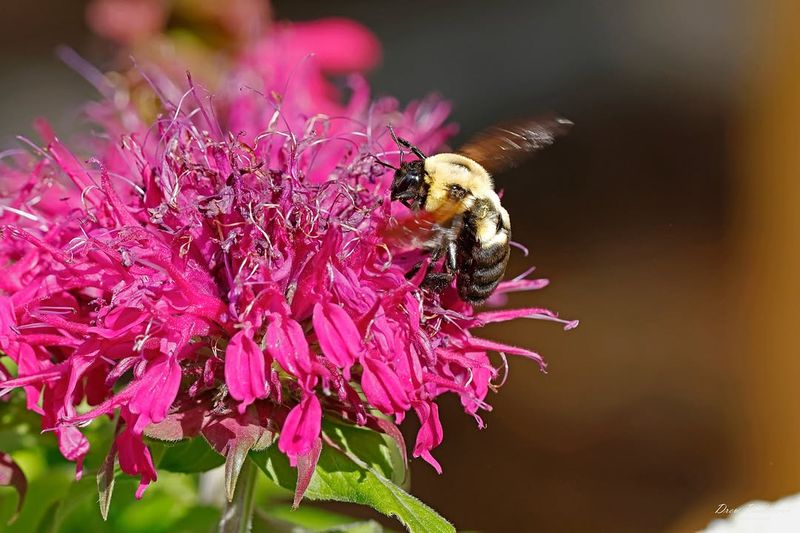
Busy gardeners, this one is for you. After the first growing season, bee balm becomes one of the most self-sufficient perennials you can grow in a North Carolina landscape.
It does not need frequent fertilizing, does not demand constant pruning, and handles moderate summer dry spells once its root system is properly established.
The biggest care task during the first year is consistent watering to help roots settle in deeply.
After that, rainfall across most of North Carolina is generally sufficient to keep established plants healthy without supplemental irrigation except during extended droughts.
A two-inch layer of mulch over the root zone helps retain moisture, moderate soil temperature, and reduce competition from weeds all at once. Fertilizing is rarely necessary in reasonably fertile garden soil.
If your plants seem slow to fill in or foliage looks pale, a light application of balanced slow-release fertilizer in early spring gives them a boost without encouraging the kind of lush, weak growth that invites pest problems.
Less is genuinely more with bee balm when it comes to feeding. Cutting plants back by about one-third after the first flush of flowers fades encourages a second round of blooming and keeps the plants looking tidy.
In late fall, leaving the stems standing through winter provides seed heads for birds and adds structural interest to the garden.
Come early spring, simply cut everything back to a few inches above the ground and the whole cycle begins again, completely without chemical inputs or complicated care routines.
7. Smart Companion Planting That Works On Every Level
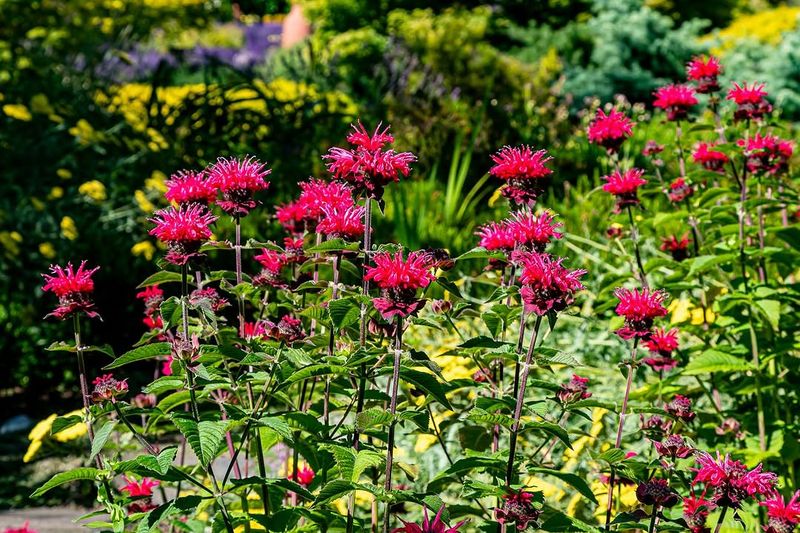
Growing bee balm on its own is wonderful, but pairing it with the right companion plants transforms a simple garden bed into a working ecosystem.
The goal is to create a planting that supports pollinators continuously, looks beautiful across multiple seasons, and maintains that tick-resistant environment from spring through fall.
Black-eyed Susan is one of the best companions for bee balm. Its bright yellow flowers bloom slightly earlier and overlap nicely with bee balm’s mid-summer peak, giving pollinators a seamless transition between food sources.
Both plants thrive in similar conditions, making them genuinely easy to grow together without one outcompeting the other.
Wild bergamot, a close relative of bee balm, blooms in lavender and attracts a slightly different range of native bee species.
Planting the two together broadens the pollinator appeal of the bed while keeping the aromatic, tick-deterring character consistent throughout the planting.
Spicebush adds a shrub layer behind these perennials, creating vertical interest and providing habitat for beneficial insects and songbirds.
From a tick management perspective, layered plantings are more effective than single-species rows because they eliminate more of the open, bare-ground microhabitats that ticks favor.
Dense, multi-species borders along woodland edges, fence lines, and property boundaries create a continuous aromatic and physical barrier that makes those transition zones far less inviting.
Mixing native perennials with different bloom times also means your garden never looks bare, giving you something interesting to enjoy in every single month of the growing season.
8. Four Seasons Of Interest In One Plant
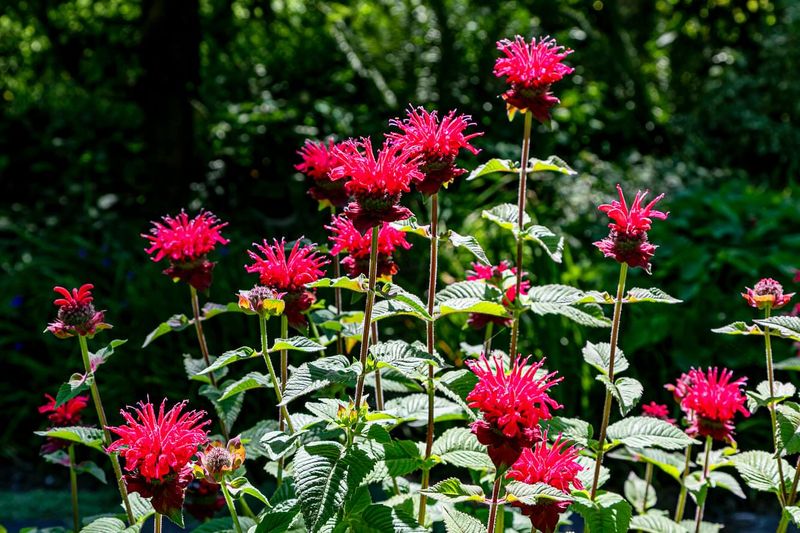
Most gardeners think of bee balm as a summer bloomer and nothing else, but the plant actually earns its place in the garden across all four seasons.
From the moment fresh foliage emerges in early spring to the architectural seed heads that persist through winter, bee balm contributes something meaningful at every stage of the year.
Spring brings a flush of fragrant, bright green leaves that immediately start releasing those aromatic oils. Even before the first flower opens, that foliage is doing its job, creating an unwelcoming environment for ticks along garden edges and borders.
The fresh growth also signals to early-season pollinators that reliable nectar is on its way, drawing them into your yard before most other plants have woken up.
Summer is when bee balm truly steals the show. Bold flower heads in red, pink, or lavender cover the plants for weeks, and the constant activity of bees, butterflies, and hummingbirds makes the garden feel genuinely alive.
Removing spent blooms extends this display and keeps the plants producing fresh flowers well into early fall.
As temperatures drop, bee balm transitions gracefully into its fall and winter form. Spent flower heads become spiky, star-shaped seed structures that goldfinches and other seed-eating birds pick through during the colder months.
Those dried stems also add quiet texture and structure to the winter garden, reminding you that even in the off-season, bee balm is still working hard and still giving back to the landscape around it.