Plant This Native Illinois Tree For A Low-Maintenance Yard
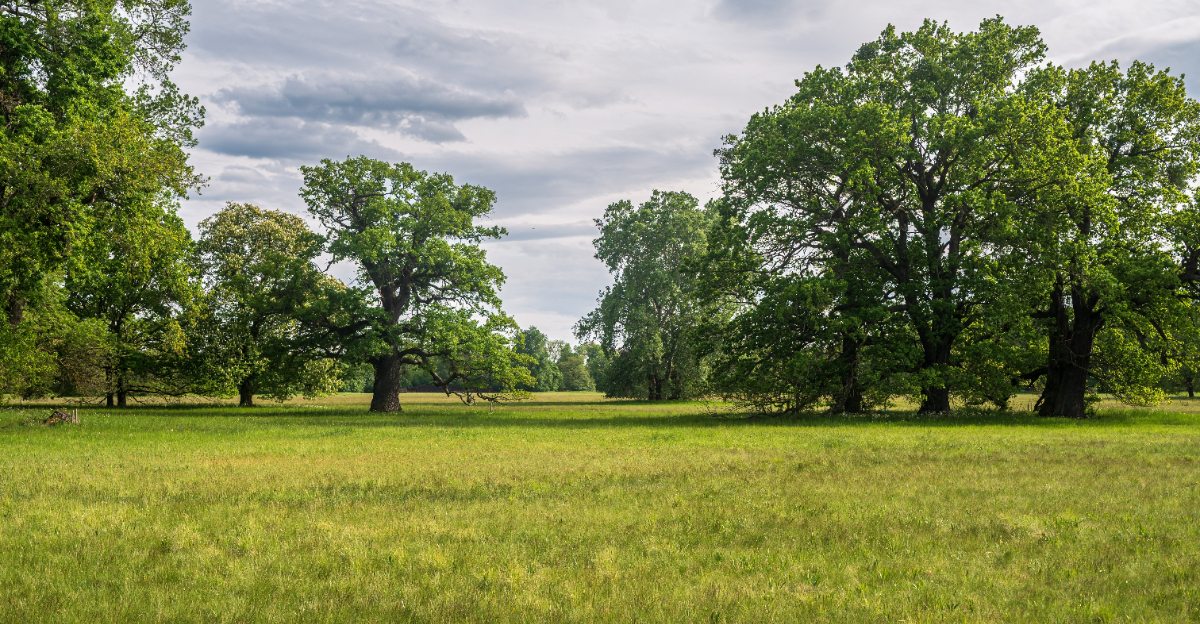
Most homeowners fight their landscape for decades without ever truly discovering a better way. Illinois soil conceals a remarkable tree most people overlook completely.
This species shrugs off drought, clay, and freezing winters with ease. Your yard could hold a tree that outlasts generations of owners. Its roots dig far deeper than almost any native option around.
Wildlife flocks toward this tree like nothing else in Illinois. Squirrels, birds, and insects depend on its acorns constantly. Settlers noticed its resilience centuries before modern landscaping ever existed.
You won’t need fertilizer, constant watering, or seasonal babysitting once established. Compacted soil near driveways barely slows this giant down. Dry patches that weaken other plants barely touch this one.
Few trees offer this much strength without demanding constant attention from you. Every choice now could shape your property for generations ahead. Ignoring this remarkable tree costs you years of missed growth and shade.
Bur Oak Thrives Across Every Region Of Illinois
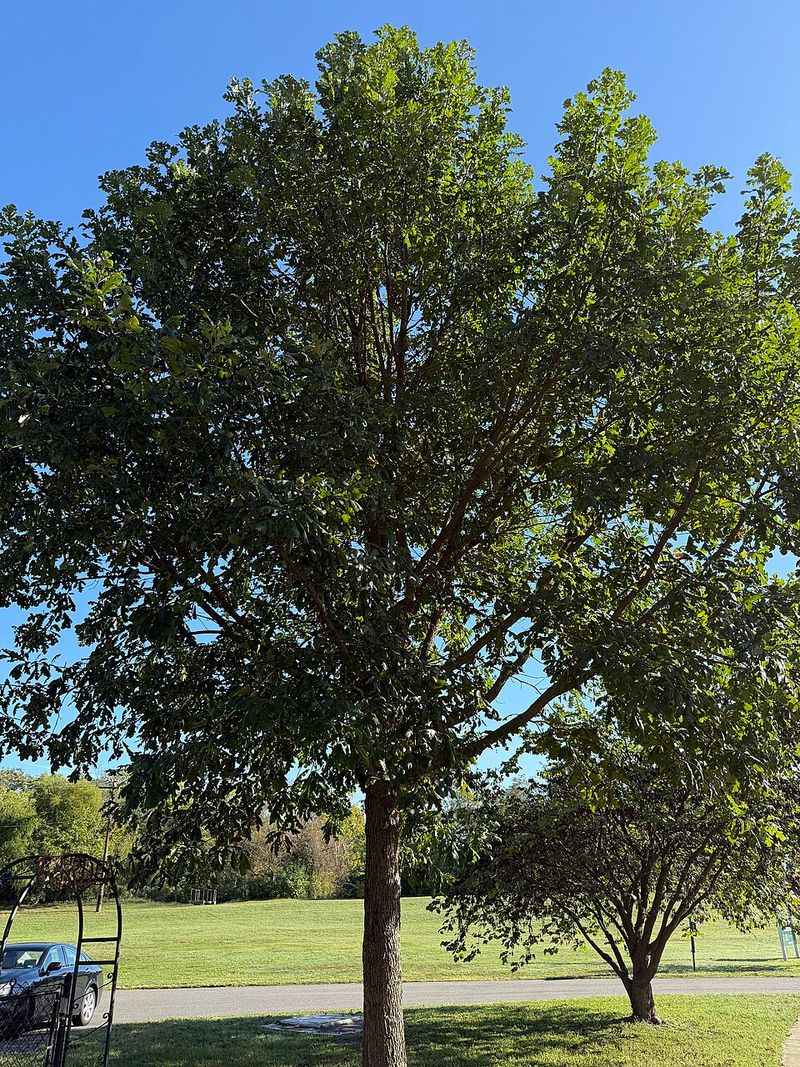
Not every tree belongs everywhere, but the Bur Oak breaks that rule completely. Found naturally from the northern tip of Illinois down to the southern edge, this tree adapts like few others can.
The native Illinois tree known as the Bur Oak grows in savannas, open woodlands, and suburban backyards alike. Its range covers nearly every county across the state, making it a reliably adaptable species.
Gardeners in Chicago suburbs plant it alongside city streets. Farmers downstate use it as a windbreak along open fields. No matter the setting, this oak shows up and performs.
One reason it thrives statewide is its genetic flexibility. Over centuries, Bur Oaks developed local adaptations that help them handle both northern cold snaps and southern heat waves.
You do not need special soil amendments or microclimates to get one established. Plant it in your yard, water it during the first season, and then step back.
Wildlife benefits follow quickly after planting. Birds, squirrels, and native insects find the tree within the first few years of growth.
The acorns it produces are among the largest of any oak species. Animals depend on that food source all the way through winter, making your yard a neighborhood wildlife hub.
Choosing a regionally native tree means you are working with nature, not against it. The Bur Oak is well suited to nearly any yard in the region.
Deep Taproots Provide Exceptional Drought Tolerance
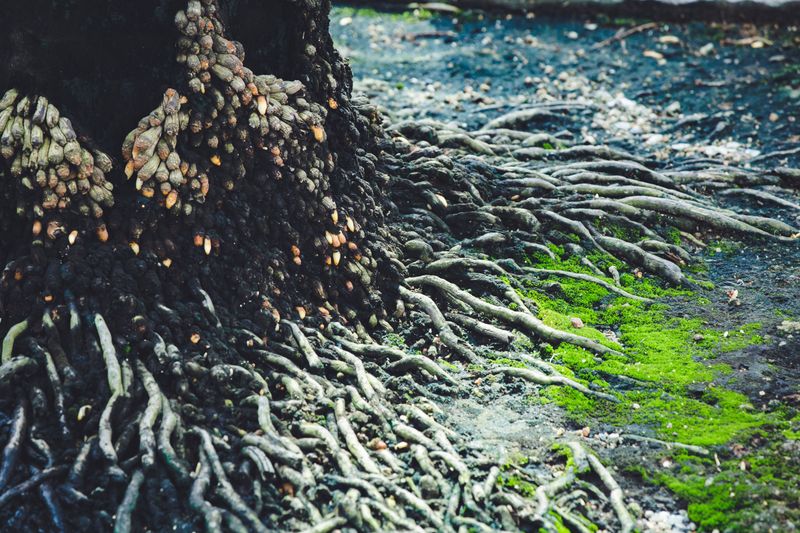
Most trees struggle during a drought, but the Bur Oak shows little stress. Its secret weapon grows underground, far beneath the surface where most roots never reach.
The Bur Oak develops a deep taproot early in its life. According to forestry references, that central root can push down several feet or more into the earth, tapping into moisture that shallow-rooted trees simply cannot access.
This taproot system is why Bur Oaks historically survived the open prairies of the Midwest. Prairie fires swept through regularly, but the deep roots stored enough energy to push new growth back up every spring.
Your Illinois Garden Changes Every Week. Your Plan Should Too.
Gardening in Illinois changes quickly throughout the season. Every Friday you’ll receive a simple weekly plan showing exactly what to plant, prune, fertilize, harvest, and protect so you never miss the right timing.
For homeowners, this translates into serious savings on water bills. Once established, typically after two or three growing seasons, a Bur Oak generally needs little supplemental irrigation even during hot, dry summers.
Compared to ornamental trees like flowering pear or Bradford pear, the difference is dramatic. Those shallow-rooted trees wilt and drop leaves at the first sign of dry weather.
The Bur Oak keeps its canopy full and green through conditions that stress other landscape plants. Neighbors with thirsty lawns and struggling shrubs will notice your tree looking healthy and strong.
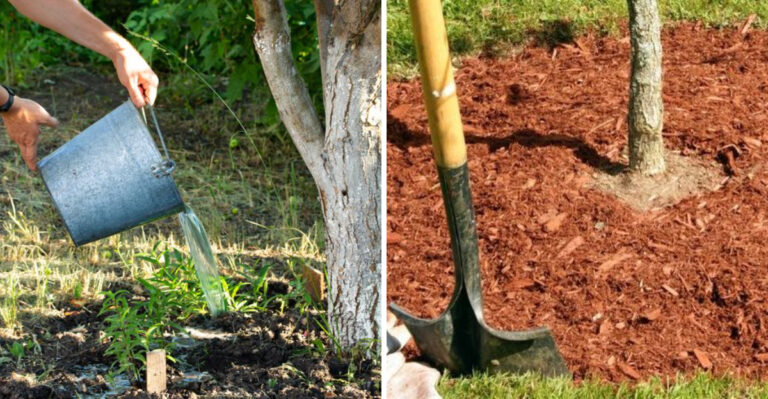
Planting during fall gives the taproot extra months to anchor before summer heat arrives. A simple layer of mulch around the base helps retain soil moisture during that critical first year.
Drought tolerance is not just a convenience, it is a long-term investment in a yard that runs on rainfall alone.
Strong Resistance To Common Pests And Disease
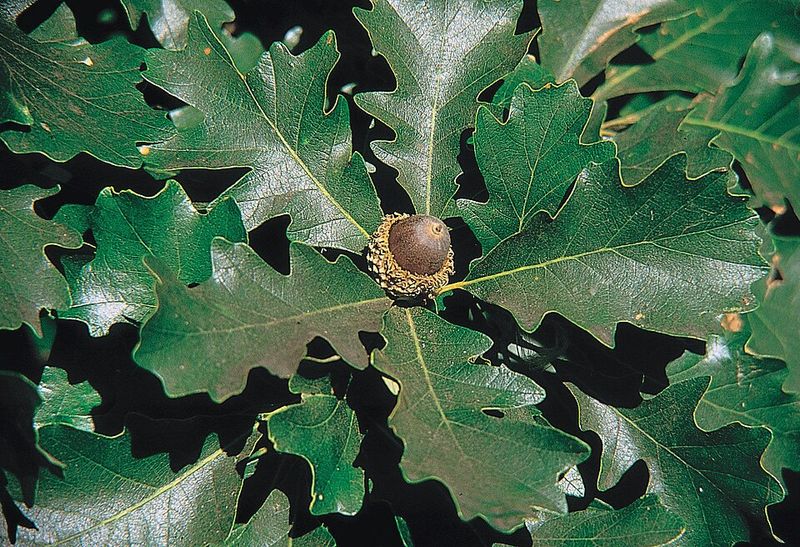
Some trees seem to attract every bug and fungus in the neighborhood. The Bur Oak takes the opposite approach, shrugging off most threats without any help from you.
Its thick, deeply furrowed bark acts as a physical barrier against boring insects. Many pest species that damage thinner-barked trees simply cannot penetrate the Bur Oak’s rugged exterior.
Oak wilt is one of the most feared diseases among oak enthusiasts, and for good reason. However, Bur Oaks show significantly higher resistance to oak wilt compared to red oaks, which can decline rapidly after infection.
That resistance comes from differences in how water moves through the wood. Bur Oaks have tyloses, tiny structures that block the spread of fungal pathogens through the vascular system.
Gypsy moth caterpillars can defoliate entire stands of oaks in bad outbreak years. A Bur Oak typically rebounds from defoliation because its deep energy reserves fuel rapid leaf regrowth.
You will rarely need pesticide sprays on a healthy, established Bur Oak. That means fewer chemicals in your yard, which is better for your pets, your kids, and your soil.
Choosing a pest-resistant tree also saves money over time. No fungicide applications, no professional treatments, no emergency calls to an arborist every summer.
A yard anchored by a Bur Oak is a yard where you spend weekends relaxing, not troubleshooting. That reduces long-term maintenance concerns significantly.
Adapts Well To Poor And Compacted Soil
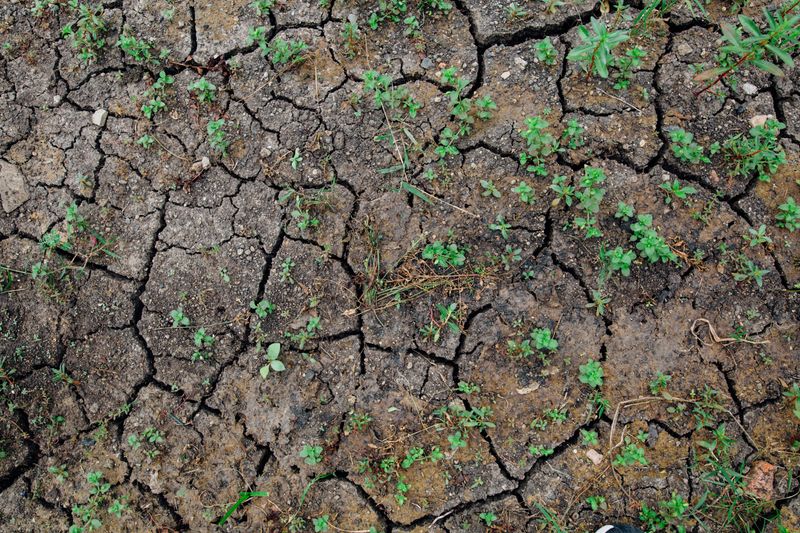
Most prized landscape trees demand perfect soil conditions. The Bur Oak tolerates conditions that would stop other trees cold.
Clay-heavy soils are common across much of Illinois, and most homeowners dread them. Water pools on the surface, roots struggle to breathe, and many ornamental trees simply fail to establish.
The Bur Oak is naturally adapted to the clay-heavy soils common across the prairie region. Its root system is aggressive enough to penetrate heavy, compacted ground that defeats less-adapted species.
Compaction near driveways and sidewalks is another common challenge for suburban trees. Foot traffic and vehicle weight crush soil pores, reducing oxygen and water movement underground.
Resources from university extension programs, such as the Morton Arboretum and University of Illinois Extension, note that Bur Oaks generally establish more successfully in compacted urban soils.
This makes them more reliable than many other native oaks in challenging urban settings. Sandy, nutrient-poor soils in southern parts of the state pose no serious obstacle either.
The Bur Oak’s wide soil tolerance range covers nearly every backyard scenario a homeowner might face.
If your yard has spots where nothing seems to grow, a Bur Oak may be exactly what that area needs. Give it a proper planting hole, add no amendments, and let the tree do its job.
Soil problems that once felt like deal-breakers become manageable when you choose a tree that was born to handle them. Your yard’s worst patch might become its best feature.
Minimal Pruning And Long-Term Durability
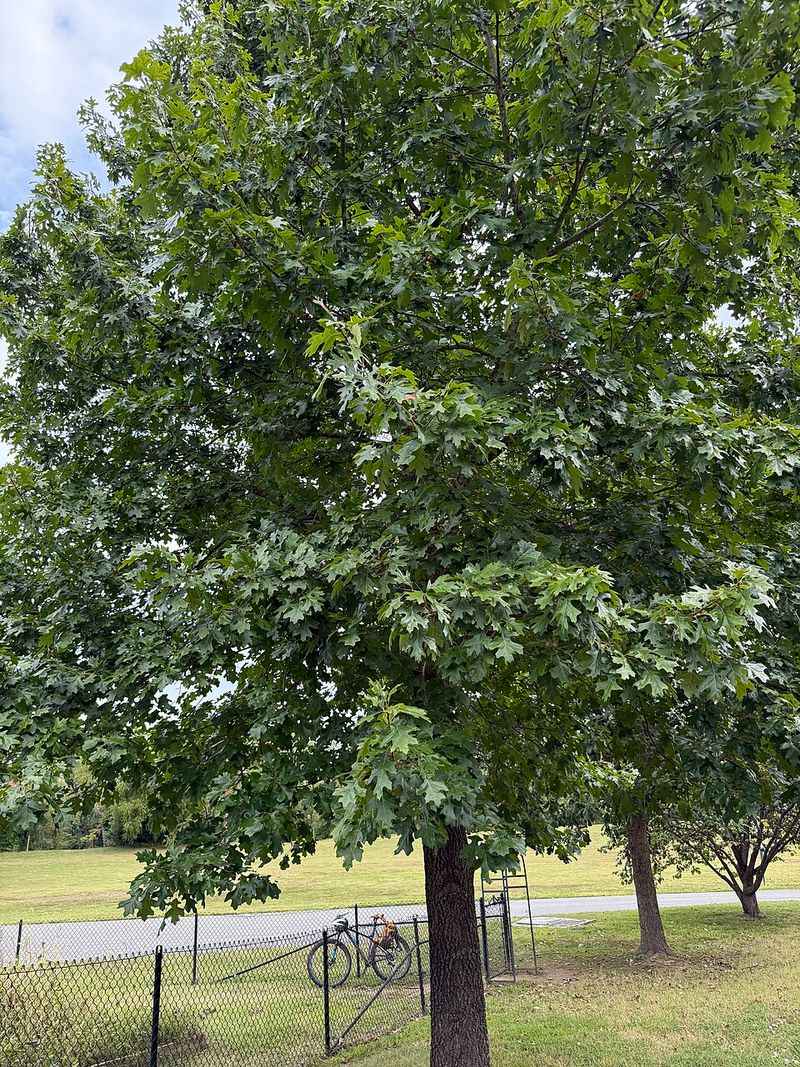
Grab your pruning shears and then put them right back in the garage. The Bur Oak is one of the few trees that genuinely does not need much cutting to stay healthy and attractive.
Its natural growth habit produces a strong central leader with wide, well-spaced branches. That structure resists breakage from ice storms and high winds without any intervention from you.
Many homeowners spend hundreds of dollars annually trimming weak-wooded ornamental trees. Bradford pears split at the crotch, silver maples drop limbs, and ornamental cherries need constant shaping.
The Bur Oak develops its own balanced crown over time. Branches grow outward in a way that distributes weight evenly, reducing the risk of storm damage that plagues other species.
When you do need to prune, the timing matters. Avoid cutting between April and July to reduce the small risk of attracting beetles that can spread oak wilt to open wounds.
Late winter pruning, before leaves emerge, is ideal for this species. A few clean cuts every few years are all it takes to maintain good structure as the tree matures.
Durability is another standout quality of the Bur Oak. Some specimens in the Midwest are documented to live 300 to 400 years, meaning the tree you plant today could shade future generations.
Planting a Bur Oak is a long-term investment in your property. Few choices in a yard carry that kind of staying power.
What To Consider Before Planting A Bur Oak
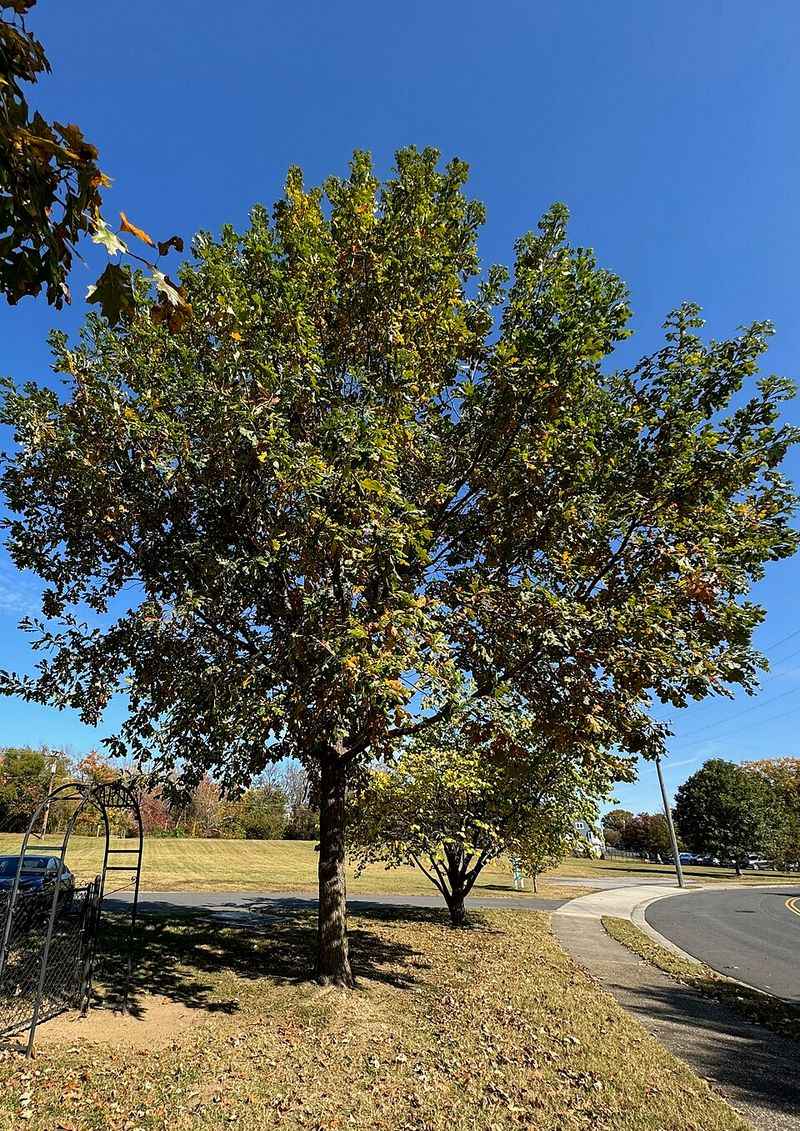
Slow down before you grab a shovel, because a few key details will make or break your success. The Bur Oak is forgiving, but smart planning still gives it the best possible start.
Space is the biggest consideration most homeowners overlook. According to arboricultural sources, a mature Bur Oak can spread 60 to 80 feet wide, so planting too close to a house or power line creates problems down the road.
Choose a location that gives the tree room to grow in every direction. A spot in the center of a large lawn or along a property boundary works well for most residential settings.
Sun exposure matters too, though not as much as spacing. The Bur Oak prefers full sun but tolerates partial shade, especially during its first few years in the ground.
Sourcing a locally grown sapling from a native plant nursery gives your tree a head start adapting to local conditions. Trees grown from local seed stock are already adapted to your specific regional conditions.
Avoid planting container-grown trees that have circling roots. Those roots can girdle the trunk over time, weakening the tree from the inside long before visible symptoms appear.
Water consistently during the first growing season, aiming for deep, infrequent soaking rather than light daily sprinkles. Deep watering encourages the taproot to push downward instead of staying near the surface.
The native Illinois tree you plant today will outlast most features of your home. Choose its spot wisely, and it will reward you for generations.