Trim These 9 Wisconsin Perennials In August And Watch Them Bloom Again
Your garden still has more to offer than it looks like right now. Those tired summer blooms look finished, but they aren’t. Wisconsin gardeners already know this trick, yet most skip it.
Perennials need a hard reset once midsummer heat peaks. Snip the spent stems back and watch dormant buds awaken. Nutrients redirect instantly toward fresh growth instead of seed production.
Roots strengthen while foliage quietly regenerates within days, not weeks. Timing matters far more than technique in this unpredictable climate. Summers here shift fast, leaving painfully narrow windows for action.
Wait too long and you lose that extra autumn bloom entirely. Cutting spent stems back gives your plants pure forward momentum. Every stem you trim redirects energy somewhere powerful and new.
Color returns fast, structure tightens, and vigor multiplies overnight. You hold more control over this Wisconsin season than you realize. Pick up your pruners now, because your garden refuses to wait.
1. Catmint
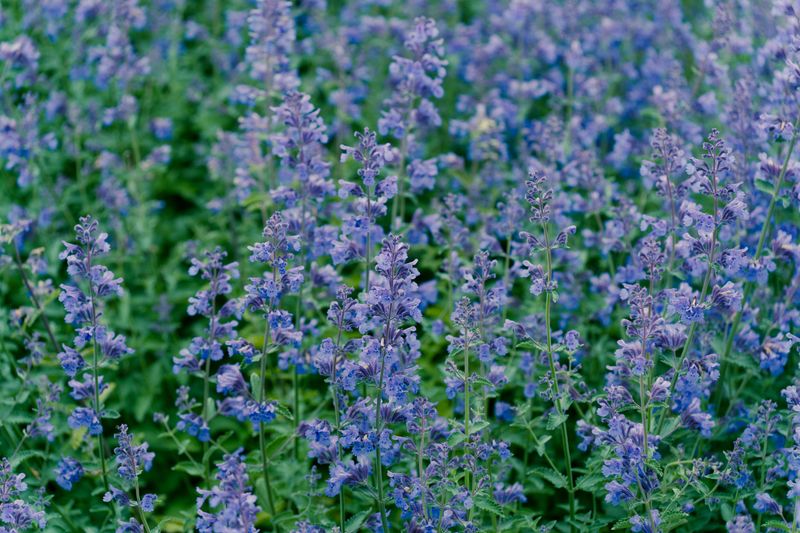
Catmint is basically the overachiever of the perennial world. It blooms hard in early summer, then looks sparse and overgrown by late July.
Cut it back by about half in August and watch it bounce right back within just a couple weeks. New growth appears fast, and a second flush of those lavender-blue flowers shows up well before the first frost hits, often catching gardeners by surprise.
Wisconsin gardeners love catmint because it handles cold, drought, and deer pressure like a champ, surviving conditions that wreck less resilient plants.
Plant it along walkways or borders for a soft, fragrant edge that earns its keep twice a season, rewarding minimal effort with maximum color.
This resilience makes it one of the lowest-maintenance perennials you can grow in Wisconsin’s unpredictable climate. It never disappoints gardeners.
The trick is not to be shy with the shears. A hard cut down to about six inches above the soil is exactly what this plant needs to reset and thrive again.
Bees and butterflies will thank you for the extra effort you put in. That second bloom often lasts well into September, giving pollinators a valuable late-season fuel stop.
Catmint pairs beautifully with roses and ornamental grasses, softening their stiffer forms with airy texture. Its blue-purple tones contrast perfectly with warm fall colors, making your garden look intentional and polished right through October.
2. Salvia
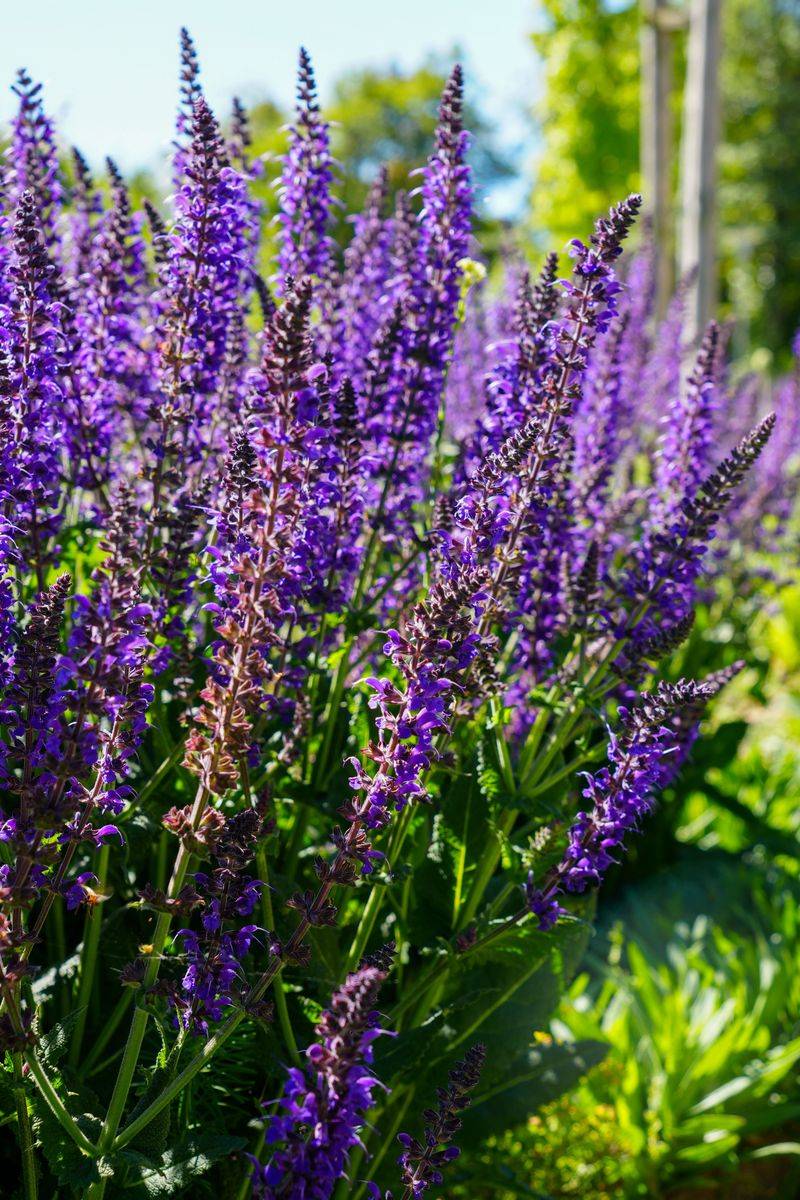
Few plants reward August pruning quite like salvia. This spiky, aromatic beauty blooms like crazy in June, then starts to look leggy and past its peak by midsummer.
Cutting spent flower stalks back by one-third to one-half triggers a strong second round of blooms almost immediately.
That fresh flush of color shows up in September and can carry right into October during warmer years, stretching your season further than expected.
Salvia thrives in full sun and well-drained soil, which makes it perfect for countless Wisconsin garden beds. It handles the heat of late summer without complaint, especially once you give it that refreshing August trim it clearly needs.
Your Wisconsin Garden Changes Every Week. Your Plan Should Too.
Gardening in Wisconsin changes quickly throughout the season. Every Friday you’ll receive a simple weekly plan showing exactly what to plant, prune, fertilize, harvest, and protect so you never miss the right timing.
This adaptability is exactly why so many Wisconsin gardeners keep salvia as a reliable late-season anchor plant.
The deep violet spikes attract hummingbirds during migration season, which is honestly one of the best bonuses of growing this plant. Watching a ruby-throated hummingbird hover over fresh salvia blooms in September feels like a small, quiet reward.
Do not compost the clippings if the plant showed any signs of disease or stress. Bag them instead and toss them to keep your garden clean heading into fall.
Salvia is also a fantastic cut flower for late-summer arrangements you can bring indoors. Snip a few stems for a vase and let the rest of the plant keep working hard outside in your border.
3. Bee Balm
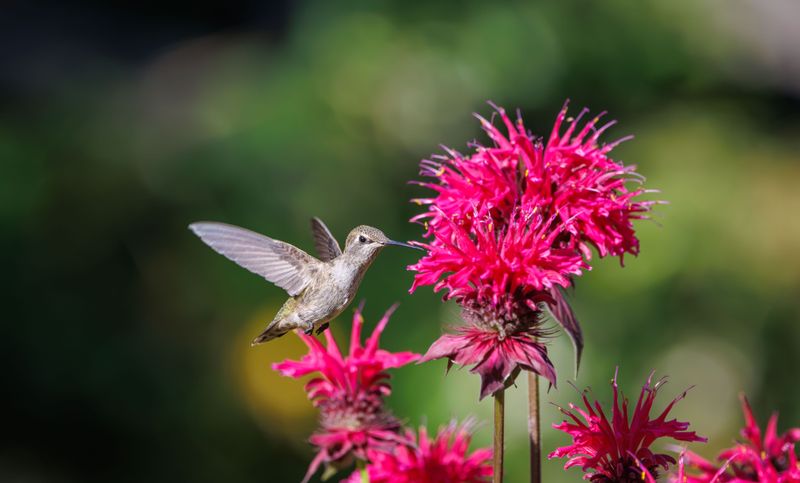
Bee balm is a standout bloomer in July, but by August it often looks leggy and untidy. The spent blooms get scraggly and the stems flop over in a heap.
Cutting it back hard in August, down to about half its height, cleans up the mess and sparks new growth. A second, lighter flush of blooms often follows within a few weeks.
Powdery mildew is the big challenge with bee balm, especially in humid Wisconsin summers. Cutting back removes the worst of the infected foliage and improves airflow, which helps the plant recover and stay healthier heading into fall.
Choose mildew-resistant varieties like Jacob Cline or Raspberry Wine for the best results. These cultivars rebound faster after pruning and produce a stronger second bloom than older varieties.
Pollinators are strongly drawn to bee balm. Bumblebees, hummingbirds, and swallowtail butterflies all seek it out, so giving the plant a second chance benefits the whole garden ecosystem.
Plant bee balm in a spot with good morning sun and afternoon shade. That balance keeps the foliage clean and makes the second bloom season much more impressive overall.
4. Shasta Daisy
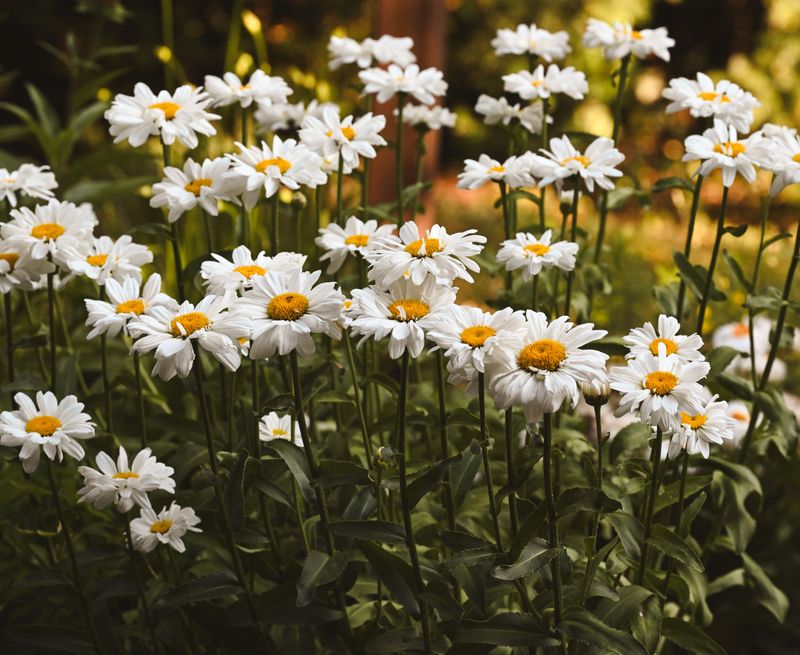
There is something deeply satisfying about a field of bright white Shasta daisies in full bloom. They are cheerful, classic, and surprisingly easy to coax into a second performance.
Removing spent flowers throughout July keeps them going longer. But a harder cutback in August, removing about a third of the plant, is what really triggers a second flush of blooms.
Shasta daisies bloom on new growth, so do not be afraid to cut them back with confidence. New basal foliage will emerge quickly, and fresh flower buds follow close behind within three to four weeks.
In Wisconsin, August is the sweet spot for this cut. The days are still warm enough to fuel new growth before cooler September temperatures slow things down.
These daisies make excellent cut flowers, so raid your garden freely when blooms appear. The more you cut, the more the plant tends to produce, which is a common result gardeners notice.
Shasta daisies prefer full sun and moderately fertile soil. Avoid over-fertilizing with nitrogen, or you will get lots of leafy growth but very few of those cheerful white blooms you are working so hard to encourage.
5. Coreopsis
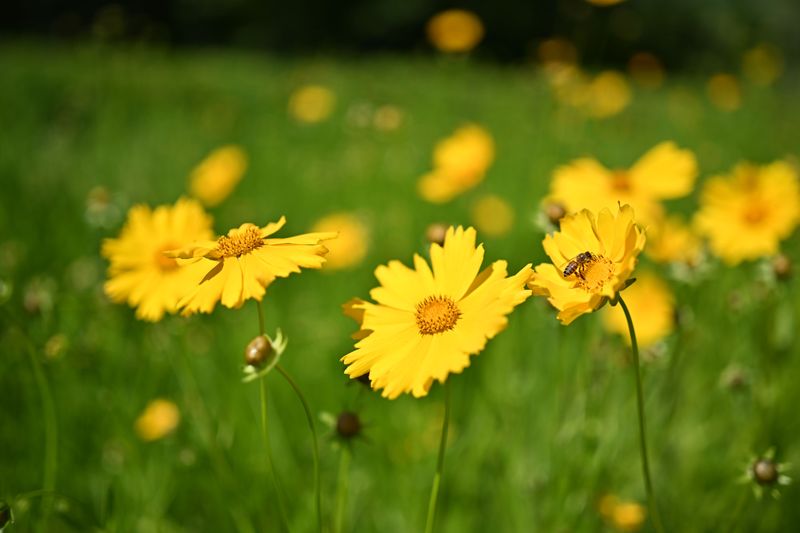
Coreopsis is one of those plants that makes gardening feel reliably rewarding. It blooms reliably, handles heat without complaint, and responds beautifully to a late-summer trim.
By August, the first big wave of golden flowers has come and gone. Cutting the whole plant back by about one-third encourages a fresh round of blooms that can last well into September.
Use sharp, clean pruners to avoid tearing the stems, which can invite disease. A clean cut heals faster and gets the plant back to blooming mode much more quickly.
Threadleaf coreopsis varieties, like Zagreb or Moonbeam, tend to rebloom most reliably after cutting. Their fine, feathery foliage bounces back fast and looks tidy even before the new flowers arrive.
Coreopsis is incredibly drought-tolerant once established, which is a huge advantage during dry Wisconsin Augusts. You will not need to water it obsessively after cutting, just keep the soil from going completely bone-dry.
The sunny yellow blooms pair perfectly with purple salvias and blue veronicas in fall borders. That color combination gives your garden a rich, jewel-toned look that carries the season right through to the first hard freeze.
6. Yarrow
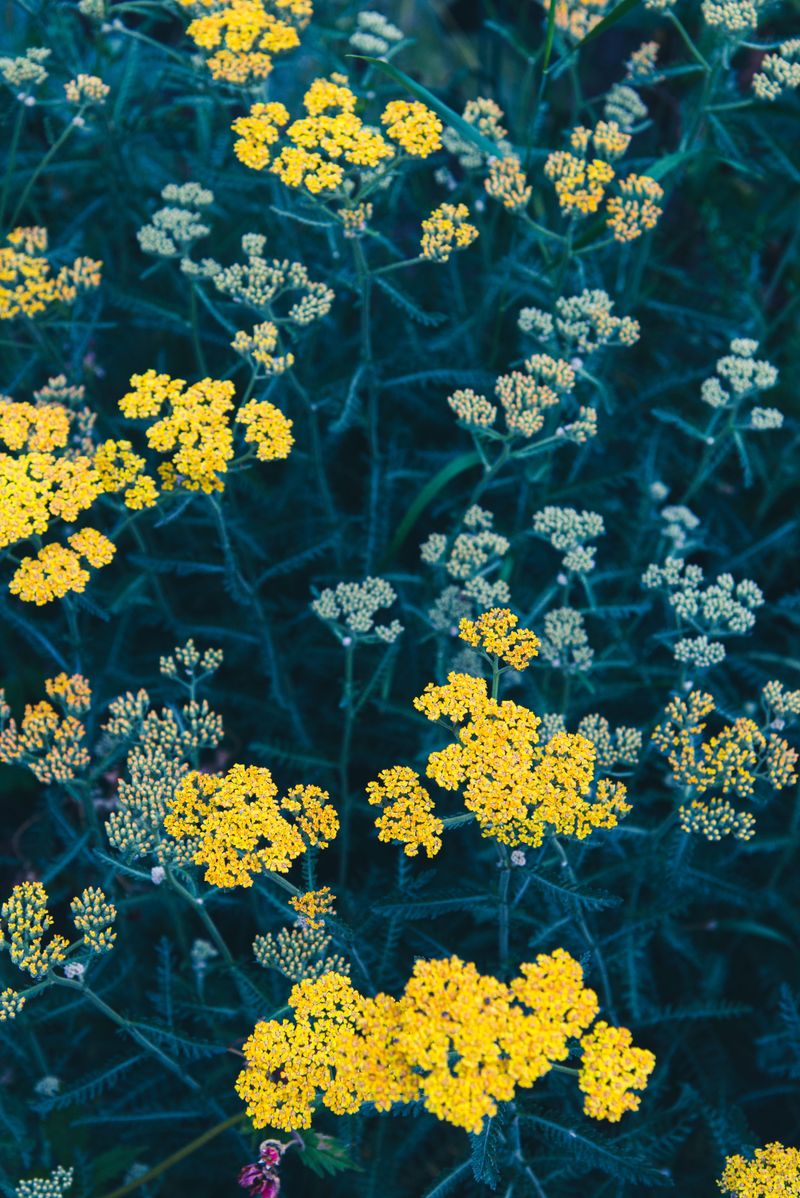
Yarrow has been growing in gardens for centuries, and there is a good reason it stuck around. This tough, aromatic perennial blooms in early summer and responds generously to an August cutback.
Snip off spent flower heads and cut the plant back by about one-half after the first bloom fades. New lateral shoots emerge quickly, bringing a second round of flat-topped flower clusters in late August and September.
Yarrow loves full sun and lean, well-drained soil. Overly rich or wet soil actually makes it flop over and bloom less, so skip the heavy amendments and let it thrive on neglect.
The flower heads dry beautifully on the stem, which gives you options. You can cut some for dried arrangements or leave them standing to feed birds and provide winter structure in your border.
Wisconsin gardeners appreciate yarrow for its overall toughness, though it still performs best in lean, well-drained soil. With a little August attention, it earns its spot in the garden from spring all the way through fall.
Varieties like Coronation Gold and Paprika offer bold, reliable color. Mixing several shades together in a single bed creates a warm, cottage-style display that looks effortless even though it definitely took some planning.
7. Veronica
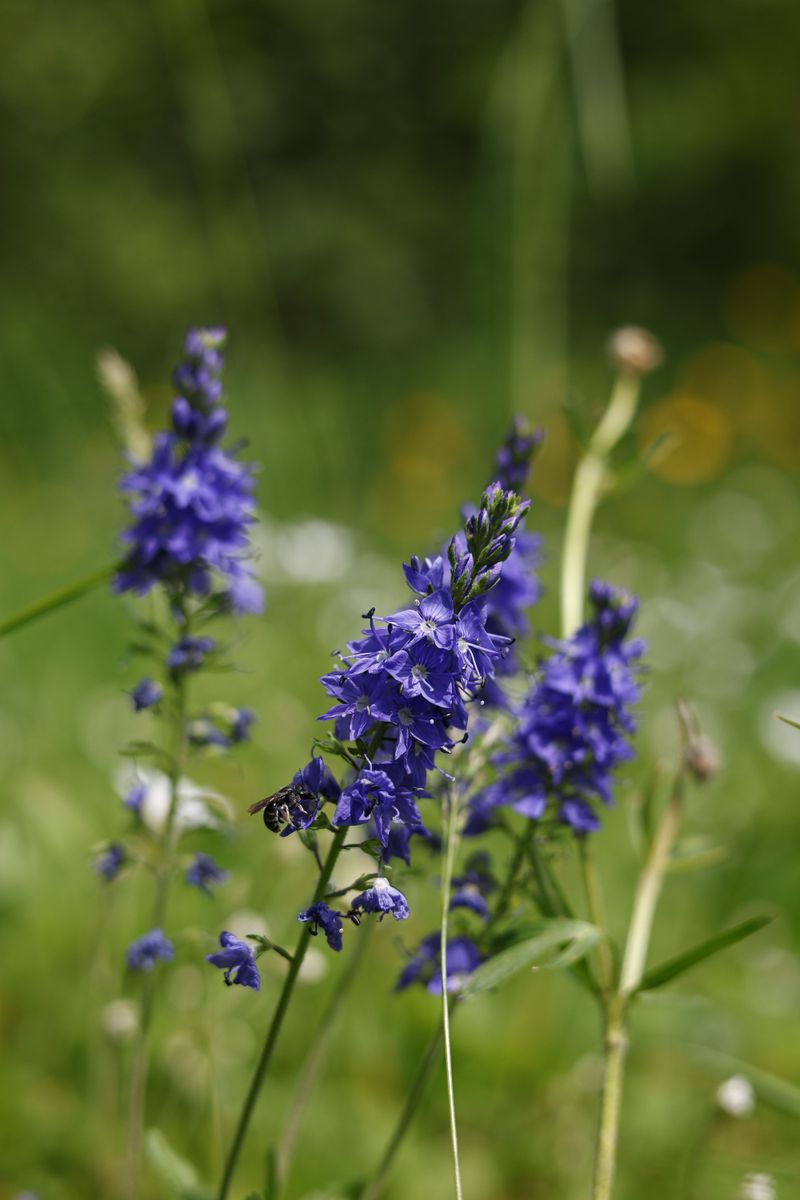
Veronica, also called speedwell, sends up tall, tapering spikes of blue or purple flowers that are almost impossible not to love. The first bloom peaks in June and July, then the plant needs a little help to go again.
Cut spent flower spikes back to the base of the stem as soon as blooms fade. This trimming technique encourages side shoots to form and a second round of spikes to emerge by late August or early September.
For an even stronger rebloom, cut the entire plant back by one-third in early August. New growth comes in tidy and compact, and the second flush of flowers tends to be more uniform than the first.
Veronica thrives in full sun with average moisture and good drainage. Soggy soil is its one real weakness, so raised beds or sloped garden areas work especially well for this plant.
The vertical flower spikes add great structure to mixed perennial borders. They contrast beautifully with the round, daisy-shaped flowers of coreopsis and black-eyed Susans, creating a layered, professional-looking design.
Hummingbirds and bees frequently visit these spikes for nectar. Giving veronica a second life in August means more food for pollinators during a critical window before fall migration begins.
8. Black-Eyed Susan
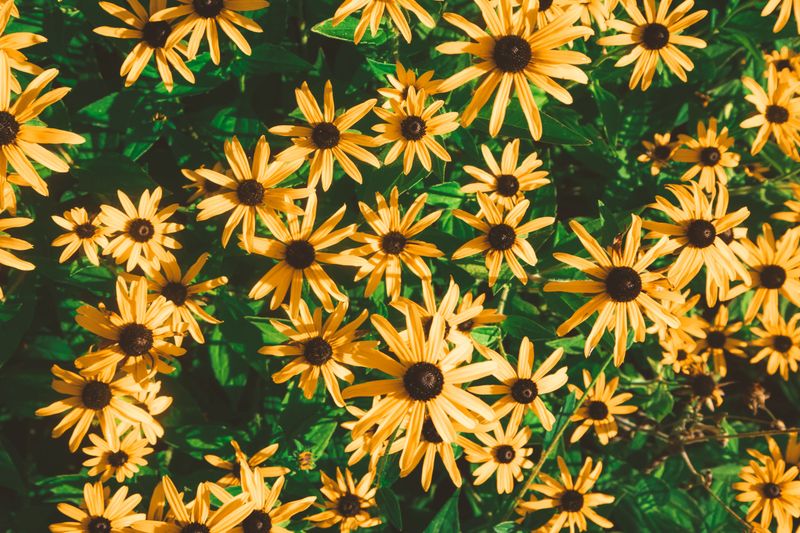
Black-eyed Susans are a common staple in Midwestern summer gardens. They bloom boldly in July and August, but a strategic trim can push them into a second act before frost arrives.
Remove spent flowers regularly throughout August to keep the plant producing. For a more dramatic rebloom, cut the whole clump back by one-third in early August, just before the main bloom peaks.
The plant responds by sending up fresh lateral stems loaded with new buds. That second wave of golden yellow blooms typically arrives in mid-September and lasts until the first hard frost shuts things down.
Black-eyed Susans self-seed freely, which can be a blessing or a challenge depending on your garden style. Trimming regularly controls the spread while also encouraging that second bloom you are working toward.
These flowers are magnets for goldfinches once the seed heads form in fall. Leaving a few spent heads standing after your August cutback gives birds a snack and gives your garden some rustic winter character.
Cutting these perennials back in August is an effective way to extend your garden season. Pair black-eyed Susans with ornamental grasses for a naturalistic fall display that looks stunning well into October.
9. Garden Phlox
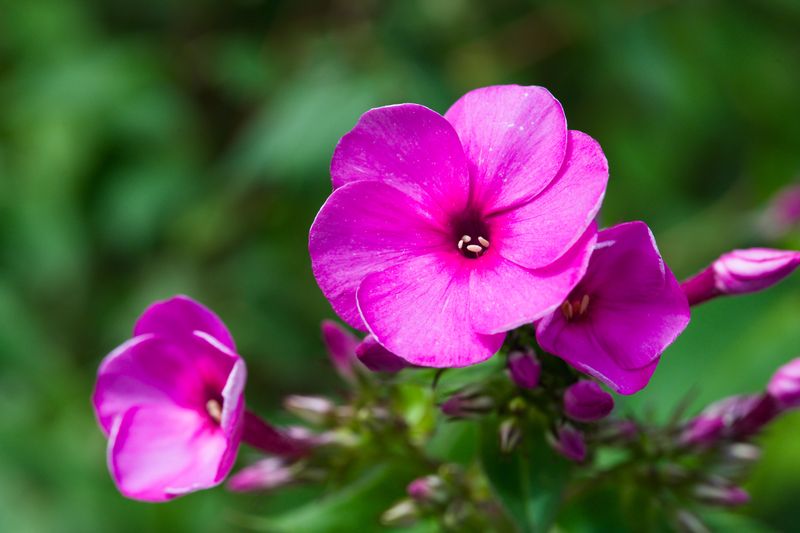
Garden phlox is one of the most fragrant perennials you can grow, and August pruning is a key step in keeping that scent coming all the way into fall. The tall, colorful flower clusters peak in mid-summer, then start to fade fast.
Cutting spent flower heads back to a healthy set of leaves encourages side shoots to bloom. That second flush is usually smaller than the first, but the fragrance and color are just as rewarding.
Powdery mildew loves garden phlox, especially in humid Wisconsin summers. Thinning the stems when you cut back improves airflow through the plant, which significantly reduces mildew pressure heading into September.
Choose resistant varieties like David, Robert Poore, or Jeana for the cleanest foliage and the strongest rebloom. These cultivars hold up better in heat and humidity than older heirloom types.
Water garden phlox at the base rather than overhead to keep foliage dry. Wet leaves are an open invitation for fungal problems, and dry foliage means a healthier plant that rebounds faster after cutting.
Cutting these perennials back in August sets your Wisconsin garden up for a spectacular fall finish. Garden phlox in full second bloom, surrounded by fall asters and ornamental grasses, is a rewarding payoff for the effort.