Why Are Your Oregon Fuchsia Blooms Fading In August?
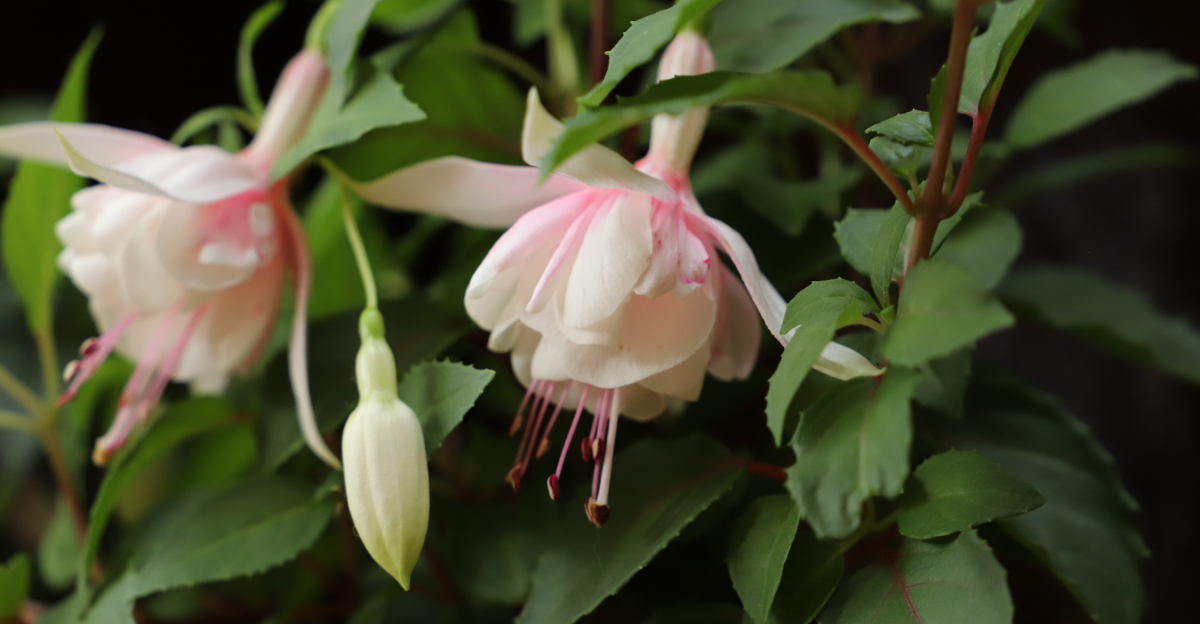
Fuchsias can lose their color surprisingly fast once August settles in. Blooms that looked rich and vivid a week ago may start appearing washed out, smaller, or quick to drop.
Heat is often part of the story, but it is rarely the only thing happening. Long afternoons, warmer root zones, and changes in watering can all affect how well the plant holds its flowers.
Hanging baskets are especially vulnerable because their soil temperature can climb much faster than it does in the ground. Fertilizer choices can also shift the plant toward leafy growth instead of fresh buds.
The good news is that fading flowers do not always mean the season is over. A few adjustments can help the plant recover and keep producing color as summer winds down.
The trick is figuring out which stress is responsible before making the wrong fix.
1. Afternoon Heat Stealing Color From The Blooms
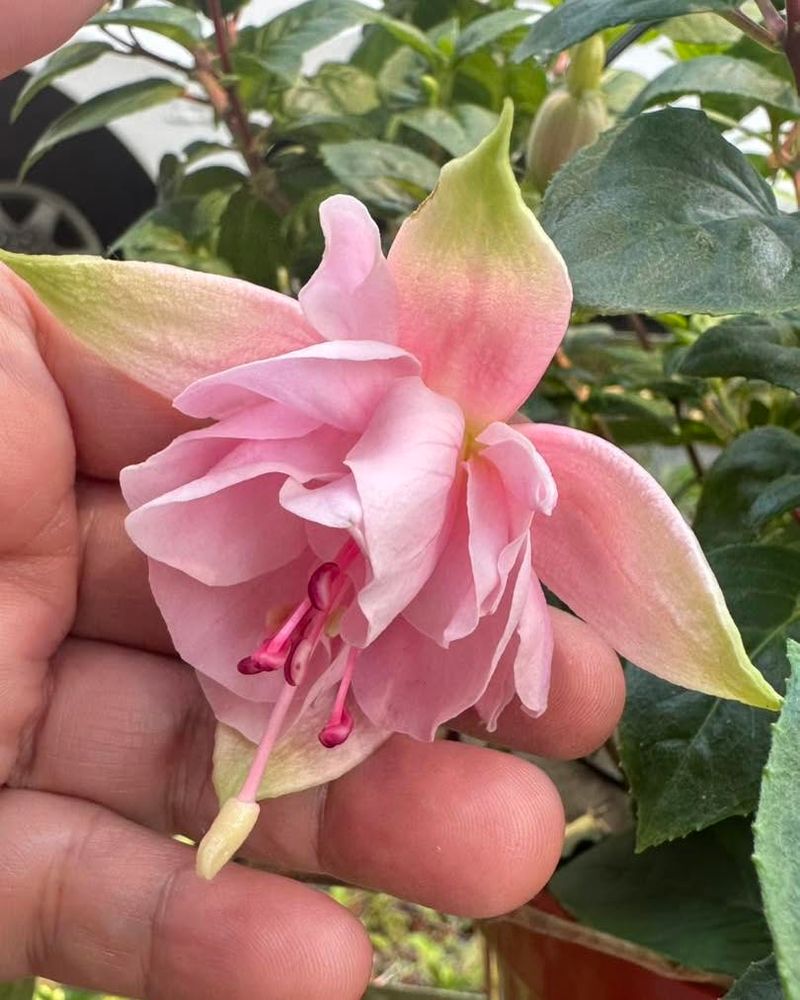
When Oregon afternoon sun blazes down at full strength, fuchsia blooms can lose their vibrant color surprisingly fast. These plants are naturally suited to cooler, shadier conditions, so intense heat acts like a slow drain on their color and energy.
By the time the clock hits two or three in the afternoon, the damage is often already done.
Moving your fuchsias to a spot with morning sun and afternoon shade can make a huge difference almost overnight. East-facing walls, covered patios, or spots under tall trees are all good options.
Even a simple shade cloth can protect hanging baskets during the hottest part of the day.
It helps to think of afternoon heat as something your plant is constantly fighting against in August. Every hour of harsh sun adds stress that takes energy away from flower production.
Protecting your fuchsia from that peak heat is one of the most effective things you can do to keep blooms looking fresh and colorful all the way through late summer.
2. Too Much Direct Sun Making Flowers Fade Fast
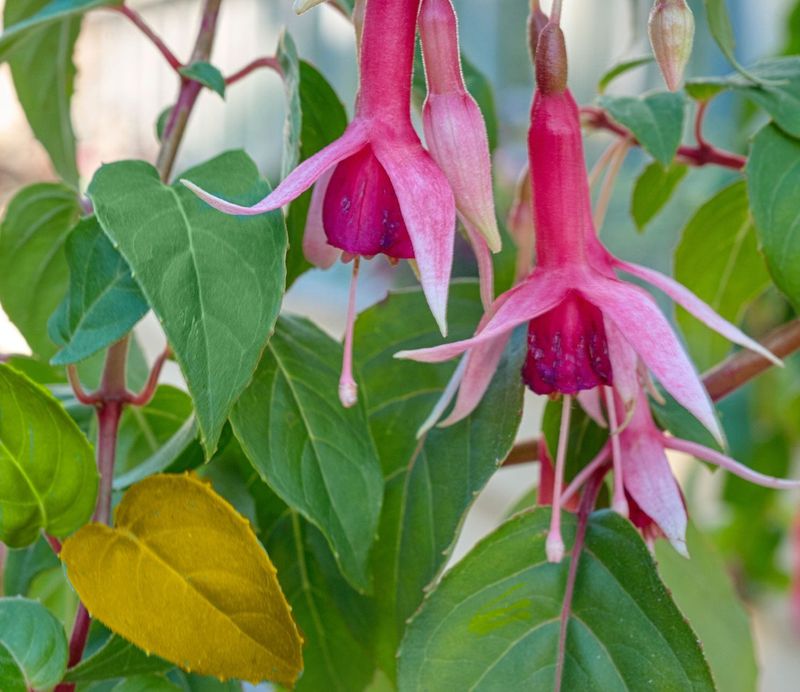
Full sun might sound like a good thing for flowering plants, but fuchsias are actually shade-lovers at heart. Too much direct sunlight bleaches the pigment right out of the petals, turning deep pinks and purples into pale, washed-out versions of themselves.
It happens faster than most gardeners expect, sometimes within just a few days of intense exposure.
A fuchsia that gets six or more hours of direct sun daily in August is going to struggle. The leaves may start to look yellowish or crispy at the edges, and the flowers will droop and fade well before they should.
Cutting back on sun exposure is often the quickest fix available.
Repositioning potted fuchsias is easy since you can simply move them. For plants in the ground, adding a temporary shade structure or surrounding them with taller plants that block afternoon rays can work really well.
Fuchsias grow beautifully with bright but indirect light, and once they are shielded from harsh direct rays, you will often see new buds forming within a week or two.
Your Oregon Garden Changes Every Week. Your Plan Should Too.
Gardening in Oregon changes quickly throughout the season. Every Friday you’ll receive a simple weekly plan showing exactly what to plant, prune, fertilize, harvest, and protect so you never miss the right timing.
3. Dry Pots Stressing Fuchsias By Midday
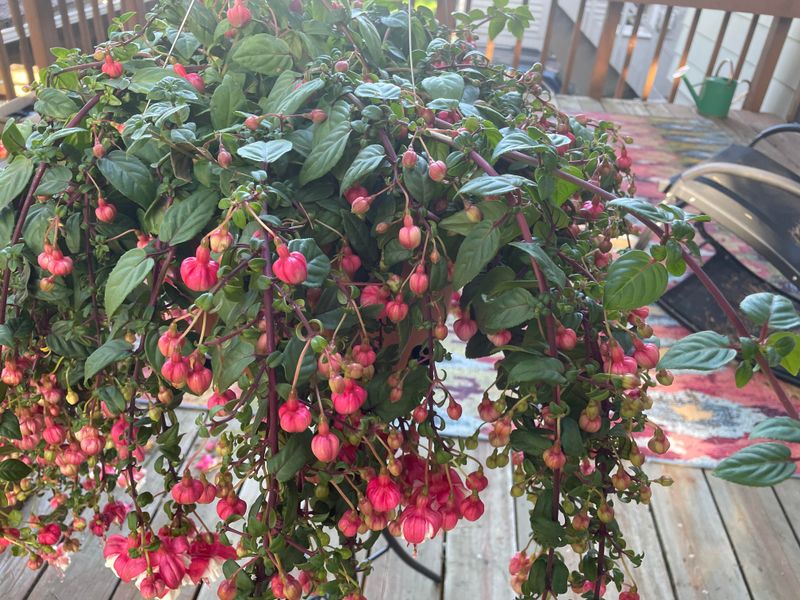
Containers and hanging baskets dry out incredibly fast during August heat. A pot that feels moist in the morning can be bone dry by noon on a hot day, and fuchsias feel that moisture loss almost immediately.
When roots run out of water, the plant pulls moisture from the flowers first, causing them to wilt and fade before the leaves even show signs of stress.
Checking your pots at least twice a day during hot weather is a smart habit to build. Morning watering is essential, but adding a second watering in the late afternoon or early evening can save blooms that would otherwise fade by the next morning.
Push your finger an inch into the soil. If it feels dry, water right away.
Using self-watering pots or adding a layer of mulch on top of the soil in larger containers can slow down moisture loss significantly.
Grouping pots together also helps because the plants create a little microclimate that holds humidity around them.
Consistent moisture is one of the biggest keys to keeping fuchsia flowers bright and full throughout the rest of the summer season.
4. Hot Roots Making Blooms Give Up Early
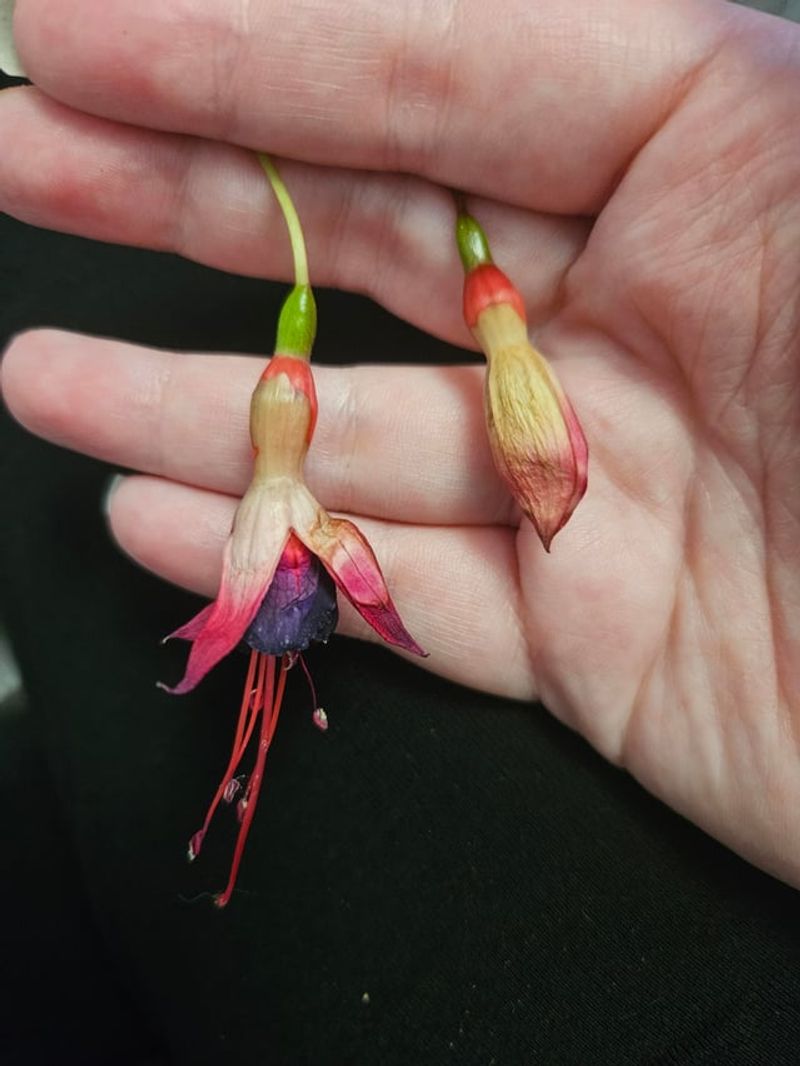
Most people focus on watering the top of the soil, but the temperature of the root zone matters just as much. When pots sit in direct sun, the soil inside can heat up to temperatures that are far too warm for fuchsia roots to handle comfortably.
Hot roots reduce the plant’s ability to take up water and nutrients, and the flowers are usually the first to suffer.
Dark-colored pots absorb the most heat and can make the problem much worse. Switching to light-colored or white containers reflects sunlight and keeps the soil noticeably cooler.
You can also place pots inside slightly larger containers filled with damp moss or gravel to insulate the roots from heat.
Elevating pots off hot concrete or pavement is another helpful trick. Hard surfaces store heat and radiate it back upward, cooking the roots from below.
Setting pots on wooden boards or plant stands with airflow underneath keeps temperatures more reasonable.
In the Pacific Northwest, including many parts of Oregon, summer temperatures can spike unexpectedly, so protecting those roots during August heat waves is a practice that really pays off in longer-lasting blooms.
5. Skipping Deadheading And Slowing Fresh Flowers
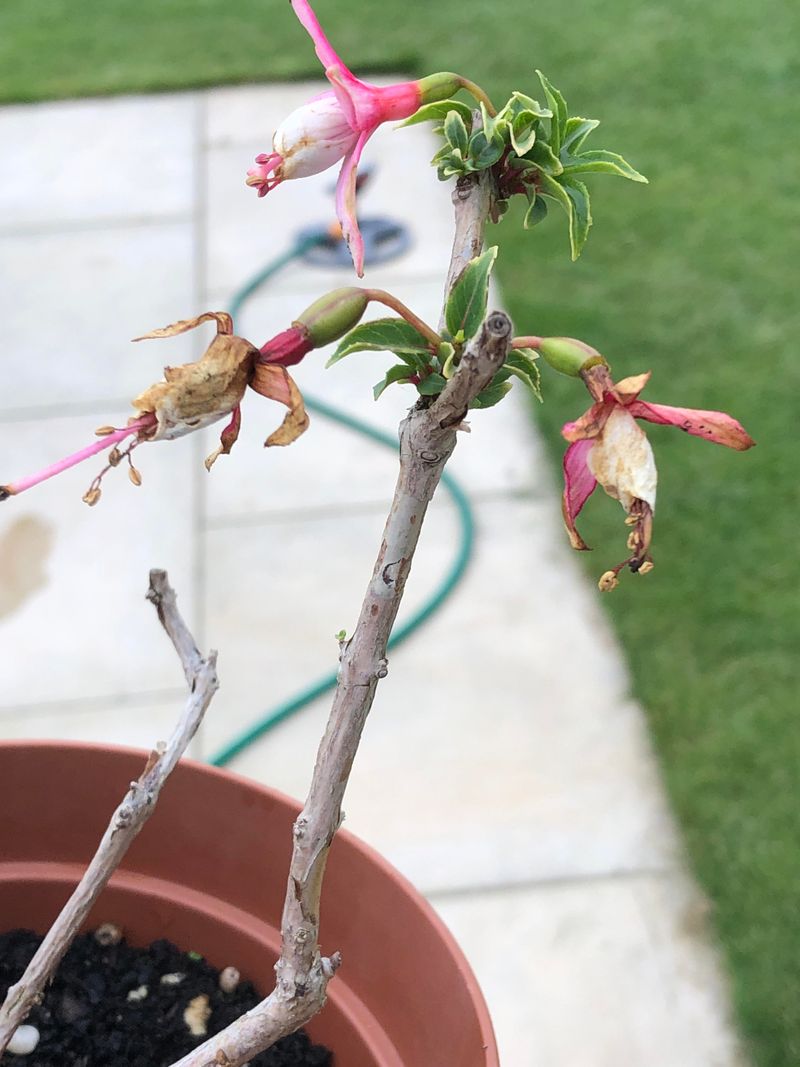
Deadheading is one of those gardening tasks that feels optional until you see what happens when you skip it.
Spent fuchsia flowers left on the plant begin forming seed pods, and the plant shifts its energy toward making seeds instead of producing new blooms.
The result is a plant that slows down dramatically and starts to look messy and tired.
Removing old flowers as soon as the petals drop keeps the plant focused on what you actually want, which is more flowers. It only takes a few minutes every couple of days, and the payoff is noticeable within a week.
Look for the small swollen base behind the petals, which is the developing seed pod, and pinch it off along with the spent flower.
In August especially, when Oregon heat is already working against the plant, every bit of energy counts. Letting the plant waste resources on seed production just adds to the stress.
Make deadheading a regular part of your routine, and your fuchsia will reward you with a steady stream of fresh, colorful blooms right through the end of the growing season.
It is one of the simplest and most rewarding things you can do for these plants.
6. Warm Nights Cutting The Bloom Show Short
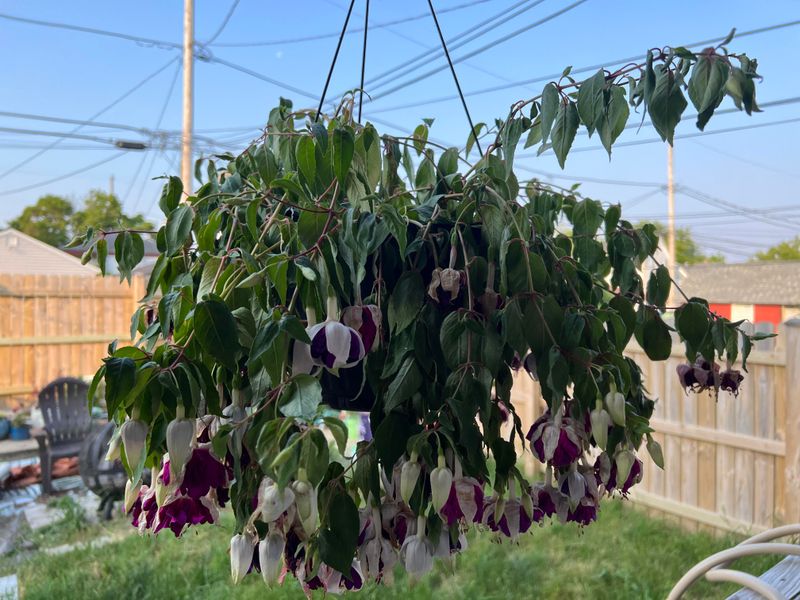
Fuchsias need cool nights to recover from the stress of hot days. When nighttime temperatures stay above 65 degrees Fahrenheit, the plant never fully resets, and that ongoing stress shows up in the blooms.
Flowers become smaller, paler, and shorter-lived when the nights stay warm for several days in a row.
This is one of the trickier problems to solve because you cannot control the weather. But you can work with it.
Moving potted fuchsias to the coolest spot in your yard at night, such as a shaded corner or a spot near a wall that does not absorb heat, can help lower the temperature around the plant a few degrees.
Misting the foliage lightly in the evening also helps cool things down. Avoid heavy watering at night since wet soil in warm conditions can invite root problems, but a gentle mist on the leaves can lower the leaf surface temperature noticeably.
August warm spells are tough on fuchsias everywhere, but gardeners who pay attention to nighttime conditions and make small adjustments tend to see much better bloom performance compared to those who only manage daytime care.
Small efforts at night add up to big results over time.
7. Hungry Plants Running Low On Flower Power
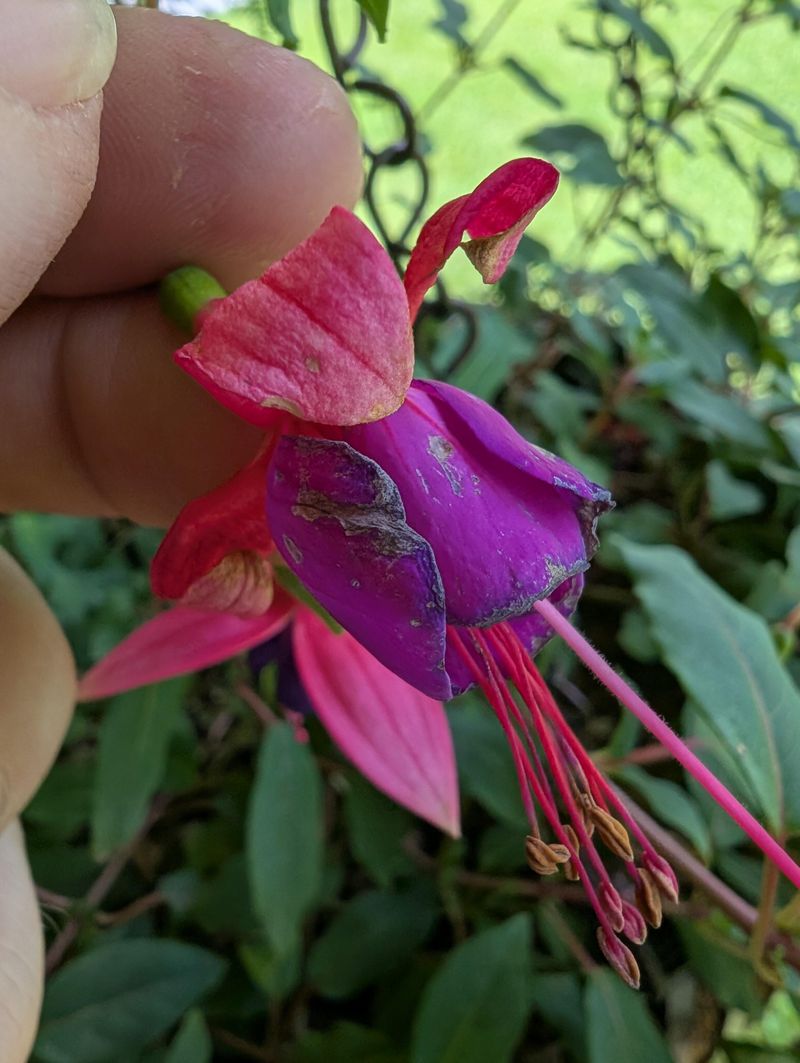
A fuchsia that has been in the same pot since spring has probably used up most of the nutrients in its soil by August.
Potting mixes start out rich, but frequent watering flushes nutrients out faster than most gardeners realize.
When the plant runs low on key nutrients, especially nitrogen and potassium, flower production slows and the blooms that do appear are pale and short-lived.
Feeding your fuchsia every one to two weeks with a balanced liquid fertilizer keeps the nutrient supply steady.
Look for fertilizers with a higher middle number, which represents phosphorus, since phosphorus supports flower development.
A formula like 15-30-15 or similar works really well for flowering plants during the peak growing season.
Signs of nutrient deficiency include yellowing leaves, very few new buds, and a generally dull appearance. If you spot these signs, do not wait.
Start a regular feeding schedule right away and stick to it. Avoid over-fertilizing with too much nitrogen since that pushes leafy green growth at the expense of flowers.
Feeding consistently and correctly through August gives your plant the fuel it needs to keep producing those gorgeous blooms even when the heat is working hard against it.
8. Wind Drying Petals Faster Than You Notice
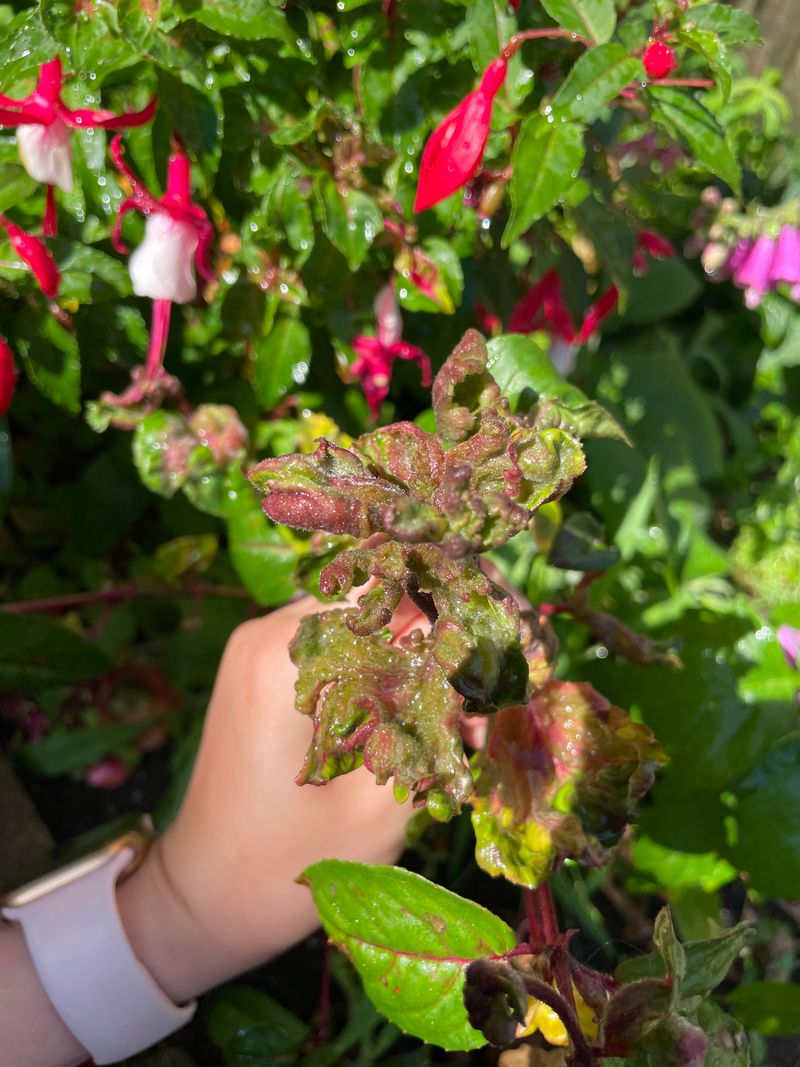
Wind might not be the first thing that comes to mind when fuchsia blooms start fading, but it is a real and sneaky problem. Even a steady breeze pulls moisture out of petals and leaves faster than the plant can replace it.
By the time the damage becomes visible, the flowers are already past their best and starting to drop.
Exposed locations like open decks, corners of buildings where wind funnels, and hilltops are especially risky for fuchsias in August.
If your plant is in one of those spots and looks consistently stressed, wind may be a bigger factor than you thought.
Relocating to a more sheltered area is the most straightforward solution.
If moving the plant is not practical, creating a windbreak using nearby plants, a fence, or a garden screen can reduce wind exposure significantly.
Even reducing wind by fifty percent can make a big difference in how long the blooms last and how fresh the petals look.
Keeping the plant well-watered is especially important in windy conditions since moisture loss through the leaves and petals happens constantly.
Wind combined with heat is one of the most stressful combinations a fuchsia can face, so addressing both together gives you the best results.
9. Overwatering Roots That Already Hate The Heat
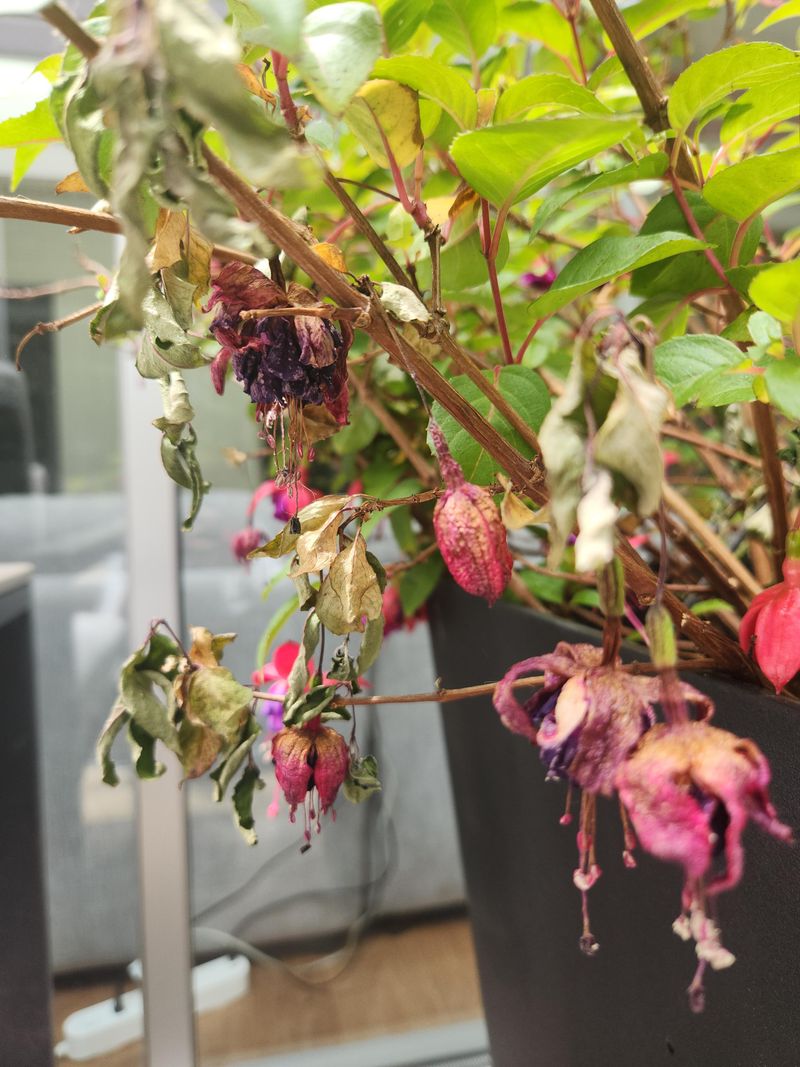
It seems like a contradiction, but overwatering can cause the same wilting and fading symptoms as underwatering. When soil stays soggy for too long, especially in warm August temperatures, the roots cannot get enough oxygen.
Stressed roots stop absorbing water and nutrients properly, and the flowers fade and drop just as they would in a drought.
The key is finding the balance between keeping the soil moist and letting it drain well. Always use pots with drainage holes and never let fuchsias sit in standing water.
If you water and the pot feels heavy and the soil looks dark and wet hours later, you are probably overwatering.
Checking the soil before each watering is the best habit to develop. Stick your finger about an inch into the soil.
If it still feels moist, wait before adding more water. In hot weather, the top layer of soil can dry out while the lower layers stay wet, so checking deeper is important.
A well-draining potting mix designed for containers makes a big difference too. Good drainage keeps roots healthy even during the hottest weeks of summer, and healthy roots are what keep those beautiful blooms coming strong all the way through the season.